



ML334
Based on 12 publication(s) in Google Scholar
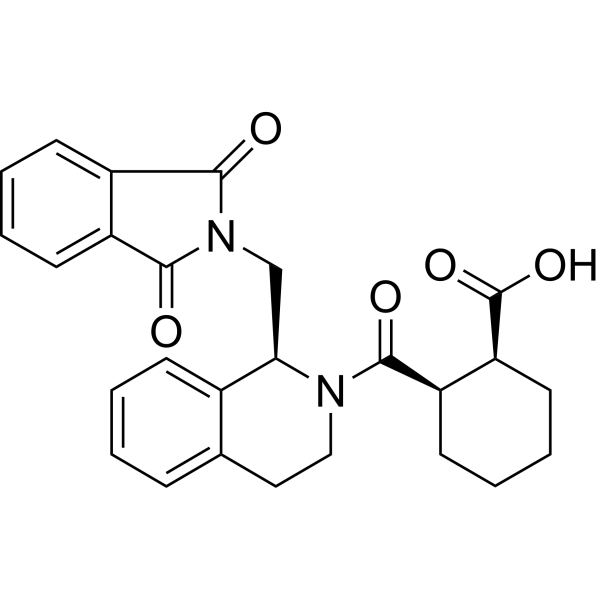
ML334 is a potent, cell permeable activator of NRF2 by inhibition of Keap1-NRF2 protein-protein interaction. ML334 binds to Keap1 Kelch domain with a Kd of 1 μM. ML334 stimulates NRF2 expression and nuclear translocation and induces antioxidant response elements (ARE) activity.
For research use only. We do not sell to patients.
- Purity : 98.09%
- CAS No.: 1432500-66-7
- Formula: C26H26N2O5
- Molecular Weight:446.50
-
Storage:
4°C, stored under nitrogen
* In solvent : -80°C, 6 months; -20°C, 1 month (stored under nitrogen)

To place orders, for customer services and technical support, please contact: MedChemExpress USA
Tel: 609-228-6898 E-mail: [email protected] [email protected]


-
 Biological Activity
-
Chemical Information
-
Solvent & Solubility
- Protocols
- Purity & Documentation
- References
-
 Help & FAQs


-
HY-112675
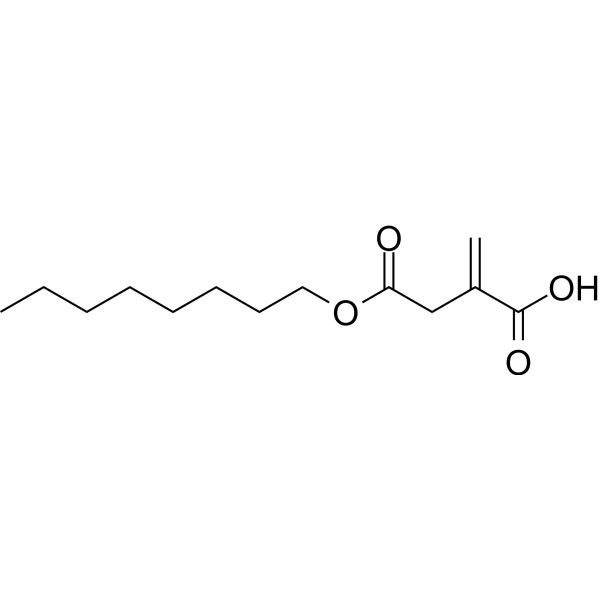
4-Octyl itaconateNrf2 Activator -
HY-100523
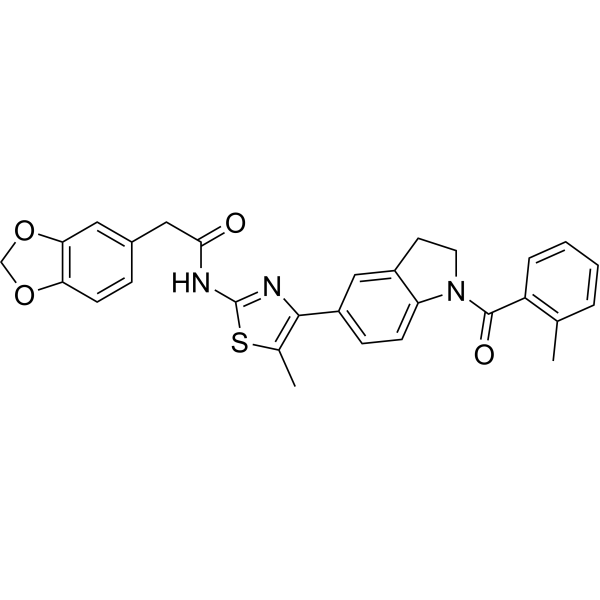
ML385Nrf2 Inhibitor -
HY-19734
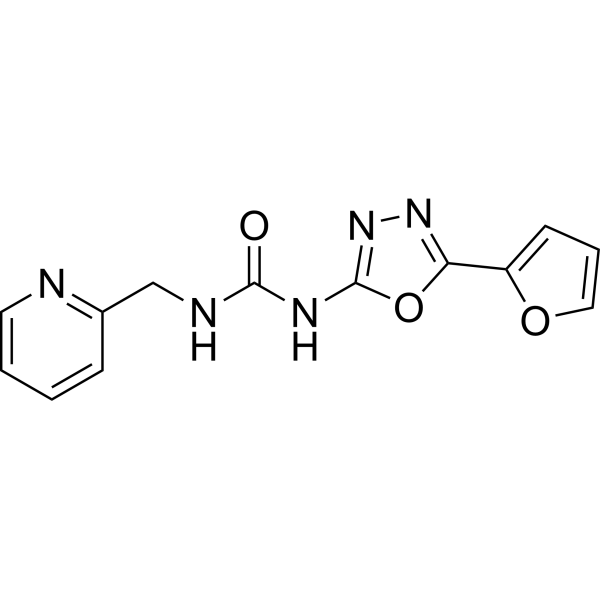
NK-252Nrf2 Activator -
HY-110275
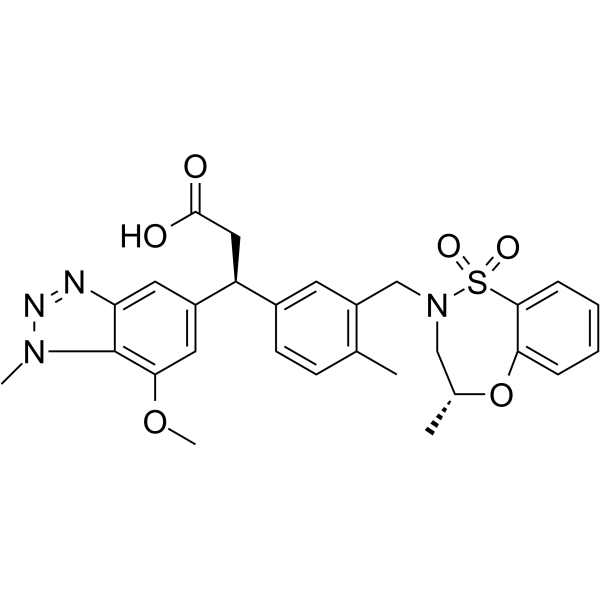
RA839Nrf2 Activator -
HY-101140
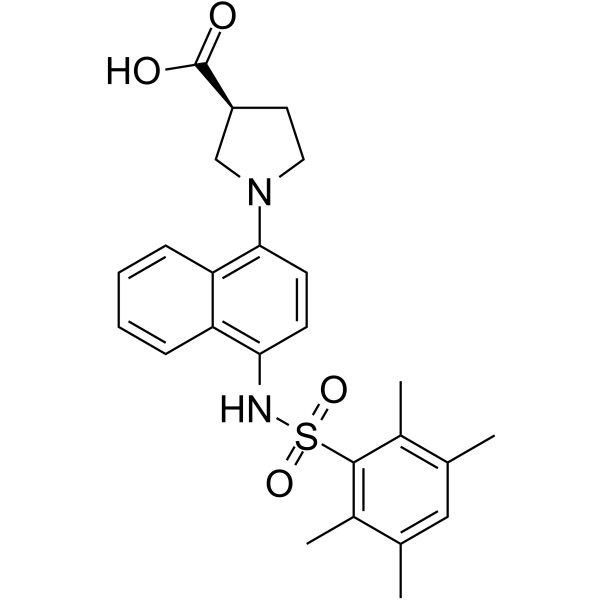
KI696KEAP1/NRF2 Protein-protein Interaction Inhibitor -
HY-13755
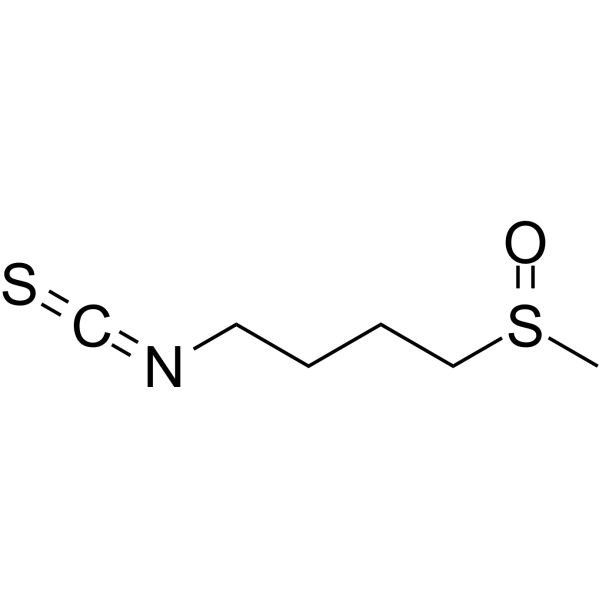
SulforaphaneKeap1/Nrf2/ARE Inducer -
HY-13324
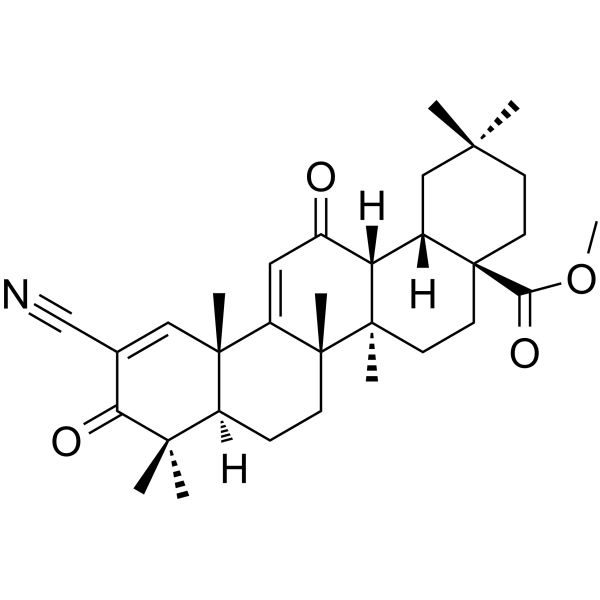
Bardoxolone methylNrf2 Activator -
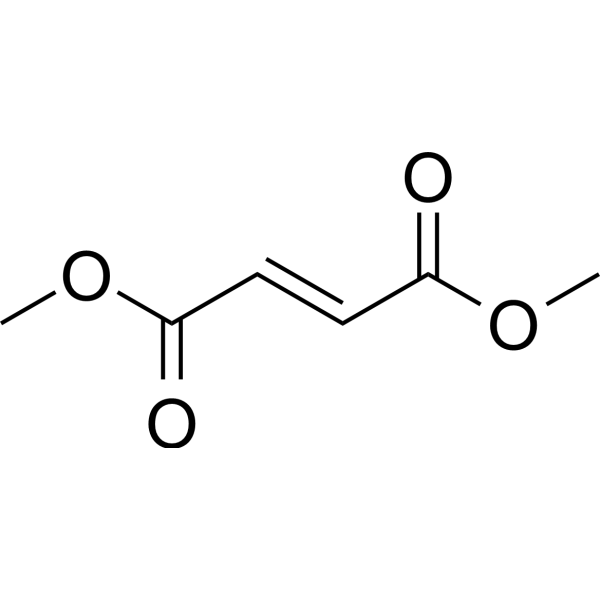
HY-17363
Dimethyl fumarateNrf2 Activator -
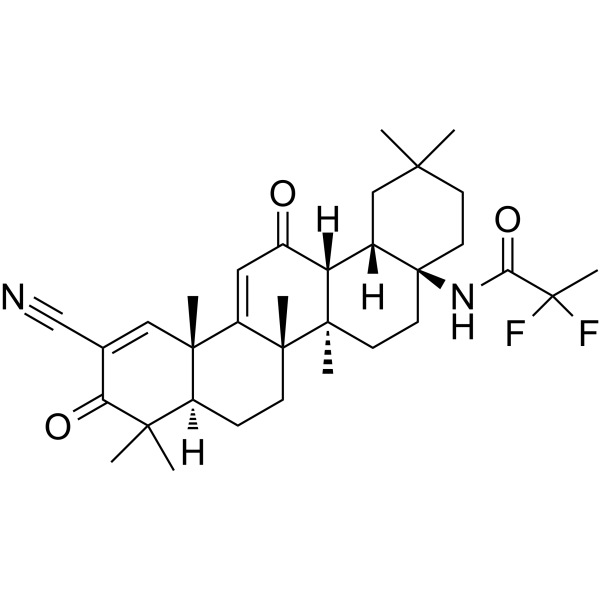
HY-12212
OmaveloxoloneNrf2 Activator -
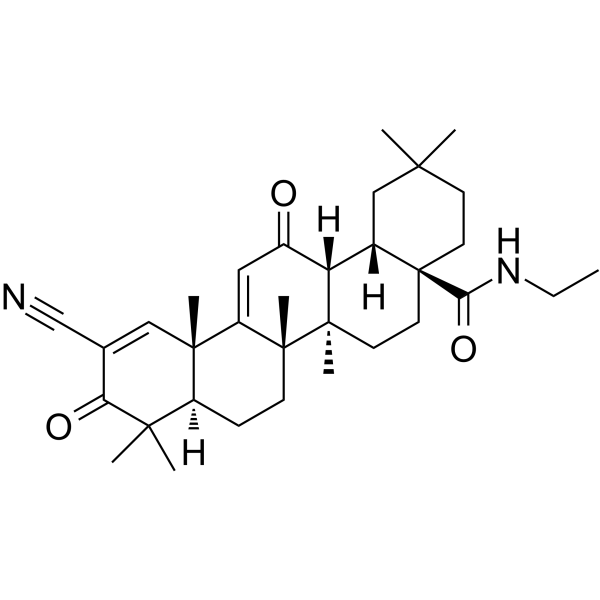
HY-12213
CDDO-EAKeap1-Nrf2 Activator -
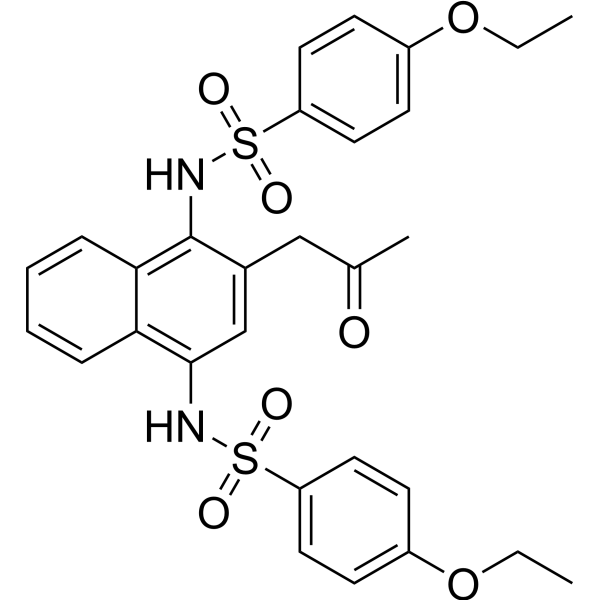
HY-111126
K67Keap1/S349-p-p62 Interaction Inhibitor -
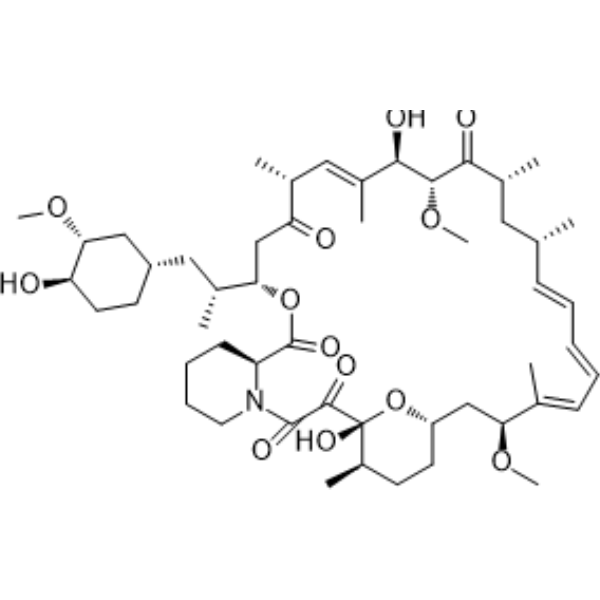
HY-10219
RapamycinmTOR Inhibitor
Publications Citing Use of MedChemExpress (MCE) ML334
More- Phytomedicine. 2024 Aug:131:155775. [Abstract]
- Int J Mol Med. 2026 May;57(5):117. [Abstract]
- J Agric Food Chem. 2026 Jul 1;74(25):19962-19978. [Abstract]
- Ecotoxicol Environ Saf. 2023 Oct 15:265:115534. [Abstract]
- Pak Vet J. 2026 Feb 14.46(2):460-467.
- Pharmaceuticals (Basel). 2022 Dec 22;16(1):14. [Abstract]
- Eur J Pharm Sci. 2022 May 1:172:106164. [Abstract]
- Cell Signal. 2025 Mar:127:111623. [Abstract]
- Cell Cycle. 2025 Mar-Apr;24(5-8):122-140. [Abstract]
- Mol Carcinog. 2022 Dec;61(12):1161-1176. [Abstract]
- bioRxiv. 2026 Jan 26.
- Research Square Print. December 14th, 2022.
 Customer Validation & Images

-
Cell Proliferation/Viability Assay
-
Cell Proliferation/Viability Assay
-
WB
-
Cell Proliferation/Viability Assay
-
Cell Imaging/Staining


Biological Activity
Description
IC50 & Target
Ki: 1 μM (Keap1)[2]
Cellular Effect
|
Cell Line

|
Type | Value | Description | References |
|---|---|---|---|---|
| HepG2 | EC50 |
18 μM
Compound: (SRS)-5, ML334, LH601A, isomer A,
|
Inhibition of Keap1-Nrf2 interaction in human HepG2 cells expressing ARE-bla assessed as activation of antioxidant response element by beta-lactamase reporter assay
Inhibition of Keap1-Nrf2 interaction in human HepG2 cells expressing ARE-bla assessed as activation of antioxidant response element by beta-lactamase reporter assay
|
[PMID: 23562243] |
| U2OS | EC50 |
12 μM
Compound: (SRS)-5, ML334, LH601A, isomer A,
|
Inhibition of Keap1-Nrf2 interaction in human U2OS cells assessed as Nrf2 nuclear translocation by beta-lactamase reporter assay
Inhibition of Keap1-Nrf2 interaction in human U2OS cells assessed as Nrf2 nuclear translocation by beta-lactamase reporter assay
|
[PMID: 23562243] |
In Vitro
ML334 (LH601A; 50-100 μM; 6-16 hours; HEK293 cells) treatment increases NQO1 and TRX1 mRNAs between 2- and 3-fold at both 6 and 16 h. And also enhances HO-1 mRNA expression between 4- and 7-fold at 6 h, with lesser fold-changes at 16 h[1].
ML334 (LH601A; 50-100 μM; 16 hours; HEK293 cells) treatment induces HO-1 and TRX1 proteins in HEK293 cells[1].
ML334 (LH601A) stimulates NRF2 expression and nuclear translocation in HEK293 cells[1].
MedChemExpress (MCE) has not independently confirmed the accuracy of these methods. They are for reference only.
-
Cell Line:HEK293 cells
-
Concentration:50 μM or 100 µM
-
Incubation Time:6 hours, 16 hours
-
Result:Increased NQO1 and TRX1 mRNAs between 2- and 3-fold at both 6 and 16 h. Enhanced HO-1 mRNA expression between 4- and 7-fold at 6 h.
-
Cell Line:HEK293 cells
-
Concentration:50 μM or 100 µM
-
Incubation Time:16 hours
-
Result:Enhanced HO-1 and TRX1 protein expression at 16 h.


Chemical Information
-
CAS No. 1432500-66-7
-
Appearance Solid
-
Molecular Weight 446.50
-
Formula C26H26N2O5
-
Color White to off-white
-
SMILES
O=C(C1=CC=CC=C1C2=O)N2C[C@@H]3C4=CC=CC=C4CCN3C([C@H]5[C@H](CCCC5)C(O)=O)=O
-
Synonyms
LH601A
-
Shipping
Room temperature in continental US; may vary elsewhere.
-
Storage
4°C, stored under nitrogen
* In solvent : -80°C, 6 months; -20°C, 1 month (stored under nitrogen)


Publications (12)
-
Journal Impact Factor
-
Most Recent
-
Phytomedicine
Hernandezine acts as a CDK4 suppressor inhibiting tumor growth by the CDK4/PKM2/NRF2 axis in colon cancer. [Abstract]2024 Aug:131:155775. PMID: 38838401 -
Int J Mol Med
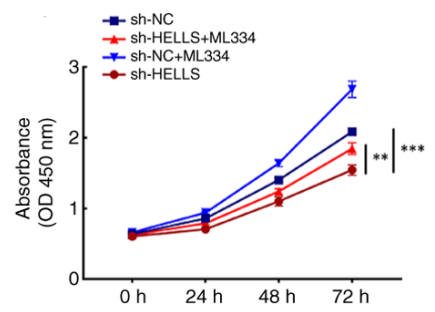
HELLS inhibits autophagy‑dependent ferroptosis in nasopharyngeal carcinoma by modulating the Nrf2/HO‑1/GPX4 pathway. [Abstract]2026 May;57(5):117. PMID: 41823538
ML334 purchased from MedChemExpress. Usage Cited in: Int J Mol Med. 2026 May;57(5):117. [Abstract]
Relative viability of the sh-HELLS, sh-NC, sh-HELLS + ML334 and sh-NC + ML334 groups at 0, 24, 48 and 72 h. Following ML334 (1 μM) treatment, cell viability significantly enhanced, indicating that ML334 effectively mitigated the ferroptosis induced by HELLS knockout
-
J Agric Food Chem
Nrf2/HO-1 Dysregulation is Involved in the Microplastic-Induced Gut-Liver Axis Damage Mechanism and the Protective Effect of Astaxanthin. [Abstract]2026 Jul 1;74(25):19962-19978. PMID: 42308009 -
Ecotoxicol Environ Saf
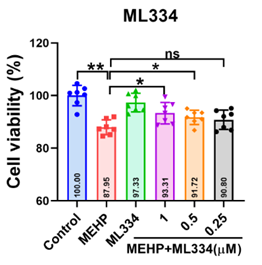
Activation of the p62-Keap1-Nrf2 pathway protects against oxidative stress and excessive autophagy in ovarian granulosa cells to attenuate DEHP-induced ovarian impairment in mice. [Abstract]2023 Oct 15:265:115534. PMID: 37776821
ML334 purchased from MedChemExpress. Usage Cited in: Ecotoxicol Environ Saf. 2023 Oct 15:265:115534. [Abstract]
The cell viability of KGN cells after 200 μM MEHP for 24 h with or without ML334 was assessed. The results indicated that pre-treatment with ML334 (1 h) effectively reversed the decreased viability.
-
-
Pharmaceuticals (Basel)
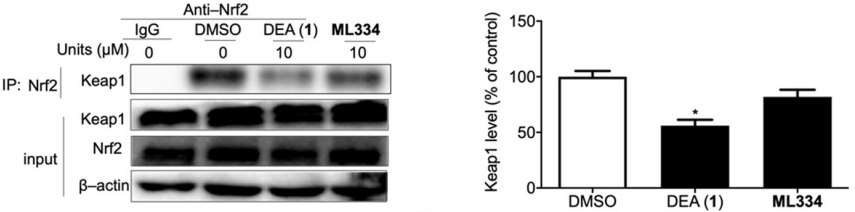
Dehydroeburicoic Acid, a Dual Inhibitor against Oxidative Stress in Alcoholic Liver Disease. [Abstract]2022 Dec 22;16(1):14. PMID: 36678511
ML334 purchased from MedChemExpress. Usage Cited in: Pharmaceuticals (Basel). 2022 Dec 22;16(1):14. [Abstract]
Dehydroeburicoic acid (DEA; 10 µM; 8 h) or ML334 (10 µM; 8 h) inhibited the Keap1-Nrf2 interaction, and there was a 45% reduction of Keap1 co-precipitated with Nrf2 for DEA as compared to 12% inhibition for ML334, in human normal liver cell line LO2 cells.
ML334 purchased from MedChemExpress. Usage Cited in: Pharmaceuticals (Basel). 2022 Dec 22;16(1):14. [Abstract]
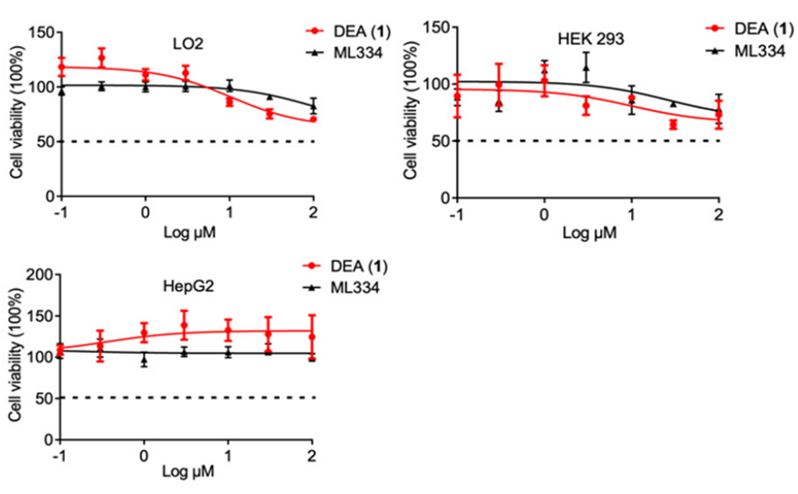
The cytotoxicity of DEA (1) and ML334 on LO2, HEK 293T, and HepG2 cell lines for 48 h. Cells were treated with 0–100 µM of DEA (1) and ML334 for 48 h and cytotoxicity was detected using the MTT assay.
ML334 purchased from MedChemExpress. Usage Cited in: Pharmaceuticals (Basel). 2022 Dec 22;16(1):14. [Abstract]
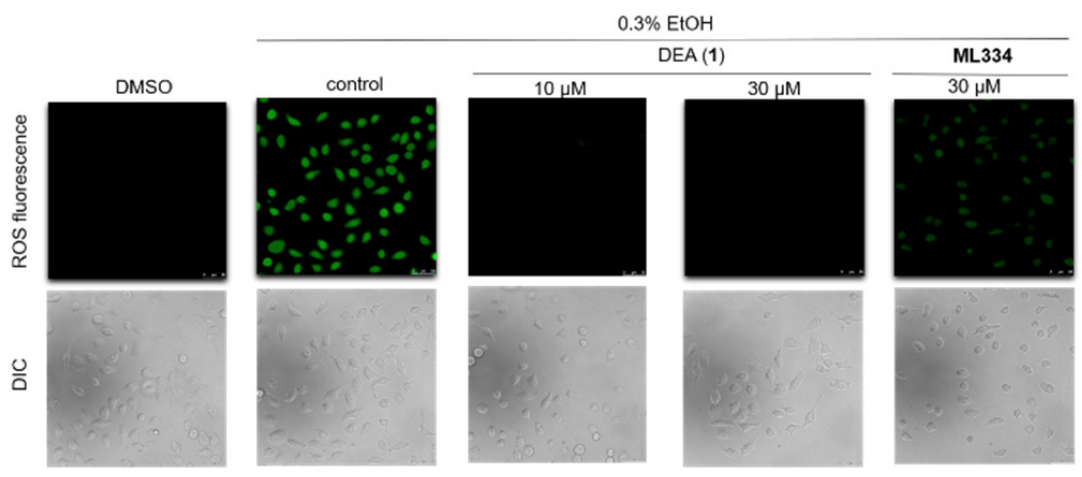
0.3% EtOH–induced LO2 cells were treated with 30 µM ML334, 10 or 30 µM compound DEA (1) for 8 h. Intracellular ROS level were detected by DCFH–DA probe and measured using the confocal laser scanning microscopy. The results indicated that both DEA (1) and ML334 could significantly decrease ROS level induced by EtOH.
-
Eur J Pharm Sci
DL-3-n-butylphthalide prevents oxidative stress and atherosclerosis by targeting Keap-1 and inhibiting Keap-1/Nrf-2 interaction. [Abstract]2022 May 1:172:106164. PMID: 35259495 -
Cell Signal
METTL14-mediated depression of NEIL1 aggravates oxidative damage and mitochondrial dysfunction of lens epithelial cells through regulating KEAP1/NRF2 pathways. [Abstract]2025 Mar:127:111623. PMID: 39855533 -
Cell Cycle
CEBPB activates NRF2 to regulate the MAPK pathway through DUSP1 to promote proliferation and antioxidant capacity in ovarian cancer cells. [Abstract]2025 Mar-Apr;24(5-8):122-140. PMID: 40726047 -
Mol Carcinog
Transcription factor Nrf2 binds to circRNAPIBF1 to regulate SOD2 in lung adenocarcinoma progression. [Abstract]2022 Dec;61(12):1161-1176. PMID: 36193777 -
-


Solvent & Solubility
In Vitro:
DMSO : 44.65 mg/mL (100.00 mM; Need ultrasonic; Hygroscopic DMSO has a significant impact on the solubility of product, please use newly opened DMSO)
Ethanol : 44.65 mg/mL (100.00 mM; Need ultrasonic)
Please refer to the solubility information to select the appropriate solvent. Once prepared, please aliquot and store the solution to prevent product inactivation from repeated freeze-thaw cycles.
Storage method and period of stock solution: -80°C, 6 months; -20°C, 1 month (stored under nitrogen). When stored at -80°C, please use it within 6 months. When stored at -20°C, please use it within 1 month.
Please refer to the solubility information to select the appropriate solvent. Once prepared, please aliquot and store the solution to prevent product inactivation from repeated freeze-thaw cycles.
Storage method and period of stock solution: -80°C, 6 months; -20°C, 1 month (stored under nitrogen). When stored at -80°C, please use it within 6 months. When stored at -20°C, please use it within 1 month.
Concentration (start) × Volume (start) = Concentration (final) × Volume (final)
In Vivo:
Select the appropriate dissolution method based on your experimental animal and administration route.
- For the following dissolution methods, please ensure to first prepare a clear stock solution using an In Vitro approach and then sequentially add co-solvents:
- To ensure reliable experimental results, the clarified stock solution can be appropriately stored based on storage conditions. As for the working solution for In Vivo experiments, it is recommended to prepare freshly and use it on the same day.
- The percentages shown for the solvents indicate their volumetric ratio in the final prepared solution. If precipitation or phase separation occurs during preparation, heat and/or sonication can be used to aid dissolution.
Add each solvent one by one: 10% DMSO 40% PEG300 5% Tween-80 45% Saline
Solubility: ≥ 5 mg/mL (11.20 mM); Clear solution
This protocol yields a clear solution of ≥ 5 mg/mL (saturation unknown).
Taking 1 mL working solution as an example, add 100 μL DMSO stock solution (50.0 mg/mL) to 400 μL PEG300, and mix evenly; then add 50 μL Tween-80 and mix evenly; then add 450 μL Saline to adjust the volume to 1 mL.
Preparation of Saline: Dissolve 0.9 g sodium chloride in ddH₂O and dilute to 100 mL to obtain a clear Saline solution.
In Vivo Dissolution Calculator
Please enter the basic information of animal experiments:
-
-
-
-
Recommended: Prepare an additional quantity of animals to account for potential losses during experiments.
Please enter your animal formula composition:
-
%DMSO +
Recommended: Keep the proportion of DMSO in working solution below 2% if your animal is weak.
-
%+
-
+%Tween-80 + +
-
%Saline +
The co-solvents required include: DMSO, . All of co-solvents are available by MedChemExpress (MCE). , Tween 80. All of co-solvents are available by MedChemExpress (MCE).
Working solution concentration: 0.22 mg/mL
Method for preparing stock solution: mg drug dissolved in μL DMSO. Stock solution concentration: mg/mL. * In solvent : -80°C, 6 months; -20°C, 1 month (stored under nitrogen)
1. Take μL DMSO stock solution;
2. Add μL .
μL , mix evenly;
3. Then add μL Tween 80, mix evenly;
4. Then add μL
Please ensure that the stock solution in the first step is dissolved to a clear state, and add co-solvents in sequence. You can use ultrasonic heating (ultrasonic cleaner, recommended frequency 20-40 kHz), vortexing, etc. to assist dissolution.


Purity & Documentation
-
Data Sheet (282 KB)
-
SDS (252 KB)
- English - EN (252 KB)
- Français - FR (252 KB)
- Deutsch - DE (252 KB)
- Norwegian - NO (252 KB)
- Español - ES (252 KB)
- Swedish - SV (252 KB)
- Italian - IT (252 KB)
- Korean - KR (252 KB)
- Portuguese - PT (252 KB)
-
Handling Instructions (2659 KB)
References
[1]. Wen X, et al. Activation of NRF2 Signaling in HEK293 Cells by a First-in-Class Direct KEAP1-NRF2 Inhibitor. J Biochem Mol Toxicol. 2015 Jun;29(6):261-6. [Content Brief]
[2]. Hu L, et al. Discovery of a small-molecule inhibitor and cellular probe of Keap1-Nrf2 protein-protein interaction. Bioorg Med Chem Lett. 2013 May 15;23(10):3039-43. [Content Brief]


Complete Stock Solution Preparation Table
Please refer to the solubility information to select the appropriate solvent. Once prepared, please aliquot and store the solution to prevent product inactivation from repeated freeze-thaw cycles.
Storage method and period of stock solution: -80°C, 6 months; -20°C, 1 month (stored under nitrogen). When stored at -80°C, please use it within 6 months. When stored at -20°C, please use it within 1 month.
| Optional Solvent | Concentration Solvent Mass | 1 mg | 5 mg | 10 mg | 25 mg |
|---|---|---|---|---|---|
| DMSO / Ethanol | 1 mM | 2.2396 mL | 11.1982 mL | 22.3964 mL | 55.9910 mL |
| 5 mM | 0.4479 mL | 2.2396 mL | 4.4793 mL | 11.1982 mL | |
| 10 mM | 0.2240 mL | 1.1198 mL | 2.2396 mL | 5.5991 mL | |
| 15 mM | 0.1493 mL | 0.7465 mL | 1.4931 mL | 3.7327 mL | |
| 20 mM | 0.1120 mL | 0.5599 mL | 1.1198 mL | 2.7996 mL | |
| 25 mM | 0.0896 mL | 0.4479 mL | 0.8959 mL | 2.2396 mL | |
| 30 mM | 0.0747 mL | 0.3733 mL | 0.7465 mL | 1.8664 mL | |
| 40 mM | 0.0560 mL | 0.2800 mL | 0.5599 mL | 1.3998 mL | |
| 50 mM | 0.0448 mL | 0.2240 mL | 0.4479 mL | 1.1198 mL | |
| 60 mM | 0.0373 mL | 0.1866 mL | 0.3733 mL | 0.9332 mL | |
| 80 mM | 0.0280 mL | 0.1400 mL | 0.2800 mL | 0.6999 mL |


ML334 Related Classifications
HY-110258 Related Classifications
 Powered by Bioz