



SR1078
Based on 16 publication(s) in Google Scholar
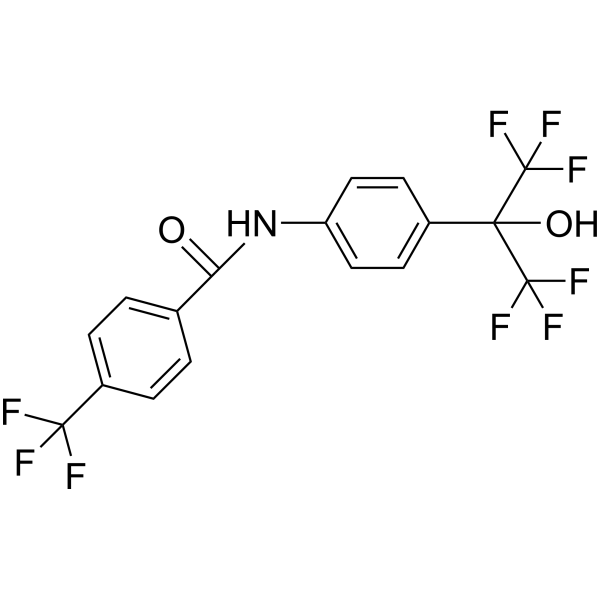
SR1078 is a selective agonist of retinoic acid receptor-related orphan receptor α/γ (RORα/RORγ). SR1078 directly binds to the ligand binding domain of RORα and RORγ and increases the transcriptional activity of these receptors, leading to stimulation of RORα/γ target gene transcription.
Nos produits utilisent uniquement pour la recherche. Nous ne vendons pas aux patients.
- Pureté : 99.75%
- CAS No.: 1246525-60-9
- Formule: C17H10F9NO2
- Masse moléculaire:431.25
-
Stockage:Powder -20°C, 3 years , 4°C, 2 years ; In solvent -80°C, 1 year , -20°C, 6 months

To place orders, for customer services and technical support, please contact: MedChemExpress USA
Tel: 609-228-6898 E-mail: [email protected] [email protected]


-
 Activité biologique
-
Chemical Information
-
Solvant et solubilité
- Protocole
- Pureté et documentation
- Références
-
 Help & FAQs


-
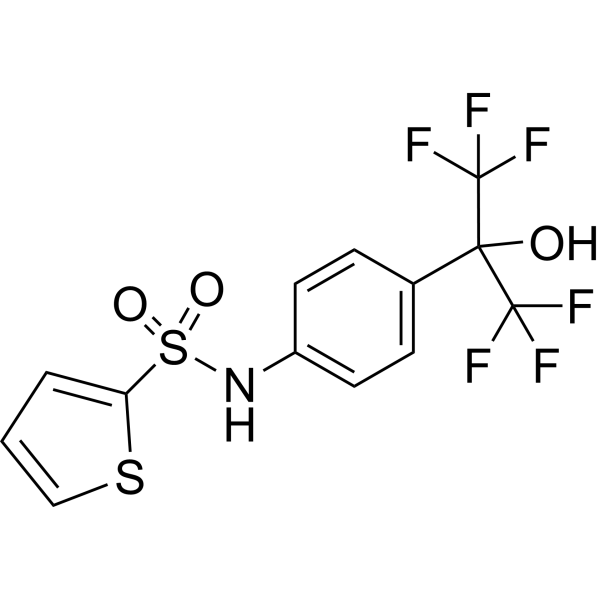
HY-14413
SR3335RORα Inverse Agonist -
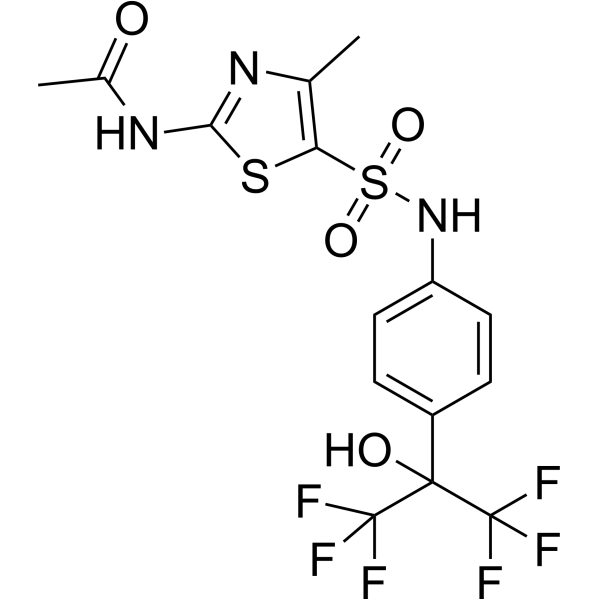
HY-13421
SR1001RORα/γt Inverse Agonist -
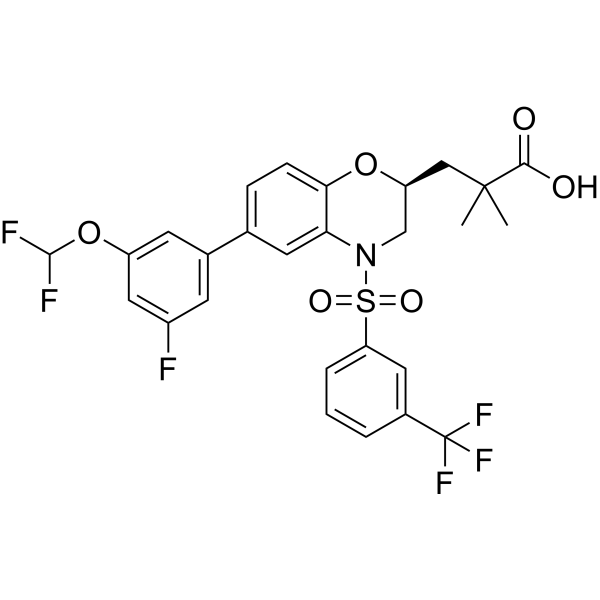
HY-104037
CintirorgonRORγ Agonist -
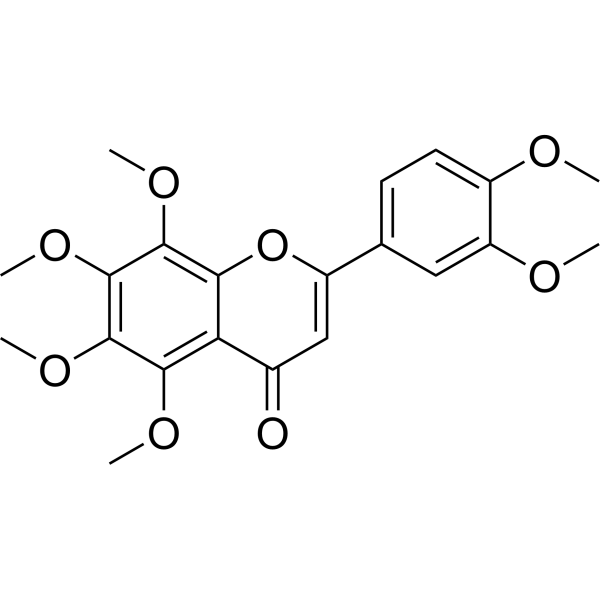
HY-N0155
NobiletinROR Agonist -
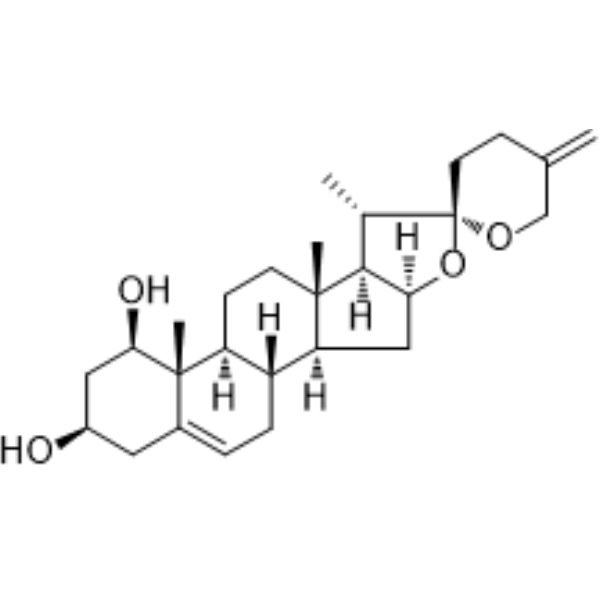
HY-N2253
NeoruscogeninRORα Agoinst -
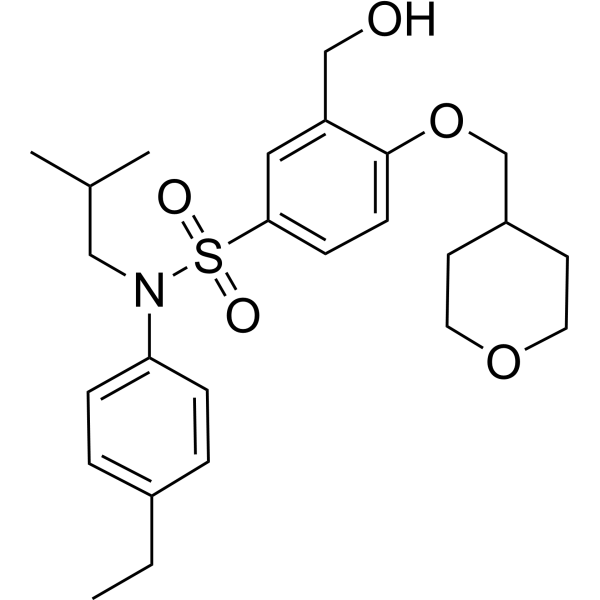
HY-19770
GSK2981278RORγ Inverse Agonist -
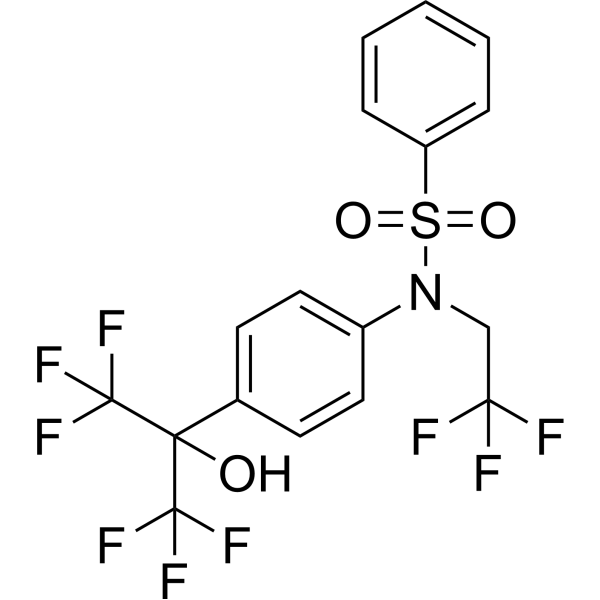
HY-10626
T0901317LXR Agonist -
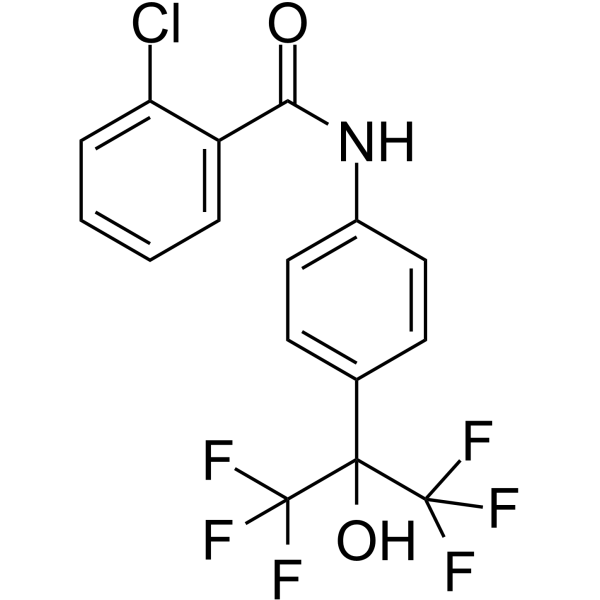
HY-101454
SR0987RORγt Agonist -
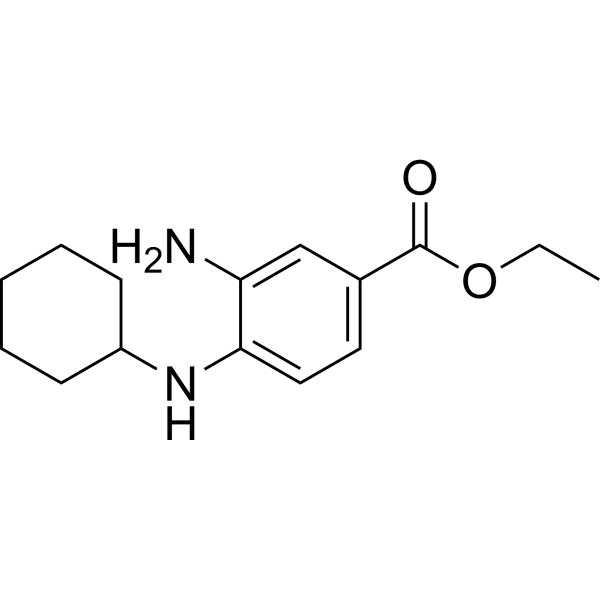
HY-100579
Ferrostatin-1Ferroptosis Inhibitor -
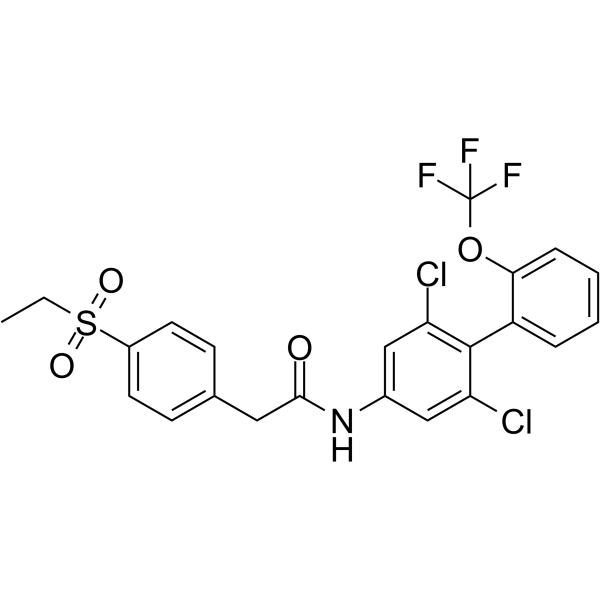
HY-12776
GSK805RORγt Inhibitor -
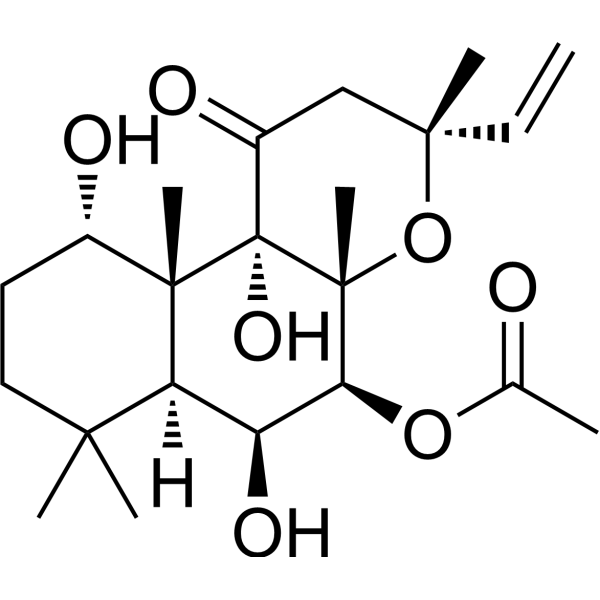
HY-15371
ForskolinAdenylate Cyclase Activator -
HY-B0075
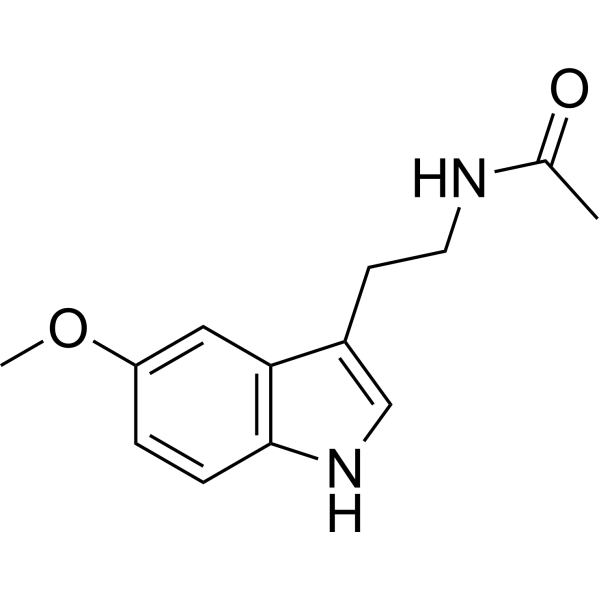
MelatoninMelatonin Receptor Activator
Publications Citing Use of MedChemExpress (MCE) SR1078
More- Hepatology. 2022 May;75(5):1181-1193. [Abstract]
- Acta Pharm Sin B. 2018, 53(1): 62-67.
- Cell Death Differ. 2023 Jun;30(6):1503-1516. [Abstract]
- Cell Death Dis. 2021 Sep 28;12(10):886. [Abstract]
- NPJ Parkinsons Dis. 2022 Jul 8;8(1):90. [Abstract]
- Antioxidants (Basel). 2022 Apr 8;11(4):748. [Abstract]
- Cell Rep. 2024 Feb 15;43(2):113786. [Abstract]
- Int Immunopharmacol. 2022 Aug:109:108778. [Abstract]
- Eur J Med Res. 2025 Nov 5;30(1):1073. [Abstract]
- Poult Sci. 2020 Sep;99(9):4294-4302. [Abstract]
- FASEB J. 2026 Jun 15;40(11):e71983. [Abstract]
- FASEB J. 2019 Apr;33(4):5704-5715. [Abstract]
- J Cell Physiol. 2019 Sep;234(9):16562-16572. [Abstract]
- Animals (Basel). 2024 Dec 2;14(23):3477. [Abstract]
- Immunol Lett. 2019 Sep:213:21-29. [Abstract]
- Biochem Biophys Res Commun. 2024 Nov 12:733:150421. [Abstract]
 Customer Validation & Images

-
RT-PCR
-
RT-PCR
-
Cell Imaging/Staining
-
IF
-
Cell Proliferation/Viability Assay


Activité biologique
Description
IC50 & Target
RORα/γ[1]
In Vitro
SR1078 is a synthetic RORα/RORγ ligand. SR1078 modulates the conformation of RORγ in a biochemical assay and activates RORα and RORγ driven transcription. Furthermore, SR1078 stimulates expression of endogenous ROR target genes in HepG2 cells that express both RORα and RORγ. In a cell-based chimeric receptor Gal4 DNA-binding domain-NR ligand binding domain cotransfection assay, SR1078 significantly inhibits the constitutive transactivation activity of RORα and RORγ, but has no effect on the activity of FXR, LXRα and LXRβ. In a RORα cotransfection assay, treatment of cells with SR1078 (10 μM) results in a significant increase in transcription. Similarly, in the RORγ cotransfection assay, SR1078 treatment results in a stimulation of RORγ-dependent transcription activity[1].
SR1078 (2-10 μM; 24 hours) shows a dose-dependent increase in expression of A2BP1, CYP19A1, NLGN1, and IPTR1 in SH-SY5Y cells. EC50’s are in the range of 3-5 μM[2].
MedChemExpress (MCE) has not independently confirmed the accuracy of these methods. They are for reference only.
In Vivo
SR1078 (10 mg/kg; i.p.) shows a significant 25% reduction in repetitive grooming behavior in the BTBR mice[2].
MedChemExpress (MCE) has not independently confirmed the accuracy of these methods. They are for reference only.


Chemical Information
-
CAS No. 1246525-60-9
-
Appearance Solid
-
Masse moléculaire 431.25
-
Formule C17H10F9NO2
-
Color White to off-white
-
SMILES
O=C(NC1=CC=C(C(C(F)(F)F)(C(F)(F)F)O)C=C1)C2=CC=C(C(F)(F)F)C=C2
-
Livraison
Room temperature in continental US; may vary elsewhere.
-
Stockage
Powder -20°C 3 years 4°C 2 years In solvent -80°C 1 year -20°C 6 months


Publications (16)
-
Journal Impact Factor
-
Most Recent
-
Hepatology
Requirement of RORα for maintenance and antitumor immunity of liver-resident natural killer cells/ILC1s. [Abstract]2022 May;75(5):1181-1193. PMID: 34510508 -
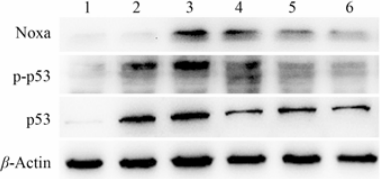
SR1078 purchased from MedChemExpress. Usage Cited in: Acta Pharm Sin B. 2018, 53(1): 62-67.
Effect of SR1078 on expression of p53, p-p53 and Noxa protein in Hey cells. Hey cells were treated with PFT-α (10 μM) and PFT-β (25 μM) for 4 h, followed by treated with 10 μM SR1078 for 48 h, and then the p53, p-p53 and Noxa protein expression are evaluated by Western blot.
-
Cell Death Differ
Developmental growth plate cartilage formation suppressed by artificial light at night via inhibiting BMAL1-driven collagen hydroxylation. [Abstract]2023 Jun;30(6):1503-1516. PMID: 37029304
SR1078 purchased from MedChemExpress. Usage Cited in: Cell Death Differ. 2023 Jun;30(6):1503-1516. [Abstract]
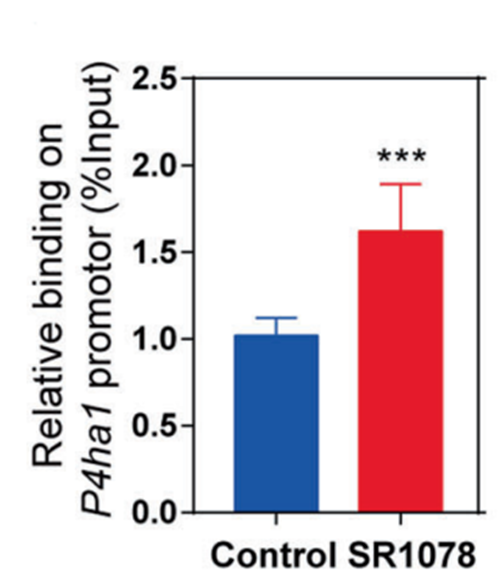
ChIP-qPCR analysis of the interaction between BMAL1 and P4ha1 promotor after SR1078 (15 mg/kg, i.p.) administration.
SR1078 purchased from MedChemExpress. Usage Cited in: Cell Death Differ. 2023 Jun;30(6):1503-1516. [Abstract]
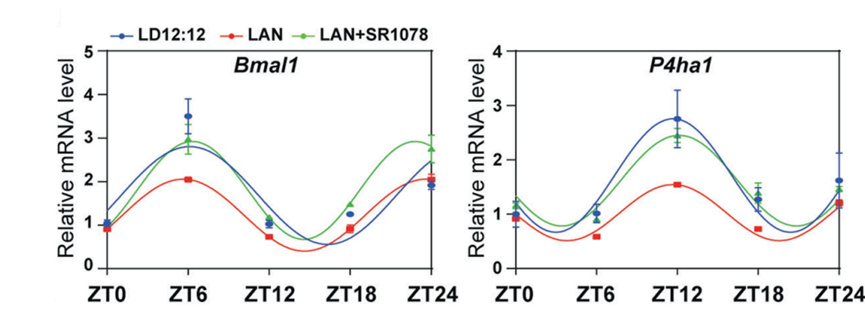
qRT-PCR analysis of the relative expression of P4ha1 and Bmal1 over a 24 h period within the growth plates of 7-week-old LD12:12 and LAN-exposure mice, with or without SR1078 (15 mg/kg, i.p.) administration.
SR1078 purchased from MedChemExpress. Usage Cited in: Cell Death Differ. 2023 Jun;30(6):1503-1516. [Abstract]
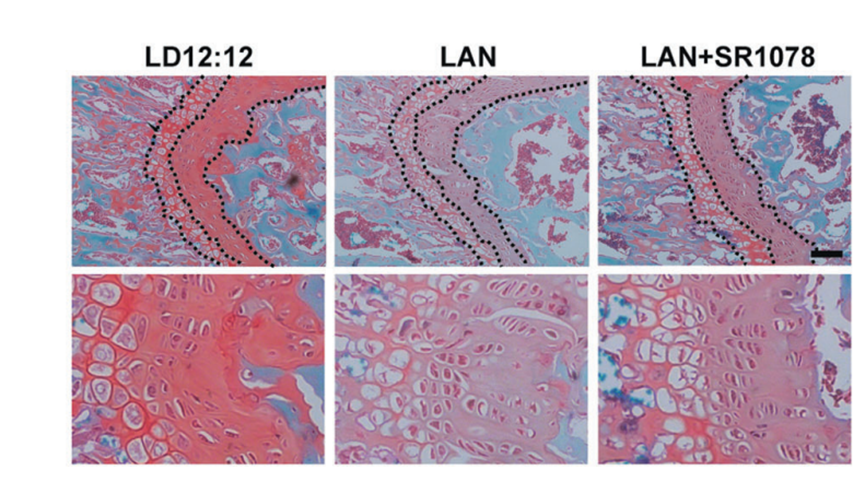
Safranin O staining of femur growth plate cartilage and quantitative analysis of proliferative zone length and ECM proportion in LD12:12 and LAN-exposure mice with or without SR1078 (15 mg/kg, i.p.) administration.
SR1078 purchased from MedChemExpress. Usage Cited in: Cell Death Differ. 2023 Jun;30(6):1503-1516. [Abstract]
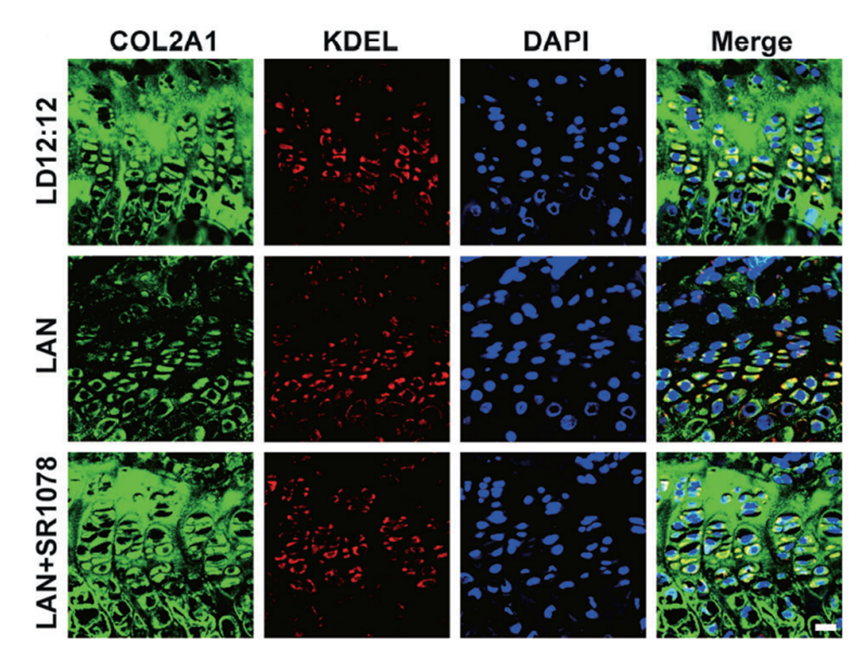
Immunofluorescence analysis of COL2A1 AND KDEL in the femur of LD12:12 and LAN-exposure mice, with or without SR1078 (15 mg/kg, i.p.) administration.
-
Cell Death Dis
Inhibition of nuclear receptor RORα attenuates cartilage damage in osteoarthritis by modulating IL-6/STAT3 pathway. [Abstract]2021 Sep 28;12(10):886. PMID: 34584074
SR1078 purchased from MedChemExpress. Usage Cited in: Cell Death Dis. 2021 Sep 28;12(10):886. [Abstract]
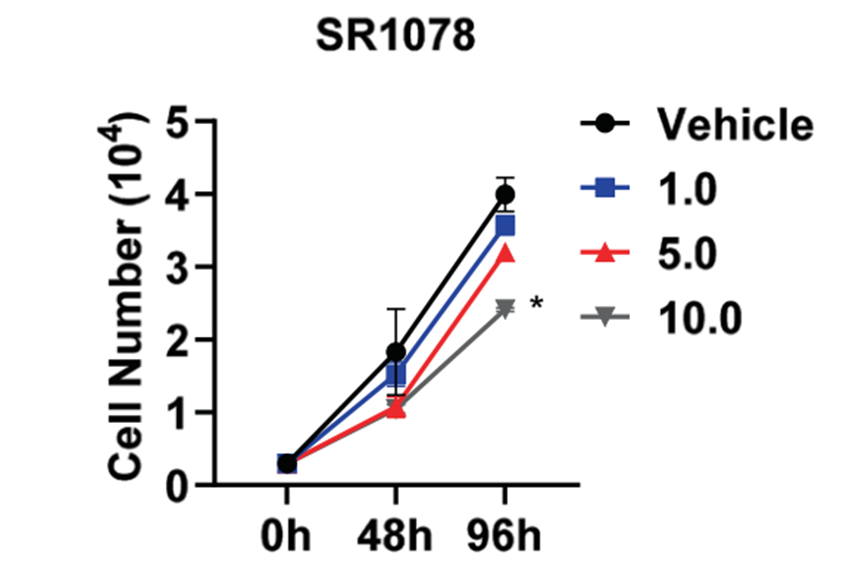
Primary chondrocytes were treated with different concentrations of SR1078 (0, 1, 5, 10 μM). After the indicated time points, viable cells were counted using CCK-8 assay.
-
NPJ Parkinsons Dis
Melatonin ameliorates Parkinson's disease via regulating microglia polarization in a RORα-dependent pathway. [Abstract]2022 Jul 8;8(1):90. PMID: 35803929 -
Antioxidants (Basel)
Melatonin Nuclear Receptors Mediate Green-and-Blue-Monochromatic-Light-Combinations-Inhibited B Lymphocyte Apoptosis in the Bursa of Chickens via Reducing Oxidative Stress and Nfκb Expression. [Abstract]2022 Apr 8;11(4):748. PMID: 35453433 -
Cell Rep
RORα is required for expansion and memory maintenance of ILC1s via a lymph node-liver axis. [Abstract]2024 Feb 15;43(2):113786. PMID: 38363684 -
Int Immunopharmacol
Melatonin relieves Th17/CD4-CD8- T cells inflammatory responses via nuclear-receptor dependent manner in peripheral blood of primary Sjögren's syndrome. [Abstract]2022 Aug:109:108778. PMID: 35537347 -
Eur J Med Res
Retinoic acid-related orphan nuclear receptor alpha inhibits adipogenic differentiation of bone marrow mesenchymal stem cells via activating WNT/β-catenin signaling pathway. [Abstract]2025 Nov 5;30(1):1073. PMID: 41194142 -
Poult Sci
Melatonin mediates monochromatic light-induced proliferation of T/B lymphocytes in the spleen via the membrane receptor or nuclear receptor. [Abstract]2020 Sep;99(9):4294-4302. PMID: 32867973 -
FASEB J
Retinoic Acid-Related Orphan Nuclear Receptor Alpha Promotes Cartilage Degeneration in Osteoarthritis by Activating the Wnt/β-Catenin Pathway. [Abstract]2026 Jun 15;40(11):e71983. PMID: 42240585 -
FASEB J
The orphan nuclear receptor RORα is a potential endogenous protector in renal ischemia/reperfusion injury. [Abstract]2019 Apr;33(4):5704-5715. PMID: 30673513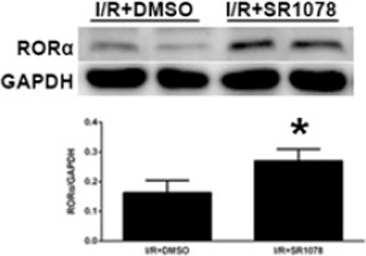
SR1078 purchased from MedChemExpress. Usage Cited in: FASEB J. 2019 Apr;33(4):5704-5715. [Abstract]
Representative Western blotting images of RORα expression in the kidney at 24 h post-I/R and with or without the treatment of SR1078.
-
J Cell Physiol
MCPIP1 regulates RORα expression to protect against liver injury induced by lipopolysaccharide via modulation of miR-155. [Abstract]2019 Sep;234(9):16562-16572. PMID: 30811042 -
Animals (Basel)
Retinoic Acid-Related Orphan Receptor Alpha May Regulate the State of Hair Follicle Stem Cells by Upregulating the Expression of BNIP3. [Abstract]2024 Dec 2;14(23):3477. PMID: 39682442 -
Immunol Lett
Effect of the melatonin nuclear receptor RORα on monochromatic light-induced T-lymphocyte proliferation in chicken thymus. [Abstract]2019 Sep:213:21-29. PMID: 31326445 -
Biochem Biophys Res Commun
Retinoic acid receptor-related orphan receptor alpha and synthetic RORα agonist against invasion and metastasis in tongue squamous cell carcinoma. [Abstract]2024 Nov 12:733:150421. PMID: 39047426


Solvant et solubilité
In Vitro:
DMSO : 33.33 mg/mL (77.29 mM; Need ultrasonic; Hygroscopic DMSO has a significant impact on the solubility of product, please use newly opened DMSO)
Please refer to the solubility information to select the appropriate solvent. Once prepared, please aliquot and store the solution to prevent product inactivation from repeated freeze-thaw cycles.
Storage method and period of stock solution: -80°C, 1 year; -20°C, 6 months. When stored at -80°C, please use it within 1 year. When stored at -20°C, please use it within 6 months.
Please refer to the solubility information to select the appropriate solvent. Once prepared, please aliquot and store the solution to prevent product inactivation from repeated freeze-thaw cycles.
Storage method and period of stock solution: -80°C, 1 year; -20°C, 6 months. When stored at -80°C, please use it within 1 year. When stored at -20°C, please use it within 6 months.
Concentration (start) × Volume (start) = Concentration (final) × Volume (final)
In Vivo:
Select the appropriate dissolution method based on your experimental animal and administration route.
- For the following dissolution methods, please ensure to first prepare a clear stock solution using an In Vitro approach and then sequentially add co-solvents:
- To ensure reliable experimental results, the clarified stock solution can be appropriately stored based on storage conditions. As for the working solution for In Vivo experiments, it is recommended to prepare freshly and use it on the same day.
- The percentages shown for the solvents indicate their volumetric ratio in the final prepared solution. If precipitation or phase separation occurs during preparation, heat and/or sonication can be used to aid dissolution.
Add each solvent one by one: 10% DMSO 40% PEG300 5% Tween-80 45% Saline
Solubility: 2.5 mg/mL (5.80 mM); Suspended solution; Need ultrasonic
This protocol yields a suspended solution of 2.5 mg/mL. Suspended solution can be used for oral and intraperitoneal injection.
Taking 1 mL working solution as an example, add 100 μL DMSO stock solution (25.0 mg/mL) to 400 μL PEG300, and mix evenly; then add 50 μL Tween-80 and mix evenly; then add 450 μL Saline to adjust the volume to 1 mL.
Preparation of Saline: Dissolve 0.9 g sodium chloride in ddH₂O and dilute to 100 mL to obtain a clear Saline solution.
Add each solvent one by one: 10% DMSO 90% (20% SBE-β-CD in Saline)
Solubility: ≥ 2.5 mg/mL (5.80 mM); Clear solution
This protocol yields a clear solution of ≥ 2.5 mg/mL (saturation unknown).
Taking 1 mL working solution as an example, add 100 μL DMSO stock solution (25.0 mg/mL) to 900 μL 20% SBE-β-CD in Saline, and mix evenly.
Preparation of 20% SBE-β-CD in Saline (4°C, storage for one week): 2 g SBE-β-CD powder is dissolved in 10 mL Saline, completely dissolve until clear.
For the following dissolution methods, please prepare the working solution directly:
It is recommended to prepare fresh solutions and use them promptly within a short period of time.
The percentages shown for the solvents indicate their volumetric ratio in the final prepared solution. If precipitation or phase separation occurs during preparation, heat and/or sonication can be used to aid dissolution.
Add each solvent one by one: 50% PEG300 50% Saline
Solubility: 2 mg/mL (4.64 mM); Clear solution; Need ultrasonic
In Vivo Dissolution Calculator
Please enter the basic information of animal experiments:
-
-
-
-
Recommended: Prepare an additional quantity of animals to account for potential losses during experiments.
Please enter your animal formula composition:
-
%DMSO +
Recommended: Keep the proportion of DMSO in working solution below 2% if your animal is weak.
-
%+
-
+%Tween-80 + +
-
%Saline +
The co-solvents required include: DMSO, . All of co-solvents are available by MedChemExpress (MCE). , Tween 80. All of co-solvents are available by MedChemExpress (MCE).
Working solution concentration: 0.22 mg/mL
Method for preparing stock solution: mg drug dissolved in μL DMSO. Stock solution concentration: mg/mL.
1. Take μL DMSO stock solution;
2. Add μL .
μL , mix evenly;
3. Then add μL Tween 80, mix evenly;
4. Then add μL
Please ensure that the stock solution in the first step is dissolved to a clear state, and add co-solvents in sequence. You can use ultrasonic heating (ultrasonic cleaner, recommended frequency 20-40 kHz), vortexing, etc. to assist dissolution.


Pureté et documentation
-
Fiche technique (286 KB)
-
SDS (393 KB)
- English - EN (393 KB)
- Français - FR (393 KB)
- Deutsch - DE (393 KB)
- Norwegian - NO (393 KB)
- Español - ES (393 KB)
- Swedish - SV (393 KB)
- Italian - IT (393 KB)
- Korean - KR (393 KB)
- Portuguese - PT (393 KB)
-
Instruction de manipulation (2659 KB)
Références
[1]. Wang Y, et al. Identification of SR1078, a synthetic agonist for the orphan nuclear receptors RORα and RORγ. ACS Chem Biol. 2010 Nov 19;5(11):1029-34. [Content Brief]
[2]. Wang Y, Billon C, Walker JK, Burris TP. Therapeutic Effect of a Synthetic RORα/γ Agonist in an Animal Model of Autism. ACS Chem Neurosci. 2016;7(2):143-148. [Content Brief]


Complete Stock Solution Preparation Table
Please refer to the solubility information to select the appropriate solvent. Once prepared, please aliquot and store the solution to prevent product inactivation from repeated freeze-thaw cycles.
Storage method and period of stock solution: -80°C, 1 year; -20°C, 6 months. When stored at -80°C, please use it within 1 year. When stored at -20°C, please use it within 6 months.
| Optional Solvent | Concentration Solvent Mass | 1 mg | 5 mg | 10 mg | 25 mg |
|---|---|---|---|---|---|
| DMSO | 1 mM | 2.3188 mL | 11.5942 mL | 23.1884 mL | 57.9710 mL |
| 5 mM | 0.4638 mL | 2.3188 mL | 4.6377 mL | 11.5942 mL | |
| 10 mM | 0.2319 mL | 1.1594 mL | 2.3188 mL | 5.7971 mL | |
| 15 mM | 0.1546 mL | 0.7729 mL | 1.5459 mL | 3.8647 mL | |
| 20 mM | 0.1159 mL | 0.5797 mL | 1.1594 mL | 2.8986 mL | |
| 25 mM | 0.0928 mL | 0.4638 mL | 0.9275 mL | 2.3188 mL | |
| 30 mM | 0.0773 mL | 0.3865 mL | 0.7729 mL | 1.9324 mL | |
| 40 mM | 0.0580 mL | 0.2899 mL | 0.5797 mL | 1.4493 mL | |
| 50 mM | 0.0464 mL | 0.2319 mL | 0.4638 mL | 1.1594 mL | |
| 60 mM | 0.0386 mL | 0.1932 mL | 0.3865 mL | 0.9662 mL |


SR1078 Related Classifications
HY-14422 Related Classifications
 Powered by Bioz