



Chrysoidine G

Based on 1 Customer Validation
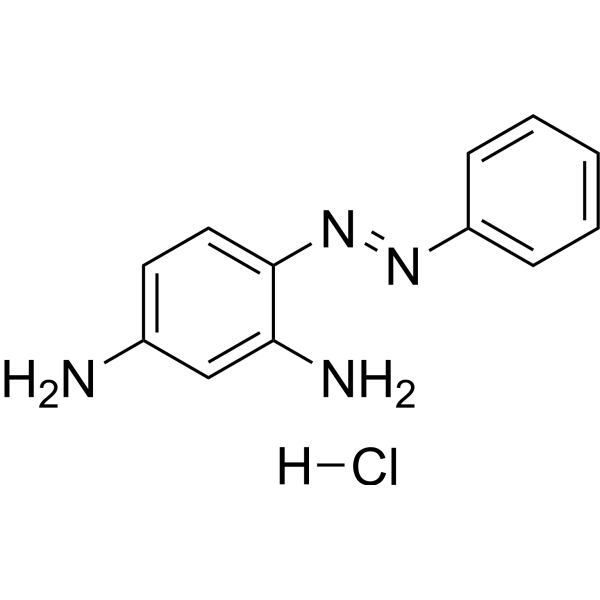
Chrysoidine G (Solvent Orange 3 hydrochloride; Basic Orange 2) is an industrial azo dye. Chrysoidine G is used in most textile dyeing, absorption fluorescent probes, and colorimetric sensors. Chrysoidine G can chemically complex with Co2+, or bind with Cs+ to inhibit the intramolecular charge transfer process, thereby triggering a red shift in the absorption spectrum and producing a significant color change. Chrysoidine G can induce DNA damage, and has moderate toxicity and carcinogenicity.
Nos produits utilisent uniquement pour la recherche. Nous ne vendons pas aux patients.
- Pureté : 99.60%
- CAS No.: 532-82-1
- Formule: C12H13ClN4
- Masse moléculaire:248.71
-
Stockage:
4°C, sealed storage, away from moisture and light
* In solvent : -80°C, 6 months; -20°C, 1 month (sealed storage, away from moisture and light)

To place orders, for customer services and technical support, please contact: MedChemExpress USA
Tel: 609-228-6898 E-mail: [email protected] [email protected]


-
 Activité biologique
-
Chemical Information
- Protocole
- Pureté et documentation
- Références
-
 Help & FAQs


-
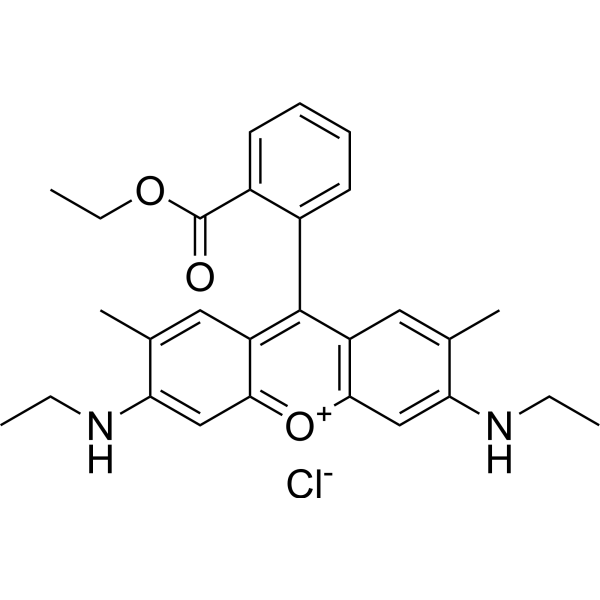
HY-D0309
Rhodamine 6GLaser Dye -
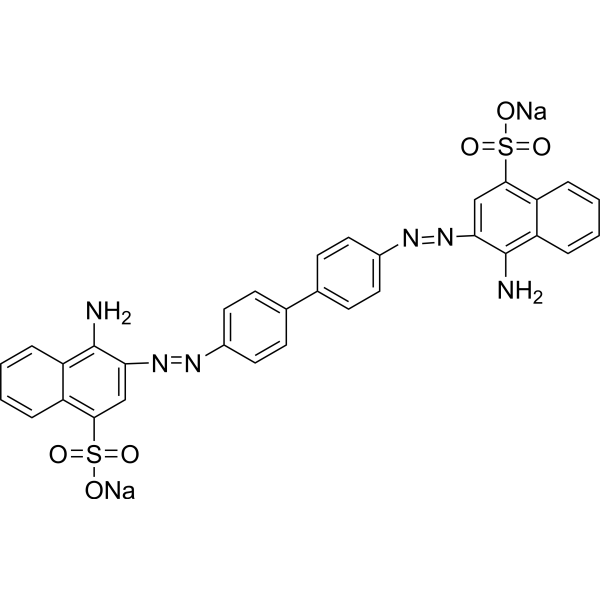
HY-D0236
Congo RedAzo Dye -
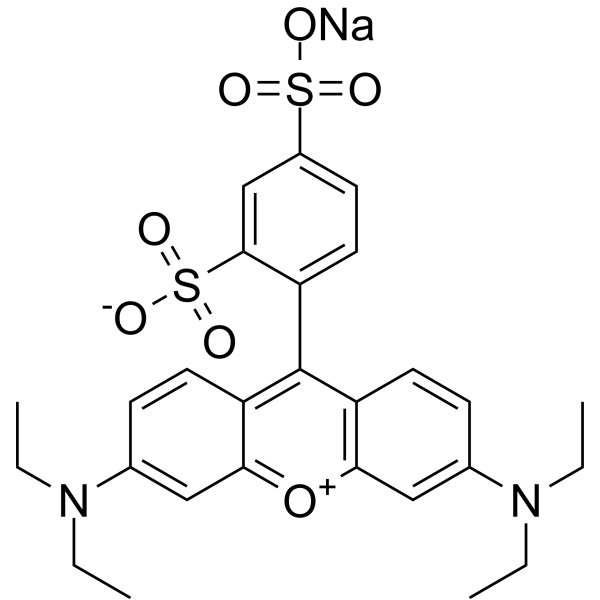
HY-D0974
Sulforhodamine B sodium saltFluorescent Dye -
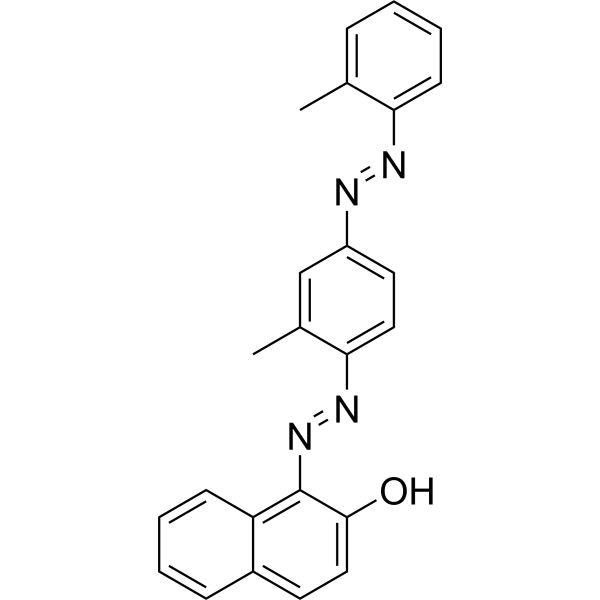
HY-D0932
Sudan IVDisazo Dye -

HY-D0309R
Rhodamine 6G (Standard)Laser Dye -

HY-D0932R
Sudan IV (Standard)Standard of Sudan IV -
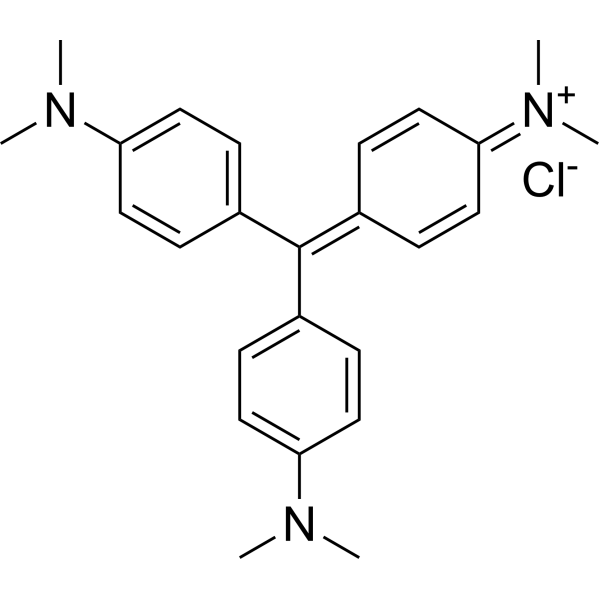
HY-B0324A
Crystal VioletFluorochrome -
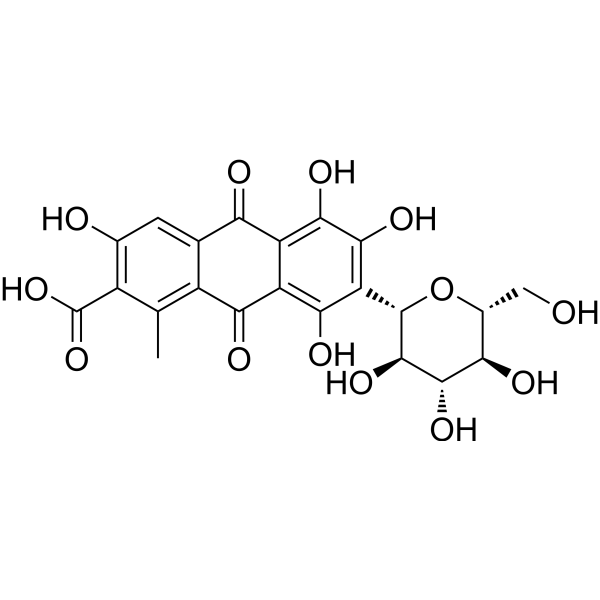
HY-N8407
Carminic acidRed Pigment -
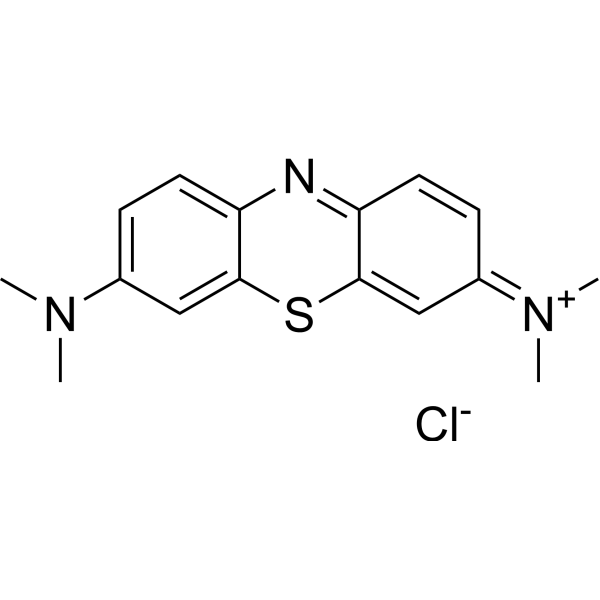
HY-14536
Methylene BluesGC Inhibitor -
HY-D0914
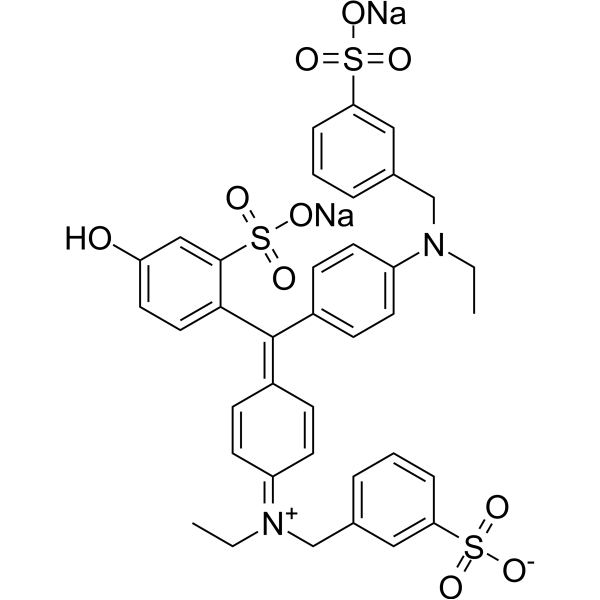
Fast Green FCFSea Green Triarylmethane Food Dye -

HY-D0303AR
Chrysoidine G (Standard)Reference Standard -

HY-DY2001
Crystal Violet (solution)Fluorochrome


Activité biologique
Description
In Vitro
Chrysoidine G drop-coated on cellulose paper enables naked-eye colorimetric detection of Cs+, with a detection limit of 100 μg/L[2].
MedChemExpress (MCE) has not independently confirmed the accuracy of these methods. They are for reference only.


Chemical Information
-
CAS No. 532-82-1
-
Appearance Solid
-
Masse moléculaire 248.71
-
Formule C12H13ClN4
-
Color Brown to black
-
SMILES
NC1=CC=C(/N=N/C2=CC=CC=C2)C(N)=C1.[H]Cl
-
Synonyms
Solvent Orange 3 hydrochloride; Basic Orange 2; Chrysoidine Y
-
Livraison
Room temperature in continental US; may vary elsewhere.
-
Stockage
4°C, sealed storage, away from moisture and light
* In solvent : -80°C, 6 months; -20°C, 1 month (sealed storage, away from moisture and light)


Pureté et documentation


Références

Calculators
Concentration (start) × Volume (start) = Concentration (final) × Volume (final)


Chrysoidine G Related Classifications
HY-D0303A Related Classifications
 Powered by Bioz
Keywords
- Chrysoidine G
- 532-82-1
- Solvent Orange 3
- Basic Orange 2
- Chrysoidine Y
- Solvent Orange3
- Solvent Orange-3
- Basic Orange2
- Basic Orange 2
- Basic Orange-2
- Fluorescent Dye
- Biochemical Assay Reagents
- DNA damage
- Raman spectra
- SERS
- carcinogenic
- cellulose paper
- cesium
- charge transfer
- cobalt
- colorimetric chemosensor
- metal ion detection
- Inhibitor
- inhibitor
- inhibit