



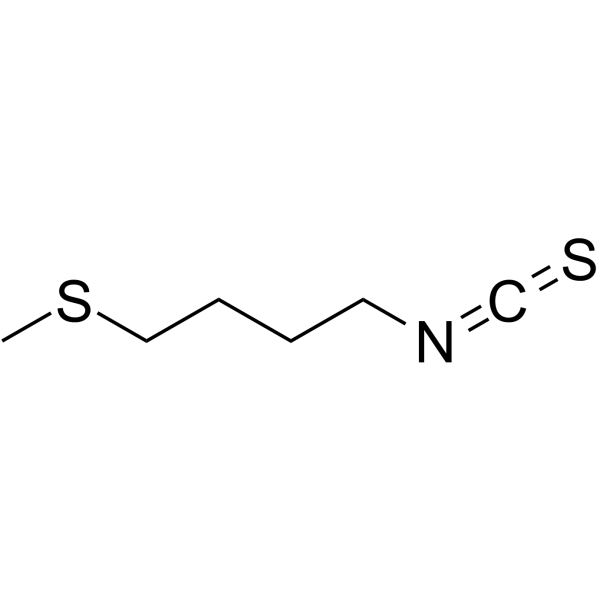
Erucin (Standard)
Acarbose (Standard) is the analytical standard of Acarbose. This product is intended for research and analytical applications. Acarbose (BAY g 5421), antihyperglycemic agent, is an orally active alpha-glucosidase inhibitor (IC50=11 nM). Acarbose can potentiate the hypoglycemic effects of sulfonylureas or insulin.
Nos produits utilisent uniquement pour la recherche. Nous ne vendons pas aux patients.
- CAS No.: 4430-36-8
- Formule: C6H11NS2
- Masse moléculaire:161.29
-
Stockage:
Please store the product under the recommended conditions in the Certificate of Analysis.


To place orders, for customer services and technical support, please contact: MedChemExpress USA
Tel: 609-228-6898 E-mail: [email protected] [email protected]


-
 Product Information
-
Chemical Information
- Pureté et documentation
-
 Help & FAQs


-
HY-121323
ErucinAnticancer Activity -
HY-N0203
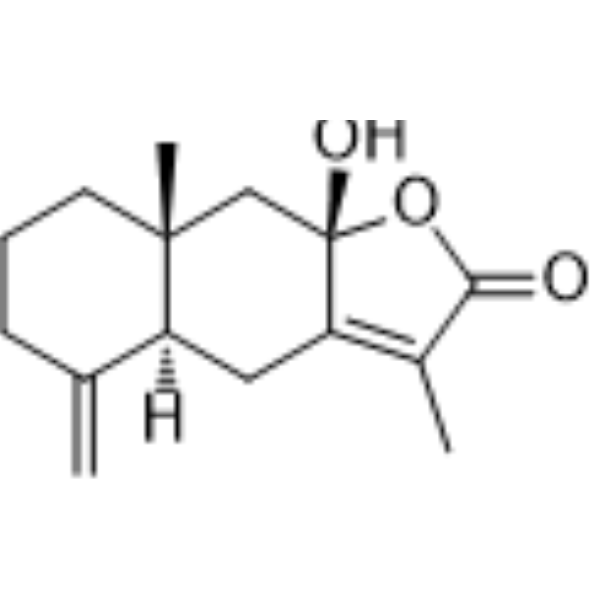
Atractylenolide IIIApoptosis Inducer -
HY-W011845
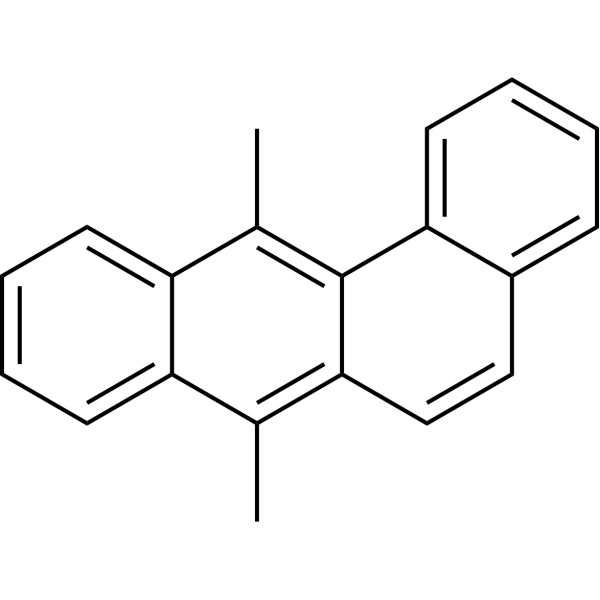
DMBA -
HY-12053A
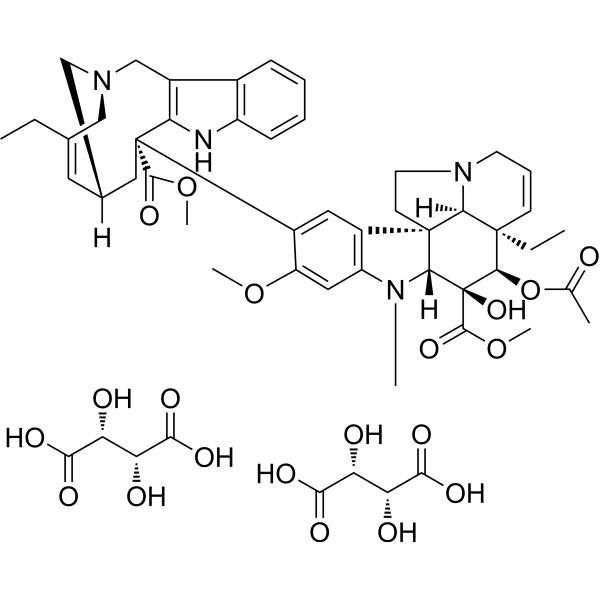
Vinorelbine ditartrateAnti-mitotic Agent -
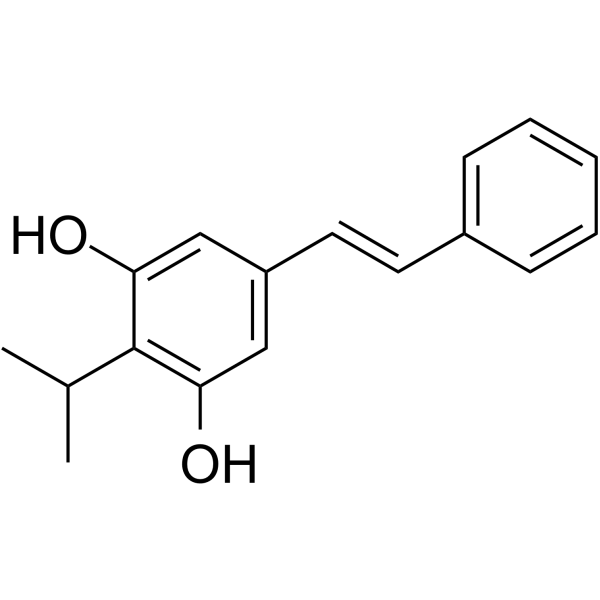
HY-109044
TapinarofAhR Agonist -
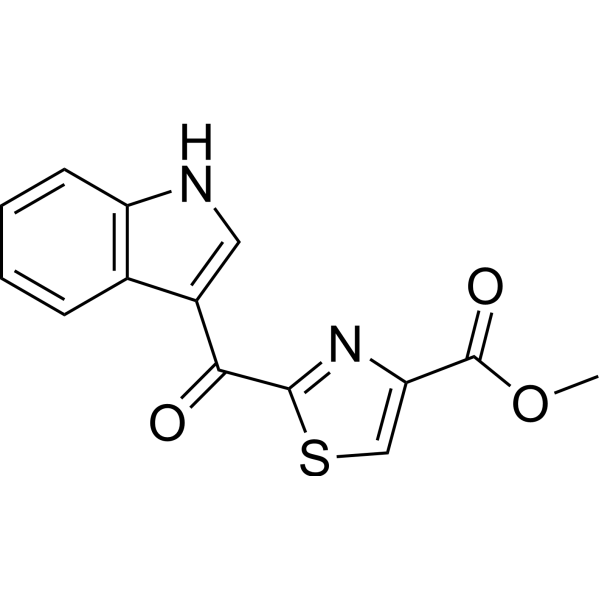
HY-19317
ITEAryl Hydrocarbon Receptor Agonist -

HY-N0203R
Atractylenolide III (Standard)Apoptosis Inducer -
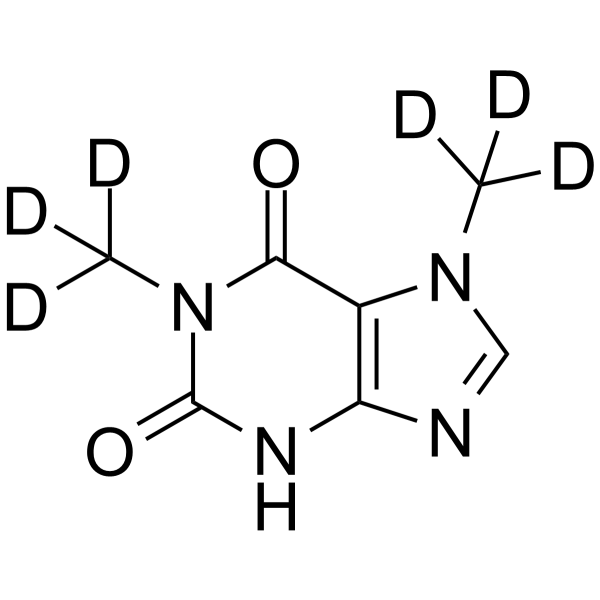
HY-W016498S
Paraxanthine-d6Stable Isotope -
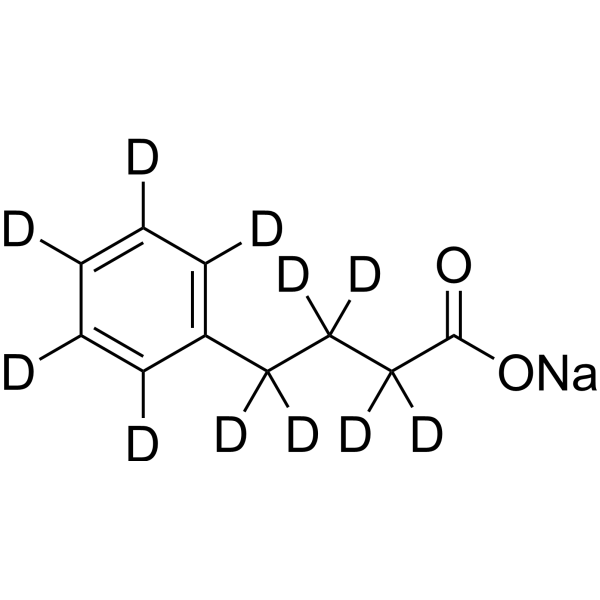
HY-15654S
Phenylbutyrate-d11 sodiumStable Isotope -
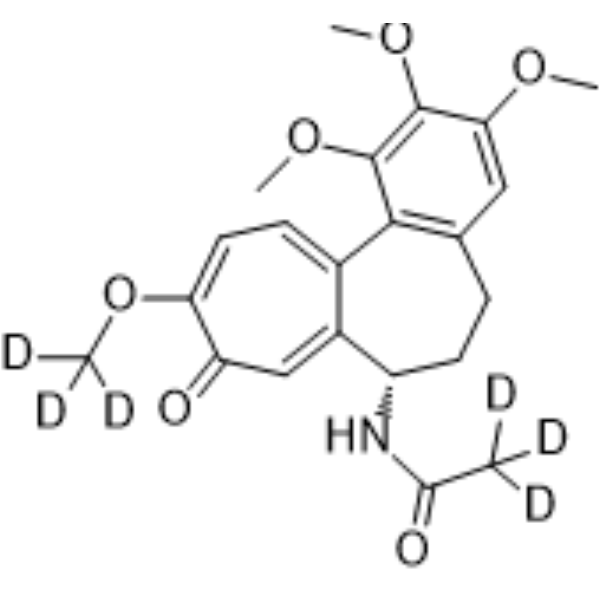
HY-16569S
Colchicine-d6Stable Isotope -
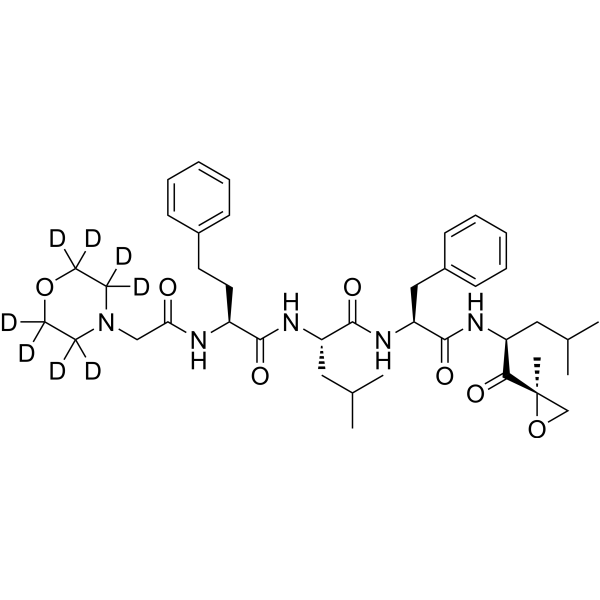
HY-10455S
Carfilzomib-d8Stable Isotope -

HY-W011845R
DMBA (Standard)


Product Information
Information
Application
The compound is the grade of analytical standard, which is the reference standard supplied assay. It is commonly used in qualitative, quantitative and methodological research experiments in HPLC, GC and MS.


Chemical Information
-
CAS No. 4430-36-8
-
Masse moléculaire 161.29
-
Formule C6H11NS2
-
SMILES
CSCCCCN=C=S
-
Livraison
Room temperature in continental US; may vary elsewhere.
-
Stockage
Please store the product under the recommended conditions in the Certificate of Analysis.


Pureté et documentation
Références
[1]. Valentina Citi, et al. Anticancer properties of erucin, an H2 S-releasing isothiocyanate, on human pancreatic adenocarcinoma cells (AsPC-1). Phytother Res. 2019 Mar;33(3):845-855. [Content Brief]
[2]. A. Melchini, et al. Erucin, a new promising cancer chemopreventive agent from rocket salads, shows anti-proliferative activity on human lung carcinoma A549 cells. Food Chem Toxicol. 2009 Jul;47(7):1430-6. [Content Brief]
[3]. Han Jin Cho, et al. Erucin exerts anti-inflammatory properties in murine macrophages and mouse skin: possible mediation through the inhibition of NFκB signaling. Int J Mol Sci. 2013 Oct 15;14(10):20564-77. [Content Brief]
[4]. Fabiana Morroni, et al. Comparison of Adaptive Neuroprotective Mechanisms of Sulforaphane and its Interconversion Product Erucin in in Vitro and in Vivo Models of Parkinson's Disease. J Agric Food Chem. 2018 Jan 31;66(4):856-865. [Content Brief]

Calculators
Concentration (start) × Volume (start) = Concentration (final) × Volume (final)


Erucin (Standard) Related Classifications
HY-121323R Related Classifications
 Powered by Bioz