



NSC 15364
Based on 10 publication(s) in Google Scholar
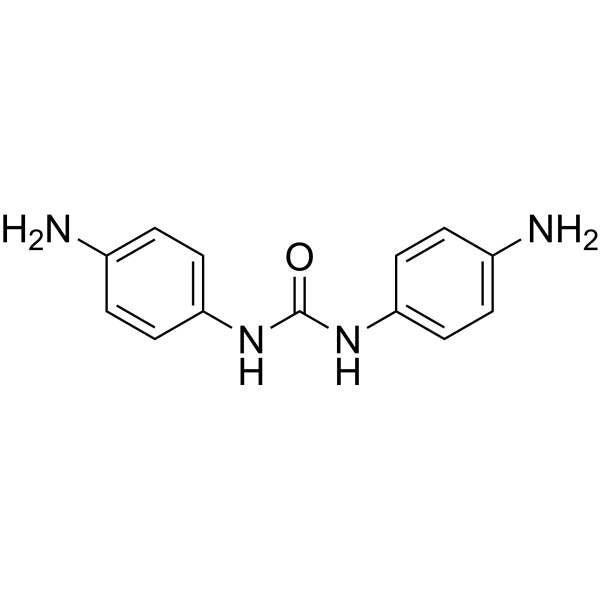
NSC 15364 is an inhibitor of VDAC1 oligomerization and apoptosis.
Nos produits utilisent uniquement pour la recherche. Nous ne vendons pas aux patients.
- Pureté : 99.88%
- CAS No.: 4550-72-5
- Formule: C13H14N4O
- Masse moléculaire:242.28
-
Stockage:Powder -20°C, 3 years , 4°C, 2 years ; In solvent -80°C, 6 months , -20°C, 1 month

To place orders, for customer services and technical support, please contact: MedChemExpress USA
Tel: 609-228-6898 E-mail: [email protected] [email protected]


-
 Activité biologique
-
Chemical Information
-
Solvant et solubilité
- Protocole
- Pureté et documentation
- Références
-
 Help & FAQs


-
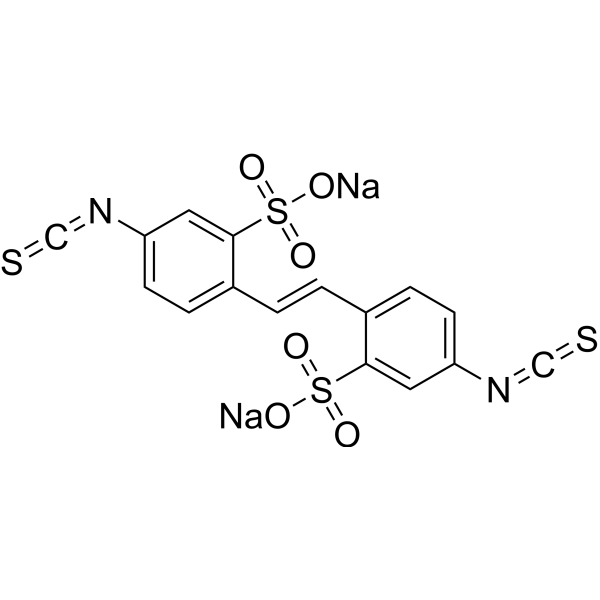
HY-D0086
DIDS sodium saltVDAC Inhibitor -
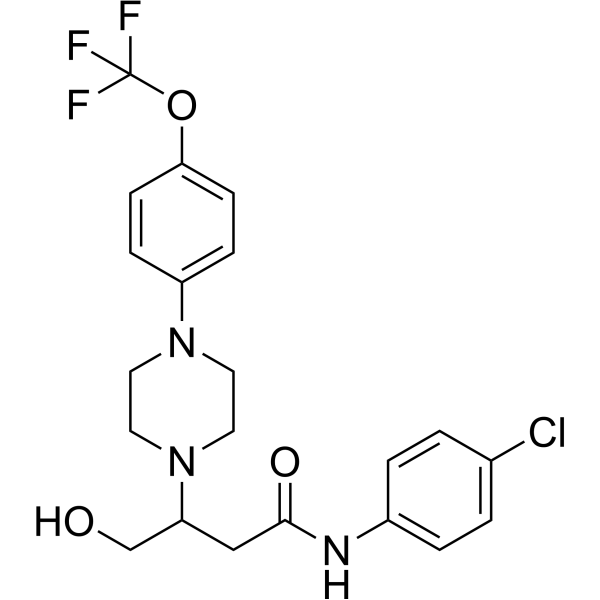
HY-129122
VBIT-4VDAC1 Inhibitor -

HY-135885
VBIT-12VDAC1 Inhibitor -
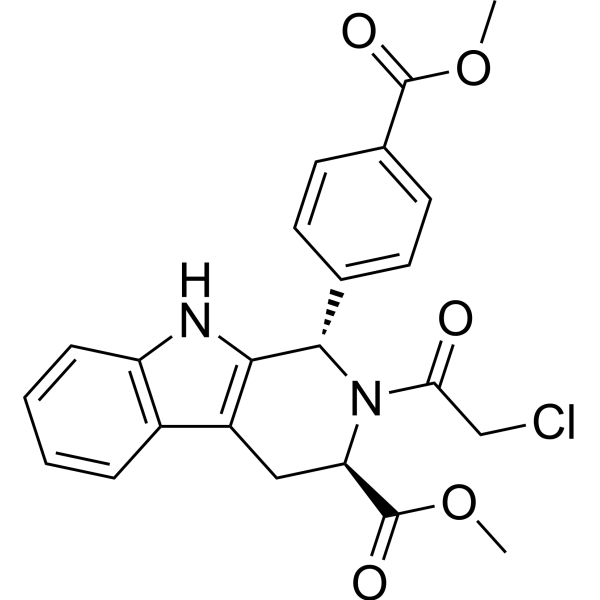
HY-100218A
RSL3GPX4 Inhibitor -
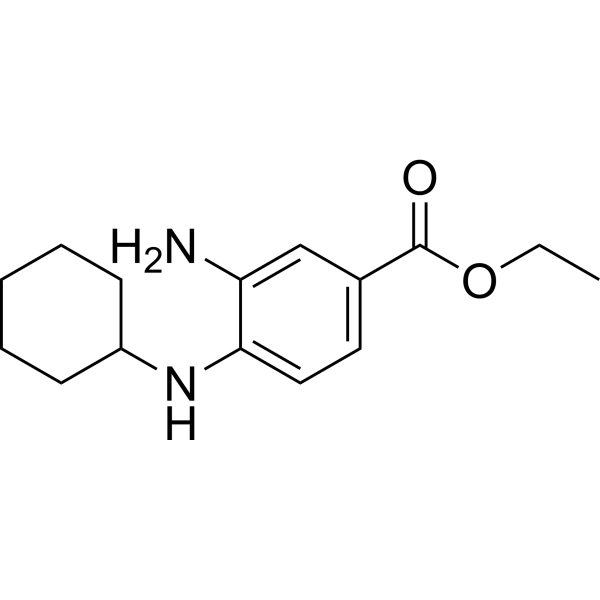
HY-100579
Ferrostatin-1Ferroptosis Inhibitor -
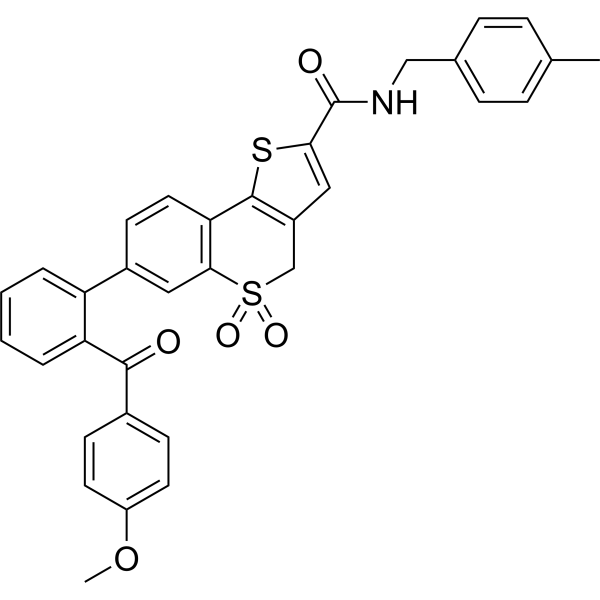
HY-128777
WEHI-9625VDAC Inhibitor -
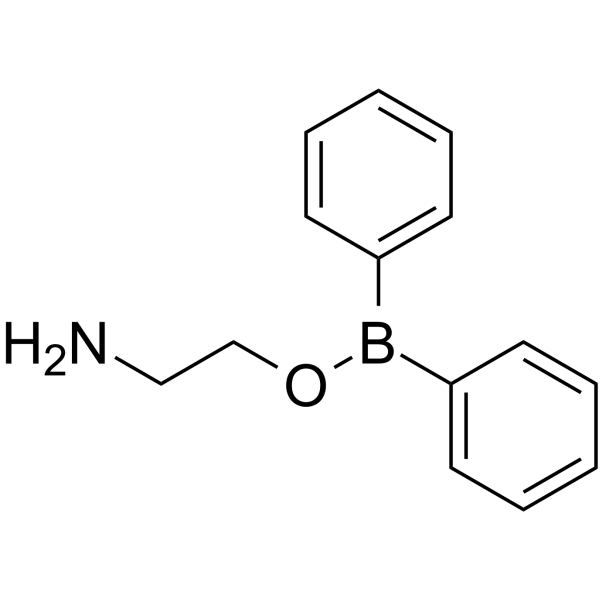
HY-W009724
2-Aminoethyl diphenylborinateIP3R Inhibitor -
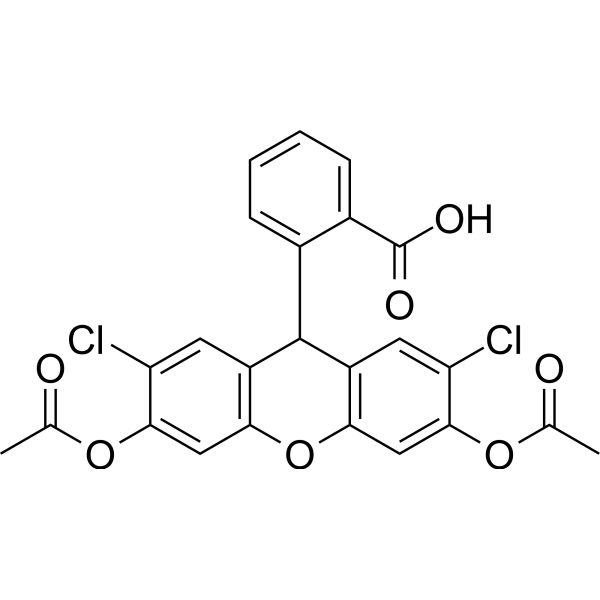
HY-D0940
H2DCFDAROS-Sensitive Probe -
HY-15886
Mdivi-1Drp1 Inhibitor -
HY-13205
BelnacasanCaspase-1 Inhibitor -
HY-P0081
Bax inhibitor peptide V5Bcl-2 Family Inhibitor -

HY-108937R
NSC 15364 (Standard)Reference Standard
Publications Citing Use of MedChemExpress (MCE) NSC 15364
More- Adv Sci (Weinh). 2023 Mar;10(7):e2203869. [Abstract]
- Cardiovasc Res. 2023 Oct 24;119(13):2342-2354. [Abstract]
- Cell Death Dis. 2024 Nov 9;15(11):811. [Abstract]
- Cell Death Dis. 2023 May 13;14(5):325. [Abstract]
- Cell Death Discov. 2023 Aug 15;9(1):297. [Abstract]
- Free Radic Biol Med. 2026 Jul 8:254:690-700. [Abstract]
- Cell Rep. 2024 Apr 23;43(4):114088. [Abstract]
- J Ethnopharmacol. 2025 Jul 24:351:120147. [Abstract]
- mBio. 2023 Dec 19;14(6):e0265123. [Abstract]
- SSRN. 2025 Dec 15.
 Customer Validation & Images

-
Cell Proliferation/Viability Assay
-
Flow Cytometry

-
IF


Activité biologique
Description
IC50 & Target
|
VDAC1 |
In Vitro
Mitochondrial membrane protein voltage-dependent anion channel 1 (VDAC1) oligomerization represents a prime target for agents designed to modulate apoptosis[1].
MedChemExpress (MCE) has not independently confirmed the accuracy of these methods. They are for reference only. Further protocols information, click here.


Chemical Information
-
CAS No. 4550-72-5
-
Appearance Solid
-
Masse moléculaire 242.28
-
Formule C13H14N4O
-
Color Gray to brown
-
SMILES
O=C(NC1=CC=C(N)C=C1)NC2=CC=C(N)C=C2
-
Livraison
Room temperature in continental US; may vary elsewhere.
-
Stockage
Powder -20°C 3 years 4°C 2 years In solvent -80°C 6 months -20°C 1 month


Publications (10)
-
Journal Impact Factor
-
Most Recent
-
Adv Sci (Weinh)
MCU Upregulation Overactivates Mitophagy by Promoting VDAC1 Dimerization and Ubiquitination in the Hepatotoxicity of Cadmium. [Abstract]2023 Mar;10(7):e2203869. PMID: 36642847 -
Cardiovasc Res
2023 Oct 24;119(13):2342-2354. PMID: 37556386 -
Cell Death Dis
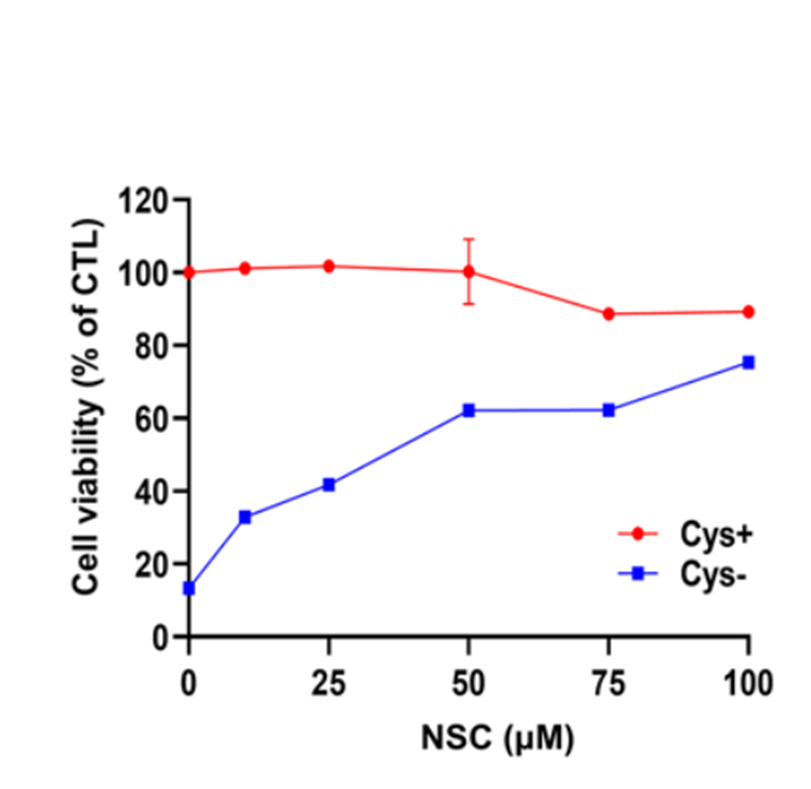
Inhibition of VDAC1 oligomerization blocks cysteine deprivation-induced ferroptosis via mitochondrial ROS suppression. [Abstract]2024 Nov 9;15(11):811. PMID: 39521767
NSC 15364 purchased from MedChemExpress. Usage Cited in: Cell Death Dis. 2024 Nov 9;15(11):811. [Abstract]
H1299 cells were incubated in a control or cysteine-deprived medium with or without NSC15364 (0, 25, 50, 75, 100 μM) for the indicated concentration for 24 h. Cell viability was measured by MTT assay.
NSC 15364 purchased from MedChemExpress. Usage Cited in: Cell Death Dis. 2024 Nov 9;15(11):811. [Abstract]
H1299 cells were incubated in a control or cysteine-deprived medium with or without 100 μM NSC15364 for 12 h.
NSC 15364 purchased from MedChemExpress. Usage Cited in: Cell Death Dis. 2024 Nov 9;15(11):811. [Abstract]
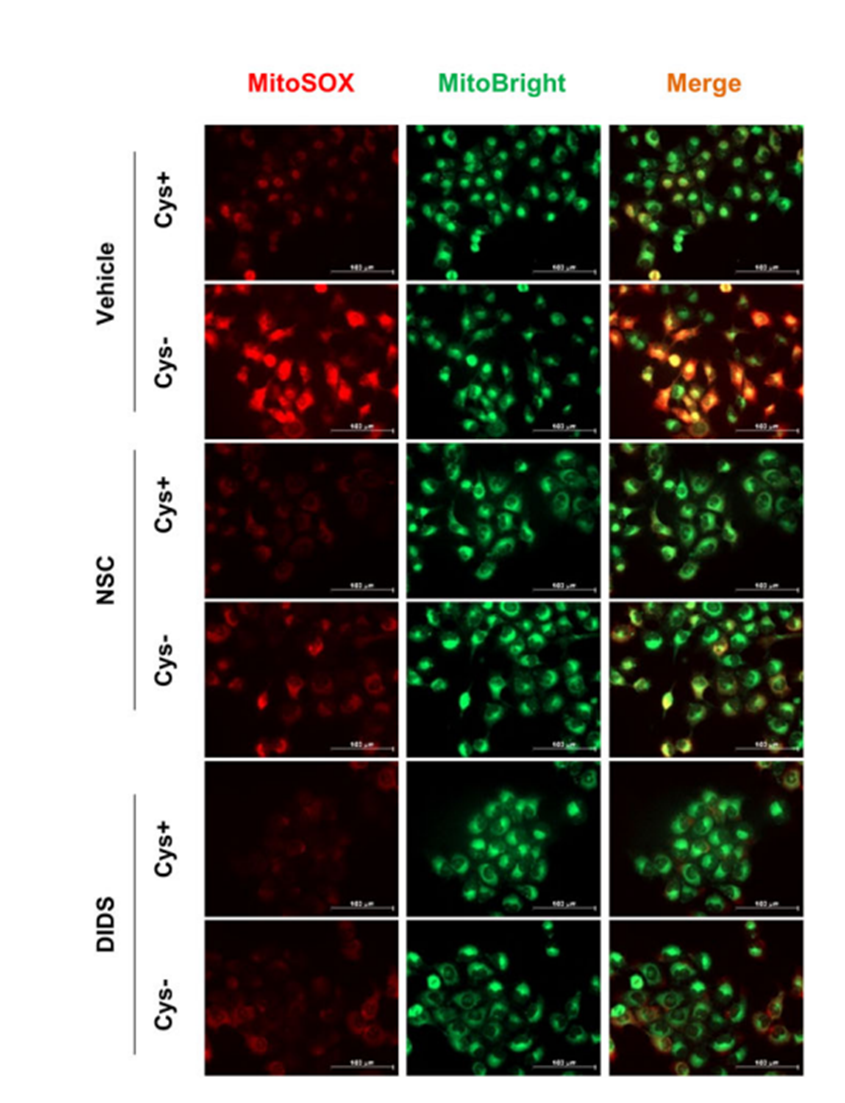
A representative fluorescence microscopy image of MitoSOX red staining treated with 100 μM NSC15364 or 400 μM DIDS for 12 h.
-
Cell Death Dis
Pathological convergence of APP and SNCA deficiency in hippocampal degeneration of young rats. [Abstract]2023 May 13;14(5):325. PMID: 37179386 -
Cell Death Discov
NeuroD4 converts glioblastoma cells into neuron-like cells through the SLC7A11-GSH-GPX4 antioxidant axis. [Abstract]2023 Aug 15;9(1):297. PMID: 37582760 -
Free Radic Biol Med
Polystyrene nanoplastics exacerbated the toxicity of cadmium: from the perspective of the placenta-uterus micro-environment. [Abstract]2026 Jul 8:254:690-700. PMID: 42419651 -
Cell Rep
IFNα-induced BST2+ tumor-associated macrophages facilitate immunosuppression and tumor growth in pancreatic cancer by ERK-CXCL7 signaling. [Abstract]2024 Apr 23;43(4):114088. PMID: 38602878 -
J Ethnopharmacol
Harpagide from radix scrophulariae attenuated ischemic stroke injury through calcium homeostasis regulation between mitochondria-associated membranes via the IP3R1/GRP75/VDAC1 complex. [Abstract]2025 Jul 24:351:120147. PMID: 40517916 -
mBio
The glycoprotein 5 of porcine reproductive and respiratory syndrome virus stimulates mitochondrial ROS to facilitate viral replication. [Abstract]2023 Dec 19;14(6):e0265123. PMID: 38047681 -


Solvant et solubilité
In Vitro:
DMSO : 50 mg/mL (206.37 mM; Need ultrasonic; Hygroscopic DMSO has a significant impact on the solubility of product, please use newly opened DMSO)
Please refer to the solubility information to select the appropriate solvent. Once prepared, please aliquot and store the solution to prevent product inactivation from repeated freeze-thaw cycles.
Storage method and period of stock solution: -80°C, 6 months; -20°C, 1 month. When stored at -80°C, please use it within 6 months. When stored at -20°C, please use it within 1 month.
Please refer to the solubility information to select the appropriate solvent. Once prepared, please aliquot and store the solution to prevent product inactivation from repeated freeze-thaw cycles.
Storage method and period of stock solution: -80°C, 6 months; -20°C, 1 month. When stored at -80°C, please use it within 6 months. When stored at -20°C, please use it within 1 month.
Concentration (start) × Volume (start) = Concentration (final) × Volume (final)
In Vivo:
Select the appropriate dissolution method based on your experimental animal and administration route.
- For the following dissolution methods, please ensure to first prepare a clear stock solution using an In Vitro approach and then sequentially add co-solvents:
- To ensure reliable experimental results, the clarified stock solution can be appropriately stored based on storage conditions. As for the working solution for In Vivo experiments, it is recommended to prepare freshly and use it on the same day.
- The percentages shown for the solvents indicate their volumetric ratio in the final prepared solution. If precipitation or phase separation occurs during preparation, heat and/or sonication can be used to aid dissolution.
Add each solvent one by one: 10% DMSO 40% PEG300 5% Tween-80 45% Saline
Solubility: ≥ 2.5 mg/mL (10.32 mM); Clear solution
This protocol yields a clear solution of ≥ 2.5 mg/mL (saturation unknown).
Taking 1 mL working solution as an example, add 100 μL DMSO stock solution (25.0 mg/mL) to 400 μL PEG300, and mix evenly; then add 50 μL Tween-80 and mix evenly; then add 450 μL Saline to adjust the volume to 1 mL.
Preparation of Saline: Dissolve 0.9 g sodium chloride in ddH₂O and dilute to 100 mL to obtain a clear Saline solution.
Add each solvent one by one: 10% DMSO 90% (20% SBE-β-CD in Saline)
Solubility: ≥ 2.08 mg/mL (8.59 mM); Clear solution
This protocol yields a clear solution of ≥ 2.08 mg/mL (saturation unknown).
Taking 1 mL working solution as an example, add 100 μL DMSO stock solution (20.8 mg/mL) to 900 μL 20% SBE-β-CD in Saline, and mix evenly.
Preparation of 20% SBE-β-CD in Saline (4°C, storage for one week): 2 g SBE-β-CD powder is dissolved in 10 mL Saline, completely dissolve until clear.
In Vivo Dissolution Calculator
Please enter the basic information of animal experiments:
-
-
-
-
Recommended: Prepare an additional quantity of animals to account for potential losses during experiments.
Please enter your animal formula composition:
-
%DMSO +
Recommended: Keep the proportion of DMSO in working solution below 2% if your animal is weak.
-
%+
-
+%Tween-80 + +
-
%Saline +
The co-solvents required include: DMSO, . All of co-solvents are available by MedChemExpress (MCE). , Tween 80. All of co-solvents are available by MedChemExpress (MCE).
Working solution concentration: 0.22 mg/mL
Method for preparing stock solution: mg drug dissolved in μL DMSO. Stock solution concentration: mg/mL.
1. Take μL DMSO stock solution;
2. Add μL .
μL , mix evenly;
3. Then add μL Tween 80, mix evenly;
4. Then add μL
Please ensure that the stock solution in the first step is dissolved to a clear state, and add co-solvents in sequence. You can use ultrasonic heating (ultrasonic cleaner, recommended frequency 20-40 kHz), vortexing, etc. to assist dissolution.

Protocole
-
Detection of Apoptosis
Apoptosis, also called programmed cell death, is generally characterized by distinct morphological characteristics.
-
TUNEL staining for apoptotic DNA fragmentation
TUNEL staining detects DNA strand breaks by using terminal deoxynucleotidyl transferase to add labeled nucleotides to exposed 3′-OH DNA termini, generating either microscopic staining in fixed cells or tissue sections, or fluorescence/cytometric signal in cell suspensions. TUNEL positivity reflects DNA fragmentation but should not be interpreted alone as definitive apoptosis, because TUNEL can also label necrotic, autolytic, mechanically damaged, or DNA-repair-associated DNA breaks.
-
Annexin V plus membrane-impermeant dye apoptosis staining
Annexin V-based apoptosis assays rely on the detection of phosphatidylserine (PS) externalization from the inner leaflet of the plasma membrane to the outer leaflet, an early biochemical hallmark of apoptosis. Fluorescently labeled Annexin V binds PS in a calcium-dependent manner, enabling identification of early apoptotic cells by flow cytometry or fluorescence microscopy. When combined with a membrane-impermeant DNA-binding dye (e. g. , propidium iodide), this approach allows discrimination between viable (Annexin V−/dye−), early apoptotic (Annexin V+/dye−), and late apoptotic or necrotic (Annexin V+/dye+) cell populations by assessing membrane integrity and PS exposure.
-
Apoptosis Solutions
Apoptosis is a regulated, generally non-lytic cell-death pathway that removes unwanted, damaged, infected, or abnormal cells through coordinated morphological changes, caspase activation, DNA fragmentation, and membrane remodeling. The intrinsic apoptosis pathway is controlled mainly by mitochondrial outer membrane permeabilization, BCL-2 family proteins, cytochrome c release, apoptosome formation, caspase-9 activation, and downstream executioner caspase-3/7 activation. The extrinsic apoptosis pathway is initiated by death receptors such as Fas, TNFR, and TRAIL receptors, which recruit adaptor proteins and activate caspase-8 before engaging executioner caspases or mitochondrial amplification through BID cleavage. Apoptosis is linked to many phenotypes, including cancer cell killing, tissue homeostasis, immune regulation, neurodegeneration, infection response, and treatment-induced cytotoxicity; unresolved questions include how apoptosis interacts with necroptosis, pyroptosis, ferroptos


Pureté et documentation
-
Fiche technique (270 KB)
-
SDS (477 KB)
- English - EN (477 KB)
- Français - FR (477 KB)
- Deutsch - DE (477 KB)
- Norwegian - NO (477 KB)
- Español - ES (477 KB)
- Swedish - SV (477 KB)
- Italian - IT (477 KB)
- Korean - KR (477 KB)
- Portuguese - PT (477 KB)
-
Instruction de manipulation (2659 KB)
Références


Complete Stock Solution Preparation Table
Please refer to the solubility information to select the appropriate solvent. Once prepared, please aliquot and store the solution to prevent product inactivation from repeated freeze-thaw cycles.
Storage method and period of stock solution: -80°C, 6 months; -20°C, 1 month. When stored at -80°C, please use it within 6 months. When stored at -20°C, please use it within 1 month.
| Optional Solvent | Concentration Solvent Mass | 1 mg | 5 mg | 10 mg | 25 mg |
|---|---|---|---|---|---|
| DMSO | 1 mM | 4.1275 mL | 20.6373 mL | 41.2746 mL | 103.1864 mL |
| 5 mM | 0.8255 mL | 4.1275 mL | 8.2549 mL | 20.6373 mL | |
| 10 mM | 0.4127 mL | 2.0637 mL | 4.1275 mL | 10.3186 mL | |
| 15 mM | 0.2752 mL | 1.3758 mL | 2.7516 mL | 6.8791 mL | |
| 20 mM | 0.2064 mL | 1.0319 mL | 2.0637 mL | 5.1593 mL | |
| 25 mM | 0.1651 mL | 0.8255 mL | 1.6510 mL | 4.1275 mL | |
| 30 mM | 0.1376 mL | 0.6879 mL | 1.3758 mL | 3.4395 mL | |
| 40 mM | 0.1032 mL | 0.5159 mL | 1.0319 mL | 2.5797 mL | |
| 50 mM | 0.0825 mL | 0.4127 mL | 0.8255 mL | 2.0637 mL | |
| 60 mM | 0.0688 mL | 0.3440 mL | 0.6879 mL | 1.7198 mL | |
| 80 mM | 0.0516 mL | 0.2580 mL | 0.5159 mL | 1.2898 mL | |
| 100 mM | 0.0413 mL | 0.2064 mL | 0.4127 mL | 1.0319 mL |


NSC 15364 Related Classifications
HY-108937 Related Classifications
 Powered by Bioz