



537034-15-4
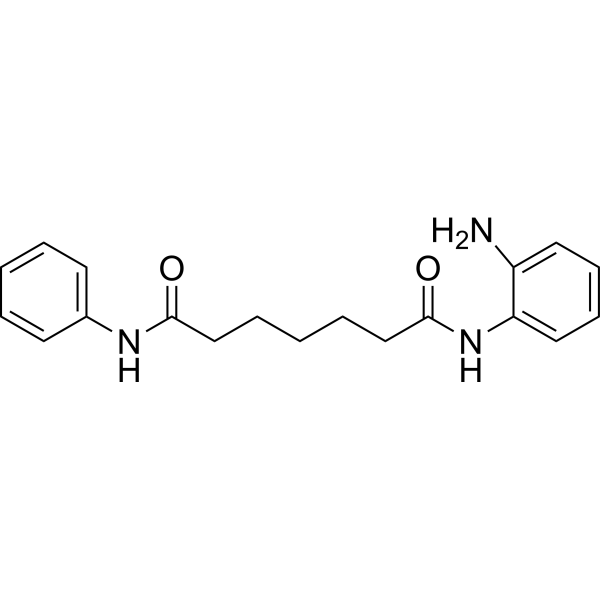
Chemical Structure
NKL 22
- CAS No.: 537034-15-4
- Formula:C19H23N3O2
- Molecular Weight:325.40
IUPAC Name: N1-(2-aminophenyl)-N7-phenylheptanediamide
InChIKey: ZAIULUYKQLVQFH-UHFFFAOYSA-N
SMILES: O=C(NC1=CC=CC=C1N)CCCCCC(NC2=CC=CC=C2)=O
Biological Activity: NKL 22 is a potent and selective inhibitor of histone deacetylases (HDAC), with IC50 values of 199 and 69 nM for HDAC1 and HDAC3, respectively. NKL 22 can reverse abnormal expression of HD‑related genes and restore the levels of key genes including Ppp1r1b in Huntington's disease transgenic mice. NKL 22 can be used for the researches of Huntington's disease and cancer[1][2].
| Cat. No. | Product Name | Purity | Description | Pricing | |||||||||||||||||||
|---|---|---|---|---|---|---|---|---|---|---|---|---|---|---|---|---|---|---|---|---|---|---|---|
|
|
NKL 22 | 97.26% | NKL 22 is a potent and selective inhibitor of histone deacetylases (HDAC), with IC50 values of 199 and 69 nM for HDAC1 and HDAC3, respectively. NKL 22 can reverse abnormal expression of HD‑related genes and restore the levels of key genes including Ppp1r1b in Huntington's disease transgenic mice. NKL 22 can be used for the researches of Huntington's disease and cancer. | ||||||||||||||||||||
|
loading...
/
|
|||||||||||||||||||||||
-
Similarity Score 0.97
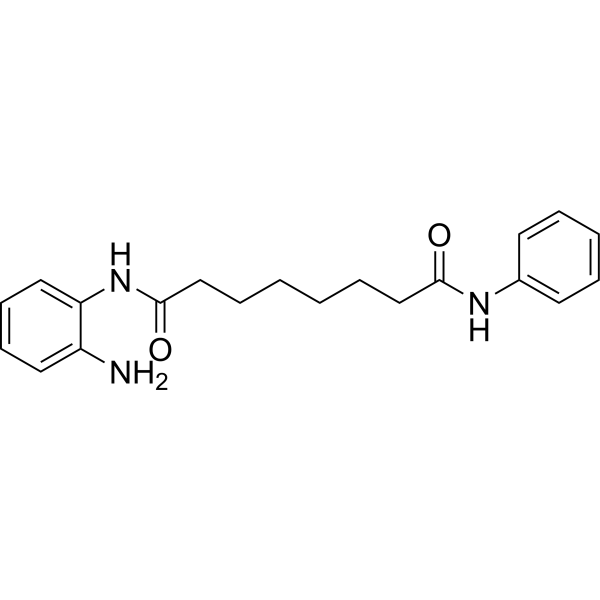 HY-19350BML-210
-
Similarity Score 0.85
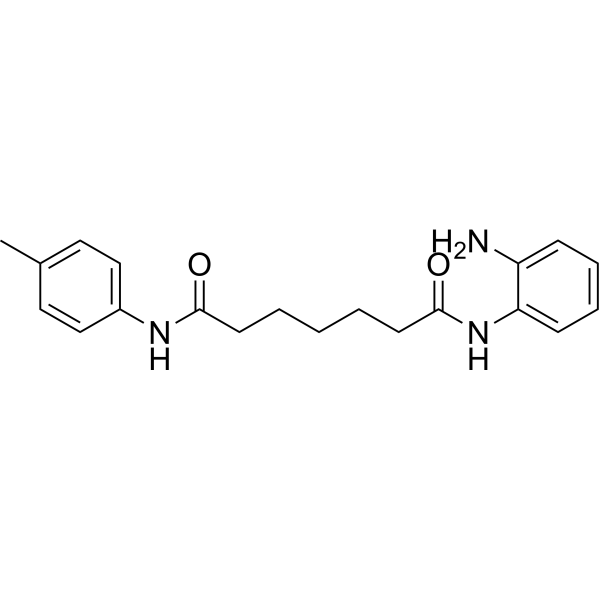 HY-19348Pimelic Diphenylamide 106
-
Similarity Score 0.83
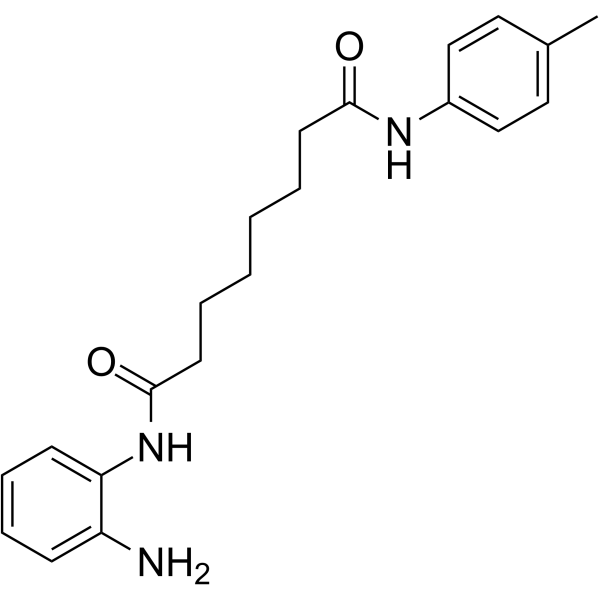 HY-19430Pimelic Diphenylamide 106 analog
-
Similarity Score 0.75
 HY-10221GVorinostat (GMP)
-
Similarity Score 0.75
 HY-Z12208N1-Phenylsuberamide
-
Similarity Score 0.71
 HY-116267MHY219
-
Similarity Score 0.71
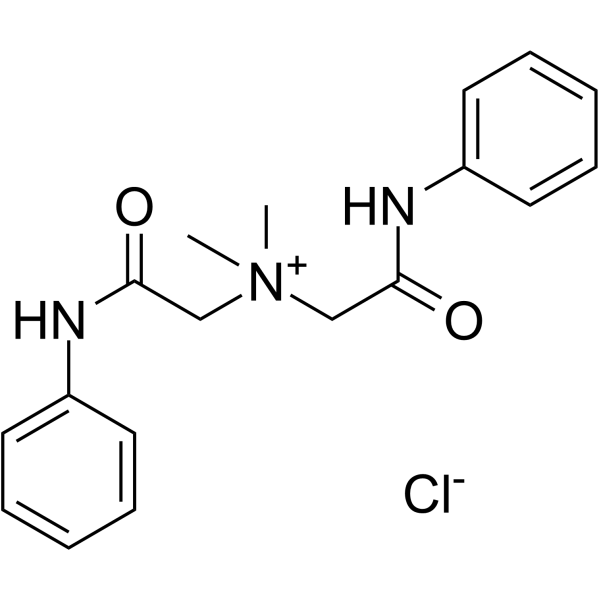 HY-106372ACarcainium chloride
-
Similarity Score 0.70
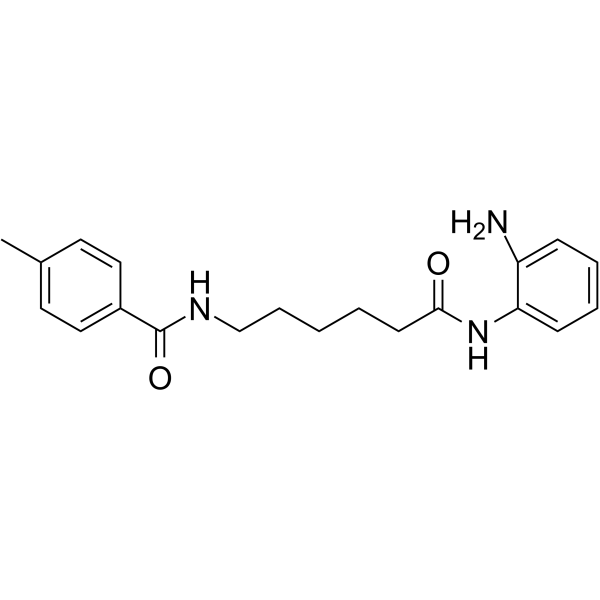 HY-16425RG2833
-
Similarity Score 0.70
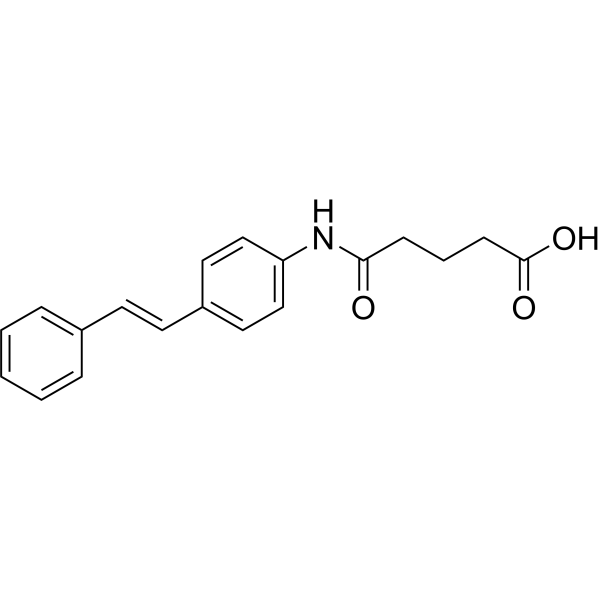 HY-155494trans-Stilbene-NHCO-(CH2)3-acid
-

Explore the MedChemAI to find more analogs


References
- [1]. He S, et al. Histone Deacetylase Inhibitor Entinostat Exerts Anti-NSCLC Effects Through the EGFR Signaling Pathway and MDM2-p53 Axis. Curr Pharm Biotechnol. Published online January 5, 2026. [Content Brief]
- [2]. Jia H, et al. Histone deacetylase (HDAC) inhibitors targeting HDAC3 and HDAC1 ameliorate polyglutamine-elicited phenotypes in model systems of Huntington's disease. Neurobiol Dis. 2012;46(2):351-361. [Content Brief]



