



5579-84-0
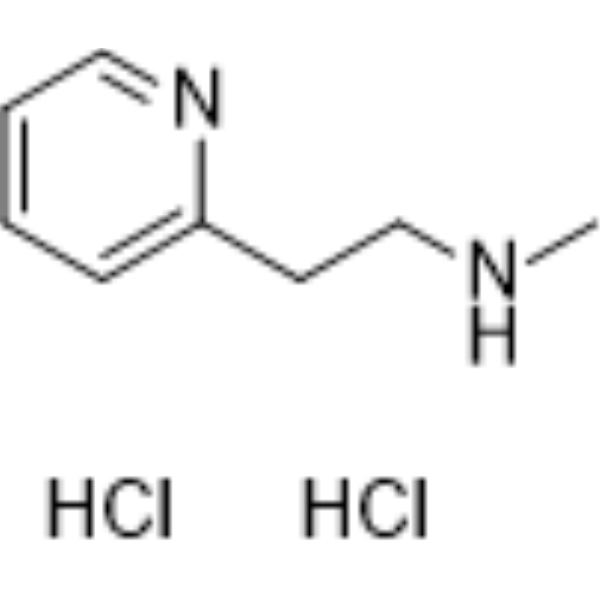
5579-84-0
Chemical Structure
Betahistine dihydrochloride
Synonym(s): OBE-101 dihydrochloride
- CAS No.: 5579-84-0
- Formula:C8H14Cl2N2
- Molecular Weight:209.12
IUPAC Name: N-methyl-2-(pyridin-2-yl)ethan-1-amine dihydrochloride
InChIKey: XVDFMHARQUBJRE-UHFFFAOYSA-N
SMILES: CNCCC1=CC=CC=N1.Cl.Cl
Biological Activity: Betahistine dihydrochloride is an orally active histamine H1 receptor agonist and a H3 receptor antagonist[1]. Betahistine dihydrochloride is used for the study of rheumatoid arthritis (RA)[3].
| Cat. No. | Product Name | Purity | Description | Pricing | |||||||||||||||||||
|---|---|---|---|---|---|---|---|---|---|---|---|---|---|---|---|---|---|---|---|---|---|---|---|
|
|
Betahistine dihydrochloride | 99.79% | Betahistine dihydrochloride is an orally active histamine H1 receptor agonist and a H3 receptor antagonist. Betahistine dihydrochloride is used for the study of rheumatoid arthritis (RA). | ||||||||||||||||||||
|
loading...
/
|
|||||||||||||||||||||||
|
|
Betahistine dihydrochloride (Standard) | ≥98% | Betahistine (dihydrochloride) (Standard) is the analytical standard of Betahistine (dihydrochloride). This product is intended for research and analytical applications. Betahistine dihydrochloride is an orally active histamine H1 receptor agonist and a H3 receptor antagonist. Betahistine dihydrochloride is used for the study of rheumatoid arthritis (RA). | ||||||||||||||||||||
|
loading...
/
|
|||||||||||||||||||||||
|
|
Betahistine-d3 dihydrochloride | 99.0% | Betahistine-d3 (dihydrochloride) is the deuterium labeled Betahistine dihydrochloride. Betahistine dihydrochloride is an orally active histamine H1 receptor agonist and a H3 receptor antagonist. Betahistine dihydrochloride is used for the study of rheumatoid arthritis (RA). | ||||||||||||||||||||
|
loading...
/
|
|||||||||||||||||||||||
|
|
Betahistine-13C,d3 dihydrochloride | Betahistine-13C,d3 (dihydrochloride) is the 13C- and deuterium labeled Betahistine (dihydrochloride). Betahistine dihydrochloride is an orally active histamine H1 receptor agonist and a H3 receptor antagonist. Betahistine dihydrochloride is used for the study of rheumatoid arthritis (RA). | |||||||||||||||||||||
|
loading...
/
|
|||||||||||||||||||||||
Structural Analogs
-
Similarity Score 0.94
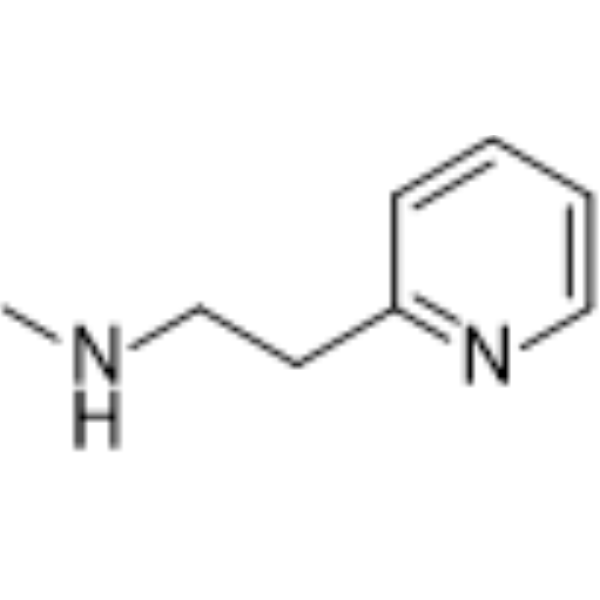 HY-B0524Betahistine
-
Similarity Score 0.85
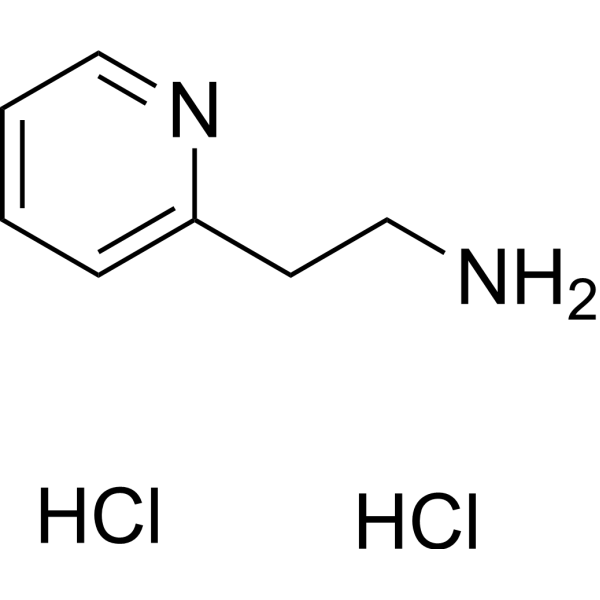 HY-1075652-Pyridylethylamine hydrochloride
-
Similarity Score 0.82
 HY-34713N-Methylphenethylamine hydrochloride
-
Similarity Score 0.80
 HY-W013654N,N-Dimethyl-2-pyridineethylamine
-
Similarity Score 0.79
 HY-30170N-Methylphenethylamine
-
Similarity Score 0.79
 HY-W088717R2-(Pyridin-2-yl)ethan-1-ol (Standard)
-
Similarity Score 0.77
 HY-W666088(2-Phenylethyl)hydrazine dihydrochloride
-
Similarity Score 0.76
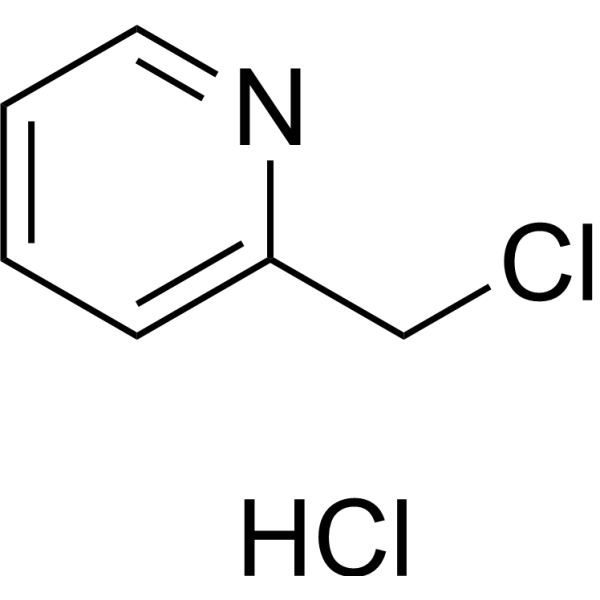 HY-W0075022-(Chloromethyl)pyridine hydrochloride
-
Similarity Score 0.76
 HY-W017453RN-Methyl-3-phenylpropan-1-amine (Standard)
-

Explore the MedChemAI to find more analogs


References
- [1]. Poyurovsky M, et al. The effect of betahistine, a histamine H1 receptor agonist/H3 antagonist, on olanzapine-induced weight gain in first-episode schizophrenia patients. Int Clin Psychopharmacol. 2005 Mar;20(2):101-3. [Content Brief]
- [3]. Tang KT, et al. Betahistine attenuates murine collagen-induced arthritis by suppressing both inflammatory and Th17 cell responses.Int Immunopharmacol. 2016 Oct;39:236-245. [Content Brief]



