
2438 Results for "

decrease

" in MedChemExpress (MCE) Product Catalog:
Products (2438)

2438 Results for "decrease" in MCE Product Catalog:

Art. -Nr.: HY-N8376
CAS. Nr.: 20725-03-5
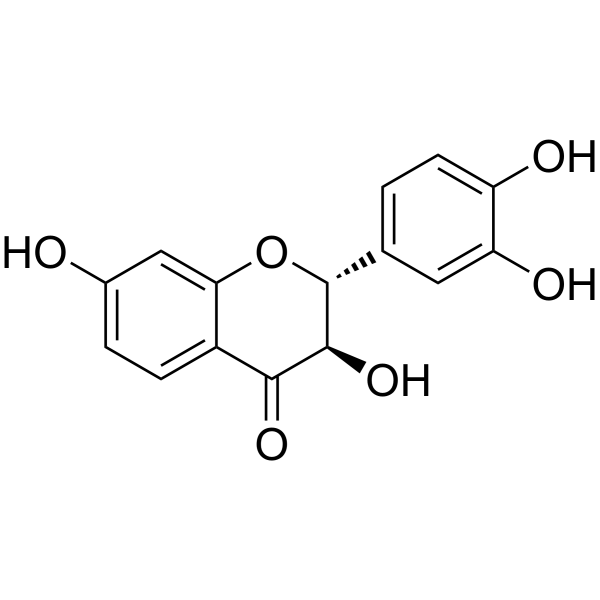
Synonyms: (±)-Fustin; 3,7,3',4'-Tetrahydroxyflavanone
Fustinis ((±)-Fustin; 3,7,3',4'-Tetrahydroxyflavanone) is a potent amyloid β (Aβ) inhibitor. Fustinis ((±)-Fustin; 3,7,3',4'-Tetrahydroxyflavanone) increases the expression of acetylcholine (ACh) levels, choline acetyltransferase (ChAT) activity, and ChAT gene induced by Aβ (1-42). Fustinis ((±)-Fustin; 3,7,3',4'-Tetrahydroxyflavanone) decreases in acetyl cholinesterase (AChE) activity and AChE gene expression induced by Aβ (1-42). Fustinis ((±)-Fustin; 3,7,3',4'-Tetrahydroxyflavanone) increases muscarinic M1 receptor gene expression and muscarinic M1 receptor binding activity. Fustinis ((±)-Fustin; 3,7,3',4'-Tetrahydroxyflavanone) can be used for Alzheimer's disease research .
loading...
    loading...
Art. -Nr.: HY-N8671
CAS. Nr.: 256520-90-8
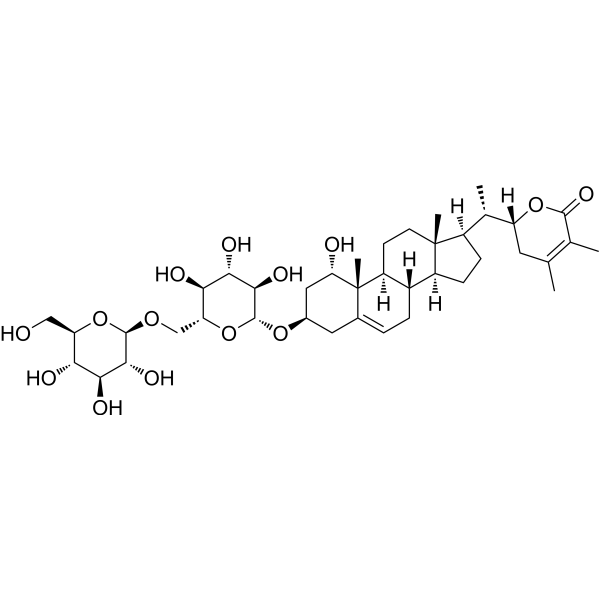
Withanoside V is a blood-brain barrier-permeable withanolide derivative . Withanoside V binds strongly to Sudlow I (domain IIA) of human serum albumin (HSA) to form a stable complex and alter the secondary structure of albumin, thereby increasing helix content and reducing β-sheet and random coil. Withanoside V binds to Aβ (1-42) to block the interaction between monomers and subsequent aggregation. Withanoside V inhibits the viability of neuroblastoma cells, reduces the number of apoptotic cells induced by Aβ (1-42), and decreases ROS production. Withanoside V inhibits SARS-CoV-2 Mpro. Withanoside V can be used for research on Alzheimer's disease and coronavirus disease 2019 .
loading...
    loading...
Art. -Nr.: HY-N8719
CAS. Nr.: 487-24-1
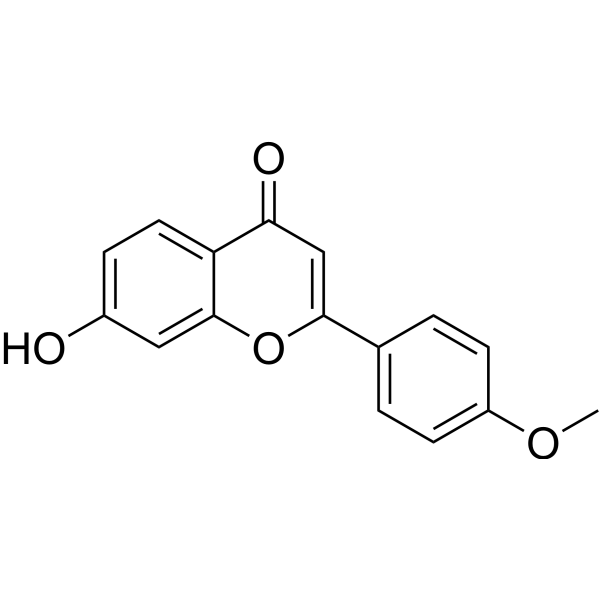
Synonyms: 7-Hydroxy-4'-methoxyflavone
Pratol (7-Hydroxy-4'-methoxyflavone) is an NF-κB inhibitor. Pratol also inhibits NO, PGE2, TNF-α, IL-1β, and IL-6 production. Pratol increases the phosphorylation of p38 MAPK, JNK, and ERK, decreases AKT phosphorylation, and upregulates MITF, tyrosinase, TRP-1, and TRP-2 through a PKA-dependent signaling pathway. Pratol reduces iNOS and COX-2 protein expression, inhibits p65 phosphorylation, and protects IκBα from degradation, thereby inhibiting NF-κB nuclear translocation. Pratol can be used in research on hypopigmentary disorders, inflammatory diseases, cervical cancer, and colon cancer .
loading...
    loading...
Art. -Nr.: HY-N9484S
CAS. Nr.: 3028870-62-1
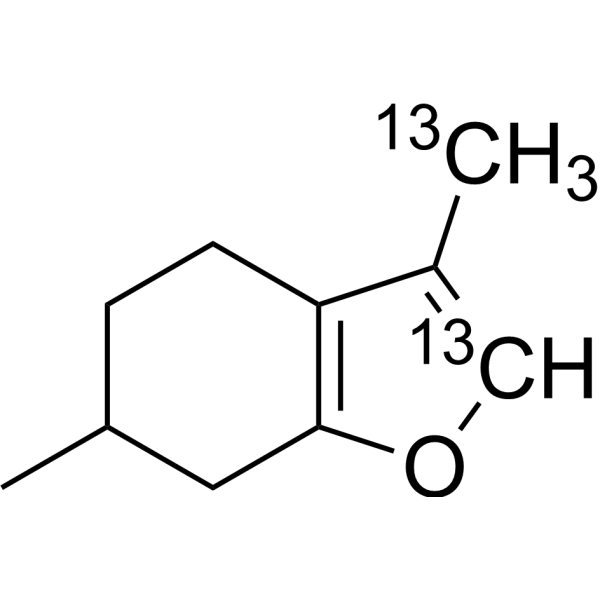
Menthofuran-13C2 is the 13C-labeled Menthofuran, 84% (HY-N9484). Menthofuran, 84% is an orally active modulator of pulegone reductase with gastroprotective activity, and it is the metabolite of (R)-(+)-Pulegone. Menthofuran, 84% reduces the transcriptional level of pulegone reductase in immature peppermint leaves, increases the content of pulegone in peppermint essential oil, and regulates the biosynthesis of peppermint essential oil through a feedforward-like inhibition mechanism. Menthofuran, 84% decreases total gastric acidity, restores non-protein thiol levels, inhibits lipid peroxidation, and reduces myeloperoxidase activity, with its mechanism of action related to the NOS pathway and endogenous prostaglandins. Menthofuran, 84% can be used in studies related to gastric ulcers .
loading...
    loading...
Art. -Nr.: HY-NP0204
Synonyms: Mouse Serum Albumin
MSA Protein (Mouse Serum Albumin) is most abundant protein in plasma, which leaks into the brain parenchyma when the blood-brain barrier (BBB) is impaired. Mouse Serum Albumin induces astrocytes to A1 phenotype to remarkably increase levels of Elovl1. Mouse Serum Albumin promotes VLSFAs secretion and causes neuronal lippoapoptosis through endoplasmic reticulum stress response pathway. MSA-activated microglia triggeres remarkable tau phosphorylation at multiple sites (Ser202/Thr205) through NLRP3 inflammasome pathway. Mouse Serum Albumin decreases the spatial learning and memory abilities in mice. Mouse Serum Albumin can be used for the study of neurodegenerative diseases like Alzheimer’s disease (AD) and frontotemporal dementia (FTD) .
loading...
    loading...
Art. -Nr.: HY-P0037
CAS. Nr.: 136208-71-4
Synonyms: Org 30850ANT
Target:  

GnRH Receptor

Forschungsgebiete:  

Endocrinology

Org-30850 is a potent LHRH antagonist designed for treating hormone-dependent disorders. In animal studies, a single subcutaneous dose effectively inhibited ovulation in rats and significantly reduced testosterone levels in male rats for up to 48 hours post-administration. Daily doses of Org-30850 in female rats suppressed estrous cycles, decreased uterine and ovarian weights, and lowered estradiol and FSH serum levels. In male rats, prolonged treatment resulted in reversible reductions in gonadal function and testosterone levels, with almost complete recovery observed after cessation of treatment. Unlike comparable LHRH antagonists, Org-30850 exhibited minimal injection site irritation and no edematous reactions, suggesting a more favorable therapeutic profile .
loading...
    loading...
Art. -Nr.: HY-P10462
CAS. Nr.: 1403753-45-6
Synonyms: Synthetic anti-inflammatory peptide 15
Target:  

HDAC NF-κB

Forschungsgebiete:  

Inflammation/Immunology

SAP15 (Synthetic anti-inflammatory peptide 15) is a synthetic anti-inflammatory peptide consisting of 15 amino acids designed from human beta-defensin 3. SAP15 has the ability to penetrate cells and is able to induce downregulation of intracellular inflammation. SAP15 inhibits inflammation by inhibiting the phosphorylation of HDAC5 and thereby reducing the phosphorylation of NF-κB p65. SAP15 inhibits HDAC5 and NF-κB p65 phosphorylation in LPS (HY-D1056)-induced macrophages. SAP15 increases the expression of aggrecan and type II collagen and decreases the expression of osteocalcin in LPS-induced chondrocytes. SAP15 can be used in the study of inflammation regulation and anti-inflammatory therapy of biomaterials .
loading...
    loading...
Art. -Nr.: HY-P10462A
Synonyms: Synthetic anti-inflammatory peptide 15 acetate
Target:  

HDAC NF-κB

Forschungsgebiete:  

Inflammation/Immunology

SAP15 (Synthetic anti-inflammatory peptide 15) acetate is a synthetic anti-inflammatory peptide consisting of 15 amino acids designed from human beta-defensin 3. SAP15 acetate has the ability to penetrate cells and is able to induce downregulation of intracellular inflammation. SAP15 acetate inhibits inflammation by inhibiting the phosphorylation of HDAC5 and thereby reducing the phosphorylation of NF-κB p65. SAP15 acetate inhibits HDAC5 and NF-κB p65 phosphorylation in LPS (HY-D1056)-induced macrophages. SAP15 acetate increases the expression of aggrecan and type II collagen and decreases the expression of osteocalcin in LPS-induced chondrocytes. SAP15 acetate can be used in the study of inflammation regulation and anti-inflammatory therapy of biomaterials .
loading...
    loading...
Art. -Nr.: HY-P11291
Forschungsgebiete:  

Metabolic Disease

NNC0165-1273 is a selective NPY Y2 receptor agonist with a Ki of 2 nM and an EC50 of 5.0 nM. NNC0165-1273 blocks Ghrelin-induced cFos expression. NNC0165-1273 reduces nocturnal food intake, attenuates feeding behavior, induces early satiety, and causes dose-dependent decreases in body weight and fat mass in diet-induced obese mice. When used in combination with Semaglutide (HY-114118), NNC0165-1273 reduces preference for high-fat diet, promotes body weight loss, and produces sustained weight loss effects in diet-induced obese rats. NNC0165-1273 can be used in studies related to diet-induced obesity .
loading...
    loading...
Art. -Nr.: HY-P11291B
Forschungsgebiete:  

Metabolic Disease

NNC0165-1273 acetate is a selective NPY Y2 receptor agonist with a Ki of 2 nM and an EC50 of 5.0 nM. NNC0165-1273 acetate blocks Ghrelin-induced cFos expression. NNC0165-1273 acetate reduces nocturnal food intake, attenuates feeding behavior, induces early satiety, and causes dose-dependent decreases in body weight and fat mass in diet-induced obese mice. When used in combination with Semaglutide (HY-114118), NNC0165-1273 acetate reduces preference for high-fat diet, promotes body weight loss, and produces sustained weight loss effects in diet-induced obese rats. NNC0165-1273 acetate can be used in studies related to diet-induced obesity .
loading...
    loading...
Art. -Nr.: HY-P11853
Forschungsgebiete:  

Cancer

cRY9M is a cyclic peptide that binds to FGFR1, with a KD value of 58 nM. cRY9M binds specifically to FGFR1, exhibits enhanced in vivo stability, and shows extremely low degradation in blood, urine and liver homogenate after injection. cRY9M displays significant specific uptake in FGFR1-positive tumor xenograft models, while its uptake decreases in FGFR1-negative tumor models and blocking models. The NOTA-chelated precursor of cRY9M can be labeled with 68Ga to obtain [ 68Ga]Ga-NOTA-cRY9M, which is used for research on non-invasive imaging of FGFR1 expression in non-small cell lung cancer .
loading...
    loading...
Art. -Nr.: HY-P11853A
Forschungsgebiete:  

Cancer

cRY9M acetate is a cyclic peptide that binds to FGFR1, with a KD value of 58 nM. cRY9M acetate binds specifically to FGFR1, exhibits enhanced in vivo stability, and shows extremely low degradation in blood, urine and liver homogenate after injection. cRY9M acetate displays significant specific uptake in FGFR1-positive tumor xenograft models, while its uptake decreases in FGFR1-negative tumor models and blocking models. The NOTA-chelated precursor of cRY9M acetate can be labeled with 68Ga to obtain [ 68Ga]Ga-NOTA-cRY9M, which is used for research on non-invasive imaging of FGFR1 expression in non-small cell lung cancer .
loading...
    loading...
Art. -Nr.: HY-P2819
CAS. Nr.: 9001-80-3
Synonyms: PFK1
Phosphofructokinase 1 (PFK1) is a glycolytic enzyme and also an allosteric activation target of fructose-2,6-bisphosphate. PFK1 supports cardiac glycolysis to maintain normal cardiac function and mediates adaptive responses to pressure overload. Upregulated expression and activity of PFK1 are associated with the alleviation of pathological changes induced by pressure overload, including diastolic dysfunction, interstitial fibrosis and myocardial hypertrophy. Inhibition of PFK1 redirects glucose carbon flux to the pentose phosphate pathway. PFK1 promotes proliferation, migration and glycolysis of colorectal cancer cells, reduces apoptosis and decreases their radiosensitivity, and shows higher expression levels in radioresistant tumors. PFK1 can be used in research related to diastolic dysfunction heart failure and colorectal cancer .
loading...
    loading...
Art. -Nr.: HY-P2819A
CAS. Nr.: 9001-80-3
Phosphofructokinase,Bacillus stearothermophilus is a glycolytic enzyme and also an allosteric activation target of fructose-2,6-bisphosphate. PFK1 supports cardiac glycolysis to maintain normal cardiac function and mediates adaptive responses to pressure overload. Upregulated expression and activity of PFK1 are associated with the alleviation of pathological changes induced by pressure overload, including diastolic dysfunction, interstitial fibrosis and myocardial hypertrophy. Inhibition of PFK1 redirects glucose carbon flux to the pentose phosphate pathway. PFK1 promotes proliferation, migration and glycolysis of colorectal cancer cells, reduces apoptosis and decreases their radiosensitivity, and shows higher expression levels in radioresistant tumors. PFK1 can be used in research related to diastolic dysfunction heart failure and colorectal cancer .
loading...
    loading...
Art. -Nr.: HY-P2970
CAS. Nr.: 37189-34-7
Stem bromelain (EC 3.4.22.32) is a cysteine protease and antibacterial agent. Stem bromelain can be isolated from the stem of the pineapple (Ananas comosus). Stem bromelain induces dose-dependent secretion of IL-12p70, and IL-6, induces Apoptosis, causes cleavage of full-length PARP protein, Caspase 3, and Caspase 9, increases Bax, and decreases Bcl-2. Stem bromelain possesses various fibrinolytic, antiedema, antithrombotic, and anti-inflammatory activities. Stem bromelain also exhibits in vivo antitumor and antileukemic activities, as well as antimetastatic effects. Stem bromelain has antimycobacterial activity. Stem bromelain provides protection against lead poisoning .
loading...
    loading...
Art. -Nr.: HY-P4277A
Synonyms: DiFMOC-G TFA
N,S-Bis-Fmoc-Glutathione TFA (DiFMOC-G TFA) is a GLO2 selective inhibitor with a KA of 0.75 μM against bovine liver GLO2. N,S-Bis-Fmoc-Glutathione TFA competitively inhibits the hydrolysis of S-d-lactoylglutathione to glutathione and D-lactate, leading to intracellular SLG accumulation and protein D-lactylation. N,S-Bis-Fmoc-Glutathione TFA reduces serum inflammatory cytokines and interferons, improves survival in acute inflammation/cytokine storm and TNBS colitis models, and decreases senescence-associated secretory phenotype, immune activation, and inflammation in aging and autoimmune models. N,S-Bis-Fmoc-Glutathione TFA can be used in research on autoimmune diseases and inflammation-related diseases .
loading...
    loading...
Art. -Nr.: HY-P991795

Target:  

CXCR

Forschungsgebiete:  

Cancer

Anti-Mouse/Human CXCL12 Antibody (K15C) is an antibody targeting SDF-1/CXCL12. Anti-Mouse/Human CXCL12 Antibody (K15C) blocks the biological activity of SDF-1 secreted by cancer-associated fibroblasts. Anti-Mouse/Human CXCL12 Antibody (K15C) inhibits tumor growth, reduces tumor microvessel density, and decreases the proportion of Sca1 +CD31 + endothelial progenitor cells in tumors. Anti-Mouse/Human CXCL12 Antibody (K15C) can be used for research on aggressive human breast cancer. The recommended isotype control is Mouse IgG2a kappa, Isotype Control (HY-P99978) .
loading...
    loading...
Art. -Nr.: HY-P992540
Forschungsgebiete:  

Cancer

IBI389 is an anti-Claudin18.2 × CD3 bispecific antibody. IBI389 binds CD3 and Claudin18.2 to engage T cells, induce immune synapse formation, and redirect T cell killing of Claudin18.2-positive tumors. IBI389 increases intratumoral CD3 +/CD8 + T cells, an immuno-inflammatory phenotype, shortens tumor-T cell distance, compensatorily increases regulatory T cells, and elevates IL-2/IFN-γ; IL-4/IL-10/IL-17A/TNF-α are decreased. IBI389 can be used in gastric cancer-related research .
loading...
    loading...
Art. -Nr.: HY-P9S0062
Rosnilimab (Mouse IgG2a) is a mouse-derived IgG2a antibody, Rosnilimab. Rosnilimab is a PD-1 agonistic monoclonal antibody. Rosnilimab (Mouse IgG2a) optimizes the inhibitory PD-1 signaling pathway without blocking PD-L1 binding; it also activates moderately activated PD-1 + T cells and eliminates PD-1 high cells, Tfh/Tph cells and Teff cells. Rosnilimab (Mouse IgG2a) reduces the secretion and gene expression of IFN-γ, CXCL13, IL-6 and TNF, decreases macrophage infiltration, and downregulates the gene expression of inflammatory myeloid cells. Rosnilimab (Mouse IgG2a) can be used in studies related to ulcerative colitis .
loading...
    loading...
Art. -Nr.: HY-W018171R
CAS. Nr.: 6515-38-4
Synonyms: TCPy (Standard)
Forschungsgebiete:  

Others

3,5,6-Trichloro-2-pyridinol (Standard) is the analytical standard of 3,5,6-Trichloro-2-pyridinol. This product is intended for research and analytical applications. 3,5,6-Trichloro-2-pyridinol (TCPy) is a chloride of 2-pyridone with oral activity. 3,5,6-Trichloro-2-pyridinol is the main degradation product of the herbicide Triclopyr and the insecticides Chlorpyrifos and chlorpyrifos-methyl. 3,5,6-Trichloro-2-pyridinol is associated with attention deficit hyperactivity disorder (ADHD) and decreased testosterone levels. 3,5,6-Trichloro-2-pyridinol causes hearing loss, hepatotoxicity and nephrotoxicity in mice.
loading...
    loading...

