



CL097
Based on 3 publication(s) in Google Scholar
CL097, a potent TLR7 and TLR8 agonist, induces pro-inflammatory cytokines in macrophages. CL097 induces NADPH oxidase priming, resulting in an increase of the fMLF-stimulated ROS production.
For research use only. We do not sell to patients.
- Purity : 99.90%
- CAS No.: 1026249-18-2
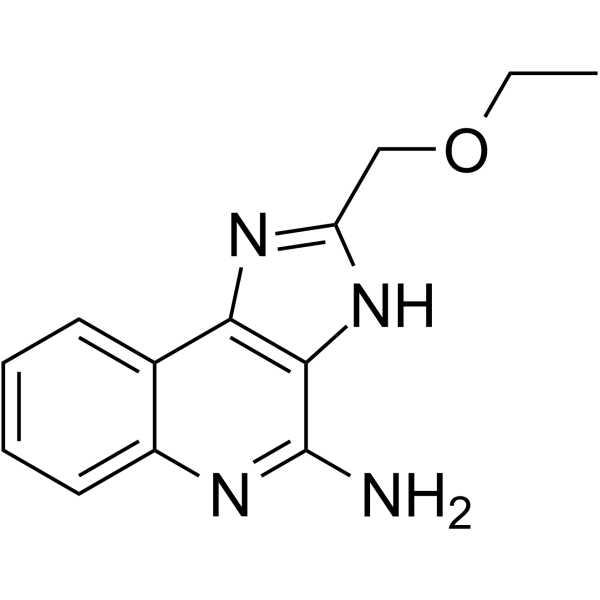
- Formula: C13H14N4O
- Molecular Weight:242.28
-
Storage:Powder -20°C, 3 years , 4°C, 2 years ; In solvent -80°C, 6 months , -20°C, 1 month

To place orders, for customer services and technical support, please contact: MedChemExpress USA
Tel: 609-228-6898 E-mail: [email protected] [email protected]


-
 Biological Activity
-
Chemical Information
-
Solvent & Solubility
- Protocols
- Purity & Documentation
- References
-
 Help & FAQs


-
HY-13740
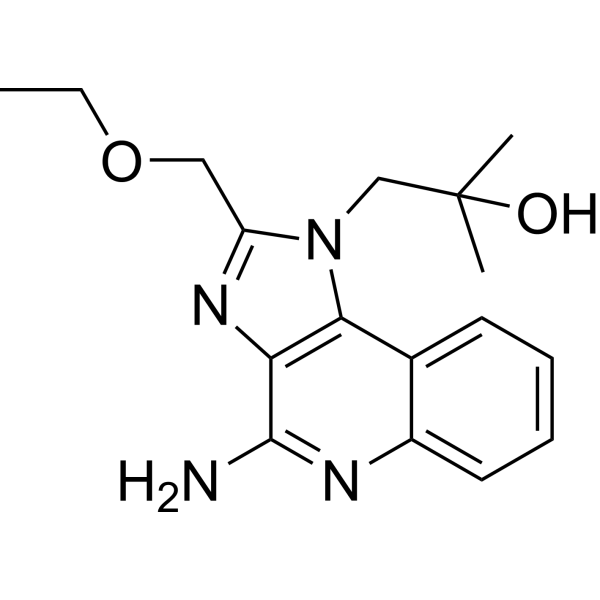
ResiquimodTLR7/8 Agonist -
HY-B0180
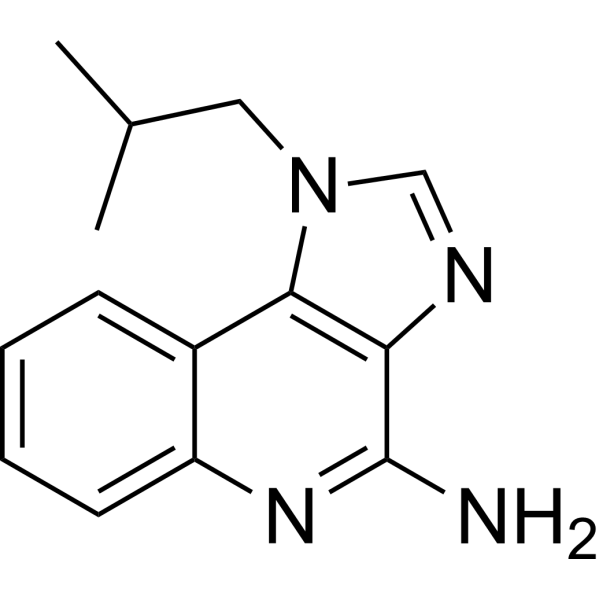
ImiquimodTLR7 Agonist -
HY-117066
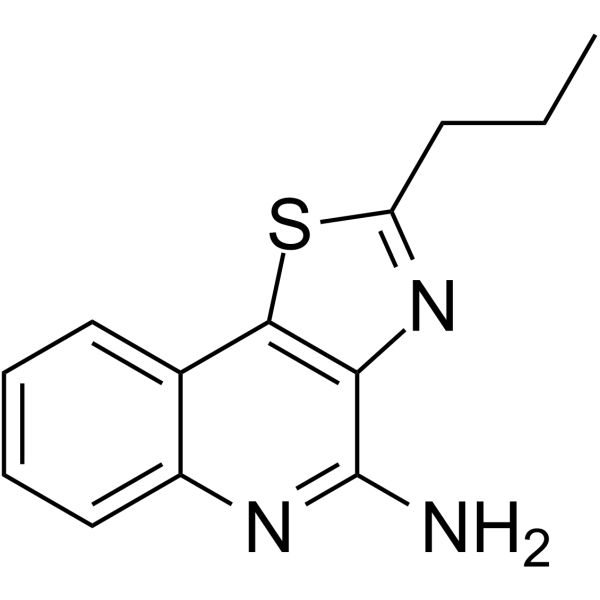
CL075TLR8 Agonist -
HY-135905
CL264TLR7 Agonist -
HY-12815
MCC950NLRP3 Inhibitor -
HY-13259
MG-132Proteasome Inhibitor -
HY-10182
LaduviglusibGSK-3 Inhibitor -
HY-Y1893
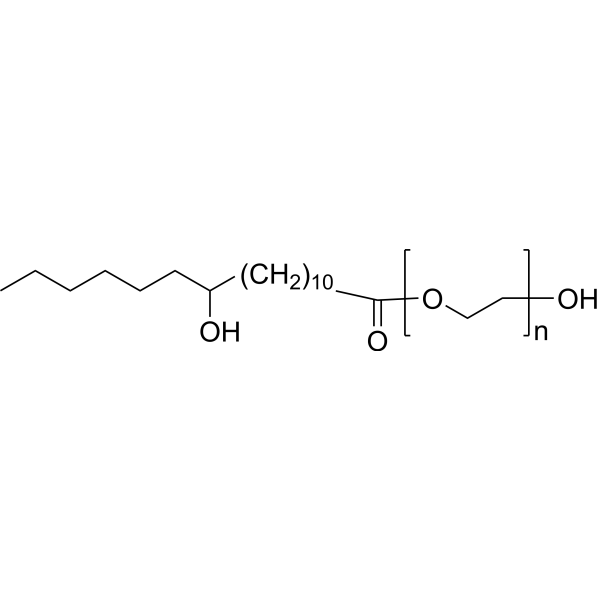
Solutol HS-15 -
HY-139567
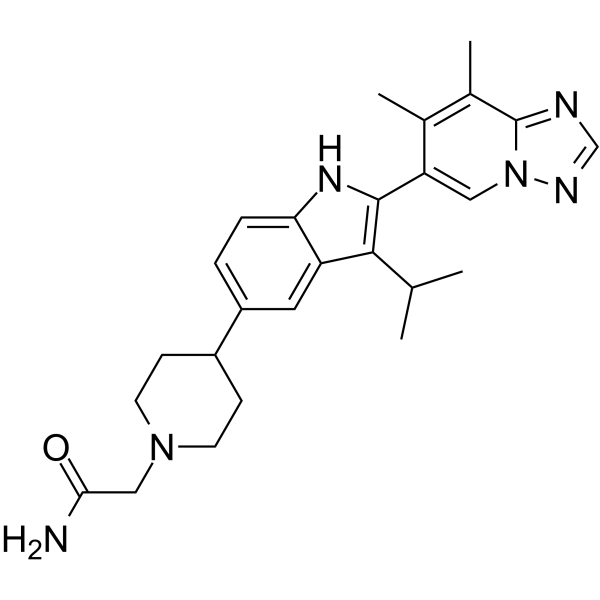
AfimetoranTLR7/8 Antagonist -
HY-18935A
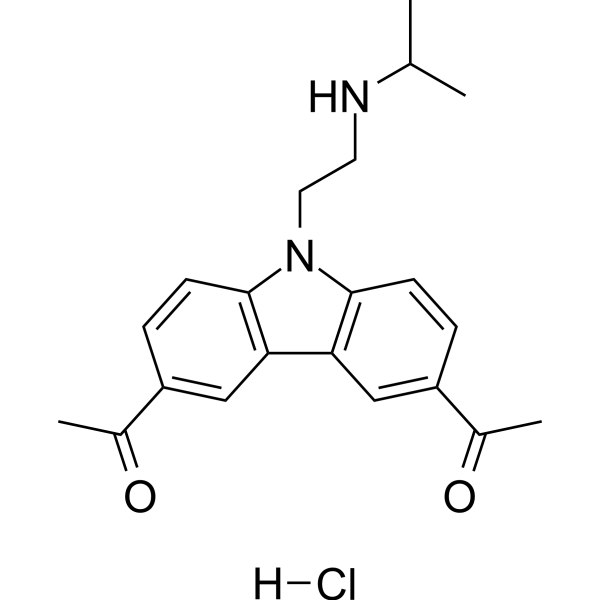
CBL0137 hydrochlorideNF-κB Inhibitor -
HY-12756A
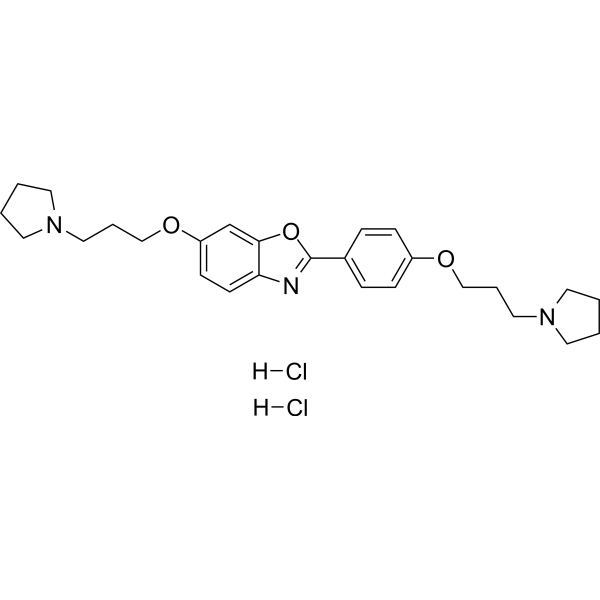
E6446 dihydrochlorideTLR/SCD1 Inhibitor -
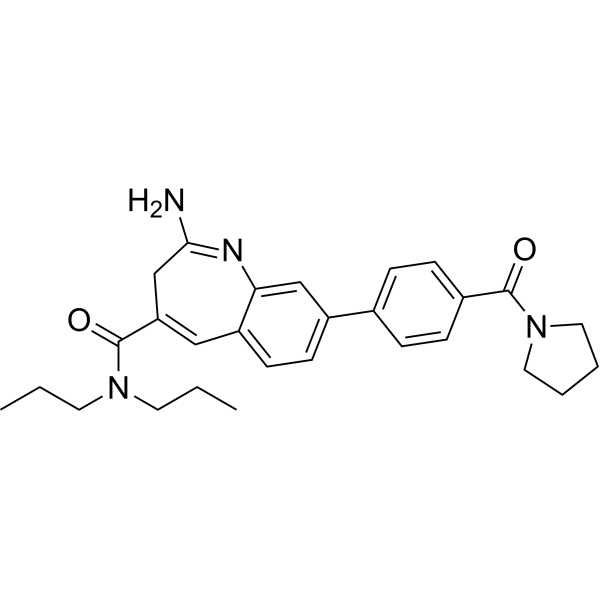
HY-13773
MotolimodTLR8 Agonist
Publications Citing Use of MedChemExpress (MCE) CL097
More Customer Validation & Images

-
WB


Biological Activity
Description
IC50 & Target
|
TLR7 |
TLR8 |
In Vitro
CL097 induces activation of NF-κB at 0.1 μM in TLR7 transfected HEK293 cells and at 4 μM in TLR8-transfected HEK293 cells[1].
?
CL097 induces hyperactivation of the NADPH oxidase by stimulating the phosphorylation of p47phox on selective sites in human neutrophils and suggest that p38 MAPK, ERK1/2, protein kinase C, and Pin1 control this process. CL097 induces the phosphorylation of p47phox on specific sites and enhances fMLF-induced p47phox phosphorylation[2].
MedChemExpress (MCE) has not independently confirmed the accuracy of these methods. They are for reference only. Further protocols information, click here.
-
Cell Line:Neutrophils
-
Concentration:0, 0.5, 2.5, 5, and 10 μg/mL
-
Incubation Time:Pretreated for 30 minutes
-
Result:Induced phosphorylation of p47phox on specific sites in a concentration-dependent manner.
In Vivo
MedChemExpress (MCE) has not independently confirmed the accuracy of these methods. They are for reference only.
-
Animal Model:Female 8.3 NOD mice (5-6 weeks old)[3]
-
Dosage:5 mg/kg
-
Administration:Injected s.c.
-
Result:Caused a modest specific lysis of the target peptide (∼25%).


Chemical Information
-
CAS No. 1026249-18-2
-
Appearance Solid
-
Molecular Weight 242.28
-
Formula C13H14N4O
-
Color White to off-white
-
SMILES
NC1=NC2=CC=CC=C2C3=C1NC(COCC)=N3
-
Shipping
Room temperature in continental US; may vary elsewhere.
-
Storage
Powder -20°C 3 years 4°C 2 years In solvent -80°C 6 months -20°C 1 month


Publications (3)
-
Journal Impact Factor
-
Most Recent
-
Cell Res
2025 Apr 1. PMID: 40164768 -
Cell Rep
Restraint of inflammasome-driven cytokine responses through the mRNA stability protein TTP. [Abstract]2025 Feb 20;44(3):115340. PMID: 39982821
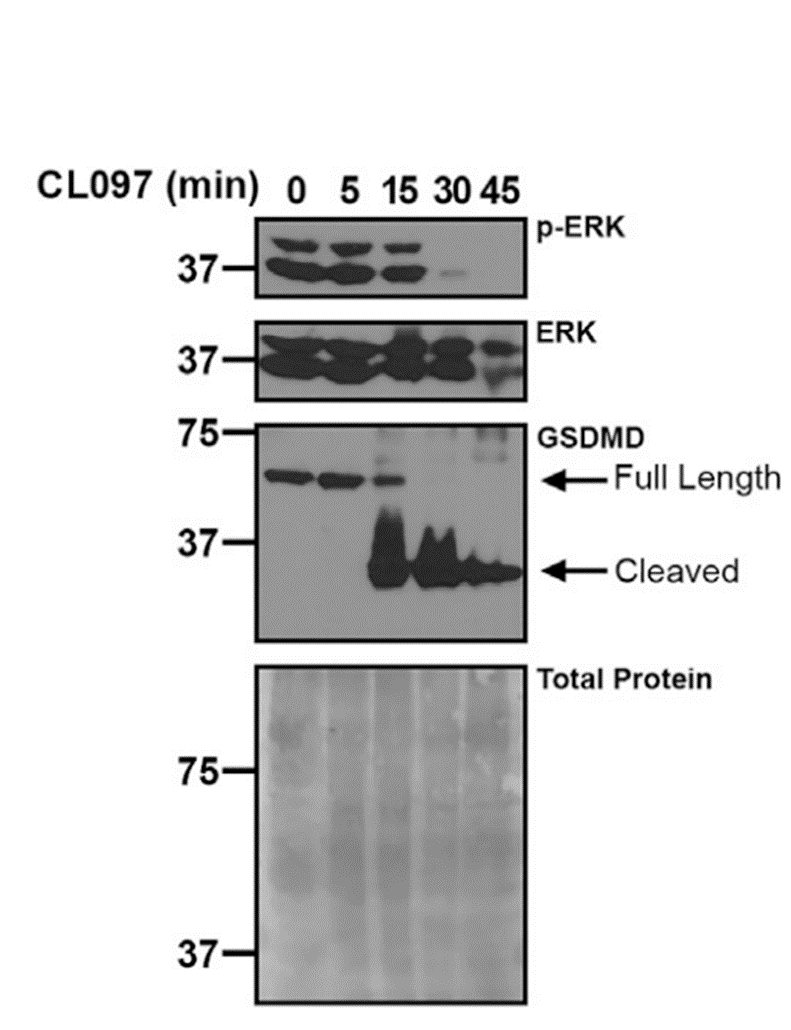
CL097 purchased from MedChemExpress. Usage Cited in: Cell Rep. 2025 Feb 20;44(3):115340. [Abstract]
iBMDMs were primed with LPS and stimulated with 70 μM CL097 over a time course of 45 min. Cellular lysates were examined by western blot for changes in ERK1/2 phosphorylation and GSDMD cleavage.
-
Int Immunopharmacol
Repurposing AZD-7762 as a novel direct NLRP3 inhibitor for the treatment of inflammatory diseases. [Abstract]2026 Jun 25:186:117053. PMID: 42348984


Solvent & Solubility
In Vitro:
DMSO : 100 mg/mL (412.75 mM; Need ultrasonic; Hygroscopic DMSO has a significant impact on the solubility of product, please use newly opened DMSO)
H2O : < 0.1 mg/mL (insoluble)
Please refer to the solubility information to select the appropriate solvent. Once prepared, please aliquot and store the solution to prevent product inactivation from repeated freeze-thaw cycles.
Storage method and period of stock solution: -80°C, 6 months; -20°C, 1 month. When stored at -80°C, please use it within 6 months. When stored at -20°C, please use it within 1 month.
Please refer to the solubility information to select the appropriate solvent. Once prepared, please aliquot and store the solution to prevent product inactivation from repeated freeze-thaw cycles.
Storage method and period of stock solution: -80°C, 6 months; -20°C, 1 month. When stored at -80°C, please use it within 6 months. When stored at -20°C, please use it within 1 month.
Concentration (start) × Volume (start) = Concentration (final) × Volume (final)
In Vivo:
Select the appropriate dissolution method based on your experimental animal and administration route.
- For the following dissolution methods, please ensure to first prepare a clear stock solution using an In Vitro approach and then sequentially add co-solvents:
- To ensure reliable experimental results, the clarified stock solution can be appropriately stored based on storage conditions. As for the working solution for In Vivo experiments, it is recommended to prepare freshly and use it on the same day.
- The percentages shown for the solvents indicate their volumetric ratio in the final prepared solution. If precipitation or phase separation occurs during preparation, heat and/or sonication can be used to aid dissolution.
Add each solvent one by one: 10% DMSO 40% PEG300 5% Tween-80 45% Saline
Solubility: ≥ 2.5 mg/mL (10.32 mM); Clear solution
This protocol yields a clear solution of ≥ 2.5 mg/mL (saturation unknown).
Taking 1 mL working solution as an example, add 100 μL DMSO stock solution (25.0 mg/mL) to 400 μL PEG300, and mix evenly; then add 50 μL Tween-80 and mix evenly; then add 450 μL Saline to adjust the volume to 1 mL.
Preparation of Saline: Dissolve 0.9 g sodium chloride in ddH₂O and dilute to 100 mL to obtain a clear Saline solution.
Add each solvent one by one: 10% DMSO 90% (20% SBE-β-CD in Saline)
Solubility: ≥ 2.5 mg/mL (10.32 mM); Clear solution
This protocol yields a clear solution of ≥ 2.5 mg/mL (saturation unknown).
Taking 1 mL working solution as an example, add 100 μL DMSO stock solution (25.0 mg/mL) to 900 μL 20% SBE-β-CD in Saline, and mix evenly.
Preparation of 20% SBE-β-CD in Saline (4°C, storage for one week): 2 g SBE-β-CD powder is dissolved in 10 mL Saline, completely dissolve until clear.
In Vivo Dissolution Calculator
Please enter the basic information of animal experiments:
-
-
-
-
Recommended: Prepare an additional quantity of animals to account for potential losses during experiments.
Please enter your animal formula composition:
-
%DMSO +
Recommended: Keep the proportion of DMSO in working solution below 2% if your animal is weak.
-
%+
-
+%Tween-80 + +
-
%Saline +
The co-solvents required include: DMSO, . All of co-solvents are available by MedChemExpress (MCE). , Tween 80. All of co-solvents are available by MedChemExpress (MCE).
Working solution concentration: 0.22 mg/mL
Method for preparing stock solution: mg drug dissolved in μL DMSO. Stock solution concentration: mg/mL.
1. Take μL DMSO stock solution;
2. Add μL .
μL , mix evenly;
3. Then add μL Tween 80, mix evenly;
4. Then add μL
Please ensure that the stock solution in the first step is dissolved to a clear state, and add co-solvents in sequence. You can use ultrasonic heating (ultrasonic cleaner, recommended frequency 20-40 kHz), vortexing, etc. to assist dissolution.

Protocols
-
LPS-Induced Endotoxemia/Systemic Inflammation
Lipopolysaccharide (LPS)-induced endotoxemia is a widely used in vivo model of acute systemic inflammation in which LPS, a Gram-negative bacterial endotoxin, activates innate immune signaling primarily through TLR4, leading to rapid and transient induction of pro-inflammatory cytokines such as TNF-α, IL-6, and IL-1β in circulation and tissues. This cytokine surge is commonly used as a measurable readout of systemic inflammatory activation and immune dysregulation, and is typically assessed within hours after intraperitoneal LPS administration in mouse models of endotoxemia. The model captures key features of systemic inflammatory response syndrome, including cytokine release, immune cell activation, and downstream tissue responses, and has been used to evaluate anti-inflammatory interventions such as cytokine modulation, lipid mediators, and immune cell-targeting therapies.
-
ROS/oxidative-stress fluorescent staining
ROS/oxidative-stress fluorescent staining uses cell-permeant fluorogenic probes that become fluorescent after oxidation inside cells or tissues; commonly used examples include DCFH-DA/DCFDA for broad cellular oxidant detection, DHE for superoxide-related signal detection, MitoSOX for mitochondrial superoxide-related signal detection, and CellROX probes for oxidative-stress-associated fluorescence readouts. The assay detects probe oxidation rather than a single ROS species unless the probe and analysis method have been chemically validated for that species. DCFH-DA enters cells, is deacetylated by intracellular esterases to DCFH, and produces fluorescent DCF after oxidation, so the readout is used as an operational measure of total cellular oxidative stress rather than a species-specific ROS measurement. DHE and MitoSOX can report superoxide-related oxidation, but red fluorescence alone can include non-specific ethidium-like oxidation products; HPLC or optimized spectral approaches are
-
Research Protocol for Inflammation-related Diseases
The NLRP3 inflammasome is a cytosolic innate immune signaling platform that integrates priming signals and danger-signal activation to promote caspase-1 activation, maturation of IL-1β and IL-18, and gasdermin D-mediated pyroptotic cell death. The core experimental logic is to determine whether inflammatory disease phenotypes are driven by increased NLRP3 expression, ASC-containing inflammasome assembly, caspase-1 cleavage, GSDMD cleavage, and extracellular release of IL-1β/IL-18 rather than by nonspecific cell injury alone. The pathway is strongly linked to inflammation-related disease phenotypes because monosodium urate crystals activate NALP3/NLRP3 inflammasome signaling in gout-like crystal inflammation, cholesterol crystals activate NLRP3 inflammasomes in atherogenesis models, and DSS-induced intestinal inflammation has been reported to involve NLRP3 inflammasome activity. However, experimental colitis studies also show context-dependent protective effects of NLRP3 inflammasome co


Purity & Documentation
-
Data Sheet (278 KB)
-
SDS (251 KB)
- English - EN (251 KB)
- Français - FR (251 KB)
- Deutsch - DE (251 KB)
- Norwegian - NO (251 KB)
- Español - ES (251 KB)
- Swedish - SV (251 KB)
- Italian - IT (251 KB)
- Korean - KR (251 KB)
- Portuguese - PT (251 KB)
-
Handling Instructions (2659 KB)
References
[1]. Cindy Patinote, et al. Agonist and antagonist ligands of toll-like receptors 7 and 8: Ingenious tools for therapeutic purposes. Eur J Med Chem. 2020 May 1;193:112238. [Content Brief]
[2]. Karama Makni-Maalej, et al. The TLR7/8 agonist CL097 primes N-formyl-methionyl-leucyl-phenylalanine-stimulated NADPH oxidase activation in human neutrophils: critical role of p47phox phosphorylation and the proline isomerase Pin1. J Immunol. 2012 Nov 1;18 [Content Brief]
[3]. A S Lee, et al. Toll-like receptor 7 stimulation promotes autoimmune diabetes in the NOD mouse. Diabetologia. 2011 Jun;54(6):1407-16. [Content Brief]


Complete Stock Solution Preparation Table
Please refer to the solubility information to select the appropriate solvent. Once prepared, please aliquot and store the solution to prevent product inactivation from repeated freeze-thaw cycles.
Storage method and period of stock solution: -80°C, 6 months; -20°C, 1 month. When stored at -80°C, please use it within 6 months. When stored at -20°C, please use it within 1 month.
| Optional Solvent | Concentration Solvent Mass | 1 mg | 5 mg | 10 mg | 25 mg |
|---|---|---|---|---|---|
| DMSO | 1 mM | 4.1275 mL | 20.6373 mL | 41.2746 mL | 103.1864 mL |
| 5 mM | 0.8255 mL | 4.1275 mL | 8.2549 mL | 20.6373 mL | |
| 10 mM | 0.4127 mL | 2.0637 mL | 4.1275 mL | 10.3186 mL | |
| 15 mM | 0.2752 mL | 1.3758 mL | 2.7516 mL | 6.8791 mL | |
| 20 mM | 0.2064 mL | 1.0319 mL | 2.0637 mL | 5.1593 mL | |
| 25 mM | 0.1651 mL | 0.8255 mL | 1.6510 mL | 4.1275 mL | |
| 30 mM | 0.1376 mL | 0.6879 mL | 1.3758 mL | 3.4395 mL | |
| 40 mM | 0.1032 mL | 0.5159 mL | 1.0319 mL | 2.5797 mL | |
| 50 mM | 0.0825 mL | 0.4127 mL | 0.8255 mL | 2.0637 mL | |
| 60 mM | 0.0688 mL | 0.3440 mL | 0.6879 mL | 1.7198 mL | |
| 80 mM | 0.0516 mL | 0.2580 mL | 0.5159 mL | 1.2898 mL | |
| 100 mM | 0.0413 mL | 0.2064 mL | 0.4127 mL | 1.0319 mL |


CL097 Related Classifications
HY-128799 Related Classifications
 Powered by Bioz