



Obeticholic acid
Based on 88 publication(s) in Google Scholar
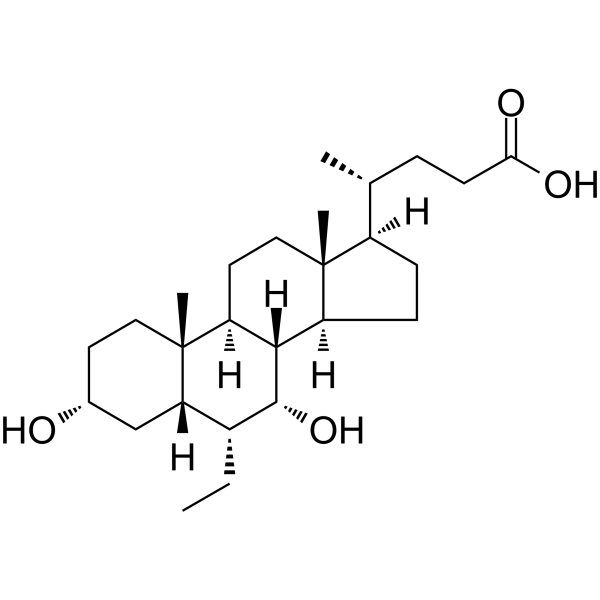
Obeticholic acid (INT-747) is a potent, selective and orally active FXR agonist with an EC50 of 99 nM. Obeticholic acid has anticholeretic and anti-inflammation effect. Obeticholic acid also induces autophagy.
For research use only. We do not sell to patients.
- Purity : 99.94%
- CAS No.: 459789-99-2
- Formula: C26H44O4
- Molecular Weight:420.63
-
Storage:Powder -20°C, 3 years , 4°C, 2 years ; In solvent -80°C, 6 months , -20°C, 1 month

To place orders, for customer services and technical support, please contact: MedChemExpress USA
Tel: 609-228-6898 E-mail: [email protected] [email protected]


-
 Biological Activity
-
Chemical Information
-
Solvent & Solubility
- Protocols
- Purity & Documentation
- References
-
 Help & FAQs


-
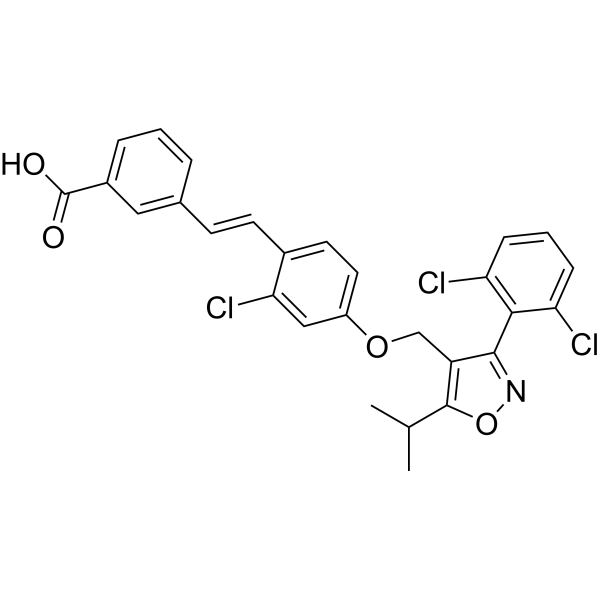
HY-50108
GW 4064FXR Agonist -
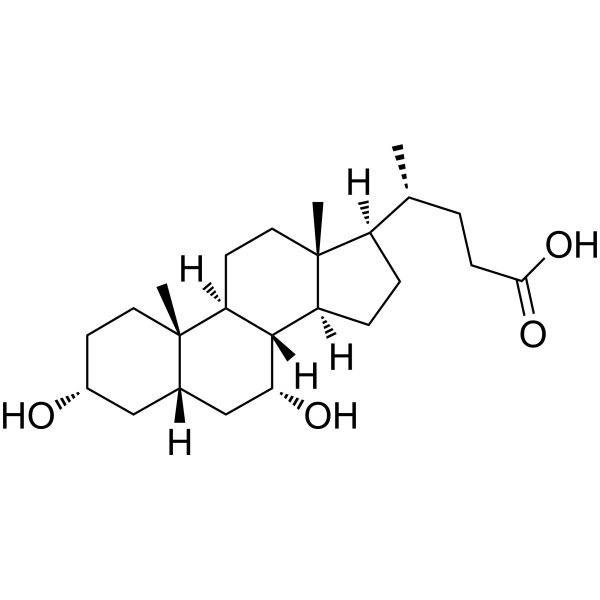
HY-76847
Chenodeoxycholic AcidEndogenous Metabolite -
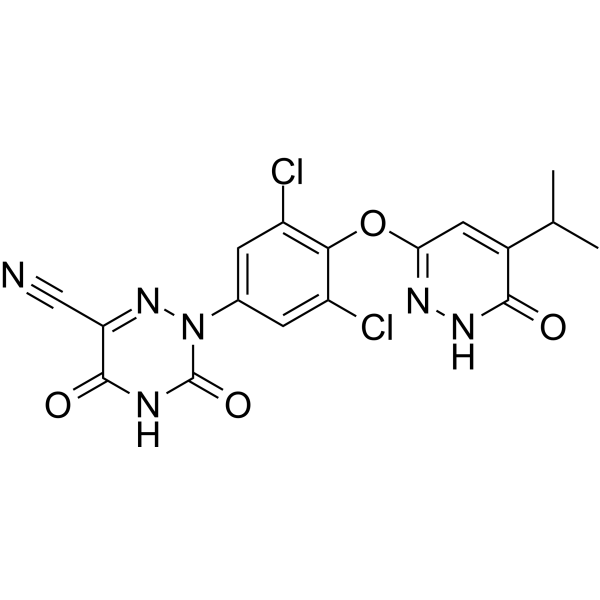
HY-12216
ResmetiromTHR-β Agonist -
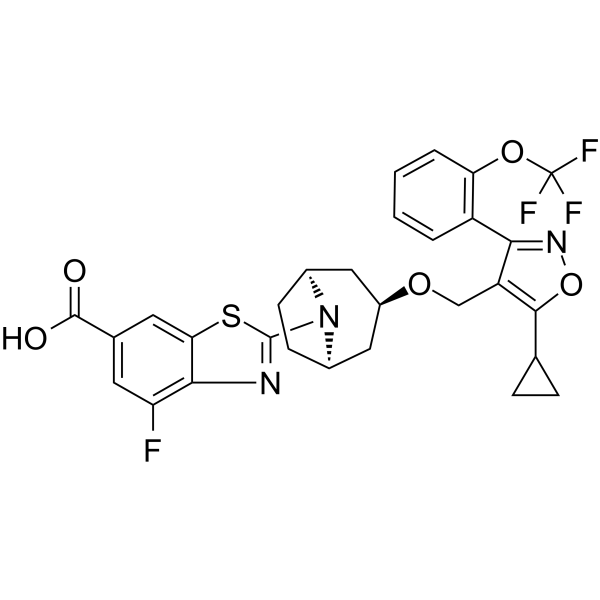
HY-107418
Tropifexor -
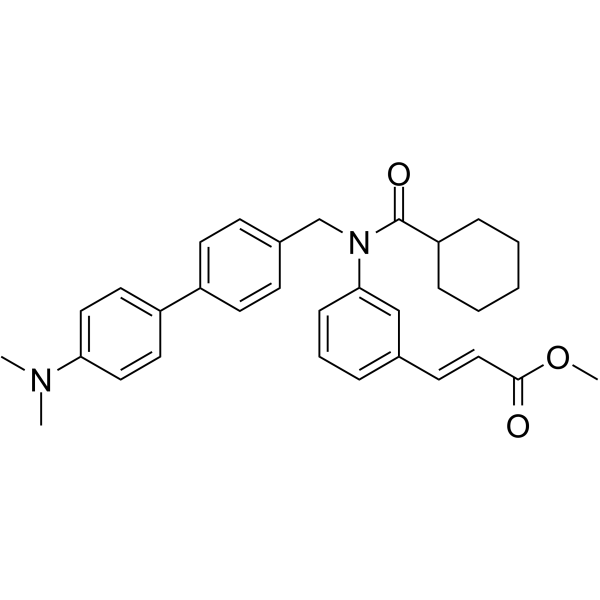
HY-10912
FexaramineFXR Agonist -
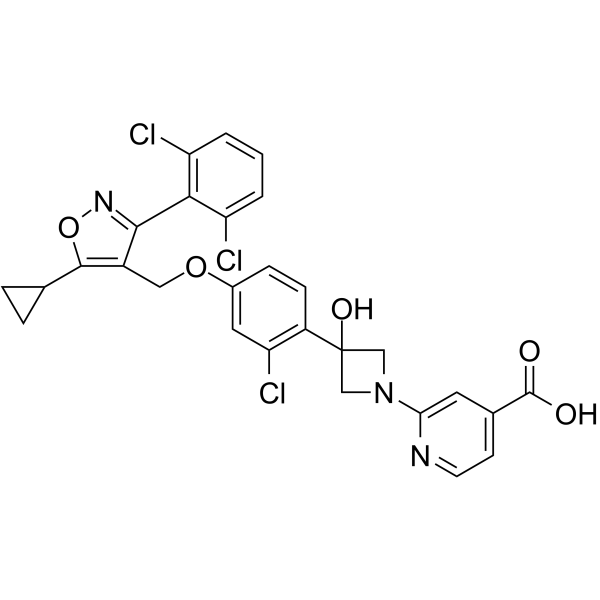
HY-109083
CilofexorFXR Agonist -
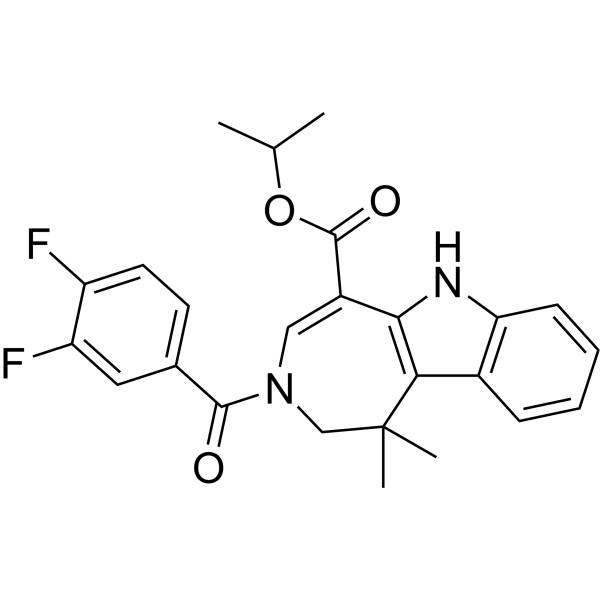
HY-50911
Turofexorate isopropylFXR Agonist -
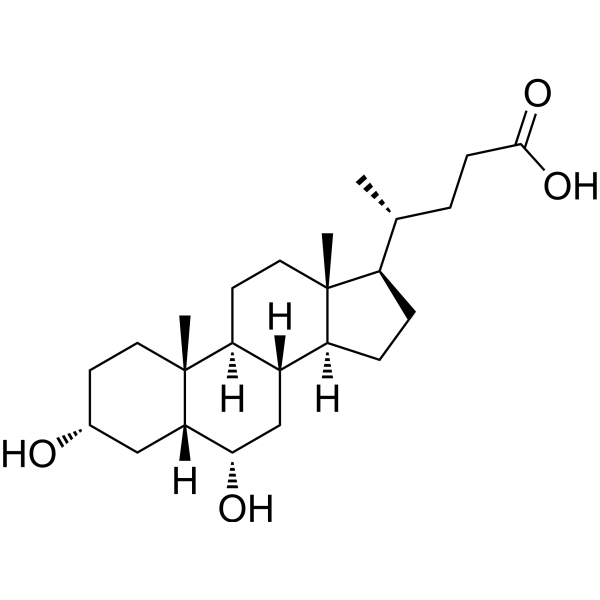
HY-N0169
Hyodeoxycholic acidGPBAR1 Agonist -
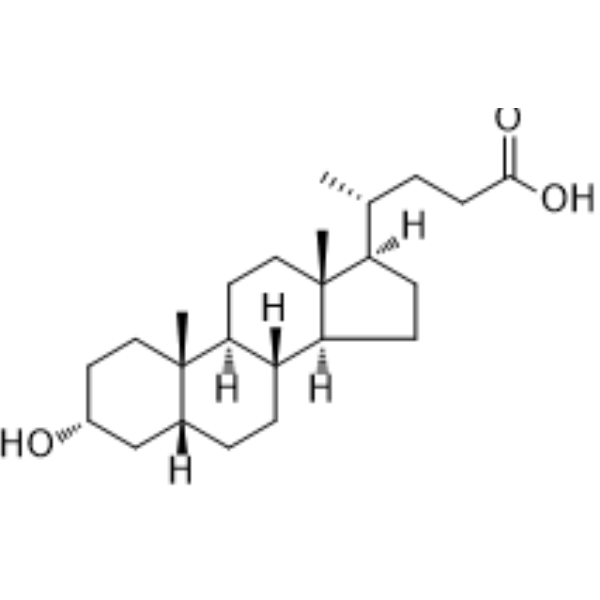
HY-B0172
Lithocholic acidAutophagy Inducer -
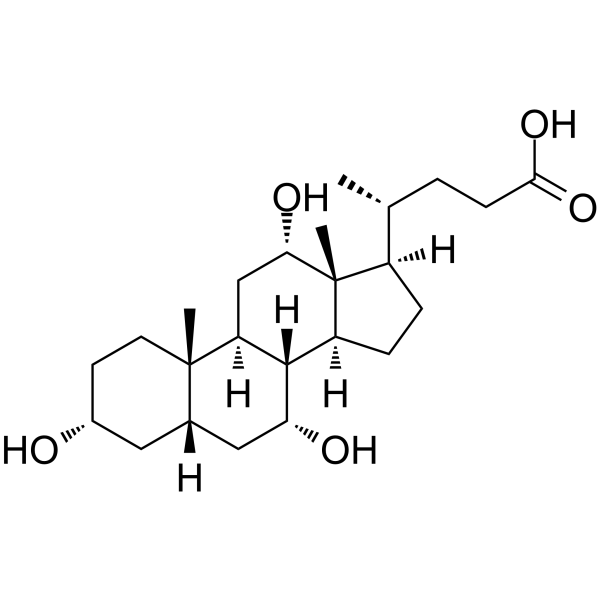
HY-N0324
Cholic acidEndogenous Metabolite -
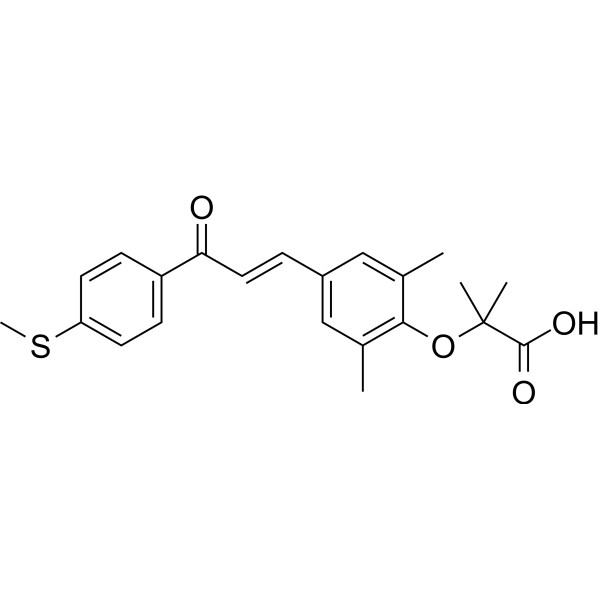
HY-16737
ElafibranorPPARα/δ Agonist -
HY-107738
GuggulsteroneSterol
Publications Citing Use of MedChemExpress (MCE) Obeticholic acid
More- Science. 2026 Feb 5;391(6785):eadz4075. [Abstract]
- Cell Mol Immunol. 2025 Jun;22(6):661-673. [Abstract]
- Cell Stem Cell. 2022 Sep 1;29(9):1366-1381.e9. [Abstract]
- Cell Host Microbe. 2018 Sep 12;24(3):353-363.e5. [Abstract]
- Bone Res. 2025 Jan 30;13(1):20. [Abstract]
- J Adv Res. 2025 Sep 3:S2090-1232(25)00686-1. [Abstract]
- J Adv Res. 2025 Jul 11:S2090-1232(25)00543-0. [Abstract]
- J Adv Res. 2025 Apr 22:S2090-1232(25)00278-4. [Abstract]
- Metabolism. 2021 Jul:120:154797. [Abstract]
- Acta Pharm Sin B. 2025 Dec;15(12):6382-6398. [Abstract]
- Acta Pharm Sin B. 2023 Feb;13(2):559-576. [Abstract]
- Biomaterials. 2022 Nov:290:121817. [Abstract]
- Biomaterials. 2021 Sep:276:121006. [Abstract]
- Carbohydr Polym. 2024 Aug 1:337:122139. [Abstract]
- J Control Release. 2024 Aug 12:374:112-126. [Abstract]
- Environ Sci Technol. 2026 Mar 31;60(12):8958-8970. [Abstract]
- Pharmacol Res. 2025 Nov:221:107950. [Abstract]
- Pharmacol Res. 2024 Aug:206:107275. [Abstract]
- Int J Biol Sci. 2022 Jul 11;18(11):4545-4559. [Abstract]
- Phytomedicine. 2026 Sep:159:158630.
- Phytomedicine. 2025 Oct:146:157140. [Abstract]
- Phytomedicine. 2025 Oct:146:157130. [Abstract]
- Phytomedicine. 2024 Jul 25:130:155693. [Abstract]
- Phytomedicine. 2024 Mar:125:155299. [Abstract]
- J Pharm Anal. 2021 Feb;11(1):122-127. [Abstract]
- Acta Pharmacol Sin. 2025 May;46(5):1329-1344. [Abstract]
- Acta Pharmacol Sin. 2025 May 6. [Abstract]
- Acta Biomater. 2021 Oct 15:134:228-239. [Abstract]
- J Am Soc Nephrol. 2018 Nov;29(11):2658-2670. [Abstract]
- Diabetes. 2021 Mar;70(3):733-744. [Abstract]
- JHEP Rep. 2023 Sep 25;6(1):100917. [Abstract]
- Int J Biol Macromol. 2023 Aug 1:245:125540. [Abstract]
- Phytother Res. 2019 Dec;33(12):3140-3152. [Abstract]
- Anal Chem. 2022 Aug 2;94(30):10722-10729. [Abstract]
- J Invest Dermatol. 2022 May;142(5):1381-1390.e11. [Abstract]
- J Ethnopharmacol. 2024 Mar 25:322:117600. [Abstract]
- JCI Insight. 2020 Dec 8;6(1):e141640. [Abstract]
- Life Sci. 2022 Dec 15;311(Pt A):121176. [Abstract]
- Life Sci. 2019 Sep 1:232:116643. [Abstract]
- Inflamm Res. 2026 Jul 31;75(1):185.
- Hepatol Commun. 2024 Jul 18;8(8):e0480. [Abstract]
- Hepatol Commun. 2023 Apr 14;7(5):e0078. [Abstract]
- Pharm Biol. 2022 Dec;60(1):2124-2133. [Abstract]
- Hepatol Commun. 2020 Feb 13;4(4):540-554. [Abstract]
- Cells. 2019 Nov 8;8(11):1409. [Abstract]
- Nutrients. 2022 Jun 10;14(12):2411. [Abstract]
- Pharmaceuticals (Basel). 2021 Oct 31;14(11):1117. [Abstract]
- Int Immunopharmacol. 2024 Sep 5;142(Pt A):113087. [Abstract]
- Int J Mol Sci. 2023 Aug 30;24(17):13494. [Abstract]
- J Hypertens. 2022 Aug 1;40(8):1577-1588. [Abstract]
- Int Immunopharmacol. 2020 Jun:83:106442. [Abstract]
- Int J Mol Sci. 2019 Apr 2;20(7):1629. [Abstract]
- Mucosal Immunol. 2021 Mar;14(2):500-510. [Abstract]
- Front Pharmacol. 2021 Aug 13;12:713149. [Abstract]
- Toxicol Sci. 2023 Nov 28;196(2):200-217. [Abstract]
- Biochim Biophys Acta Mol Basis Dis. 2024 Jun;1870(5):167221. [Abstract]
- PLoS Pathog. 2022 Jun 13;18(6):e1010620. [Abstract]
- Sci Rep. 2021 May 27;11(1):11107. [Abstract]
- iScience. 2025 Apr 3;28(5):112344. [Abstract]
- Liver Res. 2022 Dec;6(4):276-283. [Abstract]
- Biology (Basel). 2020 May 2;9(5):93. [Abstract]
- J Pharmacol Exp Ther. 2019 Nov;371(2):231-241. [Abstract]
- FEBS J. 2025 Feb 11. [Abstract]
- Curr Issues Mol Biol. 2024 Jun 12;46(6):5881-5893. [Abstract]
- J Biol Chem. 2018 Nov 23;293(47):18180-18191. [Abstract]
- Biochim Biophys Acta Mol Cell Biol Lipids. 2022 Aug;1867(8):159163. [Abstract]
- Biochim Biophys Acta Mol Cell Biol Lipids. 2022 Feb;1867(2):159089. [Abstract]
- Aquacult Rep. February 2022, 100997.
- Drug Metab Dispos. 2025 Dec;53(12):100190. [Abstract]
- Drug Metab Dispos. 2025 Dec 4;54(1):100214. [Abstract]
- Am J Physiol Renal Physiol. 2024 Sep 1;327(3):F450-F462. [Abstract]
- Drug Metab Dispos. 2021 Jan;49(1):12-19. [Abstract]
- J Appl Toxicol. 2023 Jul;43(7):1095-1103. [Abstract]
- J Steroid Biochem Mol Biol. 2020 Sep:202:105702. [Abstract]
- J Steroid Biochem Mol Biol. 2020 Sep:202:105725. [Abstract]
- Am J Physiol Gastrointest Liver Physiol. 2025 Aug 1;329(2):G313-G327. [Abstract]
- Fish Physiol Biochem. 2022 Dec;48(6):1521-1538. [Abstract]
- Indian J Exp Biol. 2022 Dec.
- Explor Endocr Metab Dis. 2025 Jun 24;2:101433.
- SSRN. 2024 May 30.
- bioRxiv. 2024 Feb 8:2023.11.20.567833. [Abstract]
- Preprints. 2024 Jan 26.
- Université Laval. 2023 Nov 8.
- Environ Sci Pollut Res Int. 2023 Nov;30(51):110956-110969. [Abstract]
- Iraqi J Pharm Sci. 2023 Jun 16.
- Patent. US20210008123A1.
- Patent. US20210008123A1.
- Patent. US20200368199A1.
 Customer Validation & Images

-
Histological Imaging/Staining
-
In Vivo Efficacy Study
-
Histological Imaging/Staining
-
RT-PCR
-
ELISA


Biological Activity
Description
IC50 & Target
EC50: 99 nM (FXR)
Cellular Effect
|
Cell Line

|
Type | Value | Description | References |
|---|---|---|---|---|
| CHO | EC50 |
0.755 μM
Compound: 1, 6ECDCA
|
Agonist activity at human TGR5 expressed in CHO cells after 5 hrs by CRE-driven luciferase reporter gene assay
Agonist activity at human TGR5 expressed in CHO cells after 5 hrs by CRE-driven luciferase reporter gene assay
|
[PMID: 17685603] |
| COS-1 | EC50 |
0.099 μM
Compound: 5, 6-ECDCA, INT-747
|
Agonist activity at FXR expressed in COS1 cells by cell-based bioluminescence assay
Agonist activity at FXR expressed in COS1 cells by cell-based bioluminescence assay
|
[PMID: 20014870] |
| COS-1 | EC50 |
0.361 μM
Compound: 1, 6ECDCA
|
Agonist activity at human FXR expressed in COS1 cells after 5 hrs by CRE-driven luciferase reporter gene assay
Agonist activity at human FXR expressed in COS1 cells after 5 hrs by CRE-driven luciferase reporter gene assay
|
[PMID: 17685603] |
| HEK-293T | EC50 |
42 nM
Compound: OCA; INT-747
|
Agonist activity at human FXR expressed in HEK293T cells assessed as BSEP promoter driven cellular transcriptional activity after 24 hrs by luciferase reporter gene assay
Agonist activity at human FXR expressed in HEK293T cells assessed as BSEP promoter driven cellular transcriptional activity after 24 hrs by luciferase reporter gene assay
|
[PMID: 29148806] |
| HeLa | EC50 |
0.16 μM
Compound: 2, 6-ECDCA, Obeticholic acid, INT-747
|
Agonist activity at human FXR expressed in human HeLa cells assessed as receptor activation by BSEP promoter-driven firefly luciferase reporter gene assay
Agonist activity at human FXR expressed in human HeLa cells assessed as receptor activation by BSEP promoter-driven firefly luciferase reporter gene assay
|
[PMID: 25255039] |
| HeLa | EC50 |
0.16 μM
Compound: 2,6-ECDCA
|
Agonist activity at human full length FXR expressed in HeLa cells cotransfected with pSG5-human RXR after 24 hrs by Dual-Glo luciferase reporter gene assay
Agonist activity at human full length FXR expressed in HeLa cells cotransfected with pSG5-human RXR after 24 hrs by Dual-Glo luciferase reporter gene assay
|
[PMID: 25934227] |
| HepG2 | EC50 |
0.5 μM
Compound: 2; 6-ECDCA, INT747, OCA
|
Transactivation of human FXR (unknown origin) expressed in HepG2 cells co-expressing pSG5RXR/pGL4.70 after 24 hrs post transfection by luciferase reporter gene assay
Transactivation of human FXR (unknown origin) expressed in HepG2 cells co-expressing pSG5RXR/pGL4.70 after 24 hrs post transfection by luciferase reporter gene assay
|
[PMID: 30996771] |
| NCI-H716 | EC50 |
20 μM
Compound: 2, 6-ECDCA, INT-747
|
Agonist activity at human TGR5 receptor expressed in NCI-H716 cells assessed as intracellular cAMP level by TR-FRET assay
Agonist activity at human TGR5 receptor expressed in NCI-H716 cells assessed as intracellular cAMP level by TR-FRET assay
|
[PMID: 21459580] |
In Vitro
Obeticholic acid (INT-747) increases the expression of FXR-regulated genes in rat hepatocytes[1]. Obeticholic acid (INT-747) reduces expression of liver JNK-1 and JNK-2[2]. Obeticholic acid (INT-747) (256 μg/mL) shows complete inhibition of bacterial growth in all strains tested. Intestinal permeability remains unaffected after INT-747-addition to an IFN-γ-exposed intestinal epithelium of Caco-2 cells[3].
MedChemExpress (MCE) has not independently confirmed the accuracy of these methods. They are for reference only. Further protocols information, click here.
In Vivo
MedChemExpress (MCE) has not independently confirmed the accuracy of these methods. They are for reference only.
Clinical Trial
| NCT Number | Sponsor | Condition | Start Date |
Phase
|
|---|---|---|---|---|
| NCT01329991 | Plexxikon| | 2011-05 | PHASE1 |


Chemical Information
-
CAS No. 459789-99-2
-
Appearance Solid
-
Molecular Weight 420.63
-
Formula C26H44O4
-
Color White to off-white
-
SMILES
C[C@@]([C@]1([H])[C@@H](CC)[C@H]2O)(CC[C@@H](O)C1)[C@]3([H])[C@]2([H])[C@@](CC[C@]4([H])[C@H](C)CCC(O)=O)([H])[C@]4(C)CC3
-
Synonyms
INT-747; 6-ECDCA; 6-Ethylchenodeoxycholic acid
-
Shipping
Room temperature in continental US; may vary elsewhere.
-
Storage
Powder -20°C 3 years 4°C 2 years In solvent -80°C 6 months -20°C 1 month


Publications (88)
-
Journal Impact Factor
-
Most Recent
-
Science
2026 Feb 5;391(6785):eadz4075. PMID: 41643022 -
Cell Mol Immunol
FXR protects against neonatal sepsis by enhancing the immunosuppressive function of MDSCs. [Abstract]2025 Jun;22(6):661-673. PMID: 40335739 -
Cell Stem Cell
Hepatic cytochrome P450 8B1 and cholic acid potentiate intestinal epithelial injury in colitis by suppressing intestinal stem cell renewal. [Abstract]2022 Sep 1;29(9):1366-1381.e9. PMID: 36055192
Obeticholic acid purchased from MedChemExpress. Usage Cited in: Cell Stem Cell. 2022 Sep 1;29(9):1366-1381.e9. [Abstract]
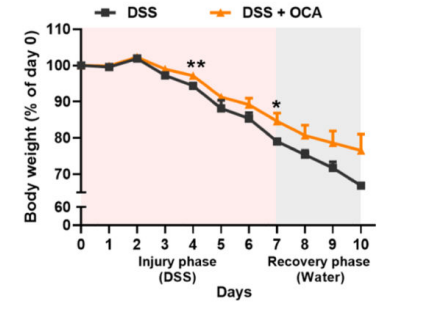
Mice treated with DSS for 7 days, followed by 3 days of drinking water treatment and treatment with either a carrier or Obeticholic acid (OCA: 20 mg/kg; i.g), resulted in weight loss.
Obeticholic acid purchased from MedChemExpress. Usage Cited in: Cell Stem Cell. 2022 Sep 1;29(9):1366-1381.e9. [Abstract]
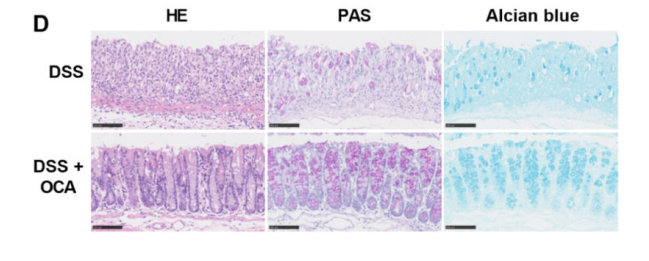
Mice were treated with DSS for 7 days, followed by 3 days of drinking water treatment and treatment with either a carrier or Obeticholic acid (OCA: 20 mg/kg; i.g). Representative H&E, PAS, and alicin blue staining were performed on intestinal sections.
Obeticholic acid purchased from MedChemExpress. Usage Cited in: Cell Stem Cell. 2022 Sep 1;29(9):1366-1381.e9. [Abstract]
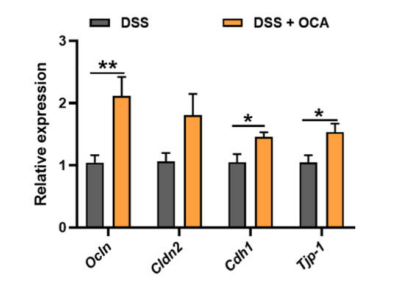
Mice were treated with DSS for 7 days, followed by 3 days of drinking water treatment and treatment with either a vector or Obeticholic acid (OCA: 20 mg/kg; i.g). The mRNA levels of the specified genes in the intestine were measured.
-
Cell Host Microbe
Temporal Regulation of the Bacterial Metabolite Deoxycholate during Colonic Repair Is Critical for Crypt Regeneration. [Abstract]2018 Sep 12;24(3):353-363.e5. PMID: 30122655
Obeticholic acid purchased from MedChemExpress. Usage Cited in: Cell Host Microbe. 2018 Sep 12;24(3):353-363.e5. [Abstract]
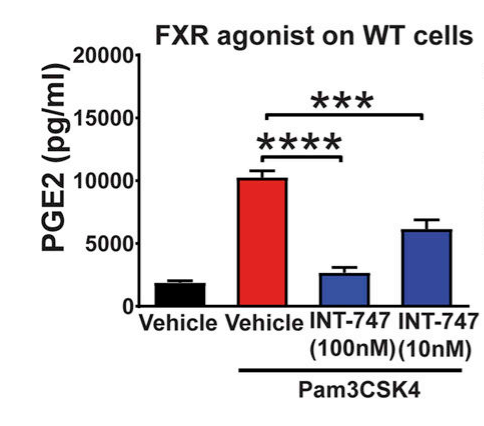
WT cMSCs were cultured in DMEM with vehicle alone; with vehicle plus 100 ng/ml Pam3CSK4 and with Pam3CSK4 and indicated doses of agonists for FXR Obeticholic acid (INT-747: 10, 100 nM; 24 h).
-
Bone Res
Nuclear farnesoid X receptor protects against bone loss by driving osteoblast differentiation through stabilizing RUNX2. [Abstract]2025 Jan 30;13(1):20. PMID: 39885145
Obeticholic acid purchased from MedChemExpress. Usage Cited in: Bone Res. 2025 Jan 30;13(1):20. [Abstract]
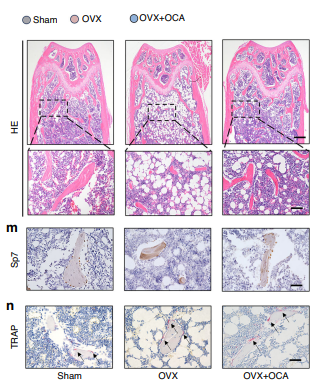
Representative images of hematoxylin-eosin (HE) staining of the femoral region in mice of the sham-operated group, the ovariectomy group (OVX), and the ovariectomy group treated with Obeticholic acid (OCA: 5 mg/kg/day; i.g; for 4 weeks).
-
J Adv Res
Tetramethylpyrazine improves the structure and function of mitochondrial-associated endoplasmic reticulum membrane and liver fibrosis. [Abstract]2025 Sep 3:S2090-1232(25)00686-1. PMID: 40912645 -
J Adv Res
Hyodeoxycholic acid relieves neuropathic pain by activating farnesoid X receptor signaling. [Abstract]2025 Jul 11:S2090-1232(25)00543-0. PMID: 40653266 -
J Adv Res
A novel TGR5 agonist Sauchinone ameliorates IMQ induced murine psoriasis by regulating macrophage polarization. [Abstract]2025 Apr 22:S2090-1232(25)00278-4. PMID: 40274226 -
Metabolism
A new mechanism of obeticholic acid on NASH treatment by inhibiting NLRP3 inflammasome activation in macrophage. [Abstract]2021 Jul:120:154797. PMID: 33984334 -
Acta Pharm Sin B
2025 Dec;15(12):6382-6398. PMID: 41477334 -
Acta Pharm Sin B
SIRT1 activation synergizes with FXR agonism in hepatoprotection via governing nucleocytoplasmic shuttling and degradation of FXR. [Abstract]2023 Feb;13(2):559-576. PMID: 36873184 -
Biomaterials
2022 Nov:290:121817. PMID: 36208587 -
Biomaterials
A fully defined matrix to support a pluripotent stem cell derived multi-cell-liver steatohepatitis and fibrosis model. [Abstract]2021 Sep:276:121006. PMID: 34304139 -
Carbohydr Polym
RG-I pectin-like polysaccharide from Rosa chinensis inhibits inflammation and fibrosis associated to HMGB1/TLR4/NF-κB signaling pathway to improve non-alcoholic steatohepatitis. [Abstract]2024 Aug 1:337:122139. PMID: 38710550 -
J Control Release
ROS-responsive nanoparticle delivery of obeticholic acid mitigate primary sclerosing cholangitis. [Abstract]2024 Aug 12:374:112-126. PMID: 39117112 -
Environ Sci Technol
Microcystin-LR Disrupts Bile Acid Homeostasis, Driving Cholestatic Liver Injury and Gallstones via FXR/SHP Antagonism. [Abstract]2026 Mar 31;60(12):8958-8970. PMID: 41837707 -
Pharmacol Res
The farnesoid X receptor (FXR) antagonist 7β-isopropylchenodeoxycholic acid improves glucose metabolism in mice on a Western diet. [Abstract]2025 Nov:221:107950. PMID: 40945669 -
Pharmacol Res
Lactobacillus rhamnosus GG ameliorates triptolide-induced liver injury through modulation of the bile acid-FXR axis. [Abstract]2024 Aug:206:107275. PMID: 38908615 -
Int J Biol Sci
Lithocholic acid inhibits dendritic cell activation by reducing intracellular glutathione via TGR5 signaling. [Abstract]2022 Jul 11;18(11):4545-4559. PMID: 35864954 -
-
Phytomedicine
Geniposidic acid alleviated metabolic dysfunction-associated steatotic liver disease by exciting SIRT6 signaling. [Abstract]2025 Oct:146:157140. PMID: 40782762 -
Phytomedicine
Capsaicin ameliorates cholestasis through modulation of the FXR-SHP and FXR-FGF15 gut-liver axis in mice. [Abstract]2025 Oct:146:157130. PMID: 40782765 -
Phytomedicine
Bruceine A alleviates alcoholic liver disease by inhibiting AIM2 inflammasome activation via activating FXR. [Abstract]2024 Jul 25:130:155693. PMID: 38763006 -
Phytomedicine
Diosgenin as a substitute for cholesterol alleviates NAFLD by affecting CYP7A1 and NPC1L1-related pathway. [Abstract]2024 Mar:125:155299. PMID: 38301301 -
J Pharm Anal
2021 Feb;11(1):122-127. PMID: 33717618 -
Acta Pharmacol Sin
Peptidoglycan isolated from the fruit of Lycium barbarum alleviates liver fibrosis in mice by regulating the TGF-β/Smad7 signaling and gut microbiota. [Abstract]2025 May;46(5):1329-1344. PMID: 39833303 -
Acta Pharmacol Sin
Dehydrotrametenolic acid methyl ester, a triterpenoid of Poria cocos, alleviates non-alcoholic steatohepatitis by suppressing NLRP3 inflammasome activation via targeting Caspase-1 in mice. [Abstract]2025 May 6. PMID: 40329004 -
Acta Biomater
2021 Oct 15:134:228-239. PMID: 34265474 -
J Am Soc Nephrol
Bile Acid G Protein-Coupled Membrane Receptor TGR5 Modulates Aquaporin 2-Mediated Water Homeostasis. [Abstract]2018 Nov;29(11):2658-2670. PMID: 30305310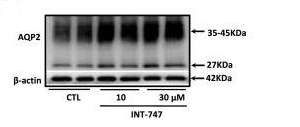
Obeticholic acid purchased from MedChemExpress. Usage Cited in: J Am Soc Nephrol. 2018 Nov;29(11):2658-2670. [Abstract]
Western blots show that INT747 (10、30 µM; 6 h) upregulate AQP2 protein expression.
-
Diabetes
Defective FXR-SHP Regulation in Obesity Aberrantly Increases miR-802 Expression, Promoting Insulin Resistance and Fatty Liver. [Abstract]2021 Mar;70(3):733-744. PMID: 33328206 -
JHEP Rep
Combined inhibition of bile salt synthesis and intestinal uptake reduces cholestatic liver damage and colonic bile salts in mice. [Abstract]2023 Sep 25;6(1):100917. PMID: 38074508 -
Int J Biol Macromol
A novel branched galacturonan from Gardenia jasminoides alleviates liver fibrosis linked to TLR4/NF-κB signaling. [Abstract]2023 Aug 1:245:125540. PMID: 37355063 -
Phytother Res
Quercetin improves nonalcoholic fatty liver by ameliorating inflammation, oxidative stress, and lipid metabolism in db/db mice. [Abstract]2019 Dec;33(12):3140-3152. PMID: 31452288 -
Anal Chem
Selective Photoaffinity Probe for Monitoring Farnesoid X Receptor Expression in Cultured Cells. [Abstract]2022 Aug 2;94(30):10722-10729. PMID: 35853240 -
J Invest Dermatol
Bile Acids Improve Psoriasiform Dermatitis through Inhibition of IL-17A Expression and CCL20-CCR6-Mediated Trafficking of T Cells. [Abstract]2022 May;142(5):1381-1390.e11. PMID: 34808237 -
J Ethnopharmacol
Integrating transcriptomics and network pharmacology to reveal the mechanisms of total Rhizoma Coptidis alkaloids against nonalcoholic steatohepatitis. [Abstract]2024 Mar 25:322:117600. PMID: 38103844 -
JCI Insight
BRD4 inhibition and FXR activation, individually beneficial in cholestasis, are antagonistic in combination. [Abstract]2020 Dec 8;6(1):e141640. PMID: 33290278 -
Life Sci
Lubiprostone significantly represses fatty liver diseases via induction of mucin and HDL release in mice. [Abstract]2022 Dec 15;311(Pt A):121176. PMID: 36372211 -
Life Sci
High soluble endoglin levels regulate cholesterol homeostasis and bile acids turnover in the liver of transgenic mice. [Abstract]2019 Sep 1:232:116643. PMID: 31299237 -
-
Hepatol Commun
2024 Jul 18;8(8):e0480. PMID: 39023282 -
Hepatol Commun
Farnesoid X receptor alpha ligands inhibit HDV in vitro replication and virion infectivity. [Abstract]2023 Apr 14;7(5):e0078. PMID: 37058078 -
Pharm Biol
Qushi Huayu decoction attenuated hepatic lipid accumulation via JAK2/STAT3/CPT-1A-related fatty acid β-oxidation in mice with non-alcoholic steatohepatitis. [Abstract]2022 Dec;60(1):2124-2133. PMID: 36308318 -
Hepatol Commun
Farnesoid X Receptor Activation Protects Liver From Ischemia/Reperfusion Injury by Up-Regulating Small Heterodimer Partner in Kupffer Cells. [Abstract]2020 Feb 13;4(4):540-554. PMID: 32258949 -
Cells
Evaluation of NV556, a Novel Cyclophilin Inhibitor, as a Potential Antifibrotic Compound for Liver Fibrosis. [Abstract]2019 Nov 8;8(11):1409. PMID: 31717385 -
Nutrients
Alisol B Alleviates Hepatocyte Lipid Accumulation and Lipotoxicity via Regulating RARα-PPARγ-CD36 Cascade and Attenuates Non-Alcoholic Steatohepatitis in Mice. [Abstract]2022 Jun 10;14(12):2411. PMID: 35745142 -
Pharmaceuticals (Basel)
2021 Oct 31;14(11):1117. PMID: 34832899 -
Int Immunopharmacol
NR1H4 ameliorates Parkinson's disease via inhibiting astrocyte activation and neuroinflammation in a CEBPβ/NF-κB dependent manner. [Abstract]2024 Sep 5;142(Pt A):113087. PMID: 39241522 -
Int J Mol Sci
FXR Maintains the Intestinal Barrier and Stemness by Regulating CYP11A1-Mediated Corticosterone Synthesis in Biliary Obstruction Diseases. [Abstract]2023 Aug 30;24(17):13494. PMID: 37686300 -
J Hypertens
Renal Farnesoid X Receptor improves high fructose-induced salt-sensitive hypertension in mice by inhibiting DNM3 to promote nitro oxide production. [Abstract]2022 Aug 1;40(8):1577-1588. PMID: 35792095 -
Int Immunopharmacol
The protective effect of obeticholic acid on lipopolysaccharide-induced disorder of maternal bile acid metabolism in pregnant mice. [Abstract]2020 Jun:83:106442. PMID: 32248018 -
Int J Mol Sci
2019 Apr 2;20(7):1629. PMID: 30986904 -
Mucosal Immunol
Obeticholic acid ameliorates severity of Clostridioides difficile infection in high fat diet-induced obese mice. [Abstract]2021 Mar;14(2):500-510. PMID: 32811993 -
Front Pharmacol
(E)-7-Ethylidene-lithocholic Acid (7-ELCA) Is a Potent Dual Farnesoid X Receptor (FXR) Antagonist and GPBAR1 Agonist Inhibiting FXR-Induced Gene Expression in Hepatocytes and Stimulating Glucagon-like Peptide-1 Secretion From Enteroendocrine Cells. [Abstract]2021 Aug 13;12:713149. PMID: 34483922 -
Toxicol Sci
Carvedilol impairs bile acid homeostasis in mice: implication for nonalcoholic steatohepatitis. [Abstract]2023 Nov 28;196(2):200-217. PMID: 37632784 -
Biochim Biophys Acta Mol Basis Dis
Obeticholic acid attenuates the intestinal barrier disruption in a rat model of short bowel syndrome. [Abstract]2024 Jun;1870(5):167221. PMID: 38718845 -
PLoS Pathog
Bile acids promote the caveolae-associated entry of swine acute diarrhea syndrome coronavirus in porcine intestinal enteroids. [Abstract]2022 Jun 13;18(6):e1010620. PMID: 35696443 -
Sci Rep
2021 May 27;11(1):11107. PMID: 34045606 -
iScience
2025 Apr 3;28(5):112344. PMID: 40276762 -
Liver Res
Effects of apical sodium-bile acid transporter inhibitor and obeticholic acid co-treatment in experimental non-alcoholic steatohepatitis. [Abstract]2022 Dec;6(4):276-283. PMID: 36819659 -
Biology (Basel)
The Role of the Histone Methyltransferase EZH2 in Liver Inflammation and Fibrosis in STAM NASH Mice. [Abstract]2020 May 2;9(5):93. PMID: 32370249 -
J Pharmacol Exp Ther
A Pan-Cyclophilin Inhibitor, CRV431, Decreases Fibrosis and Tumor Development in Chronic Liver Disease Models. [Abstract]2019 Nov;371(2):231-241. PMID: 31406003 -
FEBS J
FXR suppress Müller cell activation by regulating cGAS/STING pathway in diabetic retinopathy. [Abstract]2025 Feb 11. PMID: 39932043 -
Curr Issues Mol Biol
The Root Extract of Rosa multiflora Ameliorates Nonalcoholic Steatohepatitis Development via Blockade of De Novo Lipogenesis and Inflammation. [Abstract]2024 Jun 12;46(6):5881-5893. PMID: 38921022 -
J Biol Chem
Ligand binding and heterodimerization with retinoid X receptor α (RXRα) induce farnesoid X receptor (FXR) conformational changes affecting coactivator binding. [Abstract]2018 Nov 23;293(47):18180-18191. PMID: 30275017 -
Biochim Biophys Acta Mol Cell Biol Lipids
Short-term obeticholic acid treatment does not impact cholangiopathy in Cyp2c70-deficient mice with a human-like bile acid composition. [Abstract]2022 Aug;1867(8):159163. PMID: 35470044 -
Biochim Biophys Acta Mol Cell Biol Lipids
2022 Feb;1867(2):159089. PMID: 34856412 -
-
Drug Metab Dispos
Downregulation of hepatic sulfotransferase 1E1 expression associated with decreased expression of multidrug resistance-associated protein 2. [Abstract]2025 Dec;53(12):100190. PMID: 41237684 -
Drug Metab Dispos
Three-dimensional-cultured renal tubular model reveals FXR-HNF4α-OAT1/3 axis as a target for preventing nucleotide analog-induced kidney injury. [Abstract]2025 Dec 4;54(1):100214. PMID: 41447817 -
Am J Physiol Renal Physiol
2024 Sep 1;327(3):F450-F462. PMID: 38961841 -
Drug Metab Dispos
Regulation of Intestinal UDP-Glucuronosyltransferase 1A1 by the Farnesoid X Receptor Agonist Obeticholic Acid Is Controlled by Constitutive Androstane Receptor through Intestinal Maturation. [Abstract]2021 Jan;49(1):12-19. PMID: 33154041 -
J Appl Toxicol
The choleretic role of TUDCA exacerbates ANIT-induced cholestatic liver injury through the FXR/BSEP pathway. [Abstract]2023 Jul;43(7):1095-1103. PMID: 36787806 -
J Steroid Biochem Mol Biol
3β-Isoobeticholic acid efficiently activates the farnesoid X receptor (FXR) due to its epimerization to 3α-epimer by hepatic metabolism. [Abstract]2020 Sep:202:105702. PMID: 32505574 -
J Steroid Biochem Mol Biol
2020 Sep:202:105725. PMID: 32652201 -
Am J Physiol Gastrointest Liver Physiol
Investigating intestinal farnesoid X receptor functions at the intestinal mucosal barrier and in the intestinal microbiota in a biliary obstruction mouse model. [Abstract]2025 Aug 1;329(2):G313-G327. PMID: 40623002 -
Fish Physiol Biochem
Farnesoid X receptor regulates PI3K/AKT/mTOR signaling pathway, lipid metabolism, and immune response in hybrid grouper. [Abstract]2022 Dec;48(6):1521-1538. PMID: 36210393 -
-
-
-
bioRxiv
Hammerhead-type FXR agonists induce an eRNA FincoR that ameliorates nonalcoholic steatohepatitis in mice. [Abstract]2024 Feb 8:2023.11.20.567833. PMID: 38045226 -
-
-
Environ Sci Pollut Res Int
Obeticholic acid alleviates intrauterine growth restriction induced by di-ethyl-hexyl phthalate in pregnant female mice by improving bile acid disorder. [Abstract]2023 Nov;30(51):110956-110969. PMID: 37798517 -
-
-
-


Solvent & Solubility
In Vitro:
DMSO : ≥ 100 mg/mL (237.74 mM; Hygroscopic DMSO has a significant impact on the solubility of product, please use newly opened DMSO)
Ethanol : ≥ 50 mg/mL (118.87 mM)
* "≥" means soluble, but saturation unknown.
Please refer to the solubility information to select the appropriate solvent. Once prepared, please aliquot and store the solution to prevent product inactivation from repeated freeze-thaw cycles.
Storage method and period of stock solution: -80°C, 6 months; -20°C, 1 month. When stored at -80°C, please use it within 6 months. When stored at -20°C, please use it within 1 month.
Please refer to the solubility information to select the appropriate solvent. Once prepared, please aliquot and store the solution to prevent product inactivation from repeated freeze-thaw cycles.
Storage method and period of stock solution: -80°C, 6 months; -20°C, 1 month. When stored at -80°C, please use it within 6 months. When stored at -20°C, please use it within 1 month.
Concentration (start) × Volume (start) = Concentration (final) × Volume (final)
In Vivo:
Select the appropriate dissolution method based on your experimental animal and administration route.
- For the following dissolution methods, please ensure to first prepare a clear stock solution using an In Vitro approach and then sequentially add co-solvents:
- To ensure reliable experimental results, the clarified stock solution can be appropriately stored based on storage conditions. As for the working solution for In Vivo experiments, it is recommended to prepare freshly and use it on the same day.
- The percentages shown for the solvents indicate their volumetric ratio in the final prepared solution. If precipitation or phase separation occurs during preparation, heat and/or sonication can be used to aid dissolution.
Add each solvent one by one: 10% DMSO 90% (20% SBE-β-CD in Saline)
Solubility: ≥ 5 mg/mL (11.89 mM); Clear solution
This protocol yields a clear solution of ≥ 5 mg/mL (saturation unknown).
Taking 1 mL working solution as an example, add 100 μL DMSO stock solution (50.0 mg/mL) to 900 μL 20% SBE-β-CD in Saline, and mix evenly.
Preparation of 20% SBE-β-CD in Saline (4°C, storage for one week): 2 g SBE-β-CD powder is dissolved in 10 mL Saline, completely dissolve until clear.
Add each solvent one by one: 10% DMSO 40% PEG300 5% Tween-80 45% Saline
Solubility: ≥ 4.76 mg/mL (11.32 mM); Clear solution
This protocol yields a clear solution of ≥ 4.76 mg/mL (saturation unknown).
Taking 1 mL working solution as an example, add 100 μL DMSO stock solution (47.6 mg/mL) to 400 μL PEG300, and mix evenly; then add 50 μL Tween-80 and mix evenly; then add 450 μL Saline to adjust the volume to 1 mL.
Preparation of Saline: Dissolve 0.9 g sodium chloride in ddH₂O and dilute to 100 mL to obtain a clear Saline solution.
Add each solvent one by one: 10% EtOH 40% PEG300 5% Tween-80 45% Saline
Solubility: ≥ 2.5 mg/mL (5.94 mM); Clear solution
This protocol yields a clear solution of ≥ 2.5 mg/mL (saturation unknown).
Taking 1 mL working solution as an example, add 100 μL EtOH stock solution (25.0 mg/mL) to 400 μL PEG300, and mix evenly; then add 50 μL Tween-80 and mix evenly; then add 450 μL Saline to adjust the volume to 1 mL.
Preparation of Saline: Dissolve 0.9 g sodium chloride in ddH₂O and dilute to 100 mL to obtain a clear Saline solution.
Add each solvent one by one: 10% EtOH 90% (20% SBE-β-CD in Saline)
Solubility: ≥ 2.5 mg/mL (5.94 mM); Clear solution
This protocol yields a clear solution of ≥ 2.5 mg/mL (saturation unknown).
Taking 1 mL working solution as an example, add 100 μL EtOH stock solution (25.0 mg/mL) to 900 μL 20% SBE-β-CD in Saline, and mix evenly.
Preparation of 20% SBE-β-CD in Saline (4°C, storage for one week): 2 g SBE-β-CD powder is dissolved in 10 mL Saline, completely dissolve until clear.
Add each solvent one by one: 10% EtOH 90% Corn Oil
Solubility: ≥ 2.5 mg/mL (5.94 mM); Clear solution
This protocol yields a clear solution of ≥ 2.5 mg/mL (saturation unknown). If the continuous dosing period exceeds half a month, please choose this protocol carefully.
Taking 1 mL working solution as an example, add 100 μL EtOH stock solution (25.0 mg/mL) to 900 μL Corn oil, and mix evenly.
For the following dissolution methods, please prepare the working solution directly:
It is recommended to prepare fresh solutions and use them promptly within a short period of time.
The percentages shown for the solvents indicate their volumetric ratio in the final prepared solution. If precipitation or phase separation occurs during preparation, heat and/or sonication can be used to aid dissolution.
Add each solvent one by one: 1% Methylcellulose/saline water
Solubility: 5 mg/mL (11.89 mM); Suspension solution; Need ultrasonic
In Vivo Dissolution Calculator
Please enter the basic information of animal experiments:
-
-
-
-
Recommended: Prepare an additional quantity of animals to account for potential losses during experiments.
Please enter your animal formula composition:
-
%DMSO +
Recommended: Keep the proportion of DMSO in working solution below 2% if your animal is weak.
-
%+
-
+%Tween-80 + +
-
%Saline +
The co-solvents required include: DMSO, . All of co-solvents are available by MedChemExpress (MCE). , Tween 80. All of co-solvents are available by MedChemExpress (MCE).
Working solution concentration: 0.22 mg/mL
Method for preparing stock solution: mg drug dissolved in μL DMSO. Stock solution concentration: mg/mL.
1. Take μL DMSO stock solution;
2. Add μL .
μL , mix evenly;
3. Then add μL Tween 80, mix evenly;
4. Then add μL
Please ensure that the stock solution in the first step is dissolved to a clear state, and add co-solvents in sequence. You can use ultrasonic heating (ultrasonic cleaner, recommended frequency 20-40 kHz), vortexing, etc. to assist dissolution.

Protocols
-
Autophagy
Autophagy is a process in which eukaryotic cells use lysosomes to degrade their own cytoplasmic proteins and damaged organelles under the regulation of autophagy related gene (Atg). Microtubule-associated proteins light chain 3 (LC3) is recognized as autophagy marker, which transfers from cytoplasmic LC3 (LC3-I) to membrane type (LC3-II). LC3-II/I ratio could be detected by Western Blot and fluorescence microscopy.
-
Research Protocol for Inflammation-related Diseases
The NLRP3 inflammasome is a cytosolic innate immune signaling platform that integrates priming signals and danger-signal activation to promote caspase-1 activation, maturation of IL-1β and IL-18, and gasdermin D-mediated pyroptotic cell death. The core experimental logic is to determine whether inflammatory disease phenotypes are driven by increased NLRP3 expression, ASC-containing inflammasome assembly, caspase-1 cleavage, GSDMD cleavage, and extracellular release of IL-1β/IL-18 rather than by nonspecific cell injury alone. The pathway is strongly linked to inflammation-related disease phenotypes because monosodium urate crystals activate NALP3/NLRP3 inflammasome signaling in gout-like crystal inflammation, cholesterol crystals activate NLRP3 inflammasomes in atherogenesis models, and DSS-induced intestinal inflammation has been reported to involve NLRP3 inflammasome activity. However, experimental colitis studies also show context-dependent protective effects of NLRP3 inflammasome co
-
Lysosome and acidic-vesicle live-cell staining
Lysosome and acidic-vesicle live-cell staining detects acidic intracellular compartments by using membrane-permeant acidotropic probes that accumulate in low-pH vesicles, including lysosomes, late endosomes, autolysosomes, and acidic phagosomes. LysoTracker staining is commonly used as an intensity-based readout of acidic lysosomal compartment abundance or enlargement, while acridine orange produces green fluorescence in less concentrated compartments and red fluorescence after concentration-dependent accumulation in acidic vesicular organelles. Loss or reduction of acridine-orange red signal can be used as a readout of lysosomal membrane permeabilization or reduced acidic-vesicle integrity. This protocol is designed for live cultured cells and can be adapted for fluorescence microscopy, high-content imaging, plate-reader readout, or flow cytometry when the selected literature supports the readout. Because these dyes report acidotropic accumulation rather than lysosome identity alone,
-
Macroautophagy Solutions
Macroautophagy is a conserved lysosome-dependent degradation pathway in which cytoplasmic material is sequestered into double-membrane autophagosomes and delivered to lysosomes for degradation and recycling. The pathway supports cellular homeostasis during nutrient limitation, organelle stress, protein-aggregate accumulation, infection, differentiation, and tissue remodeling by coupling cargo sequestration, autophagosome maturation, lysosomal fusion, and degradation of cargo-derived macromolecules. The core molecular sequence includes initiation by nutrient- and stress-regulated autophagy machinery, autophagosome nucleation, LC3/ATG8-family conjugation to autophagosomal membranes, cargo selection through receptors such as SQSTM1/p62, autophagosome-lysosome fusion, and lysosomal degradation. LC3 was identified as a mammalian homolog of yeast Atg8 that localizes to autophagosomal membranes after processing, and p62/SQSTM1 was shown to connect ubiquitinated cargo with autophagic degradati


Purity & Documentation
-
Data Sheet (280 KB)
-
SDS (419 KB)
- English - EN (419 KB)
- Français - FR (419 KB)
- Deutsch - DE (419 KB)
- Norwegian - NO (419 KB)
- Español - ES (419 KB)
- Swedish - SV (419 KB)
- Italian - IT (419 KB)
- Korean - KR (419 KB)
- Portuguese - PT (419 KB)
-
Handling Instructions (2659 KB)
References
[1]. Pellicciari R, et al. 6alpha-ethyl-chenodeoxycholic acid (6-ECDCA), a potent and selective FXR agonist endowed with anticholestatic activity. J Med Chem. 2002 Aug 15;45(17):3569-72. [Content Brief]
[2]. Fiorucci S, et al. Protective effects of 6-ethyl chenodeoxycholic acid, a farnesoid X receptor ligand, in estrogen-induced cholestasis. J Pharmacol Exp Ther. 2005 May;313(2):604-12. [Content Brief]
[3]. Ghebremariam YT, et al. FXR agonist INT-747 upregulates DDAH expression and enhances sensitivity in high-salt fed Dahl rats. PLoS One. 2013 Apr 4;8(4):e60653. [Content Brief]
[4]. Verbeke L, et al. The FXR Agonist Obeticholic Acid Prevents Gut Barrier Dysfunction and Bacterial Translocation in Cholestatic Rats. Am J Pathol. 2015 Feb;185(2):409-19. [Content Brief]


Complete Stock Solution Preparation Table
Please refer to the solubility information to select the appropriate solvent. Once prepared, please aliquot and store the solution to prevent product inactivation from repeated freeze-thaw cycles.
Storage method and period of stock solution: -80°C, 6 months; -20°C, 1 month. When stored at -80°C, please use it within 6 months. When stored at -20°C, please use it within 1 month.
| Optional Solvent | Concentration Solvent Mass | 1 mg | 5 mg | 10 mg | 25 mg |
|---|---|---|---|---|---|
| Ethanol / DMSO | 1 mM | 2.3774 mL | 11.8869 mL | 23.7739 mL | 59.4347 mL |
| 5 mM | 0.4755 mL | 2.3774 mL | 4.7548 mL | 11.8869 mL | |
| 10 mM | 0.2377 mL | 1.1887 mL | 2.3774 mL | 5.9435 mL | |
| 15 mM | 0.1585 mL | 0.7925 mL | 1.5849 mL | 3.9623 mL | |
| 20 mM | 0.1189 mL | 0.5943 mL | 1.1887 mL | 2.9717 mL | |
| 25 mM | 0.0951 mL | 0.4755 mL | 0.9510 mL | 2.3774 mL | |
| 30 mM | 0.0792 mL | 0.3962 mL | 0.7925 mL | 1.9812 mL | |
| 40 mM | 0.0594 mL | 0.2972 mL | 0.5943 mL | 1.4859 mL | |
| 50 mM | 0.0475 mL | 0.2377 mL | 0.4755 mL | 1.1887 mL | |
| 60 mM | 0.0396 mL | 0.1981 mL | 0.3962 mL | 0.9906 mL | |
| 80 mM | 0.0297 mL | 0.1486 mL | 0.2972 mL | 0.7429 mL | |
| 100 mM | 0.0238 mL | 0.1189 mL | 0.2377 mL | 0.5943 mL |


Obeticholic acid Related Classifications
HY-12222 Related Classifications
 Powered by Bioz