



Butyzamide
Based on 5 publication(s) in Google Scholar
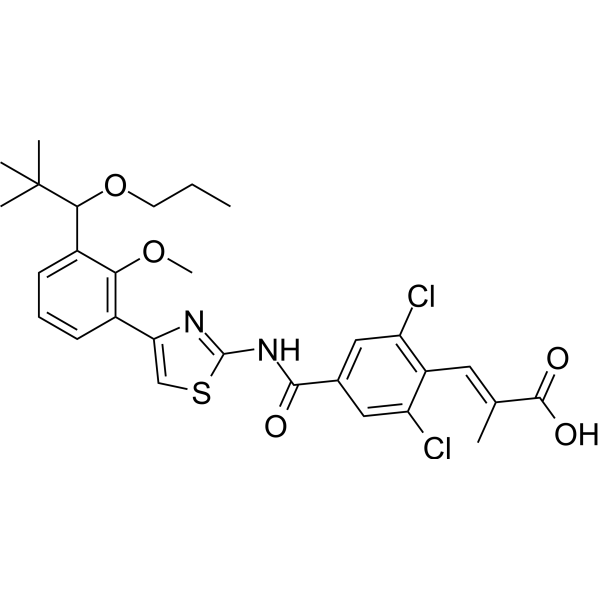
Butyzamide is an orally active activator of Mpl, a thrombopoietin (TPO) receptor. Butyzamide increases the phosphorylation level of JAK2, STAT3, STAT5 and MAPK. Butyzamide increases the level of platelets in mouse xenotransplantation assay.
Para uso exclusivo en investigación. No vendemos a pacientes.
- Pureza : 99.83%
- No. CAS: 1110767-45-7
- Fòrmula: C29H32Cl2N2O5S
- Peso molecular:591.55
-
Almacenamiento:
4°C, sealed storage, away from moisture and light
* In solvent : -80°C, 6 months; -20°C, 1 month (sealed storage, away from moisture and light)

To place orders, for customer services and technical support, please contact: MedChemExpress USA
Tel: 609-228-6898 E-mail: [email protected] [email protected]


-
 Actividad biológica
-
Chemical Information
-
Solvente y solubilidad
- Protocolo
- Pureza y Documentación
- Referencias
-
 Help & FAQs


-

HY-P0175
740 Y-PPI3K Activator -
HY-15306
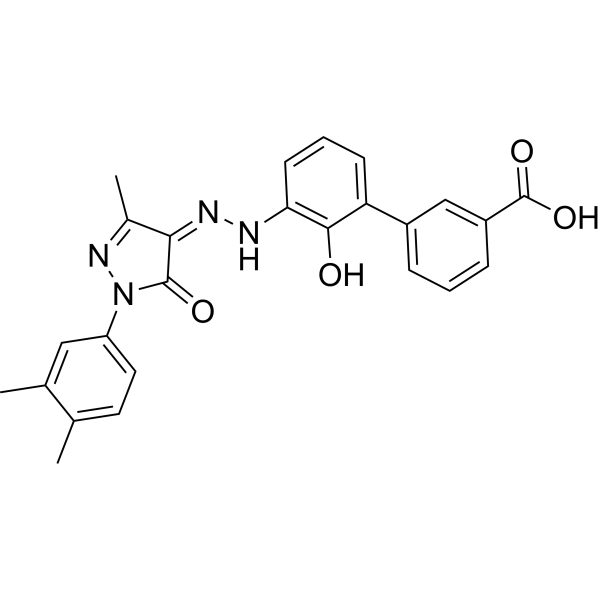
EltrombopagTPO Receptor Agonist -
HY-15306A
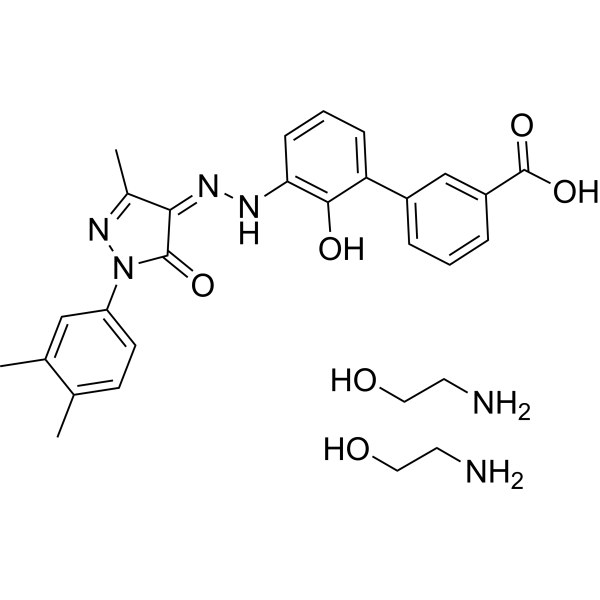
Eltrombopag OlamineTPO Receptor Agonist -

HY-148748G
Butyzamide (GMP)Mpl Activator -
HY-15141
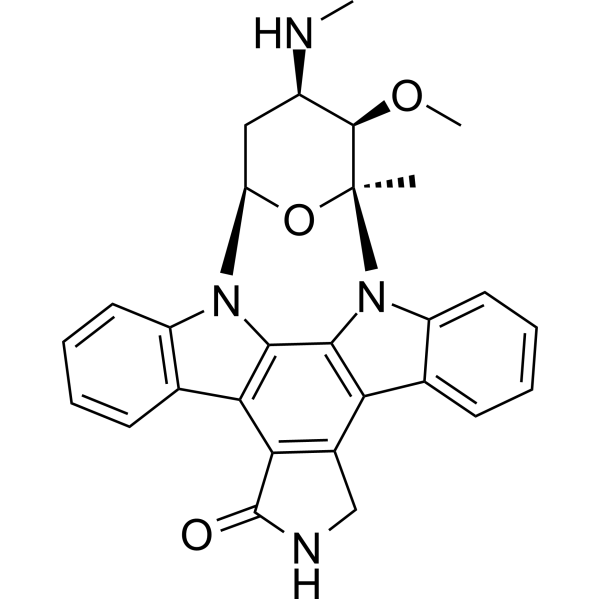
StaurosporinePKC/PKA Inhibitor -
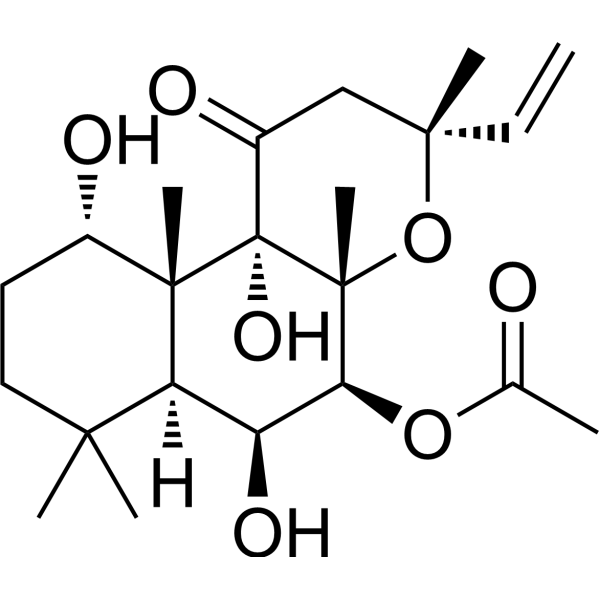
HY-15371
ForskolinAdenylate Cyclase Activator -
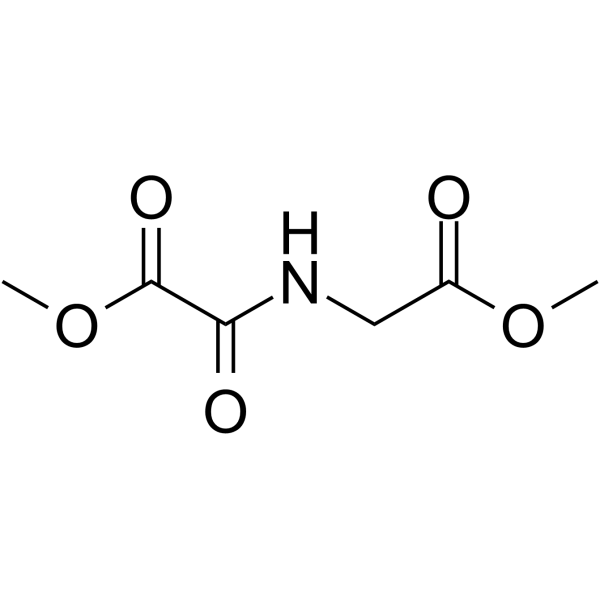
HY-15893
DMOGHIF-PH Inhibitor -
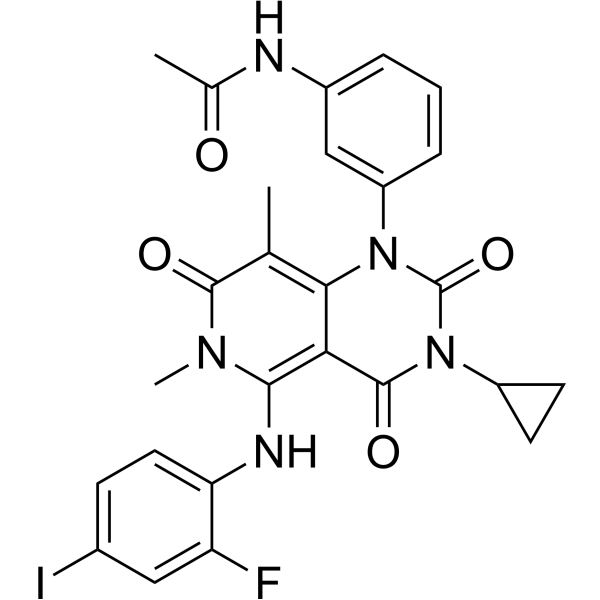
HY-10999
TrametinibMEK Inhibitor -
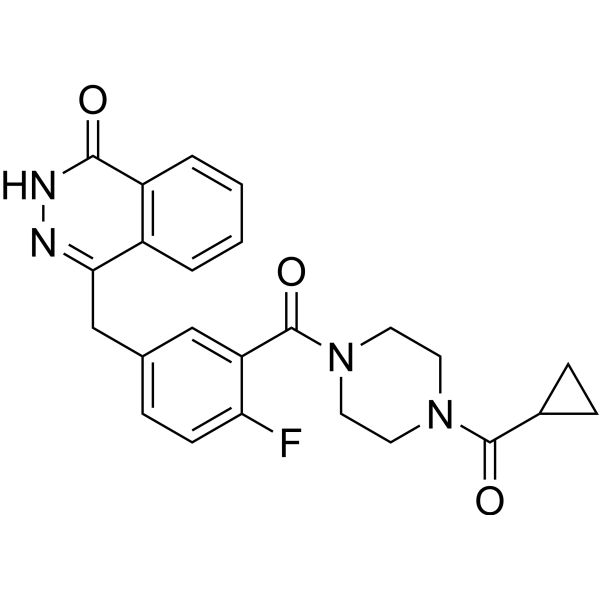
HY-10162
OlaparibPARP Inhibitor -
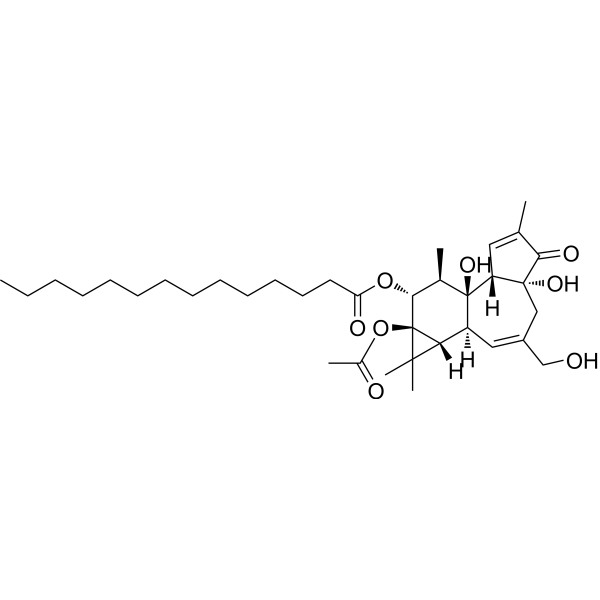
HY-18739
Phorbol 12-myristate 13-acetatePKC Activator -
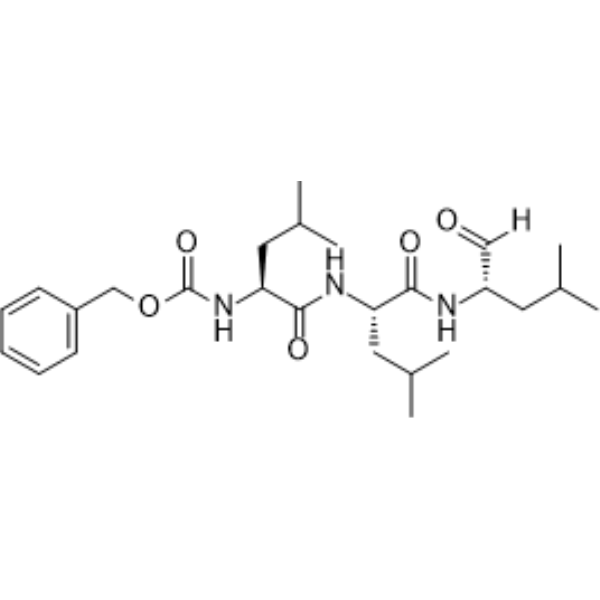
HY-13259
MG-132Proteasome Inhibitor -
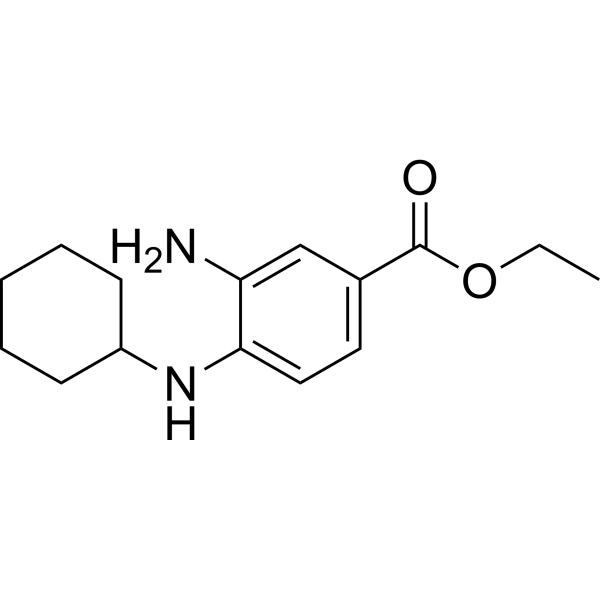
HY-100579
Ferrostatin-1Ferroptosis Inhibitor
Publications Citing Use of MedChemExpress (MCE) Butyzamide
More Customer Validation & Images

-
IF
-
WB
-
Cell Imaging/Staining
-
Flow Cytometry
-
WB


Actividad biológica
Descripciòn
IC50 & Target
|
JAK2 |
STAT3 |
STAT5 |
In Vitro
Butyzamide (3 μM; 15 min) induces the phosphorylation of JAK2, STAT3, STAT5 and MAPK in Ba/F3-hMpl cells[1].
Butyzamide (3 μM; 48 h) induces colony-forming unit-megakaryocyte and polyploid meggakaryocytes from human CD34+ hematopoietic progenitor cellls[1].
MedChemExpress (MCE) has not independently confirmed the accuracy of these methods. They are for reference only. Further protocols information, click here.
In Vivo


Chemical Information
-
No. CAS 1110767-45-7
-
Appearance Solid
-
Peso molecular 591.55
-
Fòrmula C29H32Cl2N2O5S
-
Color White to off-white
-
SMILES
CCCOC(C(C)(C)C)C1=CC=CC(C2=CSC(NC(C3=CC(Cl)=C(/C=C(C(O)=O)\C)C(Cl)=C3)=O)=N2)=C1OC
-
Envío
Room temperature in continental US; may vary elsewhere.
-
Almacenamiento
4°C, sealed storage, away from moisture and light
* In solvent : -80°C, 6 months; -20°C, 1 month (sealed storage, away from moisture and light)


Publications (5)
-
Journal Impact Factor
-
Most Recent
-
Phytomedicine
Cryptotanshinone attenuates lactate-induced nucleus pulposus cells injury by modulating the STAT3/SIRT3 signaling axis. [Abstract]2025 Sep:145:157021. PMID: 40609385
Butyzamide purchased from MedChemExpress. Usage Cited in: Phytomedicine. 2025 Sep:145:157021. [Abstract]
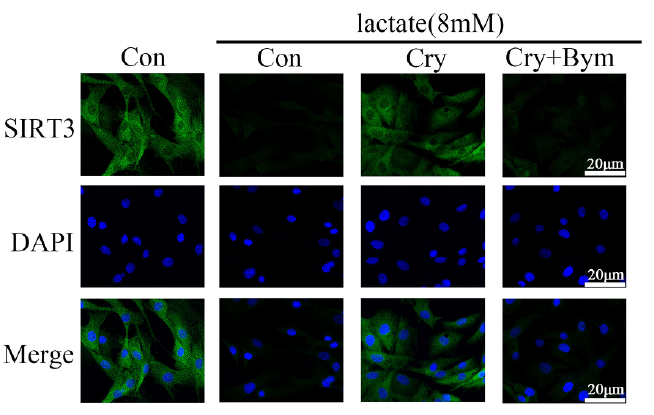
Results of SIRT3 immunofluorescence staining in Cry-treated NPCs after addition of the STAT3 activator Butyzamide (Bym) (3 μM). Butyzamide (Bym) markedly reduced the therapeutic effect of Cry in NPCs.
Butyzamide purchased from MedChemExpress. Usage Cited in: Phytomedicine. 2025 Sep:145:157021. [Abstract]
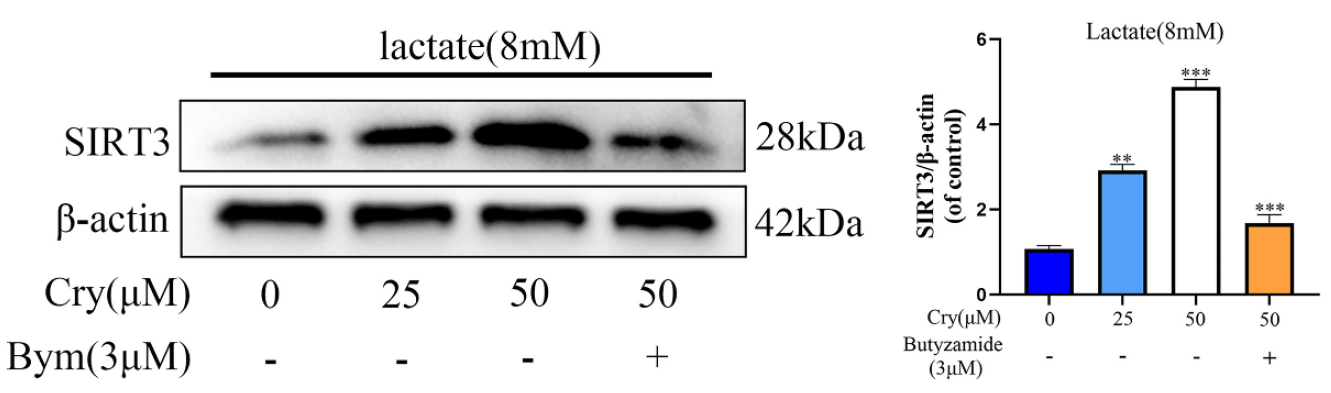
The addition of the STAT3 activator Butyzamide (Bym) (3 μM) attenuated the activation of SIRT3 by Cry under lactate induction in NPCs.
Butyzamide purchased from MedChemExpress. Usage Cited in: Phytomedicine. 2025 Sep:145:157021. [Abstract]
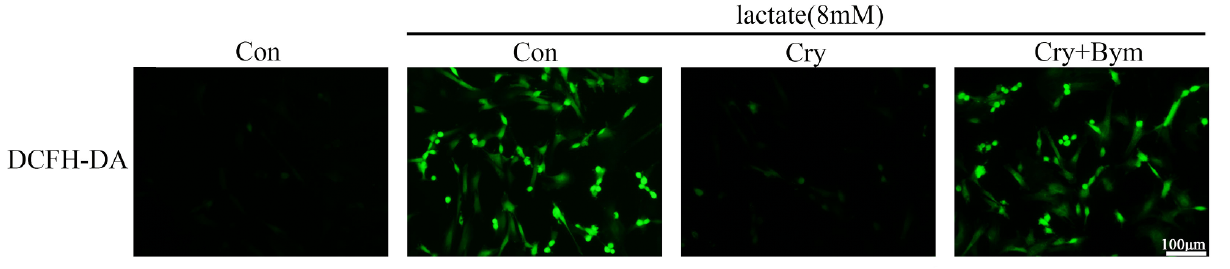
The addition of Butyzamide (Bym) (3 μM) led to a significant reduction in the antioxidant effect of Cry in NPCs.
Butyzamide purchased from MedChemExpress. Usage Cited in: Phytomedicine. 2025 Sep:145:157021. [Abstract]
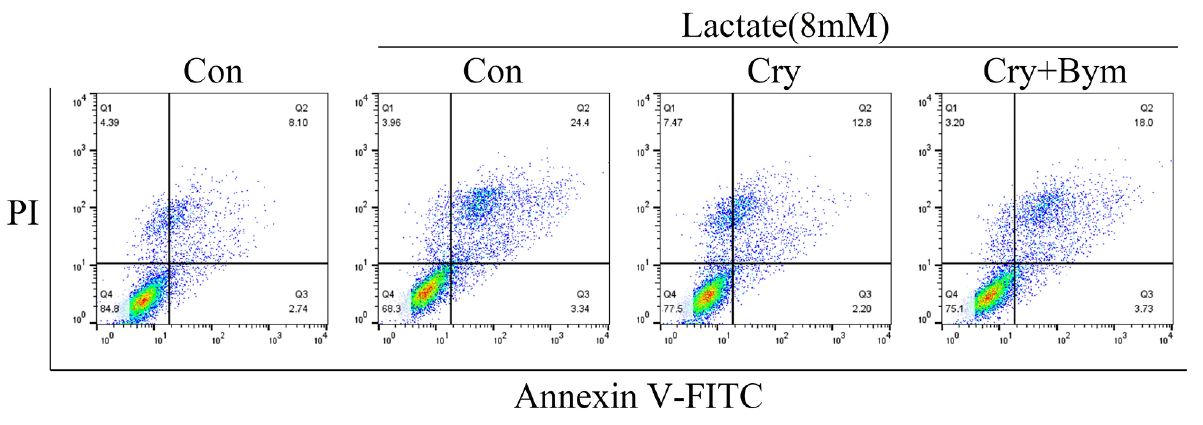
Butyzamide (Bym) (3 μM) reversed the therapeutic benefits of Cry against apoptosis in NPCs, as indicated by flow cytometry assays.
-
Int J Nanomedicine
RGD-Modified Gold Nanoparticles Loaded with SAHA Remodel the Hypoxic Inflammatory Microenvironment via Inhibiting HIF-1α-VEGF Signaling to Enhance Radiosensitivity in NSCLC. [Abstract]2025 Dec 10:20:14753-14785. PMID: 41409042
Butyzamide purchased from MedChemExpress. Usage Cited in: Int J Nanomedicine. 2025 Dec 10:20:14753-14785. [Abstract]
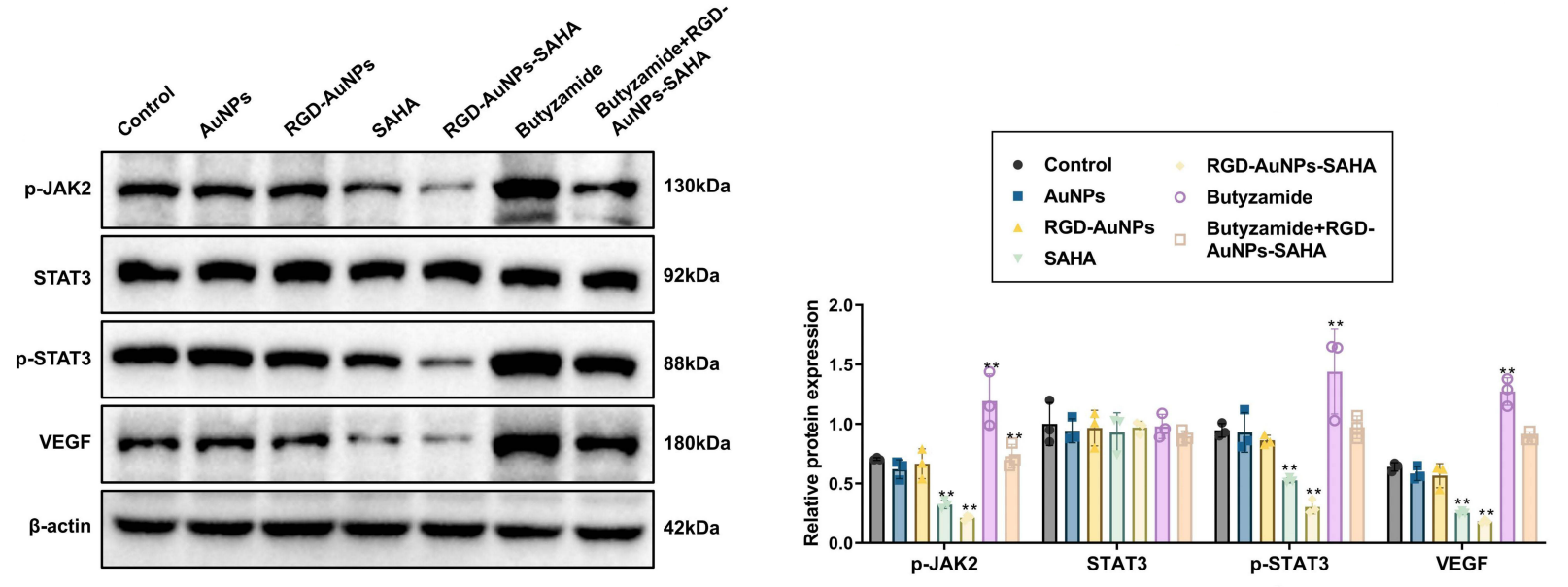
Butyzamide (3 μM) reversed the inhibition of RGD-AuNPs-SAHA towards the JAK2/STAT3 signaling pathway and increased the phosphorylation levels of JAK2 and STAT3 in A549 cells.
-
-
bioRxiv
Epigenome editing of human hematopoietic stem cells enables sustained and reversible thrombosis prevention. [Abstract]2026 Mar 29:2026.03.27.714536. PMID: 41928991 -
bioRxiv
2025 Mar 26:2025.03.24.645017. PMID: 40196615


Solvente y solubilidad
In Vitro:
DMSO : 100 mg/mL (169.05 mM; Need ultrasonic; Hygroscopic DMSO has a significant impact on the solubility of product, please use newly opened DMSO)
Please refer to the solubility information to select the appropriate solvent. Once prepared, please aliquot and store the solution to prevent product inactivation from repeated freeze-thaw cycles.
Storage method and period of stock solution: -80°C, 6 months; -20°C, 1 month (sealed storage, away from moisture and light). When stored at -80°C, please use it within 6 months. When stored at -20°C, please use it within 1 month.
Please refer to the solubility information to select the appropriate solvent. Once prepared, please aliquot and store the solution to prevent product inactivation from repeated freeze-thaw cycles.
Storage method and period of stock solution: -80°C, 6 months; -20°C, 1 month (sealed storage, away from moisture and light). When stored at -80°C, please use it within 6 months. When stored at -20°C, please use it within 1 month.
Concentration (start) × Volume (start) = Concentration (final) × Volume (final)

Protocolo
-
Kinase activity and phosphorylation assays
Kinase activity assays measure the ability of kinases to transfer phosphate groups from ATP to specific substrates, while phosphorylation assays detect the presence and levels of phosphorylated proteins. Common methods include radiolabeled ATP incorporation (e. g. ,), ADP release detection via bioluminescence (e. g. ,[3]), enzyme-linked immunosorbent assays (ELISA) for phospho-specific epitopes (e. g. ,[6]), and microtiter-based formats for high-throughput screening (e. g. ,[8]). The ADP-Glo assay quantifies kinase activity by measuring ADP produced during phosphorylation using a luciferase-based system. Radiometric assays involve autoradiography or scintillation counting after incorporation of 32P-labeled ATP into substrate proteins. ELISA-based approaches rely on phospho-specific antibodies to detect activated kinases in cell lysates or purified samples.
-
Western Blot
Western blotting (WB) is a commonly used experimental method in molecular biology, biochemistry, and immunogenetics for identifying and quantifying target proteins. It combines gel electrophoresis with immunoassay, enabling researchers to analyze protein expression, post-translational modifications, and molecular weight.
-
Protocol for Kinase activity and phosphorylation assays
Kinase activity assays measure transfer of phosphate from ATP to a protein or peptide substrate, generating phosphorylated substrate, ADP, or incorporated radiolabeled phosphate as the readout; phosphorylation assays measure site-specific phosphorylation in cells or tissues as a proxy for kinase-pathway activation, inhibition, or substrate regulation. Phosphorylation can be detected by phospho-specific Western blot, immunoprecipitation kinase assay, phospho-immunofluorescence, phospho-flow cytometry, luminescent ADP detection, radiolabeled ATP incorporation, or reporter-based pathway assays, and these readouts can be applied to cancer cells, primary neurons, mouse tumors, organoids, inflammatory macrophages, ferroptosis studies, and mitophagy studies when the kinase target is biologically relevant.


Pureza y Documentación
-
Ficha de datos (275 KB)
-
SDS (394 KB)
- English - EN (394 KB)
- Français - FR (394 KB)
- Deutsch - DE (394 KB)
- Norwegian - NO (394 KB)
- Español - ES (394 KB)
- Swedish - SV (394 KB)
- Italian - IT (394 KB)
- Korean - KR (394 KB)
- Portuguese - PT (394 KB)
-
Instrucciones de manejo (2659 KB)
Referencias


Complete Stock Solution Preparation Table
Please refer to the solubility information to select the appropriate solvent. Once prepared, please aliquot and store the solution to prevent product inactivation from repeated freeze-thaw cycles.
Storage method and period of stock solution: -80°C, 6 months; -20°C, 1 month (sealed storage, away from moisture and light). When stored at -80°C, please use it within 6 months. When stored at -20°C, please use it within 1 month.
| Optional Solvent | Concentration Solvent Mass | 1 mg | 5 mg | 10 mg | 25 mg |
|---|---|---|---|---|---|
| DMSO | 1 mM | 1.6905 mL | 8.4524 mL | 16.9047 mL | 42.2619 mL |
| 5 mM | 0.3381 mL | 1.6905 mL | 3.3809 mL | 8.4524 mL | |
| 10 mM | 0.1690 mL | 0.8452 mL | 1.6905 mL | 4.2262 mL | |
| 15 mM | 0.1127 mL | 0.5635 mL | 1.1270 mL | 2.8175 mL | |
| 20 mM | 0.0845 mL | 0.4226 mL | 0.8452 mL | 2.1131 mL | |
| 25 mM | 0.0676 mL | 0.3381 mL | 0.6762 mL | 1.6905 mL | |
| 30 mM | 0.0563 mL | 0.2817 mL | 0.5635 mL | 1.4087 mL | |
| 40 mM | 0.0423 mL | 0.2113 mL | 0.4226 mL | 1.0565 mL | |
| 50 mM | 0.0338 mL | 0.1690 mL | 0.3381 mL | 0.8452 mL | |
| 60 mM | 0.0282 mL | 0.1409 mL | 0.2817 mL | 0.7044 mL | |
| 80 mM | 0.0211 mL | 0.1057 mL | 0.2113 mL | 0.5283 mL | |
| 100 mM | 0.0169 mL | 0.0845 mL | 0.1690 mL | 0.4226 mL |


Butyzamide Related Classifications
HY-148748 Related Classifications
 Powered by Bioz