



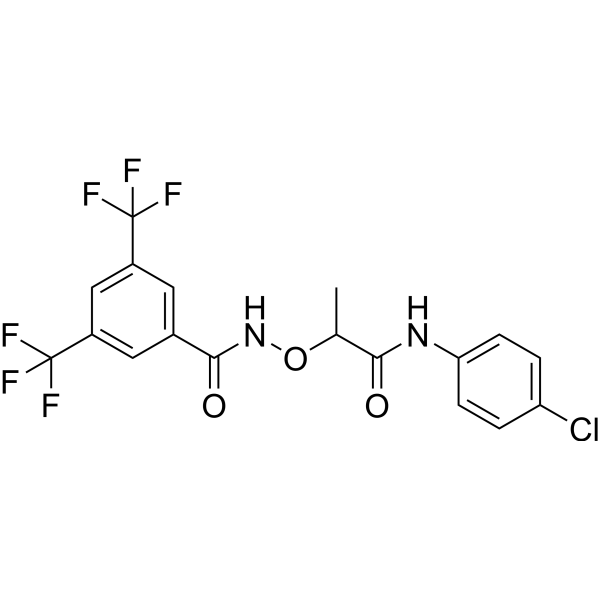
CCG-1423
Based on 16 publication(s) in Google Scholar
CCG-1423 is an inhibitor of Rho/MRTF/SRF pathway. CCG-1423 shows activities in several cancer cells. CCG-1423 is a promising lead compound for the development of novel pharmacologic tools, and it can be used for the research of cancer and diabetes.
연구목적의 판매만을 진행합니다. 환자를 대상으로 한 판매는 하지 않습니다.
- Purity : 99.88%
- CAS No.: 285986-88-1
- 화학식: C18H13ClF6N2O3
- 분자량:454.75
-
보관:Powder -20°C, 3 years , 4°C, 2 years ; In solvent -80°C, 2 years , -20°C, 1 year

To place orders, for customer services and technical support, please contact: MedChemExpress USA
Tel: 609-228-6898 E-mail: [email protected] [email protected]


-
 Biological Activity
-
Chemical Information
-
용액&용해도
- Protocol
- 순도&문서
- References
-
 Help & FAQs


-
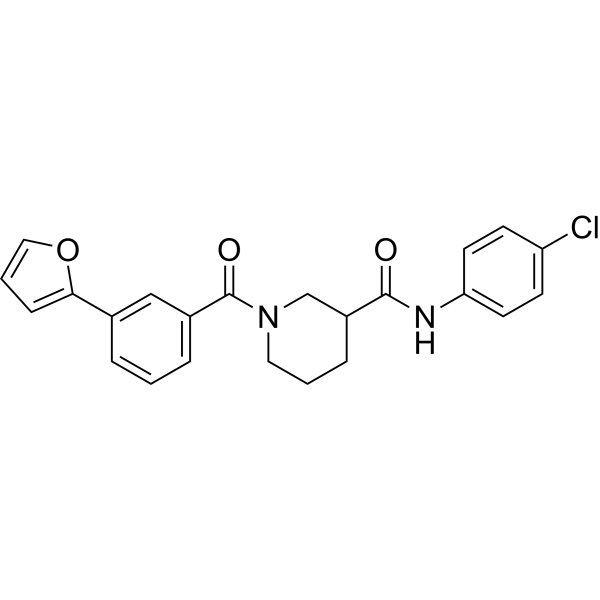
HY-108361
CCG-203971Rho/MRTF/SRF Inhibitor -
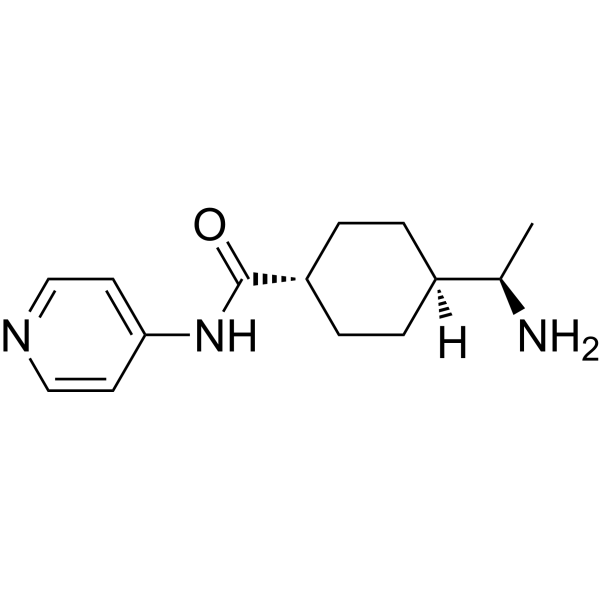
HY-10071
Y-27632ROCK Inhibitor -
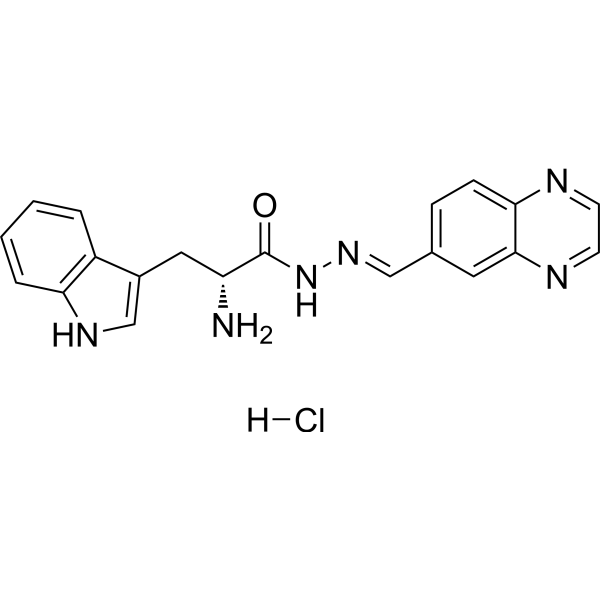
HY-12646
Rhosin hydrochlorideRho GTPases Inhibitor -
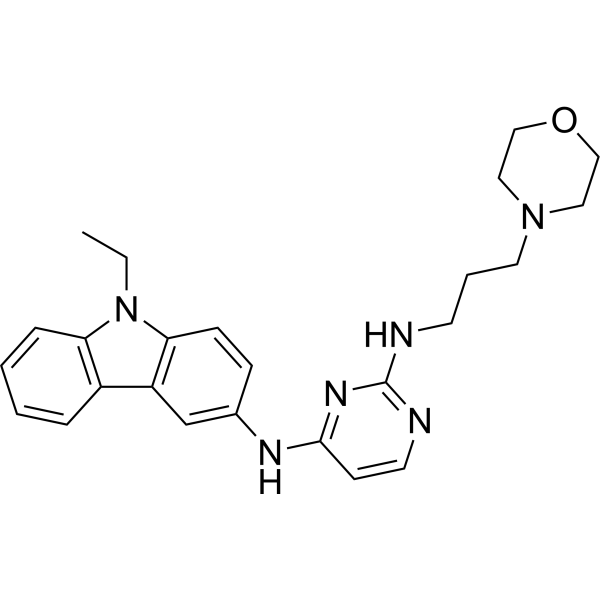
HY-12810
EHop-016Rac1/Rac3 Inhibitor -
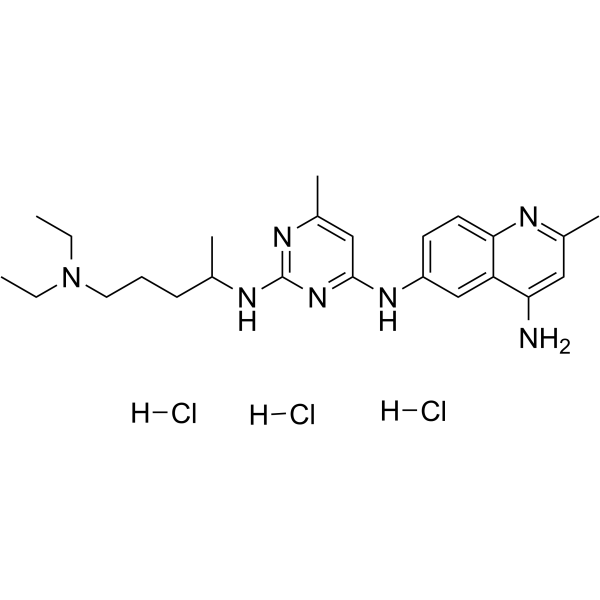
HY-15723A
NSC 23766 trihydrochlorideRac Inhibitor -
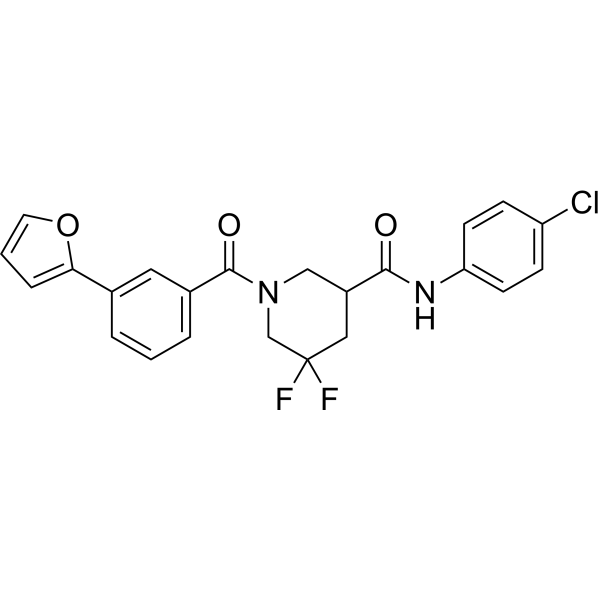
HY-121750
CCG-222740Rho/MRTF/SRF Inhibitor -
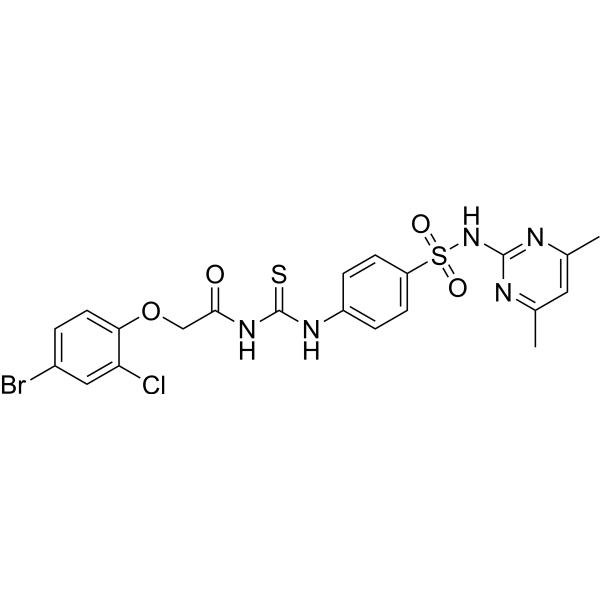
HY-13963
ZCL278Cdc42 Inhibitor -
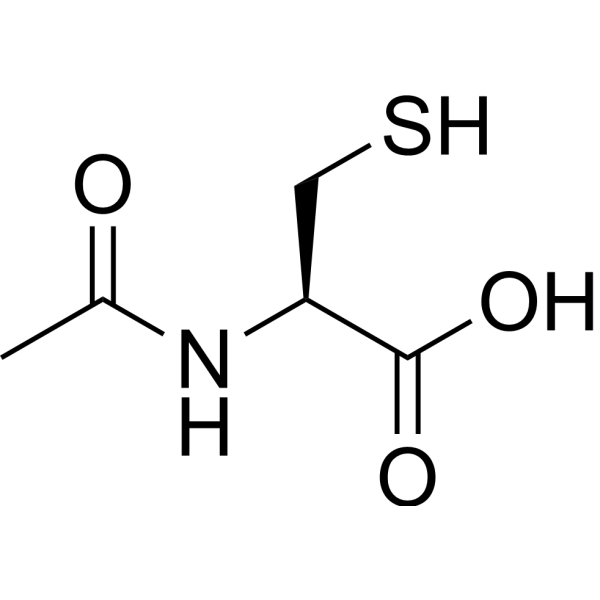
HY-B0215
AcetylcysteineMucolytic Agent -
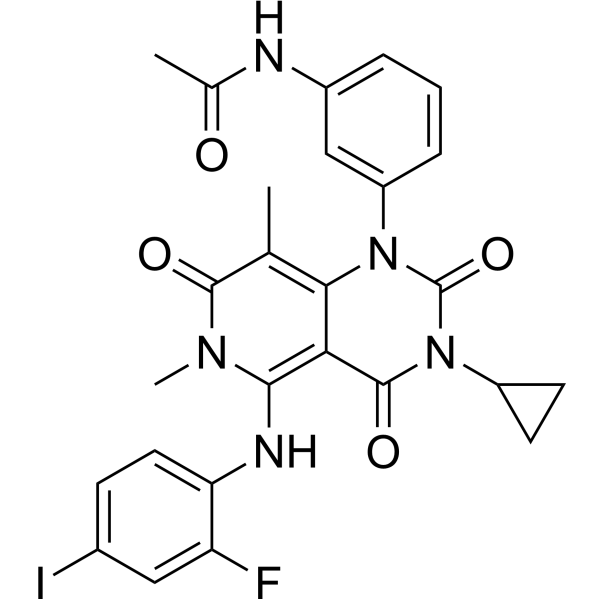
HY-10999
TrametinibMEK Inhibitor -
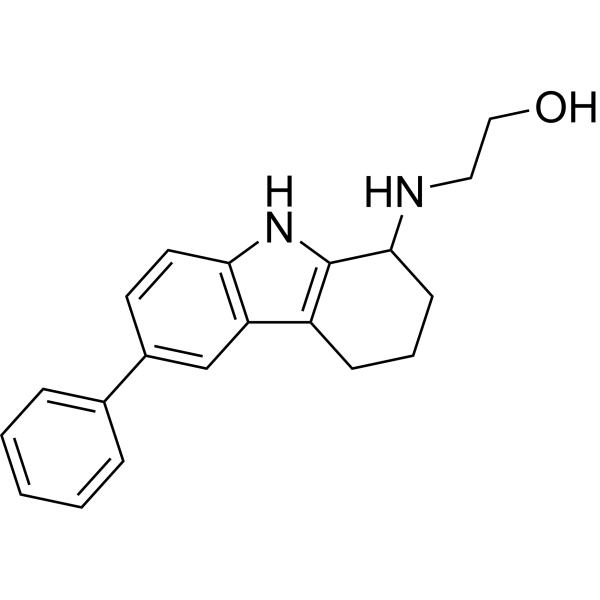
HY-12874
CASINGTPase Cdc42 Inhibitor -
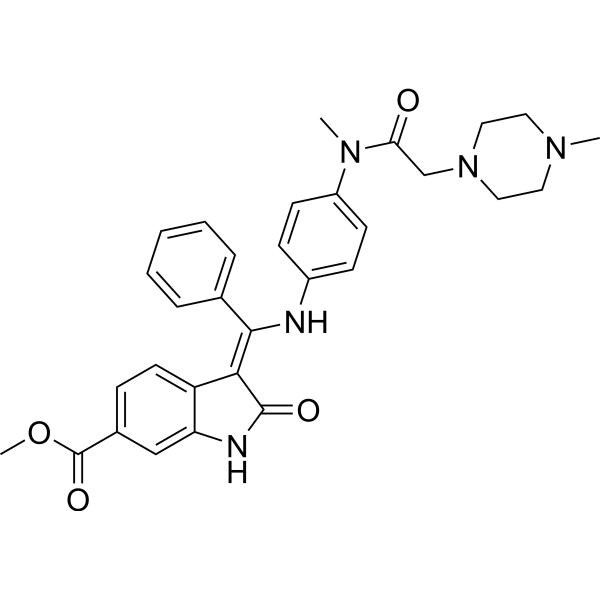
HY-50904
NintedanibPDGFR/VEGFR/FGFR Inhibitor -
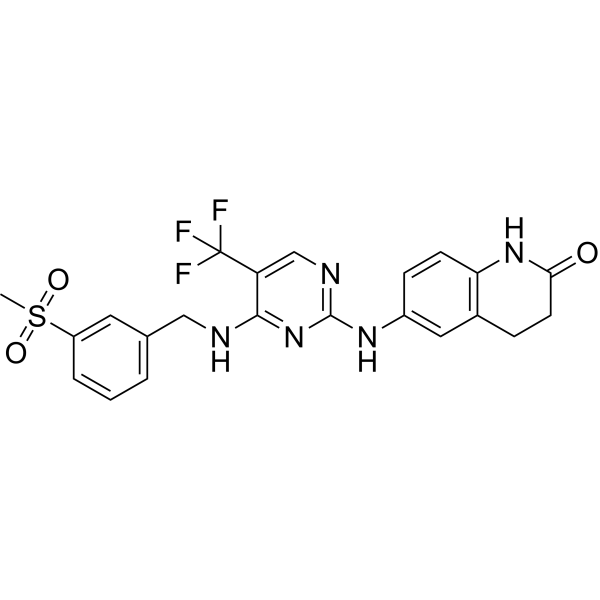
HY-10461
PF-573228FAK Inhibitor
Publications Citing Use of MedChemExpress (MCE) CCG-1423
More- Exp Mol Med. 2023 May;55(5):898-909. [Abstract]
- Redox Biol. 2026 Mar:90:104049. [Abstract]
- Clin Transl Med. 2022 Jun;12(6):e850. [Abstract]
- Cell Rep. 2025 Jun 10;44(6):115842. [Abstract]
- Cell Rep. 2025 Mar 5;44(3):115397. [Abstract]
- Cell Biosci. 2021 Jan 28;11(1):25. [Abstract]
- Life Sci. 2024 Nov 1:356:123036. [Abstract]
- Commun Biol. 2021 Mar 25;4(1):399. [Abstract]
- Cancers (Basel). 2020 Nov 27;12(12):3540. [Abstract]
- iScience. 2026 Mar 30;29(5):115495. [Abstract]
- J Immunol. 2026 Aug 4;215(8):vkag222.
- Theriogenology. 2019 Oct 15:138:84-93. [Abstract]
- Tissue Eng Part A. 2023 Aug;29(15-16):424-438. [Abstract]
- Arch Dermatol Res. 2024 Jun 14;316(7):385. [Abstract]
- Reprod Fertil Dev. 2020 Mar;32(5):522-530. [Abstract]
- bioRxiv. 2024 Dec 5:2024.12.04.626665. [Abstract]
 Customer Validation & Images

-
Histological Imaging/Staining

-
WB

-
Bio/Physico-chemical Assay

-
IF

-
ELISA


Biological Activity
제품 설명
IC50 & Target
IC50: 1.5 µM (Rho-pathway selective serum response element-luciferase reporter)[1]
Cellular Effect
|
Cell Line

|
Type | Value | Description | References |
|---|---|---|---|---|
| DLD-1 | IC50 |
29.8 μM
Compound: CCG-1423
|
Antiproliferative activity against human DLD-1 cells assessed as inhibition of cell growth measured after 72 hrs by CCK-8 method
Antiproliferative activity against human DLD-1 cells assessed as inhibition of cell growth measured after 72 hrs by CCK-8 method
|
[PMID: 38329974] |
| H9c2 | IC50 |
35.5 μM
Compound: CCG-1423
|
Antiproliferative activity against rat H9c2 cells assessed as inhibition of cell growth measured after 72 hrs by CCK-8 method
Antiproliferative activity against rat H9c2 cells assessed as inhibition of cell growth measured after 72 hrs by CCK-8 method
|
[PMID: 38329974] |
| HCT-116 | IC50 |
20.5 μM
Compound: CCG-1423
|
Antiproliferative activity against human HCT-116 cells assessed as inhibition of cell growth measured after 72 hrs by CCK-8 method
Antiproliferative activity against human HCT-116 cells assessed as inhibition of cell growth measured after 72 hrs by CCK-8 method
|
[PMID: 38329974] |
| HCT-15 | IC50 |
37.5 μM
Compound: CCG-1423
|
Antiproliferative activity against human HCT-15 cells assessed as inhibition of cell growth measured after 72 hrs by CCK-8 method
Antiproliferative activity against human HCT-15 cells assessed as inhibition of cell growth measured after 72 hrs by CCK-8 method
|
[PMID: 38329974] |
| HEK293 | IC50 |
55.4 μM
Compound: CCG-1423
|
Antiproliferative activity against HEK293 cells assessed as inhibition of cell growth measured after 72 hrs by CCK-8 method
Antiproliferative activity against HEK293 cells assessed as inhibition of cell growth measured after 72 hrs by CCK-8 method
|
[PMID: 38329974] |
| L02 | IC50 |
30.4 μM
Compound: CCG-1423
|
Antiproliferative activity against human L02 cells assessed as inhibition of cell growth measured after 72 hrs by CCK-8 method
Antiproliferative activity against human L02 cells assessed as inhibition of cell growth measured after 72 hrs by CCK-8 method
|
[PMID: 38329974] |
| SW480 | IC50 |
41.3 μM
Compound: CCG-1423
|
Antiproliferative activity against human SW480 cells assessed as inhibition of cell growth measured after 72 hrs by CCK-8 method
Antiproliferative activity against human SW480 cells assessed as inhibition of cell growth measured after 72 hrs by CCK-8 method
|
[PMID: 38329974] |
| SW-620 | IC50 |
15.5 μM
Compound: CCG-1423
|
Antiproliferative activity against human SW-620 cells assessed as inhibition of cell growth measured after 72 hrs by CCK-8 method
Antiproliferative activity against human SW-620 cells assessed as inhibition of cell growth measured after 72 hrs by CCK-8 method
|
[PMID: 38329974] |
In Vitro
CCG-1423 (10 μM; 24 h) affects invasion by cultured PC-3 cells into a Matrigel matrix and inhibits 54% mitochondrial metabolism of WST-1[1]. CCG-1423 (0-100 μM; 24 h) inhibits RhoA and RhoC signaling pathways with an IC50 value of 1.5 μM for Rho-pathway selective serum response element-luciferase reporter[1]. CCG-1423 (1 μM; 16 h) improves glucose uptake in both L6 cells and primary human myotubes[2]. CCG-1423 (10 μM; 18-19 h) inhibits expression of Rho downstream[2]. CCG-1423 (3 μM; 25 h) selectively stimulates apoptosis of RhoC-overexpressing melanoma cell line (A375M2) compared with the parental cell line (A375)[3].
MedChemExpress (MCE) has not independently confirmed the accuracy of these methods. They are for reference only.
-
Cell Line:PC-3 cell line
-
Concentration:10 µM
-
Incubation Time:24 hours
-
Result:Inhibited 71% invasion by cultured PC-3 cells into a Matrigel matrix.
-
Cell Line:L6 myotubes
-
Concentration:1 µM
-
Incubation Time:48 hours
-
Result:Increased insulin-stimulated Akt phosphorylation, blocked ERK phosphorylation, and increased IRS-1 tyrosine phosphorylation and its association with the p85 regulatory subunit of PI3K.
-
Cell Line:PC-3 cell line
-
Concentration:0.3 µM
-
Incubation Time:8 days
-
Result:Inhibited growth of PC-3 prostate cancer cells with an IC50 value of 1 µM with 30 µM LPA adding.
-
Cell Line:RhoC-overexpressing A375M2 and low RhoC-expressing A375 melanoma cell lines
-
Concentration:3 µM
-
Incubation Time:25 hours
-
Result:Stimulated apoptosis of A375M2 cell line compared with the parental cell line.
In Vivo
MedChemExpress (MCE) has not independently confirmed the accuracy of these methods. They are for reference only.
-
Animal Model:16-week-old mice with HFD-induced obesity[1]
-
Dosage:0.15 mg/kg
-
Administration:Intraperitoneal injection; 0.15 mg/kg once per day; for two weeks
-
Result:Improved glucose tolerance and reduced insulin levels at 30 minutes after glucose injection.


Chemical Information
-
CAS No. 285986-88-1
-
Appearance Solid
-
분자량 454.75
-
화학식 C18H13ClF6N2O3
-
Color White to off-white
-
SMILES
O=C(NOC(C)C(NC1=CC=C(Cl)C=C1)=O)C2=CC(C(F)(F)F)=CC(C(F)(F)F)=C2
-
선적
Room temperature in continental US; may vary elsewhere.
-
보관
Powder -20°C 3 years 4°C 2 years In solvent -80°C 2 years -20°C 1 year


Publications (16)
-
Journal Impact Factor
-
Most Recent
-
Exp Mol Med
Glia maturation factor beta deficiency protects against diabetic osteoporosis by suppressing osteoclast hyperactivity. [Abstract]2023 May;55(5):898-909. PMID: 37121966
CCG-1423 purchased from MedChemExpress. Usage Cited in: Exp Mol Med. 2023 May;55(5):898-909. [Abstract]
Effect of CCG-1423 (1 μM; 24 h) on SZ formation in osteoclasts. Cells were treated with CCG-1423 on day 6 and immunostained for F-actin (red, phalloidin) and nuclei (blue, DAPI). Scale bar: 25 μm.
-
Redox Biol
Myo1f regulates monocyte adhesion and contributes to atherosclerosis via MRTFA-dependent ITGB2 expression. [Abstract]2026 Mar:90:104049. PMID: 41610517
CCG-1423 purchased from MedChemExpress. Usage Cited in: Redox Biol. 2026 Mar:90:104049. [Abstract]
Representative images of HE and Oil Red O staining of cross-sections of aortic roots in mice with the indicated groups (scale bar, 200 μm; n = 7). H&E and Oil Red O staining of the aortic roots in high-cholesterol diet-fed Apoe−/− mice also demonstrated that CCG-1423 (1 mg/kg; i.p.; once daily for the first 4 weeks and every other day for the subsequent 4 weeks) significantly reduced plaque size and lipid content.
CCG-1423 purchased from MedChemExpress. Usage Cited in: Redox Biol. 2026 Mar:90:104049. [Abstract]
Western blot analysis of ITGB2 levels in mouse aortic plaques of mice in indicated groups (n = 7). CCG-1423 (1 mg/kg; i.p.; once daily for the first 4 weeks and every other day for the subsequent 4 weeks) was used to verify that MRTFA can regulate the expression of ITGB2 in vivo. Isolation of mouse aortic plaques demonstrated significantly lower ITGB2 expression in the CCG-1423 group relative to the solvent group.
CCG-1423 purchased from MedChemExpress. Usage Cited in: Redox Biol. 2026 Mar:90:104049. [Abstract]
The serum ALT, AST and Cr levels in specific groups of mice (n = 7). CCG-1423 (1 mg/kg; i.p.; once daily for the first 4 weeks and every other day for the subsequent 4 weeks) exhibited no obvious adverse impacts on liver and kidney function in mice, as no significant intergroup differences were detected in serum ALT, AST, and creatinine levels in high-cholesterol diet-fed Apoe−/− mice.
-
Clin Transl Med
Uterus globulin associated protein 1 (UGRP1) binds podoplanin (PDPN) to promote a novel inflammation pathway during Streptococcus pneumoniae infection. [Abstract]2022 Jun;12(6):e850. PMID: 35652821
CCG-1423 purchased from MedChemExpress. Usage Cited in: Clin Transl Med. 2022 Jun;12(6):e850. [Abstract]
PEMs were treated with RhoA inhibitor (CCG-1423, 20 μM), Cdc42 inhibitor (CASIN, 20 μM), Rac1 inhibitor (1A-116, 10 μM) or dual Cdc42/Rac1 inhibitor (MBQ-167, 10 μM) for 1 h followed by Pam3CSK4 (0.5 μg/ml) and BSA or UGRP1 (0.5 μg/ml) treatment for 9 h to measure IL-6 expression by ELISA (n = 3).

CCG-1423 purchased from MedChemExpress. Usage Cited in: Clin Transl Med. 2022 Jun;12(6):e850. [Abstract]
Immunoblot analysis of p65 in the whole cell lysate and nucleus in UGRP1 (0.5 μg/mL) and RhoA inhibitor (CCG-1423, 20 μM) treated PEMs for 6 h followed by Pam3CSK4 (0.5 μg/mL) stimulation for the indicated periods. Tubulin were used as the whole lysate protein control, Lamin‐B served as the nucleic protein control. The results showed that UGRP1-induced enhancement of p65 translocation into the nucleus was suppressed by CCG-1423 after Pam3CSK4 stimulation.
-
Cell Rep
Lysophosphatidic acid and sphingosine-1-phosphate are apical polarity cues in multiple organoid systems. [Abstract]2025 Jun 10;44(6):115842. PMID: 40503936 -
Cell Rep
ENKD1 modulates innate immune responses through enhanced geranylgeranyl pyrophosphate synthase activity. [Abstract]2025 Mar 5;44(3):115397. PMID: 40048432 -
Cell Biosci
ACTA1 is inhibited by PAX3-FOXO1 through RhoA-MKL1-SRF signaling pathway and impairs cell proliferation, migration and tumor growth in Alveolar Rhabdomyosarcoma. [Abstract]2021 Jan 28;11(1):25. PMID: 33509264 -
Life Sci
Macrophage MKL1 contributes to cardiac fibrosis in a mouse model of myocardial infarction. [Abstract]2024 Nov 1:356:123036. PMID: 39222836 -
Commun Biol
A genome-scale CRISPR Cas9 dropout screen identifies synthetically lethal targets in SRC-3 inhibited cancer cells. [Abstract]2021 Mar 25;4(1):399. PMID: 33767353 -
Cancers (Basel)
Inhibition of Serum Response Factor Improves Response to Enzalutamide in Prostate Cancer. [Abstract]2020 Nov 27;12(12):3540. PMID: 33260953 -
iScience
RSK1-SRF signaling axis drives fibroblast activation and pulmonary fibrosis: Genetic causality and therapeutic targeting. [Abstract]2026 Mar 30;29(5):115495. PMID: 42004028 -
-
Theriogenology
Influence of Wilms' tumor suppressor gene WT1 on bovine Sertoli cells polarity and tight junctions via non-canonical WNT signaling pathway. [Abstract]2019 Oct 15:138:84-93. PMID: 31302435 -
Tissue Eng Part A
The inhibitory effect of RADKPS on pyroptosis of nucleus pulposus-derived mesenchymal stem cells. [Abstract]2023 Aug;29(15-16):424-438. PMID: 37279291 -
Arch Dermatol Res
Annexin A1 protects epidermal stem cells against ultraviolet-B irradiation-induced mitochondrial dysfunction. [Abstract]2024 Jun 14;316(7):385. PMID: 38874830 -
Reprod Fertil Dev
Wilms' tumour 1 (WT1) negatively regulates the expression of connexin 43 via a non-canonical Wnt signalling pathway in cultured bovine Sertoli cells. [Abstract]2020 Mar;32(5):522-530. PMID: 32023428 -
bioRxiv
Inhibition of RhoA-mediated secretory autophagy in megakaryocytes mitigates myelofibrosis in mice. [Abstract]2024 Dec 5:2024.12.04.626665. PMID: 39677616


용액&용해도
In Vitro:
DMSO : 100 mg/mL (219.90 mM; ultrasonic and warming and heat to 60°C; Hygroscopic DMSO has a significant impact on the solubility of product, please use newly opened DMSO)
Please refer to the solubility information to select the appropriate solvent. Once prepared, please aliquot and store the solution to prevent product inactivation from repeated freeze-thaw cycles.
Storage method and period of stock solution: -80°C, 2 years; -20°C, 1 year. When stored at -80°C, please use it within 2 years. When stored at -20°C, please use it within 1 year.
Please refer to the solubility information to select the appropriate solvent. Once prepared, please aliquot and store the solution to prevent product inactivation from repeated freeze-thaw cycles.
Storage method and period of stock solution: -80°C, 2 years; -20°C, 1 year. When stored at -80°C, please use it within 2 years. When stored at -20°C, please use it within 1 year.
Concentration (start) × Volume (start) = Concentration (final) × Volume (final)
In Vivo:
Select the appropriate dissolution method based on your experimental animal and administration route.
- For the following dissolution methods, please ensure to first prepare a clear stock solution using an In Vitro approach and then sequentially add co-solvents:
- To ensure reliable experimental results, the clarified stock solution can be appropriately stored based on storage conditions. As for the working solution for In Vivo experiments, it is recommended to prepare freshly and use it on the same day.
- The percentages shown for the solvents indicate their volumetric ratio in the final prepared solution. If precipitation or phase separation occurs during preparation, heat and/or sonication can be used to aid dissolution.
Add each solvent one by one: 10% DMSO 40% PEG300 5% Tween-80 45% Saline
Solubility: ≥ 2.5 mg/mL (5.50 mM); Clear solution
This protocol yields a clear solution of ≥ 2.5 mg/mL (saturation unknown).
Taking 1 mL working solution as an example, add 100 μL DMSO stock solution (25.0 mg/mL) to 400 μL PEG300, and mix evenly; then add 50 μL Tween-80 and mix evenly; then add 450 μL Saline to adjust the volume to 1 mL.
Preparation of Saline: Dissolve 0.9 g sodium chloride in ddH₂O and dilute to 100 mL to obtain a clear Saline solution.
In Vivo Dissolution Calculator
Please enter the basic information of animal experiments:
-
-
-
-
Recommended: Prepare an additional quantity of animals to account for potential losses during experiments.
Please enter your animal formula composition:
-
%DMSO +
Recommended: Keep the proportion of DMSO in working solution below 2% if your animal is weak.
-
%+
-
+%Tween-80 + +
-
%Saline +
The co-solvents required include: DMSO, . All of co-solvents are available by MedChemExpress (MCE). , Tween 80. All of co-solvents are available by MedChemExpress (MCE).
Working solution concentration: 0.22 mg/mL
Method for preparing stock solution: mg drug dissolved in μL DMSO. Stock solution concentration: mg/mL.
1. Take μL DMSO stock solution;
2. Add μL .
μL , mix evenly;
3. Then add μL Tween 80, mix evenly;
4. Then add μL
Please ensure that the stock solution in the first step is dissolved to a clear state, and add co-solvents in sequence. You can use ultrasonic heating (ultrasonic cleaner, recommended frequency 20-40 kHz), vortexing, etc. to assist dissolution.


순도&문서
-
Data Sheet (277 KB)
-
SDS (604 KB)
- English - EN (604 KB)
- Français - FR (604 KB)
- Deutsch - DE (604 KB)
- Norwegian - NO (604 KB)
- Español - ES (604 KB)
- Swedish - SV (604 KB)
- Italian - IT (604 KB)
- Korean - KR (604 KB)
- Portuguese - PT (604 KB)
-
Handling Instructions (2659 KB)
References
[1]. Evelyn CR, et al. Design, synthesis and prostate cancer cell-based studies of analogs of the Rho/MKL1 transcriptional pathway inhibitor, CCG-1423. Bioorg Med Chem Lett. 2010 Jan 15;20(2):665-72. [Content Brief]
[2]. Jin W, et al. Increased SRF transcriptional activity in human and mouse skeletal muscle is a signature of insulin resistance. J Clin Invest. 2011 Mar;121(3):918-29. [Content Brief]
[3]. Evelyn CR, et al. CCG-1423: a small-molecule inhibitor of RhoA transcriptional signaling. Mol Cancer Ther. 2007 Aug;6(8):2249-60. [Content Brief]


Complete Stock Solution Preparation Table
Please refer to the solubility information to select the appropriate solvent. Once prepared, please aliquot and store the solution to prevent product inactivation from repeated freeze-thaw cycles.
Storage method and period of stock solution: -80°C, 2 years; -20°C, 1 year. When stored at -80°C, please use it within 2 years. When stored at -20°C, please use it within 1 year.
| Optional Solvent | Concentration Solvent Mass | 1 mg | 5 mg | 10 mg | 25 mg |
|---|---|---|---|---|---|
| DMSO | 1 mM | 2.1990 mL | 10.9951 mL | 21.9901 mL | 54.9753 mL |
| 5 mM | 0.4398 mL | 2.1990 mL | 4.3980 mL | 10.9951 mL | |
| 10 mM | 0.2199 mL | 1.0995 mL | 2.1990 mL | 5.4975 mL | |
| 15 mM | 0.1466 mL | 0.7330 mL | 1.4660 mL | 3.6650 mL | |
| 20 mM | 0.1100 mL | 0.5498 mL | 1.0995 mL | 2.7488 mL | |
| 25 mM | 0.0880 mL | 0.4398 mL | 0.8796 mL | 2.1990 mL | |
| 30 mM | 0.0733 mL | 0.3665 mL | 0.7330 mL | 1.8325 mL | |
| 40 mM | 0.0550 mL | 0.2749 mL | 0.5498 mL | 1.3744 mL | |
| 50 mM | 0.0440 mL | 0.2199 mL | 0.4398 mL | 1.0995 mL | |
| 60 mM | 0.0367 mL | 0.1833 mL | 0.3665 mL | 0.9163 mL | |
| 80 mM | 0.0275 mL | 0.1374 mL | 0.2749 mL | 0.6872 mL | |
| 100 mM | 0.0220 mL | 0.1100 mL | 0.2199 mL | 0.5498 mL |


CCG-1423 Related Classifications
HY-13991 Related Classifications
 Powered by Bioz