



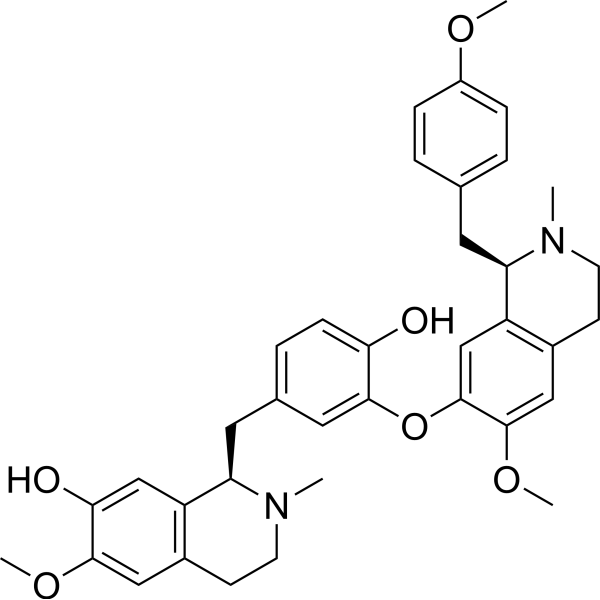
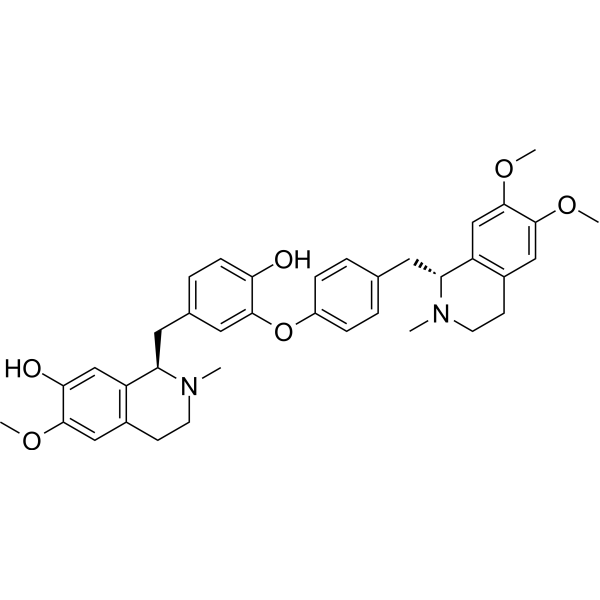
Isoliensinine
Based on 5 publication(s) in Google Scholar
Isoliensinine is a bisbenzylisoquinoline alkaloid extracted from the seed embryo of Nelumbo nucifera, with anti-oxidant and anti-inflammatory and anti-cancer activities. Isoliensinine induces apoptosis in triple-negative human breast cancer cells.
연구목적의 판매만을 진행합니다. 환자를 대상으로 한 판매는 하지 않습니다.
- Purity : 99.90%
- CAS No.: 6817-41-0
- 화학식: C37H42N2O6
- 분자량:610.74
-
보관:
4°C, protect from light
* In solvent : -80°C, 6 months; -20°C, 1 month (protect from light)

To place orders, for customer services and technical support, please contact: MedChemExpress USA
Tel: 609-228-6898 E-mail: [email protected] [email protected]


-
 Biological Activity
-
Chemical Information
-
용액&용해도
- Protocol
- 순도&문서
- References
-
 Help & FAQs


-
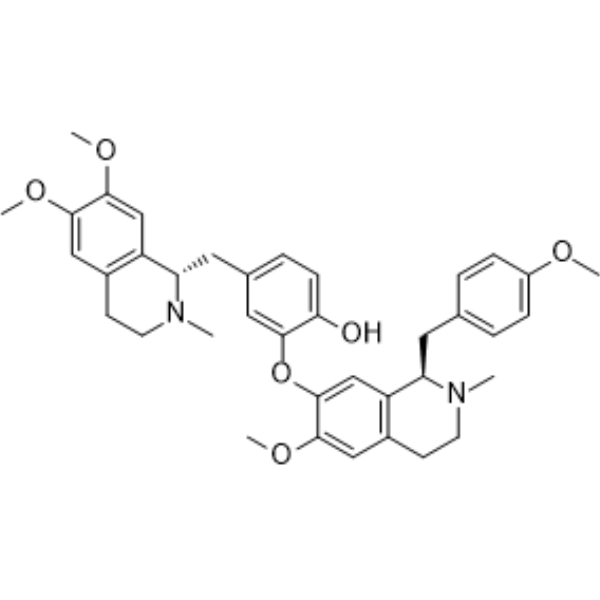
HY-N0441
NeferineAutophagy Modulator -
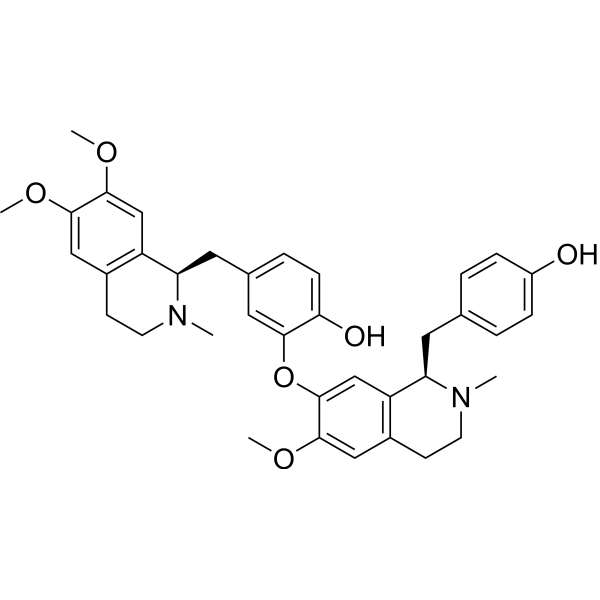
HY-N0484
LiensininePI3K/AKT/MAPK/JAK2/STAT3 Inhibitor -
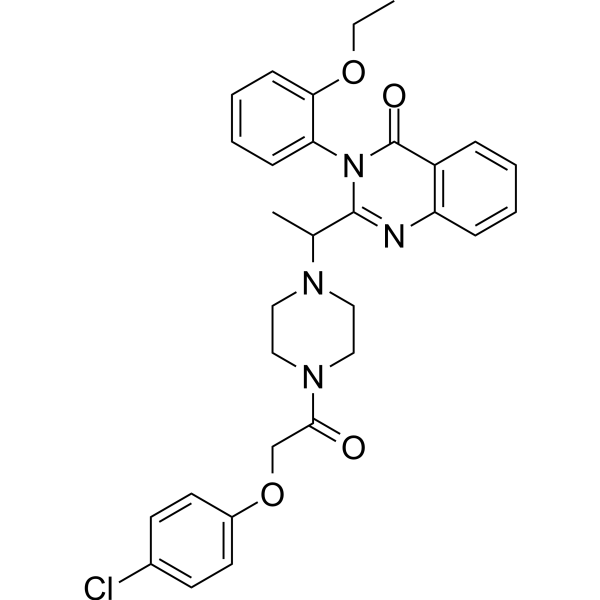
HY-15763
ErastinFerroptosis Inducer -
HY-N0221
DaurisolineAutophagy Blocker -
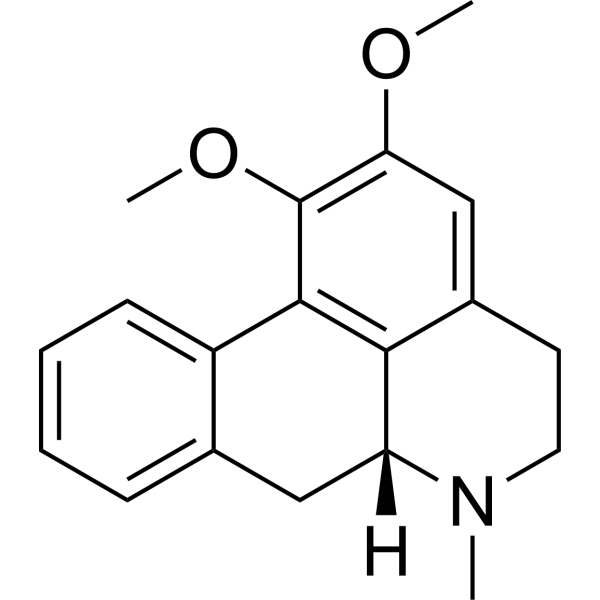
HY-N0049
NuciferineAnti-Hyperlipidemia Agent -
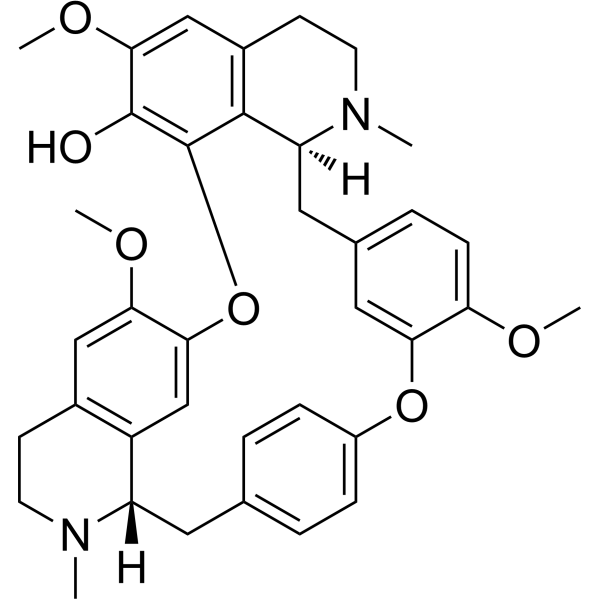
HY-N1372A
FangchinolineAutophagy Inducer -
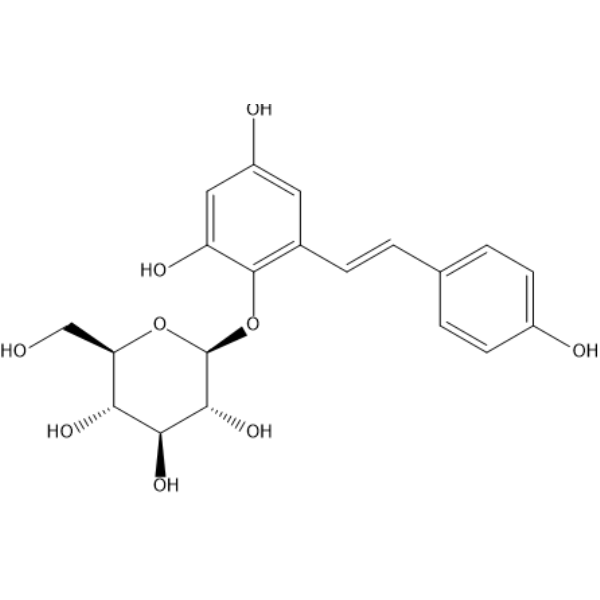
HY-N0652
2,3,5,4'-Tetrahydroxystilbene 2-O-β-D-glucosideNatural Product -
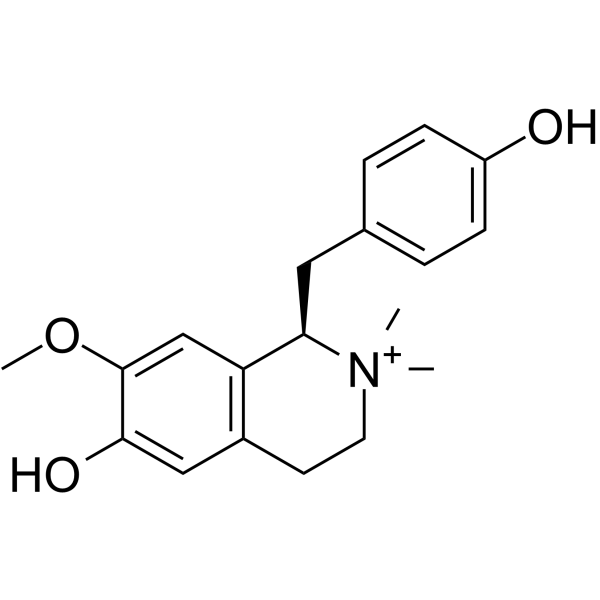
HY-N4309
Lotusineα-amylase Inhibitor, α-glucosidase Inhibitor -
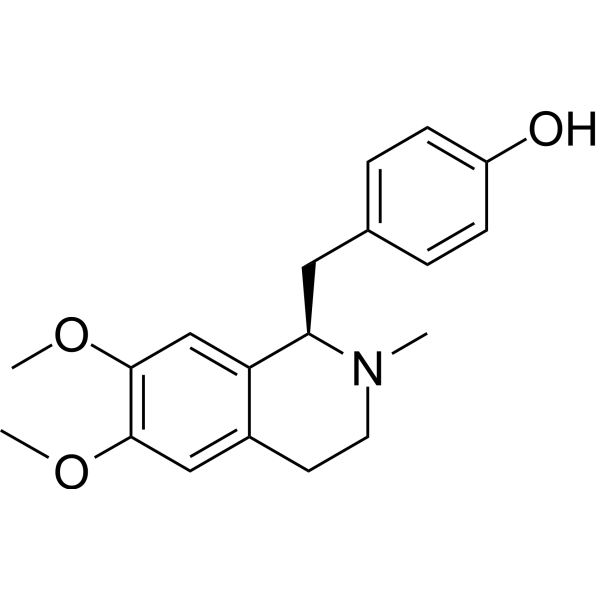
HY-N6857
ArmepavineNF-κB Inhibitor -
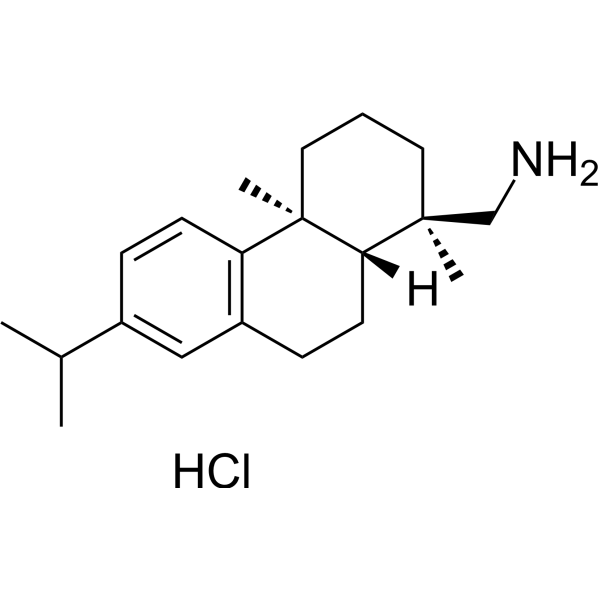
HY-110028
Leelamine hydrochlorideNPC1/Androgen Receptor Inhibitor
Publications Citing Use of MedChemExpress (MCE) Isoliensinine
More Customer Validation & Images

-
Cell Proliferation/Viability Assay
-
Apoptosis Analysis
-
WB
-
Cell Imaging/Staining


Biological Activity
제품 설명
Cellular Effect
|
Cell Line

|
Type | Value | Description | References |
|---|---|---|---|---|
| 3T3-L1 | IC50 |
7.8 μM
Compound: 10
|
Anti-adipogenic activity in mouse 3T3-L1 cells transfected with Lenti-PPARgamma-Luc reporter assessed as inhibition of PPARgamma expression by luminescence based microplate reader analysis
Anti-adipogenic activity in mouse 3T3-L1 cells transfected with Lenti-PPARgamma-Luc reporter assessed as inhibition of PPARgamma expression by luminescence based microplate reader analysis
|
[PMID: 38483204] |
In Vitro
Isoliensinine induces apoptosis in triple-negative human breast cancer cells through ROS generation and p38 MAPK/JNK activation[1].
Isoliensinine exerts antiproliferative effect on CASMCs induced by phenylephrine, and its mechanisms are related to decrease the overexpression of growth factors (PDGF-beta, bFGF), protooncogene (c-fos, c-myc) and hsp70[3].
MedChemExpress (MCE) has not independently confirmed the accuracy of these methods. They are for reference only.


Chemical Information
-
CAS No. 6817-41-0
-
Appearance Solid
-
분자량 610.74
-
화학식 C37H42N2O6
-
Color White to off-white
-
SMILES
OC1=CC2=C(C=C1OC)CCN(C)[C@@H]2CC3=CC=C(O)C(OC4=CC5=C(C=C4OC)CCN(C)[C@@H]5CC6=CC=C(OC)C=C6)=C3
-
Structure Classification
-
Initial Source
-
선적
Room temperature in continental US; may vary elsewhere.
-
보관
4°C, protect from light
* In solvent : -80°C, 6 months; -20°C, 1 month (protect from light)


Publications (5)
-
Journal Impact Factor
-
Most Recent
-
-
Pharmaceuticals (Basel)
Isoliensinine Induces Ferroptosis in Urothelial Carcinoma Cells via the PI3K/AKT/HIF-1α Axis: Molecular Evidence from Next-Generation Sequencing. [Abstract]2025 Jul 6;18(7):1008. PMID: 40732297
Isoliensinine purchased from MedChemExpress. Usage Cited in: Pharmaceuticals (Basel). 2025 Jul 6;18(7):1008. [Abstract]
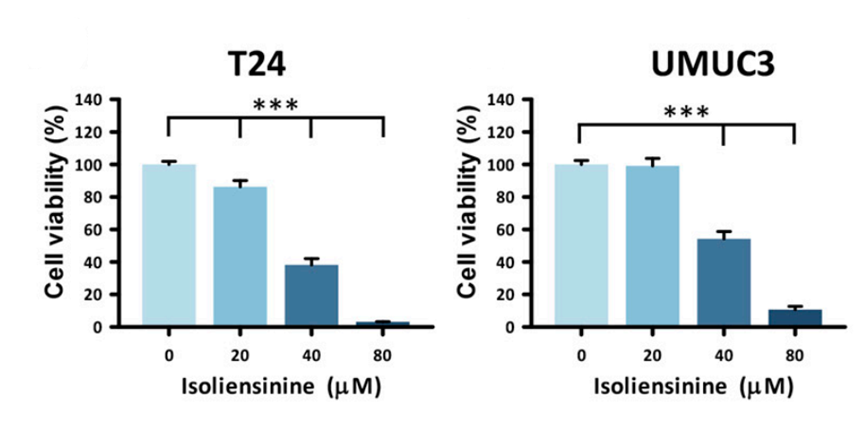
An MTT assay was performed to measure the viability of T24 and UMUC3 cells after treatment with Isoliensinine (0, 20, 40, and 80 μM) for 48 h.
Isoliensinine purchased from MedChemExpress. Usage Cited in: Pharmaceuticals (Basel). 2025 Jul 6;18(7):1008. [Abstract]
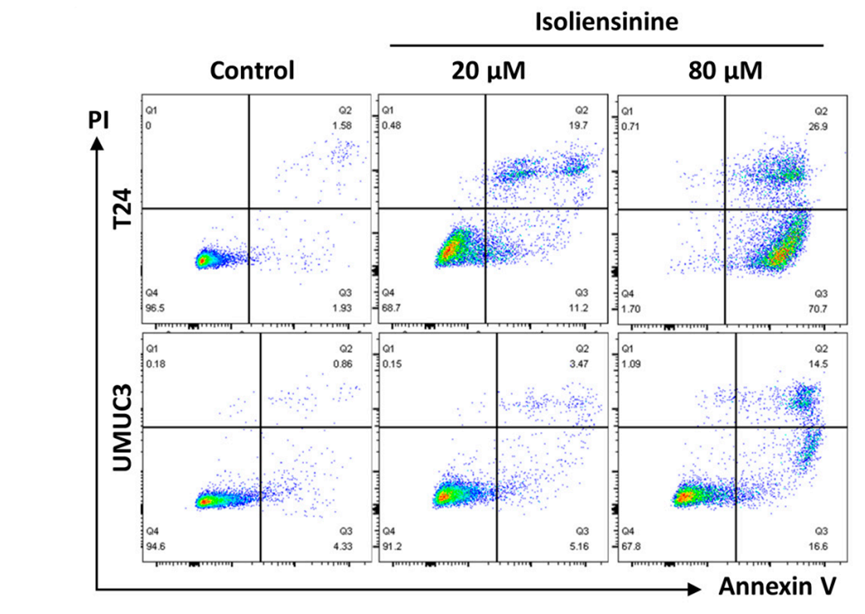
Flow cytometry using annexin V/propidium iodide dual staining showed that apoptosis was induced in UC cells by Isoliensinine treatment at 0, 20, and 80 μM for 48 h.
Isoliensinine purchased from MedChemExpress. Usage Cited in: Pharmaceuticals (Basel). 2025 Jul 6;18(7):1008. [Abstract]
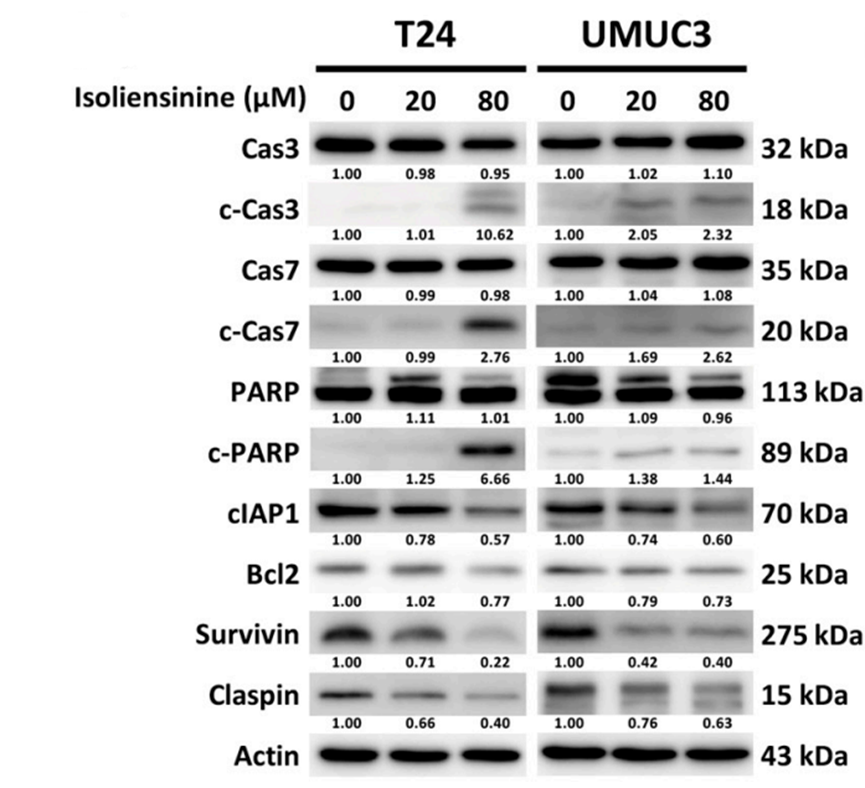
Western blots of apoptosis-related proteins in T24 after treatment with isoliensinine for 2 days and in UMUC3 after treatment with Isoliensinine (20, 80 μM) for 4 days.
Isoliensinine purchased from MedChemExpress. Usage Cited in: Pharmaceuticals (Basel). 2025 Jul 6;18(7):1008. [Abstract]
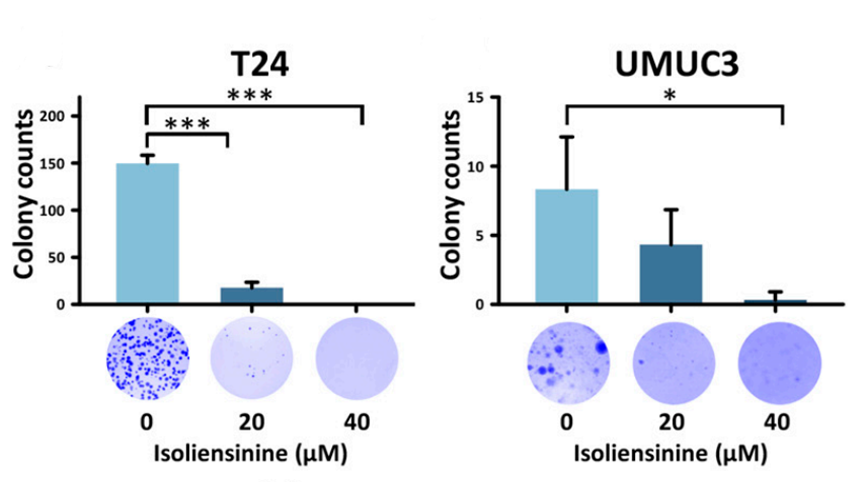
A colony formation assay was performed on T24 and UMUC3 cells after Isoliensinine treatment (0, 20, and 40 μM) for 2 days, followed by incubation in untreated medium for 7 days.
-
-
Molecules
Molecular Mechanisms Underlying the Anti-Tumor Activity of Lotus-Derived Alkaloids in Breast Cancer. [Abstract]2026 Mar 12;31(6):947. PMID: 41900047 -


용액&용해도
In Vitro:
DMSO : 50 mg/mL (81.87 mM; ultrasonic and warming and heat to 60°C; Hygroscopic DMSO has a significant impact on the solubility of product, please use newly opened DMSO)
Please refer to the solubility information to select the appropriate solvent. Once prepared, please aliquot and store the solution to prevent product inactivation from repeated freeze-thaw cycles.
Storage method and period of stock solution: -80°C, 6 months; -20°C, 1 month (protect from light). When stored at -80°C, please use it within 6 months. When stored at -20°C, please use it within 1 month.
Please refer to the solubility information to select the appropriate solvent. Once prepared, please aliquot and store the solution to prevent product inactivation from repeated freeze-thaw cycles.
Storage method and period of stock solution: -80°C, 6 months; -20°C, 1 month (protect from light). When stored at -80°C, please use it within 6 months. When stored at -20°C, please use it within 1 month.
Concentration (start) × Volume (start) = Concentration (final) × Volume (final)
In Vivo:
Select the appropriate dissolution method based on your experimental animal and administration route.
- For the following dissolution methods, please ensure to first prepare a clear stock solution using an In Vitro approach and then sequentially add co-solvents:
- To ensure reliable experimental results, the clarified stock solution can be appropriately stored based on storage conditions. As for the working solution for In Vivo experiments, it is recommended to prepare freshly and use it on the same day.
- The percentages shown for the solvents indicate their volumetric ratio in the final prepared solution. If precipitation or phase separation occurs during preparation, heat and/or sonication can be used to aid dissolution.
Add each solvent one by one: 10% DMSO 40% PEG300 5% Tween-80 45% Saline
Solubility: ≥ 2.5 mg/mL (4.09 mM); Clear solution
This protocol yields a clear solution of ≥ 2.5 mg/mL (saturation unknown).
Taking 1 mL working solution as an example, add 100 μL DMSO stock solution (25.0 mg/mL) to 400 μL PEG300, and mix evenly; then add 50 μL Tween-80 and mix evenly; then add 450 μL Saline to adjust the volume to 1 mL.
Preparation of Saline: Dissolve 0.9 g sodium chloride in ddH₂O and dilute to 100 mL to obtain a clear Saline solution.
Add each solvent one by one: 10% DMSO 90% (20% SBE-β-CD in Saline)
Solubility: ≥ 2.5 mg/mL (4.09 mM); Clear solution
This protocol yields a clear solution of ≥ 2.5 mg/mL (saturation unknown).
Taking 1 mL working solution as an example, add 100 μL DMSO stock solution (25.0 mg/mL) to 900 μL 20% SBE-β-CD in Saline, and mix evenly.
Preparation of 20% SBE-β-CD in Saline (4°C, storage for one week): 2 g SBE-β-CD powder is dissolved in 10 mL Saline, completely dissolve until clear.
In Vivo Dissolution Calculator
Please enter the basic information of animal experiments:
-
-
-
-
Recommended: Prepare an additional quantity of animals to account for potential losses during experiments.
Please enter your animal formula composition:
-
%DMSO +
Recommended: Keep the proportion of DMSO in working solution below 2% if your animal is weak.
-
%+
-
+%Tween-80 + +
-
%Saline +
The co-solvents required include: DMSO, . All of co-solvents are available by MedChemExpress (MCE). , Tween 80. All of co-solvents are available by MedChemExpress (MCE).
Working solution concentration: 0.22 mg/mL
Method for preparing stock solution: mg drug dissolved in μL DMSO. Stock solution concentration: mg/mL. * In solvent : -80°C, 6 months; -20°C, 1 month (protect from light)
1. Take μL DMSO stock solution;
2. Add μL .
μL , mix evenly;
3. Then add μL Tween 80, mix evenly;
4. Then add μL
Please ensure that the stock solution in the first step is dissolved to a clear state, and add co-solvents in sequence. You can use ultrasonic heating (ultrasonic cleaner, recommended frequency 20-40 kHz), vortexing, etc. to assist dissolution.


순도&문서
-
Data Sheet (278 KB)
-
SDS (394 KB)
- English - EN (394 KB)
- Français - FR (394 KB)
- Deutsch - DE (394 KB)
- Norwegian - NO (394 KB)
- Español - ES (394 KB)
- Swedish - SV (394 KB)
- Italian - IT (394 KB)
- Korean - KR (394 KB)
- Portuguese - PT (394 KB)
-
Handling Instructions (2659 KB)
References
[1]. Jun-hua Xiao, et al. Effects of isoliensinine on proliferation of porcine coronary arterial smooth muscle cells induced by phenylephrine. Yao Xue Xue Bao. 2005 Feb;40(2):105-10. [Content Brief]
[2]. Zhang X, et al. Isoliensinine induces apoptosis in triple-negative human breast cancer cells through ROS generation and p38 MAPK/JNK activation. Sci Rep. 2015 Jul 29;5:12579. [Content Brief]


Complete Stock Solution Preparation Table
Please refer to the solubility information to select the appropriate solvent. Once prepared, please aliquot and store the solution to prevent product inactivation from repeated freeze-thaw cycles.
Storage method and period of stock solution: -80°C, 6 months; -20°C, 1 month (protect from light). When stored at -80°C, please use it within 6 months. When stored at -20°C, please use it within 1 month.
| Optional Solvent | Concentration Solvent Mass | 1 mg | 5 mg | 10 mg | 25 mg |
|---|---|---|---|---|---|
| DMSO | 1 mM | 1.6374 mL | 8.1868 mL | 16.3736 mL | 40.9339 mL |
| 5 mM | 0.3275 mL | 1.6374 mL | 3.2747 mL | 8.1868 mL | |
| 10 mM | 0.1637 mL | 0.8187 mL | 1.6374 mL | 4.0934 mL | |
| 15 mM | 0.1092 mL | 0.5458 mL | 1.0916 mL | 2.7289 mL | |
| 20 mM | 0.0819 mL | 0.4093 mL | 0.8187 mL | 2.0467 mL | |
| 25 mM | 0.0655 mL | 0.3275 mL | 0.6549 mL | 1.6374 mL | |
| 30 mM | 0.0546 mL | 0.2729 mL | 0.5458 mL | 1.3645 mL | |
| 40 mM | 0.0409 mL | 0.2047 mL | 0.4093 mL | 1.0233 mL | |
| 50 mM | 0.0327 mL | 0.1637 mL | 0.3275 mL | 0.8187 mL | |
| 60 mM | 0.0273 mL | 0.1364 mL | 0.2729 mL | 0.6822 mL | |
| 80 mM | 0.0205 mL | 0.1023 mL | 0.2047 mL | 0.5117 mL |


Isoliensinine Related Classifications
HY-N0770 Related Classifications
 Powered by Bioz