



Teglicar
Based on 3 publication(s) in Google Scholar
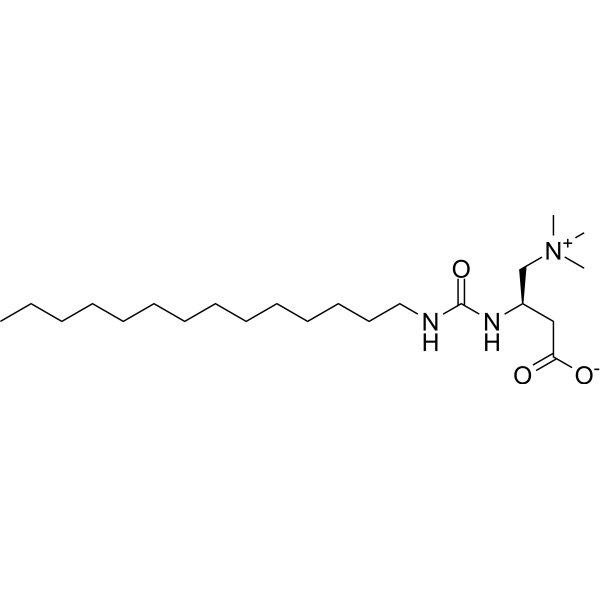
Teglicar is a selective and reversible orally active liver isoform of carnitine palmitoyl-transferase 1 (L-CPT1) inhibitor with an IC50 value of 0.68 μM and a Ki value of 0.36 μM. Teglicar has a potential antihyperglycemic propert. Teglicar can be used for the research of diabetes and neurodegenerative disease including Huntington's disease (HD).
For research use only. We do not sell to patients.
- Purity : 98.0%
- CAS No.: 250694-07-6
- Formula: C22H45N3O3
- Molecular Weight:399.61
-
Storage:Powder -20°C, 3 years , 4°C, 2 years ; In solvent -80°C, 6 months , -20°C, 1 month

To place orders, for customer services and technical support, please contact: MedChemExpress USA
Tel: 609-228-6898 E-mail: [email protected] [email protected]


-
 Biological Activity
-
Chemical Information
-
Solvent & Solubility
- Protocols
- Purity & Documentation
- References
-
 Help & FAQs


-
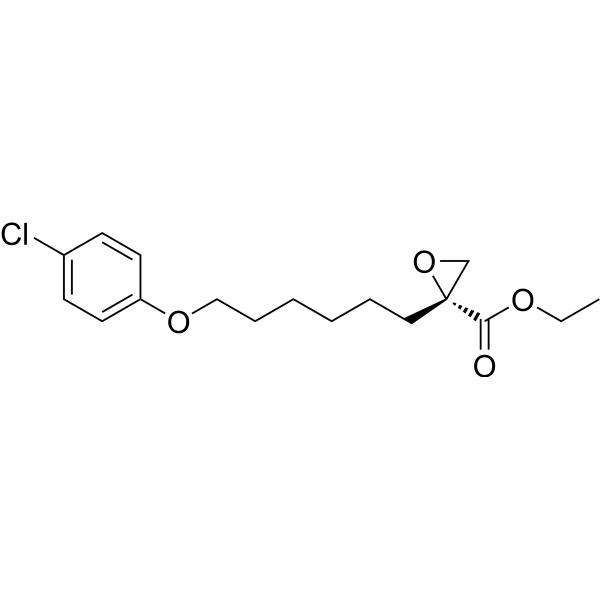
HY-50202
EtomoxirCPT1a Inhibitor -
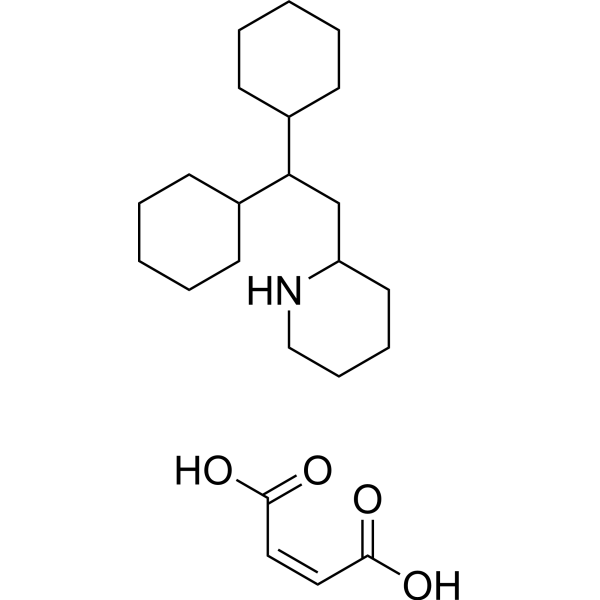
HY-B1334A
Perhexiline maleateCPT1/CPT2 Inhibitor -
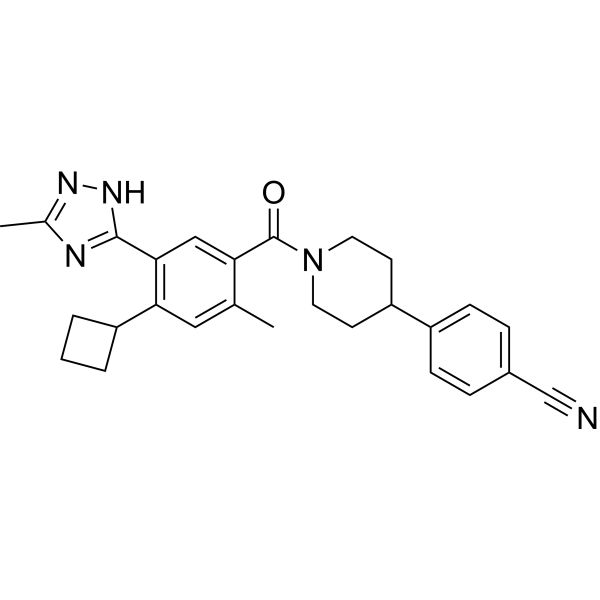
HY-112829
DenifanstatFASN Inhibitor -
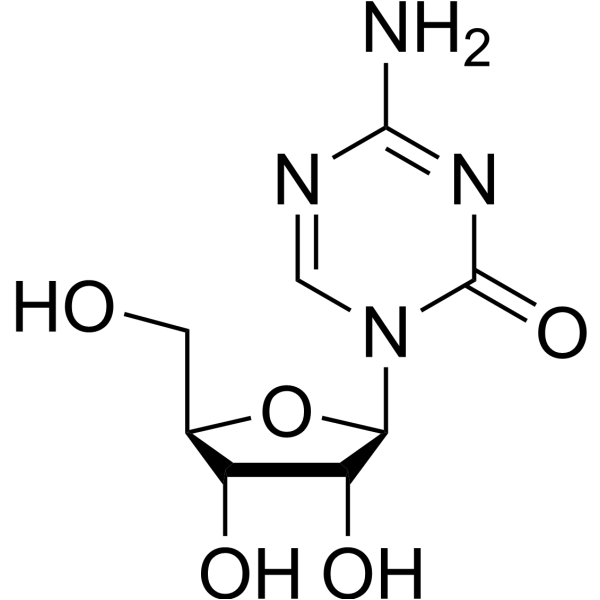
HY-10586
5-AzacytidineDNMT Inhibitor -
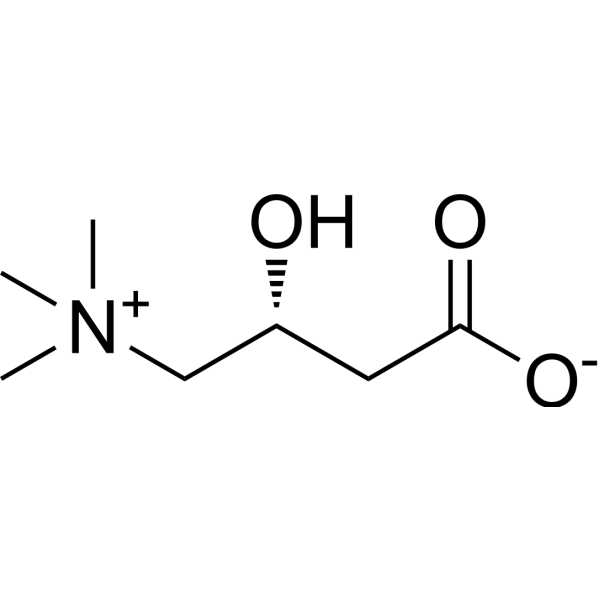
HY-B0399
L-CarnitineCo-factor for β-oxidation -
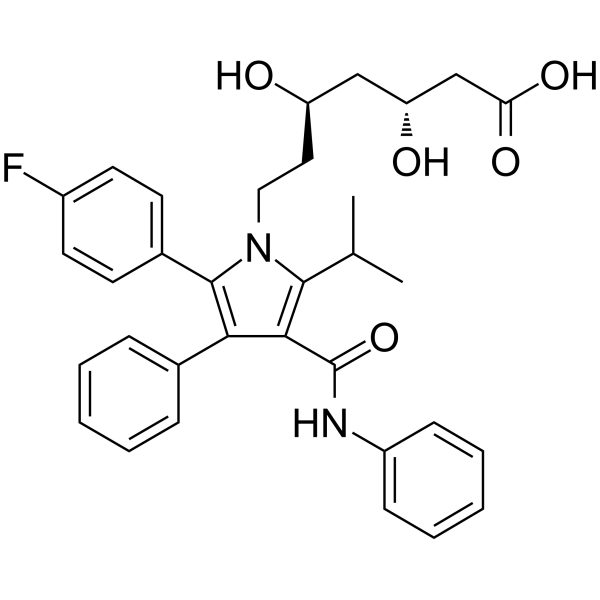
HY-B0589
AtorvastatinHMG-CoA Reductase Inhibitor -
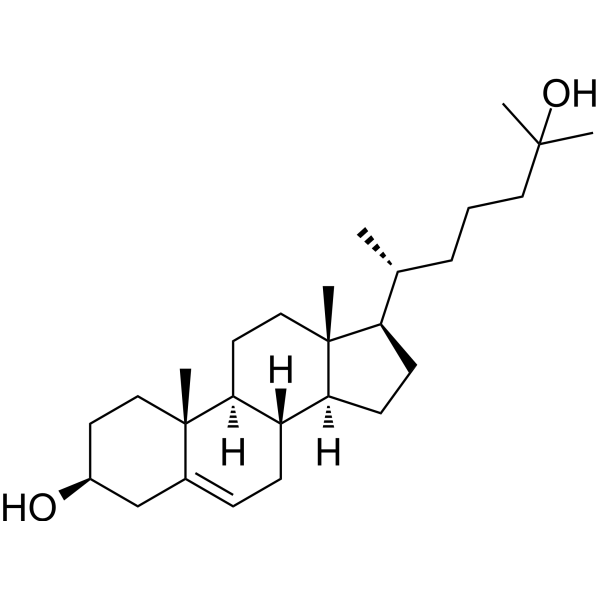
HY-113134
25-HydroxycholesterolCholesterol Metabolite -
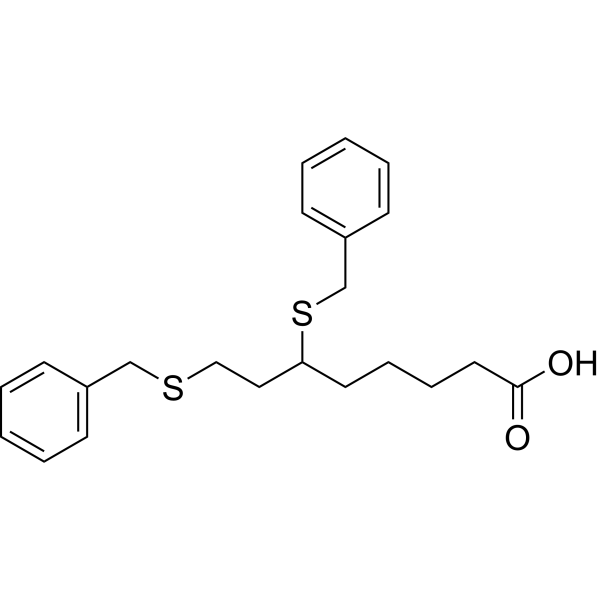
HY-15453
DevimistatMitochondrial Metabolism Inhibitor -
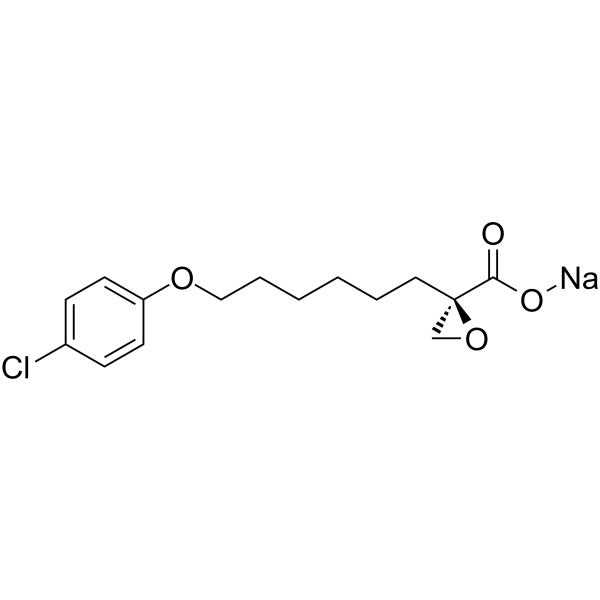
HY-50202A
Etomoxir sodium saltCPT1a Inhibitor -
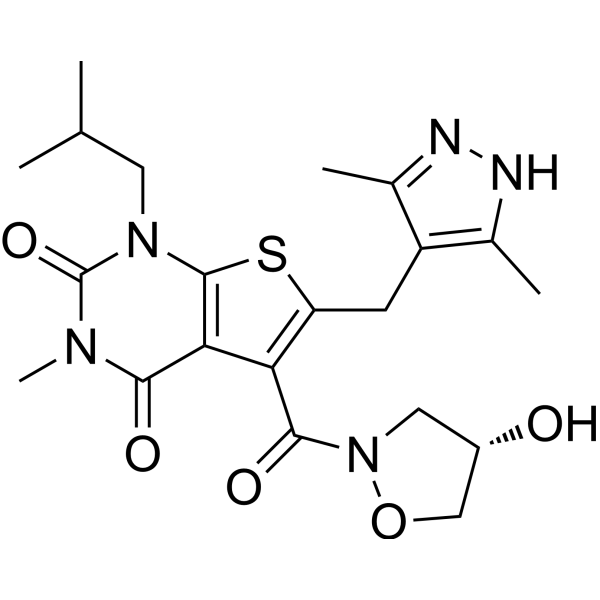
HY-13248
AR-C155858MCT1/2 Inhibitor -
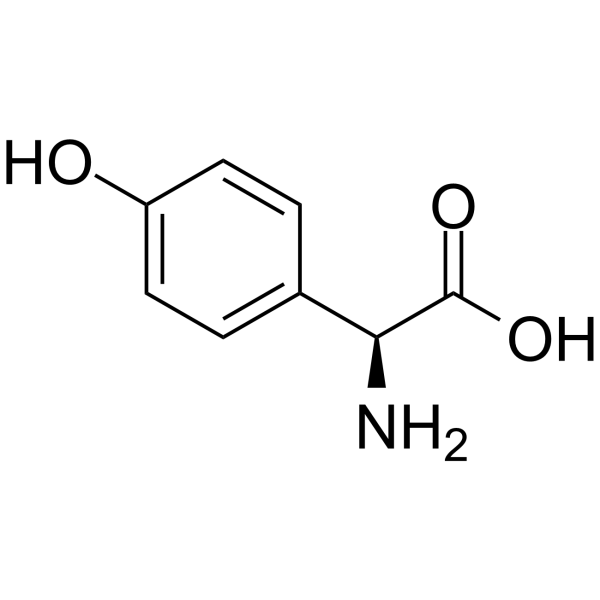
HY-W018026
OxfenicineCTP-1 Inhibitor
Publications Citing Use of MedChemExpress (MCE) Teglicar
MoreAll Endogenous Metabolite Isoforms
More

Biological Activity
Description
IC50 & Target
|
CPT-1 |
Cellular Effect
|
Cell Line

|
Type | Value | Description | References |
|---|---|---|---|---|
| KB | IC50 |
1.1 μM
Compound: 19, ST1326
|
Cytotoxicity in human KB cells
Cytotoxicity in human KB cells
|
[PMID: 21504156] |
In Vitro
Teglicar has L-CPT1 inhibitory activity with an IC50 value of 0.68 μM and a Ki value of 0.36 μM[1].
Teglicar (10 μM; 2 h) induces a concentration-dependent reduction of ketone bodies and glucose production[1].
MedChemExpress (MCE) has not independently confirmed the accuracy of these methods. They are for reference only. Further protocols information, click here.
In Vivo
Teglicar (gavage, 50 mg/kg, single or long-term 100 mg/kg/day for 30 days) not affects heart 2-[3H]deoxyglucose uptake in C57BL6/J mice[1].
Teglicar (gavage, 50 mg/kg, twice a day, for 45 days) reduces postabsorptive glycemia (238%), water consumption (231%), and fructosamine (230%) in db/db mice[1].
Teglicar (30 mg/kg, twice a day, for 26 days) normalized glycemia (219%) and insulinemia (253%) and increases HTGC but not affects liver and peripheral insulin sensitivity in high-fat diet C57BL/6J mice[1].
Teglicar (oral, 50 μM, was added to the surface of fly food, 1, 8, 12, and 15 days) ameliorates the neurodegenerative phenotype in a drosophila Huntington's Disease Model by acting on the expression of carnitine-related genes[2].
MedChemExpress (MCE) has not independently confirmed the accuracy of these methods. They are for reference only.
-
Animal Model:SD rats[1]
-
Dosage:80 mg/kg, 5.3 mg/kg
-
Administration:oral, 80 mg/kg, once a day, for 30 days or infusion, 5.3 mg/kg/h, for 3 h
-
Result:Reduced basal insulin levels, showed a higher triglyceride and low glycogen content in the liver, without any change in liver weight.
Showed a rapid drop in glycemia, suppressed EGP (EGP2) diminished by 62% and not affected peripheral glucose utilization (GU).
-
Animal Model:C57BL6/J mice[1]
-
Dosage:50 mg/kg, 100 mg/kg
-
Administration:gavage, 50 mg/kg, single or long-term 100 mg/kg/day for 30 days.
-
Result:Did not modify etomoxir-induced M-CPT1 inhibition and failed to determine significant changes in 2-DG heart uptake, heart weights, and triglyceride content.
-
Animal Model:db/db mice[1]
-
Dosage:50 mg/kg
-
Administration:gavage, 50 mg/kg, twice a day, for 45 days
-
Result:Induced a significant reduction of postabsorptive serum glucose, reduced serum fructosamine and average daily water consumption, increased Serum FFAs, but did not change insulin levels, triglycerides, alanine aminotransferase, also induced a significant reduction of glucose AUC during ITT.
Did not induce any variation in the content of PPAR-α and its target gene product MCAD and peroxisomal b-oxidation in liver and heart of db/db mice.
-
Animal Model:High-fat diet C57BL/6J mice[1]
-
Dosage:30 mg/kg
-
Administration:30 mg/kg, twice a day, for 26 days
-
Result:Did not affect food intake, did not change body weight and serum FFAs and triglycerides and did not affect glucose intolerant.


Chemical Information
-
CAS No. 250694-07-6
-
Appearance Solid
-
Molecular Weight 399.61
-
Formula C22H45N3O3
-
Color White to off-white
-
SMILES
O=C(N[C@H](CC([O-])=O)C[N+](C)(C)C)NCCCCCCCCCCCCCC
-
Structure Classification
-
Initial Source
-
Shipping
Room temperature in continental US; may vary elsewhere.
-
Storage
Powder -20°C 3 years 4°C 2 years In solvent -80°C 6 months -20°C 1 month


Publications (3)
-
Journal Impact Factor
-
Most Recent
-
Nat Commun
Regulating triacylglycerol cycling for high-efficiency production of polyunsaturated fatty acids and derivatives. [Abstract]2025 May 8;16(1):4262. PMID: 40335511 -
J Adv Res
Mitochondrial fatty acid oxidation as the target for blocking therapy-resistance and inhibiting tumor recurrence: The proof-of-principle model demonstrated for ovarian cancer cells. [Abstract]2025 Mar 17:S2090-1232(25)00186-9. PMID: 40107354 -


Solvent & Solubility
In Vitro:
Ethanol : 100 mg/mL (250.24 mM; ultrasonic and heat to 60°C)
DMSO : 19 mg/mL (47.55 mM; Need ultrasonic; Hygroscopic DMSO has a significant impact on the solubility of product, please use newly opened DMSO)
H2O : 10 mg/mL (25.02 mM; Need ultrasonic)
Please refer to the solubility information to select the appropriate solvent. Once prepared, please aliquot and store the solution to prevent product inactivation from repeated freeze-thaw cycles.
Storage method and period of stock solution: -80°C, 6 months; -20°C, 1 month. When stored at -80°C, please use it within 6 months. When stored at -20°C, please use it within 1 month.
* Note: If you choose water as the stock solution, please dilute it to the working solution, then filter and sterilize it with a 0.22 μm filter before use.
Please refer to the solubility information to select the appropriate solvent. Once prepared, please aliquot and store the solution to prevent product inactivation from repeated freeze-thaw cycles.
Storage method and period of stock solution: -80°C, 6 months; -20°C, 1 month. When stored at -80°C, please use it within 6 months. When stored at -20°C, please use it within 1 month.
* Note: If you choose water as the stock solution, please dilute it to the working solution, then filter and sterilize it with a 0.22 μm filter before use.
Concentration (start) × Volume (start) = Concentration (final) × Volume (final)
In Vivo:
Select the appropriate dissolution method based on your experimental animal and administration route.
- For the following dissolution methods, please ensure to first prepare a clear stock solution using an In Vitro approach and then sequentially add co-solvents:
- To ensure reliable experimental results, the clarified stock solution can be appropriately stored based on storage conditions. As for the working solution for In Vivo experiments, it is recommended to prepare freshly and use it on the same day.
- The percentages shown for the solvents indicate their volumetric ratio in the final prepared solution. If precipitation or phase separation occurs during preparation, heat and/or sonication can be used to aid dissolution.
Add each solvent one by one: 10% DMSO 40% PEG300 5% Tween-80 45% Saline
Solubility: ≥ 3.33 mg/mL (8.33 mM); Clear solution
This protocol yields a clear solution of ≥ 3.33 mg/mL (saturation unknown).
Taking 1 mL working solution as an example, add 100 μL DMSO stock solution (33.3 mg/mL) to 400 μL PEG300, and mix evenly; then add 50 μL Tween-80 and mix evenly; then add 450 μL Saline to adjust the volume to 1 mL.
Preparation of Saline: Dissolve 0.9 g sodium chloride in ddH₂O and dilute to 100 mL to obtain a clear Saline solution.
Add each solvent one by one: 10% DMSO 90% (20% SBE-β-CD in Saline)
Solubility: ≥ 1.9 mg/mL (4.75 mM); Clear solution
This protocol yields a clear solution of ≥ 1.9 mg/mL (saturation unknown).
Taking 1 mL working solution as an example, add 100 μL DMSO stock solution (19.0 mg/mL) to 900 μL 20% SBE-β-CD in Saline, and mix evenly.
Preparation of 20% SBE-β-CD in Saline (4°C, storage for one week): 2 g SBE-β-CD powder is dissolved in 10 mL Saline, completely dissolve until clear.
In Vivo Dissolution Calculator
Please enter the basic information of animal experiments:
-
-
-
-
Recommended: Prepare an additional quantity of animals to account for potential losses during experiments.
Please enter your animal formula composition:
-
%DMSO +
Recommended: Keep the proportion of DMSO in working solution below 2% if your animal is weak.
-
%+
-
+%Tween-80 + +
-
%Saline +
The co-solvents required include: DMSO, . All of co-solvents are available by MedChemExpress (MCE). , Tween 80. All of co-solvents are available by MedChemExpress (MCE).
Working solution concentration: 0.22 mg/mL
Method for preparing stock solution: mg drug dissolved in μL DMSO. Stock solution concentration: mg/mL.
1. Take μL DMSO stock solution;
2. Add μL .
μL , mix evenly;
3. Then add μL Tween 80, mix evenly;
4. Then add μL
Please ensure that the stock solution in the first step is dissolved to a clear state, and add co-solvents in sequence. You can use ultrasonic heating (ultrasonic cleaner, recommended frequency 20-40 kHz), vortexing, etc. to assist dissolution.

Protocols
-
Cell Cytotoxicity Assay
Cytotoxicity assays are usually based on the assessment of cell membrane damage, which can also be indirectly detected by measuring cell viability. Detection methods include MTT assay, CKK-8 assay, LDH assay and ATP assay, etc.
-
Research Protocol for Neurological Diseases
PINK1/Parkin-mediated mitophagy pathway is a mitochondrial quality-control signaling axis in which mitochondrial depolarization stabilizes PINK1 on damaged mitochondria, activates Parkin recruitment and E3 ubiquitin ligase activity, promotes ubiquitination of outer mitochondrial membrane proteins, recruits selective autophagy adaptors, and drives lysosomal degradation of damaged mitochondria. In neurological disease research, this pathway is experimentally important because neurons, especially dopaminergic neurons, are highly dependent on mitochondrial integrity, and defective mitochondrial turnover can lead to mitochondrial dysfunction, oxidative stress, impaired neuronal survival, α-synuclein accumulation, and neuroinflammatory damage-associated signals. The genetic disease link is strongest in Parkinson’s disease because mutations in PRKN/parkin cause autosomal recessive juvenile parkinsonism, mutations in PINK1 cause hereditary early-onset Parkinson’s disease, and Drosophila studie
-
Research Protocol for Metabolic Diseases
AMP-activated protein kinase, AMPK, is a conserved cellular energy sensor that responds to reduced cellular energy status and coordinates metabolism by increasing ATP-generating catabolic pathways while suppressing ATP-consuming anabolic processes. In metabolic disease research, the AMPK pathway is experimentally relevant because it regulates hepatic lipid synthesis, fatty acid oxidation, glucose production, skeletal-muscle glucose disposal, mTORC1-linked biosynthesis, autophagy, mitochondrial homeostasis, and whole-body energy balance. The central pathway logic is that energy stress, metformin, exercise-like stimulation, or direct AMPK activators increase AMPKα Thr172 phosphorylation and downstream substrate phosphorylation, including ACC and RAPTOR. Phosphorylation of ACC suppresses lipogenesis and supports fatty acid oxidation, whereas phosphorylation of RAPTOR suppresses mTORC1 signaling and links cellular energy status to growth and protein synthesis control. The pathway is linked


Purity & Documentation
-
Data Sheet (279 KB)
-
SDS (254 KB)
- English - EN (254 KB)
- Français - FR (254 KB)
- Deutsch - DE (254 KB)
- Norwegian - NO (254 KB)
- Español - ES (254 KB)
- Swedish - SV (254 KB)
- Italian - IT (254 KB)
- Korean - KR (254 KB)
- Portuguese - PT (254 KB)
-
Handling Instructions (2659 KB)
References
[1]. Roberto Conti, et al. Selective reversible inhibition of liver carnitine palmitoyl-transferase 1 by teglicar reduces gluconeogenesis and improves glucose homeostasis. Diabetes. 2011 Feb;60(2):644-51. [Content Brief]
[2]. Carla Bertapelle, et al. The Reversible Carnitine Palmitoyltransferase 1 Inhibitor (Teglicar) Ameliorates the Neurodegenerative Phenotype in a Drosophila Huntington's Disease Model by Acting on the Expression of Carnitine-Related Genes. Molecules [Content Brief]


Complete Stock Solution Preparation Table
Please refer to the solubility information to select the appropriate solvent. Once prepared, please aliquot and store the solution to prevent product inactivation from repeated freeze-thaw cycles.
Storage method and period of stock solution: -80°C, 6 months; -20°C, 1 month. When stored at -80°C, please use it within 6 months. When stored at -20°C, please use it within 1 month.
| Optional Solvent | Concentration Solvent Mass | 1 mg | 5 mg | 10 mg | 25 mg |
|---|---|---|---|---|---|
| H2O / DMSO / Ethanol | 1 mM | 2.5024 mL | 12.5122 mL | 25.0244 mL | 62.5610 mL |
| 5 mM | 0.5005 mL | 2.5024 mL | 5.0049 mL | 12.5122 mL | |
| 10 mM | 0.2502 mL | 1.2512 mL | 2.5024 mL | 6.2561 mL | |
| 15 mM | 0.1668 mL | 0.8341 mL | 1.6683 mL | 4.1707 mL | |
| 20 mM | 0.1251 mL | 0.6256 mL | 1.2512 mL | 3.1280 mL | |
| 25 mM | 0.1001 mL | 0.5005 mL | 1.0010 mL | 2.5024 mL | |
| DMSO / Ethanol | 30 mM | 0.0834 mL | 0.4171 mL | 0.8341 mL | 2.0854 mL |
| 40 mM | 0.0626 mL | 0.3128 mL | 0.6256 mL | 1.5640 mL | |
| Ethanol | 50 mM | 0.0500 mL | 0.2502 mL | 0.5005 mL | 1.2512 mL |
| 60 mM | 0.0417 mL | 0.2085 mL | 0.4171 mL | 1.0427 mL | |
| 80 mM | 0.0313 mL | 0.1564 mL | 0.3128 mL | 0.7820 mL | |
| 100 mM | 0.0250 mL | 0.1251 mL | 0.2502 mL | 0.6256 mL |
* Note: If you choose water as the stock solution, please dilute it to the working solution, then filter and sterilize it with a 0.22 μm filter before use.


Teglicar Related Classifications
HY-16482 Related Classifications
 Powered by Bioz