



Arabinoses
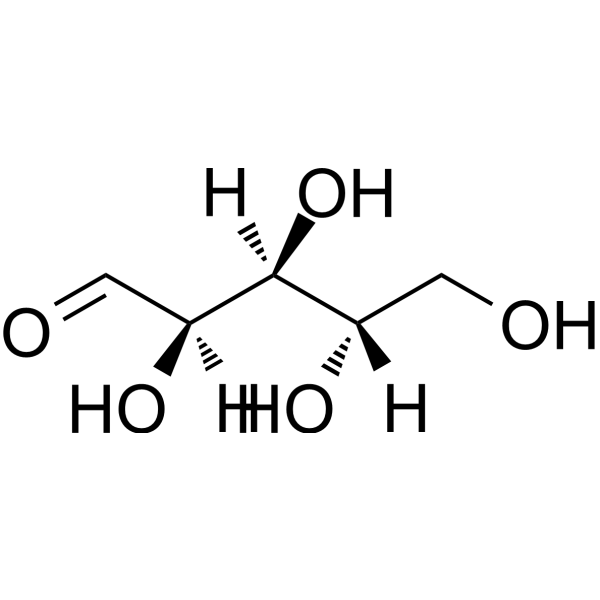
- Formula: C5H10O5
- Molecular Weight: 150.13
L-(+)-Arabinose selectively inhibits intestinal sucrase activity in a noncompetitive manner and suppresses the plasma glucose increase due to sucrose ingestion.
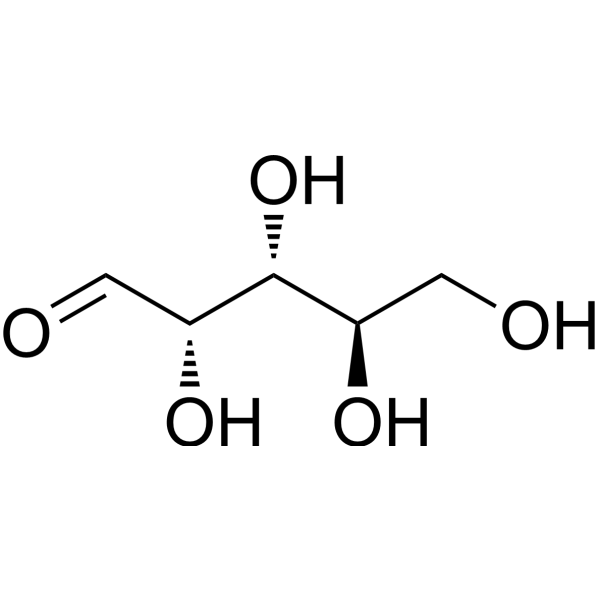
- Formula: C5H10O5
- Molecular Weight: 150.13
D-Arabinose is is an orally active antidepressant and a growth inhibitor of C. elegans (IC50 is 7.5 mM). D-Arabinose can penetrate the blood-brain barrier, selectively interfere with the metabolism of D-ribose and D-fructose, and inhibit the growth of nematodes. D-Arabinose can also inhibit the synthesis of cell biofilm and exert antibacterial activity. D-Arabinose activates the ACSS2-PPARγ/TFEB-CRTC1 axis through the lysosomal AXIN-LKB1-AMPK pathway, inducing CRTC1 transcription, exerts antidepressant-like activity. D-Arabinose is the ring-opened form of the aldopentose D-Arabinose (HY-N7082).
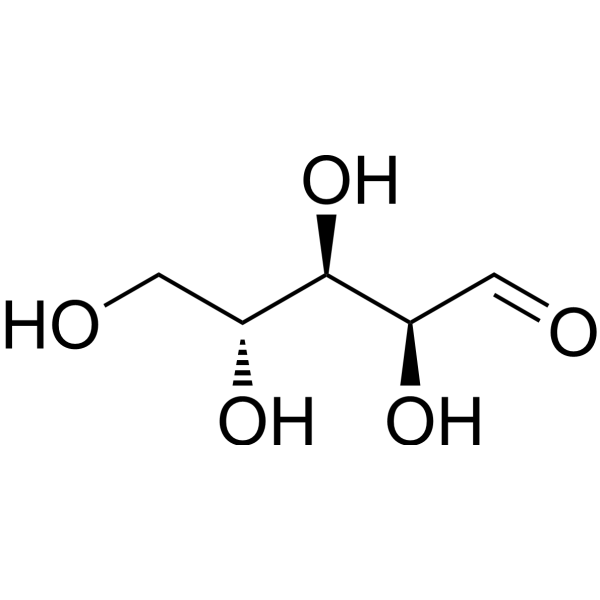
- Formula: C5H10O5
- Molecular Weight: 150.13
Arabinose is a pentose sugar commonly found in plants. Arabinose alleviates immune dysregulation and inflammation by promoting balanced immune responses and reducing inflammation. Arabinose induces cytotoxicity, autophagy (Autophagy), and cell cycle arrest in breast cancer cells through the p38-MAPK signaling pathway. Arabinose activates the ACSS2-PPARγ/TFEB-AMPK axis in neuroblastoma cells, thereby exerting neuromodulatory/antidepressant effects. Arabinose can also be used as an intermediate in compound synthesis. Arabinose may be applied in research related to immune inflammation, depression, breast cancer, and other diseases.
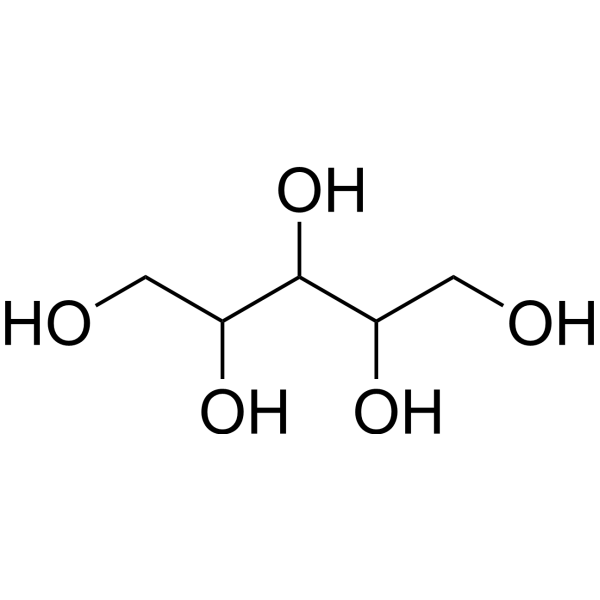
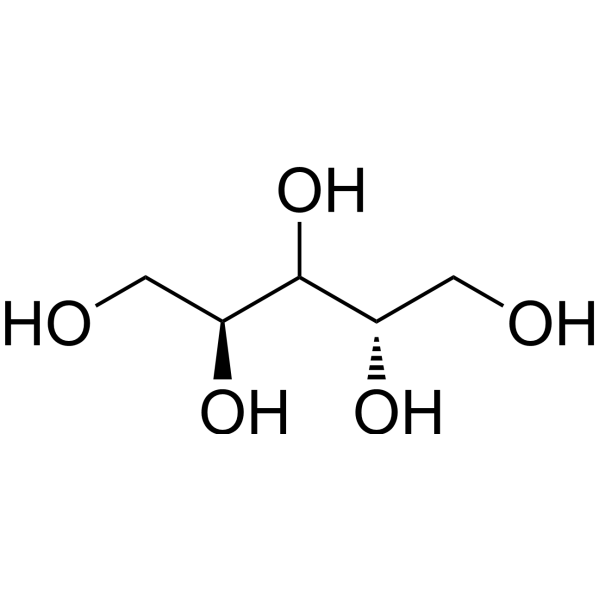
- Formula: C5H12O5
- Molecular Weight: 152.15
D-Arabitol is an orally active D-enantiomer of arabitol. D-Arabitol modulates the composition of gut microbiota, increases short-chain fatty acids, and promotes AMPK-PGC-1α-related browning of white adipose tissue. D-Arabitol improves weight gain, fat accumulation, insulin resistance, lipid deposition and inflammatory responses. D-Arabitol serves as the sole carbon/energy source for Bacillus methanolicus MGA3, a strain that can co-utilize it with mannitol. D-Arabitol is applicable to obesity-related research.
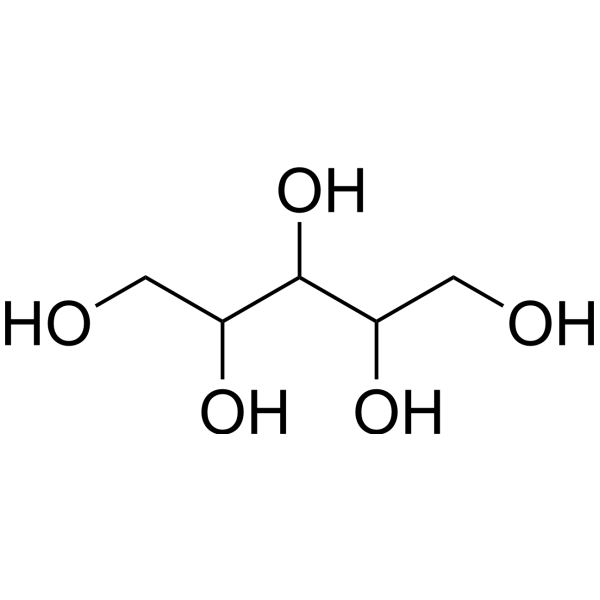
- Formula: C5H12O5
- Molecular Weight: 152.15
L-Arabinitol is a potential biomarker for the comsuption of the food products such as sweet potato, deerberry, moth bean, and is also associated with Alzheimer's disease and ribose-5-phosphate isomerase deficiency.
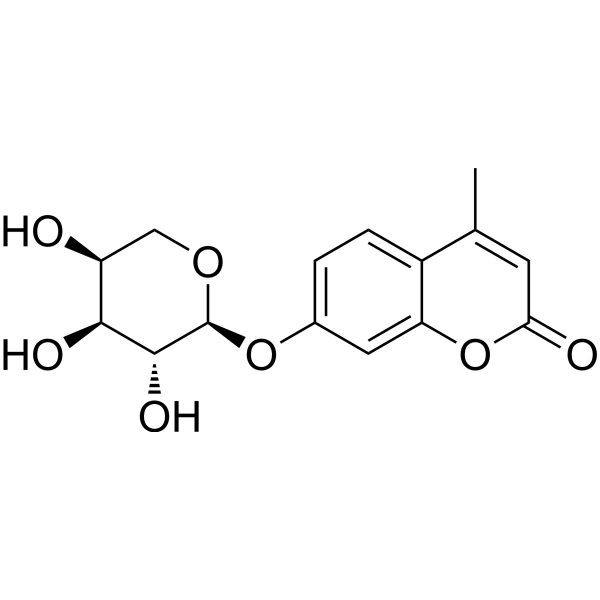
- Formula: C15H16O7
- Molecular Weight: 308.28
4-Methylumbelliferyl α-L-arabinopyranoside (4-Methylumbelliferyl alpha-L-arabinopyranoside) is a substrate for enzymes that hydrolyze arabinose-containing substrates, such as α-L-arabinopyranoside.
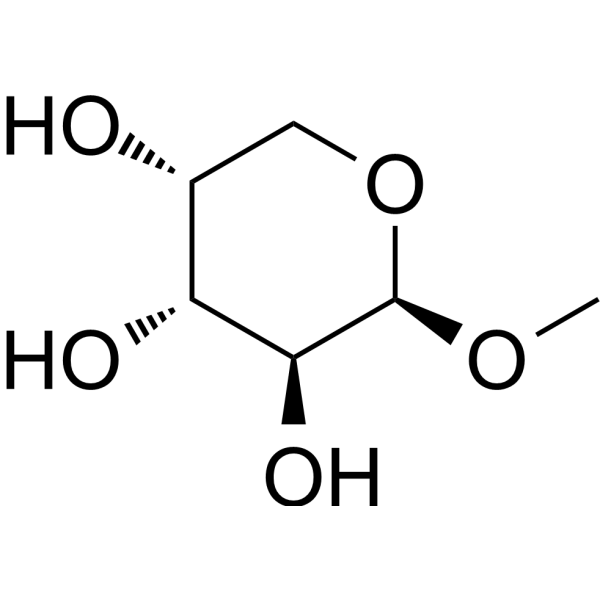
- Formula: C6H12O5
- Molecular Weight: 164.16
Methyl β-D-Arabinopyranoside is a biochemical reagent that can be used as a biological material or organic compound for life science related research.



