
202 Results for "

binding properties

" in MedChemExpress (MCE) Product Catalog:
Products (202)

202 Results for "binding properties" in MCE Product Catalog:

1
1 Cited Publications
Cat. No.: HY-13756S
CAS No.: 1356841-89-8
Purity:  98.36%
Synonyms: FK506-13C,d2; Fujimycin-13C,d2; FR900506-13C,d2
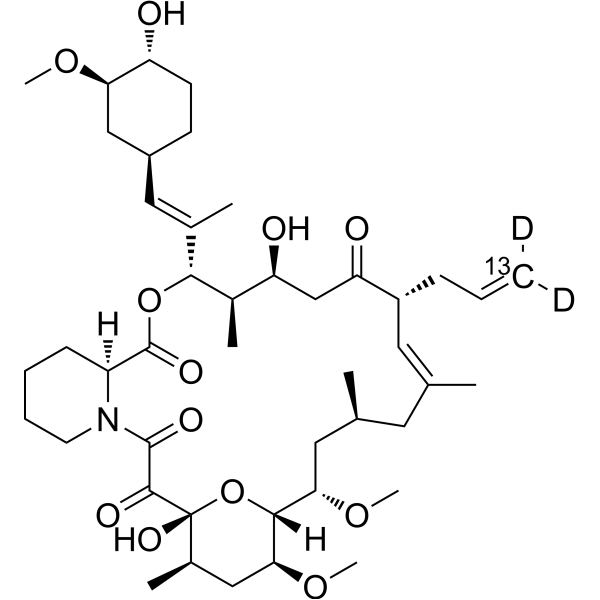
Tacrolimus- 13C,d2 (FK506- 13C,d2) is the 13C, deuterated-labeled Tacrolimus (HY-13756). Tacrolimus (FK506), a molecular glue, a macrocyclic lactone, binds to FK506 binding protein (FKBP) to form a complex. Tacrolimus inhibits calcineurin phosphatase, which inhibits T-lymphocyte signal transduction and IL-2 transcription. Immunosuppressive properties .
loading...
    loading...
1
1 Cited Publications
Cat. No.: HY-N0153R
CAS No.: 10236-47-2
Synonyms: Naringoside (Standard)
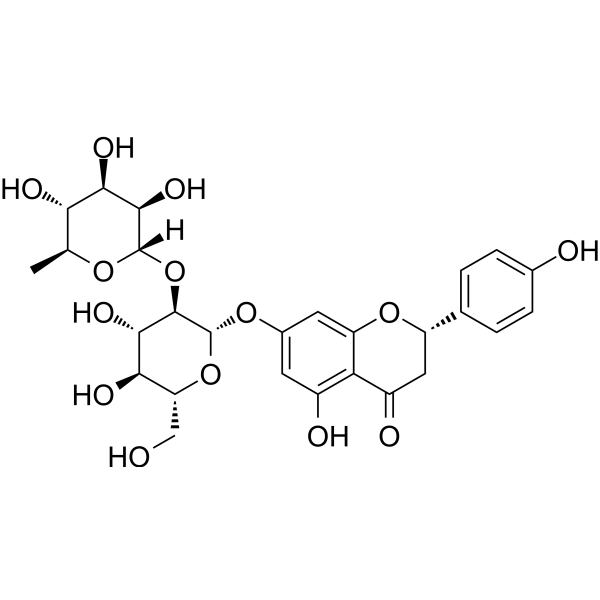
Naringin is a major flavanone glycoside obtained from tomatoes, grapefruits, and many other citrus fruits. Naringin exhibits biological properties such as antioxidant, anti-inflammatory, and antiapoptotic activities. Naringin also inhibits proliferation and invasion and induces apoptosis in human osteosarcoma cells by inhibiting zinc finger E-box binding homeobox 1 (Zeb1) .
loading...
    loading...
1
1 Cited Publications
Cat. No.: HY-W127703
CAS No.: 65603-19-2
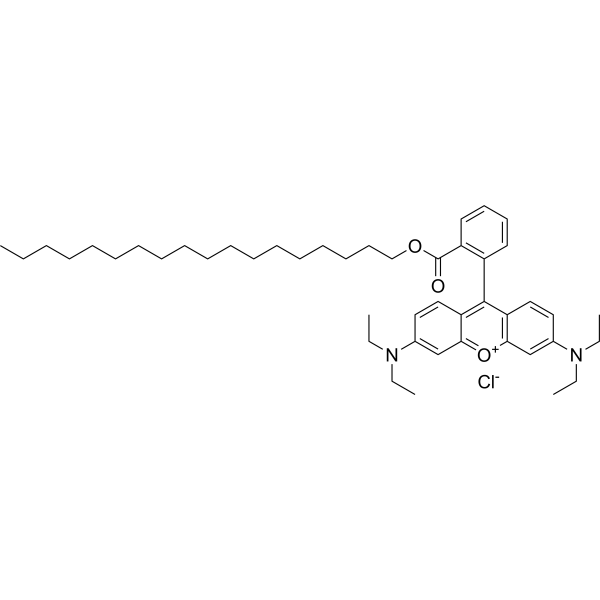
Octadecyl Rhodamine B chloride is an amphiphilic fluorescent probe with both membrane-binding ability and fluorescent properties, which easily forms aggregates in aqueous phase leading to self-quenching. Octadecyl Rhodamine B chloride can be used for cell membrane staining and further applied in membrane biology research. The maximum absorption/emission wavelengths of Octadecyl Rhodamine B chloride monomer in Triton X-100 are 565 nm/585 nm; the absorption peaks of aggregates in water are blue-shifted to 524 nm and 574 nm, with significantly quenched fluorescence .
loading...
    loading...
1
1 Cited Publications
Cat. No.: HY-P2460
CAS No.: 172485-26-6
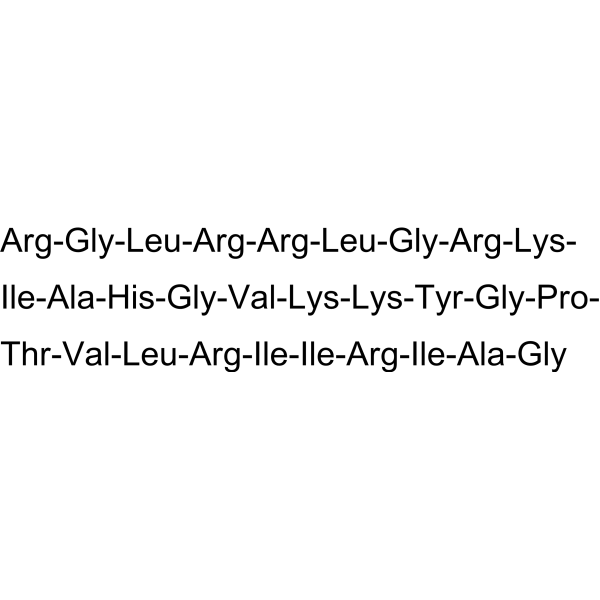
SMAP‑29 is a cathelicidin antimicrobial peptide with LPS‑binding and anti‑inflammatory properties. SMAP‑29 exerts broad‑spectrum antimicrobial activity against bacteria, fungi and multidrug‑resistant isolates. SMAP‑29 kills pathogens by permeabilizing bacterial membranes, inducing depolarization and cell lysis, and also inhibits inflammatory cytokines while reducing lethality in septic shock and pneumonia models. SMAP-29 can be used for research on bacterial infections, drug-resistant infections, septic shock .
loading...
    loading...
1
1 Cited Publications
Cat. No.: HY-125938
CAS No.: 21238-33-5
Purity:  98.98%
Synonyms: Cycloartenol ferulate; Cycloartenol ferulic acid ester
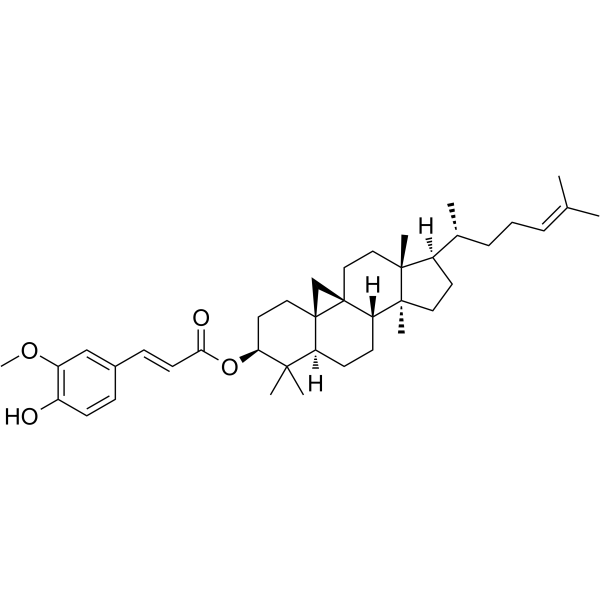
Cycloartenyl ferulate (Cycloartenol ferulate; Cycloartenol ferulic acid ester) is a derivative of γ-oryzanol (HY-B2194) with multiple biological activities including antioxidant, anti-inflammatory, and anti-tumor properties. Cycloartenyl ferulate selectively binds to IFNγR1 (binding affinity Kd = 0.5 μM) to activate the canonical JAK1/2-STAT1 signaling pathway. Cycloartenyl ferulate inhibits paraquat (PQ)-triggered apoptosis and ROS in HK2 cells. Cycloartenyl ferulate enhances the activation and cytolytic activity of natural killer (NK) cells by upregulating the expression of NK cell activation receptors (NKG2D, NKp30, NKp44) and the release of cytotoxic molecules and cytokine IFNγ. Cycloartenyl ferulate exerts anti-cancer effects in tumor mice models. Cycloartenyl ferulate can be used for the study of cancer and allergic inflammation intervention .
loading...
    loading...
1
1 Cited Publications
Cat. No.: HY-N6924
CAS No.: 80930-74-1
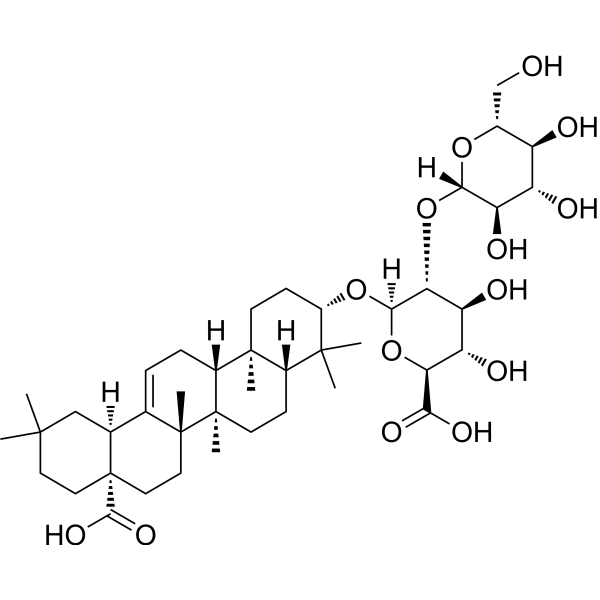
Zingibroside R1 is an orally active triterpene saponin with multiple biological activities including antioxidant, anti-inflammatory, antiviral, and metabolic regulatory properties. Zingibroside R1 reduces the expression of PIN family members, inhibits the expression of PLT1/PLT2, WOX5, SHR, and SCR, disrupts auxin transport and distribution, triggers plant ROS responses, and inhibits root growth. Zingibroside R1 extends the lifespan of Caenorhabditis elegans, enhances its heat stress resistance, and improves its motor ability. Hydrogel derivatives of Zingibroside R1 inhibit the proliferation of Candida albicans by binding to its β-1,3-glucan and exhibit antifungal activity. Zingibroside R1 inhibits GLUT1-mediated uptake and alleviates liver injury. Zingibroside R1 can be used in research related to neurodegenerative diseases, vulvovaginal candidiasis, acute liver injury, Ehrlich ascites tumor and HIV-1 infection .
loading...
    loading...
1
1 Cited Publications
Cat. No.: HY-18006
CAS No.: 177707-12-9
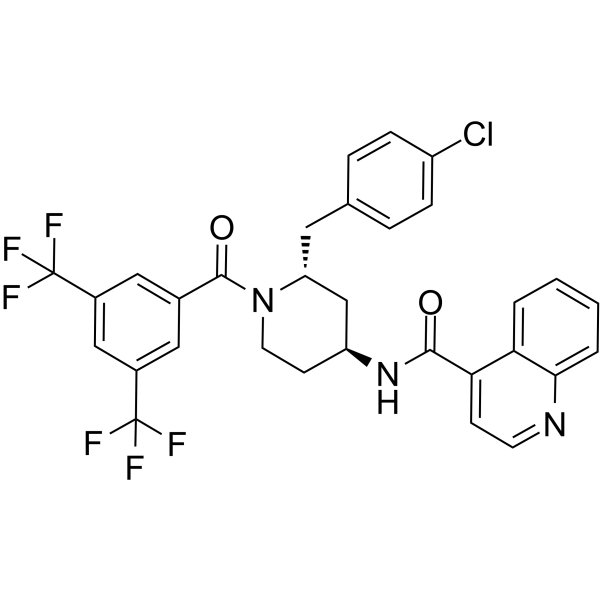
NKP608 is a non-peptidic derivative of 4-aminopiperidine, a highly selective, orally active, neurokinin-1 (NK1) receptor antagonist with IC50 of 2.6 nM. NKP608 is active both in vitro and in vivo, showing extremely low affinity for NK2, NK3 receptors. NKP608 exerts its effects by blocking the NK₁ receptor, regulate cell proliferation and apoptosis, affect neurotransmitter functions and gastric mucosal repair mechanisms, and suppress the Wnt/β-catenin pathway in antitumor research. NKP608 is applicable to research related to various diseases, including cough, anxiety disorders, depression, gastric mucosal injury, and colorectal cancer .
loading...
    loading...
Cat. No.: HY-D0838
CAS No.: 1119-94-4
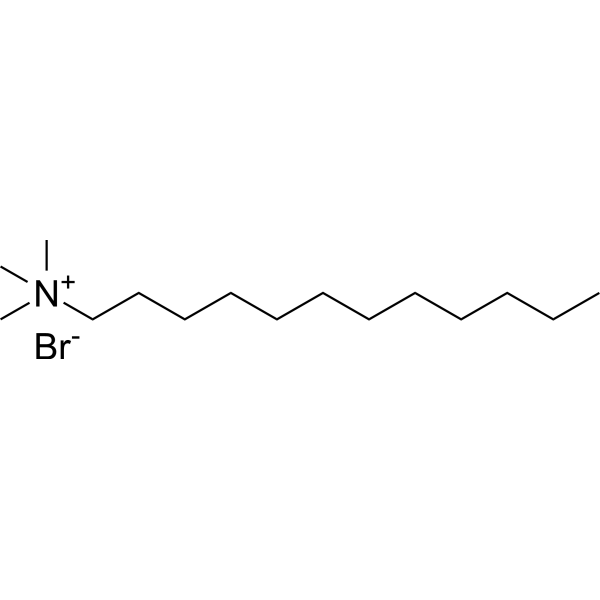
Dodecyltrimethylammonium bromide (DTAB) is a surfactant. Dodecyltrimethylammonium bromide interacts with DNA and changes the mechanical properties of DNA on binding and the specific binding parameters of the interaction .
loading...
    loading...
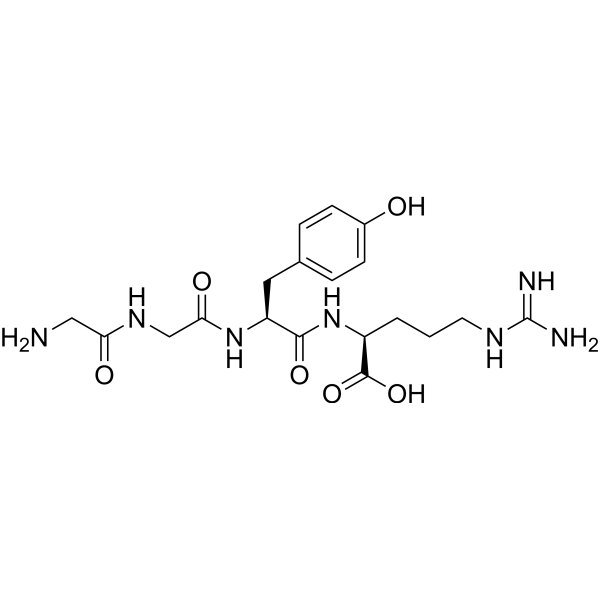
Cat. No.: HY-P1315
CAS No.: 70195-20-9
Synonyms: Glycylglycyl-L-tyrosyl-L-arginine
Target:  

Cathepsin

Research Areas:  

Others

Papain inhibitor (Glycylglycyl-L-tyrosyl-L-arginine) is a competitive papain-targeting enzyme inhibitor with a Ki of 9 μM. Papain inhibitor binds directly to the substrate binding site of papain, inhibiting substrate hydrolysis by the enzyme. Papain inhibitor functions as a component of an electrochemical probe for the detection of papain .
loading...
    loading...
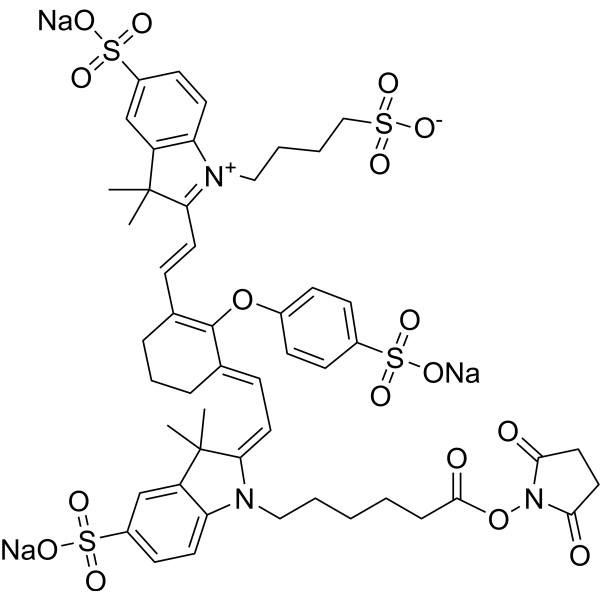
Cat. No.: HY-D1872
CAS No.: 956579-01-4
800CW NHS ester is a near-infrared fluorescent dye active ester that can conjugate with amine-containing small molecules, antibodies, peptides, and other substances to form fluorescent conjugates. 800CW NHS ester exhibits high fluorescence quantum yield and low non-specific binding properties. 800CW NHS ester can be used in biomedical research such as microbial infection imaging, tumor imaging, and biochemical detection .
loading...
    loading...
Cat. No.: HY-105042
CAS No.: 129954-34-3
Synonyms: Selanc; TP-7
Target:  

GABA Receptor

Research Areas:  

Neurological Disease

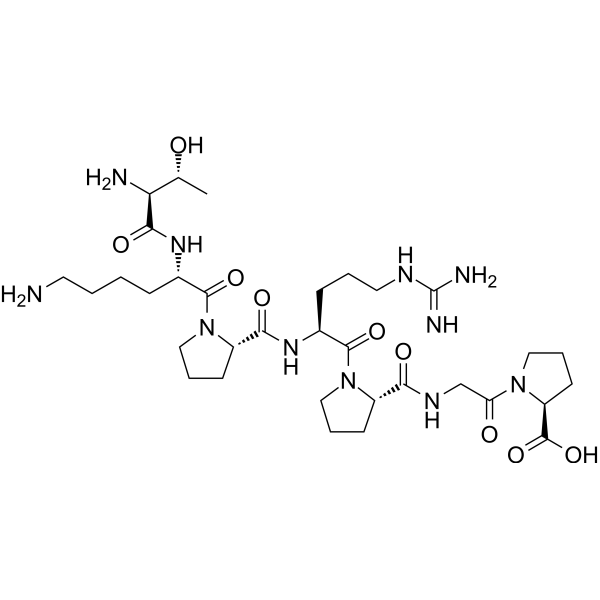
Selank (Selanc; TP-7) is a GABAA receptor modulator with anxiolytic activity. Selank allosterically modulates the specific binding of GABA to GABAA receptors and alters the affinity of endogenous ligands for these receptors. Selank reduces elevated anxiety levels, attenuates stress-induced exacerbation of anxiety, and produces a synergistic anxiolytic effect with diazepam. Selank can be used in the research of anxiety disorders .
loading...
    loading...
Cat. No.: HY-W115727B
CAS No.: 9003-05-8
Synonyms: PAM,Anion,Mw 18 million
Polyacrylamide,Anion,Mw 18 million (PAM,Anion,Mw 18 million) is a multifunctional high molecular weight anionic polyacrylamide copolymer. The anionic properties of Polyacrylamide,Anion,Mw 18 million enable it to be used as a flocculant to achieve charge neutralization and aggregation, while its high molecular weight properties provide viscoelastic properties for fluid applications. Polyacrylamide series materials can maintain enzyme activity in enzyme immobilization, act as drug carriers to achieve controlled release, serve as smart materials responding to temperature/pH stimuli, and be used for in vitro toxin adsorption and soft tissue filling through mechanisms such as physical entrapment, covalent binding or chemical crosslinking. Polyacrylamide finds applications in biomedical engineering, environmental management and industrial applications .
loading...
    loading...
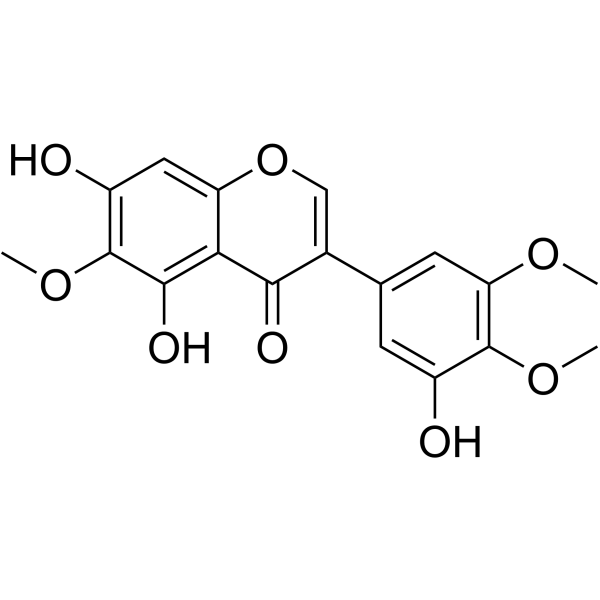
Cat. No.: HY-N2587
CAS No.: 548-76-5
Irigenin is a is a lead compound, and mediates its anti-metastatic effect by specifically and selectively blocking α9β1 and α4β1 integrins binding sites on C-C loop of Extra Domain A (EDA). Irigenin shows anti-cancer properties. It sensitizes TRAIL-induced apoptosis via enhancing pro-apoptotic molecules in gastric cancer cells .
loading...
    loading...
Cat. No.: HY-154644
CAS No.: 8030-76-0
Research Areas:  

Cancer

Soya Lecithin is a phospholipid mixture that can be used as a drug delivery vehicle and is a pharmaceutical excipient. Soya Lecithin can form a lipid bilayer structure through self-assembly, and its binding properties are amphiphilic (hydrophilic head and hydrophobic tail), encapsulating hydrophobic drugs. Soya Lecithin forms stable nanoliposomes or microemulsions, improves the solubility and cellular uptake efficiency of poorly soluble drugs (such as Curcumin (HY-N0005)), and exerts activities such as enhancing drug delivery and regulating cell proliferation .
loading...
    loading...
Cat. No.: HY-130000
CAS No.: 2245231-10-9
Purity:  99.76%
Synonyms: STP0404
Target:  

HIV Integrase HIV

Research Areas:  

Infection

Pirmitegravir is a potent and first-in-class inhibitor of allosteric integrase (ALLINI) that targets LEDGF/p75 binding site. Pirmitegravir displays picomolar IC50 in human PBMCs with a >24,000 therapeutic index against HIV-1. Pirmitegravir harbors outstanding anti-virus and safety properties .
loading...
    loading...
Cat. No.: HY-120959
CAS No.: 73025-02-2
Purity:  98.45%
Research Areas:  

Infection

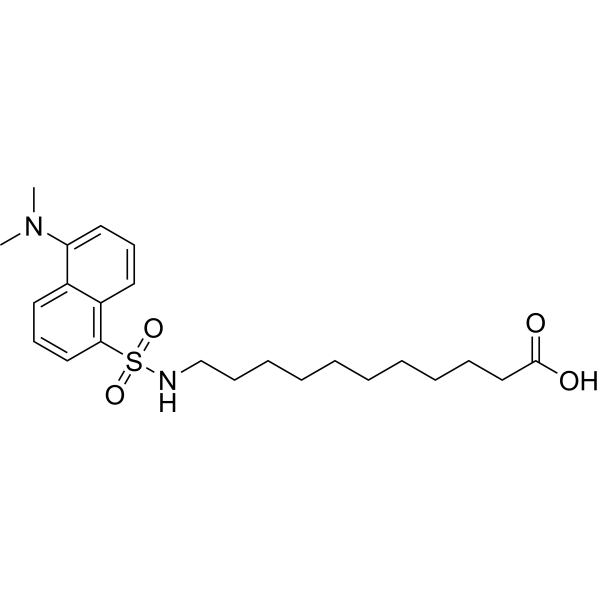
DAUDA is a fluorescent fatty acid analog probe, with Kd values of 0.63 μM, 0.82 μM, and 0.66 μM against subtypes/mutants of Schistosoma mansoni Sm14 fatty acid-binding protein, respectively. DAUDA binds to Sm14 fatty acid-binding protein variants, enters their non-polar binding pockets and alters fluorescence emission properties. DAUDA serves as a tracer in competitive binding assays with natural fatty acids to evaluate the fatty acid-binding capacity of Sm14 protein variants. DAUDA is applicable to the research of schistosomiasis .
loading...
    loading...
Cat. No.: HY-162865
CAS No.: 389629-38-3
Target:  

FGFR

Research Areas:  

Cancer

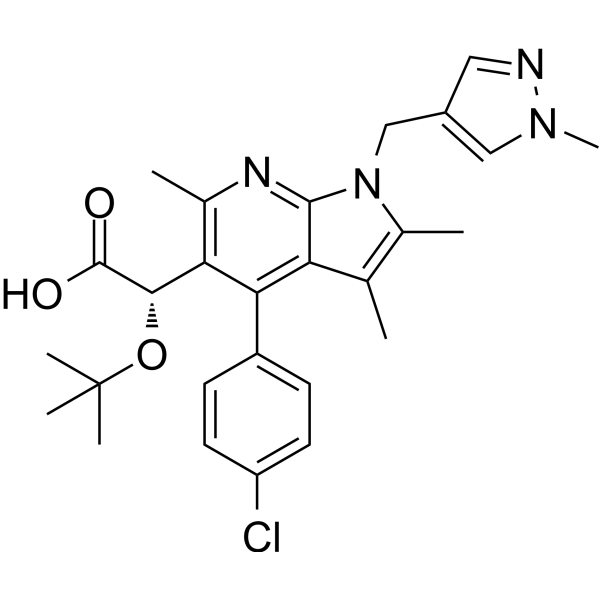
FGFR2-IN-3 is an inhibitor of fibroblast growth factor receptor 2 (FGFR2). FGFR2-IN-3 has good binding properties, forming key interactions and inducing conformational changes in FGFR2. FGFR2-IN-3 can be used for research on tumors .
loading...
    loading...
Cat. No.: HY-13756R
CAS No.: 104987-11-3
Synonyms: FK506 (Standard); Fujimycin (Standard); FR900506 (Standard)
Tacrolimus (Standard) (FK506 (Standard); Fujimycin (Standard); FR900506 (Standard)) is the analytical standard of Tacrolimus (HY-13756). This product is intended for research and analytical applications. Tacrolimus (FK506), a molecular glue, a macrocyclic lactone, binds to FK506 binding protein (FKBP) to form a complex. Tacrolimus inhibits calcineurin phosphatase, which inhibits T-lymphocyte signal transduction and IL-2 transcription. Immunosuppressive properties .
loading...
    loading...
Cat. No.: HY-16261A
CAS No.: 151038-96-9
Synonyms: (E/Z)-Aldoxorubicin; Doxorubicin(6-maleimidocaproyl)hydrazone
Research Areas:  

Cancer

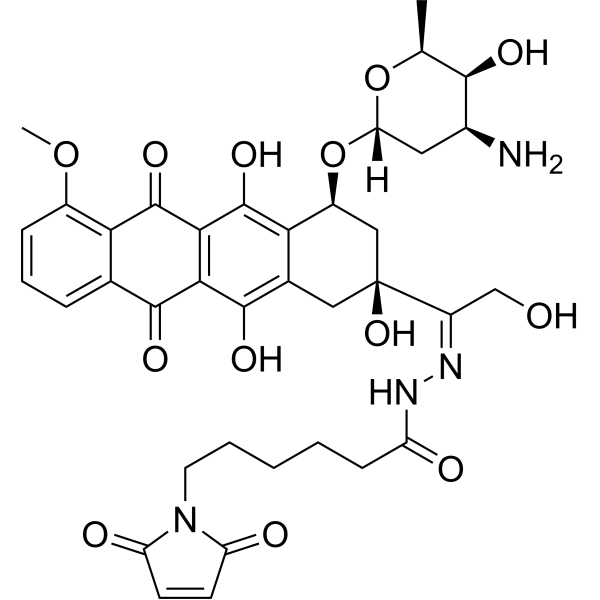
MC-DOXHZN ((E/Z)-Aldoxorubicin; Doxorubicin(6-maleimidocaproyl)hydrazone) is an albumin-binding proagent of Doxorubicin (HY-15142A) (DNA topoisomerase II inhibitor), with acid-sensitive properties. MC-DOXHZN can be used to synthesize ADC .
loading...
    loading...
Cat. No.: HY-164574
CAS No.: 2565792-45-0
BCN-DOTA is a cyclooctyne-linked DOTA chelator. BCN-DOTA integrates BCN and DOTA, enabling conjugation with azide-functionalized groups via the click chemistry properties of BCN, while binding to metal ions through the coordination capacity of DOTA. BCN-DOTA can serve as a radionuclide-drug conjugate (RDC) to target specific biomolecules, cells or tissues after radiolabeling with zirconium-89. BCN-DOTA is applicable to research related to PET imaging and targeted therapy .
loading...
    loading...

