416 Results for "

conversion

" in MedChemExpress (MCE) Product Catalog:
Products (416)

416 Results for "conversion" in MCE Product Catalog:

4
4 Cited Publications
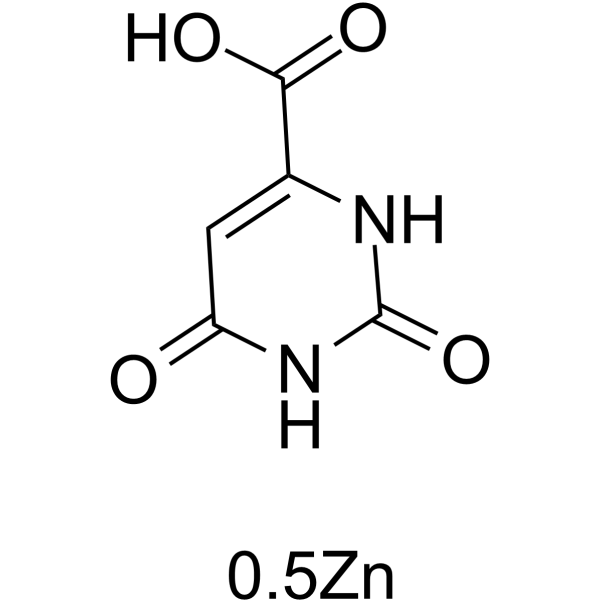
Cat. No.: HY-N0157A
CAS No.: 68399-76-8
Synonyms: 6-Carboxyuracil zinc; Vitamin B13 zinc
Orotic acid (zinc), a precursor in biosynthesis of pyrimidine nucleotides and RNA, is released from the mitochondrial dihydroorotate dehydrogenase (DHODH) for conversion to UMP by the cytoplasmic UMP synthase enzyme. Orotic acid (zinc) is a marker for measurement in routine newborn screening for urea cycle disorders. Orotic acid (zinc) can induce hepatic steatosis and hepatomegaly in rats .
loading...
    loading...
4
4 Cited Publications
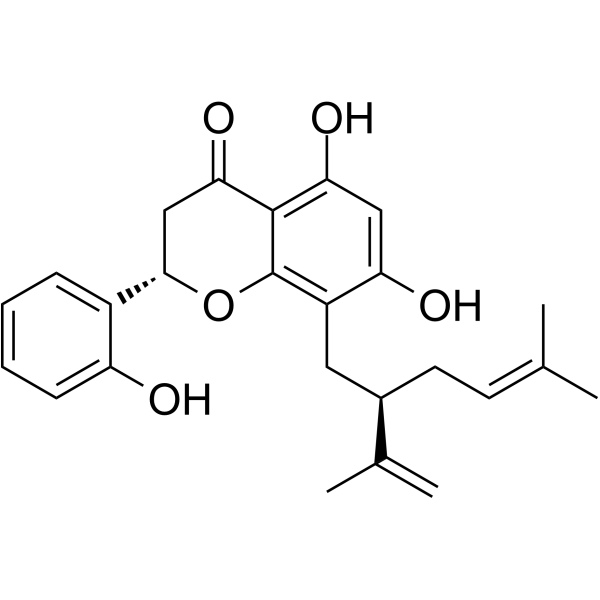
Cat. No.: HY-N2278
CAS No.: 99217-63-7
Synonyms: Leachianone E
Kushenol A (Leachianone E) is isolated from the root of Sophora flavescent. Kushenol A is a non-competitive tyrosinase inhibitor to block the conversion of L-tyrosine to L-DOPA, shows IC50 and Kivalues of 1.1 μM and 0.4 μM, respectively . Kushenol A is a flavonoid antioxidant, has inhibitory effects on alpha-glucosidase (IC50: 45 μM; Ki: 6.8 μM) and β-amylase . Kushenol A is confirmed as potential inhibitors of enzymes targeted by cosmetics for skin whitening and aging .
loading...
    loading...
4
4 Cited Publications
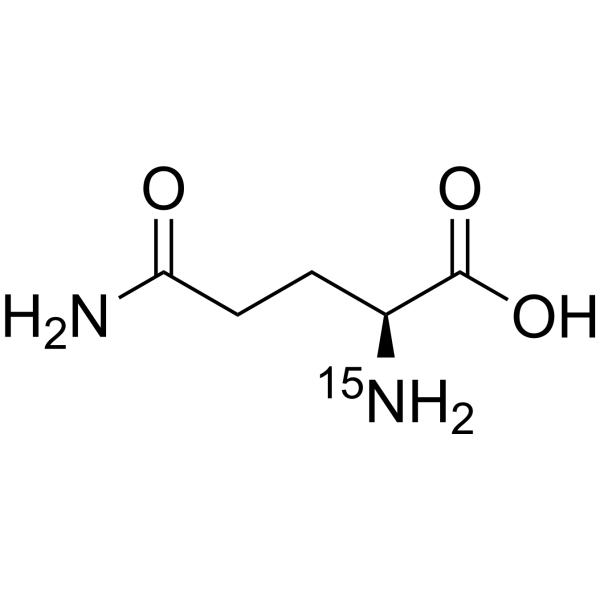
Cat. No.: HY-N0390S
CAS No.: 80143-57-3
Synonyms: L-Glutamic acid 5-amide-15N
L-Glutamine- 15N is the 15N-labeled L-Glutamine (HY-N0390). L-Glutamine is an orally active nutritional agent and cellular metabolism regulator. L-Glutamine is taken up in a Na +-dependent manner and targets multiple key molecules including glutaminase, mTORC1, NF-κB, STAT-3 and HIF-1α. L-Glutamine enhances glutaminolytic catabolism, drives the conversion of glutamate to α-ketoglutarate, thereby regulating gene expression, integrating metabolic signals, mediating glutamine flux and maintaining redox homeostasis. L-Glutamine also promotes cell proliferation, osteogenic differentiation and fracture healing, exerts neuroprotective and cardioprotective effects, and inhibits osteoarthritis. L-Glutamine can be applied to research related to osteoporosis, osteoarthritis, ischemic stroke and acute cantharidin-induced cardiotoxicity .
loading...
    loading...
4
4 Cited Publications
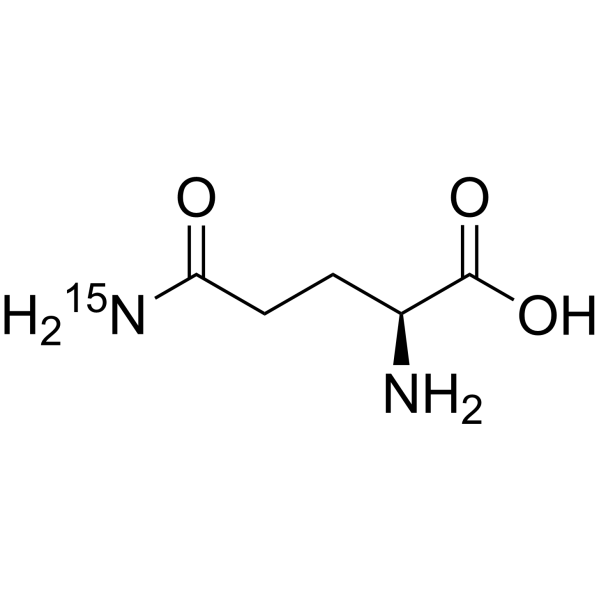
Cat. No.: HY-N0390S9
CAS No.: 59681-32-2
Synonyms: L-Glutamic acid 5-amide-15N-1
L-Glutamine- 15N-1 is the 15N-labeled L-Glutamine (HY-N0390). L-Glutamine is an orally active nutritional agent and cellular metabolism regulator. L-Glutamine is taken up in a Na +-dependent manner and targets multiple key molecules including glutaminase, mTORC1, NF-κB, STAT-3 and HIF-1α. L-Glutamine enhances glutaminolytic catabolism, drives the conversion of glutamate to α-ketoglutarate, thereby regulating gene expression, integrating metabolic signals, mediating glutamine flux and maintaining redox homeostasis. L-Glutamine also promotes cell proliferation, osteogenic differentiation and fracture healing, exerts neuroprotective and cardioprotective effects, and inhibits osteoarthritis. L-Glutamine can be applied to research related to osteoporosis, osteoarthritis, ischemic stroke and acute cantharidin-induced cardiotoxicity .
loading...
    loading...
3
3 Cited Publications
Cat. No.: HY-A0132
CAS No.: 7512-17-6
Synonyms: N-Acetyl-2-amino-2-deoxy-D-glucose
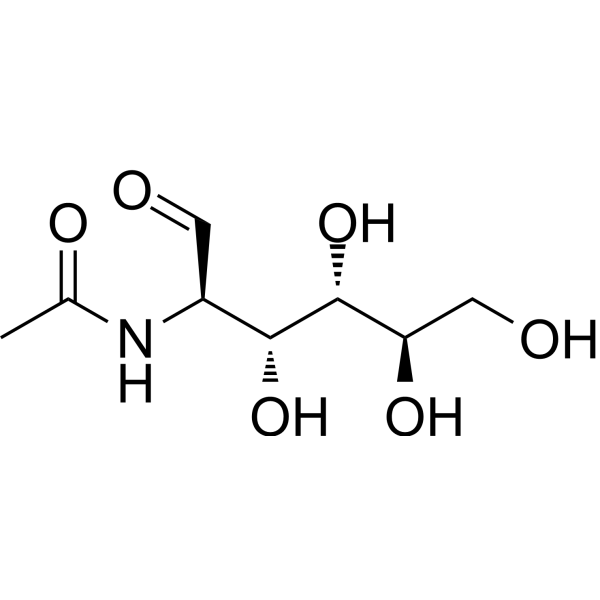
N-Acetyl-D-Glucosamine (N-Acetyl-2-amino-2-deoxy-D-glucose), the D isomer of N-acetylglucosamine, is an orally active monosaccharide derivative of glucose with anti-tumor and anti-inflammation properties. N-Acetyl-D-Glucosamine is also a bacterial metabolite, which is found in Escherichia coli. N-Acetyl-D-Glucosamine can induce yeast-mycelial conversion in Candida albicans. N-Acetyl-D-Glucosamine also enhances healing of cartilaginous injuries in rabbits .
loading...
    loading...
3
3 Cited Publications
Cat. No.: HY-113293A
CAS No.: 1240-04-6
Purity:  99.45%
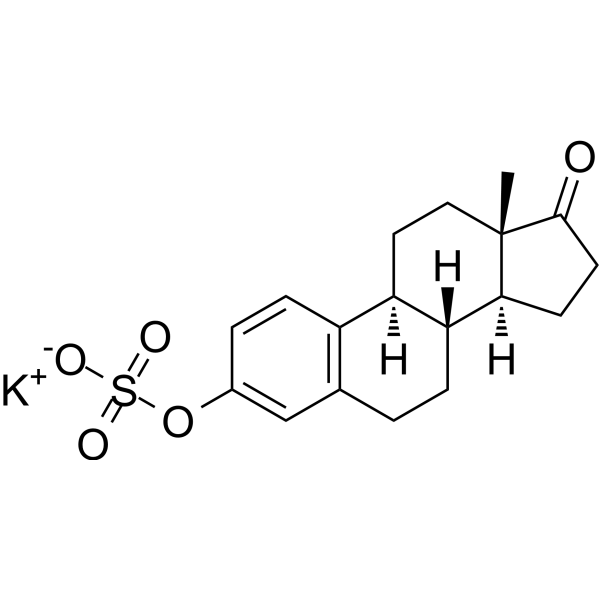
Estrone sulfate potassium is an inactive endogenous estrogen that can be converted into Estrone (HY-B0234) and Estradiol (HY-B0141). Estrone sulfate potassium is also a substrate of the OATP1B3 transporter. Estrone sulfate potassium can be converted into Estrone and Estradiol in normal mammary parenchymal cells. Estrone sulfate potassium stimulates the growth of nitrosomethylurea-induced mammary tumors in ovariectomized rats and the colony formation of dispersed nitrosomethylurea mammary cells, with conversion into Estrone and Estradiol occurring both in vivo and in vitro during this process. Estrone sulfate potassium is applicable to breast cancer-related research .
loading...
    loading...
3
3 Cited Publications
Cat. No.: HY-113293B
CAS No.: 438-67-5
Purity:  99.84%
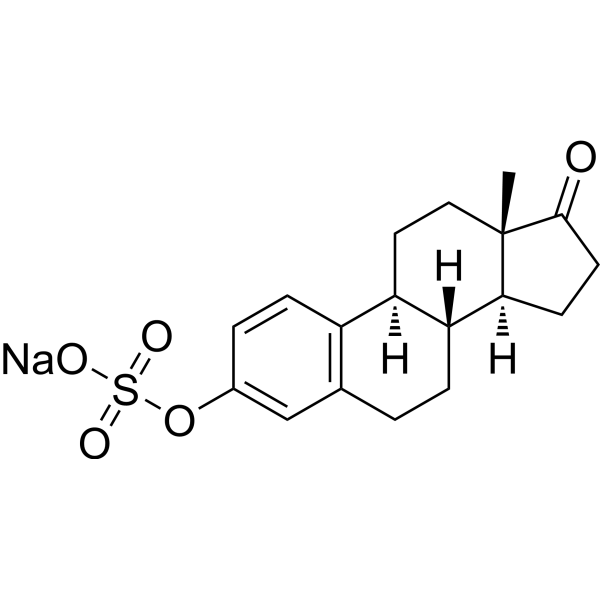
Estrone sulfate sodium is an inactive endogenous estrogen that can be converted into Estrone (HY-B0234) and Estradiol (HY-B0141). Estrone sulfate sodium is also a substrate of the OATP1B3 transporter. Estrone sulfate sodium can be converted into Estrone and Estradiol in normal mammary parenchymal cells. Estrone sulfate sodium stimulates the growth of nitrosomethylurea-induced mammary tumors in ovariectomized rats and the colony formation of dispersed nitrosomethylurea mammary cells, with conversion into Estrone and Estradiol occurring both in vivo and in vitro during this process. Estrone sulfate sodium is applicable to breast cancer-related research .
loading...
    loading...
3
3 Cited Publications
Cat. No.: HY-D0837
CAS No.: 288-32-4
Synonyms: Glyoxaline; 1,3-Diaza-2,4-cyclopentadiene
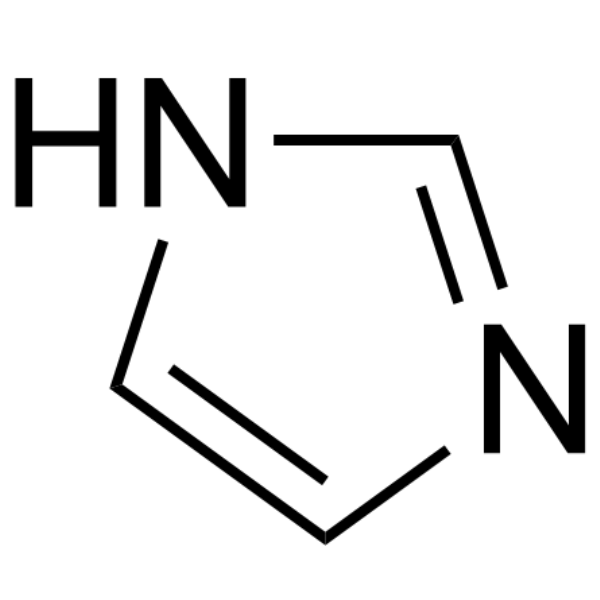
Imidazole (Glyoxaline; 1,3-Diaza-2,4-cyclopentadiene) is a heterocyclic aromatic compound. Imidazole bearing molecules have been used as corrosion, acetylcholinesterase (AChEI) and xanthine oxidase (XO) inhibitors, performing biological activities such as antifungal, antituberculosis, anti-inflammatory, antioxidant, and analgesic, amongst many others. Imidazole inhibits the enzymatic conversion of the endoperoxides (PGG2 and PGH2) to thromboxane A2 by platelet microsomes. Imidazole derivatives exhibits inhibition on SARS-CoV-2 3CL Pro enzyme, which is promising for research in the field of Alzheimer’s disease, gout, COVID-19 and thrombo-embolic disease .
loading...
    loading...
2
2 Cited Publications
Cat. No.: HY-134757
CAS No.: 9028-72-2
Target:  

Endogenous Metabolite

Research Areas:  

Others

Lactate oxidase (EC 1.13.12.4) belongs to a group of FMN-dependent enzymes and they catalyze a conversion of lactate to pyruvate with a release of hydrogen peroxide. Lactate oxidase can be used in the detection of Lactate .
loading...
    loading...
2
2 Cited Publications
Cat. No.: HY-22024
CAS No.: 491-78-1
Synonyms: 5-OH-Flavone
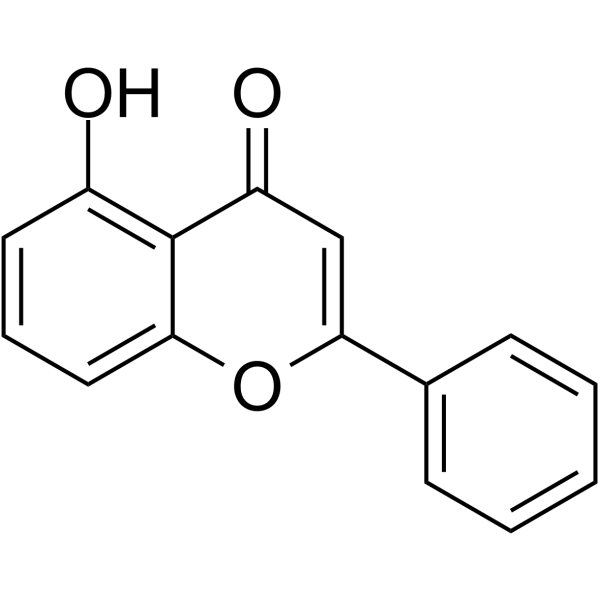
5-Hydroxyflavone (5-OH-Flavone) is a flavonoid compound that undergoes oxidation-mediated conversion to 5,7-dihydroxyflavone and 5,6,7-trihydroxyflavone by human cytochrome P450 enzymes .
loading...
    loading...
2
2 Cited Publications
Cat. No.: HY-B0293A
CAS No.: 64872-76-0
Target:  

Fungal

Research Areas:  

Infection

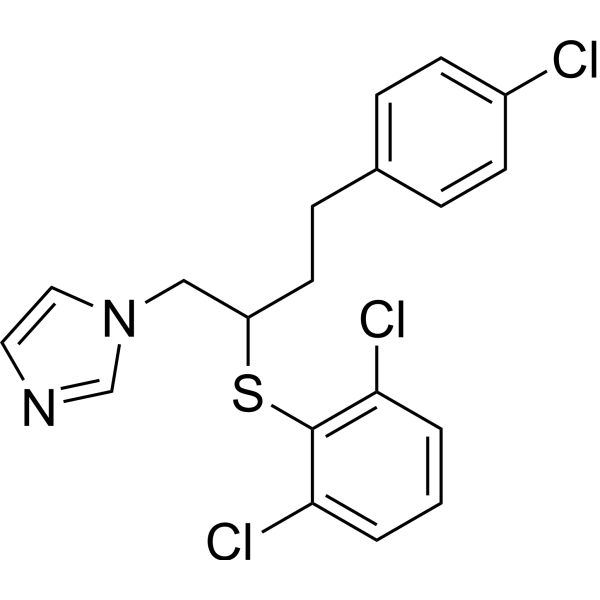
Butoconazole, an imidazole antifungal agent, is active against Candida spp. and effective against vaginal infections due to Candida albicans. Butoconazole is presumed to function as other imidazole derivatives via inhibition of steroid synthesis .
loading...
    loading...
2
2 Cited Publications
Cat. No.: HY-B0831
CAS No.: 69327-76-0
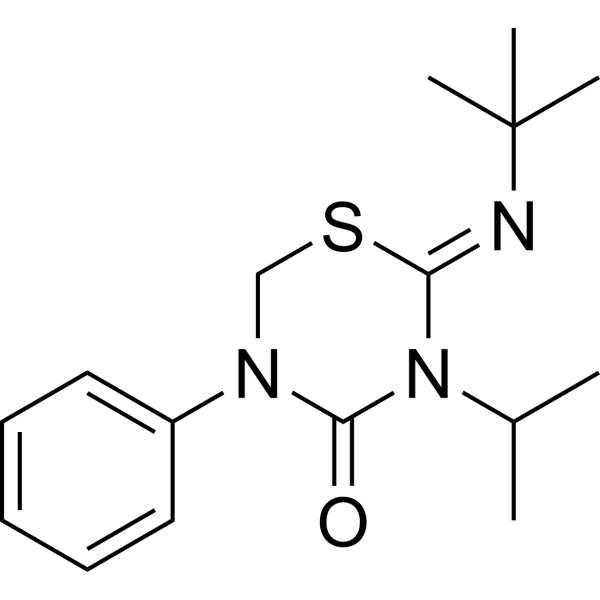
Buprofezin is a broad-spectrum insecticide and chitin synthesis inhibitor that targets developmental stage coleopteran pests.Buprofezin promotes the conversion of energy metabolism from the aerobic tricarboxylic acid (TCA) cycle and oxidative phosphorylation to anaerobic glycolysis. Buprofezin also promotes the production of reactive oxygen species (ROS) by inhibiting cytochrome c oxidase .
loading...
    loading...
2
2 Cited Publications
Cat. No.: HY-B0343C
CAS No.: 91296-87-6
Target:  

Bacterial

Sarafloxacin hydrochloride 100 μg/mL in methanol is an antibiotic with activity to inhibit bacterial growth. Sarafloxacin hydrochloride 100 μg/mL in methanol is widely used in veterinary medicine to inhibit bacterial infections. The mechanism of action of Sarafloxacin hydrochloride 100 μg/mL in methanol is mainly achieved by inhibiting the activity of bacterial DNA gyrase. Sarafloxacin hydrochloride 100 μg/mL in methanol is also used in animal feed to improve feed conversion and promote growth.
loading...
    loading...
2
2 Cited Publications
Cat. No.: HY-B1826
CAS No.: 106941-25-7
Synonyms: GS-0393; PMEA
Research Areas:  

Infection

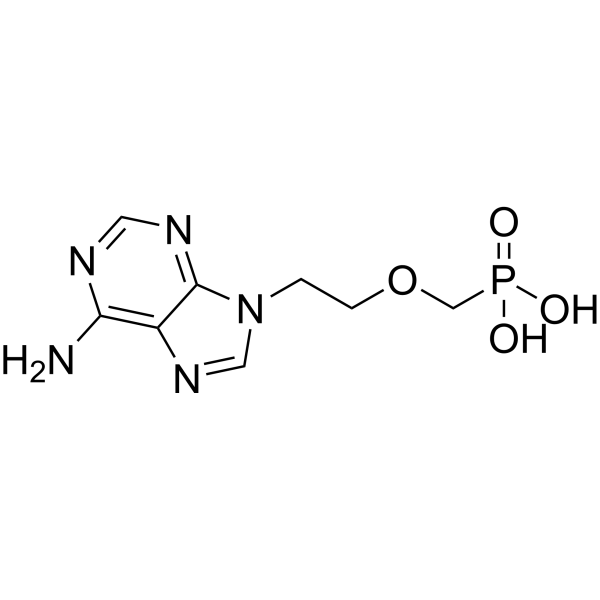
Adefovir (GS-0393) is an adenosine monophosphate analog antiviral agent that after intracellular conversion to Adefovir diphosphate inhibits HBV DNA polymerase. Adefovir has an IC50 of 0.7 μM against HBV in the HepG2.2.15 cell line. Adefovir has good antiviral activity against several viruses, including HBV and herpesviruses .
loading...
    loading...
1
1 Cited Publications
Cat. No.: HY-106697
CAS No.: 72702-95-5
Purity:  99.51%
Synonyms: ICI 128436
Target:  

Aldose Reductase

Research Areas:  

Metabolic Disease

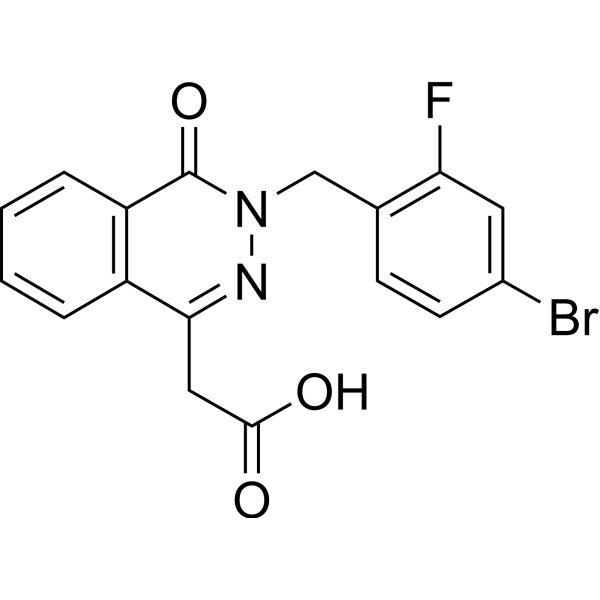
Ponalrestat (ICI 128436) is an orally active, selective and noncompetitive aldose reductase (AKR1B1; ALR) inhibitor. Ponalrestat selectively inhibits ALR2 (Ki=7.7 nM) over ALR1 (Ki=60 μM). Ponalrestat inhibits the conversion of glucose to sorbitol .
loading...
    loading...
1
1 Cited Publications
Cat. No.: HY-P2809
CAS No.: 9001-64-3
Synonyms: MDH; EC 1.1.1.37
Research Areas:  

Metabolic Disease

Malate dehydrogenase (EC 1.1.1.37) (MDH) catalyzes the mutual conversion of oxaloacetate and malate, and is associated with the oxidation/reduction of dinucleotide coenzymes .
loading...
    loading...
1
1 Cited Publications
Cat. No.: HY-133624
CAS No.: 3475-39-6
Purity:  ≥98.0%
Target:  

Drug Metabolite

Research Areas:  

Cancer

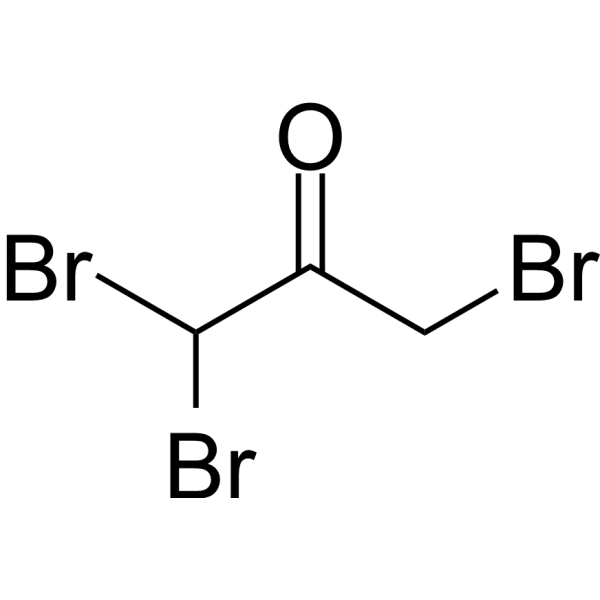
1,1,3-Tribromoacetone is an impurity of Methotrexate (HY-14519) . Methotrexate, an antimetabolite and antifolate agent, inhibits the enzyme dihydrofolate reductase, thereby preventing the conversion of folic acid into tetrahydrofolate, and inhibiting DNA synthesis .
loading...
    loading...
1
1 Cited Publications
Cat. No.: HY-101535
CAS No.: 849773-63-3
Purity:  99.39%
Target:  

Atg8/LC3 MMP

Research Areas:  

Cancer

ARP101 is a potent and selective inhibitor matrix metalloproteinase-2 (MMP-2). ARP101 induces autophagy-associated cell death in cancer cells. ARP101 is effective in inducing the formation of autophagosome and conversion of LC3I into LC3II .
loading...
    loading...
1
1 Cited Publications
Cat. No.: HY-109058
CAS No.: 648927-86-0
Purity:  ≥98.0%
Synonyms: QGC001; RB150
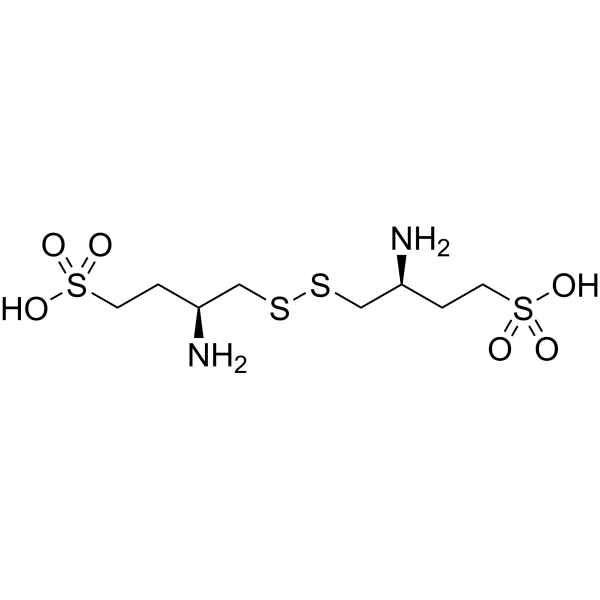
Firibastat (QGC001), an orally active brain penetrating proagent of EC33, is a first-in-class brain aminopeptidase A (APA) inhibitor (Ki=200 nM). Firibastat selectively and specifically inhibits conversion of brain angiotensin-II into angiotensin-III and decreases blood pressure in hypertensive rats .
loading...
    loading...
1
1 Cited Publications
Cat. No.: HY-16274
CAS No.: 189060-13-7
Synonyms: TAK-475
Target:  

Farnesyl Transferase

Research Areas:  

Metabolic Disease

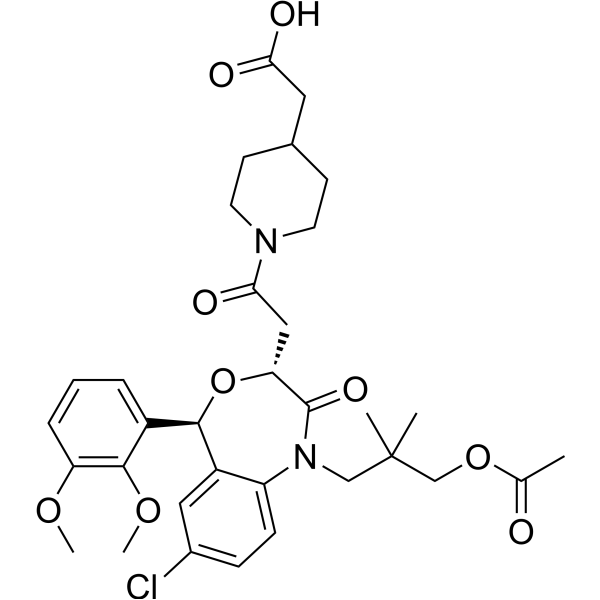
Lapaquistat acetate (TAK-475) is a squalene synthase inhibitor, blocking the conversion of farnesyl diphosphate (FPP) to squalene in the cholesterol biosynthesis pathway . Lapaquistat acetate is effective at lowering low-density lipoprotein cholesterol, but it might cause liver damage. Lapaquistat acetate is used for hypercholesterolemia and mevalonate kinase deficiency (MKD) research .
loading...
    loading...

