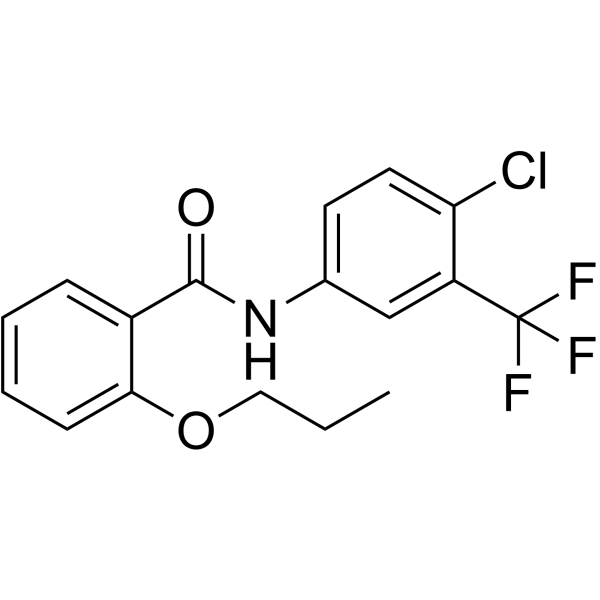
258 Results for "

brain function

" in MedChemExpress (MCE) Product Catalog:
Products (258)

258 Results for "brain function" in MCE Product Catalog:

1
1 Cited Publications
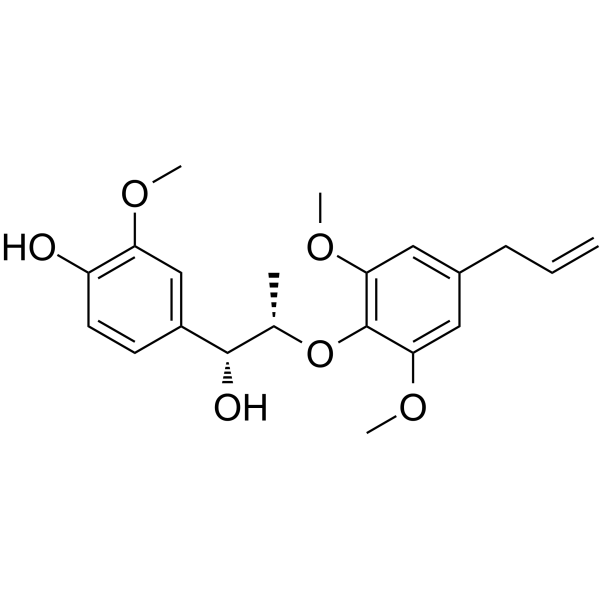
Cat. No.: HY-N0608
CAS No.: 171485-39-5
Myrislignan is a PI3K/AKT/NF-κB inhibitor that can cross the blood-brain barrier. Myrislignan exerts anticancer activity by inducing apoptosis and ferroptosis. Myrislignan inhibits the replication and invasion of Toxoplasma gondii; it induces reactive oxygen species (ROS) imbalance, autophagy, and the death of Toxoplasma gondii tachyzoites. Myrislignan inhibits mitochondrial function and ERK1/2 phosphorylation to improve ovariectomy-induced osteoporosis. Myrislignan can be used in studies related to gastric cancer, glioblastoma, osteoporosis, and toxoplasmosis .
loading...
    loading...
1
1 Cited Publications
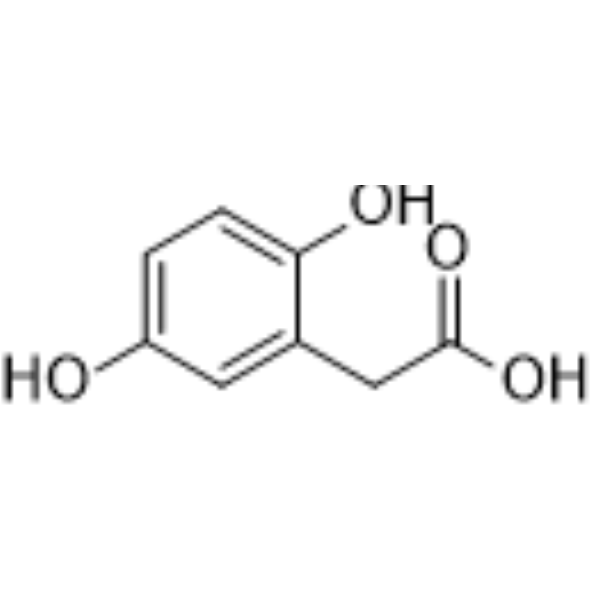
Cat. No.: HY-113283
CAS No.: 451-13-8
Purity:  99.46%
Homogentisic acid is an orally active, blood-brain barrier-permeable amyloidogenic compound that functions as both an amyloid component and a pigment precursor. Accumulation of homogentisic acid downregulates tight junction proteins (such as claudin-5, occludin, ZO-1) and impairs blood-brain barrier integrity. Homogentisic acid and its oxidation product benzoquinone acetic acid not only induce the aggregation and fibrosis of multiple proteins (such as 1-42, α-synuclein, SAA, Transthyretin (TTR), atrial natriuretic peptide), but also trigger oxidative stress, damage to the Wnt/β-catenin pathway, and neurotoxicity, leading to ochronosis pigment deposition and synaptic dysfunction. At specific concentrations, homogentisic acid exerts no cytotoxicity or genotoxicity on human peripheral blood lymphocytes, and even counteracts the genotoxicity induced by Irinotecan (HY-16562). Homogentisic acid serves as an important tool molecule for investigating the mechanisms of diseases including ochronosis, secondary amyloidosis, Alzheimer's disease, and colorectal cancer .
loading...
    loading...
1
1 Cited Publications
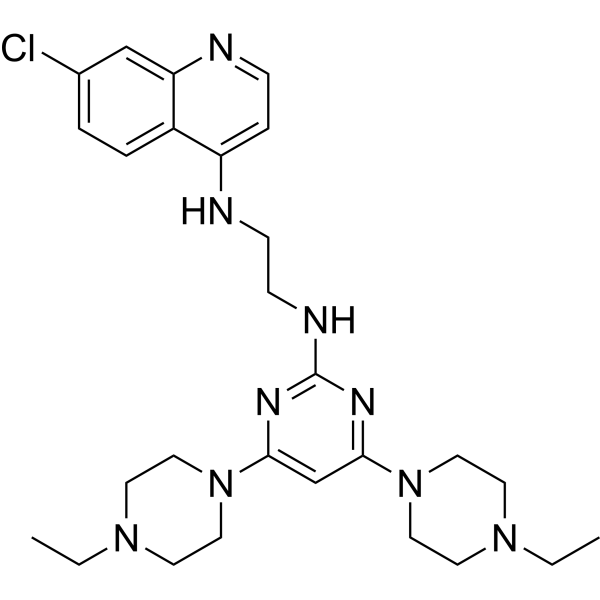
Cat. No.: HY-155659
Purity:  99.86%
Research Areas:  

Neurological Disease

4A7C-301 is a blood-brain barrier-permeable Nurr1 agonist, with IC50 values of 48.22 nM and 107.71 nM for binding to Nurr1-LBD in the [ 3H]-CQ competition assay and TR-FRET assay, respectively. The EC50 of 4A7C-301 for activating Nurr1 transcriptional activity is 6.53 μM, and its EC50 in N27-A dopaminergic cells is approximately 0.2 μM. 4A7C-301 binds directly to Nurr1-LBD, enhances the transcriptional function of Nurr1, and restores the reduction of Nurr1 protein induced by MPP + or αSyn. 4A7C-301 alleviates oxidative stress and mitochondrial dysfunction, protects midbrain dopaminergic neurons, inhibits microglial activation, and restores impaired autophagic flux. 4A7C-301 can be used in studies related to neuroprotection and Parkinson's disease .
loading...
    loading...
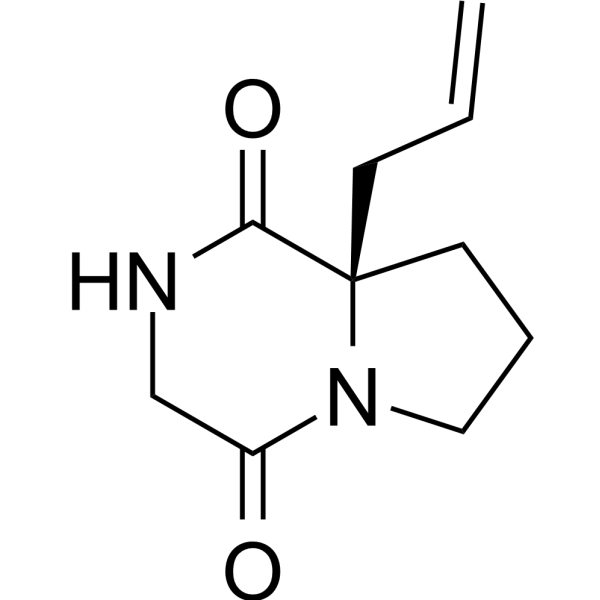
Cat. No.: HY-148195
CAS No.: 847952-38-9
Purity:  99.98%
Synonyms: NNZ-2591
Research Areas:  

Neurological Disease

Ercanetide (NNZ 2591) is a synthetic analogue of a small peptide of cyclic glycine proline (cGP). Ercanetide shows orally active and cross the blood-brain barrier. Ercanetide shows neuroprotective after ischemic brain injury. NNZ 2591 improves motor function in a rat model of Parkinson's disease. Ercanetide has the potential for the research of ischemic brain injury and angelman syndrome .
loading...
    loading...
Cat. No.: HY-116673
CAS No.: 709676-56-2
Purity:  99.39%
Research Areas:  

Neurological Disease

TTK21 is an activator of the histone acetyltransferases CBP/p300. TTK21 passes the blood–brain barrier, induces no toxicity, and reaches different parts of the brain when conjugated to glucose-based carbon nanosphere (CSP). TTK21 has beneficial implications for the brain functions of neurogenesis and long-term memory .CSP-TTK21 can ameliorate Aβ-impaired long-term potentiation (LTP). CSP-TTK21 may enhance the transcription of genes that promote synaptic health and cognitive function . CSP-TTK21 is orally effective and leads to improvements in motor functions, histone acetylation dynamics in a spinal injury rat model .
loading...
    loading...
Cat. No.: HY-B0315R
CAS No.: 68-19-9
Synonyms: Cyanocobalamin (Standard)
Vitamin B12 (Standard) is the analytical standard of Vitamin B12. This product is intended for research and analytical applications. Vitamin B12 is a vitamin. Vitamin B12 plays a key role in the normal functioning of the brain and nervous system, and for the formation of blood .
loading...
    loading...
Cat. No.: HY-B2167R
CAS No.: 6217-54-5
Synonyms: DHA (Standard); Cervonic acid (Standard)
Docosahexaenoic acid (Standard) is the analytical standard of Docosahexaenoic acid. This product is intended for research and analytical applications. Docosahexaenoic Acid (DHA) is an omega-3 fatty acid abundantly present brain and retina. It can be obtained directly from fish oil and maternal milk. In Vitro: Docosahexaenoic acid (DHA) is essential for the growth and functional development of the brain in infants. DHA is also required for maintenance of normal brain function in adults. The inclusion of plentiful DHA in the diet improves learning ability and memory . DHA is an essential requirement in every step of brain development like neural cell proliferation, migration, differentiation, synaptogenesis. The multiple double bonds and unique structure allow DHA to impart special membrane characteristics for effective cell signaling. Many development disorders like dyslexia, autism spectrum disorder, attention deficit hyperactivity disorder, schizophrenia etc. are causally related to decreased level of DHA . DHA is a potent RXR ligand inducing robust RXR activation already at low micro molar concentrations. The EC50 for RXRα activation by DHA is about 5-10 μM fatty acid . In Vivo: Docosahexaenoic acid administration over 10 weeks significantly reduces the number of reference memory errors, without affecting the number of working memory errors, and significantly increases the docosahexaenoic acid content and the docosahexaenoic acid/arachidonic acid ratio in both the hippocampus and the cerebral cortex . DHA treatment exerts neuroprotective actions on an experimental mouse model of PD. There is a decrease tendency in brain lipid oxidation of MPTP mice but it does not significantly .
loading...
    loading...
Cat. No.: HY-B0315A
Synonyms: Biotin-Cyanocobalamin B12
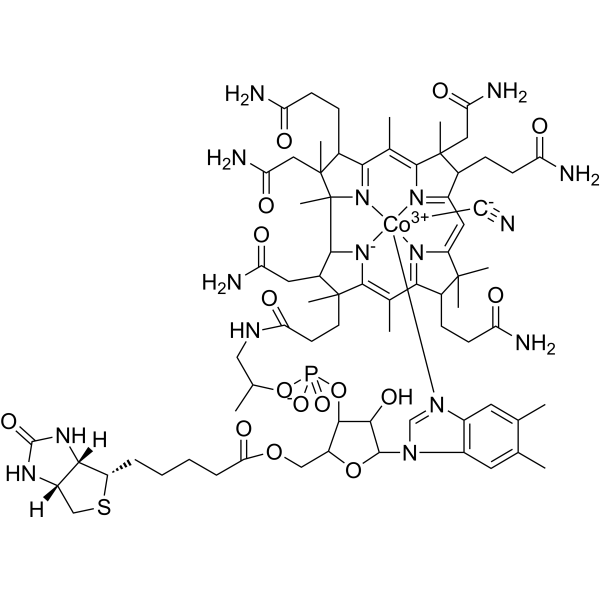
Biotin-Vitamin B12 (Biotin-Cyanocobalamin B12) is the biotinylated Vitamin B12 (HY-B0315). Vitamin B12 is a vitamin that can pass through the blood-brain barrier. Vitamin B12 plays a key role in the normal functioning of the brain and nervous system, and for the formation of blood. Vitamin B12 is beneficial for many inflammatory diseases and also provides protection in oxidative-stress-associated pathologies. Biotin-Vitamin B12 can be used in researches on vitamin B12 transport, cellular uptake, targeted delivery, analytical detection, and other areas .
loading...
    loading...
Cat. No.: HY-B0762S
CAS No.: 1334532-17-0
Synonyms: O-Acetyl-L-carnitine-d3 hydrochloride
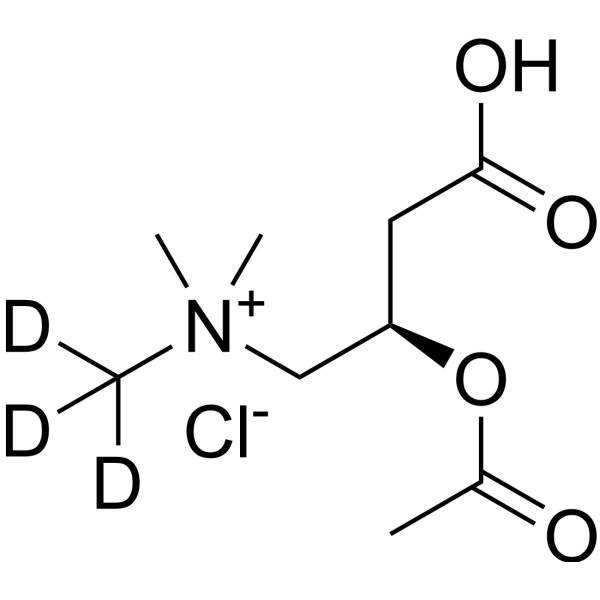
Acetyl-L-carnitine-d3 (O-Acetyl-L-carnitine-d3) hydrochloride is the deuterium labeled Acetyl-L-carnitine hydrochloride (HY-B0762). Acetyl-L-carnitine (O-Acetyl-L-carnitine; ALCAR) hydrochloride is an orally active mitochondrial energy metabolism regulator and neuroprotectant that can penetrate the blood-brain barrier. Acetyl-L-carnitine hydrochloride selectively enters cells and the brain through the organic cation transporter OCTN2. Acetyl-L-carnitine hydrochloride can participate in fatty acid β-oxidation, promote acetylcholine synthesis, regulate mitochondrial function and inhibit oxidative stress as an acetyl donor. Acetyl-L-carnitine hydrochloride exerts its activity by enhancing energy metabolism, protecting neurons and improving synaptic plasticity. Acetyl-L-carnitine hydrochloride is mainly used in the study of neurodegenerative diseases and metabolic disorder-related diseases such as neonatal hypoxic-ischemic brain damage, Alzheimer's disease, and depression .
loading...
    loading...
Cat. No.: HY-160236
CAS No.: 86321-32-6
Target:  

Drug Metabolite

Research Areas:  

Neurological Disease

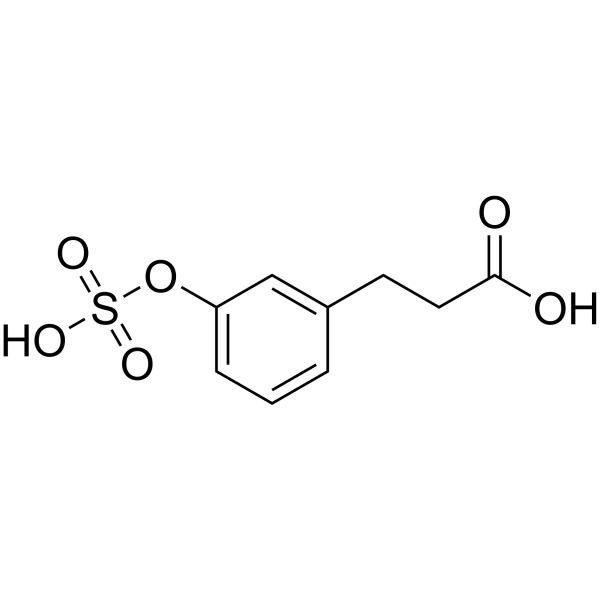
3-(3-Sulfooxyphenyl) propanoic acid is a metabolite of Echinacoside (HY-N0020). It promotes neural, psychological and brain health, enhances the proliferation, function and activity of brain cells, and facilitates extinction learning. 3-(3-Sulfooxyphenyl) propanoic acid can be used in research related to anxiety disorders, post-traumatic stress disorder, extinction learning deficits, autism, as well as neurodegenerative diseases including Parkinson's disease and Alzheimer's disease .
loading...
    loading...
Cat. No.: HY-11029
CAS No.: 1064662-40-3
Purity:  99.51%
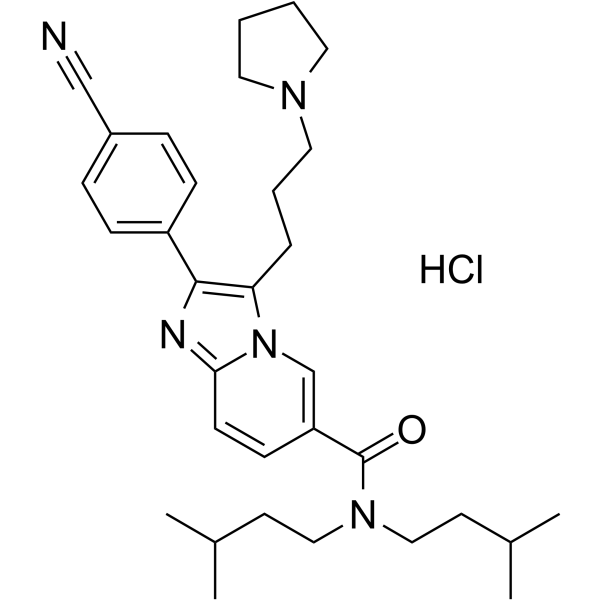
SNT-207707 is a selective, potent and orally active melanocortin MC-4 receptor antagonist with an IC50 of 8 nM (binding) and 5 nM (function) on the MC-4 receptor. SNT-207707 can cross blood-brain barrier .
loading...
    loading...
Cat. No.: HY-B0315S
Synonyms: Cyanocobalamin-13C7
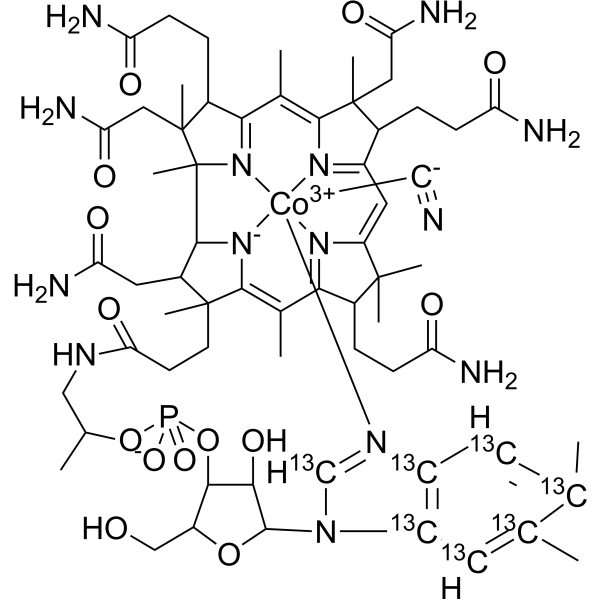
Vitamin B12- 13C7 is the 13C-labeled Vitamin B12. Vitamin B12 is a vitamin. Vitamin B12 plays a key role in the normal functioning of the brain and nervous system, and for the formation of blood .
loading...
    loading...
Cat. No.: HY-11030A
CAS No.: 1104662-66-9
Purity:  99.66%
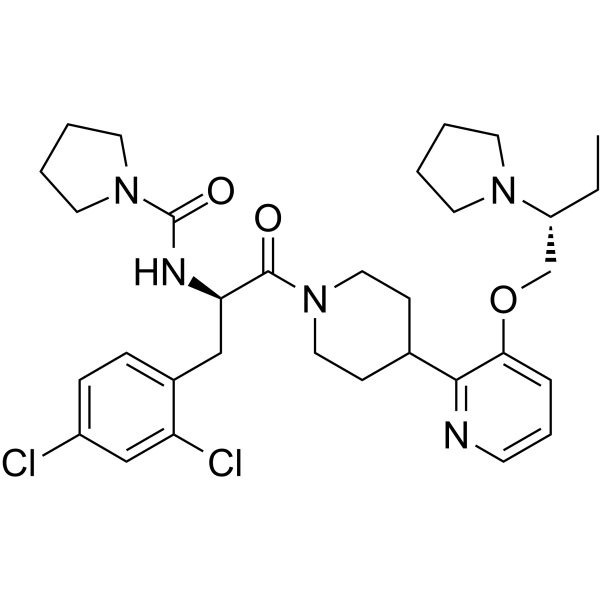
SNT207858 free base is a selective, blood brain barrier penetrating, potent and orally active melanocortin-4 (MC-4) receptor antagonist. SNT207858 free base has an IC50 of 22 nM (binding) and 11 nM (function) on the MC-4 receptor .
loading...
    loading...
Cat. No.: HY-162566
CAS No.: 1417823-67-6
REM127 is an orally active, blood-brain barrier-penetrant septin 6/7 molecular glue degrader. REM127 binds to SEPT6 with high affinity and promotes the assembly of SEPT2/6/7 cortical filaments, thereby normalizing cytoplasmic calcium levels, cerebrospinal fluid hyperphosphorylated tau protein levels, synaptic function and cognitive function. REM127 can be used in research related to Alzheimer's disease .
loading...
    loading...
Cat. No.: HY-N2125
CAS No.: 174972-80-6
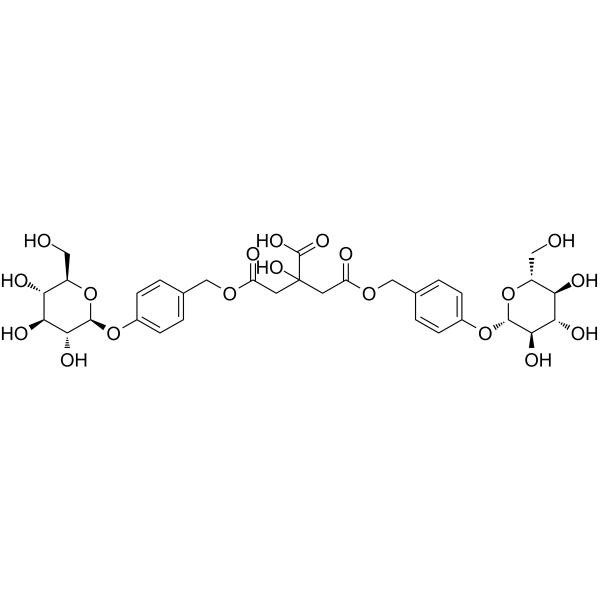
Parishin C is a brain-penetrant major bioactive component found in Gastrodia elata Blume. Parishin C is a 5-HT1A receptor agonist with an EC50 of 34 nM. Parishin C has antipsychotic and neuroprotective effects. Parishin C protects against Aβ-induced long-term potentiation damage and NMDA receptor current impairment. Parishin C reduces oxidative stress, pro-inflammatory cytokine levels, caspase activity, brain water content, and cerebral infarct volume; increases antioxidant enzyme activity and BDNF levels; improves nerve function and histopathological brain damage. Parishin C attenuates phencyclidine-induced immobility time increases, sociability deficits, and visual recognition memory impairment. Parishin C can be used for the research of ischemic stroke, Alzheimer's disease, and schizophrenia-like psychosis .
loading...
    loading...
Cat. No.: HY-163565
CAS No.: 2770960-52-4
Target:  

Btk

Research Areas:  

Neurological Disease

BIIB129 is a covalent, selective, small molecule inhibitor of Bruton's tyrosine kinase (BTK) capable of penetrating the blood-brain barrier. BIIB129 inhibits the activity of BTK by covalently binding to Cys481 in BTK, thereby affecting the function of B cells and myeloid cells. BIIB129 can be used in multiple sclerosis (MS) research .
loading...
    loading...
Cat. No.: HY-108295
CAS No.: 69542-93-4
Purity:  ≥98.0%
Synonyms: CXB-722
Target:  

GABA Receptor

Research Areas:  

Neurological Disease

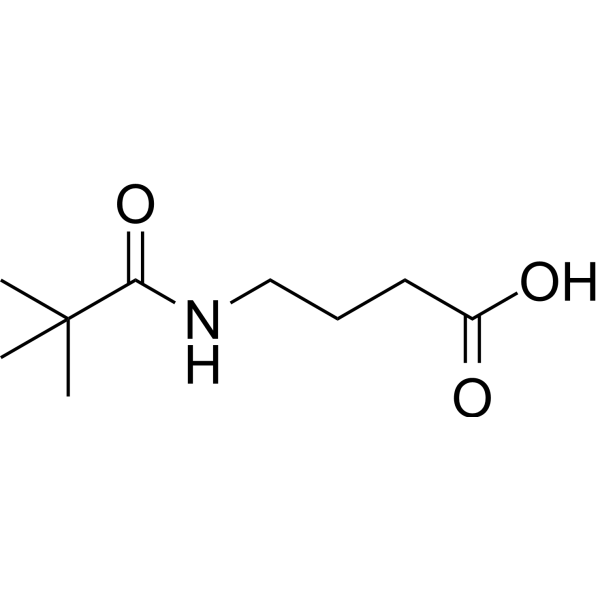
Pivagabine (CXB 722) is a hydrophobic 4-aminobutyric acid derivative with neuromodulatory activity. Pivagabine penetrates the blood-brain barrier in rats. Pivagabine antagonizes the effects of foot shock on both GABAA receptor function and corticotropin-releasing factor (CRF) concentrations in rat brain .
loading...
    loading...
Cat. No.: HY-N2530
CAS No.: 88100-04-3
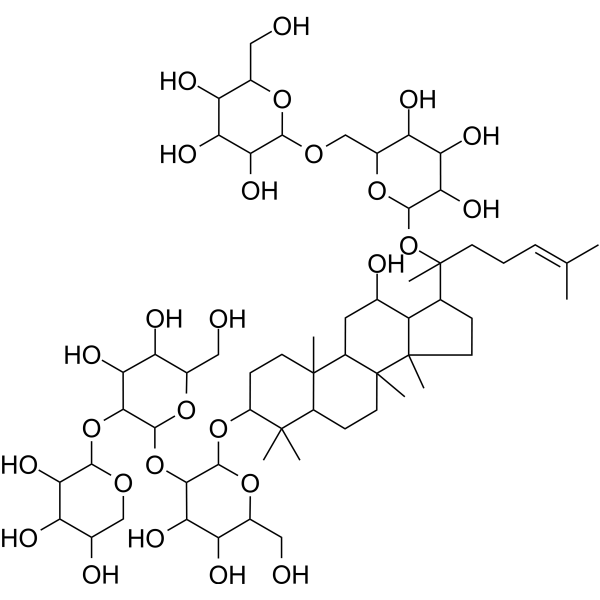
Notoginsenoside Fa, a protopanaxadiol (ppd)-type saponin isolated from P. notoginseng, could possibly activate and recover the function of degenerated brain .
loading...
    loading...
Cat. No.: HY-E70074
CAS No.: 9001-66-5
Target:  

Monoamine Oxidase

Research Areas:  

Neurological Disease

Monoamine oxidase (EC 1.4.3.4) is an enzyme composed of different polypeptides. Monoamine oxidation catalyzes the oxidative deamination of various biological amines in brain and peripheral tissues by producing hydrogen peroxide. Monoamine oxidase plays an important role in maintaining the regulation of synaptic transmission, emotional behavior and other brain functions .
loading...
    loading...
Cat. No.: HY-128855
CAS No.: 147025-53-4
Purity:  98.75%
Synonyms: WAL 2014 FU free base
Target:  

mAChR

Research Areas:  

Neurological Disease

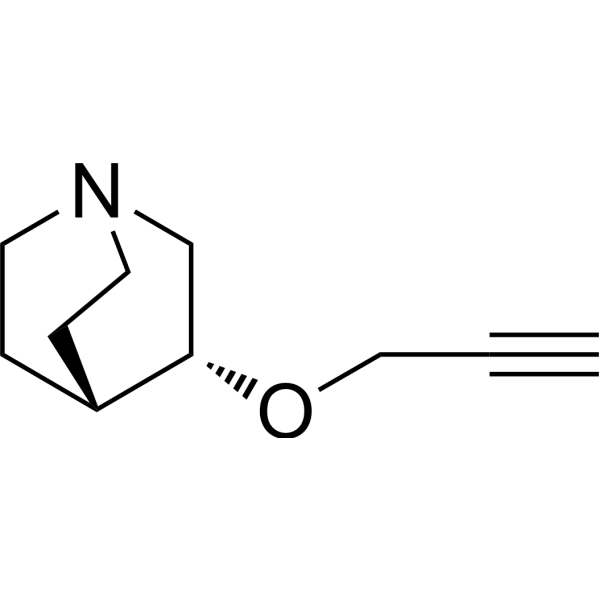
Talsaclidine (WAL 2014 FU) is an orally active, blood-brain barrier-permeable muscarinic M1 receptor agonist. Talsaclidine activates the sympathetic nervous system and promotes adrenal catecholamine release in vivo. Talsaclidine exhibits extensive tissue distribution, kidney-dominant excretion and brain penetration properties, and it can be used in studies related to cholinergic signaling, cognitive function and Alzheimer's disease .
loading...
    loading...

