1057 Results for "

fibroblasts

" in MedChemExpress (MCE) Product Catalog:
Products (1057)

1057 Results for "fibroblasts" in MCE Product Catalog:

5
5 Cited Publications
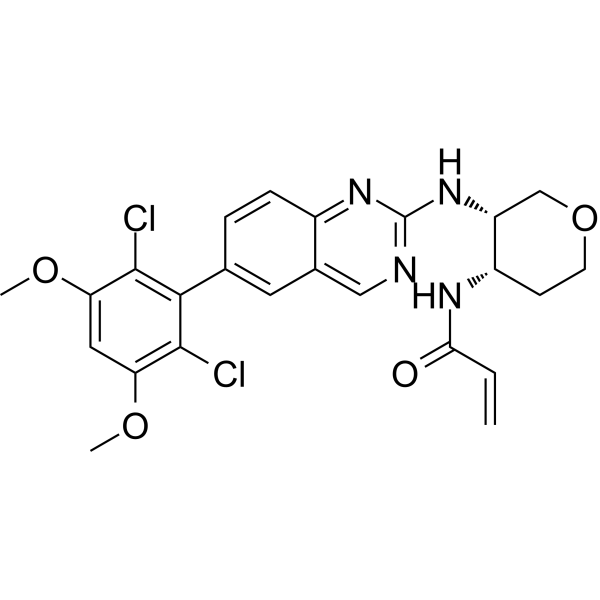
Cat. No.: HY-100492
CAS No.: 1707289-21-1
Purity:  99.79%
Synonyms: BLU-554
Target:  

FGFR

Research Areas:  

Cancer

Fisogatinib (BLU-554) is a potent, highly selective and orally active fibroblast growth factor receptor 4 (FGFR4) inhibitor with an IC50 of 5 nM. Fisogatinib has significant anti-tumor activity in models of hepatocellular carcinoma (HCC) that are dependent on FGFR4 signalling .
loading...
    loading...
5
5 Cited Publications
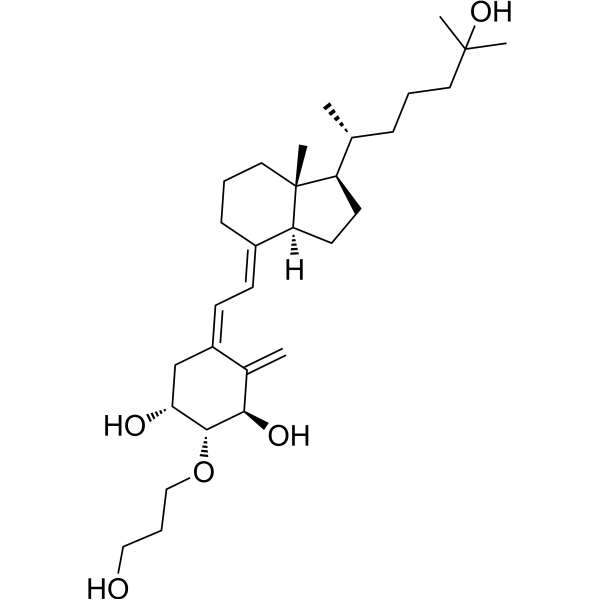
Cat. No.: HY-A0020
CAS No.: 104121-92-8
Synonyms: ED-71; 2-(3-hydroxypropoxy)-1,25-dihydroxyvitamin D3
Eldecalcitol (ED-71) is an orally active vitamin D3 analogue, inhibits bone resorption and increases bone mineral density. Eldecalcitol (ED-71) displays anti-tumor effect and inhibits cell proliferation, migration and induces apoptosis by suppressing GPx-1 .
loading...
    loading...
5
5 Cited Publications
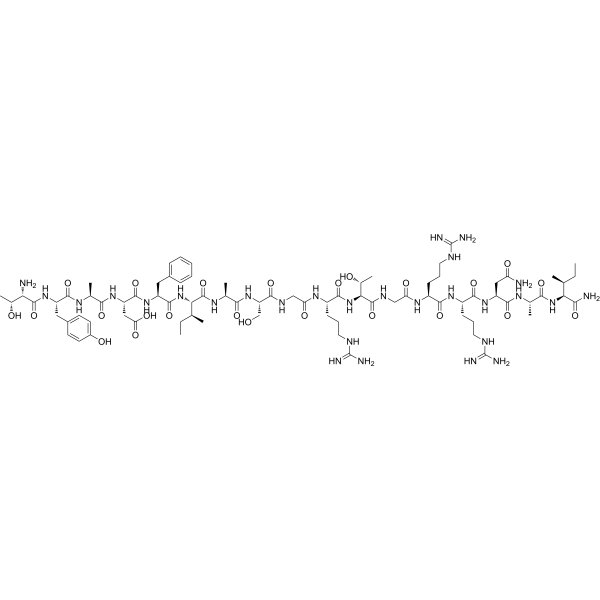
Cat. No.: HY-P1290
CAS No.: 121932-06-7
Synonyms: PKI-(6-22)-amide
Target:  

PKA

Research Areas:  

Neurological Disease

PKA Inhibitor Fragment (6-22) amide is a highly potent and specific competitive inhibitor of PKA, with Ki values of 1.7 nM and 1.6 nM against human and bovine PKA catalytic subunits, respectively. The IC50 of PKA Inhibitor Fragment (6-22) amide targeting bovine PKA is 8.6 nM. PKA Inhibitor Fragment (6-22) amide effectively abolishes PKA activity in mouse brain and spinal cord, and exerts in vivo efficacy via intracerebroventricular administration. PKA Inhibitor Fragment (6-22) amide significantly reverses low-dose morphine analgesic tolerance in mice and blocks photoaffinity labeling of cAMP-dependent protein kinase. PKA Inhibitor Fragment (6-22) amide can be applied to research in fields related to the mechanism of morphine analgesic tolerance and skin wound healing .
loading...
    loading...
4
4 Cited Publications
Cat. No.: HY-17601
CAS No.: 1612888-66-0
Synonyms: RPT835
Target:  

FGFR Apoptosis

Research Areas:  

Cardiovascular Disease Cancer

Alofanib (RPT835) is a potent and selective allosteric inhibitor of fibroblast growth factor receptor 2 (FGFR2). Anticancer and antiangiogenic activity .
loading...
    loading...
4
4 Cited Publications
Cat. No.: HY-18634
CAS No.: 71555-25-4
Synonyms: ZMC1
Target:  

MDM-2/p53

Research Areas:  

Cancer

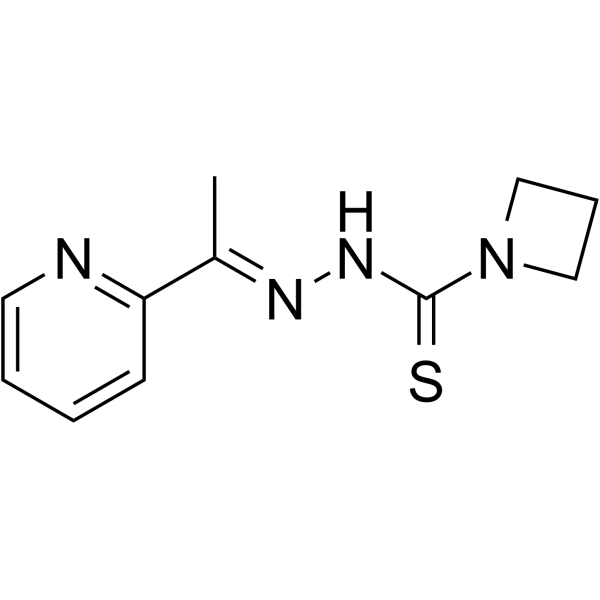
NSC319726 (ZMC1) is a mutant p53R175 reactivator; inhibits growth of fibroblasts expressing the p53R175 mutation (IC50 = 8 nM); shows no inhibition for p53 wild-type cells.
loading...
    loading...
4
4 Cited Publications
Cat. No.: HY-125021
CAS No.: 2143542-28-1
Purity:  99.31%
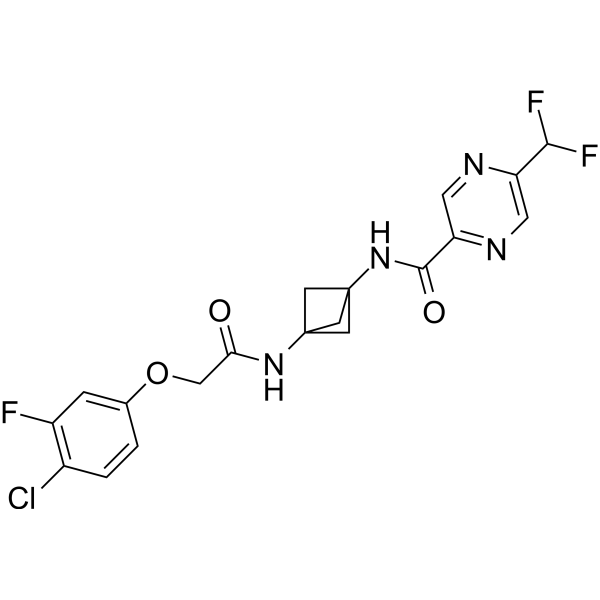
2BAct is a highly selective, orally active, and CNS-penetrant eIF2B (eukaryotic initiation factor 2B) activator with an EC50 of 33 nM. 2BAct prevents neurological defects caused by a chronic integrated stress response. 2BAct displays improved solubility and pharmacokinetics relative to eIF2B activator ISRIB trans-isomer (HY-12495) .
loading...
    loading...
3
3 Cited Publications
Cat. No.: HY-137331
CAS No.: 2374782-04-2
Purity:  98.57%
Synonyms: FAPI-46
Target:  

FAP

Research Areas:  

Cancer

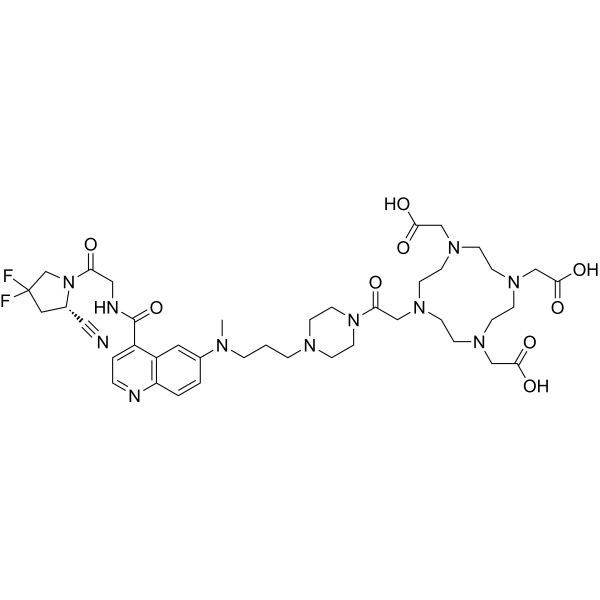
FAPI-46 is a quinoline-based fibroblast activation protein (FAP)-targeted tracer. Use radioactivity FAPI-46 labeled with 68Ga or 177Lu can be used for tumor imaging in a variety of cancers and has higher tumor uptake rates and longer tumor accumulation .
loading...
    loading...
3
3 Cited Publications
Cat. No.: HY-B1392
CAS No.: 81161-17-3
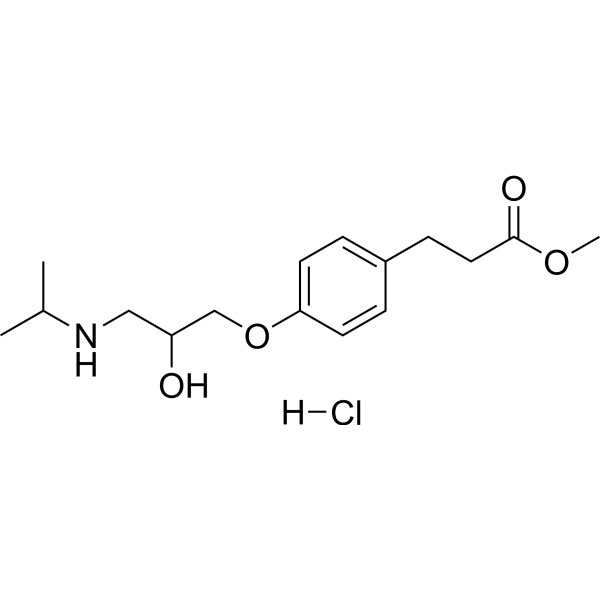
Esmolol hydrochloride is an ultra-short-acting cardioselective β1-adrenergic blocker. Esmolol hydrochloride exerts its antiarrhythmic effect by activating Neurokinin 1 Receptor. Esmolol hydrochloride attenuates post resuscitation myocardial dysfunction. Esmolol hydrochloride improves diabetic wound healing by inhibiting aldose reductase and the production of advanced glycation end products and promoting fibroblast migration. Esmolol hydrochloride can be used to study cardiac diseases such as arrhythmias and diabetic foot ulcers .
loading...
    loading...
3
3 Cited Publications
Cat. No.: HY-110279
CAS No.: 1309198-71-7
Purity:  99.58%
Target:  

GPR68

Research Areas:  

Neurological Disease

Ogerin, a chemical probe, is a selective GPR68 positive aliasing modulator (PAM) (pEC50=6.83) with a moderate antagonistic effect on A2A (Ki=220 nM). Ogerin inhibits the fear conditioning reflex in mice and also inhibits TGF-β-induced myofibroblast differentiation of fibroblasts from multiple organ systems. Ogerin can be used in the studies of fibrotic diseases and neurological disorders .
loading...
    loading...
3
3 Cited Publications
Cat. No.: HY-119358
CAS No.: 6402-36-4
Purity:  99.85%
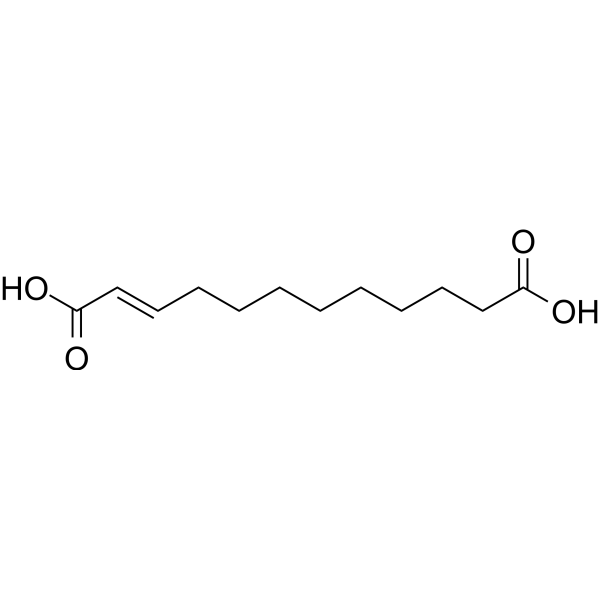
Traumatic Acid is a wound healing agent and a cytokinin (phytohormone). Traumatic Acid enhances the biosynthesis of collagen in cultured human skin fibroblasts. Traumatic Acid inhibits MCF-7 breast cancer cells viability and enhances apoptosis and oxidative stress. Traumatic Acid can be used in studies of cancer, circulatory disorders (including arterial hypertension), and skin diseases associated with oxidative stress and impaired collagen biosynthesis .
loading...
    loading...
3
3 Cited Publications
Cat. No.: HY-107588
CAS No.: 916734-43-5
Purity:  99.94%
Target:  

Integrin

Research Areas:  

Cardiovascular Disease

TC-I 15 (TC-I-15) is a type of allosteric collagen-binding integrin α2β1 inhibitor, and it also inhibits α1β1 and α11β1. TC-I 15 inhibits platelet adhesion to collagen and thrombus deposition. TC-I 15 prevents the formation of a pre-metastatic microenvironment by inhibiting the uptake of cancer-associated fibroblast (CAF) extracellular vesicles (EVs) by lung fibroblasts, which reduces the metastasis of salivary gland adenocystic carcinoma (SACC) to the lungs in mouse models, .
loading...
    loading...
3
3 Cited Publications
Cat. No.: HY-114169
CAS No.: 1913291-02-7
Purity:  99.76%
Research Areas:  

Inflammation/Immunology Cancer

WRG-28 is a selective, extracellularly acting DDR2 allosteric inhibitor, with an IC50 of 230 nM. WRG-28 inhibits tumor invasion, migration and tumor-supporting effects of cancer-associated fibroblasts (CAFs). WRG-28 inhibits metastatic breast tumor cell colonization in the lungs. WRG-28 also shows good activity of relieving rheumatoid arthritis in CAIA model of mice .
loading...
    loading...
3
3 Cited Publications
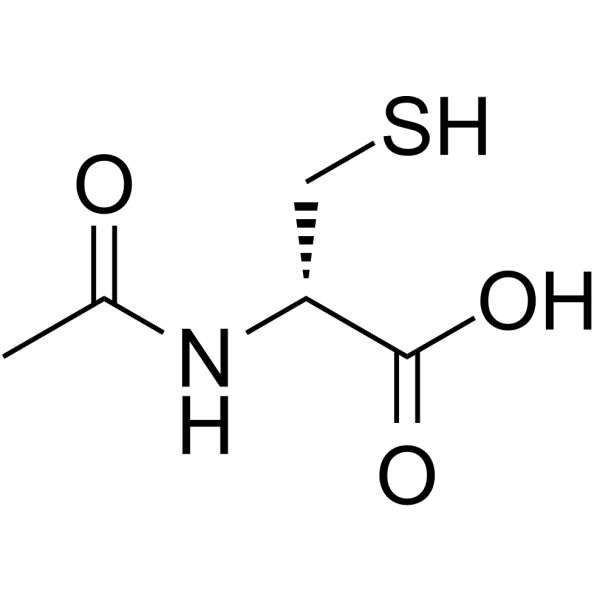
Cat. No.: HY-136386
CAS No.: 26117-28-2
Purity:  ≥97.0%
Research Areas:  

Inflammation/Immunology

N-Acetyl-D-cysteine has antioxidant activities and scavenges ROS through the reaction with its thiol group, but cannot enter the glutathione metabolic pathway .
loading...
    loading...
3
3 Cited Publications
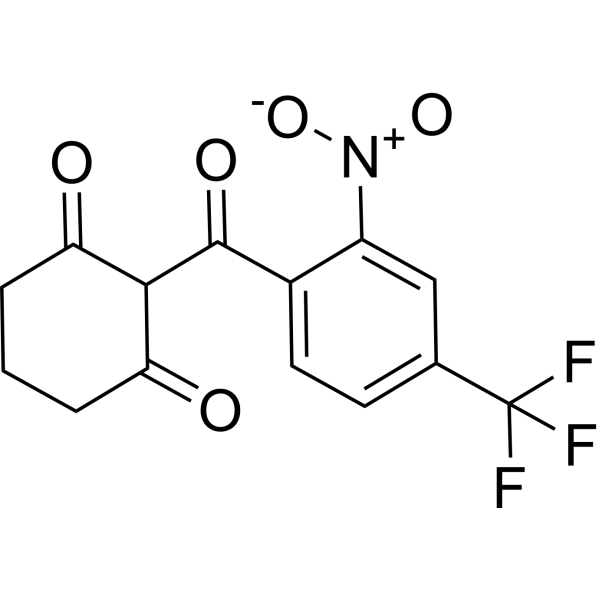
Cat. No.: HY-B0607
CAS No.: 104206-65-7
Synonyms: NTBC; Nitisone; SC0735
Target:  

HPPD

Research Areas:  

Metabolic Disease

Nitisinone is an orally active, competitive and reversible 4-hydroxyphenylpyruvate dioxygenase (4-HPPD) inhibitor with an IC50 of 173 nM. Nitisinone promotes tyrosine accumulation in a dose-dependent manner. nitisinone can be used in studies of hereditary tyrosinemia type 1 (HT-1) (a rare genetic disorder) and albinism .
loading...
    loading...
3
3 Cited Publications
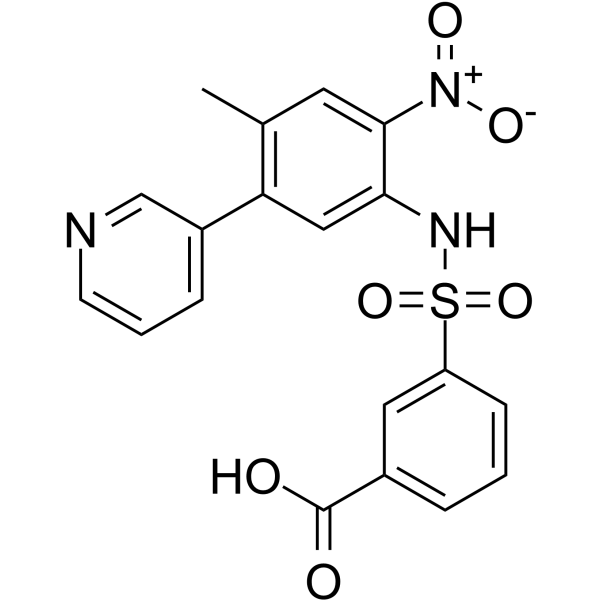
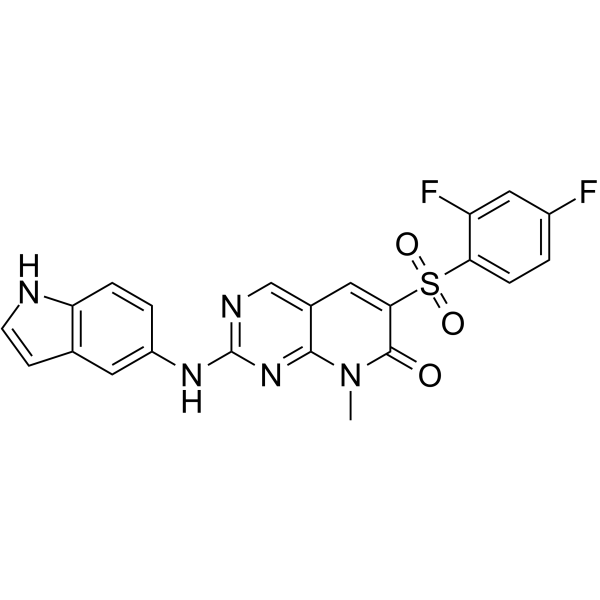
Cat. No.: HY-100789
CAS No.: 1312471-39-8
Purity:  99.90%
Research Areas:  

Cancer

ON1231320 is a highly specific polo like kinase 2 (PLK2) inhibitor with an IC50 of 0.31 μM. ON1231320 blocks tumor cell cycle progression in the G2/M phase in mitosis, causing apoptotic cell death. ON1231320, an arylsulfonyl pyrido-pyrimidinone, has antitumor activity .
loading...
    loading...
3
3 Cited Publications
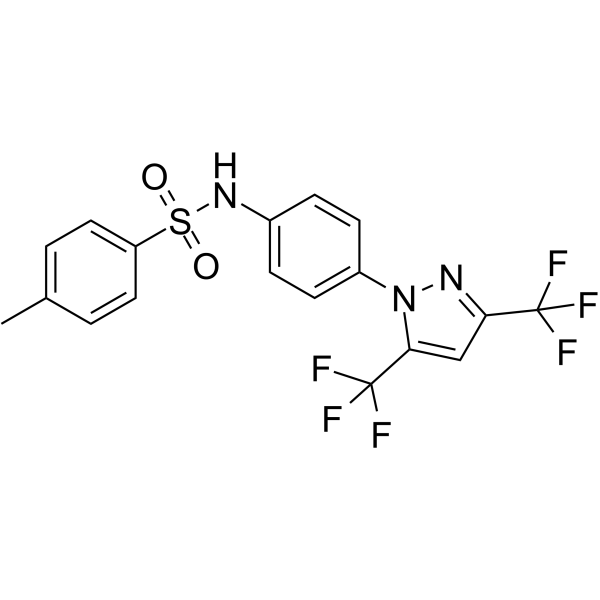
Cat. No.: HY-19408
CAS No.: 1315323-00-2
Target:  

TRP Channel

Research Areas:  

Others

Pyr10 is a pyrazole derivative and a selective TRP cation 3 (TRPC3) inhibitor. Pyr10 inhibits Ca 2+ influx in carbachol-stimulated TRPC3-transfected HEK293 cells with an IC50 of 0.72 μM (IC50 of 13.08 μM for store operated Ca 2+ entry in BRL-2H3 cells). Pyr10 has the ability to distinguish between receptor-operated TRPC3 and native stromal interaction molecule 1 (STIM1)/Orai1 channels .
loading...
    loading...
3
3 Cited Publications
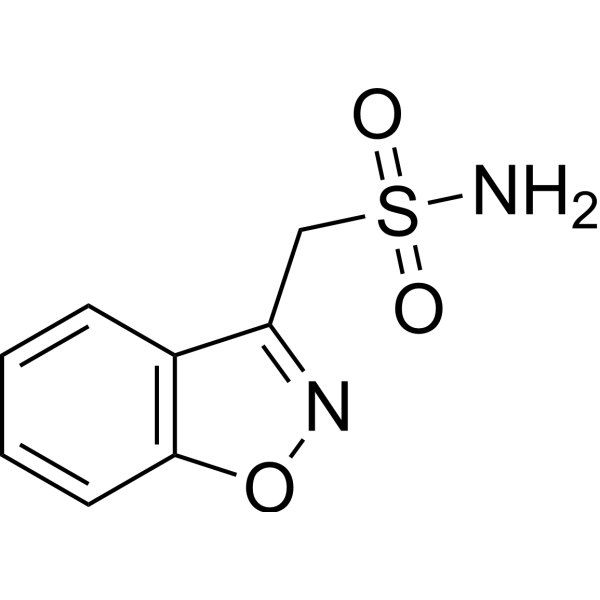
Cat. No.: HY-B0124
CAS No.: 68291-97-4
Synonyms: AD 810; CI 912
Research Areas:  

Neurological Disease

Zonisamide (AD 810) is an orally active carbonic anhydrase inhibitor, with Kis of 35.2 and 20.6 nM for hCA II and hCA V, respectively. Zonisamide exerts neuroprotective effects through anti-apoptosis and upregulating MnSOD levels. Zonisamide also increases the expression of Hrd1, thereby improving cardiac function in AAC rats. Zonisamide can be used in studies of seizure, parkinson’s disease and cardiac hypertrophy .
loading...
    loading...
3
3 Cited Publications
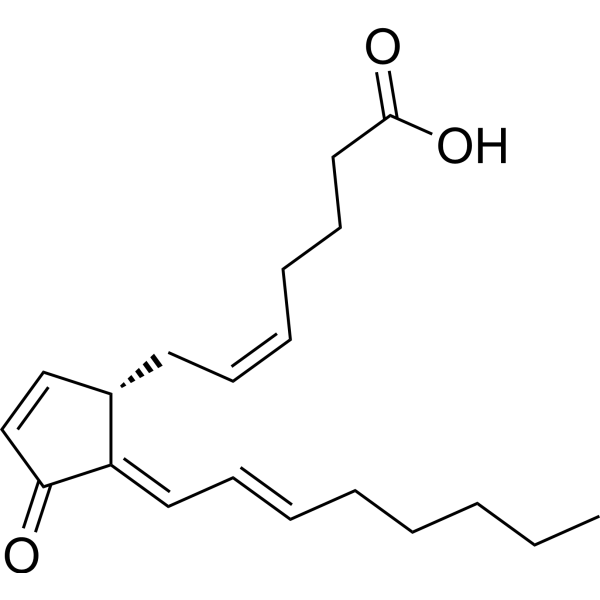
Cat. No.: HY-108568
CAS No.: 87893-55-8
Purity:  97.50%
Synonyms: 15d-PGJ2; 15-Deoxy-Δ12,14-PGJ2
15-Deoxy-Δ-12,14-prostaglandin J2 (15d-PGJ2) is a cyclopentenone prostaglandin and a metabolite of PGD2. 15-Deoxy-Δ-12,14-prostaglandin J2 is a selective PPARγ (EC50 of 2 µM) and a covalent PPARδ agonist. 15-Deoxy-Δ-12,14-prostaglandin J2 promotes efficient differentiation of C3H10T1/2 fibroblasts to adipocytes with an EC50 of 7 μM .
loading...
    loading...
3
3 Cited Publications
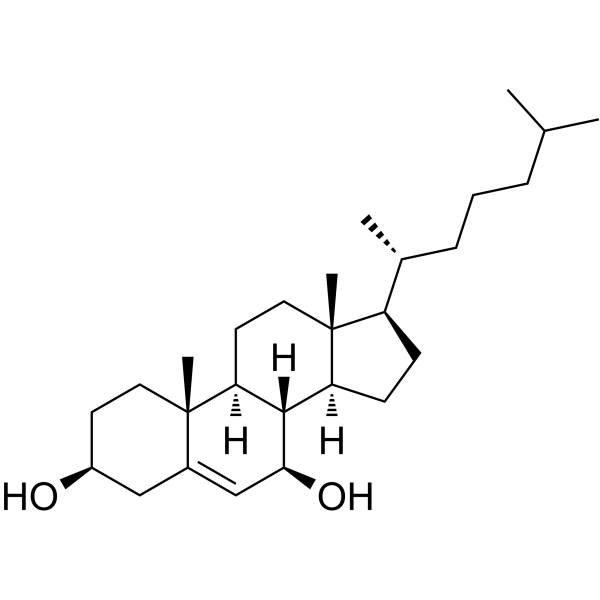
Cat. No.: HY-113341
CAS No.: 566-27-8
Purity:  99.98%
7β-Hydroxycholesterol is an oxysterol that derived by the oxidation of cholesterol. 7β-hydroxycholesterol can induce cellular oxidative stress, apoptosis, and necrosis, resulting in cytotoxicity. 7β-hydroxycholesterol has antitumor activity .
loading...
    loading...
3
3 Cited Publications
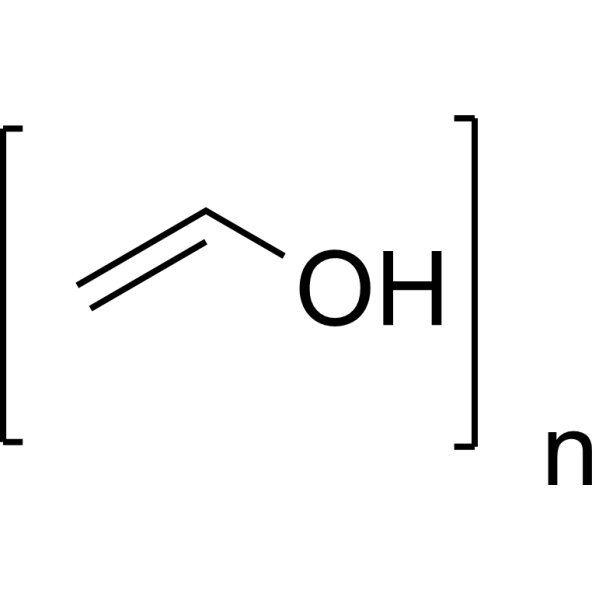
Cat. No.: HY-Y0850
CAS No.: 9002-89-5
Research Areas:  

Neurological Disease

Polyvinyl alcohol (Mw 146000-186000, 99+% hydrolyzed) is a non-biodegradable, hydrophilic, odorless biomedical polymer with cell adhesion/proliferation inhibition, peripheral nerve regeneration induction, dissolution enhancement, and non-toxic, biocompatible properties .
loading...
    loading...

