


1724 Results for "

high affinity

" in MedChemExpress (MCE) Product Catalog:
Products (1724)

1724 Results for "high affinity" in MCE Product Catalog:

13
13 Cited Publications
Cat. No.: HY-D0716
CAS No.: 121714-22-5
Synonyms: Fluo-3-pentaacetoxymethyl ester
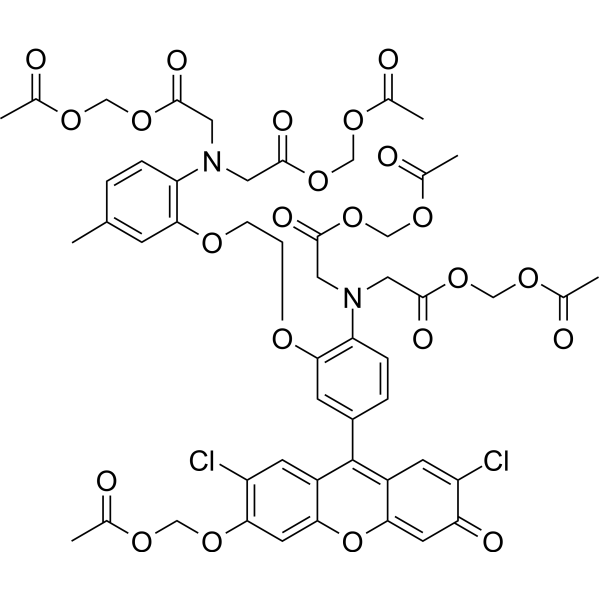
Fluo-3 AM is a fluorecent Ca 2+ chelator, with high affinity for calcium. Fluo-3 AM can specifically identify intracellular calcium ions, with high sensitivity, low cytotoxicity, increased AM acetylmethyl ester can enter the cell well, after being sheared by the intracellular esterase stay in the cell to bind to calcium ions, produce strong fluorescence .
loading...
    loading...
13
13 Cited Publications
Cat. No.: HY-P9927
CAS No.: 1229022-83-6
Synonyms: AIN457

Target:  

Interleukin Related

Research Areas:  

Inflammation/Immunology Cancer

Secukinumab (AIN457) is a high affinity, human monoclonal antibody targeted against interleukin (IL)-17A. Secukinumab is the first-in-class anti-IL-17 agent used for the research of plaque psoriasis, ankylosing spondylitis and psoriatic arthritis .
loading...
    loading...
13
13 Cited Publications
Cat. No.: HY-15296
CAS No.: 81409-90-7
Purity:  99.86%
Synonyms: FCE-21336
Research Areas:  

Endocrinology Cancer

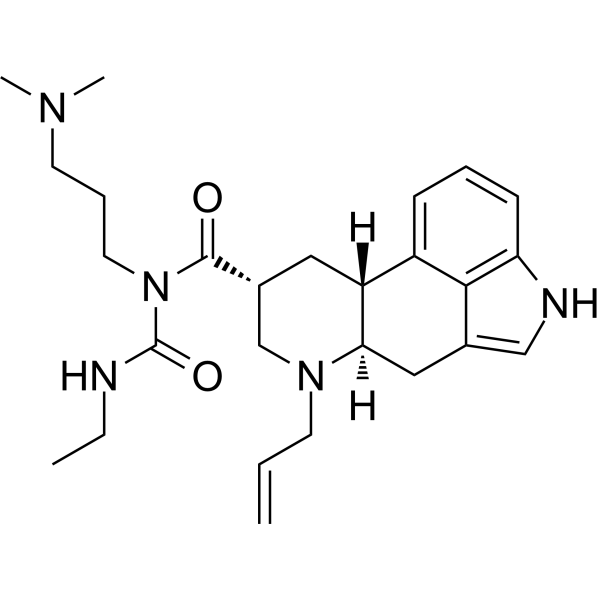
Cabergoline is an ergot derived-dopamine D2-like receptor agonist that has high affinity for D2, D3, and 5-HT2B receptors (Ki=0.7, 1.5, and 1.2, respectively).
loading...
    loading...
13
13 Cited Publications
Cat. No.: HY-19940
CAS No.: 1450824-22-2
Synonyms: TD139; GB0139
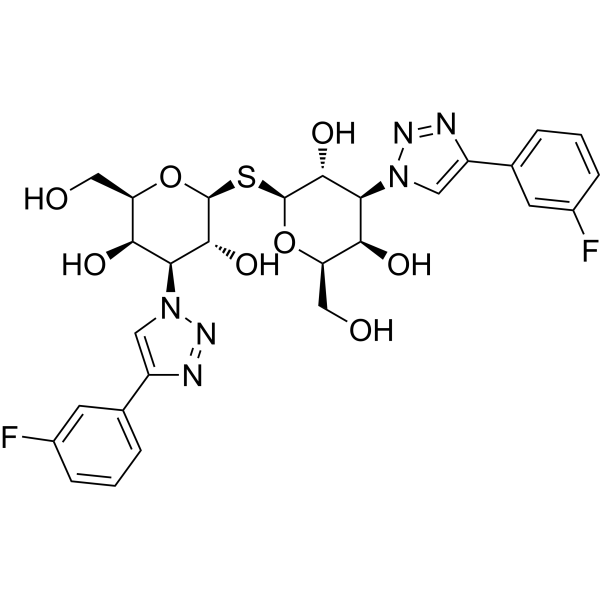
Olitigaltin (TD139) is a high-affinity Galectin-3 inhibitor with a Kd value of 14 nM. Olitigaltin inhibits the activity of the AKT/β-catenin pathway, induces Apoptosis, and downregulates SREBP1 expression. Olitigaltin enhances the phosphorylation level of ERK. Olitigaltin alleviates bleomycin (HY-17565A)-induced advanced pulmonary fibrosis in mice. Olitigaltin delays the onset of diabetes, and improves glucose tolerance and serum insulin levels. Olitigaltin alleviates liver injury. Olitigaltin maintains the structure of hippocampal excitatory synapses, restores γ-wave power in the hippocampal CA1 region, inhibits hippocampal neuroinflammation, and improves cognitive function in neuroinflammation models. Olitigaltin can be used in research related to thyroid cancer, idiopathic pulmonary fibrosis, type 1 diabetes, hepatitis, and cognitive dysfunction induced by neuroinflammation .
loading...
    loading...
12
12 Cited Publications
Cat. No.: HY-120142
CAS No.: 2012591-09-0
Purity:  99.09%
Target:  

Apoptosis

Research Areas:  

Cancer

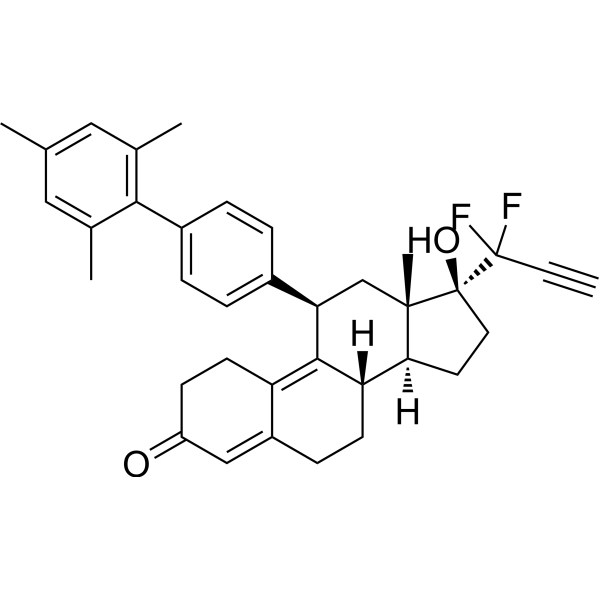
EC359 is a potent, selective, high affinity and orally active leukemia inhibitory factor receptor (LIFR) inhibitor with a Kd of 10.2 nM, which directly interacts with LIFR to effectively block LIF/LIFR interactions . EC359 is a click chemistry reagent, it contains an Alkyne group and can undergo copper-catalyzed azide-alkyne cycloaddition (CuAAc) with molecules containing Azide groups.
loading...
    loading...
12
12 Cited Publications
Cat. No.: HY-112210
CAS No.: 914805-33-7
Purity:  99.73%
Synonyms: Shld1
Target:  

FKBP

Research Areas:  

Others

Shield-1 (Shld1) is a specific, cell-permeant and high-affinity ligand of FK506-binding protein-12 (FKBP), and reverses the instability by binding to mutated FKBP (mtFKBP), allowing conditional expression of mtFKBP-fused proteins. Shield-1 can stabilize proteins tagged with a mutated FKBP12-derived destabilization domain (DD) .
loading...
    loading...
12
12 Cited Publications
Cat. No.: HY-12882
CAS No.: 23210-56-2
Purity:  99.94%
Synonyms: NP-120; RC-61-91
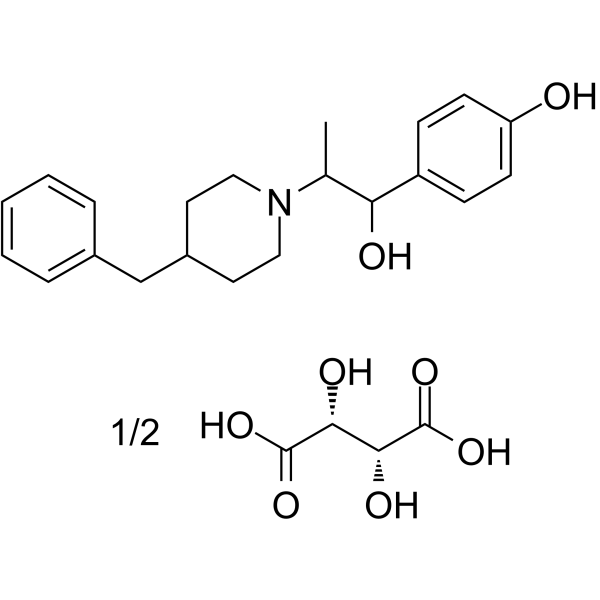
Ifenprodil (NP-120), a cerebral vasodilator, is a noncompetitive NMDA receptor antagonist. Ifenprodil exerts high affinity at NR1A/NR2B receptors (IC50=0.34 μM) over 400-fold than at NR1A/NR2A receptors (IC50=146 μM) . Ifenprodil is an α1 adrenergic receptor antagonist. Ifenprodil inhibits GIRK (Kir3), reduces inward currents through the basal GIRK activity. Ifenprodil has reliable inhibitory effects against A/H1N1 strains (EC50 of 6.6 µM). Ifenprodil has neuroprotective, anticonvulsant and antinociceptive effects. Ifenprodil can be used for the study of cerebrovascular diseases and peripheral arterial obliterative disease .
loading...
    loading...
12
12 Cited Publications
Cat. No.: HY-12882A
CAS No.: 23210-58-4
Purity:  99.95%
Synonyms: NP-120 tartrate; RC-61-91 tartrate
Ifenprodil (NP-120) tartrate, a cerebral vasodilator, is a noncompetitive NMDA receptor antagonist. Ifenprodil tartrate exerts high affinity at NR1A/NR2B receptors (IC50=0.34 μM) over 400-fold than at NR1A/NR2A receptors (IC50=146 μM) . Ifenprodil tartrate is an α1 adrenergic receptor antagonist. Ifenprodil tartrate inhibits GIRK (Kir3), reduces inward currents through the basal GIRK activity. Ifenprodil tartrate has reliable inhibitory effects against A/H1N1 strains (EC50 of 6.6 µM). Ifenprodil tartrate has neuroprotective, anticonvulsant and antinociceptive effects. Ifenprodil tartrate can be used for the study of cerebrovascular diseases and peripheral arterial obliterative disease .
loading...
    loading...
11
11 Cited Publications
Cat. No.: HY-16168
CAS No.: 934016-19-0
Synonyms: FE 200486
Target:  

GnRH Receptor

Research Areas:  

Cancer

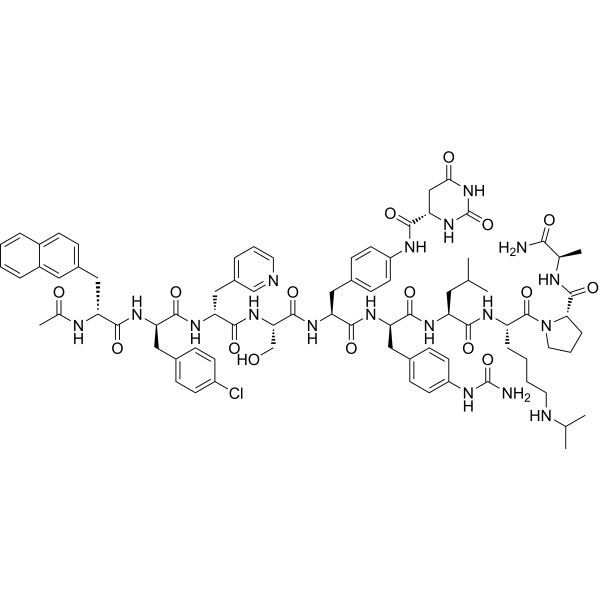
Degarelix acetate (FE 200486) is a decapeptide that shows high affinity/selectivity to human gonadotropin-releasing hormone (GnRH) receptor (IC50 = 3 nM). Degarelix acetate (FE 200486) is used for the research of prostate cancer .
loading...
    loading...
11
11 Cited Publications
Cat. No.: HY-16168A
CAS No.: 214766-78-6
Synonyms: FE 200486 free base
Target:  

GnRH Receptor Apoptosis

Research Areas:  

Endocrinology Cancer

Degarelix acetate (FE 200486) is a decapeptide that shows high affinity/selectivity to human gonadotropin-releasing hormone (GnRH) receptor (IC50 = 3 nM). Degarelix acetate Degarelix acetate (FE 200486) is used for the research of prostate cancer .
loading...
    loading...
11
11 Cited Publications
Cat. No.: HY-14546
CAS No.: 129722-12-9
Purity:  99.95%
Synonyms: OPC-14597
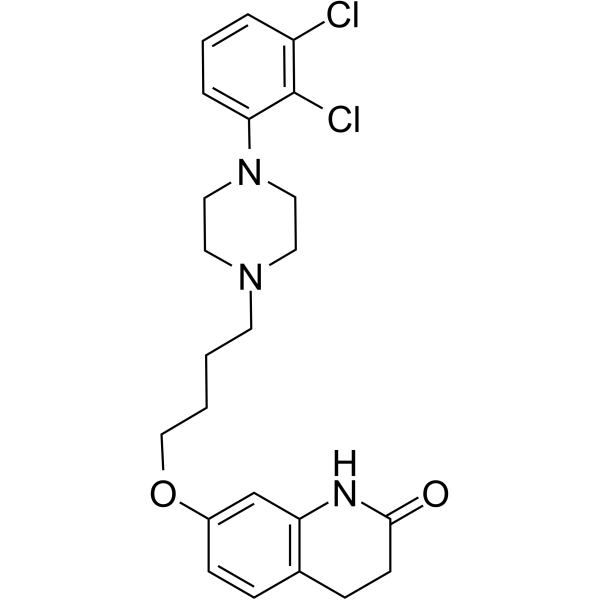
Aripiprazole (OPC-14597), an atypical antipsychotic, is a potent and high-affinity dopamine D2 receptor partial agonist. Aripiprazole is an inverse agonist at 5-HT2B and 5-HT2A receptors and displays partial agonist actions at 5-HT1A, 5-HT2C, D3, and D4 receptors. Aripiprazole can be used for the research of schizophrenia and COVID19 .
loading...
    loading...
11
11 Cited Publications
Cat. No.: HY-14546A
CAS No.: 851220-85-4
Synonyms: OPC-14597 monohydrate
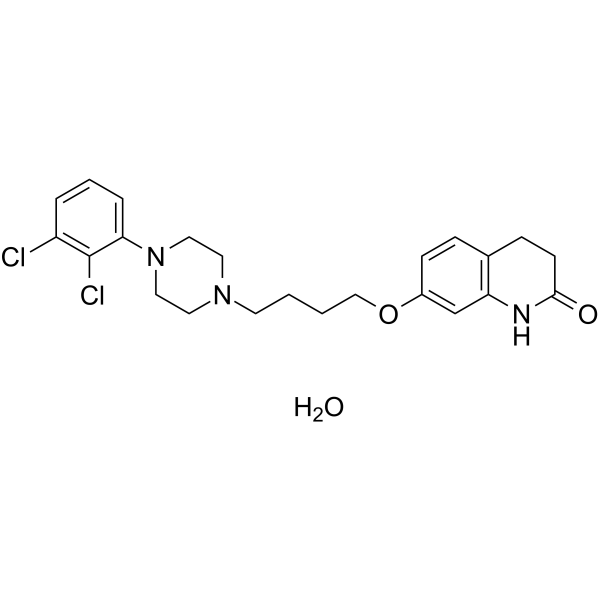
Aripiprazole (OPC-14597) monohydrate, an atypical antipsychotic, is a potent and high-affinity dopamine D2 receptor partial agonist. Aripiprazole monohydrate is an inverse agonist at 5-HT2B and 5-HT2A receptors and displays partial agonist actions at 5-HT1A, 5-HT2C, D3, and D4 receptors. Aripiprazole monohydrate can be used for the research of schizophrenia and COVID19 .
loading...
    loading...
10
10 Cited Publications
Cat. No.: HY-135425
CAS No.: 66990-30-5
Purity:  99.05%
Target:  

Acyltransferase

Research Areas:  

Metabolic Disease

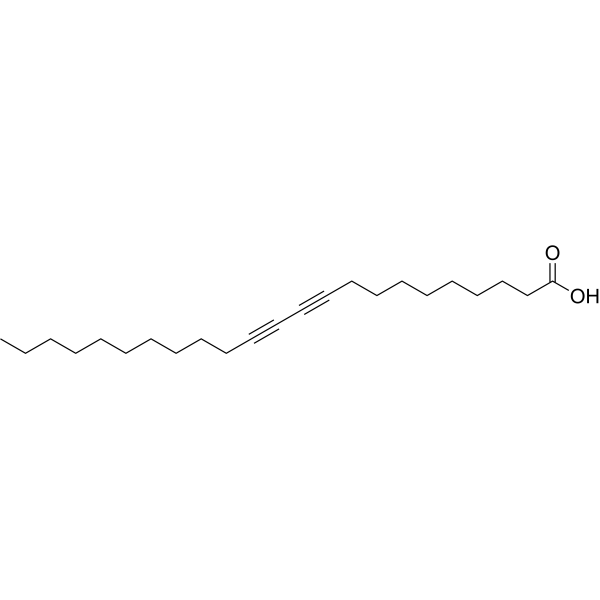
10,12-Tricosadiynoic acid is a highly specific, selective, high affinity and orally active acyl-CoA oxidase-1 (ACOX1) inhibitor. 10,12-Tricosadiynoic acid can treat high fat diet- or obesity-induced metabolic diseases by improving mitochondrial lipid and ROS metabolism . 10,12-Tricosadiynoic acid is a click chemistry reagent, it contains an Alkyne group and can undergo copper-catalyzed azide-alkyne cycloaddition (CuAAc) with molecules containing Azide groups.
loading...
    loading...
9
9 Cited Publications
Cat. No.: HY-P2093
CAS No.: 1083433-49-1
Target:  

Insulin Receptor

Research Areas:  

Metabolic Disease

S961 is an high-affinity and selective insulin receptor (IR) antagonist with IC50s of 0.048, 0.027, and 630 nM for HIR-A, HIR-B, and human insulin-like growth factor I receptor (HIGF-IR) in SPA-assay, respectively .
loading...
    loading...
9
9 Cited Publications
Cat. No.: HY-P2093B
Target:  

Insulin Receptor

Research Areas:  

Metabolic Disease

S961 acetate is an high-affinity and selective insulin receptor (IR) antagonist with IC50s of 0.048, 0.027, and 630 nM for HIR-A, HIR-B, and human insulin-like growth factor I receptor (HIGF-IR) in SPA-assay, respectively .
loading...
    loading...
9
9 Cited Publications
Cat. No.: HY-100619A
CAS No.: 1380650-53-2
Purity:  99.88%
Synonyms: AM152 sodium
Target:  

LPL Receptor

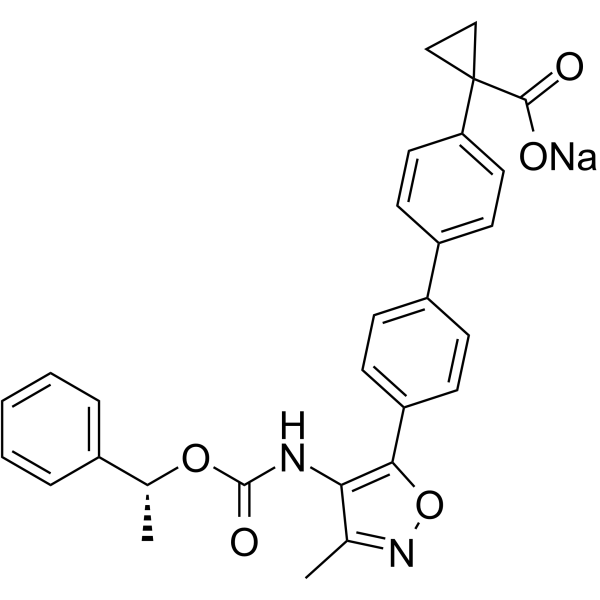
BMS-986020 (AM152) sodium is a high-affinity lysophosphatidic acid receptor 1 (LPA1) antagonist . BMS-986020 sodium inhibits bile acid and phospholipid transporters with IC50s of 4.8 μM, 6.2 μM, and 7.5 μM for BSEP, MRP4, and MDR3, respectively . BMS-986020 sodium has the potential for the treatment of idiopathic pulmonary fibrosis (IPF) .
loading...
    loading...
9
9 Cited Publications
Cat. No.: HY-100619
CAS No.: 1257213-50-5
Purity:  99.91%
Synonyms: AM152
Target:  

LPL Receptor

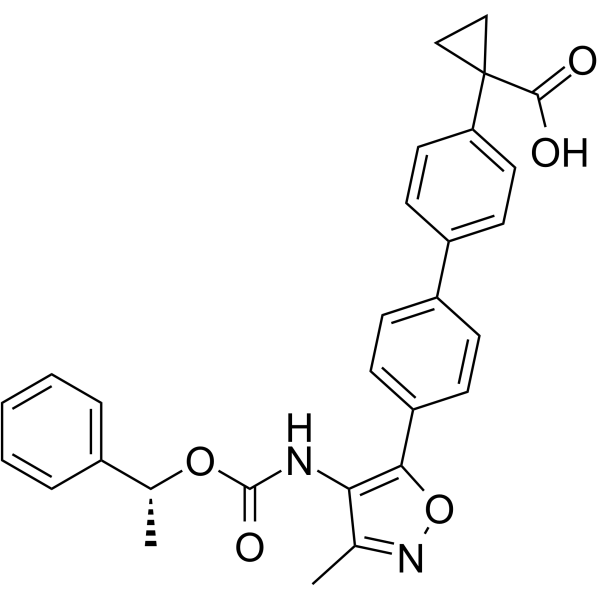
BMS-986020 (AM152) is a high-affinity and selective lysophosphatidic acid receptor 1 (LPA1) antagonist . BMS-986020 inhibits bile acid and phospholipid transporters with IC50s of 4.8 μM, 6.2 μM, and 7.5 μM for BSEP, MRP4, and MDR3, respectively . BMS-986020 has the potential for the treatment of idiopathic pulmonary fibrosis (IPF) .
loading...
    loading...
9
9 Cited Publications
Cat. No.: HY-B0527
CAS No.: 50-48-6
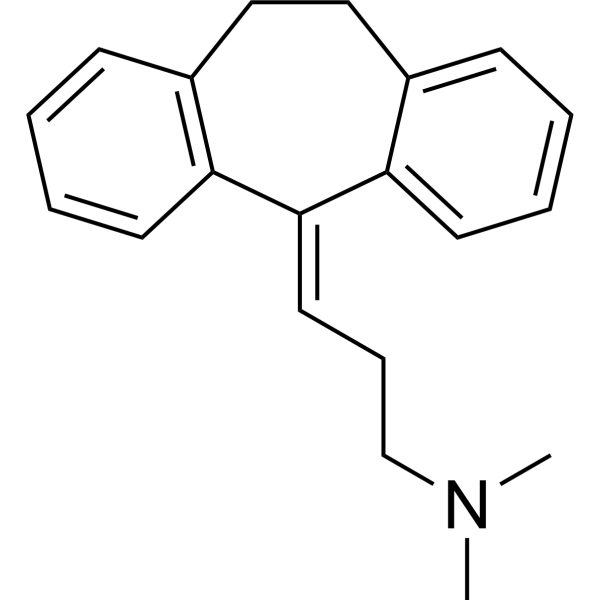
Amitriptyline is an orally active tricyclic antidepressant (TCA). Amitriptyline mainly exerts its antidepressant effect by blocking SERT (Ki = 3.45 nM) and NET (Ki = 13.3 nM), thereby increasing the concentrations of 5-hydroxytryptamine (5-HT) and norepinephrine (NE) in the synaptic cleft. Amitriptyline is also an agonist at α2A and TrkA/TrkB receptors, thereby exerting analgesic and neurotrophic activities (inhibiting cell apoptosis). Amitriptyline can reduce inflammation, angiogenesis and fibrosis. Amitriptyline binds to DAT (with Ki = 2.58 μM). Amitriptyline has high affinity for a series of receptors and can antagonize muscarinic cholinergic receptors (M1/M2/M3/M4/M5 receptors) (Ki = 11-24 nM), H1 receptors (Ki = 0.5-1.1 nM), adrenergic α1 receptors (Ki = 4.4 nM), etc., resulting in a series of side effects. Amitriptyline can block sodium channels and hERG potassium channel (IC50 = 4.78 μM) and it has cardiotoxicity .
loading...
    loading...
9
9 Cited Publications
Cat. No.: HY-B0527A
CAS No.: 549-18-8
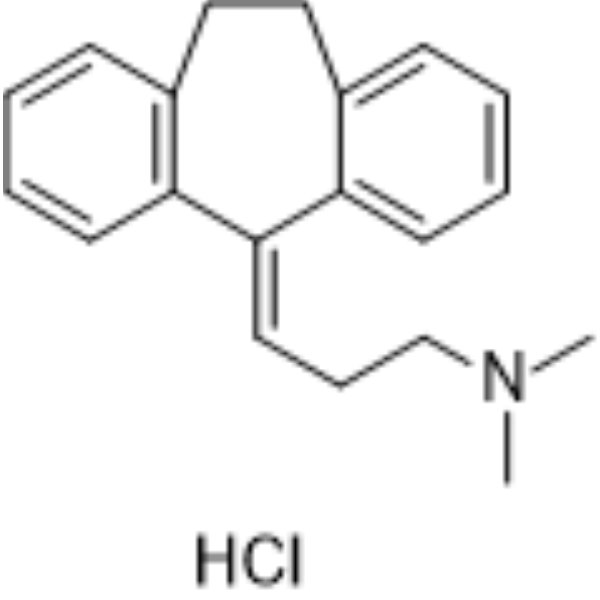
Amitriptyline hydrochloride is an orally active tricyclic antidepressant (TCA). Amitriptyline hydrochloride mainly exerts its antidepressant effect by blocking SERT (Ki = 3.45 nM) and NET (Ki = 13.3 nM), thereby increasing the concentrations of 5-hydroxytryptamine (5-HT) and norepinephrine (NE) in the synaptic cleft. Amitriptyline hydrochloride is also an agonist at α2A and TrkA/TrkB receptors, thereby exerting analgesic and neurotrophic activities (inhibiting cell apoptosis). Amitriptyline hydrochloride can reduce inflammation, angiogenesis and fibrosis. Amitriptyline hydrochloride binds to DAT (with Ki = 2.58 μM). Amitriptyline hydrochloride has high affinity for a series of receptors and can antagonize muscarinic cholinergic receptors (M1/M2/M3/M4/M5 receptors) (Ki = 11-24 nM), H1 receptors (Ki = 0.5-1.1 nM), adrenergic α1 receptors (Ki = 4.4 nM), etc., resulting in a series of side effects. Amitriptyline hydrochloride can block sodium channels and hERG potassium channel (IC50 = 4.78 μM) and it has cardiotoxicity .
loading...
    loading...
8
8 Cited Publications
Cat. No.: HY-14763
CAS No.: 839712-12-8
Purity:  99.83%
Synonyms: RGH-188
Research Areas:  

Neurological Disease

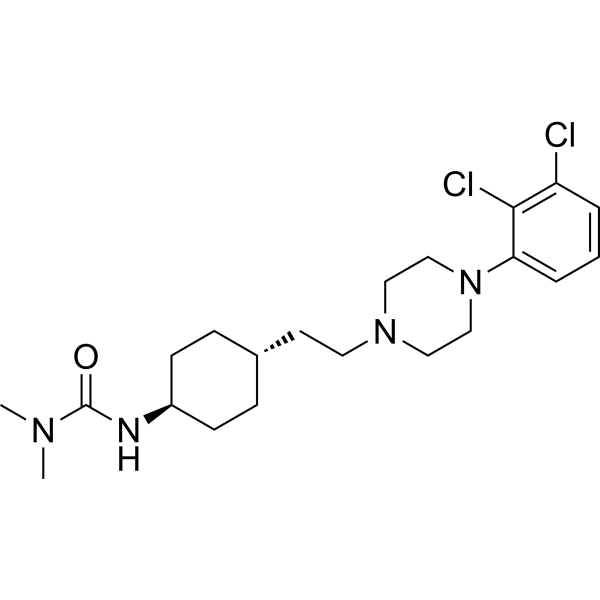
Cariprazine is a novel antipsychotic agent candidate that exhibits high affinity for the D3 (Ki=0.085 nM) and D2 (Ki=0.49 nM) receptors, and moderate affinity for the 5-HT1A receptor (Ki=2.6 nM).
loading...
    loading...

