612 Results for "

MDA

" in MedChemExpress (MCE) Product Catalog:
Products (612)

612 Results for "MDA" in MCE Product Catalog:

  • Targets Recommended:
1
1 Cited Publications
Cat. No.: HY-P86368
Synonyms: Cyclin-dependent kinase inhibitor 1 ; CDK-interacting protein 1; Melanoma differentiation-associated protein 6; MDA-6; p21;

Host:  

Rabbit

Application:  

WB, IHC-P, ICC/IF, IP, ELISA

Reactivity:  

Mouse, Rat

loading...
    loading...
1
1 Cited Publications
Cat. No.: HY-162143
CAS No.: 727686-80-8
Target:  

SphK Akt mTOR

Research Areas:  

Cancer

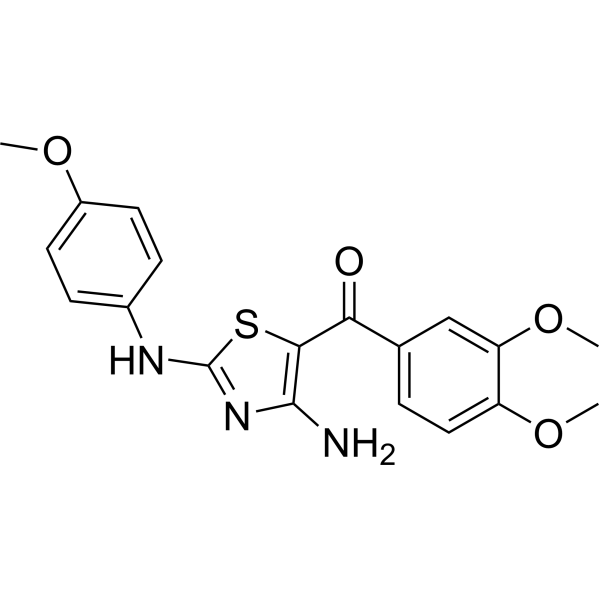
SKI-349 is a dual-targeted inhibitor of sphingosine kinase 1/2 (SPHK1/2) and microtubule assembly (MDA). SKI-349 has anticancer activity. SKI-349 can inhibit the vitality, invasion, and AKT/mTOR signaling pathway of liver cells .
loading...
    loading...
1
1 Cited Publications
Cat. No.: HY-100353
CAS No.: 74713-60-3
Purity:  99.82%
Synonyms: N-Lauroyl-D-erythro-sphingosine; N-Laurylsphingosine
Target:  

Endogenous Metabolite

Research Areas:  

Metabolic Disease Cancer

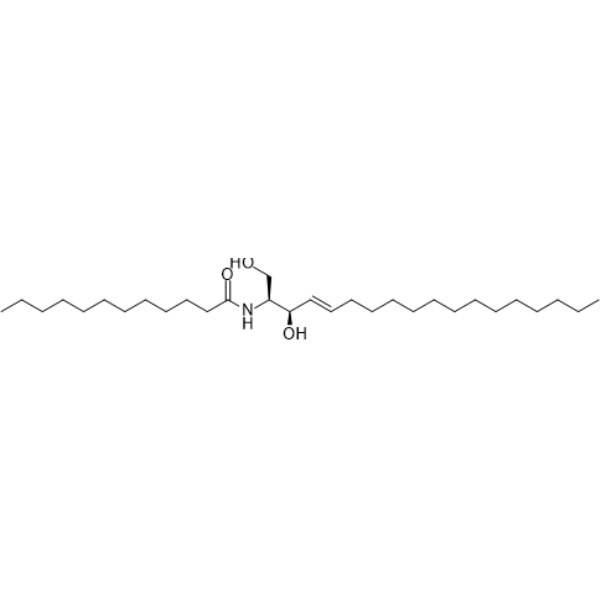
C12-Ceramide (N-Lauroyl-D-erythro-sphingosine), a naturally occurring ceramide, is formed by hydrolysis of C12 sphingomyelin. C12-Ceramide can enhance the Doxorubicin toxicity in MDA-MB-231 cells. C12-Ceramide also can be used to diagnose types A and B Niemann-Pick disease .
loading...
    loading...
1
1 Cited Publications
Cat. No.: HY-100594
CAS No.: 81065-76-1
Purity:  98.27%
Target:  

NF-κB

Research Areas:  

Cardiovascular Disease

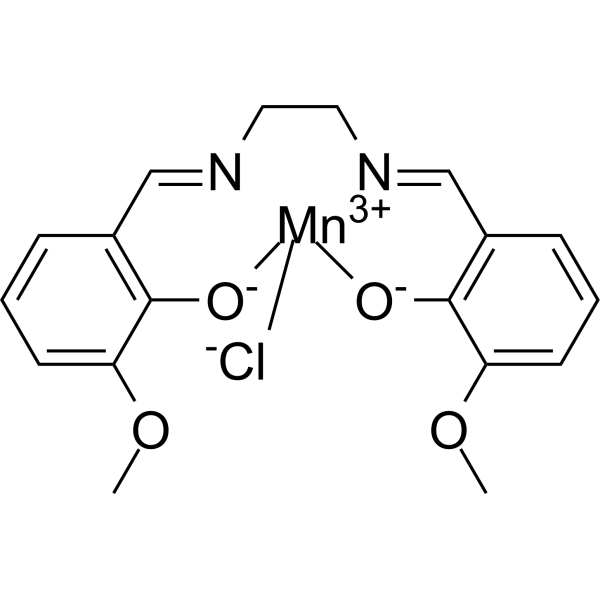
EUK-134, a synthetic superoxide dismutase and catalase mimetic, protects rat kidneys from ischemia-reperfusion-induced damage. EUK-134 is a superoxide dismutase (SOD) mimetics (SODm) with catalase activity. EUK-134 is a mitoprotective antioxidant. EUK-134 reduces the expression of NF-κB, MDA level, and protein carbonylation in H9C2 cells .
loading...
    loading...
1
1 Cited Publications
Cat. No.: HY-N7127
CAS No.: 14755-02-3
Synonyms: trans-3-Hydroxycinnamic acid
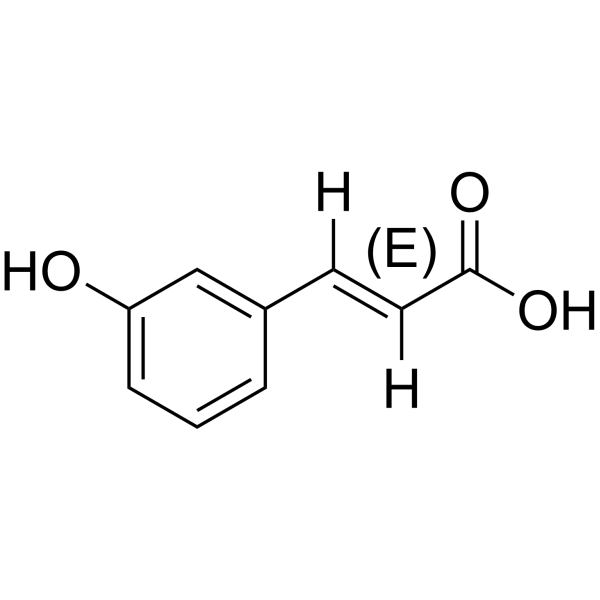
(E)-m-Coumaric acid (trans-3-Hydroxycinnamic acid) is a natural phenolic cinnamic acid derivative with antioxidant activity, and it is found in the young shoots of Limonium densiflorum. (E)-m-Coumaric acid upregulates the levels of SOD and GSH and reduces MDA levels, thereby alleviating oxidative stress and lipid peroxidation in liver tissue. (E)-m-Coumaric acid can be used in studies related to oxidative stress-mediated liver injury .
loading...
    loading...
1
1 Cited Publications
Cat. No.: HY-13807
CAS No.: 1320288-17-2
Purity:  99.38%
Research Areas:  

Cancer

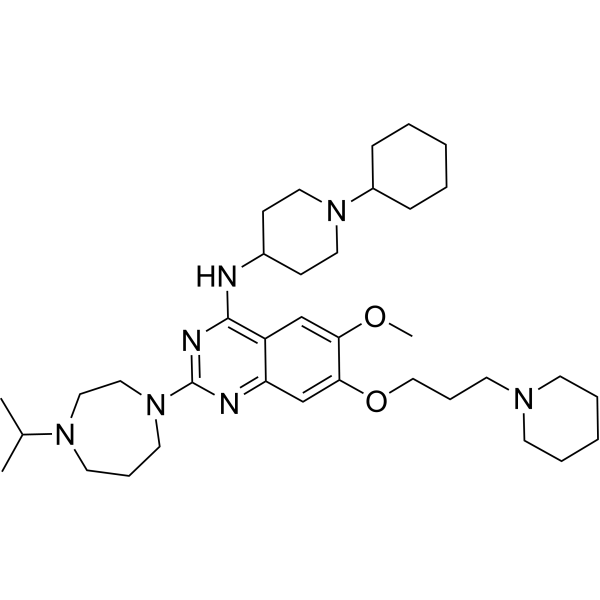
UNC0646 is a potent and selective histone methyltransferase G9a inhibitor with an IC50 of 6 nM. UNC0646 is also a potent GLP inhibitor (IC50 <15 nM) and highly selective for G9a/GLP over SETD7, SUV39H2, SETD8 and PRMT3. UNC0646 reduces H3K9me2 levels in MDA-MB-231 cells with an IC50 of 26 nM .
loading...
    loading...
1
1 Cited Publications
Cat. No.: HY-I1124
CAS No.: 35045-72-8
Synonyms: L-VALINE-2,3,4,4,4,5,5,5-d8
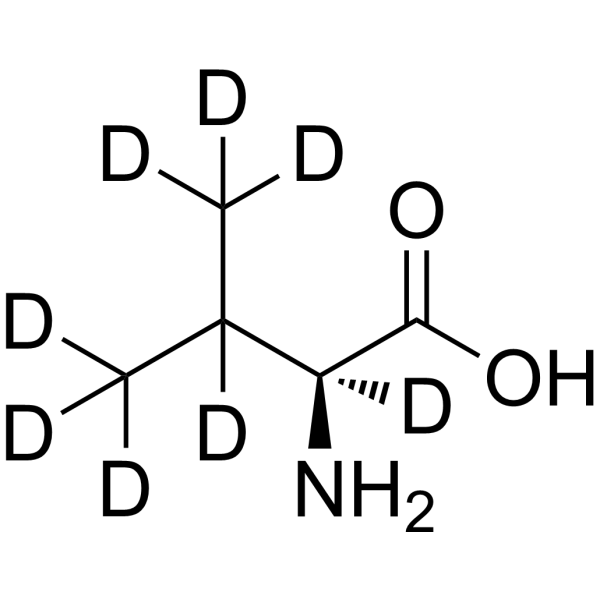
L-Valine-d8 is a deuterated form of L-Valine (HY-N0717). L-Valine ((S)-Valine) is a nonlinear semiorganic material. L-Valine causes lipid peroxidation and accumulation of malondialdehyde (MDA), exhibits inhibitory activity against cyanobacteria. L-Valine inhibits multidrug-resistant bacteria through activation of PI3K/Akt signaling pathway and inhibition of arginase .
loading...
    loading...
1
1 Cited Publications
Cat. No.: HY-N0717S
CAS No.: 59935-29-4
Synonyms: (S)-Valine-15N
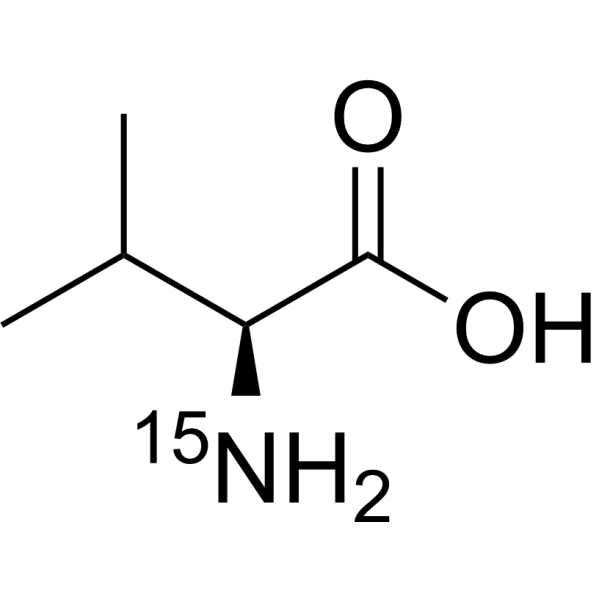
L-Valine- 15N ((S)-Valine- 15N) is the 15N-labeled L-Valine (HY-N0717). L-Valine ((S)-Valine) is a nonlinear semiorganic material. L-Valine causes lipid peroxidation and accumulation of malondialdehyde (MDA), exhibits inhibitory activity against cyanobacteria. L-Valine inhibits multidrug-resistant bacteria through activation of PI3K/Akt signaling pathway and inhibition of arginase .
loading...
    loading...
1
1 Cited Publications
Cat. No.: HY-N0717S6
CAS No.: 55443-52-2
Synonyms: (S)-Valine-13C5
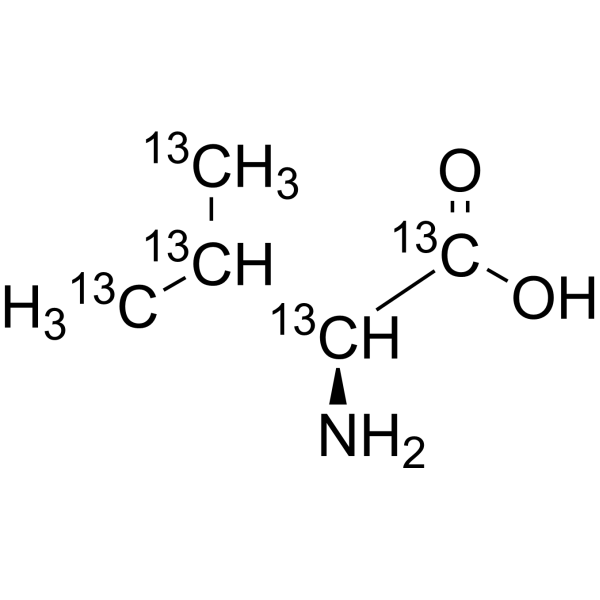
L-Valine- 13C5 ((S)-Valine- 13C5) is the 13C-labeled L-Valine (HY-N0717). L-Valine ((S)-Valine) is a nonlinear semiorganic material. L-Valine causes lipid peroxidation and accumulation of malondialdehyde (MDA), exhibits inhibitory activity against cyanobacteria. L-Valine inhibits multidrug-resistant bacteria through activation of PI3K/Akt signaling pathway and inhibition of arginase .
loading...
    loading...
1
1 Cited Publications
Cat. No.: HY-119257
CAS No.: 450839-40-4
Purity:  98.18%
Research Areas:  

Cancer

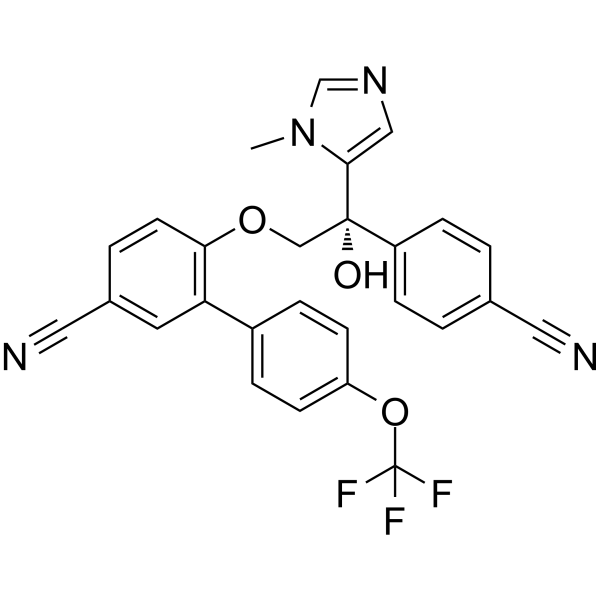
ABT-100, a chemical probe, is a potent, highly selective and orally active farnesyltransferase inhibitor. ABT-100 inhibits cell proliferation (IC50s of 2.2 nM, 3.8 nM, 5.9 nM, 6.9 nM, 9.2 nM, 70 nM and 818 nM for EJ-1, DLD-1, MDA-MB-231, HCT-116, MiaPaCa-2, PC-3, and DU-145 cells, respectively), increases apoptosis and decreases angiogenesis. ABT-100 possesses broad-spectrum antitumor activity .
loading...
    loading...
1
1 Cited Publications
Cat. No.: HY-170620
Target:  

PROTACs PARP

Research Areas:  

Cancer

PARP1 PROTAC 180055 is a PARP1 PROTAC degrader that recruits VHL, with DC50 values of 180 nM and 240 nM in T47D and MDA-MB-231 cells, respectively. PARP1 PROTAC 180055 selectively kills BRCA-mutant tumor cells by inducing PARP1 ubiquitination and proteasomal degradation, thereby blocking PARylation, NAD + depletion and DNA trapping. PARP1 PROTAC 180055 can be used in the research of breast cancer, ovarian cancer, colorectal cancer, acute T-lymphoblastic leukemia, prostate cancer and osteosarcoma .
loading...
    loading...
1
1 Cited Publications
Cat. No.: HY-N8698
CAS No.: 530-14-3
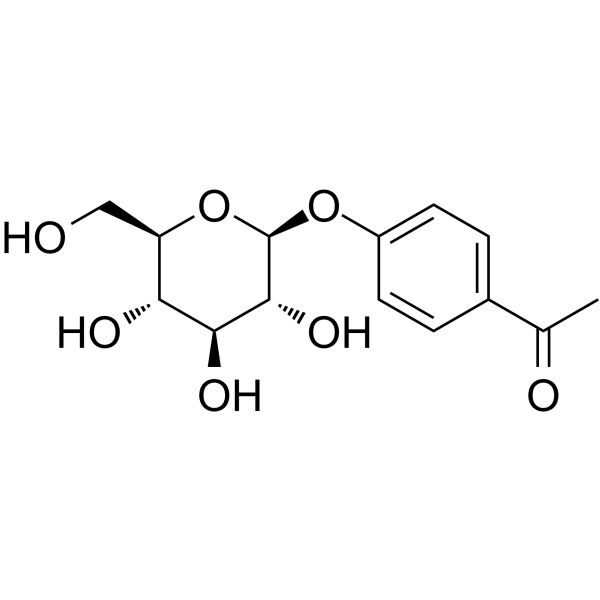
Picein is an antioxidant and anti-inflammatory agent. Picein can be isolated from the leaves of Picrorhiza kurroa. Picein reduces MDA levels and increases the levels of SOD, GPX and TAC. Picein alleviates oxidative stress and promotes bone regeneration in osteoporotic bone defects by inhibiting Ferroptosis (via activation of the Nrf2/HO-1/GPX4 pathway). Picein prevents scopolamine (HY-N0296)-induced passive avoidance memory impairment in rats. Picein can be used in research related to osteoporotic bone defects and Alzheimer's disease .
loading...
    loading...
1
1 Cited Publications
Cat. No.: HY-W111581
CAS No.: 13681-87-3
Synonyms: Diethyldithiocarbamic acid copper salt
Target:  

Apoptosis Caspase

Research Areas:  

Cancer

Copper(II) diethyldithiocarbamate (Diethyldithiocarbamic acid copper salt) is a Copper(II) and diethyldithiocarbamate coordination polymer. Copper(II) diethyldithiocarbamate binds tightly to NPL4 and induces its aggregation, disrupting the p97-NPL4-UFD1 pathway. Copper(II) diethyldithiocarbamate causes ubiquitinated proteins accumulation and impairs waste proteins degradation, thus resulting in cell apoptosis. Copper(II) diethyldithiocarbamate inhibits tumor growth in MDA-MB-231 xenograft mice models. Copper(II) diethyldithiocarbamate can be used for the research of cancer, such as breast cancer .
loading...
    loading...
1
1 Cited Publications
Cat. No.: HY-P70322
Purity:  ≥ 95%, as determined by reducing SDS-PAGE.
Synonyms: ERBB3; Receptor Protein-Tyrosine Kinase; Prev. LCCS2; P45-SErbB3; HER3; P85-SErbB3; V-Erb-B2 Avian Erythroblastic Leukemia Viral Oncogene Homolog 3; ErbB-3 R31; Tyrosine Kinase-Type Cell Surface Receptor HER3; MDA-BF-1; Human Epidermal Growth Factor Recep
Species:  
Human
Source:  
HEK293
loading...
    loading...
1
1 Cited Publications
Cat. No.: HY-W013579
CAS No.: 2244-16-8
Synonyms: D-​Carvone
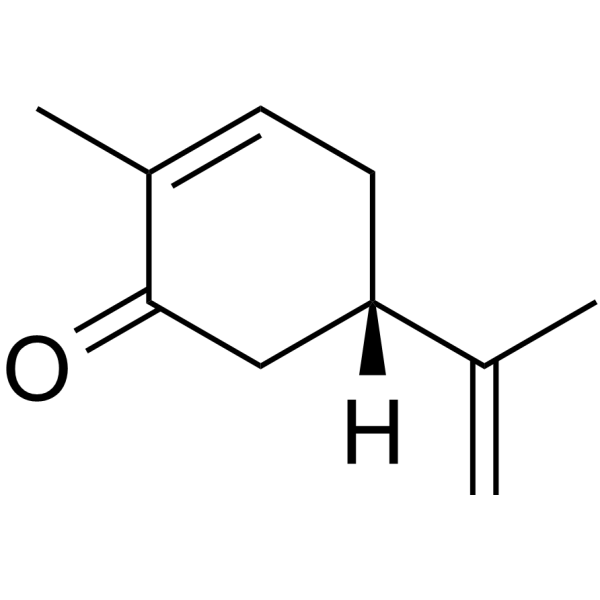
(S)-(+)-Carvone is an orally active natural product. (S)-(+)-Carvone increases the activity of antioxidant enzymes (SOD, CAT) and ROS, reduces the levels of oxidative stress markers (MDA, AChE), reduces the secretion of proinflammatory cytokines (IL-1β, IL-4, IL-6, IL-10), and downregulates NLRP3. (S)-(+)-Carvone increases the activities of caspase-8, -9 and -3. (S)-(+)-Carvone induces apoptotic death. (S)-(+)-Carvone has antimanic-like effect, liver protection and anticancer activity against skin cancer. (S)-(+)-Carvone improves memory and arthritis .
loading...
    loading...
1
1 Cited Publications
Cat. No.: HY-N1437
CAS No.: 6205-14-7
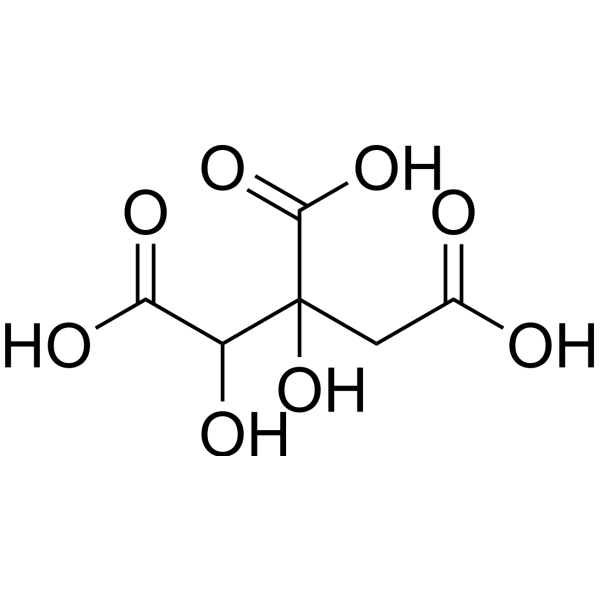
Hydroxycitric acid is an orally active, multi-target, multi-bioactive organic acid. activates Nrf2 and its downstream molecule GPX4, increases glutathione levels, and thereby inhibits ferroptosis. Hydroxycitric acid activates the Nrf2/Keap1 and ACLY/NF-κB signaling pathways, upregulates the activities of antioxidant enzymes such as superoxide dismutase, reduces MDA content, thereby alleviating oxidative stress and renal tubular epithelial cell apoptosis, and improves pulmonary vascular and right ventricular remodeling. Hydroxycitric acid activates both the AMPK and mTORC1/S6K pathways, triggers the unfolded protein response, arrests the cancer cell cycle, and induces DNA fragmentation .
loading...
    loading...
1
1 Cited Publications
Cat. No.: HY-W338584
CAS No.: 232281-44-6
Tripotassium hydroxycitrate is an orally active, multi-target, multi-bioactive organic acid. Tripotassium hydroxycitrate activates Nrf2 and its downstream molecule GPX4, increases glutathione levels, and thereby inhibits ferroptosis. Tripotassium hydroxycitrate activates the Nrf2/Keap1 and ACLY/NF-κB signaling pathways, upregulates the activities of antioxidant enzymes such as superoxide dismutase, reduces MDA content, thereby alleviating oxidative stress and renal tubular epithelial cell apoptosis, and improves pulmonary vascular and right ventricular remodeling. Tripotassium hydroxycitrate activates both the AMPK and mTORC1/S6K pathways, triggers the unfolded protein response, arrests the cancer cell cycle, and induces DNA fragmentation .
loading...
    loading...
1
1 Cited Publications
Cat. No.: HY-P704204
Purity:  ≥ 95%, as determined by reducing SDS-PAGE.
Synonyms: CDKN1A; Cdk-Interacting Protein 1; Prev. CDKN1; MDA-6; CAP20; Melanoma Differentiation Associated Protein 6; CIP1; Melanoma Differentiation-Associated Protein 6; WAF1; Wild-Type P53-Activated Fragment 1; SDI1; CDK-Interaction Protein 1; P21; CDK-Interacti
Species:  
Mouse
Source:  
E. coli
loading...
    loading...
1
1 Cited Publications
Cat. No.: HY-B1953
CAS No.: 111988-49-9
Research Areas:  

Infection

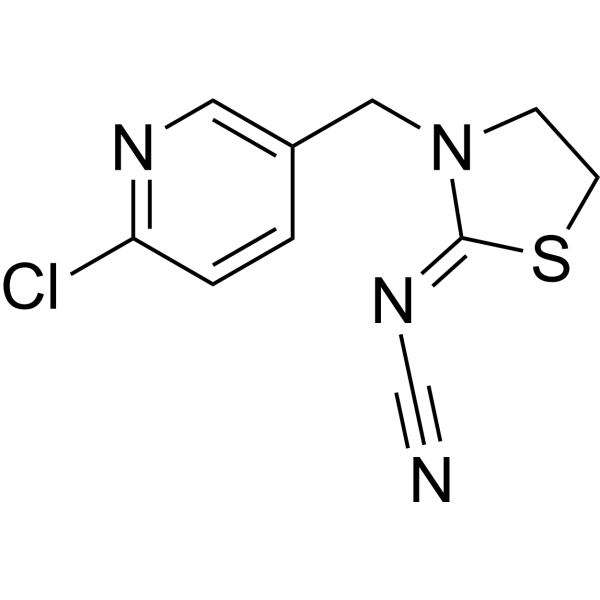
Thiacloprid is an orally active neurotoxic insecticide and also a nAChR agonist. Thiacloprid reduces the viability of healthy cells, depletes reduced glutathione, and increases MDA levels, thereby inducing cytotoxicity and oxidative stress damage. In practical applications, Thiacloprid has lower acute toxicity to honeybees than other compounds of the same class such as Imidacloprid (HY-B0838), but it still significantly impairs the learning and memory function, immune capacity and survival status of honeybees. Thiacloprid induces intestinal microbial dysbiosis and reduces survival rate in middle-aged honeybees, increases the risk of premature collapse in bumblebee colonies, and significantly decreases the final colony weight and reproductive output. Thiacloprid is used in broad-spectrum agricultural pest control, often alone or in combination with Deltamethrin (HY-B1971), and meets the pest management needs of various crops including potatoes, cabbages, various fruits and vegetables, and nuts .
loading...
    loading...
Cat. No.: HY-77962
CAS No.: 504-17-6
2-Thiobarbituric acid is a commonly used colorimetric reagent for the detection of malondialdehyde (MDA), a marker of lipid peroxidation. 2-Thiobarbituric acid forms a complex with MDA that can be quantified by colorimetric detection at 532 nm as a measure of lipid peroxidation .
loading...
    loading...

