926 Results for "

Lymphomas

" in MedChemExpress (MCE) Product Catalog:
Products (926)

926 Results for "Lymphomas" in MCE Product Catalog:

Cat. No.: HY-N0732R
CAS No.: 37905-08-1
Jolkinolide B (Standard) is the analytical standard of Jolkinolide B (HY-N0732). This product is intended for research and analytical applications. Jolkinolide B is a bioactive diterpene isolated from the roots of Euphorbia fischeriana Steud with oral activity. Jolkinolide B downregulates XIAP, cIAP1, cIAP2, and phosphorylated Akt, upregulates Smac, activates caspase-3 and caspase-9, and inhibits NF-κB, TGFβ/smad3 and JAK/STAT3 pathways. Jolkinolide B exerts comprehensive biological effects including inducing cancer cell apoptosis, suppressing inflammatory responses, improving lung function, alleviating hepatic steatosis and eliminating intracellular Mycobacterium tuberculosis. Jolkinolide B can be used for the research of leukemia, histiocytic lymphoma, asthma, metabolic dysfunction-associated steatotic liver disease and tuberculosis .
loading...
    loading...
Cat. No.: HY-N6799R
CAS No.: 36519-25-2
Neosolaniol (Standard) is the analytical standard of Neosolaniol (HY-N6799). This product is intended for research and analytical applications. Neosolaniol is an orally active type A trichothecene mycotoxin, and it is a metabolite of T-2 Toxin (HY-N6792) in human cancer cells and renal epithelial cells. Neosolaniol targets Bax, Bcl-2, caspase 3, caspase 8, and cytochrome c, thereby inducing apoptosis, emesis and anorexia. Neosolaniol reduces intracellular ATP levels, elevates ROS levels, decreases mitochondrial membrane potential, induces mitochondrial damage, and exerts toxicity on Leydig cells. Neosolaniol downregulates the expression of intestinal tight junction proteins in broilers and increases the load of Salmonella enteritidis in the cecum of broilers. Neosolaniol can be used in research related to anorexia, lymphoma, Fusarium melonis rot, and Salmonella infection .
loading...
    loading...
Cat. No.: HY-121360
CAS No.: 143545-90-8
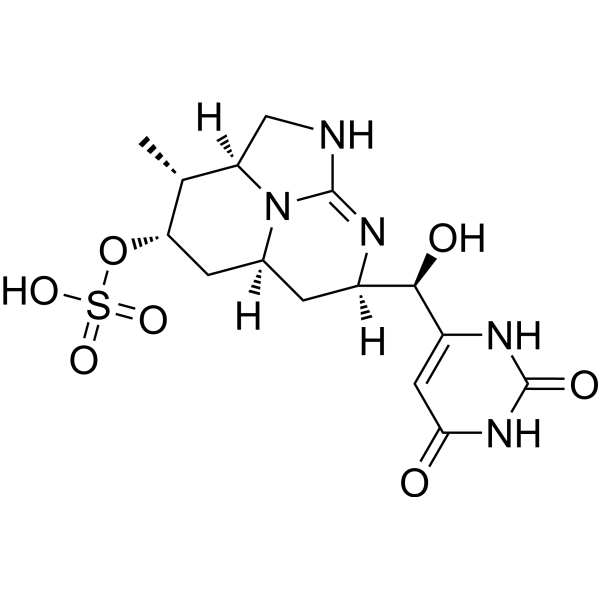
Cylindrospermopsin, a cyanotoxin, is a polycyclic uracil derivative containing guanidine and sulfate groups, which can inhibit protein synthesis and covalently modify DNA or RNA. Cylindrospermopsin induces hepatocellular hypertrophy, renal cellular hypertrophy, intracellular reactive oxygen species (ROS), DNA strand breaks, mitochondrial hyperpolarisation, ultrastructural damage, and altered gene expression in liver, kidney, and intestinal cells. Cylindrospermopsin can be used in research including hepatocellular carcinoma and water quality testing .
loading...
    loading...
Cat. No.: HY-122817
CAS No.: 73226-73-0
Target:  

Antibiotic Parasite

Research Areas:  

Infection

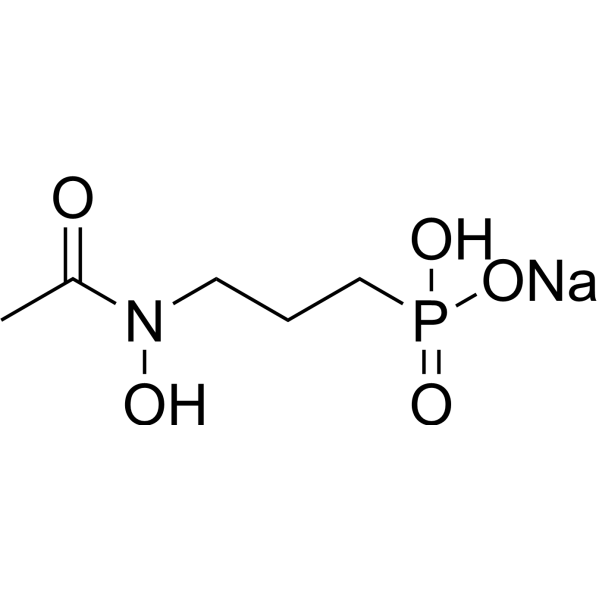
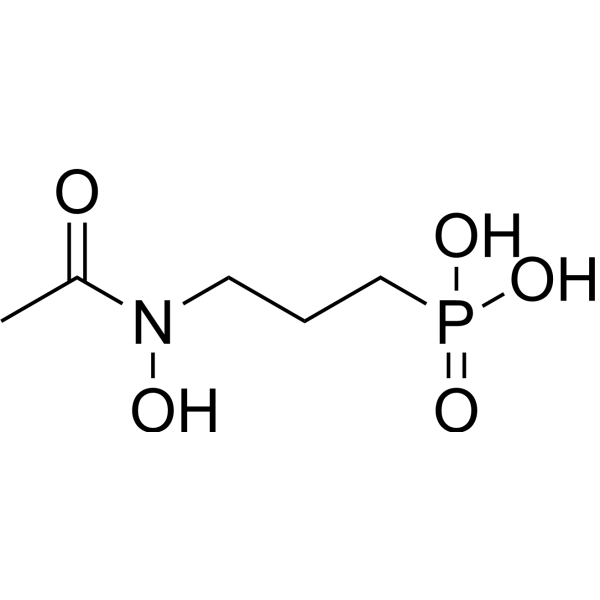
FR900098 sodium is an antimalarial agent that inhibits 1-deoxy-d-xylulose-5-phosphate (DXP) reductoisomerase. FR900098 sodium has no significant acute toxicity or genotoxicity, and does not have the ability to cause chromosome breakage or heterogeneity. FR900098 sodium has no effect on bone marrow red blood cells in NMRI mice .
loading...
    loading...
Cat. No.: HY-125843
CAS No.: 2271036-44-1
Purity:  99.63%
Synonyms: Cereblon Ligand-Linker Conjugates 13; E3 ligase Ligand-Linker Conjugates 50
Research Areas:  

Cancer

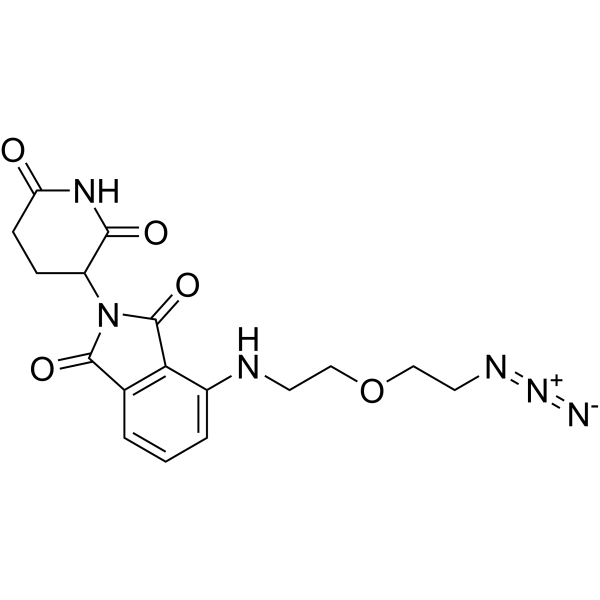
Pomalidomide-PEG1-C2-N3 (Cereblon Ligand-Linker Conjugates 13) is a cereblon E3 ligand-linker conjugate that can be used to synthesisi selective CDK6 PROTAC degrader CP-10 (HY-125835). Pomalidomide-PEG1-C2-N3 can be used for the research of cancers .
loading...
    loading...
Cat. No.: HY-160142
CAS No.: 2884554-45-2
Target:  

PROTACs Btk Syk MEK ERK

Research Areas:  

Cancer

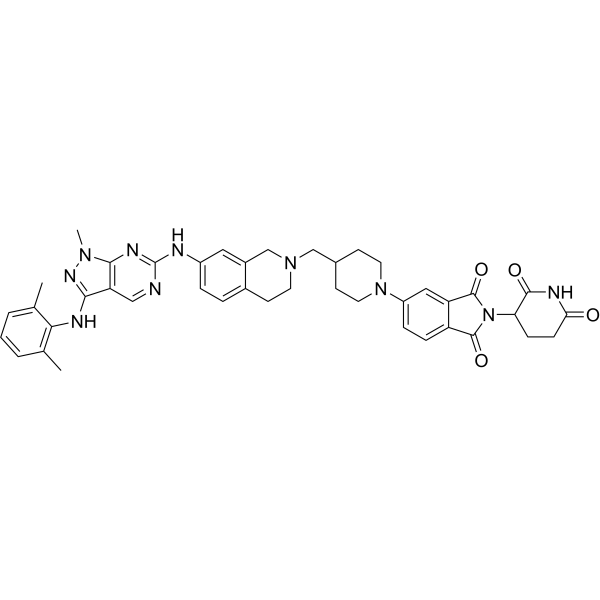
UBX-382 is an orally active BTK PROTAC degrader with a DC50 of 4.56 nM. UBX-382 inhibits B-cell receptor signaling by targeting BTK. UBX-382 shows superior degradation activity for wild-type and mutant BTK proteins. UBX-382 inhibits tumor growth in murine xenograft models harboring wild-type or C481S mutant BTK-expressing TMD-8 cells. UBX-382 can be used for the study of B-cell-related blood cancers .
loading...
    loading...
Cat. No.: HY-182565
CAS No.: 1854997-77-5
Target:  

Plasminogen/Plasmin

Research Areas:  

Cancer

PSI-112 is a YO-class μPlm inhibitor, with IC50 values of 0.38 μM, 1.48 μM and 0.37 μM against the wild-type, F587A mutant and K607A mutant, respectively. PSI-112 shows low affinity for uPA. PSI-112 can be used in cancer research .
loading...
    loading...
Cat. No.: HY-W795264
CAS No.: 66508-32-5
Target:  

Parasite

Research Areas:  

Infection

FR900098 is an antimalarial agent that inhibits 1-deoxy-d-xylulose-5-phosphate (DXP) reductoisomerase. FR900098 has no significant acute toxicity or genotoxicity, and does not have the ability to cause chromosome breakage or heterogeneity. FR900098 has no effect on bone marrow red blood cells in NMRI mice .
loading...
    loading...
Cat. No.: HY-119715
CAS No.: 486414-35-1
Target:  

CDK Apoptosis

Research Areas:  

Inflammation/Immunology Cancer

AG-012986 is a pan-CDK inhibitor with Ki values of 44 nM (CDK1), 9.2 nM (CDK4), 94 nM (CDK2), and IC50 values of 22 nM (CDK5), 4 nM (CDK9). AG-012986 causes apoptosis of T-cells by targeting upstream kinases in the p38 Mitogen-activated protein kinase (MAPK) pathway and impairing cellular survival. AG-012986 induces cell cycle arrest, retinoblastoma protein hypophosphorylation, and reduces Ki-67 expression. AG-012986 exerts antiproliferative activity in tumor cells, demonstrates antitumor efficacy in human xenograft models, and causes retinal and peripheral neurotoxicity, plus immune cell toxicity. AG-012986 can be used for the research of colon carcinoma, non-small cell lung carcinoma, lung carcinoma, breast carcinoma, ovarian tumor, pancreatic carcinoma, osteosarcoma, lymphoma, leukemia, retinotoxicity .
loading...
    loading...
Cat. No.: HY-173333
CAS No.: 3081688-77-6
Research Areas:  

Cancer

PROTAC SMARCA2/4 degrader-38 is a SMARCA2/4 degrader (SMARCA2: DC50 = 3.0 nM; SMARCA4: 4.0 nM). PROTAC SMARCA2/4 degrader-38 binds to SMARCA2 and SMARCA4 bromodomains to induce degradation via the ubiquitin-proteasome system. PROTAC SMARCA2/4 degrader-38 induces G0/G1 phase cell cycle arrest and cell apoptosis in hematological cancer cells, blocks oncogenic activity of MYC and other disease-related genes in acute myeloid leukemia cells and inhibits proliferation of hematological cancer cell lines. PROTAC SMARCA2/4 degrader-38 can be used for the research of acute myeloid leukemia, diffuse large B-cell lymphoma, breast cancer, ovarian cancer, colorectal cancer, liver cancer, lung cancer .
loading...
    loading...
Cat. No.: HY-174396
CAS No.: 3075011-99-0
PI3Kδ/HDAC6-IN-1 (Compound 22E) is an orally active and dual inhibitor of PI3Kδ and HDAC6 with IC50 values of 2.4 nM and 6.2 nM, respectively. PI3Kδ/HDAC6-IN-1 exhibits potent antiproliferative effects on non-Hodgkin lymphoma (NHL) cells and possesses in vivo antitumor activity without significant toxicity. PI3Kδ/HDAC6-IN-1 arrests the cell cycle at the G0/G1 phase and induces apoptosis. PI3Kδ/HDAC6-IN-1 blocks the PI3K/AKT/mTOR signaling pathway and increases the acetylation levels of α-tubulin and histone H3 .
loading...
    loading...
Cat. No.: HY-182470
CAS No.: 486414-32-8
Target:  

CDK

AG-012986 (dihydrochloride) is a pan-CDK inhibitor with Ki values of 44 nM (CDK1), 9.2 nM (CDK4), 94 nM (CDK2), and IC50 values of 22 nM (CDK5), 4 nM (CDK9). AG-012986 (dihydrochloride) causes apoptosis of T-cells by targeting upstream kinases in the p38 Mitogen-activated protein kinase (MAPK) pathway and impairing cellular survival. AG-012986 (dihydrochloride) induces cell cycle arrest, retinoblastoma protein hypophosphorylation, and reduces Ki-67 expression. AG-012986 (dihydrochloride) exerts antiproliferative activity in tumor cells, demonstrates antitumor efficacy in human xenograft models, and causes retinal and peripheral neurotoxicity, plus immune cell toxicity. AG-012986 (dihydrochloride) can be used for the research of colon carcinoma, non-small cell lung carcinoma, lung carcinoma, breast carcinoma, ovarian tumor, pancreatic carcinoma, osteosarcoma, lymphoma, leukemia, retinotoxicity .
loading...
    loading...
Cat. No.: HY-138195
CAS No.: 1361198-79-9
Research Areas:  

Cancer

NEO212 is an orally active, blood-brain barrier permeable conjugate of Temozolomide (TMZ) (HY-17364) and Perillyl Alcohol (POH) (HY-N7000), with potent anticancer activity. NEO212 overcomes classical TMZ resistance and DNA alkylation by depleting MGMT. By inhibiting the FAK/Src signaling pathway, NEO212 reduces the production of MMP2 and MMP9, induces mesenchymal-epithelial transition, and inhibits the migration, invasion and tumor progression of glioma stem cells. NEO212 disrupts autophagy flux to enhance mitochondrial apoptosis; it induces differentiation of acute myeloid leukemia (AML) cells into macrophages and proliferation arrest .
loading...
    loading...
Cat. No.: HY-148494
CAS No.: 2174938-78-2
Purity:  99.85%
Synonyms: FLX475
Target:  

CCR

Research Areas:  

Inflammation/Immunology Cancer

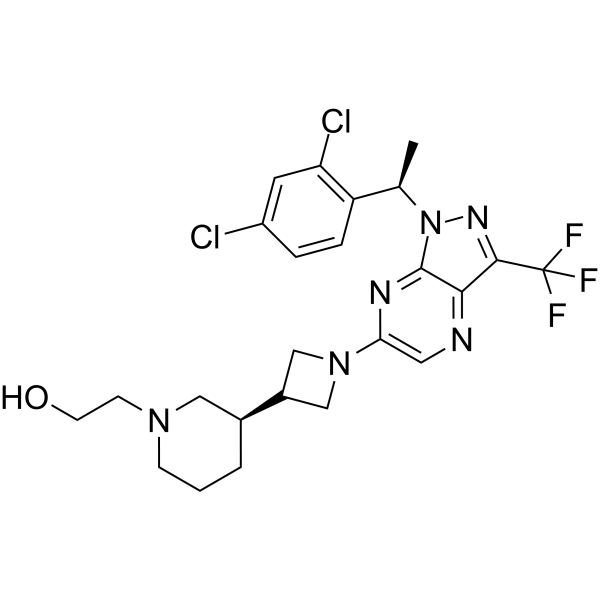
Tivumecirnon (FLX475) is an orally active, selective CCR4 antagonist. Tivumecirnon blocks the binding of CCR4 to its ligands, CCL17 and CCL22, thereby reducing Treg infiltration into the tumor microenvironment. Tivumecirnon has antitumor activity .
loading...
    loading...
Cat. No.: HY-174315
Research Areas:  

Cancer

WZH-17-002 is a CRBN‑recruiting ALK PROTAC degrader. WZH‑17‑002 degrades ALK proteins, including EML4‑ALK and the compound mutants. WZH‑17‑002 inhibits the development of drug resistance in ALK‑fusion non‑small‑cell lung cancer. WZH‑17‑002 can be used for research related to non‑small‑cell lung cancer .
loading...
    loading...
Cat. No.: HY-184595
CAS No.: 3037312-75-4
Target:  

Ligands for E3 Ligase

Research Areas:  

Others

(6-OH)-SBP-0636457 is an E3 ubiquitin ligase ligand. (6-OH)-SBP-0636457 can be used to synthesize PROTAC Bcl-xL degrader-1 (HY-131188) .
loading...
    loading...
Cat. No.: HY-W1118851
CAS No.: 3050683-64-9
Research Areas:  

Inflammation/Immunology

(S)-VAV1 degrader-1 is a VAV1 molecular glue degrader with DC50 = 3.07 nM. (S)-VAV1 degrader-1 is used for research on VAV1-related diseases, such as inflammation and immune-related diseases .
loading...
    loading...
ISIS 626112
0 Images
ION-626112
Cat. No.: HY-159693
CAS No.: 2091995-55-8
Synonyms: ION-626112
ISIS 626112 (ION-626112) is a blood-brain barrier-permeable MOE-gapmer antisense oligonucleotide and also an inhibitor of the Malat1 long non-coding RNA. ISIS 626112 triggers RNase H1-mediated cleavage and degradation of complementary Malat1 RNA. ISIS 626112 dose-dependently reduces Malat1 RNA levels in all tested central nervous system regions and major central nervous system cell types in mice, with glial cells showing higher sensitivity than neurons .
loading...
    loading...
ISIS 626112 sodium
0 Images
ION-626112 (sodium)
Cat. No.: HY-159693A
Synonyms: ION-626112 sodium
ISIS 626112 sodium (ION-626112 sodium) is a blood-brain barrier-permeable MOE-gapmer antisense oligonucleotide and also an inhibitor of the Malat1 long non-coding RNA. ISIS 626112 sodium triggers RNase H1-mediated cleavage and degradation of complementary Malat1 RNA. ISIS 626112 sodium dose-dependently reduces Malat1 RNA levels in all tested central nervous system regions and major central nervous system cell types in mice, with glial cells showing higher sensitivity than neurons .
loading...
    loading...
Cat. No.: HY-170434
CAS No.: 3106363-91-8
Research Areas:  

Cancer

Bfl-1-IN-6 is an orally active BFL1 inhibitor with an IC50 of 19 nM. Bfl-1-IN-6 selectively binds covalently to BFL1, stabilizes the protein and displaces BIM from BFL1, thereby inducing apoptosis activity. Bfl-1-IN-6 stabilizes BFL1 protein, activates cleaved caspase 3, and exhibits antitumor activity in mouse models. Bfl-1-IN-6 can be used for the research of hematological malignancies .
loading...
    loading...

