950 Results for "

NF-κB pathways

" in MedChemExpress (MCE) Product Catalog:
Products (950)

950 Results for "NF-κB pathways" in MCE Product Catalog:

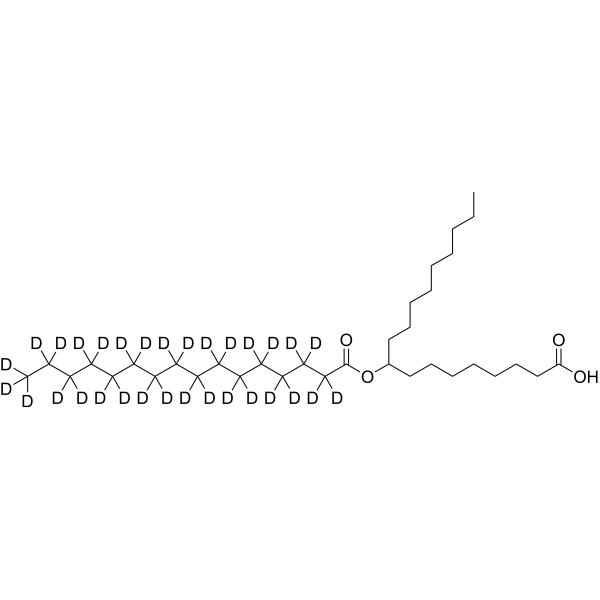
Cat. No.: HY-120657S1
CAS No.: 2748208-06-0
9-PAHSA-d31 is the deuterium labeled 9-PAHSA. 9-PAHSA is an orally active endogenous GPR120 agonist (EC50=18 μM). 9-PAHSA significantly inhibits LPS-induced inflammatory responses by blocking the NF-κB pathway. 9-PAHSA induces adipocyte browning, enhances glucose uptake and reduces lipid accumulation, while improving mitochondrial function and the survival rate of steatotic hepatocytes. In terms of neuroprotection, 9-PAHSA regulates the expression of REST and BDNF in the prefrontal cortex of diabetic mice, and effectively prevents spatial working memory deficits and abnormal social behaviors. 9-PAHSA does not directly regulate insulin secretion or improve systemic insulin sensitivity, and possesses specific anti-inflammatory, metabolic regulatory and neuroprotective properties. 9-PAHSA can be used in the research of diabetes-related cognitive impairment, obesity and non-alcoholic fatty liver disease .
loading...
    loading...
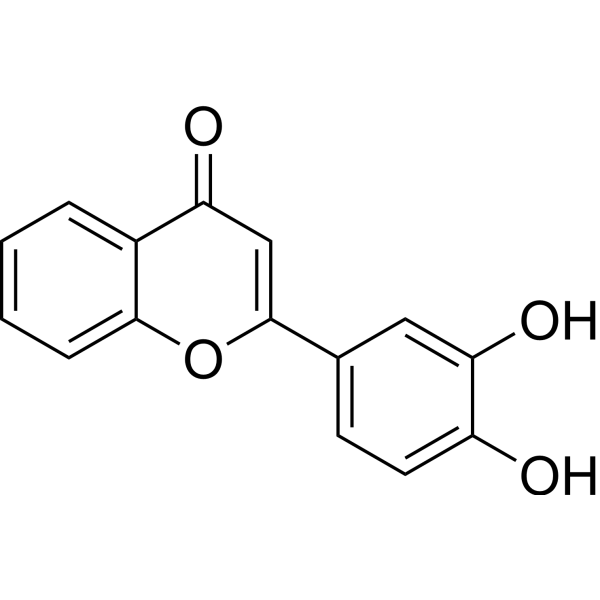
Cat. No.: HY-127167
CAS No.: 4143-64-0
Purity:  98.61%
3',4'-Dihydroxyflavone is an orally active antioxidant. 3',4'-Dihydroxyflavone inhibits the NF-κB, JAK1/STAT1, AP-1, IRF3, and MAPK/MEK/ERK pathways, while activating Nrf2 and reducing Keap1, thereby exerting anti-inflammatory and antioxidant effects. 3',4'-Dihydroxyflavone inhibits NO, PGE2, pro-inflammatory cytokines, and ROS production, upregulates GSH, and activates KATP channels, adenosine A3 receptors, and GABAA receptors. 3',4'-Dihydroxyflavone inhibits PPARγ expression and adipogenic differentiation, induces osteogenic differentiation; it also inhibits 5-lipoxygenase and xanthine oxidase, weakly inhibits PARP1, and scavenges DPPH and superoxide radicals. 3',4'-Dihydroxyflavone can be used for research on peripheral nerve injury, septic shock, obesity, influenza A virus infection, infertility, and diabetic complications .
loading...
    loading...
Cat. No.: HY-13687R
CAS No.: 873225-46-8
IKK 16 (Standard) is the analytical standard of IKK 16. This product is intended for research and analytical applications. IKK 16 hydrochloride is an orally active IKK inhibitor. IKK 16 hydrochloride shows IC50s of 40 nM, 70 nM, 200 nM, and 50 nM for IKK2, IKK complex, IKK1, and LRRK 2, respectively. IKK 16 hydrochloride is also a pan-PKD inhibitor, inhibiting PKD1, PKD2, and PKD3 with IC50s of 153.9, 115, and 99.7 nM, respectively. IKK 16 hydrochloride is also an ABCB1 inhibitor, interfering with the binding of ABCB1 to its substrates. IKK 16 hydrochloride protects against LPS (HY-D1056)-induced multiple organ dysfunction by reducing the acute inflammatory response induced by endotoxin exposure. IKK 16 hydrochloride can restore renal function and alleviate fibrosis in acute kidney injury. IKK 16 hydrochloride attenuates cardiac dysfunction associated with polymicrobial sepsis in mice with type 2 diabetes mellitus (T2DM) by inhibiting the NF-κB pathway.
loading...
    loading...
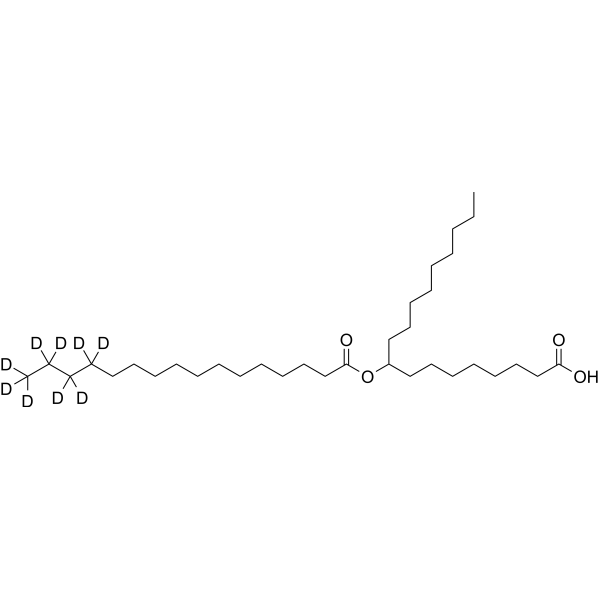
Cat. No.: HY-144026S
CAS No.: 1809222-43-2
9-PAHSA-d9 is the deuterium labeled 9-PAHSA (HY-120657). 9-PAHSA is an orally active endogenous GPR120 agonist (EC50=18 μM). 9-PAHSA significantly inhibits LPS-induced inflammatory responses by blocking the NF-κB pathway. 9-PAHSA induces adipocyte browning, enhances glucose uptake and reduces lipid accumulation, while improving mitochondrial function and the survival rate of steatotic hepatocytes. In terms of neuroprotection, 9-PAHSA regulates the expression of REST and BDNF in the prefrontal cortex of diabetic mice, and effectively prevents spatial working memory deficits and abnormal social behaviors. 9-PAHSA does not directly regulate insulin secretion or improve systemic insulin sensitivity, and possesses specific anti-inflammatory, metabolic regulatory and neuroprotective properties. 9-PAHSA can be used in the research of diabetes-related cognitive impairment, obesity and non-alcoholic fatty liver disease .
loading...
    loading...
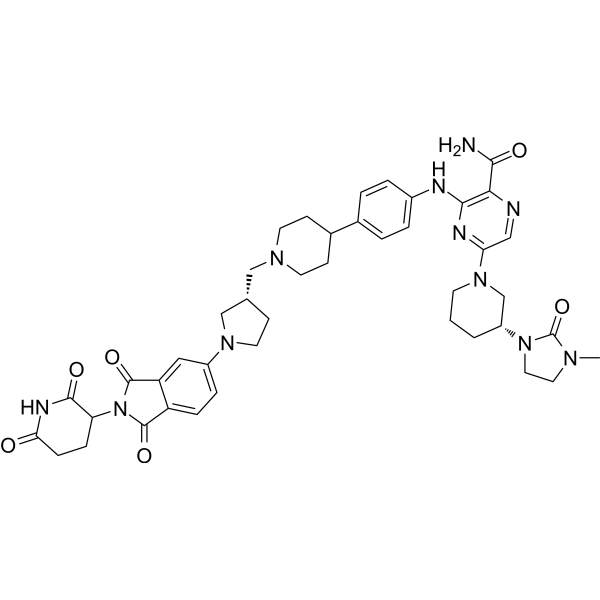
Cat. No.: HY-153357
CAS No.: 2416130-57-7
Purity:  98.16%
Target:  

PROTACs Btk c-Myc NF-κB

Research Areas:  

Inflammation/Immunology Cancer

NRX-0492 is an orally active BTK PROTAC degrader, with a binding IC50 of 1.2 nM for both wild-type BTK and BTK T474I, and 2.7 nM for BTK C481S, and exhibits cellular DC50 values of 0.1 nM and 0.2 nM against wild-type BTK and BTK C481S, respectively. NRX-0492 catalyzes the ubiquitination and proteasomal degradation of wild-type and drug-resistant mutant BTK by recruiting the CRBN E3 ubiquitin ligase complex. NRX-0492 inhibits the BCR signaling pathway and its downstream NF-κB/MYC transcriptional program, achieves rapid and sustained degradation in primary CLL cells, and exhibits extremely low cytotoxicity. NRX-0492 degrades BTK, inhibits tumor cell proliferation and activation, and significantly suppresses tumor growth in xenograft models. NRX-0492 can be used in research related to chronic lymphocytic leukemia and diffuse large B-cell lymphoma .
loading...
    loading...
Cat. No.: HY-189215
CAS No.: 3087067-85-1
Anti-Influenza agent 12 is an orally active inhibitor of influenza A virus infection. Anti-Influenza agent 12 inhibits RIG-I-mediated innate immune signaling and TLR3-mediated signaling pathways. Anti-Influenza agent 12 inhibits NF-κB phosphorylation and downregulates the expression levels of IRF3, ASC, iNOS, IL-4, IL-6, and IFN-α inflammatory genes. Anti-Influenza agent 12 inhibits viral nucleoprotein (NP) and matrix protein 2 (M2) mRNA transcription and protein synthesis. Anti-Influenza agent 12 inhibits virus-induced apoptosis, reduces ROS and NO production, and maintains mitochondrial membrane potential. Anti-Influenza agent 12 exhibits broad-spectrum activity against H1N1 and H3N2 subtypes, reduces viral load, and alleviates lung tissue damage. Anti-Influenza agent 12 can be used for research on influenza A virus infection .
loading...
    loading...
Cat. No.: HY-N0168AR
CAS No.: 69097-99-0
(Rac)-Hesperetin (Standard) is the analytical standard of (Rac)-Hesperetin. This product is intended for research and analytical applications. (Rac)-Hesperetin is the racemate of Hesperetin (HY-N0168), an orally active multi-target inhibitor. (Rac)-Hesperetin exhibits significant anti-tumor and anti-inflammatory activities by blocking the TGF-β1-mediated Fyn/RhoA signaling axis and the TLR4-MyD88-NF-κB inflammatory pathway. (Rac)-Hesperetin inhibits the formation of actin stress fibers and the migration and invasion of cancer cells, and is suitable for triple-negative breast cancer research. In inflammation models, (Rac)-Hesperetin effectively alleviates lung injury by reducing the release of pro-inflammatory mediators and regulating the activity of oxidative stress enzymes, and is suitable for acute lung injury research. (Rac)-Hesperetin also interferes with the entry and early replication processes of channel catfish virus, inhibits viral gene expression and progeny virus production, thereby protecting cells from virus-induced cytopathic effects .
loading...
    loading...
Cat. No.: HY-N0168AS
CAS No.: 1346605-26-2
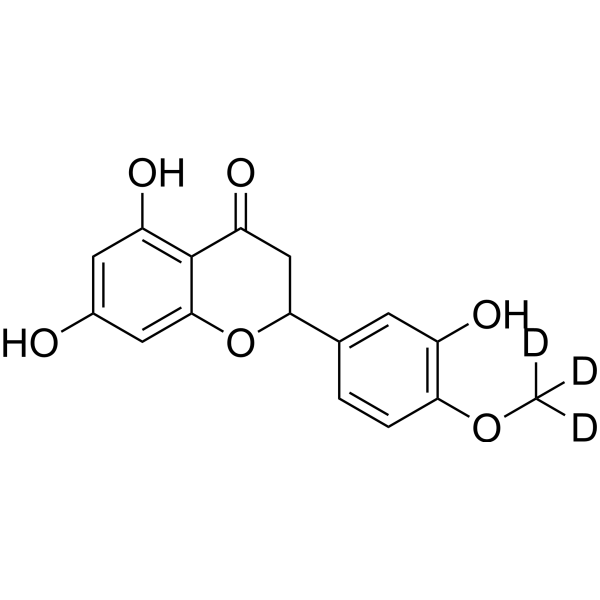
(Rac)-Hesperetin-d3 is the deuterium labeled (Rac)-Hesperetin. (Rac)-Hesperetin is the racemate of Hesperetin (HY-N0168), an orally active multi-target inhibitor. (Rac)-Hesperetin exhibits significant anti-tumor and anti-inflammatory activities by blocking the TGF-β1-mediated Fyn/RhoA signaling axis and the TLR4-MyD88-NF-κB inflammatory pathway. (Rac)-Hesperetin inhibits the formation of actin stress fibers and the migration and invasion of cancer cells, and is suitable for triple-negative breast cancer research. In inflammation models, (Rac)-Hesperetin effectively alleviates lung injury by reducing the release of pro-inflammatory mediators and regulating the activity of oxidative stress enzymes, and is suitable for acute lung injury research. (Rac)-Hesperetin also interferes with the entry and early replication processes of channel catfish virus, inhibits viral gene expression and progeny virus production, thereby protecting cells from virus-induced cytopathic effects .
loading...
    loading...
Cat. No.: HY-N2942
CAS No.: 52328-96-8
Bisdemethoxycurcumin is an orally effective curcuminoid. Bisdemethoxycurcumin downregulates pro-inflammatory cytokines in macrophages by inhibiting the phosphorylation of PI3K/Akt and p38 MAPK. Bisdemethoxycurcumin relieves autophagy inhibition and promotes lipophagy to clear vascular smooth muscle foam cells by inhibiting the PDK1/Akt/mTOR pathway. Bisdemethoxycurcumin activates the cAMP/Epac/AMPKα axis and the NRF2/HO-1 antioxidant axis, thereby indirectly inhibiting the phosphorylation of NF-κB p65 and pro-inflammatory outputs such as IL-1β/IL-6/TNF-α, so as to alleviate pulmonary oxidative stress, inflammatory infiltration and pulmonary edema. Bisdemethoxycurcumin blocks NLRP3-mediated pyroptosis and protects cartilage extracellular matrix degradation by activating NRF2/HO-1. Bisdemethoxycurcumin also exerts a synergistic effect with potassium iodide against Candida .
loading...
    loading...
Cat. No.: HY-12292G
CAS No.: 1129669-05-1
IM-12 GMP is IM-12 (HY-12292) produced by using GMP guidelines. GMP small molecules works appropriately as an auxiliary reagent for cell therapy manufacture. IM-12 is an orally active anti-inflammatory agent that targets and inhibits the NF-κB and STAT3 signaling pathways. IM-12 activates the Wnt signaling pathway and promotes the nuclear translocation of β-catenin by inhibiting GSK3β, while also blocking the tyrosine kinase activity of p210BCR/ABL. IM-12 reduces the levels of IL-6, IL-17, NO, prostaglandin E2, iNOS and COX-2, and induces ER stress, Ca 2+ release, autophagy and apoptosis. IM-12 is heat-sensitive and does not induce autophagy in IM-resistant p210BCR/ABL T315I mutant cells. IM-12 is also a component of the 5iLA medium used for naive pluripotent stem cell research. IM-12 has been applied in studies related to carrageenan (HY-125474)-induced hind paw edema, TNBS-induced colitis, and acute and chronic myeloid leukemia .
loading...
    loading...
Cat. No.: HY-187731
CAS No.: 685141-23-5
Target:  

Notch CD44 NF-κB STAT c-Myc JAK

Research Areas:  

Cancer

BXL0124 is an orally effective CD44 inhibitor and Notch signaling pathway inhibitor. BXL0124 has a vitamin D receptor-dependent mechanism and can downregulate the expression of CD44, Notch1/2/3, HES1, OCT4, LAMA5, JAG1, JAG2, NF-κB and DLL1. BXL0124 inhibits c-Myc expression and the levels of phosphorylated ERK, AKT, ErbB2, reduces the level of activated Notch1 receptor and its nuclear localization, decreases the mRNA and protein levels of Jagged-1 and Jagged-2, and inhibits the STAT3 signaling pathway by reducing the formation of the CD44-STAT3-JAK2 complex, while also inhibiting the transcriptional activity of the CD44 promoter in a p53-dependent manner. BXL0124 can induce myoepithelial differentiation and inhibit the self-renewal of cancer stem cell-like cells, cancer cell proliferation, invasion, and growth. BXL0124 can be used in research related to triple-negative breast cancer, basal-like breast cancer, ErbB2-overexpressing mammary tumorigenesis, and breast cancer .
loading...
    loading...
Cat. No.: HY-L249
6,182 compounds

Protein lactylation, an emerging post-translational modification identified in recent years, plays a critical role in linking cellular metabolic reprogramming, epigenetic regulation, and signaling networks. Based on a systematic framework encompassing lactate metabolism, lactylation, and downstream signaling pathways, this compound library comprehensively targets multiple regulatory layers, including histone modification enzymes (such as p300 and HDACs), key glycolytic enzymes (such as PKM2, LDHA, and GAPDH), transcriptional regulators (such as STAT3, HMGB1, and p53), as well as central signaling pathway nodes including HIF-1α, NF-κB, and PI3K-AKT-mTOR. This integrated design enables a comprehensive representation of the regulatory roles of lactylation across the “metabolism–epigenetics–signaling” axis.

MCE has assembled a collection of 6,182 known bioactive compounds and potential functional molecules, making this library suitable for a wide range of applications, including high-throughput drug screening, inhibitor identification, and mechanistic studies. It can be used to systematically evaluate the functional roles of lactylation in biological processes such as tumor metabolism, immune regulation, and inflammatory responses, and to efficiently identify small-molecule candidates with regulatory potential, thereby facilitating the development of innovative therapeutics targeting the interplay between metabolism and epigenetic regulation.

Cat. No.: HY-165613
CAS No.: 656831-18-4
Synonyms: Dipalmitoyl-S-glyceryl-cysteine; S-[2,3-Bis(palmitoyloxy)propyl]cysteine
Pam2Cys (Dipalmitoyl-S-glyceryl-cysteine; S-[2,3-Bis(palmitoyloxy)propyl]cysteine) is a TLR2 agonist and immunostimulant. Pam2Cys binds to TLR2 to activate dendritic cells and trigger the TLR2-dependent NF-κB signaling pathway. Pam2Cys also induces dendritic cell maturation by upregulating the expression of cell surface MHC II molecules. Pam2Cys activates innate immune signaling pathways, drives pro-inflammatory and antimicrobial responses, enhances the expression of macrophage activation markers, increases phagocytic activity, induces the release of IL-12 and pro-inflammatory cytokines, and polarizes macrophages into a pro-inflammatory, antimicrobial phenotype without interfering with IL-10-induced macrophage polarization. Pam2Cys also serves as the lipid moiety in synthetic lipopeptide vaccines and possesses self-adjuvant properties. Pam2Cys enhances the immunogenicity of conjugated peptide segments and induces cellular and humoral immune responses. However, it does not activate CD4 T cells in mouse splenocyte cultures when used alone. Pam2Cys activates pulmonary TLR2 signaling pathways, triggers innate immune responses, recruits neutrophils and macrophages, induces the secretion of various cytokines, alleviates symptoms and damages associated with influenza A virus infection in mice without impairing adaptive immunity. Pam2Cys can be used in studies related to tuberculosis and influenza A virus infection .
loading...
    loading...
Cat. No.: HY-18234AR
CAS No.: 103476-89-7
Leupeptin hemisulfate (Standard) is the analytical standard of Leupeptin hemisulfate (HY-18234A ). This product is intended for research and analytical applications. Leupeptin hemisulfate is a broad-spectrum protease inhibitor . By inhibiting the activation of the PTEN/PI3K/Akt/NF-κB/ERK1/2/p38 signaling pathway, Leupeptin hemisulfate significantly reduces LPS-induced NO and ROS production, mitochondrial membrane potential hyperpolarization, phagocytic activity, pro-inflammatory cytokine release, and M1 polarization in mouse peritoneal macrophages, and reverses autophagic flux impairment. It also decreases Concanavalin A (HY-P2149)-induced proliferation index of mouse splenic lymphocytes and the Th1/IL-10 and Th2/IL-10 cytokine ratios, thereby modulating innate and adaptive immune responses. Leupeptin hemisulfate inhibits blood coagulation and tumorigenesis in mouse skin. Leupeptin hemisulfate can be used in research on chronic inflammatory diseases and skin tumorigenesis .
loading...
    loading...
Cat. No.: HY-N0168AS1
CAS No.: 2750534-85-9
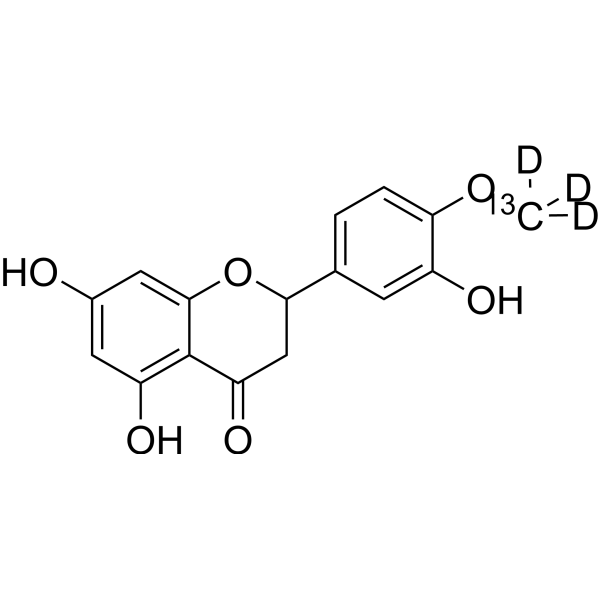
(Rac)-Hesperetin- 13C,d3 is the 13C- and deuterium labeled (Rac)-Hesperetin. (Rac)-Hesperetin is the racemate of Hesperetin (HY-N0168), an orally active multi-target inhibitor. (Rac)-Hesperetin exhibits significant anti-tumor and anti-inflammatory activities by blocking the TGF-β1-mediated Fyn/RhoA signaling axis and the TLR4-MyD88-NF-κB inflammatory pathway. (Rac)-Hesperetin inhibits the formation of actin stress fibers and the migration and invasion of cancer cells, and is suitable for triple-negative breast cancer research. In inflammation models, (Rac)-Hesperetin effectively alleviates lung injury by reducing the release of pro-inflammatory mediators and regulating the activity of oxidative stress enzymes, and is suitable for acute lung injury research. (Rac)-Hesperetin also interferes with the entry and early replication processes of channel catfish virus, inhibits viral gene expression and progeny virus production, thereby protecting cells from virus-induced cytopathic effects .
loading...
    loading...
Cat. No.: HY-N0430
CAS No.: 3486-66-6
Synonyms: Coptisin
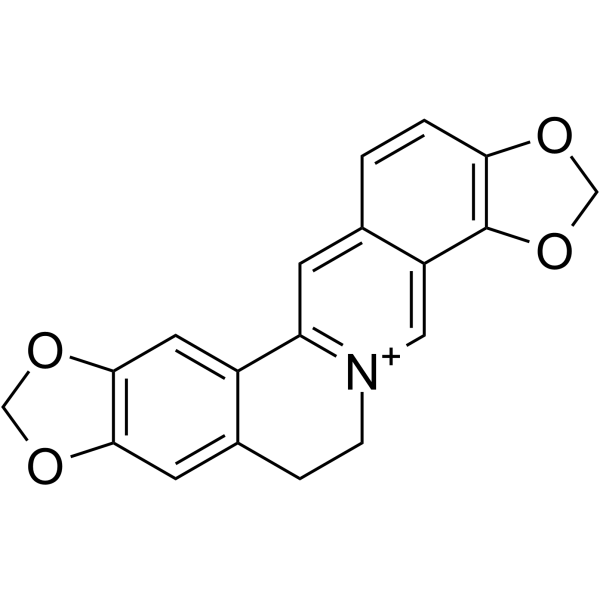
Coptisine is an orally active and brain-penetrant alkaloid found in Coptis chinensis. Coptisine is a reversible, uncompetitive IDO inhibitor with a Ki of 5.8 μM and an IC50 of 6.3 μM. Coptisine suppresses neuroinflammation, reduces Aβ plaque burden and shows neuroprotective activity. Coptisine shows anti-inflammation activity by blocking NF-κB, MAPK, and PI3K/Akt activation. Coptisine inhibits cancer cells proliferation, induces DNA damage, G2/M phase cell cycle arrest, apoptosis, ROS production and mitochondrial dysfunction. Coptisine inhibits Rho/ROCK pathway activation, reduces arrhythmia, limits cardiac injury marker release, reduces infarct size, and preserves cardiac function in rat myocardial ischemia/reperfusion models. Coptisine downregulates HMGCR and upregulates LDLR and CYP7A1 to modulate cholesterol metabolism, reduces abnormal serum lipid levels, and promotes fecal bile acid excretion. Coptisine can be used for the research of cancer, hypercholesterolemia, Alzheimer’s disease, inflammatory disorders and cardiovascular disease .
loading...
    loading...
Cat. No.: HY-N2481R
CAS No.: 36948-76-2
Synonyms: Oroxyloside (Standard); Oroxylin A-7-O-β-D-glucuronide (Standard)
Oroxylin A-7-O-glucuronide (Standard) is the analytical standard of Oroxylin A-7-O-glucuronide (HY-N2481). This product is intended for research and analytical applications. Oroxylin A-7-O-glucuronide (oroxyloside) is an orally active flavonoid glucuronide and metabolite of Oroxylin A (HY-N0560). Oroxylin A-7-O-glucuronide can be extracted from the dried root of Scutellaria baicalensis. Oroxylin A-7-O-glucuronide exhibits prolyl oligopeptidase inhibitory activity. Oroxylin A-7-O-glucuronide inhibits the JNK pathway, upregulates PPARγ, and inhibits NF-κB p65 nuclear translocation. Oroxylin A-7-O-glucuronide reduces cytokine (IL-1β, IL-6) production. Oroxylin A-7-O-glucuronide exhibits anti-angiogenic, anti-tumor (glioma, liver cancer), anti-inflammatory, and hepatoprotective activities .
loading...
    loading...
Cat. No.: HY-113402AR
CAS No.: 283159-88-6
Synonyms: γ-Glu-Cys TFA (Standard)
Gamma-glutamylcysteine (TFA) (Standard) is the analytical standard of Gamma-glutamylcysteine (TFA). This product is intended for research and analytical applications. Gamma-glutamylcysteine TFA (γ-Glu-Cys TFA) is an orally active, blood-brain barrier permeable dipeptide . Gamma-glutamylcysteine TFA activates AMPK, SIRT1, IL-4/STAT6, AC/cAMP/PI3K, IGF-1R/IRS1/PI3K, and Nrf2 signaling pathways; it inhibits NF-κB, JAK1/STAT1/3, MAPKs, cadmium-induced p38 MAPK, JNK, and PI3K/Akt signaling pathways. Gamma-glutamylcysteine TFA regulates macrophage polarization, modulates the trafficking of CD36 and GLUT4, induces glutathione synthesis, improves metabolic dysfunction, reduces lipid deposition, ameliorates glucose homeostasis, inhibits apoptosis (Apoptosis), stabilizes mitochondria, suppresses lipid peroxidation, iron accumulation and ferroptosis (Ferroptosis), reduces ds-HMGB1 levels, reverses mechanical hyperalgesia, and alleviates hepatic lipid droplet formation. Gamma-glutamylcysteine TFA is applicable to research related to inflammatory bowel disease, type 2 diabetes, cadmium-induced neurotoxicity, Alzheimer's disease, cerebral ischemia/reperfusion injury, neuropathy, and alcoholic liver disease.
loading...
    loading...
Cat. No.: HY-113402B
Synonyms: γ-Glu-Cys ammonium
Gamma-glutamylcysteine ammonium (γ-Glu-Cys ammonium) is an orally active, blood-brain barrier permeable dipeptide . Gamma-glutamylcysteine ammonium activates AMPK, SIRT1, IL-4/STAT6, AC/cAMP/PI3K, IGF-1R/IRS1/PI3K, and Nrf2 signaling pathways; it inhibits NF-κB, JAK1/STAT1/3, MAPKs, cadmium-induced p38 MAPK, JNK, and PI3K/Akt signaling pathways. Gamma-glutamylcysteine ammonium regulates macrophage polarization, modulates the trafficking of CD36 and GLUT4, induces glutathione synthesis, improves metabolic dysfunction, reduces lipid deposition, ameliorates glucose homeostasis, inhibits apoptosis (Apoptosis), stabilizes mitochondria, suppresses lipid peroxidation, iron accumulation and ferroptosis (Ferroptosis), reduces ds-HMGB1 levels, reverses mechanical hyperalgesia, and alleviates hepatic lipid droplet formation. Gamma-glutamylcysteine ammonium is applicable to research related to inflammatory bowel disease, type 2 diabetes, cadmium-induced neurotoxicity, Alzheimer's disease, cerebral ischemia/reperfusion injury, neuropathy, and alcoholic liver disease .
loading...
    loading...
Cat. No.: HY-113402R
CAS No.: 636-58-8
Synonyms: γ-Glu-Cys (Standard)
Gamma-glutamylcysteine (Standard) is the analytical standard of Gamma-glutamylcysteine. This product is intended for research and analytical applications. Gamma-glutamylcysteine (γ-Glu-Cys) is an orally active, blood-brain barrier permeable dipeptide . Gamma-glutamylcysteine activates AMPK, SIRT1, IL-4/STAT6, AC/cAMP/PI3K, IGF-1R/IRS1/PI3K, and Nrf2 signaling pathways; it inhibits NF-κB, JAK1/STAT1/3, MAPKs, cadmium-induced p38 MAPK, JNK, and PI3K/Akt signaling pathways. Gamma-glutamylcysteine regulates macrophage polarization, modulates the trafficking of CD36 and GLUT4, induces glutathione synthesis, improves metabolic dysfunction, reduces lipid deposition, ameliorates glucose homeostasis, inhibits apoptosis (Apoptosis), stabilizes mitochondria, suppresses lipid peroxidation, iron accumulation and ferroptosis (Ferroptosis), reduces ds-HMGB1 levels, reverses mechanical hyperalgesia, and alleviates hepatic lipid droplet formation. Gamma-glutamylcysteine is applicable to research related to inflammatory bowel disease, type 2 diabetes, cadmium-induced neurotoxicity, Alzheimer's disease, cerebral ischemia/reperfusion injury, neuropathy, and alcoholic liver disease.
loading...
    loading...

