1309 Results for "

PI3K-

" in MedChemExpress (MCE) Product Catalog:
Products (1309)

1309 Results for "PI3K-" in MCE Product Catalog:

Cat. No.: HY-N7695
CAS No.: 23133-56-4
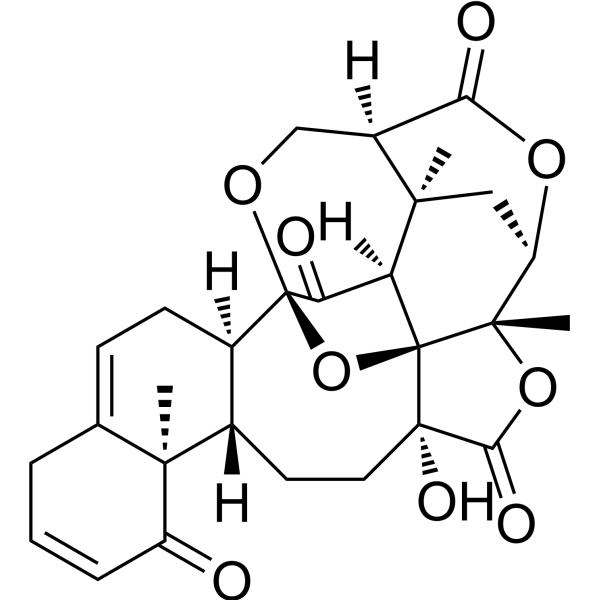
Physalin B is an orally active anti-inflammatory and anticancer agent. Physalin B can be isolated from Physalis alkekengi L. var. Franchetii. Physalin B inhibits the activation of the NF-κB, NLRP3 inflammasome, STAT3, PI3K/Akt and Hedgehog signaling pathways, regulates the phosphorylation levels of GSK-3β, p38 MAPK, ERK1/2 and JNK, and promotes the nuclear translocation of NRF2. Physalin B reduces the levels of pro-inflammatory cytokines and factors, induces mitochondrial reactive oxygen species (mito-ROS) production, Apoptosis, G2/M cell cycle arrest and incomplete Autophagy, alters cytoskeleton structure and alleviates oxidative stress. Physalin B reduces cancer cell viability, ameliorates liver and lung tissue damage and alleviates liver fibrosis. Physalin B can be used in research related to ulcerative colitis, breast cancer, acute lung injury, colon cancer, non-alcoholic steatohepatitis, liver fibrosis, lung cancer, pancreatic cancer, lymphoma, ovarian cancer, sarcoma and leukemia [3] .
loading...
    loading...
Cat. No.: HY-W075770
CAS No.: 1313-99-1
Synonyms: Nickel monoxide
Nickel(II) oxide (nickel monoxide) is a chemical warfare agent that can enter the body through the respiratory tract and other routes, distributing to organs such as the lungs and testes. The nanoparticle form of nickel(II) oxide (NiO NPs) exhibits antibacterial, anti-leishmanial, anti-diabetic, and anti-cancer activities. NiO NPs can be activated by ultraviolet and visible light, generating reactive oxygen species (ROS). Nickel(II) oxide induces oxidative stress by generating reactive oxygen species, activating the TGF-β1-mediated MAPK and PI3K/AKT pathways, disrupting the MMPs/TIMPs balance, and upregulating the expression of inflammatory factors (IL-1β, IL-6) and apoptosis-related molecules (Bax, caspase-3, p53), while inhibiting the activity of the anti-apoptotic molecule Bcl-2. Nickel(II) oxide induces cytotoxicity, promotes fibrosis, triggers inflammatory responses, and causes apoptosis. Nickel(II) oxide can be applied in research on the safety assessment of nanomaterials, such as in the context of pulmonary fibrosis and reproductive system toxicity [3].
loading...
    loading...
Cat. No.: HY-108649
CAS No.: 1047980-83-5
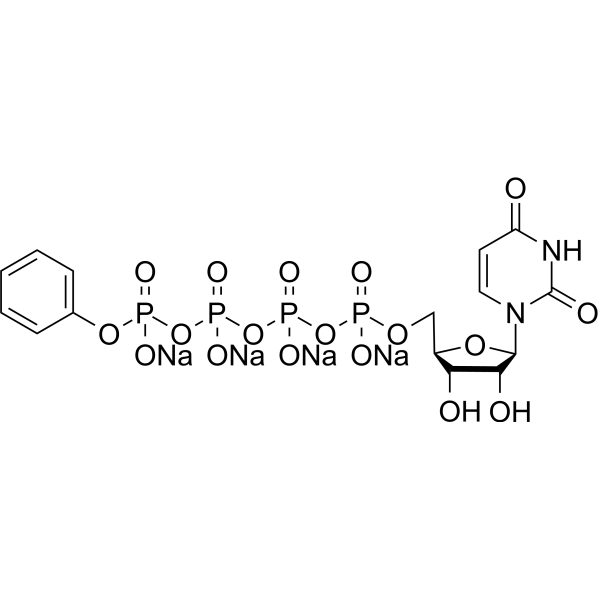
MRS2768 is a potent, selective, and metabolically stable P2Y2 receptor agonist with an EC50 of 1.89 μM for the human P2Y2 receptor. MRS2768 activates Gq/PLC/PKC signaling, leading to downstream phosphorylation of Akt, eNOS, and ERK, with effects varying by cell type. MRS2768 inhibits ENaC via Gq/PKC/Src/Akt to promote natriuresis and lower blood pressure in the kidney. MRS2768 activates eNOS to increase NO secretion in endothelial cells. MRS2768 drives proliferation via PI3K/Akt in fibroblasts and cancer cells. MRS2768 exerts anti-apoptotic effects through PKC/Src/Akt in cardiomyocytes. MRS2768 can be applied to investigate P2Y2-dependent pathological processes, including acute kidney injury, chronic kidney disease and renal fibrosis, DOCA-salt induced hypertension, myocardial infarction, pulmonary arterial hypertension, pancreatic cancer, cardiac fibrosis, dry eye disease, as well as shear stress-mediated vascular remodeling and atherosclerosis [3] .
loading...
    loading...
Cat. No.: HY-116497
CAS No.: 1627843-95-1
Target:  

FAK

Research Areas:  

Cancer

PH11 is a novel focal adhesion kinase (FAK) inhibitor that rapidly induces apoptosis in TRAIL-resistant PANC-1 cells when combined with TRAIL, but has no effect on normal human fibroblasts. The study found that PH11 downregulates c-FLIP through inhibition of FAK and phosphatidylinositol-3-kinase (PI3K)/AKT pathways, thereby restoring the TRAIL apoptotic pathway, suggesting that this combination therapy may provide an attractive therapeutic strategy for the safe and effective treatment of pancreatic cancer. PH11 selectively inhibits c-FLIP expression by modulating upstream signaling pathways and may represent an innovative therapeutic strategy. Although further work is needed to fully elucidate the mechanism of PH11-induced TRAIL sensitization, we believe that our results will provide a new approach to target c-FLIP without the risk of interfering with caspase-8 processing, which could potentially lead to TRAIL resistance. This study also suggests a role for the FAK/AKT signaling pathway in regulating c-FLIP expression in TRAIL-induced apoptosis, and this understanding will provide important clues to control the resistance mechanism to optimize the potential of TRAIL-based pancreatic cancer treatment.
loading...
    loading...
Cat. No.: HY-12017B
CAS No.: 1159490-85-3
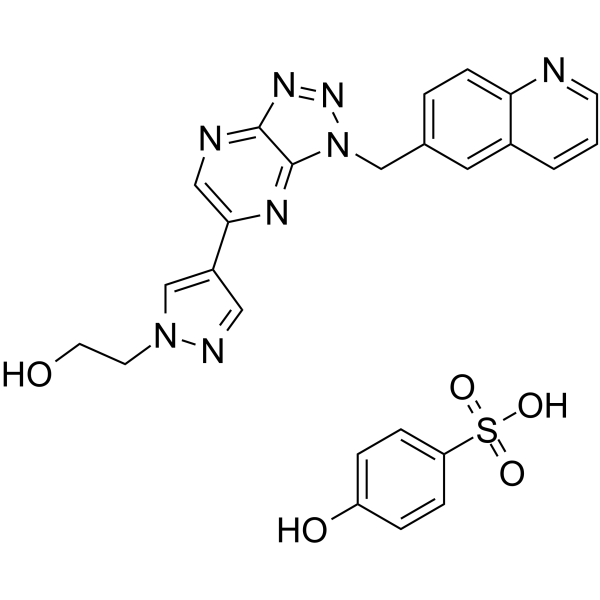
PF-04217903 phenolsulfonate is an orally active, highly selective ATP-competitive c-Met kinase inhibitor with a Ki value of 4.8 nM and a Kd value of 4.5 nM. PF-04217903 phenolsulfonate blocks c-Met and HGF signaling pathways, inhibits MET phosphorylation, and blocks downstream MAPK, PI3K/AKT and PLCγ1 pathways. PF-04217903 phenolsulfonate suppresses tumor proliferation, survival, migration, invasion, angiogenesis and metastasis, induces apoptosis, and enhances efferocytosis, Annexin A1 expression and resolution of inflammation. PF-04217903 phenolsulfonate retains activity against several c-Met mutants (M1131T, V1220I, H1094R). PF-04217903 phenolsulfonate increases the incidence of subarachnoid hemorrhage and reduces survival rate without altering aneurysm formation, and also prevents lymph node metastasis induced by VEGF inhibition. PF-04217903 phenolsulfonate is applicable to research related to tumors (pancreas, stomach, lung, brain, colon, breast, kidney, melanoma, etc.), intracranial aneurysms and inflammatory diseases (gouty arthritis, neutrophilic pleuritis) [3] .
loading...
    loading...
Cat. No.: HY-N2110
CAS No.: 2543-94-4
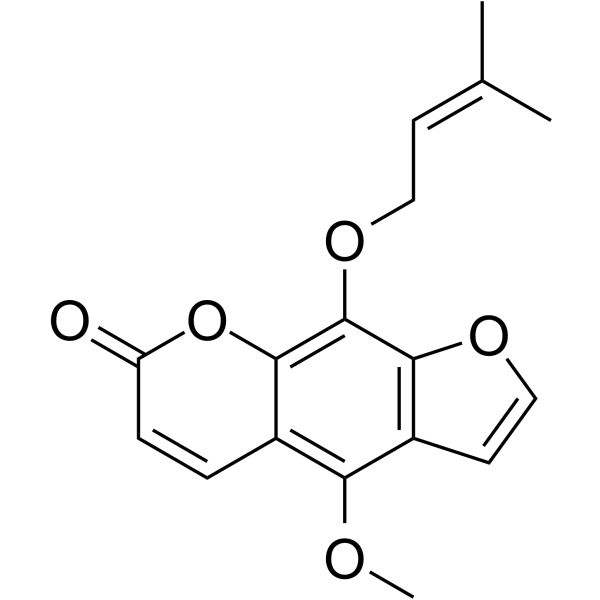
Phellopterin, an orally active furocoumarin with multiple biological activities. Phellopterin is a partial agonist of the central benzodiazepine receptors. Phellopterin exerts anti-inflammatory effects by upregulating SIRT1, downregulating ICAM-1 (reducing chronic inflammation, aiding diabetic ulcer healing), inhibiting STAT3 phosphorylation (easing atopic dermatitis inflammation), regulating Akt/PKC pathways (lowering TNF-α-induced VCAM-1 to block monocyte adhesion), and inhibiting TLR4/NF-κB pathway and macrophage M2 polarization (alleviating colitis-related cancers). Phellopterin suppresses ovarian cancer progression via inhibiting the PU.1/CLEC5A/PI3K-AKT loop (inducing cell cycle arrest, apoptosis, DNA damage). Phellopterin alleviates murine diabetes by promoting adipocyte differentiation and increasing PPARγ. Phellopterin also has anti-HSV-1 activity. Phellopterin can be used for studying anti-inflammation, anti-cancer (e.g., ovarian cancer, colitis cancer), blood glucose lowering, anti-diabetes, and anti-virus [3] .
loading...
    loading...
Cat. No.: HY-N2110R
CAS No.: 2543-94-4
Phellopterin (Standard) is the analytical standard of Phellopterin. Phellopterin, an orally active furocoumarin with multiple biological activities. Phellopterin is a partial agonist of the central benzodiazepine receptors. Phellopterin exerts anti-inflammatory effects by upregulating SIRT1, downregulating ICAM-1 (reducing chronic inflammation, aiding diabetic ulcer healing), inhibiting STAT3 phosphorylation (easing atopic dermatitis inflammation), regulating Akt/PKC pathways (lowering TNF-α-induced VCAM-1 to block monocyte adhesion), and inhibiting TLR4/NF-κB pathway and macrophage M2 polarization (alleviating colitis-related cancers). Phellopterin suppresses ovarian cancer progression via inhibiting the PU.1/CLEC5A/PI3K-AKT loop (inducing cell cycle arrest, apoptosis, DNA damage). Phellopterin alleviates murine diabetes by promoting adipocyte differentiation and increasing PPARγ. Phellopterin also has anti-HSV-1 activity. Phellopterin can be used for studying anti-inflammation, anti-cancer (e.g., ovarian cancer, colitis cancer), blood glucose lowering, anti-diabetes, and anti-virus.
loading...
    loading...
Cat. No.: HY-N2593R
CAS No.: 32507-66-7
Isorhapontigenin (Standard) is the analytical standard of Isorhapontigenin (HY-N2593). This product is intended for research and analytical applications. Isorhapontigenin is an orally active dietary polyphenol. Isorhapontigenin acts as a potent antioxidant that reduces the production of reactive oxygen species (ROS). Isorhapontigenin promotes the binding of JUN to the AP-1 site on the SESN2 promoter, induces SESN2 transcription, triggers MAPK8-dependent JUN activation, and upregulates the expression of PPAR-α, PGC-1α and CPT-1A to facilitate fatty acid oxidation. Isorhapontigenin induces autophagy, apoptosis and preadipocyte differentiation; it inhibits tumor growth, cell invasion, NF-κB transcriptional activity, the PI3K/Akt signaling pathway, STAT1 phosphorylation and MMP-2 expression. Isorhapontigenin alleviates oxidative stress, inflammatory cytokine release and triglyceride accumulation; it increases intracellular ATP levels and promotes Nrf2 nuclear translocation. Isorhapontigenin improves insulin sensitivity in adipose tissue and glucose tolerance, and reduces postprandial blood glucose, insulin and free fatty acid levels. Isorhapontigenin is applicable to research on bladder cancer, liver injury, chronic obstructive pulmonary disease, acute lung injury and type 2 diabetes.
loading...
    loading...
Cat. No.: HY-W011927R
CAS No.: 80-09-1
Synonyms: Bisphenol S (Standard); Bis(4-hydroxyphenyl) sulfone (Standard)
4,4'-Sulfonyldiphenol (Bisphenol S; Bis(4-hydroxyphenyl) sulfone) (Standard) is the analytical standard of 4,4'-Sulfonyldiphenol (HY-W011927). This product is intended for research and analytical applications. 4,4'-Sulfonyldiphenol, a substitute for Bisphenol A (HY-18260), is widely used in industrial and consumer products. 4,4'-Sulfonyldiphenol is an estrogen receptor (ER) agonist and can competitively bind to thyroid hormone receptors (TR) with IC50 values for TRα and TRβ are 2650 μM and 2294 μM respectively, thereby affecting breast development and reducing the expression of androgen receptor (AR) in fetal testes. 4,4'-Sulfonyldiphenol promotes the progression of glioblastoma by upregulating the EZH2 mediated PI3K/AKT/mTOR pathway. Under chronic exposure, 4,4'-Sulfonyldiphenol can cause significant lipid deposition and dyslipidemia in the mouse liver by upregulating JunB and Atf3, and has a role in causing obesity at low doses. 4,4'-Sulfonyldiphenol induces intestinal inflammation by altering the intestinal microbiome. 4,4'-Sulfonyldiphenol accelerates the progression of atherosclerosis in zebrafish embryo larvae.
loading...
    loading...
Cat. No.: HY-108649A
CAS No.: 2567869-47-8
Purity:  98.7%
MRS2768 tetrasodium salt is a potent, selective, and metabolically stable P2Y2 receptor agonist with an EC50 of 1.89 μM for the human P2Y2 receptor. MRS2768 tetrasodium salt activates Gq/PLC/PKC signaling, leading to downstream phosphorylation of Akt, eNOS, and ERK, with effects varying by cell type. MRS2768 tetrasodium salt inhibits ENaC via Gq/PKC/Src/Akt to promote natriuresis and lower blood pressure in the kidney. MRS2768 tetrasodium salt activates eNOS to increase NO secretion in endothelial cells. MRS2768 tetrasodium salt drives proliferation via PI3K/Akt in fibroblasts and cancer cells. MRS2768 tetrasodium salt exerts anti-apoptotic effects through PKC/Src/Akt in cardiomyocytes. MRS2768 tetrasodium salt can be applied to investigate P2Y2-dependent pathological processes, including acute kidney injury, chronic kidney disease and renal fibrosis, DOCA-salt induced hypertension, myocardial infarction, pulmonary arterial hypertension, pancreatic cancer, cardiac fibrosis, dry eye disease, as well as shear stress-mediated vascular remodeling and atherosclerosis [3] .
loading...
    loading...
Cat. No.: HY-174379
Research Areas:  

Cancer

NTLiverTac PDE6D degrader-1 is a PDE6D NTLiverTac degrader with a DC50 of 4.09 μM. NTLiverTac PDE6D degrader-1 is formed by conjugating a PDE6D PROTAC degrader with the NTCP ligand Cholic acid (HY-N0324). NTLiverTac PDE6D degrader-1 triggers the ubiquitin-proteasome system-mediated degradation process by forming a complex with PDE6D and MDM2, inducing proteasome-dependent and NTCP-dependent degradation. NTLiverTac PDE6D degrader-1 inhibits PDE6D-dependent KRAS trafficking and suppresses KRAS-related oncogenic signaling cascades. NTLiverTac PDE6D degrader-1 inhibits the activation of the PI3K/AKT/mTOR signaling pathway and induces cellular Apoptosis. NTLiverTac PDE6D degrader-1 enters cancer cells via NTCP-mediated endocytosis. NTLiverTac PDE6D degrader-1 can be used in the research of hepatoblastoma (MDM2 ligand: (4R,5S)-Nutlin carboxylic acid (HY-128836); NTCP ligand: Cholic acid (HY-N0324); PDE6D ligand: Sorafenib (HY-10201)) .
loading...
    loading...
Cat. No.: HY-18719S
CAS No.: 1584173-54-5
Endoxifen-d5 (Z-isomer) is the deuterated-labeled Endoxifen (Z-isomer methanesulfonate) (HY-18719H). Endoxifen-d5 Z-isomer is an orally active selective PKCβ1 inhibitor with an IC50 of 360 nM against human PKCβ1. It also acts as an estrogen receptor modulator and antiestrogen. Endoxifen-d5 Z-isomer binds to and blocks ERα, ERβ and PKCβ1, inhibits estrogen and PI3K/AKT/mTORC1 signaling pathways, suppresses the expression of genes associated with cell cycle, cell proliferation and extracellular matrix remodeling, and induces apoptosis, reactive oxygen species (ROS) production and hypoxic features. Endoxifen-d5 Z-isomer inhibits tumor growth in breast tumor and glioblastoma models, reduces bone turnover and blood lipid levels, and does not require metabolism via CYP2D6. It can be used in research related to ER + breast cancer, invasive breast cancer, glioblastoma multiforme, type I bipolar disorder, desmoid tumor, gynecological malignancies, melanoma and hormone receptor-positive solid tumors [3]
loading...
    loading...
Cat. No.: HY-B0633D
CAS No.: 9067-32-7
Hyaluronic acid sodium (MW 200-1560) is a biopolymer composed of repeating disaccharide units, with a molecular weight of 200-1560. Hyaluronic acid sodium is a major component of the extracellular matrix (ECM). It is synthesized on the plasma membrane. Hyaluronic acid sodium exerts its effects by binding to receptors CD44 and RHAMM. Hyaluronic acid sodium activates PI3K-Akt signaling. Hyaluronic acid sodium also enhances cell invasion and angiogenesis by promoting or stimulating the binding of proteolytic MMP-9 to the cell surface. Elevated hyaluronic acid levels are associated with tumor cell growth, adhesion, migration, invasion, and angiogenesis in digestive system cancers. Hyaluronic acid sodium is involved in tissue remodeling and rapid cell proliferation in several physiological processes, including embryonic morphogenesis and wound healing. Hyaluronic acid sodium can be used as a regulator of cancer-associated lymphangiogenesis. Hyaluronic acid sodium can be used as a drug delivery carrier for sodium butyrate, enhancing its anti-proliferative activity against breast cancer cell lines. Hyaluronic acid sodium can lubricate the corneal endothelium. Hyaluronic acid sodium can improve tissue hydration and enhance the resistance of cells to mechanical damage. Hyaluronic acid sodium has been conjugated with antibodies to ensure that the active compound continues to exert its effects at the site of inflammation. Hyaluronic acid sodium can be used in research in the fields of osteoarthritis, ophthalmology, cosmetic dermatology, oncology, and liver diseases [3] .
loading...
    loading...
Cat. No.: HY-B0633E
CAS No.: 9004-61-9
Synonyms: Hyaluronan, low endotoxin; Hyaluronate, low endotoxin
Hyaluronic acid, low endotoxin (Hyaluronan, low endotoxin) is a biopolymer composed of repeating disaccharide units containing low levels of endotoxin. Hyaluronic acid is a major component of the extracellular matrix (ECM). It is synthesized on the plasma membrane. Hyaluronic acid exerts its effects by binding to receptors CD44 and RHAMM. Hyaluronic acid activates PI3K-Akt signaling. Hyaluronic acid also enhances cell invasion and angiogenesis by promoting or stimulating the binding of proteolytic MMP-9 to the cell surface. Elevated hyaluronic acid levels are associated with tumor cell growth, adhesion, migration, invasion, and angiogenesis in digestive system cancers. Hyaluronic acid is involved in tissue remodeling and rapid cell proliferation in several physiological processes, including embryonic morphogenesis and wound healing. Hyaluronic acid can be used as a regulator of cancer-associated lymphangiogenesis. Hyaluronic acid can be used as a drug delivery carrier for sodium butyrate, enhancing its anti-proliferative activity against breast cancer cell lines. Hyaluronic acid can lubricate the corneal endothelium. Hyaluronic acid can improve tissue hydration and enhance the resistance of cells to mechanical damage. Hyaluronic acid has been conjugated with antibodies to ensure that the active compound continues to exert its effects at the site of inflammation. Hyaluronic acid can be used in research in the fields of osteoarthritis, ophthalmology, cosmetic dermatology, oncology, and liver diseases [3] .
loading...
    loading...
Cat. No.: HY-N2037R
CAS No.: 5843-65-2
Synonyms: Norcoclaurine (Standard); Demethyl-Coclaurine (Standard)
Higenamine (Norcoclaurine), a β2-AR agonist with antioxidant capability, is a key component of the Chinese herb aconite root that prescribes for treating symptoms of heart failure in the oriental Asian countries. Higenamine is also a α1-adrenergic receptor antagonist with hypotensive effect. is a selective LSD1 inhibitor (IC50=1.47 μM) that can be isolated from aconite. Higenamine hydrochloride has anti-inflammatory and antibacterial activity. Higenamine protects myocyte Apoptosis and ischemia/reperfusion (I/R) injury through selective activation of beta2-adrenergic receptor (β2-AR). Higenamine also reduces I/R-induced myocardial infarction in mice. Higenamine can attenuate IL-1β-induced Apoptosis through ROS-mediated PI3K/Akt signaling pathway. Higenamine protects brain cells from oxygen deprivation. Higenamine can promote bone formation in osteoporosis through the SMAD2/3 pathway. Higenamine can be used to study cancer, inflammation, cardiorenal syndrome and other diseases [3] .
loading...
    loading...
Cat. No.: HY-W015777R
CAS No.: 105-13-5
Synonyms: P-Methoxy-benzyl alcoho (Standard); (4-Methoxyphenyl)methanol (Standard)
4-Methoxybenzyl alcohol (Standard) (P-Methoxy-benzyl alcoho (Standard); (4-Methoxyphenyl)methanol (Standard)) is the analytical standard of 4-Methoxybenzyl alcohol (HY-W015777). This product is intended for research and analytical applications. 4-Methoxybenzyl alcohol (P-Methoxy-benzyl alcoho; (4-Methoxyphenyl) methanol) is a naturally derived volatile aromatic compound. 4-Methoxybenzyl alcohol upregulates the phosphorylation level of PI3K/Akt pathway proteins, downregulates the expression of pro-inflammatory factors, increases the content of tight junction proteins occludin and claudin-5, and alleviates structural damage to the blood-brain barrier. 4-Methoxybenzyl alcohol improves the decrease in viability and NO level of cerebral microvascular endothelial cells induced by oxygen-glucose deprivation/reperfusion, and reduces the release of lactate dehydrogenase. 4-Methoxybenzyl alcohol serves as a substrate in the two-phase persulfate-mediated electro-oxidation system, where it is directionally oxidized to p-anisaldehyde. 4-Methoxybenzyl alcohol acts as a substrate for wild-type fungal aryl alcohol oxidase. 4-Methoxybenzyl alcohol can be used in studies related to ischemic stroke, as well as in research across various fields such as chemical synthesis, including the synthesis of fragrances and flavorings [3].
loading...
    loading...
Cat. No.: HY-L249
6,182 compounds

Protein lactylation, an emerging post-translational modification identified in recent years, plays a critical role in linking cellular metabolic reprogramming, epigenetic regulation, and signaling networks. Based on a systematic framework encompassing lactate metabolism, lactylation, and downstream signaling pathways, this compound library comprehensively targets multiple regulatory layers, including histone modification enzymes (such as p300 and HDACs), key glycolytic enzymes (such as PKM2, LDHA, and GAPDH), transcriptional regulators (such as STAT3, HMGB1, and p53), as well as central signaling pathway nodes including HIF-1α, NF-κB, and PI3K-AKT-mTOR. This integrated design enables a comprehensive representation of the regulatory roles of lactylation across the “metabolism–epigenetics–signaling” axis.

MCE has assembled a collection of 6,182 known bioactive compounds and potential functional molecules, making this library suitable for a wide range of applications, including high-throughput drug screening, inhibitor identification, and mechanistic studies. It can be used to systematically evaluate the functional roles of lactylation in biological processes such as tumor metabolism, immune regulation, and inflammatory responses, and to efficiently identify small-molecule candidates with regulatory potential, thereby facilitating the development of innovative therapeutics targeting the interplay between metabolism and epigenetic regulation.

Cat. No.: HY-15268
CAS No.: 1092787-12-6
Research Areas:  

Cancer

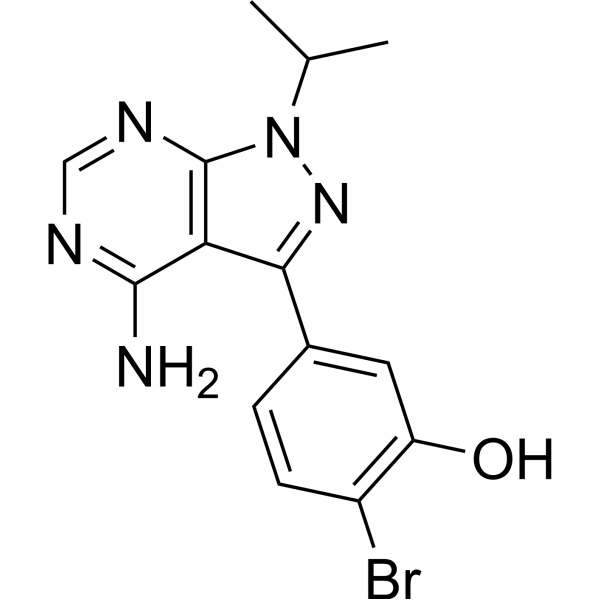
PP487 is a selective dual inhibitor of Tyrosine kinase/PI3-K, with IC50 values of 0.017 μM, 0.072 μM, 0.004 μM, 0.01 μM, 0.55 μM, 0.22 μM, and < 0.01 μM against DNA-PK, mTOR, Hck, Src, EGFR, EphB4, and PDGFR, respectively. PP487 can be used in cancer research .
loading...
    loading...
Cat. No.: HY-184703
Target:  

GLUT AMPK

Research Areas:  

Metabolic Disease

Antidiabetic agent 9 is an orally active antidiabetic agent. Antidiabetic agent 9 promotes the translocation of GLUT4 to the cell surface, activates the AMPK signaling pathway, and has no effect on the PI-3-K/AKT signaling pathway. Antidiabetic agent 9 reduces blood glucose levels in Streptozotocin (HY-13753)-induced diabetic rats. Antidiabetic agent 9 can be used in the research of diabetes .
loading...
    loading...
Cat. No.: HY-RS10523
Research Areas:  

Others

PIK3CA Human Pre-designed siRNA Set A contains three designed siRNAs for PIK3CA gene (Human), as well as a negative control, a positive control, and a FAM-labeled negative control.

loading...
    loading...

