1. Search Result
Search Result
Pathways Recommended: Metabolic Enzyme/Protease
Results for "

α-glucosidase Enzyme Inhibitor

" in MedChemExpress (MCE) Product Catalog:

21

Inhibitors & Agonists

11

Natural
Products

Cat. No. Product Name Target Research Areas Chemical Structure
  • HY-B0481
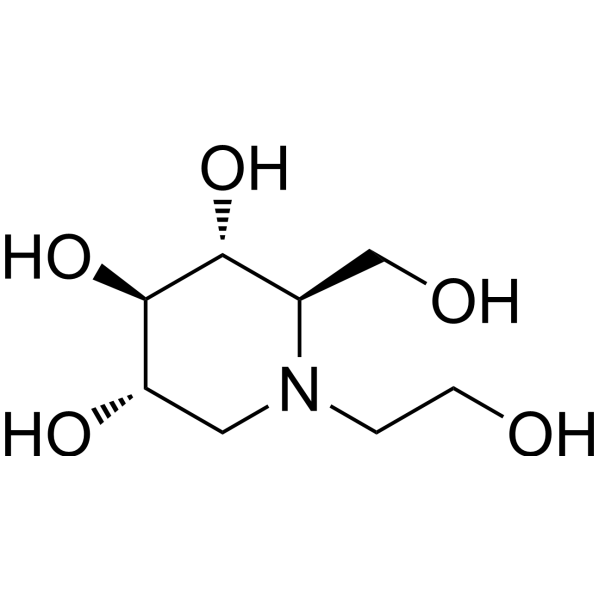
    Miglitol
    2 Publications Verification

    BAY1099; BAY-m1099

    Glycosidase AMPK Reactive Oxygen Species (ROS) Metabolic Disease
    Miglitol (BAY-m1099) is an orally active antidiabetic compound that inhibits the breakdown of glycoconjugates into glucose. Miglitol inhibits glycoside hydrolase enzymes called α-glucosidases. Miglitol inhibits oxidative stress-induced apoptosis and mitochondrial ROS over-production in endothelial cells by enhancement of AMP-activated protein kinase. Dietary supplementation with Miglitol from pre-onset stage in OLETF rats delays the onset and development of diabetes and preserves the insulin secretory function of pancreatic islets .
    Miglitol
  • HY-N2574
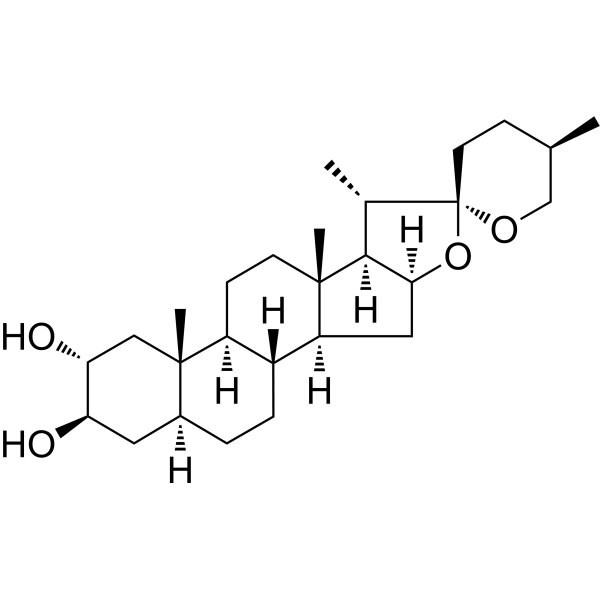
    Gitogenin
    2 Publications Verification

    Glycosidase Metabolic Disease
    Gitogenin is a natural steroid isolated from the whole plant of Tribulus longipetalus. Gitogenin is a selective inhibitor of UDP-glucuronosyltransferase 1A4 (UGT1A4) and enzyme α-glucosidase with IC50 values of 0.69 μM (use trifluoperazine as a substrate) and 37.2 μM, respectively, and does not inhibit the activities of major human cytochrome P450 isoforms .
    Gitogenin
  • HY-N0466

    Glycosidase HMG-CoA Reductase (HMGCR) Fatty Acid Synthase (FASN) LDLR Others
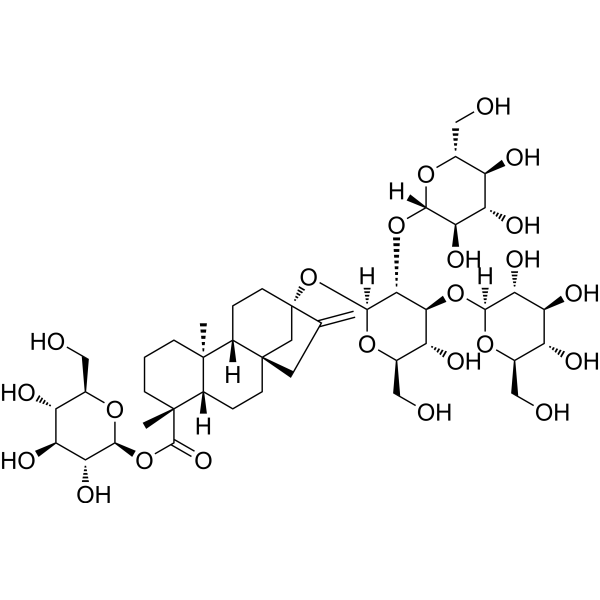
    Rebaudioside A is an orally effective steviol glycoside with high sweetness. Rebaudioside A acts as an inhibitor of α-glucosidase with an IC50 value of 35.01 μg/mL. Rebaudioside A increases the ATP/ADP ratio in β cells in a glucose-dependent manner, thereby inhibiting KATP channels, leading to membrane depolarization, calcium influx, and ultimately stimulating insulin secretion. Rebaudioside A activates the SREBP signaling pathway by inhibiting HMGCR, the rate-limiting enzyme in cholesterol synthesis, resulting in increased expression of LDLR on the cell surface, thus promoting the uptake of LDL-C in the blood. Rebaudioside A can be used for studies on blood glucose and lipid regulation as well as anti-obesity .
    Rebaudioside A
  • HY-N0419
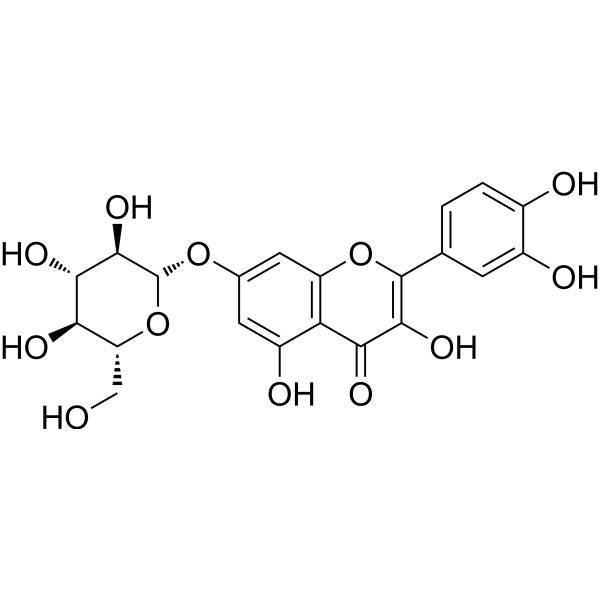
    Quercimeritrin
    2 Publications Verification

    Quercetin-7-O-β-D-glucopyranoside

    Glycosidase c-Kit MMP VEGFR Aurora Kinase Metabolic Disease Cancer
    Quercimeritrin (Quercetin-7-O-β-D-glucopyranoside) is an orally active α-glucosidase inhibitor (with an IC50 of 79.88 μM against the Saccharomyces cerevisiae enzyme) and a P-gp substrate, with anti-angiogenic and antioxidant activities. Quercimeritrin does not cross the blood-brain barrier and does not inhibit cytochrome P450 enzymes. Quercimeritrin precisely binds to and inhibits the active sites of c-Kit, MMP-2, Aurora-A kinases and α-glucosidase, thereby disrupting target functions. Quercimeritrin effectively regulates postprandial blood glucose and also exhibits significant anti-angiogenic activity, which inhibits endothelial cell proliferation and microvascular growth. Quercimeritrin can be used in the research of diabetes and breast cancer .
    Quercimeritrin
  • HY-N2278
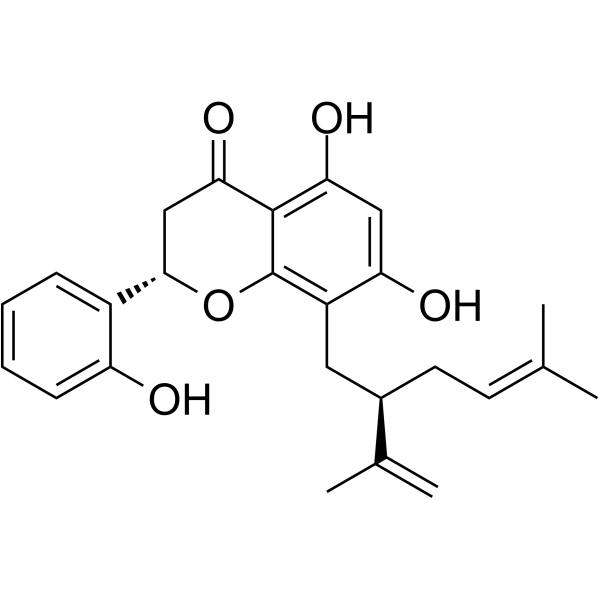
    Kushenol A
    4 Publications Verification

    Leachianone E

    Tyrosinase Glycosidase Cancer
    Kushenol A (Leachianone E) is isolated from the root of Sophora flavescent. Kushenol A is a non-competitive tyrosinase inhibitor to block the conversion of L-tyrosine to L-DOPA, shows IC50 and Kivalues of 1.1 μM and 0.4 μM, respectively . Kushenol A is a flavonoid antioxidant, has inhibitory effects on alpha-glucosidase (IC50: 45 μM; Ki: 6.8 μM) and β-amylase . Kushenol A is confirmed as potential inhibitors of enzymes targeted by cosmetics for skin whitening and aging .
    Kushenol A
  • HY-N4309

    Amylases Glycosidase Neurological Disease Metabolic Disease Cancer
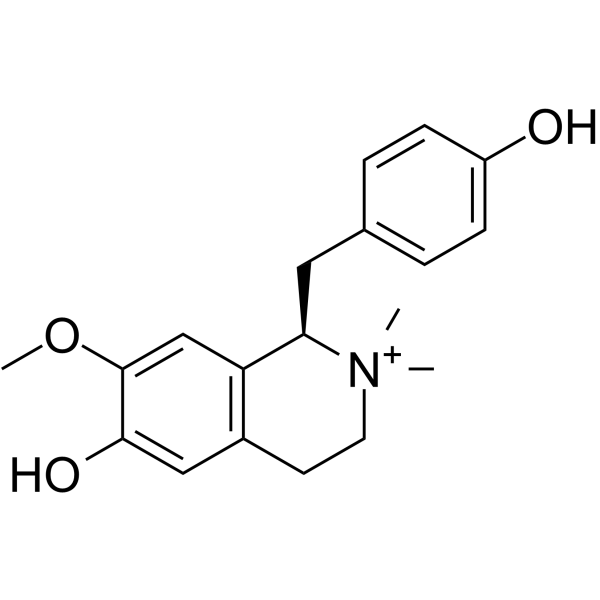
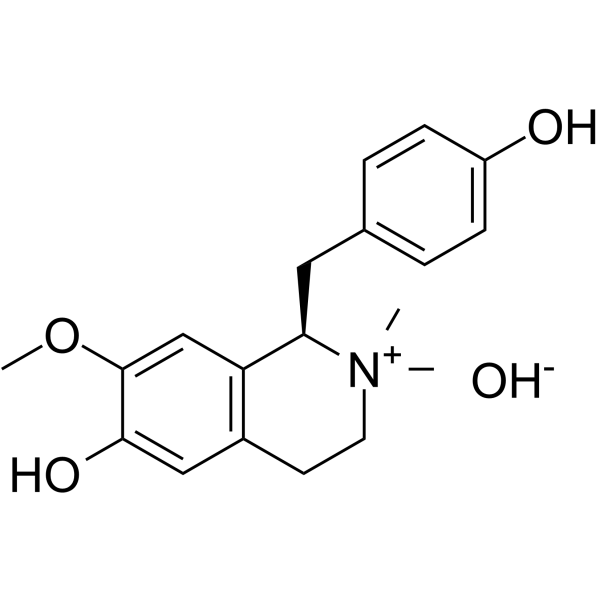
    Lotusine is an orally active signaling pathway modulator and enzyme inhibitor, with an IC50 of 30.60 μg/mL against α-amylase and an IC50 of 36.15 μg/mL against α-glucosidase. Lotusine inhibits the EGFR-Akt-ERK signaling pathway by reducing the levels of phosphorylated EGFR, Akt and ERK. Lotusine induces apoptosis, triggers G0/G1 cell cycle arrest and inhibits cancer cell proliferation. Lotusine reduces lipid peroxidation and increases the activities of SOD, CAT and GPx. Lotusine is applicable to researches related to non-small cell lung cancer, type 2 diabetes and autism spectrum disorder .
    Lotusine
  • HY-N3542

    Glycosidase Cancer
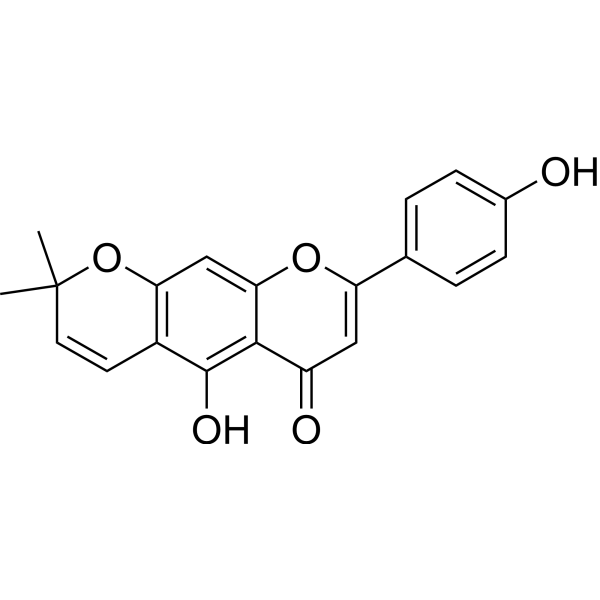
    Carpachromene is a potent α-glucosidase enzyme inhibitor. Carpachromene ameliorates insulin resistance in HepG2 cells via modulating IR/IRS1/PI3k/Akt/GSK3/FoxO1 pathway .
    Carpachromene
  • HY-N9454

    Pregnane X Receptor (PXR) COX NF-κB Amylases β-glucuronidase DNA/RNA Synthesis Amyloid-β NOD-like Receptor (NLR) Pyroptosis Cancer
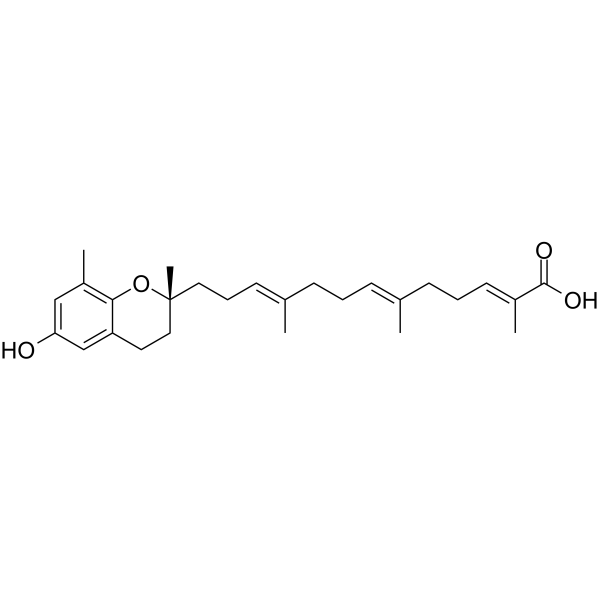
    Garcinoic acid is an orally active anti-inflammatory agent that crosses the blood-brain barrier. Garcinoic acid also enhances efferocytosis and enzyme/receptor regulation, and selectively inhibits human COX-2, porcine α-amylase, Saccharomyces cerevisiae α-glucosidase and human DNA polymerase β (IC50=11 μM), as well as activates human PXR. Garcinoic acid enhances macrophage efferocytosis via receptors such as MerTK and LRP-1, and promotes the production of pro-resolving lipid mediators. Garcinoic acid inhibits NF-κB activation and pro-inflammatory cytokine secretion, interferes with aggregation, downregulates NLRP3 inflammasome activity, and binds to targets including CD44 and EGFR to inhibit leukemia cell proliferation. The pharmacological activities of Garcinoic acid, such as antioxidant, anti-inflammatory and lipid metabolism-regulating effects, are widely used in studies related to various diseases including atherosclerosis, Alzheimer's disease, type 2 diabetes, inflammatory bowel disease and viral pneumonia .
    Garcinoic acid
  • HY-155372

    Glycosidase Metabolic Disease
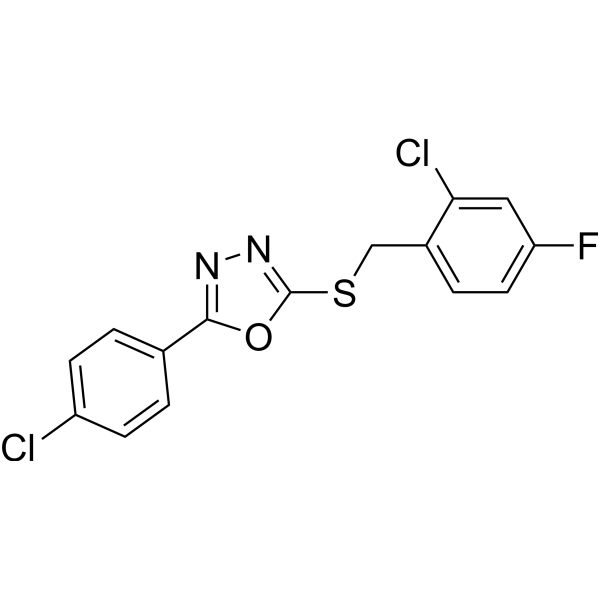
    α-Glucosidase-IN-39 is a potent inhibitor of α-glucosidase enzyme with an IC50 of 869.06 ppm. α-Glucosidase-IN-39 can used in study antidiabetic .
    α-Glucosidase-IN-39
  • HY-N0466R

    Reference Standards Glycosidase HMG-CoA Reductase (HMGCR) Fatty Acid Synthase (FASN) LDLR Others
    Rebaudioside A (Standard) is the analytical standard of Rebaudioside A. This product is intended for research and analytical applications. Rebaudioside A is an orally effective steviol glycoside with high sweetness. Rebaudioside A acts as an inhibitor of α-glucosidase with an IC50 value of 35.01 μg/mL. Rebaudioside A increases the ATP/ADP ratio in β cells in a glucose-dependent manner, thereby inhibiting KATP channels, leading to membrane depolarization, calcium influx, and ultimately stimulating insulin secretion. Rebaudioside A activates the SREBP signaling pathway by inhibiting HMGCR, the rate-limiting enzyme in cholesterol synthesis, resulting in increased expression of LDLR on the cell surface, thus promoting the uptake of LDL-C in the blood. Rebaudioside A can be used for studies on blood glucose and lipid regulation as well as anti-obesity.
    Rebaudioside A (Standard)
  • HY-156447

    Glycosidase Metabolic Disease
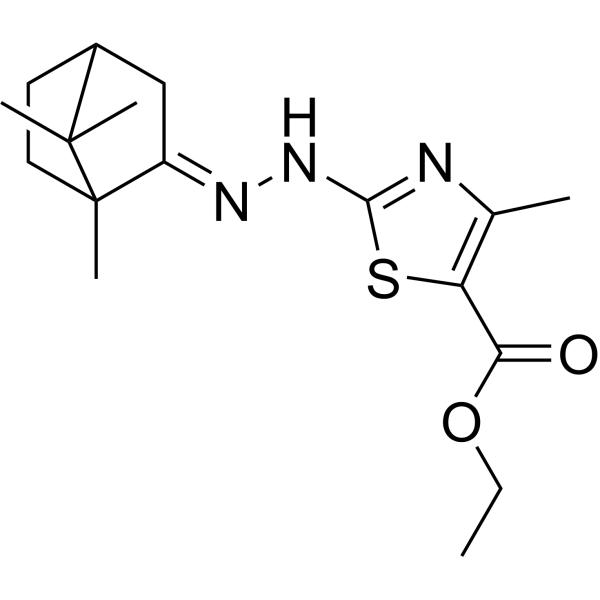
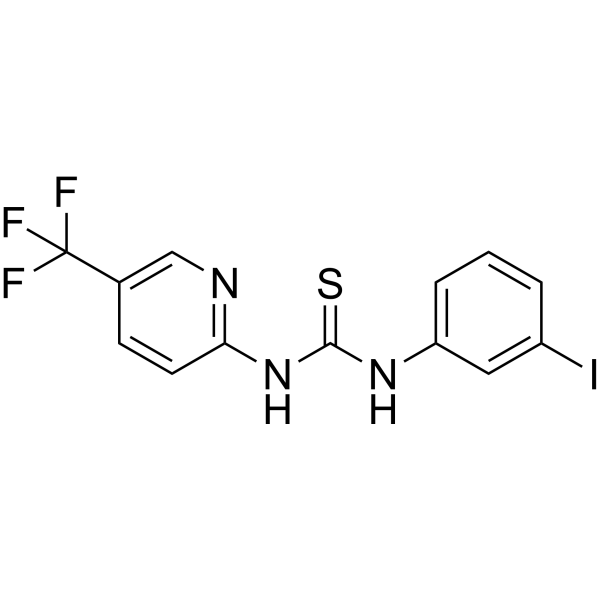
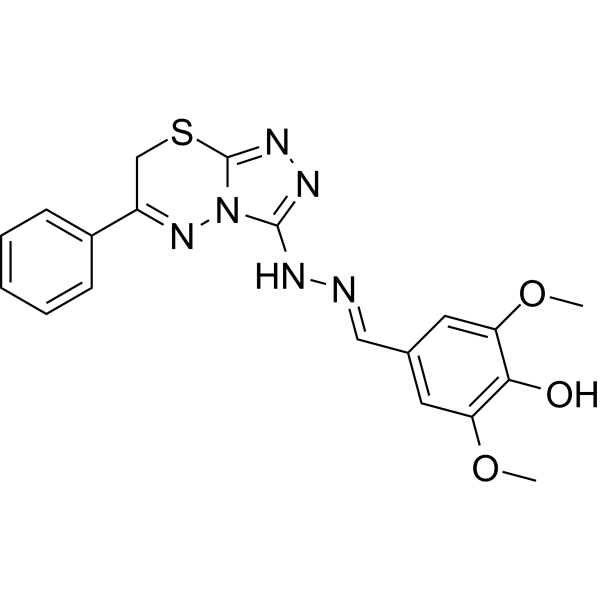
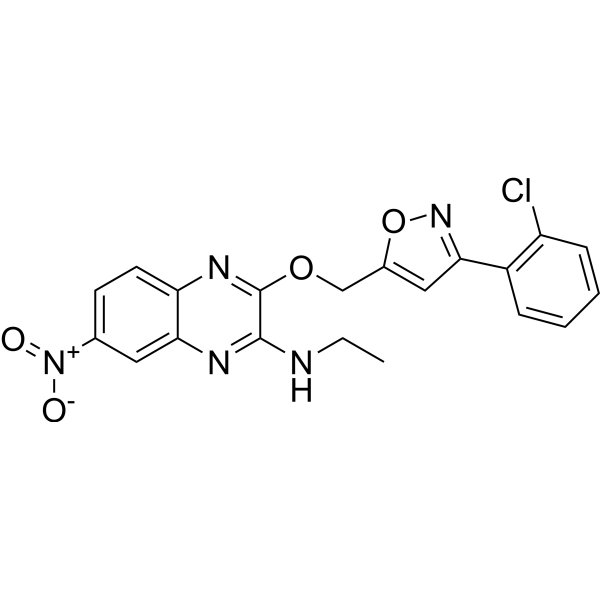
    α-Glucosidase-IN-40 (compound 5) is a noncompetitive α-glucosidase enzyme inhibitor with an IC50 of 24.62 μM .
    α-Glucosidase-IN-40
  • HY-149668

    Glycosidase Metabolic Disease
    α-Glucosidase-IN-41 (compound 5o) is a potent α-glucosidase inhibitor. α-Glucosidase-IN-41 can arise the changed secondary structure of α-Glu to hinder enzyme catalytic activity. α-Glucosidase-IN-41 can be used for diabetes mellitus research .
    α-Glucosidase-IN-41
  • HY-161355

    Amylases Glycosidase Metabolic Disease
    α-Amylase/α-Glucosidase-IN-9 (compound 5h) is a dual inhibitor for both α-amylase (IC50 = 16.4 μM) and α-glucosidase (IC50 = 31.6 μM) enzymes .
    α-Amylase/α-Glucosidase-IN-9
  • HY-172757

    Glycosidase Metabolic Disease
    α-Glucosidase-IN-88 (Compound 3K) is an orally active and potent α-glucosidase inhibitor with an IC50 value of 6.40 µM. α-Glucosidase-IN-88 inhibits carbohydrate hydrolysis by blocking the enzyme's ability to break down glycosidic bonds, thereby reducing postprandial blood glucose levels. α-Glucosidase-IN-88 is promising for research of type 2 diabetes mellitus (T2DM) .
    α-Glucosidase-IN-88
  • HY-162390

    Amylases Glycosidase Endocrinology
    α-Amylase/α-Glucosidase-IN-11 (Compound 5d) is a isoxazolidine-isatin hybrid with significant antidiabetic activity. α-Amylase/α-Glucosidase-IN-11 competitively inhibits α-amylase (IC50 = 30.39 μM) and α-glucosidase (IC50 = 65.1 μM), two key digestive enzymes. α-Amylase/α-Glucosidase-IN-11 does not cross the blood-brain barrier .
    α-Amylase/α-Glucosidase-IN-11
  • HY-162036

    Glycosidase Amylases Cholinesterase (ChE) Neurological Disease Metabolic Disease
    α-Amylase/α-Glucosidase-IN-7 (Compound 3f) is a competitive α-glucosidase and α-amylase enzyme inhibitor with IC50 values of 18.52 and 20.25 µM, respectively. α-Amylase/α-Glucosidase-IN-7 can also effectively inhibit AChE and BChE, with IC50 values of 9.25 and 10.06 µM respectively. α-Amylase/α-Glucosidase-IN-7 can be used in diabetes and Alzheimer’s research .
    α-Amylase/α-Glucosidase-IN-7
  • HY-N2574R

    Reference Standards Glycosidase Metabolic Disease
    Gitogenin (Standard) is the analytical standard of Gitogenin. This product is intended for research and analytical applications. Gitogenin is a natural steroid isolated from the whole plant of Tribulus longipetalus. Gitogenin is a selective inhibitor of UDP-glucuronosyltransferase 1A4 (UGT1A4) and enzyme α-glucosidase with IC50 values of 0.69 μM (use trifluoperazine as a substrate) and 37.2 μM, respectively, and does not inhibit the activities of major human cytochrome P450 isoforms .
    Gitogenin (Standard)
  • HY-N4309A

    Amylases Glycosidase Cardiovascular Disease
    Lotusine hydroxide is an orally active signaling pathway modulator and enzyme inhibitor, with an IC50 of 30.60 μg/mL against α-amylase and an IC50 of 36.15 μg/mL against α-glucosidase. Lotusine hydroxide inhibits the EGFR-Akt-ERK signaling pathway by reducing the levels of phosphorylated EGFR, Akt and ERK. Lotusine hydroxide induces apoptosis, triggers G0/G1 cell cycle arrest and inhibits cancer cell proliferation. Lotusine hydroxide reduces lipid peroxidation and increases the activities of SOD, CAT and GPx. Lotusine hydroxide is applicable to researches related to non-small cell lung cancer, type 2 diabetes and autism spectrum disorder .
    Lotusine hydroxide
  • HY-174223

    Glycosidase Metabolic Disease
    α-Glucosidase-IN-90 (Compound 7b) is an α-Glucosidase inhibitor (IC50: 14.48 nM). α-Glucosidase-IN-90 binds to HIS:280 and ASN:415 residues of α-glucosidase via hydrogen bonds, inhibiting the activity of the enzyme. α-Glucosidase-IN-90 can be used in the study of diabetes .
    α-Glucosidase-IN-90
  • HY-105528

    Glycosidase Metabolic Disease
    MDL-25637 is an α-glucosidase inhibitor. MDL-25637 can inhibit the activity of sucrose enzyme, maltase, isomaltase, glucose amylase, and trehalose in the intestinal tract of rats. MDL-25637 can be used in the research of diabetes .
    MDL-25637
  • HY-N19401

    Cholinesterase (ChE) Carbonic Anhydrase Glycosidase JNK p38 MAPK Metabolic Disease Inflammation/Immunology
    Vescalagin is a hexahydroxyphenol. Vescalagin is isolable from Camu-camu (Myrciaria dubia) and immature wax apple fruits. Vescalagin exhibits inhibitory activity against a variety of enzymes, with a Ki value of 5.87 nM against AChE, 3.89 nM against BChE, 11.75 nM against hCA I, 16.23 nM against hCA II, and 16.08 nM against α-glucosidase. Vescalagin inhibits hCA I, hCA II and α-glucosidase in a non-competitive manner. Vescalagin downregulates JNK/p38 MAPK to protect pancreatic β-cells and improve insulin secretion in methylglyoxal-treated rats. Vescalagin reduces hyperglycemia and hypertriglyceridemia in rats fed a high-fructose diet. Vescalagin possesses anti-inflammatory and antioxidant properties .
    Vescalagin

Inquiry Online

Your information is safe with us. * Required Fields.

Salutation


Country or Region *

Applicant Name *


Organization Name *

Department *


Email Address *


Product Name *

Cat. No.


Requested quantity *

Phone Number *


Remarks

Inquiry Online

Inquiry Information

Product Name:
Cat. No.:
Quantity:
MCE Japan Authorized Agent:

