1. Search Result
Search Result
Results for "

Antibiotic resistance

" in MedChemExpress (MCE) Product Catalog:

96

Inhibitors & Agonists

2

Bibliotecas de Screening

1

Biochemical Assay Reagents

11

Peptides

14

Natural
Products

6

Isotope-Labeled Compounds

1

Oligonucleotides

Cat. No. Nombre del producto Target Áreas de investigación Chemical Structure
  • HY-N1423
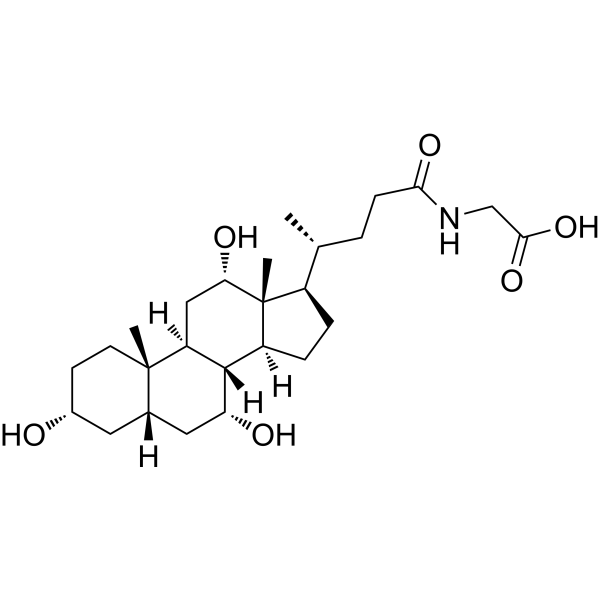
    Glycocholic acid
    3 Publications Verification

    P-glycoprotein Bcl-2 Family G protein-coupled Bile Acid Receptor 1 Endogenous Metabolite Bacterial Apoptosis FXR Caspase MDM-2/p53 LPL Receptor Metabolic Disease Inflammation/Immunology Cancer
    Glycocholic acid is a bile acid derivative. Glycocholic acid downregulates MDR1, Bcl-2, MRP1, MRP2 and FXR, upregulates Bax, p53, caspase-9, caspase-3, TGR5 and S1PR2. Glycocholic acid inhibits multidrug resistance and efflux pumps, induces mitochondrial apoptosis, and enhances chemosensitivity. Glycocholic acid modulates related bile acid receptor signaling. Glycocholic acid suppresses growth and conjugation of Enterobacteriaceae and increases their antibiotic susceptibility. Glycocholic acid can be used for the research of colon adenocarcinoma and cholangiocarcinoma (CCA) .
    Glycocholic acid
  • HY-B1329
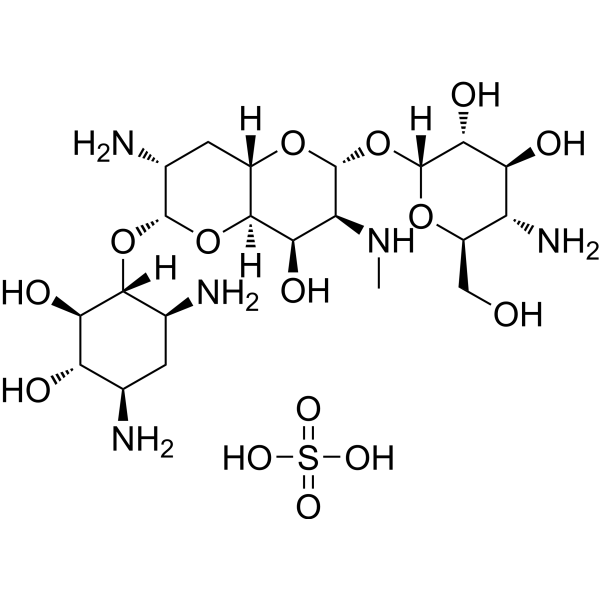
    Apramycin sulfate
    4 Publications Verification

    Nebramycin II sulfate

    Bacterial Antibiotic Infection
    Apramycin (EBL 1003) sulfate is an orally active, acidic pH tolerant and aminoglycoside-modifying-enzymes-tolerant aminoglycoside antibiotic which inhibits protein biosynthesis by targeting the bacterial ribosome. Apramycin sulfate is a potential anti-drug-resistance antibiotic .
    Apramycin sulfate
  • HY-B1455
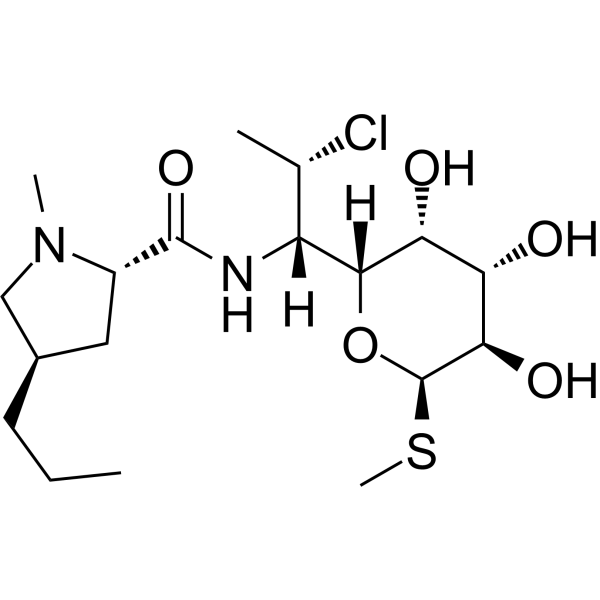
    Clindamycin
    10+ Cited Publications

    Bacterial Antibiotic Parasite Infection Cancer
    Clindamycin is an orally active and broad-spectrum bacteriostatic lincosamide antibiotic. Clindamycin can inhibit bacterial protein synthesis, possessing the ability to suppress the expression of virulence factors in Staphylococcus aureus at sub-inhibitory concentrations (sub-MICs). Clindamycin resistance results from enzymatic methylation of the antibiotic binding site in the 50S ribosomal subunit (23S rRNA). Clindamycin decreases the production of Panton-Valentine leucocidin (PVL), toxic-shock-staphylococcal toxin (TSST-1) or alpha-haemolysin (Hla). Clindamycin also can be used for researching malaria .
    Clindamycin
  • HY-103251

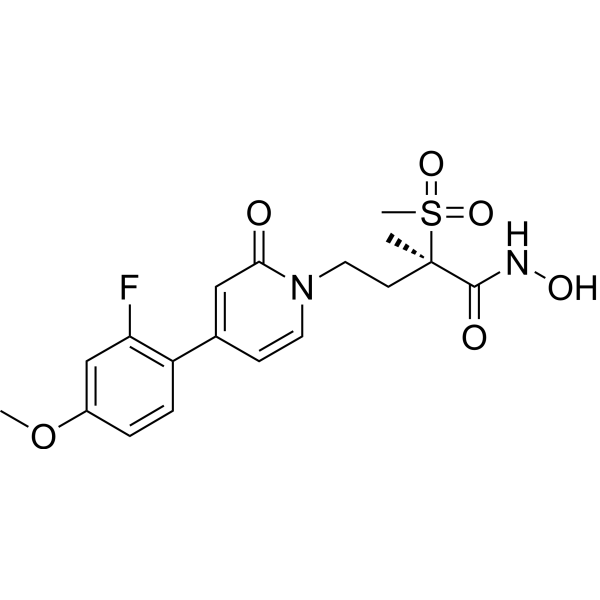
    LpxC-4

    Antibiotic Bacterial Infection
    PF-5081090 (LpxC-4) is a potent LpxC inhibitor, is a rapidly bactericidal with broad-spectrum activity. PF-5081090 serves as a regulator of lipid A biosynthesis in Gram-negative pathogens .
    PF-5081090
  • HY-W062216

    Bacterial Arginase Infection
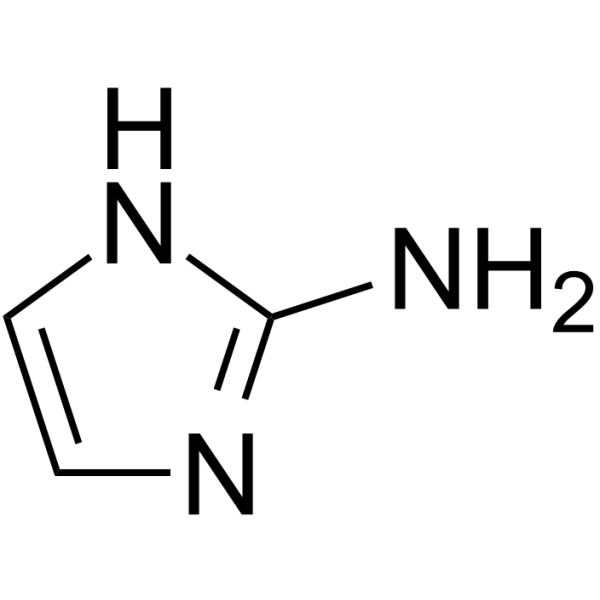
    2-Aminoimidazole is a potent antibiofilm agent that can be used as an adjuvant to antimicrobial. 2-aminoimidazoles disrupts the ability of bacteria to protect themselves by inhibiting biofilm formation and genetically-encoded antibiotic resistance traits. 2-Aminoimidazole is also a weak noncompetitive inhibitor of human arginase I with a Ki of 3.6 mM .
    2-Aminoimidazole
  • HY-77641

    Endogenous Metabolite Metabolic Disease
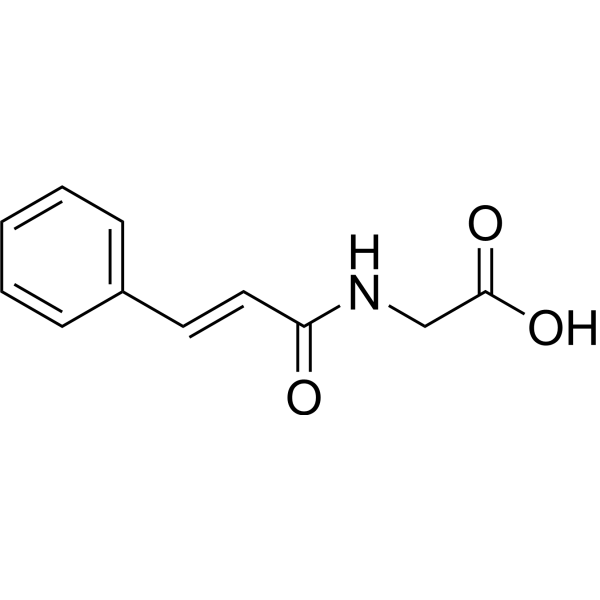
    Cinnamoylglycine is a human urinary metabolite and PPG analog. Cinnamoylglycine is a conjugate of cinnamic acid and glycine. Cinnamoylglycine is used as a urine marker. Cinnamoylglycine can be used in adipogenic differentiation studies .
    Cinnamoylglycine
  • HY-116815
    Lalistat 1
    2 Publications Verification

    Beta-lactamase Bacterial Infection Neurological Disease
    Lalistat 1 is a potent, selective, and competitive inhibitor of lysosomal acid lipase (LAL) and against purified human LAL (phLAL) with an IC50 of 68 nM. Lalistat 1 is a inhibitor of immunoglobulin A1 protease (IgA1P) proteases for H. influenzae, has less effects on other serine hydrolases (trypsin or β-lactamase, etc.). Lalistat 1 can be used for the research of niemann-pick type C (NPC) disease .
    Lalistat 1
  • HY-17028

    Bacterial Antibiotic DNA/RNA Synthesis Topoisomerase Infection Inflammation/Immunology
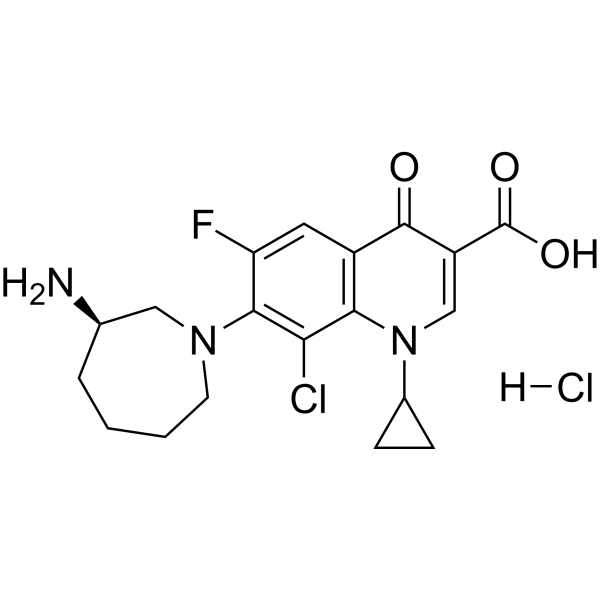
    Besifloxacin Hydrochloride is a fourth generation fluoroquinolone antibiotic. Besifloxacin Hydrochloride is a DNA gyrase and topoisomerase IV inhibitor. Besifloxacin Hydrochloride has broad-spectrum antibacterial activity, it is effective against Gram-negative and Gram-positive aerobic and anaerobic strains and reduces the incidence of drug resistance. Besifloxacin Hydrochloride has anti-inflammatory activity. Besifloxacin Hydrochloride can be used in bacterial conjunctivitis research .
    Besifloxacin Hydrochloride
  • HY-N1423A
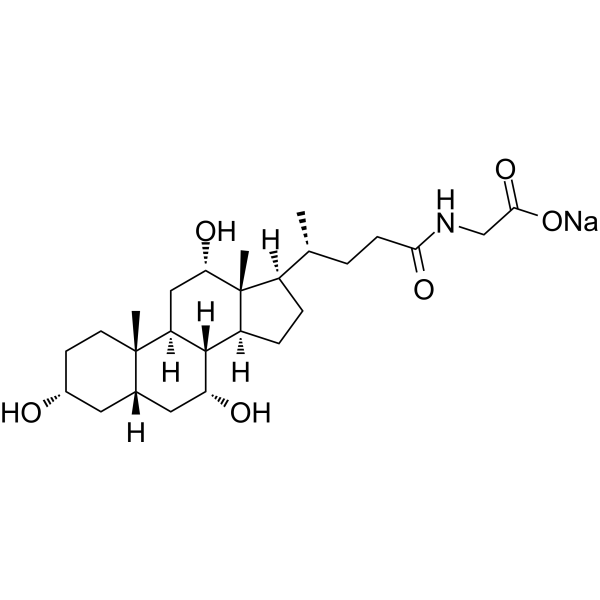
    Glycocholic acid sodium
    3 Publications Verification

    P-glycoprotein Bcl-2 Family G protein-coupled Bile Acid Receptor 1 Bacterial Apoptosis FXR Caspase MDM-2/p53 LPL Receptor Endogenous Metabolite Metabolic Disease Cancer
    Glycocholic acid sodium is a bile acid derivative. Glycocholic acid downregulates MDR1, Bcl-2, MRP1, MRP2 and FXR, upregulates Bax, p53, caspase-9, caspase-3, TGR5 and S1PR2. Glycocholic acid sodium inhibits multidrug resistance and efflux pumps, induces mitochondrial apoptosis, and enhances chemosensitivity. Glycocholic acid sodium modulates related bile acid receptor signaling. Glycocholic acid sodium suppresses growth and conjugation of Enterobacteriaceae and increases their antibiotic susceptibility. Glycocholic acid sodium can be used for the research of colon adenocarcinoma and cholangiocarcinoma (CCA) .
    Glycocholic acid sodium
  • HY-B1325

    Bacterial Antibiotic Infection Inflammation/Immunology
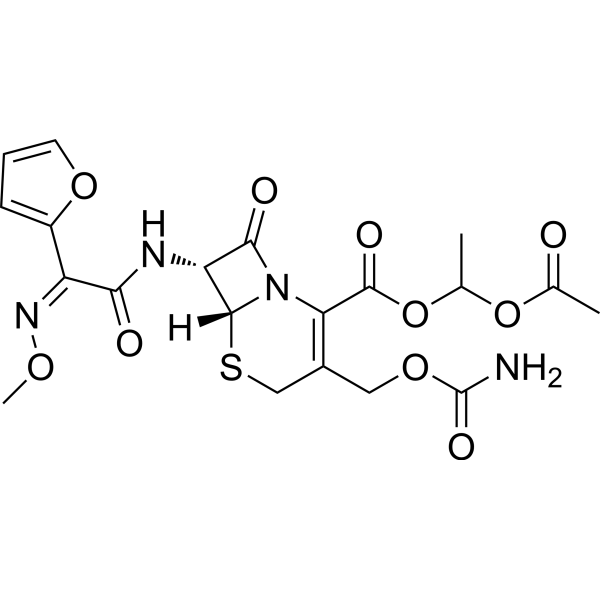
    Cefuroxime axetil is an orally effective broad-spectrum β-lactam antibiotic that targets bacterial penicillin-binding proteins (PBPs, such as PBP3 and PBP1). Cefuroxime axetil inhibits cell wall synthesis, leading to bacterial lysis and death, with a minimum inhibitory concentration (MIC) of 0.12-4 mg/L for non-typeable Haemophilus influenzae (NTHi). Cefuroxime axetil is hydrolyzed by esterase to the active ingredient Cefuroxime (HY-B1256A) after oral absorption. Topical administration of Cefuroxime via bioadhesive nanoparticles (BNPs) can prolong the drug's retention time in the middle ear (≥7 days). Cefuroxime axetil can be used in the study of otitis media (especially NTHi infection). Cefuroxime axetil can achieve precise antibacterial effects through oral or topical nano-delivery systems, reducing systemic exposure and the risk of antibiotic resistance .
    Cefuroxime axetil
  • HY-N1423S

    Isotope-Labeled Compounds P-glycoprotein Bcl-2 Family G protein-coupled Bile Acid Receptor 1 Endogenous Metabolite Bacterial Apoptosis FXR Caspase MDM-2/p53 LPL Receptor Metabolic Disease Cancer
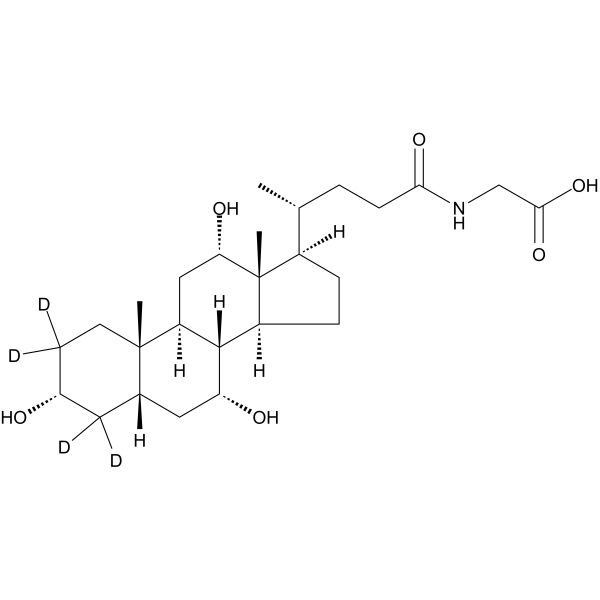
    Glycocholic acid-d4 is the deuterium labeled Glycocholic acid (HY-N1423). Glycocholic acid is a bile acid derivative. Glycocholic acid downregulates MDR1, Bcl-2, MRP1, MRP2 and FXR, upregulates Bax, p53, caspase-9, caspase-3, TGR5 and S1PR2. Glycocholic acid inhibits multidrug resistance and efflux pumps, induces mitochondrial apoptosis, and enhances chemosensitivity. Glycocholic acid modulates related bile acid receptor signaling. Glycocholic acid suppresses growth and conjugation of Enterobacteriaceae and increases their antibiotic susceptibility. Glycocholic acid can be used for the research of colon adenocarcinoma and cholangiocarcinoma (CCA).
    Glycocholic acid-d4
  • HY-P3078

    Bacterial Antibiotic Infection
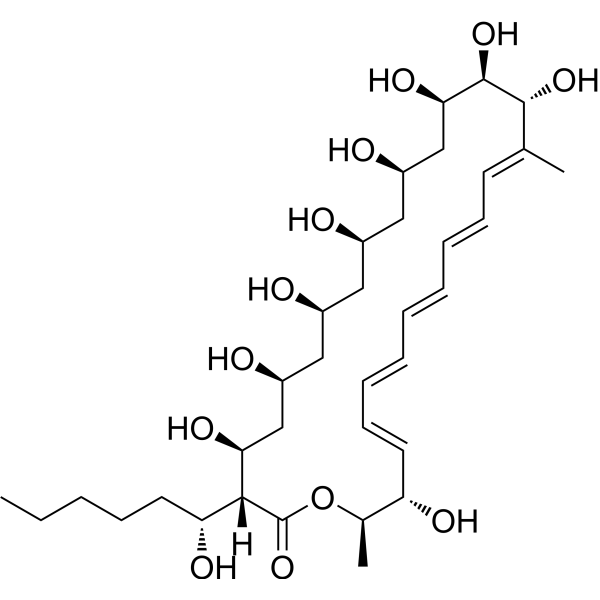
    Amphomycin is a lipopeptide antibiotic that inhibits peptidoglycan synthesis and blocks cell wall development. Amphomycin exhibits potent antibacterial activities against methicillin-resistant S. aureus (MRSA), vancomycin-resistant enterococci (VRE), penicillin-gentamicin-erythromycin-resistant S. pneumonia, and linezolid-quinupristin-dalfopristin-resistant enterococci .
    Amphomycin
  • HY-112589

    Bacterial Infection Cancer
    BRITE-338733 is an inhibitor of E. coli RecA ATPase activity (IC50: 4.7 μM). BRITE-338733 also inhibits the ATP hydrolysis activity of RSC chromatin remodeling enzyme by binding to its ATP-binding pocket and DNA (IC50: 0.316 μM). BRITE-338733 exhibits cytotoxicity against MCF-7 and MDA-MB-231 breast cancer cells. BRITE-338733 can be used in studies on antibacterial adjuvants and anticancer research .
    BRITE-338733
  • HY-106681

    Fungichromin; Pentamycin; Cogomycin

    Antibiotic Fungal Cancer
    Lagosin (Fungichromin) is a polyene macrolide antibiotic. Lagosin has demonstrated broad-spectrum antifungal activity and is impervious to agent resistance .
    Lagosin
  • HY-122071

    Antibiotic Bacterial Infection
    Bicyclomycin is an antibiotic. Bicyclomycin exhibits selective antibacterial activity against Gram-negative bacteria such as Escherichia coli and Klebsiella spp., with no cross-resistance. Bicyclomycin is applicable to the research of infectious diseases .
    Bicyclomycin
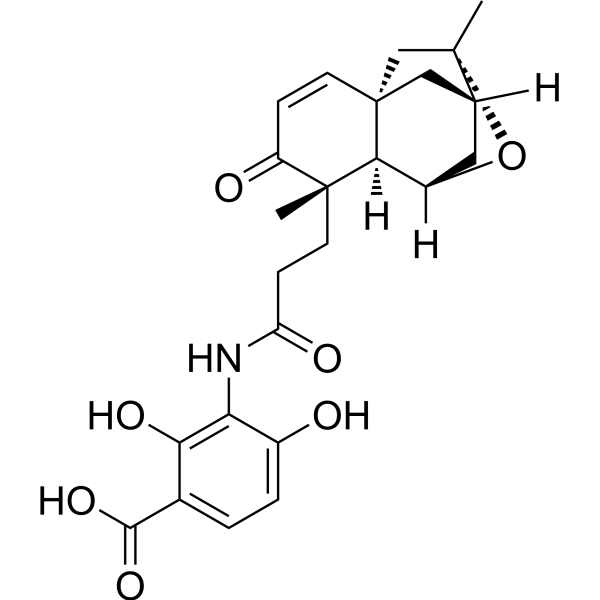
  • HY-127146

    Antibiotic Bacterial Infection
    Platensimycin is an antibiotic produced by S. platensis that inhibits gram-positive bacteria by selectively inhibiting cellular lipid biosynthesis (IC50=0.1 μM). Platensimycin targets the β-ketoacyl-acyl-carrier-protein synthase I/II, FabF/B, an enzyme that participates in the biosynthesis of fatty acids (IC50s=48 nM and 160 nM for S.aureus and E.coli enzymes, respectively). Platensimycin is a promising agent for overcoming antibiotic resistance.
    Platensimycin
  • HY-139398
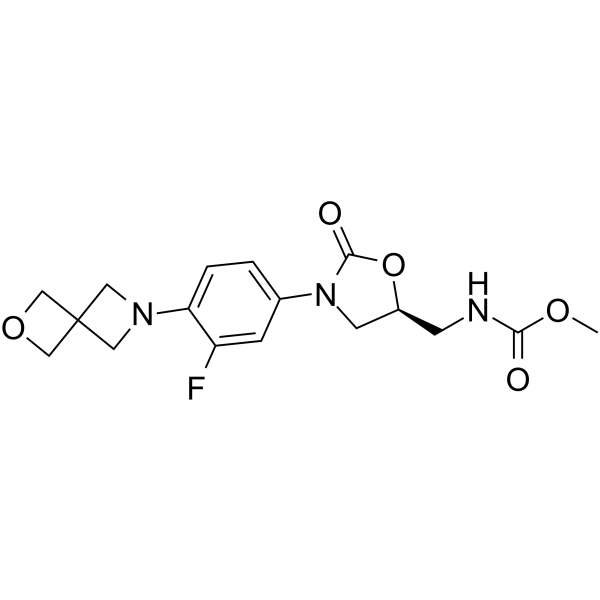
    TBI-223
    1 Publications Verification

    Antibiotic Bacterial Infection
    TBI-223 is an orally active oxazolidinone antibiotic and an antimicrobial. TBI-223 shows activity against Mycobacterium tuberculosis (Mtb). TBI-223 exhibits an IC50 of 68 μg/mL for inhibiting mitochondrial protein synthesis (MPS) in HepG2 cells. TBI-223 is effective in three mouse models (bloodstream infection, skin infection, and bone infection) of methicillin-resistant staphylococcus aureus infection. TBI-223 can be used for the study of tuberculosis .
    TBI-223
  • HY-W013105

    N-Cholylglycine sodium salt, 98%

    Bcl-2 Family Caspase Endogenous Metabolite Bacterial MDM-2/p53 P-glycoprotein LPL Receptor FXR G protein-coupled Bile Acid Receptor 1 Apoptosis Others
    Sodium glycocholate hydrate, 98% is a bile acid derivative. Sodium glycocholate hydrate, 98% downregulates MDR1, Bcl-2, MRP1, MRP2 and FXR, upregulates Bax, p53, caspase-9, caspase-3, TGR5 and S1PR2. Sodium glycocholate hydrate, 98% inhibits multidrug resistance and efflux pumps, induces mitochondrial apoptosis, and enhances chemosensitivity. Sodium glycocholate hydrate, 98% modulates related bile acid receptor signaling. Sodium glycocholate hydrate, 98% suppresses growth and conjugation of Enterobacteriaceae and increases their antibiotic susceptibility. Sodium glycocholate hydrate, 98% can be used for the research of colon adenocarcinoma and cholangiocarcinoma (CCA) .
    Sodium glycocholate hydrate, 98%
  • HY-152296

    Nucleoside Antimetabolite/Analog Bacterial Infection
    8-Methyladenosine is a modified adenosine nucleoside. Through methylation at the 8-position, 8-Methyladenosine confers bacterial resistance to five classes of antibiotics that bind to the ribosomal peptidyl transferase center. 8-Methyladenosine can be used in studies of antibiotic-resistant bacterial infections .
    8-Methyladenosine
  • HY-P1674A
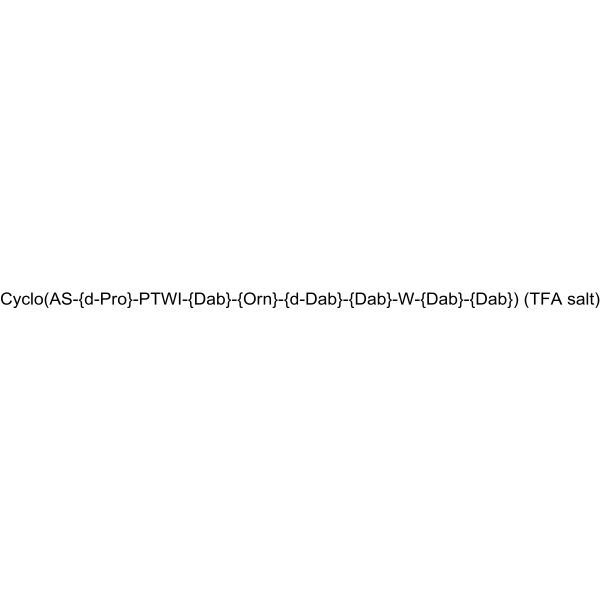
    Murepavadin TFA
    3 Publications Verification

    POL7080 TFA

    Bacterial Antibiotic Infection
    Murepavadin (POL7080) (TFA), a 14-amino-acid cyclic peptide, is a highly potent, specific antibiotic. Murepavadin exhibits a potent antimicrobial activity for P. aeruginosa with MIC50 and MIC90 values both of 0.12 mg/L. Murepavadin also can target the lipopolysaccharide transport portin D. Murepavadin can be used for the research of bacterial resistance .
    Murepavadin TFA
  • HY-N1423B
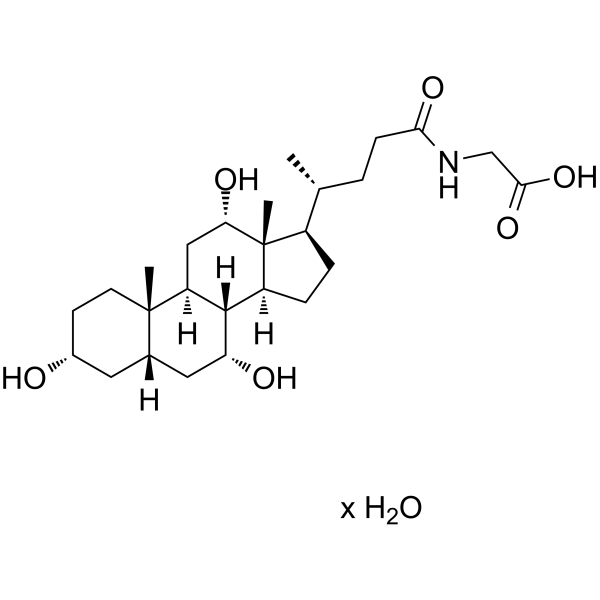
    Glycocholic acid hydrate
    3 Publications Verification

    Endogenous Metabolite Caspase G protein-coupled Bile Acid Receptor 1 LPL Receptor MDM-2/p53 Bcl-2 Family P-glycoprotein FXR Bacterial Apoptosis Metabolic Disease Inflammation/Immunology Cancer
    Glycocholic acid hydrate is a bile acid derivative. Glycocholic acid hydrate downregulates MDR1, Bcl-2, MRP1, MRP2 and FXR, upregulates Bax, p53, caspase-9, caspase-3, TGR5 and S1PR2. Glycocholic acid hydrate inhibits multidrug resistance and efflux pumps, induces mitochondrial apoptosis, and enhances chemosensitivity. Glycocholic acid hydrate modulates related bile acid receptor signaling. Glycocholic acid hydrate suppresses growth and conjugation of Enterobacteriaceae and increases their antibiotic susceptibility. Glycocholic acid hydrate can be used for the research of colon adenocarcinoma and cholangiocarcinoma (CCA) .
    Glycocholic acid hydrate
  • HY-P1674

    POL7080

    Bacterial Antibiotic Infection
    Murepavadin (POL7080), a 14-amino-acid cyclic peptide, is a highly potent, specific antibiotic. Murepavadin exhibits a potent antimicrobial activity for P. aeruginosa with both MIC50 and MIC90 values of 0.12 mg/L. Murepavadin also can target the lipopolysaccharide transport portin D. Murepavadin can be used for the research of bacterial resistance .
    Murepavadin
  • HY-126906

    Environmental Pollutants Antibiotic P-glycoprotein Cancer
    Milbemycin A4 inhibits P-glycoprotein activity, and reverses multidrug resistance of tumor cells. Milbemycins are a family of macrolide antibiotics with insecticidal and acaricidal activity sup>[2].
    Milbemycin A4
  • HY-161685

    Bacterial Reactive Oxygen Species (ROS) Endogenous Metabolite Infection
    Antibiofilm agent-8 (compound Ru2) enhances antimicrobial activity on visible-light exposure (400-700 nm, 10 J cm-2). Antibiofilm agent-8 generates of oxidative stress via NADH oxidation and ROS generation and compromises bacterial wall .
    Antibiofilm agent-8
  • HY-B1329R

    Nebramycin II sulfate (Standard)

    Reference Standards Bacterial Antibiotic Infection
    Apramycin (sulfate) (Standard) is the analytical standard of Apramycin (sulfate). This product is intended for research and analytical applications. Apramycin (EBL 1003) is an orally active, acidic pH tolerant and aminoglycoside-modifying-enzymes-tolerant aminoglycoside antibiotic which inhibits protein biosynthesis by targeting the bacterial ribosome. Apramycin is a potential anti-drug-resistance antibiotic .
    Apramycin sulfate (Standard)
  • HY-159687

    WCK 4873

    Antibiotic Bacterial Infection
    Nafithromycin (WCK 4873) is an orally available antibiotic that inhibits community-acquired pneumonia caused by Streptococcus pneumoniae, Haemophilus influenzae, Moraxella catarrhalis, and Methicillin (HY-121544)-susceptible Staphylococcus aureus. The MIC90 of nafithromycin against macrolide-resistant and telithromycin (HY-A0062)-insensitive Streptococcus pneumoniae is 0.12 mg/liter .
    Nafithromycin
  • HY-B1455S1

    Isotope-Labeled Compounds Bacterial Antibiotic Parasite Infection
    Clindamycin- 13C,d3 is the 13C- and deuterium labeled Clindamycin. Clindamycin is an orally active and broad-spectrum bacteriostatic lincosamide antibiotic. Clindamycin can inhibit bacterial protein synthesis, possessing the ability to suppress the expression of virulence factors in Staphylococcus aureus at sub-inhibitory concentrations (sub-MICs). Clindamycin resistance results from enzymatic methylation of the antibiotic binding site in the 50S ribosomal subunit (23S rRNA). Clindamycin decreases the production of Panton-Valentine leucocidin (PVL), toxic-shock-staphylococcal toxin (TSST-1) or alpha-haemolysin (Hla). Clindamycin also can be used for researching malaria .
    Clindamycin-13C,d3
  • HY-N7118

    Bacterial Antibiotic Infection Cancer
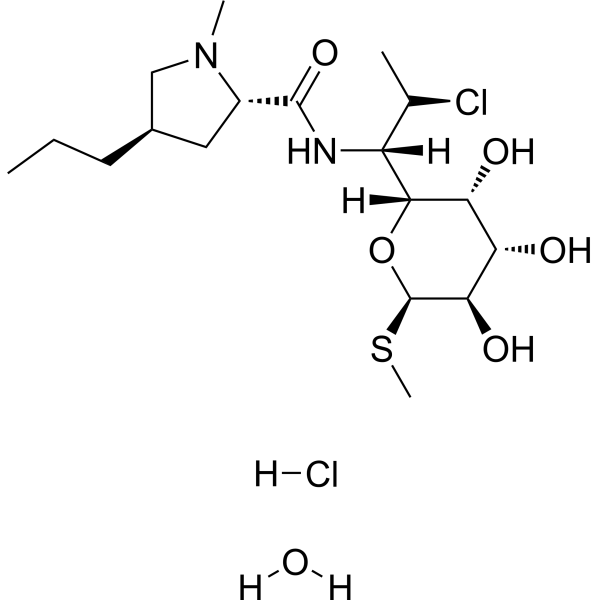
    Clindamycin hydrochloride monohydrate is an oral protein synthesis inhibitory agent that has the ability to suppress the expression of virulence factors in Staphylococcus aureus at sub-inhibitory concentrations (sub-MICs). Clindamycin hydrochloride monohydrate resistance results from enzymatic methylation of the antibiotic binding site in the 50S ribosomal subunit (23S rRNA). Clindamycin hydrochloride monohydrate decreases the production of Panton-Valentine leucocidin (PVL), toxic-shock-staphylococcal toxin (TSST-1) or alpha-haemolysin (Hla) .
    Clindamycin hydrochloride monohydrate
  • HY-P10027

    Antibiotic Bacterial Infection
    Clovibactin is an antibiotic for drug-resistant bacterial pathogens without detectable resistance. Clovibactin TFA inihibits cell wall synthesis by targeting pyrophosphate of peptidoglycan precursors .
    Clovibactin
  • HY-17558
    Apramycin
    4 Publications Verification

    Nebramycin II

    Bacterial Antibiotic Infection
    Apramycin (Nebramycin II) is an orally active, acidic pH tolerant and aminoglycoside-modifying-enzymes-tolerant aminoglycoside antibiotic which inhibits protein biosynthesis by targeting the bacterial ribosome. Apramycin is a potential anti-drug-resistance antibiotic .
    Apramycin
  • HY-77641S

    Isotope-Labeled Compounds Endogenous Metabolite Metabolic Disease
    Cinnamoylglycine-d2 is the deuterium labeled Cinnamoylglycine. Cinnamoylglycine is a glycine conjugate of cinnamic acid and a urinary metabolite in human. Cinnamoylglycine is used as a potential urinary biomarker indicating intact or disrupted colonization resistance during and after antibiotic treatment .
    Cinnamoylglycine-d2
  • HY-P10027A

    Antibiotic Bacterial Infection
    Clovibactin TFA is the TFA salt form of Clovibactin (HY-P10027). Clovibactin TFA is an antibiotic for drug-resistant bacterial pathogens without detectable resistance. Clovibactin TFA inihibits cell wall synthesis by targeting pyrophosphate of peptidoglycan precursors .
    Clovibactin TFA
  • HY-126906R

    Reference Standards Antibiotic P-glycoprotein Cancer
    Milbemycin A4 (Standard) is the analytical standard of Milbemycin A4. This product is intended for research and analytical applications. Milbemycin A4 inhibits P-glycoprotein activity, and reverses multidrug resistance of tumor cells. Milbemycins are a family of macrolide antibiotics with insecticidal and acaricidal activity sup> .
    Milbemycin A4 (Standard)
  • HY-144659

    Beta-lactamase Apoptosis Bacterial Infection
    Metallo-β-lactamase-IN-5 (compound 5c) is a potent metallo-β-lactamases (MBL) inhibitor. Metallo-β-lactamase-IN-5 shows inhibitory activity against MBLs NDM-1 and VIM-1. Metallo-β-lactamase-IN-5 inhibits HUVECs with an IC50 of 45 μg/mL. Metallo-β-lactamase-IN-5 plus Imipenem exhibits synergistic antimicrobial activity .
    Metallo-β-lactamase-IN-5
  • HY-178347

    Bacterial Infection
    Debio 1453 is a bactericidal FabI inhibitor potent against N. gonorrhoeae (IC50 = 0.6 nM), including drug-resistant strains. Debio 1453 demonstrates a low propensity for resistance selection and is effective in eradicating both planktonic and intracellular bacteria through a mechanism of concurrently inhibiting FabI and engaging the non-mutable NADH cofactor. Debio 1453 clears antibiotic-resistant N. gonorrhoeae infection in a murine vaginal model. Debio 1453 can be used for gonorrhoea research .
    Debio 1453
  • HY-P10209

    Antibiotic Bacterial Infection
    Cilagicin, a dodeca-lipodepsipeptide, is a Gram-positive active antibiotic. Cilagicin has a dual polyprenyl phosphate binding mechanism that impedes resistance development .
    Cilagicin
  • HY-146330

    Bacterial Infection
    FtsZ-IN-2 (Compound 19) is an inhibitor of the bacterial cell division protein FtsZ with GTPase inhibitory activity. FtsZ-IN-2 exhibits anti-staphylococcal activity with MIC values of 2 µg/ml for MSSA and MRSA .
    FtsZ-IN-2
  • HY-130337

    Antibiotic Bacterial Infection
    Teicoplanin A2-2 is a glycopeptide antibiotic. Teicoplanin A2-2 exhibits antibacterial activity, particularly against coagulase-negative staphylococci (CNS). Teicoplanin A2-2 inhibits bacterial cell wall synthesis by competitively binding to the terminal D-Ala-D-Ala peptide bonds in the cell wall synthesis process, leading to bacterial death. Teicoplanin A2-2 can be used for research into bacterial resistance mechanisms and the development of new antibiotics .
    Teicoplanin A2-2
  • HY-106922

    GV104326

    Antibiotic Bacterial Infection
    Sanfetrinem (GV104326) is a β-lactamase-stable antibiotic. Sanfetrinem has broad-spectrum antimicrobial activity against both Gram-positive and Gram-negative bacteria .
    Sanfetrinem
  • HY-B1455S

    Bacterial Antibiotic Parasite Infection
    Clindamycin-d3 (hydrochloride) is the deuterium labeled Clindamycin. Clindamycin is an orally active and broad-spectrum bacteriostatic lincosamide antibiotic. Clindamycin can inhibit bacterial protein synthesis, possessing the ability to suppress the expression of virulence factors in Staphylococcus aureus at sub-inhibitory concentrations (sub-MICs). Clindamycin resistance results from enzymatic methylation of the antibiotic binding site in the 50S ribosomal subunit (23S rRNA). Clindamycin decreases the production of Panton-Valentine leucocidin (PVL), toxic-shock-staphylococcal toxin (TSST-1) or alpha-haemolysin (Hla). Clindamycin also can be used for researching malaria .
    Clindamycin-d3 hydrochloride
  • HY-178504

    Bacterial Infection
    Lug-15 is a rapid bactericidal agent. Lug-15 exhibits strong antibacterial activity against both Gram-positive and Gram-negative bacteria, including drug-resistant strains. Lug-15 rapidly kills bacteria primarily through membrane disruption and had a very low propensity to induce bacterial resistance. Lug-15 demonstrates low hemolytic toxicity and significant therapeutic potential in various infection models. Lug-15 can be used for research on combating infections caused by multi-drug resistant bacteria .
    Lug-15
  • HY-178952

    Bacterial Infection
    Anti-infective agent 12 (Compound A09) is a competitive inhibitor of type I signal peptidease (SPase I), with an IC50 of 4.475 μM and a Kd of 16.3 μM. Anti-infective agent 12 has the ability to disrupt bacterial membranes and remove biofilms. Anti-infective agent 12 exhibits potent bactericidal activity against Gram-positive bacteria, with MIC values of 4, 4, 8, and 8 μg/mL for Staphylococcus aureus, Enterococcus faecalis, Enterococcus faecium, and Streptococcus suis, respectively. Anti-infective agent 12 remains effective against multi-drug resistant strains, but has weaker activity against Gram-negative bacteria (such as Escherichia coli and Salmonella), with MIC values > 64 μg/mL. Anti-infective agent 12 has low hemolytic activity and shows significant efficacy in mouse skin infection models .
    Anti-infective agent 12
  • HY-B0317F

    Calcium Channel Infection
    Amlodipine hydrochloride is a biologically active drug used to lower blood pressure and prevent chest pain. Amlodipine hydrochloride has shown synergistic effects with antimicrobial drugs in in vitro studies, especially against carbene peptide-resistant Acinetobacter baumannii. Amlodipine hydrochloride can be used in combination with other antibiotics to enhance the inhibitory effect against resistant bacteria. The use of amlodipine hydrochloride helps reduce the dosage requirements of the drug, reduce toxic effects, and delay the emergence of drug resistance .
    Amlodipine hydrochloride
  • HY-106998

    Bacterial Antibiotic Infection
    DC-756 is a fluoroquinolone antibiotic. DC-756 possesses potent activity against Gram-positive and Gram-negative pathogens comparable to Trovafloxacin (HY-A0170), with MIC, against Ofloxacin (HY-B0125)-resistant strains 16-fold better than Trovafloxacin. DC-756 is well absorbed orally in rats and found to have good photostability. DC-756 can be used to study bacterial resistance .
    DC-756
  • HY-147674

    Aminoacyl-tRNA Synthetase Infection
    Isoleucyl tRNA synthetase-IN-2 (compound 36a) is a potent and selective isoleucyl-tRNA synthetase (IleRS) inhibitor, with a Ki,app of 114 nM .
    Isoleucyl tRNA synthetase-IN-2
  • HY-122699

    Beta-lactamase Bacterial Infection
    LN-1-255 sodium is a β-lactamase inhibitor. LN-1-255 sodium has broad-spectrum inhibitory effect on type D carbapenemases (CHDLs) with an IC50 for OXA-48 of 3 nM, and it also has strong activity against OXA-23, OXA-24/40, etc. LN-1-255 sodium combined with carbapenem antibiotics has a synergistic effect. LN-1-255 sodium can be used to study the bacterial resistance crisis caused by CHDLs .
    LN-1-255 sodium
  • HY-N1423S1

    Isotope-Labeled Compounds P-glycoprotein Bcl-2 Family G protein-coupled Bile Acid Receptor 1 Endogenous Metabolite Bacterial Apoptosis FXR Caspase MDM-2/p53 LPL Receptor Metabolic Disease Cancer
    Glycocholic acid-d5 is the deuterium labeled Glycocholic acid (HY-N1423). Glycocholic acid is a bile acid derivative. Glycocholic acid downregulates MDR1, Bcl-2, MRP1, MRP2 and FXR, upregulates Bax, p53, caspase-9, caspase-3, TGR5 and S1PR2. Glycocholic acid inhibits multidrug resistance and efflux pumps, induces mitochondrial apoptosis, and enhances chemosensitivity. Glycocholic acid modulates related bile acid receptor signaling. Glycocholic acid suppresses growth and conjugation of Enterobacteriaceae and increases their antibiotic susceptibility. Glycocholic acid can be used for the research of colon adenocarcinoma and cholangiocarcinoma (CCA).
    Glycocholic acid-d5
  • HY-W751579

    Bacterial Antibiotic Infection
    Cefovecin is a third-generation cephalosporin antibiotic. Cefovecin's most notable characteristic is its extremely long-lasting effect; a single subcutaneous injection can maintain an effective therapeutic concentration in tissues for up to 14 days. Cefovecin is used in research on bacterial infections in dogs and cats .
    Cefovecin
  • HY-103251R

    LpxC-4 (Standard)

    Reference Standards Antibiotic Bacterial Infection
    Cefalonium (dihydrate) (Standard) is the analytical standard of Cefalonium (dihydrate). This product is intended for research and analytical applications. Cefalonium dihydrate is a cephalosporin antibiotic. Cefalonium (dihydrate) is effective against Staphylococcus aureus. Cefalonium (dihydrate) has anti-inflammatory and antibacterial activities .
    PF-5081090 (Standard)
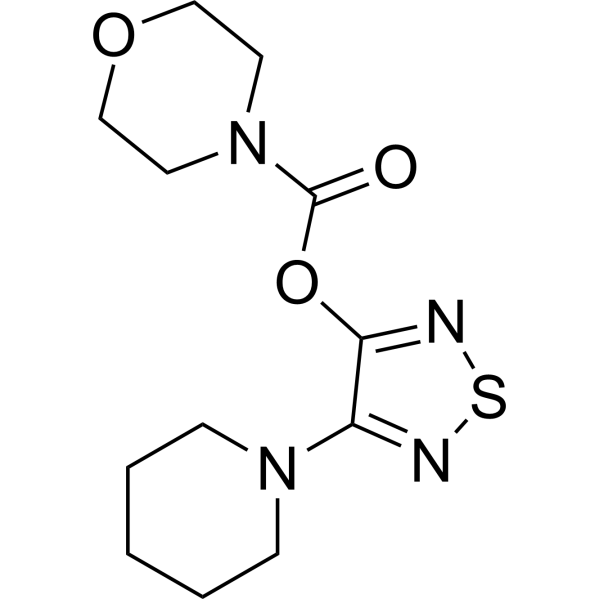
  • HY-146199

    Bacterial Infection
    Antibacterial agent 108 (Compound 1h) is a potent antibacterial agent with a MIC of both 3 μM against MRSA and antibiotic resistance strains .
    Antibacterial agent 108

Consulta en línea

Your information is safe with us. * Required Fields.

Saludo


Country or Region *

Nombre del solicitante *


Nombre de la Organizaciòn *

Department *


Direcciòn del E-mail *


Nombre del producto *

Cat. No.


Requested quantity *

Número de teléfono *


Observaciones

Consulta en línea

Inquiry Information

Nombre del producto:
Cat. No.:
Cantidad:
MCE Japan Authorized Agent:

