

Search Result
Results for "
B16-F10 melanoma cells
" in MedChemExpress (MCE) Product Catalog:
2
Biochemical Assay Reagents
2
Isotope-Labeled Compounds
| Cat. No. |
Product Name |
Target |
Research Areas |
Chemical Structure |
-
- HY-N0538
-
|
Xylite
|
Environmental Pollutants
Endogenous Metabolite
Bacterial
Autophagy
Atg7
Atg8/LC3
|
Metabolic Disease
Cancer
|
|
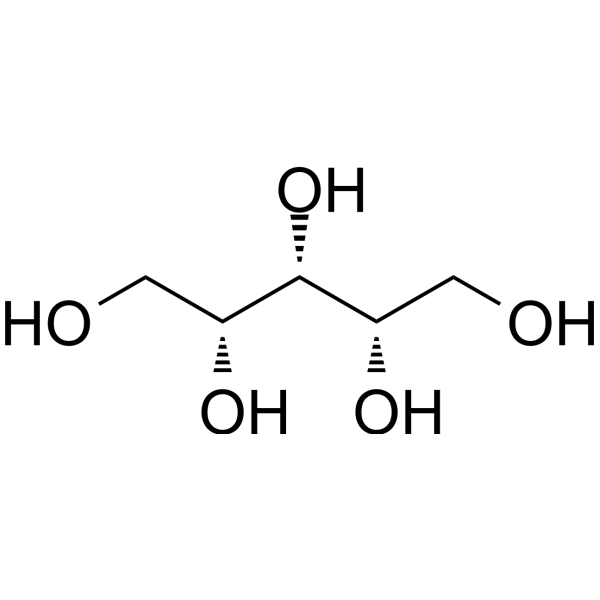
Xylitol can be classified as a polyol and sugar alcohol, exhibiting inhibitory activity on cancer cell proliferation. It induces autophagy (Autophagy) and cell death in A549 cells by activating the autophagy signaling pathway, as evidenced by the increased expression of LC3-II and Atg5-Atg12 upon Xylitol treatment. Additionally, Xylitol inhibits acetaldehyde production by Candida species, thereby reducing their carcinogenic potential. In vivo, Xylitol induces alterations in the gut microbiota of mice, which may enhance cholesterol accumulation and upregulate hepatic ChREBP, while also slowing tumor growth in the B16F10 melanoma C57BL/6 mouse model .
|
-
-
- HY-162275
-
|
|
Histone Demethylase
Histone Methyltransferase
STAT
|
Cancer
|
|
JMJD1C-IN-1 is an orally active and selective inhibitor of JMJD1C (IC50 = 0.59 μM, Kd = 1.96 μM). JMJD1C-IN-1 inhibits the binding of JMJD1C to H3K9me2 peptide substrate in the HTRF assay (IC50 = 1.47 μM). JMJD1C-IN-1 disrupts intratumoral regulatory T (Treg) cell fitness by dual mechanisms: promoting H3K9me2 accumulation to downregulate PD1 expression and reducing STAT3 demethylation to enhance STAT3 activation. JMJD1C-IN-1 demonstrates dose-dependent antitumor efficacy in multiple mouse tumor models (MCA205 fibrosarcoma, B16-F10 melanoma, LLC lung cancer, Hepa1-6 hepatocellular carcinoma, CT26 colorectal cancer). JMJD1C-IN-1 can be used for the study of tumor immunotherapy by selectively targeting intratumoral Treg cells .
|
-
-
- HY-P2336A
-
|
|
Melanocortin Receptor
|
Cancer
|
|
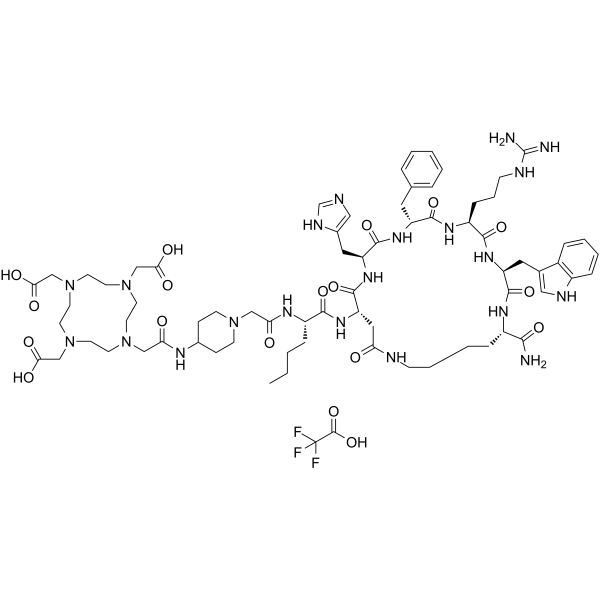
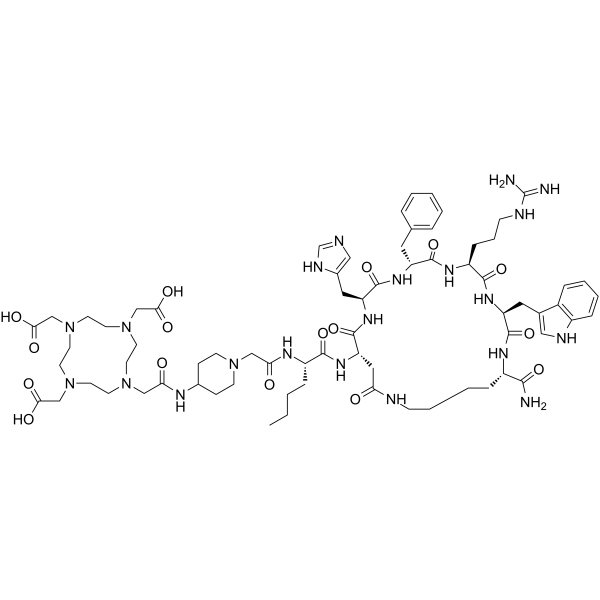
CCZ01048 TFA, a α-MSH analogue, exhibits high binding affinity to melanocortin 1 receptor (MC1R) with a Ki of 0.31 nM. CCZ01048 TFA shows rapid internalization into B16F10 melanoma cells and high in vivo stability. CCZ01048 TFA is a promising candidate for PET imaging of malignant melanoma .
|
-
-
- HY-152263
-
|
|
Hsp-targeting Chimeras
CDK
Apoptosis
|
Cancer
|
|
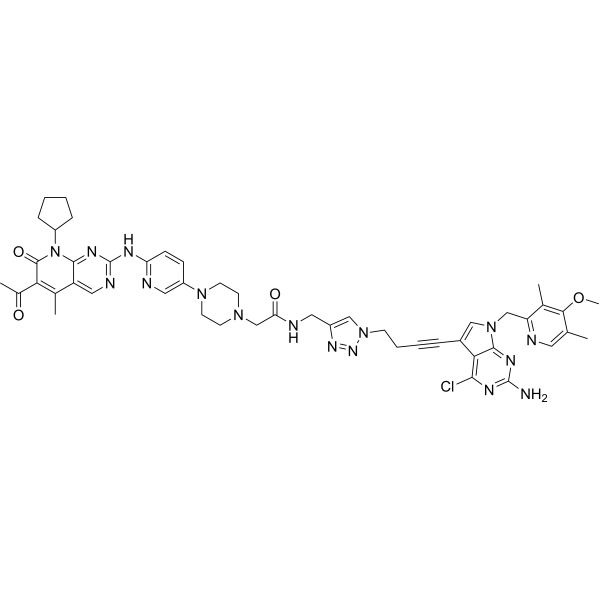
HEMTAC CDK4/6 degrader 1 is a PROTAC connected by ligands for HSP90 and CDK4/6 with a Kd value of 35.7 μM. HEMTAC CDK4/6 degrader 1 induces CDK4/6 degradation in B16F10 melanoma cells. HEMTAC CDK4/6 degrader 1 arrests cell cycle at G0/G1 phase and induces apoptosis. HEMTAC CDK4/6 degrader 1 can be used in research of cancer . HEMTAC CDK4/6 degrader 1 is a click chemistry reagent, it contains an Alkyne group and can undergo copper-catalyzed azide-alkyne cycloaddition (CuAAc) with molecules containing Azide groups.
|
-
-
- HY-175370
-
|
|
PROTACs
RIP kinase
|
Cancer
|
|
PROTAC RIPK1 Degrader-1 is a selective RIPK1 PROTAC degrader. PROTAC RIPK1 Degrader-1 degrades RIPK1 in multiple cancer cell lines (e.g., A375, B16F10 cells). PROTAC RIPK1 Degrader-1 enhances the anti-cancer effect of radiotherapy in syngeneic and humanized mouse models. PROTAC RIPK1 Degrader-1 can be used to study cancers such as melanoma. (Pink: RIPK1-ligand-2: HY-175371, Blue: (S,R,S)-AHPC-Me: HY-112078, Pink + Black: RIPK1 ligand-Linker Conjugate-1: HY-175374, Black: Bispiperidin-piperazin-acetater: HY-175373) .
|
-
-
- HY-W272217S
-
|
n-Octacosane-d58; NSC 5549-d58
|
Bacterial
Endogenous Metabolite
|
Cancer
|
|
Octacosane-d58 is the deuterium labeled Octacosane . Octacosane is an endogenous metabolite with antibacterial activity. Octacosane shows high cytotoxicity against murine melanoma B16F10-Nex2 cells besides inducing protection against a grafted subcutaneous melanoma. Octacosane has the larvicidal activity against mosquito Culex quinquefasciatus with the LC50 concentration of 7.2 mg/l .
|
-
-
- HY-174830
-
|
|
PD-1/PD-L1
|
Cancer
|
|
GJ19 is a PD-L1 inhibitor with an IC50 of 32.06 nM. GJ19 can effectively bind to human/murine PD-L1 protein with Kd values of 171 and 290 nM, respectively. GJ19 concentration-dependently promotes HepG2 cell mortality in a co-culture model of HepG2/hPD-L1 and Jurkat T/hPD-1 cells. GJ19 effectively suppresses tumor growth in a B16-F10 melanoma mouse model. GJ19 can be used for the study of tumor immunotherapy .
|
-
-
- HY-175381
-
|
|
PROTACs
Pyroptosis
Reactive Oxygen Species (ROS)
Caspase
|
Cancer
|
|
DeFer-2 is a ferritin PROTAC degrader (Kd = 17.1 μM). DeFer-2 induces ferritin degradation, triggering caspase 3-GSDME-mediated pyroptosis in cancer cells through free iron accumulation and elevated ROS. DeFer-2 significantly inhibits tumor growth and prolongs survival in mice bearing B16F10 subcutaneous tumors. DeFer-2 can be used to study melanoma. (Pink: Oleic acid: HY-N1446, Blue: (S,R,S)-AHPC: HY-125845, Black: γ-Aminobutyric acid: HY-N0067, Blue + Black: (S,R,S)-AHPC-C3-NH2: HY-130711) .
|
-
-
- HY-W272217
-
|
n-Octacosane; NSC 5549
|
Endogenous Metabolite
Bacterial
|
Inflammation/Immunology
Cancer
|
|
Octacosane is an endogenous metabolite with antibacterial activity. Octacosane shows high cytotoxicity against murine melanoma B16F10-Nex2 cells besides inducing protection against a grafted subcutaneous melanoma. Octacosane has the larvicidal activity against mosquito Culex quinquefasciatus with the LC50 concentration of 7.2 mg/l .
|
-
-
- HY-W001939
-
|
|
Biochemical Assay Reagents
|
Cancer
|
|
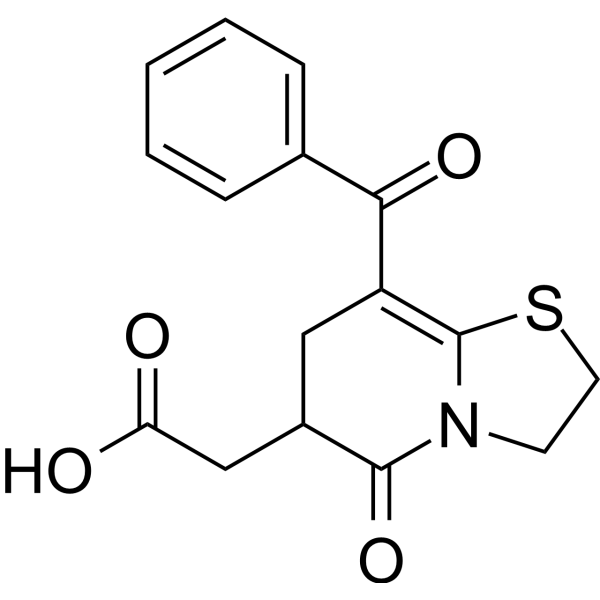
4-Acetylbenzoic acid is a Zn(II) complex. 4-Acetylbenzoic acid is a derivative of benzoic acid that is commonly used in chemical synthesis. 4-Acetylbenzoic acid has an IC50 of 331.3 μM in murine L929 fibroblasts and an IC50 of 176 μM in metastatic melanoma B16 F10 cell lines .
|
-
-
- HY-P2336
-
|
|
Melanocortin Receptor
|
Cancer
|
|
CCZ01048, a α-melanocyte-stimulating hormone (α-MSH) analogue, exhibits high binding affinity to melanocortin 1 receptor (MC1R) with a Ki of 0.31 nM. CCZ01048 shows rapid internalization into B16F10 melanoma cells and high in vivo stability. CCZ01048 is a promising candidate for PET imaging of malignant melanoma .
|
-
-
- HY-179717
-
|
|
PROTACs
Microphthalmia Associated Transcription Factor (MITF)
|
Cancer
|
|
WZS0347 is a MITF PROTAC degrader. WZS0347 effectively reduces the MITF protein levels in several melanoma cell lines, including B16F10, A375, and GAK. WZS0347 significantly inhibits the proliferation, migration, and invasion of melanoma cells. WZS0347 can be used for research on melanoma (Pink: MITF ligand: (HY-179718); Blue: CRBN ligand: (HY-131717); Black: linker: (HY-22391)) .
|
-
-
- HY-174468
-
|
|
LYTACs
PD-1/PD-L1
HSP
|
Cancer
|
|
dPDL1-4 is a potent and selective eHSPTAC eHSP90 PD-L1 degrader with DC50s of 7.77 μM and 6.52 μM in HeLa and B16F10 cells. dPDL1-4 bridges eHSP90 with the target protein, inducing lysosomal degradation. dPDL1-4 can degrade PD-L1 significantly and inhibits tumor growth. dPDL1-4 can be used for the study of cervical cancer and melanoma. ((Pink: eHSP90 ligand (HY-174476); Blue: PD-L1 ligand (HY-116274); Black: Linker (HY-W021787); HSP ligand + linker: HY-174799)) .
|
-
-
- HY-149950
-
|
|
Apoptosis
|
Cancer
|
|
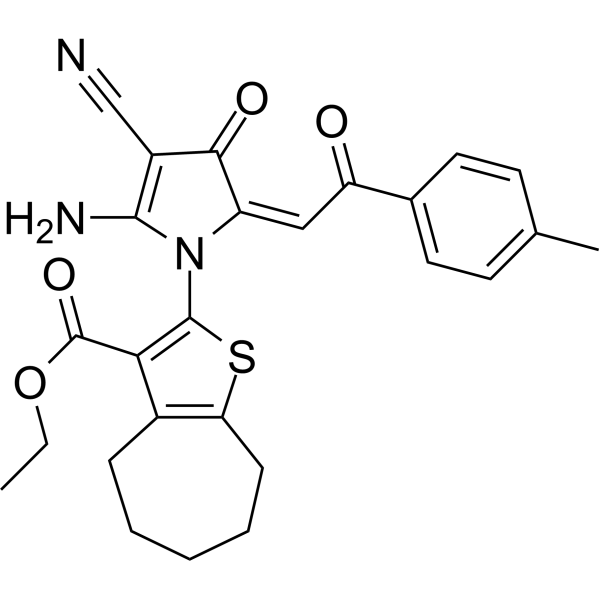
Anticancer agent 106 (compound 10ic) is an anticancer agent that induces apoptosis in B16-F10 melanoma cells. Anticancer agent 106 also potently inhibits metastatic nodules in a mouse model of lung metastatic melanoma. Anticancer agent 106 can be used in the study of cancer, especially lung metastatic melanoma .
|
-
-
- HY-W587938
-
|
(+)-γ-Eudesmol
|
Apoptosis
|
Cancer
|
|
γ-Eudesmol ((+)-γ-Eudesmol) is a mitochondrial-mediated apoptosis inducer. γ-Eudesmol binds mitochondrial membrane proteins, triggering depolarization of mitochondrial membrane potential and activating caspase cascades. γ-Eudesmol demonstrates cytotoxicity against multiple tumor cell lines (e.g., HepG2, B16-F10) with IC50 values ranging from 8.86-15.15 μg/mL. γ-Eudesmol is promising for research of cancers, such as hepatocellular carcinoma and melanoma .
|
-
-
- HY-10615
-
|
|
PARP
|
Cancer
|
|
A-620223 is a PARP-1 inhibitor with a Ki of 8 nM against PARP-1 and EC50 of 3 nM in a whole cell assay. A-620223 demonstrates good in vivo efficacy in a B16F10 subcutaneous murine melanoma model in combination with Temozolomide (TMZ) (HY-17364) and in an MX-1 breast xenograph model in combination with Cisplatin (HY-17394). A-620223 can be used for the studies of melanoma and breast cancer .
|
-
-
- HY-175369
-
|
|
PI3K
Akt
PD-1/PD-L1
Interleukin Related
CD3
|
Inflammation/Immunology
Cancer
|
|
PI3Kδ-IN-25 is an orally active selective PI3Kδ inhibitor (IC50 = 2.1 nM). PI3Kδ-IN-25 has IC50s of 272, 285, and 1171 nM for PI3Kα, PI3Kγ, and PI3Kβ, respectively. PI3Kδ-IN-25 inhibits AKT Ser473 phosphorylation, suppresses Treg cell proliferation, and downregulates PD-L1 expression in B16F10 cells. PI3Kδ-IN-25 exhibits anticancer effects in B16F10 melanoma and Lewis lung cancer mouse models by reducing tumor-infiltrating Treg cells and enhancing immune responses. PI3Kδ-IN-25 is potentially useful in the study of melanoma, lung cancer, and other cancers .
|
-
-
- HY-N14435
-
|
|
Antibiotic
Fungal
|
Infection
|
|
Pradimicin Q is an antibiotic. The cytotoxicity (IC50) to human colon HCT-116 cells and murine melanoma B16-F10 cells are 75 and 100 μg/mL, respectively .
|
-
-
- HY-N7587
-
|
|
Melanocortin Receptor
|
Metabolic Disease
|
|
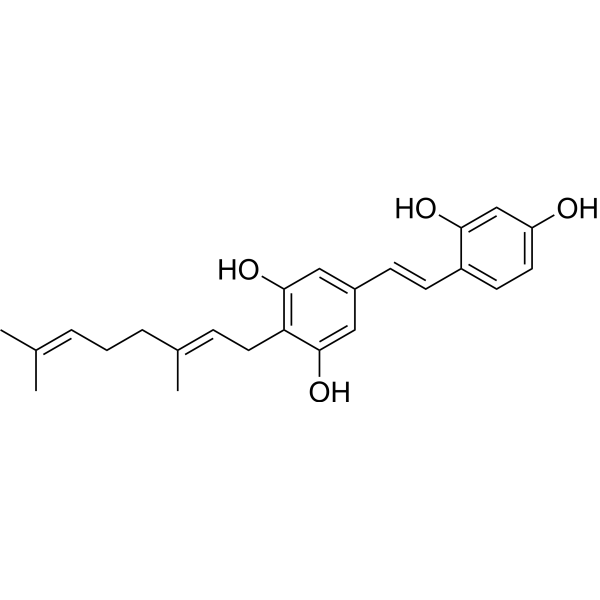
Chlorophorin is a inhibitor of Melanocortin Receptor. Chlorophorin reduces tyrosinase activity and inhibits a-melanocyte-stimulating hormone-induced melanin production in B16F10 melanoma cells .
|
-
-
- HY-W272217R
-
|
n-Octacosane (Standard); NSC 5549 (Standard)
|
Reference Standards
Endogenous Metabolite
Bacterial
|
Inflammation/Immunology
Cancer
|
|
Octacosane (Standard) is the analytical standard of Octacosane. This product is intended for research and analytical applications. Octacosane is an endogenous metabolite with antibacterial activity. Octacosane shows high cytotoxicity against murine melanoma B16F10-Nex2 cells besides inducing protection against a grafted subcutaneous melanoma. Octacosane has the larvicidal activity against mosquito Culex quinquefasciatus with the LC50 concentration of 7.2 mg/l .
|
-
-
- HY-N3773
-
|
|
Tyrosinase
|
Cancer
|
|
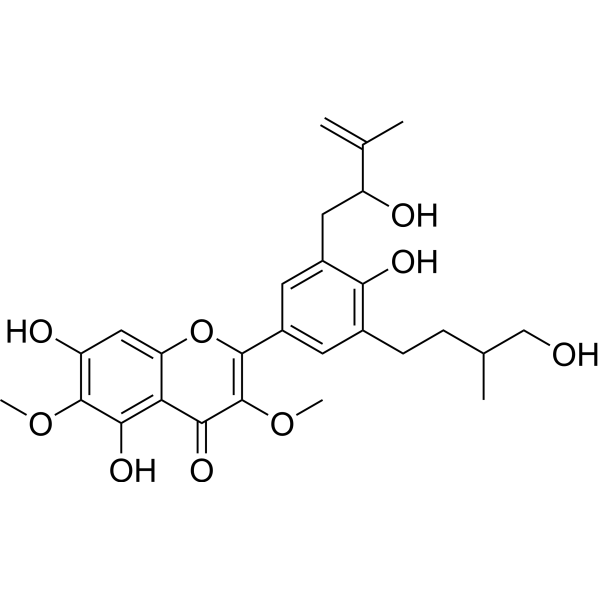
Dodoviscin A is a pigmentation-altering agent, which can be isolated from the aerial parts of Dodonaea viscosa. Dodoviscin A inhibits melanin production in B16-F10 melanoma cells. Dodoviscin A suppresses mushroom tyrosinase activity, and tyrosinase activity induced by 3-isobutyl-1-methylxanthine. Dodoviscin A also inhibits the phorphosylation of cAMP response element binding protein, induced by 3-isobutyl-1-methylxanthine and forskolin .
|
-
-
- HY-120241
-
|
K 251-1
|
Phosphodiesterase (PDE)
|
Cancer
|
|
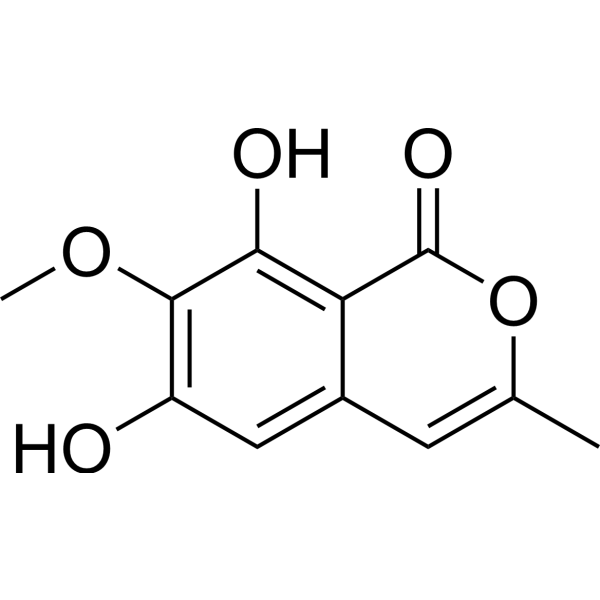
Reticulol (K 251-1) is an inhibitor of cyclic adenosine 3', 5'-monophosphate phosphodiesterase. Reticulol shows antitumor activity independent with cell cycle arrest or apoptosis. Reticulol inhibits cell growth of murine melanoma cells and human lung tumor cells. Reticulol protects its lung metastasis via the bloodstream by inhibiting the growth of B16F10 melanoma .
|
-
-
- HY-175294
-
|
|
PD-1/PD-L1
NAMPT
|
Cancer
|
|
PD-L1/Nampt-IN-1 is an orally active inhibitor that simultaneously target PD-L1 and NAMPT (nicotinamide phosphoribosyltransferase) with IC50s value of 63 nM and 582 nM. PD-L1/Nampt-IN-1 demonstrates cross-species affinity with comparable KD values for hPD-L1 (52.6 nM) and mPD-L1 (49.1 nM), respectively. PD-L1/Nampt-IN-1 effectively inhibits tumor growth by activating the tumor immune microenvironment. PD-L1/Nampt-IN-1 can be used for the study of melanoma .
|
-
-
- HY-164473
-
|
|
ERK
Akt
STAT
Apoptosis
|
Cancer
|
|
DETD-35 is an inhibitor of the MEK-ERK, Akt, and STAT3 signaling pathways, which promotes cancer cell apoptosis (Apoptosis) and reduces cancer cell resistance to Vemurafenib (HY-12057). The IC50 values of DETD-35 against wild-type and mutant melanoma cell lines B16-F10, MeWo, SK-MEL-2, A2058c, and A375c are 2.7, 6.0, 3.9, 3.1, and 2.5 μM, respectively. DETD-35 holds promise for research in the field of anti-melanoma therapy .
|
-
-
- HY-W267446
-
|
|
Melanocortin Receptor
GSK-3
|
Metabolic Disease
Cancer
|
|
6-Methoxy-4-methylcoumarin is a 4-methylcoumarin derivative with an antitumor activity. 6-Methoxy-4-methylcoumarin activates melanin synthesis in B16F10 melanoma cells. 6-Methoxy-4-methylcoumarin is a pigmentation stimulator, and can be used for the study of skin conditions such as vitiligo .
|
-
-
- HY-149523
-
|
|
Apoptosis
NO Synthase
Caspase
|
Inflammation/Immunology
Cancer
|
|
Anticancer agent 157 (compound 15) is a NO inhibitor (IC50=0.62 μg/mL) with anti-inflammatory and anticancer activities. Anticancer agent 157 can bind to iNOS (inducible NO synthase) and caspase 8, causing nuclear fragmentation and chromatin condensation, inducing apoptosis. Anticancer agent 157 inhibits HT29 colon cancer cells (IC50=2.45 μg/mL), Hep-G2 liver cancer cells (IC50=3.25 μg/mL), and B16-F10 murine melanoma cells (IC50=3.84 μg/mL) .
|
-
-
- HY-161971
-
|
|
Tyrosinase
|
Cancer
|
|
Tyrosinase-IN-35 (compound 6g) is a human tyrosinase inhibitor (IC50: 2.09 μM), which is more potent than Kojic Acid (HY-W050154) (IC50: 16.38 μM). Tyrosinase-IN-35 can reduce the melanin content of melanoma B16F10 cells in vitro at doses of 4 μM and 8 μM .
|
-
-
- HY-W768347
-
|
Xylite-13C5
|
Isotope-Labeled Compounds
Bacterial
Autophagy
Endogenous Metabolite
Atg8/LC3
Atg7
|
Cancer
|
|
Xylitol- 13C5 (Xylite- 13C5) is the 13C-labeled Xylitol (HY-N0538). Xylitol can be classified as a polyol and sugar alcohol, exhibiting inhibitory activity on cancer cell proliferation. It induces autophagy (Autophagy) and cell death in A549 cells by activating the autophagy signaling pathway, as evidenced by the increased expression of LC3-II and Atg5-Atg12 upon Xylitol treatment. Additionally, Xylitol inhibits acetaldehyde production by Candida species, thereby reducing their carcinogenic potential. In vivo, Xylitol induces alterations in the gut microbiota of mice, which may enhance cholesterol accumulation and upregulate hepatic ChREBP, while also slowing tumor growth in the B16F10 melanoma C57BL/6 mouse model .
|
-
-
- HY-179372
-
|
|
Microtubule/Tubulin
Apoptosis
|
Cancer
|
|
Tubulin polymerization-IN-84 inhibits tubulin polymerization by targeting the colchicine-binding pocket, with anIC50 = 10.9 μM. Tubulin polymerization-IN-84 shows antiproliferative activity against Jurkat, B16-F10, HCT116, and MDA-MB-231 cells (IC50 = 60 nM, 380 nM, 138 nM, and 1.054 μM). Tubulin polymerization-IN-84 induces G2/M-phase arrest and apoptosis in B16-F10 cells. Tubulin polymerization-IN-84 suppresses tumor growth in a B16-F10 melanoma model and potentiates anti-tumor immunity in combination with a PD-L1 mAb for the research of T-cell acute lymphoblastic leukemia, melanoma, colon cancer, and breast cancer.
|
-
-
- HY-W001939R
-
|
|
Biochemical Assay Reagents
Reference Standards
|
Cancer
|
|
4-Acetylbenzoic acid (Standard) is the analytical standard of 4-Acetylbenzoic acid. This product is intended for research and analytical applications. 4-Acetylbenzoic acid is a Zn(II) complex. 4-Acetylbenzoic acid is a derivative of benzoic acid that is commonly used in chemical synthesis. 4-Acetylbenzoic acid has an IC50 of 331.3 μM in murine L929 fibroblasts and an IC50 of 176 μM in metastatic melanoma B16 F10 cell lines .
|
-
-
- HY-180825
-
|
|
Apoptosis
Reactive Oxygen Species (ROS)
|
Inflammation/Immunology
Cancer
|
|
Anticancer agent 292 (Compound P4) is a photosensitizer for anti-melanoma. Anticancer agent 292 shows good biocompatibility under dark conditions and, upon illumination, induces apoptosis and partial necrosis in B16-F10 cells by disrupting the lysosomal membrane. Anticancer agent 292 not only directly kills tumor cells through the generation of reactive oxygen species (ROS), but also induces immune-prone cell death (ICD), thereby generating anti-tumor immune effects. Anticancer agent 292 can be used in the research of photodynamic therapy for melanoma .
|
-
-
- HY-163534
-
|
|
PD-1/PD-L1
|
Cancer
|
PD-1/PD-L1-IN-43 (compound Z13) is a small-molecule inhibitors targeting the PD-1/PD-L1 interaction. PD-1/PD-L1-IN-43 exhibites potent in vivo antitumor efficacy against B16-F10 melanoma. PD-1/PD-L1-IN-43 inhibits tumor growth by blocking the interaction between PD-1 and PD-L1. PD-1/PD-L1-IN-43 can be used in anti-tumor studies .
|
-
-
- HY-180159
-
|
|
Microtubule/Tubulin
Apoptosis
|
Cancer
|
|
Tubulin-IN-63 is a potent tubulin polymerization inhibitor targeting the colchicine-binding site, with an IC50 of 6.03 µM. Tubulin-IN-63 disrupts microtubule dynamics, induces G2/M arrest and apoptosis, thereby suppressing cancer cell proliferation. Tubulin-IN-63 disrupts capillary network formation in human umbilical vein endothelial cells (HUVECs) and exhibits in vivo antitumor efficacy in a B16-F10 mouse model. Tubulin-IN-63 can be used for the research of cancers, such as melanoma, lung cancer, and liver cancer .
|
-
-
- HY-181120
-
|
|
Bacterial
|
Infection
Cancer
|
|
Antibacterial agent 319 is an antibacterial and antitumor agent. Antibacterial agent 319 exhibits activity against E. coli and S. aureus. Antibacterial agent 319 also inhibits the growth of melanoma cells. Antibacterial agent 319 can be used in research on tumor bacterial infections such as melanoma .
|
-
-
- HY-P11780
-
|
|
Integrin
MMP
|
Neurological Disease
Cancer
|
|
KAFDITYVRLKF is a selective, competitive integrin αvβ3 binder. KAFDITYVRLKF induces the production of MMP-9. KAFDITYVRLKF blocks monocyte migration, promotes melanoma cell migration, protects neurons, and improves motor and cognitive functions. KAFDITYVRLKF can be used in research related to melanoma and Parkinson's disease .
|
-
-
- HY-182899
-
|
|
PERK
Ras
COX
PD-1/PD-L1
Apoptosis
DNA/RNA Synthesis
Mitochondrial Metabolism
|
Cancer
|
|
DPAP is a p-ERK1/2 inhibitor with an IC50 of 7.85 μM against p-ERK1/2. DPAP inhibits the expression of p-MEK1/2 and disrupts the Ras-ERK signaling pathway. DPAP inhibits the expression of COX-2 in nerve cells. DPAP damages DNA and mitochondria, induces Apoptosis via the mitochondrial pathway, and upregulates PD-L1. DPAP inhibits melanoma metastasis and angiogenesis, and inactivates spinal microglia and astrocytes. DPAP exhibits anti-melanoma activity and can be combined with anti-PD-1 monoclonal antibodies to modify anti-tumor effects. DPAP is applicable for the research of melanoma .
|
-
-
- HY-149201
-
|
|
VISTA
Interleukin Related
|
Cancer
|
|
VISTA-IN-1 is an orally active VISTA inhibitor. VISTA-IN-1 inhibits the function of VISTA and promotes the secretion of IL-2. VISTA-IN-1 exerts inhibitory effects on mouse melanoma in vivo. VISTA-IN-1 is applicable to melanoma-related research .
|
-
-
- HY-182039
-
|
|
Microtubule/Tubulin
Caspase
Apoptosis
|
Cancer
|
|
Tubulin polymerization-IN-89 is a tubulin polymerization inhibitor. Tubulin polymerization-IN-89 binds to the colchicine-binding site on tubulin heterodimers, disrupting tubulin polymerization and microtubule formation. Tubulin polymerization-IN-89 induces apoptosis in melanoma cells and arrests the cell cycle at the G2/M phase. Tubulin polymerization-IN-89 can be used in studies related to metastatic melanoma .
|
-
-
- HY-182066
-
|
|
PANoptosis
|
Cancer
|
|
Photosensitizer-9 is an iridium (III)-based photosensitizer with anti-melanoma activity. Photosensitizer-9 exhibits significant phototoxicity (IC50=0.98 μM) and an ideal phototoxicity index (PI=3.05). Under light irradiation, Photosensitizer-9 generates large amounts of intracellular •OH in an oxygen-independent manner. Photosensitizer-9 mediates photodynamic therapy under hypoxic conditions and synergistically activates PANoptosis (by upregulating cleaved Caspase-3, GSDMD-N, p-MLKL), ferroptosis (by disrupting the GSH-GPX4-LPO axis), apoptosis, pyroptosis and necroptosis in melanoma cells. Photosensitizer-9 induces immunogenic cell death by promoting the release of damage-associated molecular patterns under hypoxic conditions and increases the maturation rate of dendritic cells. Photosensitizer-9 reduces tumor volume in melanoma-bearing mice. Photosensitizer-9 is applicable to relevant studies on melanoma .
|
-
-
- HY-181096
-
|
|
PD-1/PD-L1
|
Inflammation/Immunology
Cancer
|
|
PD-L1-IN-9 is a PD-L1 inhibitor with an IC50 of 110.85 nM. PD-L1-IN-9 has a Kd of 319 nM for human PD-L1 and a Kd of 450 nM for murine PD-L1. PD-L1-IN-9 blocks the PD-1/PD-L1 interaction, restores T cell-mediated anti-tumor immunity, and induces PD-L1 degradation in tumor tissues. PD-L1-IN-9 exhibits anti-tumor activity and can be used in the research of tumors such as melanoma .
|
-
-
- HY-183790
-
|
|
Microtubule/Tubulin
Apoptosis
Caspase
|
Cancer
|
|
SMU-G4 is a Tubulin polymerization inhibitor. SMU-G4 induces G2/M phase cell cycle arrest, triggers Apoptosis, and upregulates the expression of Cleaved-Caspase 3. SMU-G4 exhibits in vivo anti-tumor activity in melanoma xenograft models. SMU-G4 can be used for research related to melanoma .
|
-
-
- HY-182989
-
|
|
Tyrosinase
|
Metabolic Disease
Inflammation/Immunology
|
|
Tyrosinase-IN-50 (Compound 14) is a Tyrosinase inhibitor (IC50 is 0.06 μM or 0.16 μM). Tyrosinase-IN-50 inhibits melanogenesis in multiple cell types. Tyrosinase-IN-50 can be used for the research of hyperpigmentation-related diseases and inflammatory diseases .
|
-
-
- HY-119601
-
|
|
Phosphodiesterase (PDE)
|
Cancer
|
|
GRI918013 (compound 1) is a selective and competitive autotaxin (ATX/NPP2) inhibitor with anti-invasive and anti-metastatic activity. GRI918013 competitively binds to ATX, blocking lipid substrates such as lysophosphatidylcholine (LPC) from entering the ATX active site, thereby inhibiting ATX-mediated hydrolysis of LPC to lysophosphatidic acid (LPA), and consequently inhibiting ATX-LPA axis-related tumor cell invasion and metastasis. GRI918013 inhibits ATX-mediated hydrolysis of the LPL substrate FS-3 (IC50=31.42 nM, Ki=12.98 nM). GRI918013 can be used in research on cancer invasion and metastasis, such as melanoma, and can also serve as a tool compound for ATX-LPA axis-related diseases such as fibrotic diseases, neuropathic pain, and cholestatic pruritus .
|
-
| Cat. No. |
Product Name |
Type |
-
- HY-W001939
-
|
|
Biochemical Assay Reagents
|
|
4-Acetylbenzoic acid is a Zn(II) complex. 4-Acetylbenzoic acid is a derivative of benzoic acid that is commonly used in chemical synthesis. 4-Acetylbenzoic acid has an IC50 of 331.3 μM in murine L929 fibroblasts and an IC50 of 176 μM in metastatic melanoma B16 F10 cell lines .
|
-
- HY-W001939R
-
|
|
Biochemical Assay Reagents
|
|
4-Acetylbenzoic acid (Standard) is the analytical standard of 4-Acetylbenzoic acid. This product is intended for research and analytical applications. 4-Acetylbenzoic acid is a Zn(II) complex. 4-Acetylbenzoic acid is a derivative of benzoic acid that is commonly used in chemical synthesis. 4-Acetylbenzoic acid has an IC50 of 331.3 μM in murine L929 fibroblasts and an IC50 of 176 μM in metastatic melanoma B16 F10 cell lines .
|
| Cat. No. |
Product Name |
Target |
Research Area |
-
- HY-P2336A
-
|
|
Melanocortin Receptor
|
Cancer
|
|
CCZ01048 TFA, a α-MSH analogue, exhibits high binding affinity to melanocortin 1 receptor (MC1R) with a Ki of 0.31 nM. CCZ01048 TFA shows rapid internalization into B16F10 melanoma cells and high in vivo stability. CCZ01048 TFA is a promising candidate for PET imaging of malignant melanoma .
|
-
- HY-P2336
-
|
|
Melanocortin Receptor
|
Cancer
|
|
CCZ01048, a α-melanocyte-stimulating hormone (α-MSH) analogue, exhibits high binding affinity to melanocortin 1 receptor (MC1R) with a Ki of 0.31 nM. CCZ01048 shows rapid internalization into B16F10 melanoma cells and high in vivo stability. CCZ01048 is a promising candidate for PET imaging of malignant melanoma .
|
-
- HY-P11780
-
|
|
Integrin
MMP
|
Neurological Disease
Cancer
|
|
KAFDITYVRLKF is a selective, competitive integrin αvβ3 binder. KAFDITYVRLKF induces the production of MMP-9. KAFDITYVRLKF blocks monocyte migration, promotes melanoma cell migration, protects neurons, and improves motor and cognitive functions. KAFDITYVRLKF can be used in research related to melanoma and Parkinson's disease .
|
-
- HY-P11784
-
|
|
Peptides
|
Others
|
|
p5RHH is an acid-activated membrane-lytic peptide derived from melittin. p5RHH, as a siRNA delivery vector, initiates synchronous disassembly of nanocomplexes and endosome lysis in response to acidic pH, and triggers the release of siRNA into the cytoplasm following macropinocytosis .
|
| Cat. No. |
Product Name |
Category |
Target |
Chemical Structure |
| Cat. No. |
Product Name |
Chemical Structure |
-
- HY-W272217S
-
|
|
|
Octacosane-d58 is the deuterium labeled Octacosane . Octacosane is an endogenous metabolite with antibacterial activity. Octacosane shows high cytotoxicity against murine melanoma B16F10-Nex2 cells besides inducing protection against a grafted subcutaneous melanoma. Octacosane has the larvicidal activity against mosquito Culex quinquefasciatus with the LC50 concentration of 7.2 mg/l .
|
-
-
- HY-W768347
-
|
|
|
Xylitol- 13C5 (Xylite- 13C5) is the 13C-labeled Xylitol (HY-N0538). Xylitol can be classified as a polyol and sugar alcohol, exhibiting inhibitory activity on cancer cell proliferation. It induces autophagy (Autophagy) and cell death in A549 cells by activating the autophagy signaling pathway, as evidenced by the increased expression of LC3-II and Atg5-Atg12 upon Xylitol treatment. Additionally, Xylitol inhibits acetaldehyde production by Candida species, thereby reducing their carcinogenic potential. In vivo, Xylitol induces alterations in the gut microbiota of mice, which may enhance cholesterol accumulation and upregulate hepatic ChREBP, while also slowing tumor growth in the B16F10 melanoma C57BL/6 mouse model .
|
-
| Cat. No. |
Product Name |
|
Classification |
-
- HY-152263
-
|
|
|
PROTAC Synthesis
|
|
HEMTAC CDK4/6 degrader 1 is a PROTAC connected by ligands for HSP90 and CDK4/6 with a Kd value of 35.7 μM. HEMTAC CDK4/6 degrader 1 induces CDK4/6 degradation in B16F10 melanoma cells. HEMTAC CDK4/6 degrader 1 arrests cell cycle at G0/G1 phase and induces apoptosis. HEMTAC CDK4/6 degrader 1 can be used in research of cancer . HEMTAC CDK4/6 degrader 1 is a click chemistry reagent, it contains an Alkyne group and can undergo copper-catalyzed azide-alkyne cycloaddition (CuAAc) with molecules containing Azide groups.
|
| Cat. No. |
Product Name |
|
Classification |
-
- HY-N0538
-
|
Xylite
|
|
Fillers
|
|
Xylitol can be classified as a polyol and sugar alcohol, exhibiting inhibitory activity on cancer cell proliferation. It induces autophagy (Autophagy) and cell death in A549 cells by activating the autophagy signaling pathway, as evidenced by the increased expression of LC3-II and Atg5-Atg12 upon Xylitol treatment. Additionally, Xylitol inhibits acetaldehyde production by Candida species, thereby reducing their carcinogenic potential. In vivo, Xylitol induces alterations in the gut microbiota of mice, which may enhance cholesterol accumulation and upregulate hepatic ChREBP, while also slowing tumor growth in the B16F10 melanoma C57BL/6 mouse model .
|
Your information is safe with us. * Required Fields.
Inquiry Information
- Product Name:
- Cat. No.:
- Quantity:
- MCE Japan Authorized Agent:

