297 Results for "

Biofilm formation

" in MedChemExpress (MCE) Product Catalog:
Products (297)

297 Results for "Biofilm formation" in MCE Product Catalog:

134
134 Publications Verification
Cat. No.: HY-Y1891
CAS No.: 9005-65-6
Synonyms: Polysorbate 80
Tween 80 (Polysorbate 80), a surfactant, has been widely used as a solvent for pharmacological experiments. Tween 80 can also reduce bacterial attachment and inhibit biofilm formation.
loading...
    loading...
9
9 Cited Publications
Cat. No.: HY-107780B
CAS No.: 609343-82-0
Purity:  99.07%
Synonyms: c-di-GMP diammonium; cyclic diguanylate diammonium; 5GP-5GP diammonium
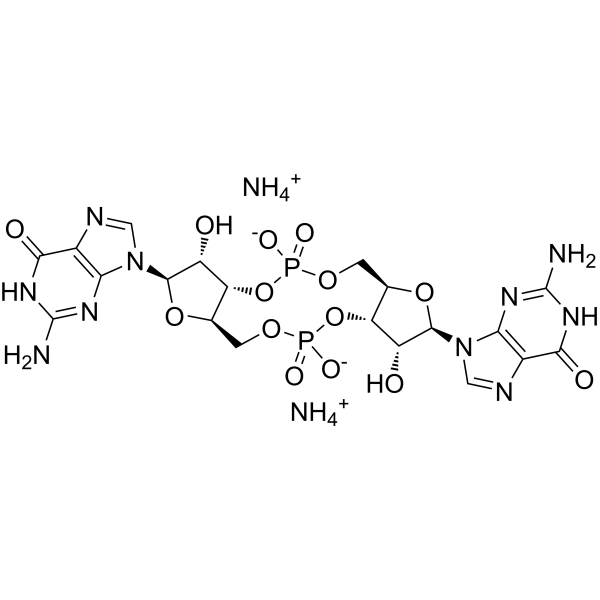
Cyclic-di-GMP diammonium is a STING agonist and a bacterial second messenger that coordinates different aspects of bacterial growth and behavior, including motility, virulence, biofilm formation, and cell cycle progression. Cyclic-di-GMP diammonium has anti-cancer cell proliferation activity and also induces elevated CD4 receptor expression and cell cycle arrest. Cyclic-di-GMP diammonium can be used in cancer research .
loading...
    loading...
9
9 Cited Publications
Cat. No.: HY-110382
CAS No.: 2222132-40-1
Purity:  98.78%
Synonyms: c-di-GMP disodium; cyclic diguanylate disodium; 5GP-5GP disodium
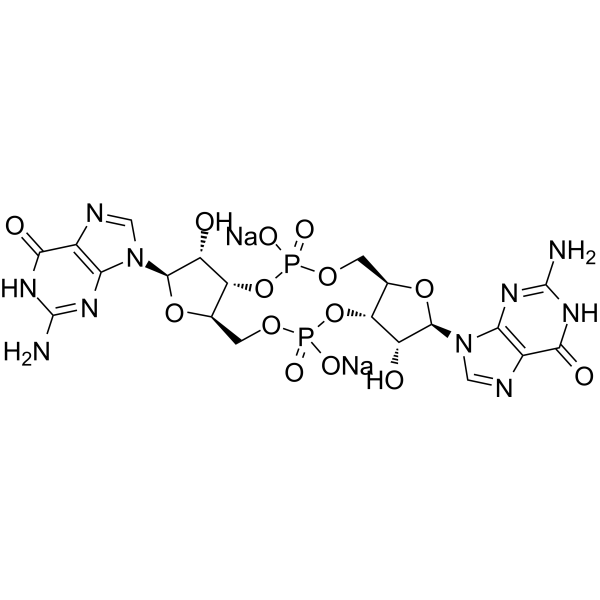
Cyclic-di-GMP disodium is a STING agonist and a bacterial second messenger that coordinates different aspects of bacterial growth and behavior, including motility, virulence, biofilm formation, and cell cycle progression. Cyclic-di-GMP disodium has anti-cancer cell proliferation activity and also induces elevated CD4 receptor expression and cell cycle arrest. Cyclic-di-GMP disodium can be used in cancer research .
loading...
    loading...
4
4 Cited Publications
Cat. No.: HY-B1159
CAS No.: 4008-48-4
Synonyms: 8-Hydroxy-5-nitroquinoline; 5-Nitro-8-quinolinol
Research Areas:  

Infection Cancer

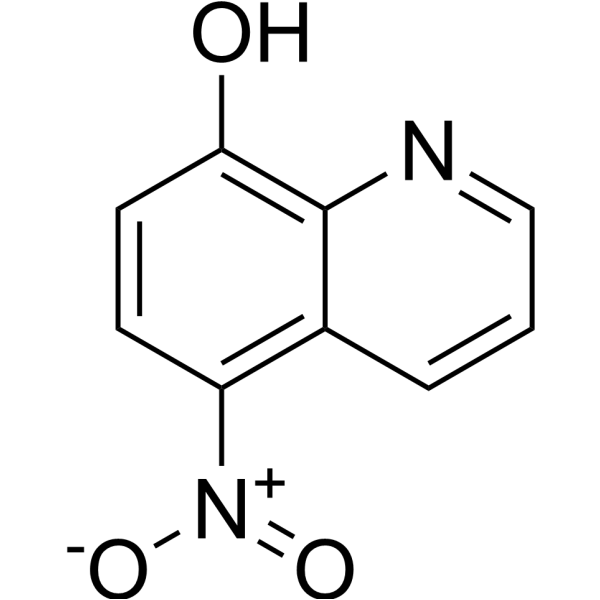
Nitroxoline (8-Hydroxy-5-nitroquinoline), an antibiotic, is an orally active antibiofilm agent. Nitroxoline reduces the formation and induces the dispersal of Pseudomonas aeruginosa biofilms by chelation of iron and zinc. Nitroxoline can be used for the urinary tract infections and cancer research .
loading...
    loading...
3
3 Cited Publications
Cat. No.: HY-114816
CAS No.: 67605-85-0
Purity:  98.77%
Synonyms: C4-HSL; N-Butyryl-L-homoserine lactone
Target:  

ADC Linkers Bacterial

Research Areas:  

Infection Inflammation/Immunology

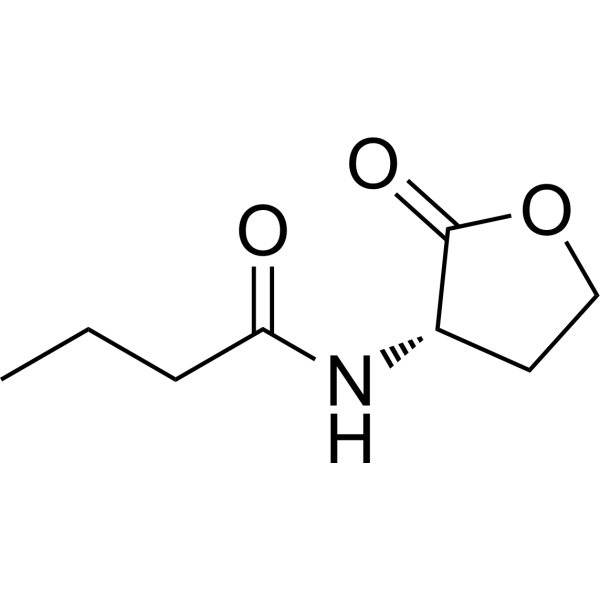
N-Butanoyl-L-homoserine lactone (C4-HSL) is a cleavable ADC linker used in the synthesis of antibody-drug conjugates (ADCs). N-Butanoyl-L-homoserine lactone has antibacterial activity and is used in antibacterial biofilm . N-Butanoyl-L-homoserine lactone aptamers blocks qurom sensing and inhibits biofilm formation in Pseudomonas aeruginosa .
loading...
    loading...
3
3 Cited Publications
Cat. No.: HY-W001132
CAS No.: 120-72-9
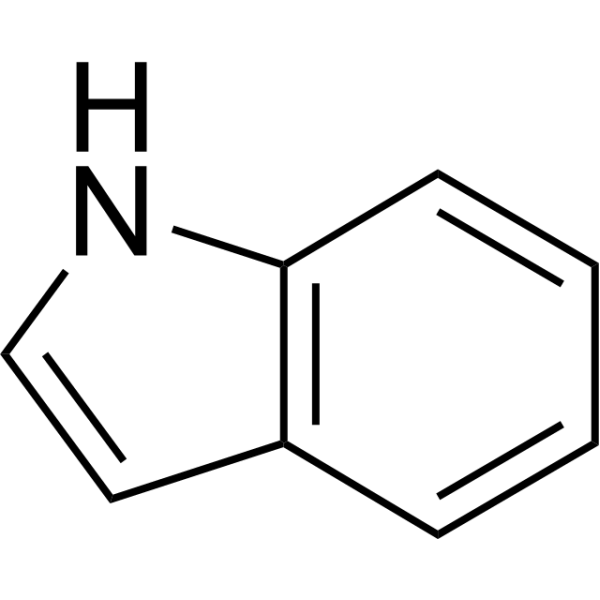
Indole is an aromatic, heterocyclic, organic compound which widely distributed in the natural environment and can be produced by a variety of bacteria. Indole regulates various aspects of bacterial physiology, including spore formation, plasmid stability, resistance to drugs, biofilm formation, and virulence as an intercellular signal molecule .
loading...
    loading...
3
3 Cited Publications
Cat. No.: HY-W010155
CAS No.: 526-55-6
Synonyms: Indole-3-ethanol
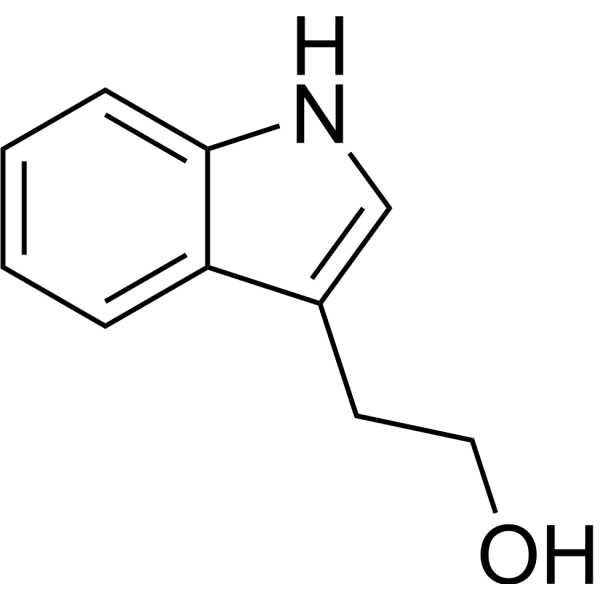
Tryptophol is an aromatic alcohol and secondary metabolite produced by microorganisms. Tryptophol induces apoptosis and cleavage of caspase-8. Tryptophol inhibits Cunninghamella blakesleeana biofilm. Tryptophol has anti-phage infection, biofilm formation regulation, anti-inflammatory, hemolytic, sleep induction, temperature change, seizure susceptibility and immune regulation activities. Tryptophol is used in the research of African trypanosomiasis, sleep disorders, epilepsy .
loading...
    loading...
2
2 Cited Publications
Cat. No.: HY-B0914
CAS No.: 112-38-9
Synonyms: Undecylenic acid
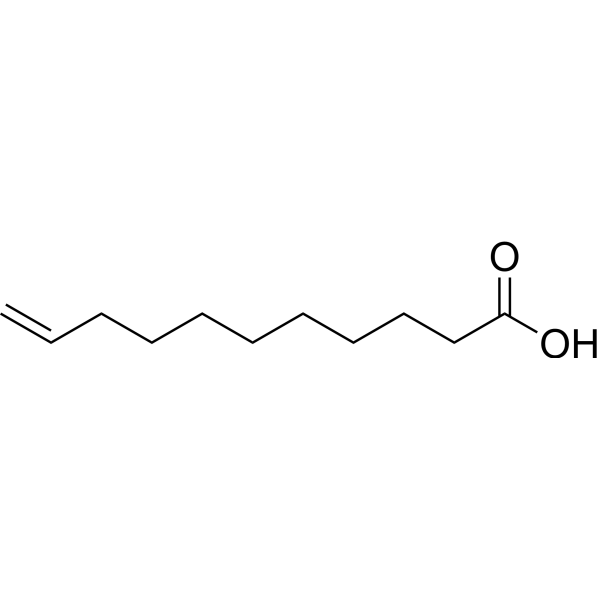
10-Undecenoic acid (Undecylenic acid) is an antifungal agent. 10-Undecenoic acid inhibits oligomerization, scavenges ROS and inhibits μ-calpain activity. 10-Undecenoic acid has neuroprotective effects. 10-Undecenoic acid has anticancer effects on a variety of tumors. 10-Undecenoic acid inhibits C. albicans biofilm formation and MRSA infection. 10-Undecenoic acid inhibits quorum sensing signals of Bacillus subtilis and Pseudomonas aeruginosa .
loading...
    loading...
2
2 Cited Publications
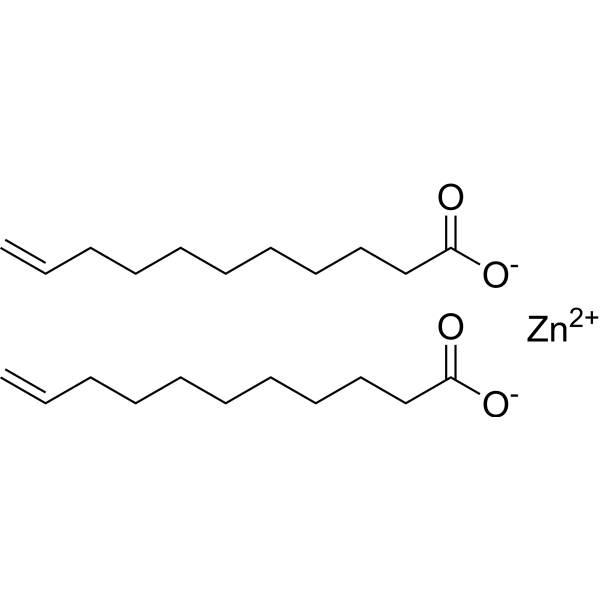
Cat. No.: HY-B0914A
CAS No.: 557-08-4
Synonyms: Zinc undecylenate
10-Undecenoic acid zinc salt (Undecylenic acid zinc salt) is an antifungal agent. 10-Undecenoic acid zinc salt inhibits oligomerization, scavenges ROS and inhibits μ-calpain activity. 10-Undecenoic acid zinc salt has neuroprotective effects. 10-Undecenoic acid zinc salt has anticancer effects on a variety of tumors. 10-Undecenoic acid zinc salt inhibits C. albicans biofilm formation and MRSA infection. 10-Undecenoic acid zinc salt inhibits quorum sensing signals of Bacillus subtilis and Pseudomonas aeruginosa .
loading...
    loading...
2
2 Cited Publications
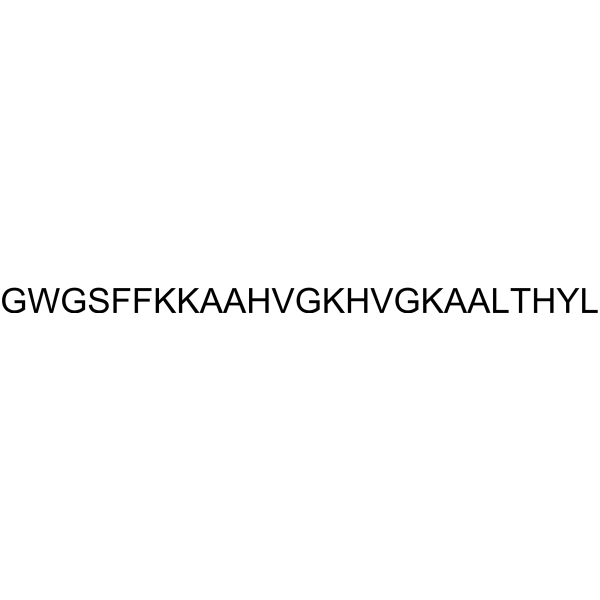
Cat. No.: HY-P5641
CAS No.: 190324-47-1
Pleurocidin is an Antimicrobial peptide. Pleurocidin is derived from the skin mucosa or intestinal secretions of Pseudopleuronectes americanus. Pleurocidin inhibits the expression of key proteins in the MAPK and NF-κB inflammatory signaling pathways. Pleurocidin alters serum inflammatory and immune cytokine levels, regulates the down-regulation of tight junction proteins, and modulates the intestinal flora. Pleurocidin exerts antibacterial activity by inducing bacterial membrane damage, hydroxyl radical formation, and NADH depletion, and also produces a synergistic effect with Antibiotics. Pleurocidin alleviates DSS-induced ulcerative colitis. Pleurocidin can be used for research on ulcerative colitis, bacterial infections, and bacterial biofilm-related infections .
loading...
    loading...
1
1 Cited Publications
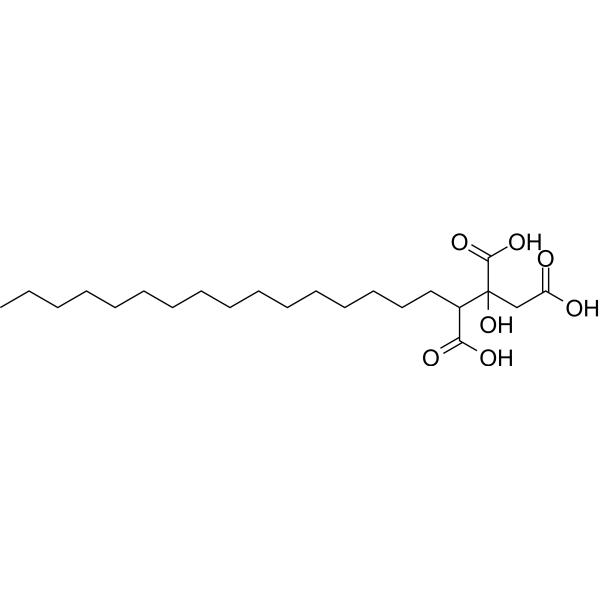
Cat. No.: HY-N4104
CAS No.: 666-99-9
Synonyms: Agaricinic Acid
Agaric acid (Agaricinic Acid) is an orally active inhibitor of adenine nucleotide translocase found in specific fungi. Agaric acid can inhibit the biofilm formation of various bacteria such as Salmonella. Agaric acid can also induce mitochondrial permeability transition, prompting mitochondria to release Ca 2+, disrupting the transmembrane potential, and causing mitochondrial swelling. In addition, Agaric acid can also inhibit citrate transport in liver mitochondria and participate in the inhibition of fatty acid synthesis, affecting multiple metabolic processes .
loading...
    loading...
1
1 Cited Publications
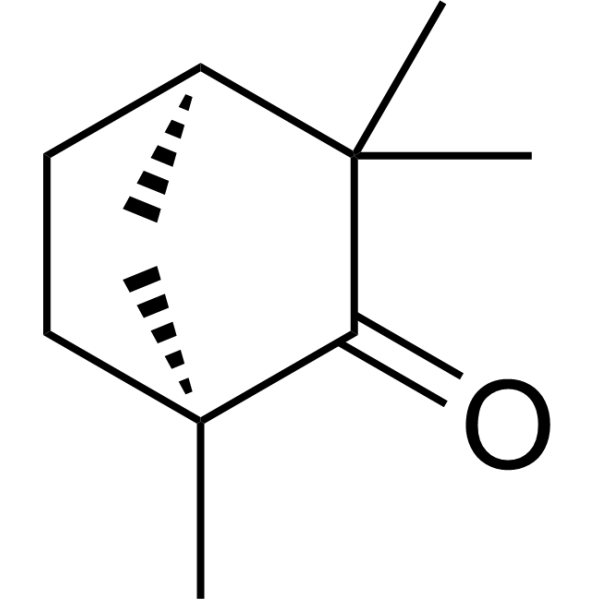
Cat. No.: HY-W015580
CAS No.: 4695-62-9
(+)-Fenchone is an antibacterial agent. (+)-Fenchone interferes with bacterial fatty acid synthesis, disrupts fungal cell wall construction, and inhibits bacterial biofilm formation. (+)-Fenchone can be used in studies related to bacterial and fungal infections .
loading...
    loading...
1
1 Cited Publications
Cat. No.: HY-131011
CAS No.: 247167-54-0
Purity:  ≥98.0%
Target:  

Bacterial

Research Areas:  

Infection

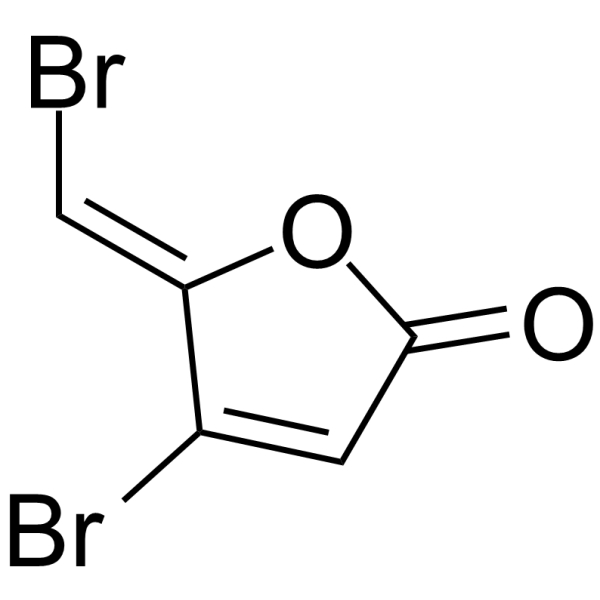
Furanone C-30 is a quorum sensing inhibitor. Furanone C-30 can effectively inhibit bacterial biofilm formation by S. mutans and its luxSmutant strain .
loading...
    loading...
1
1 Cited Publications
Cat. No.: HY-Y1718
CAS No.: 638-53-9
Synonyms: N-Tridecanoic acid
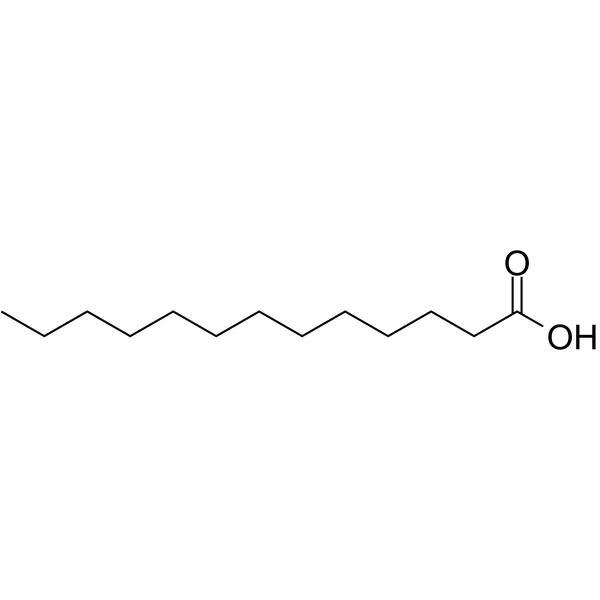
Tridecanoic acid (N-Tridecanoic acid) is a medium-chain saturated fatty acid and inhibitor with no antibacterial activity against enterohemorrhagic E. coli (EHEC). When used in combination with Ciprofloxacin (HY-B0356) or Ampicillin (HY-B0522), Tridecanoic acid suppresses persister formation in exponentially growing E. coli and EHEC, but exerts no inhibitory effect on persister formation induced by Kanamycin (HY-16566) or in stationary-phase cells. Tridecanoic acid inhibits biofilm formation in EHEC. It can be used in the research of bacterial infections .
loading...
    loading...
1
1 Cited Publications
Cat. No.: HY-113362
CAS No.: 593-39-5
Purity:  ≥98.0%
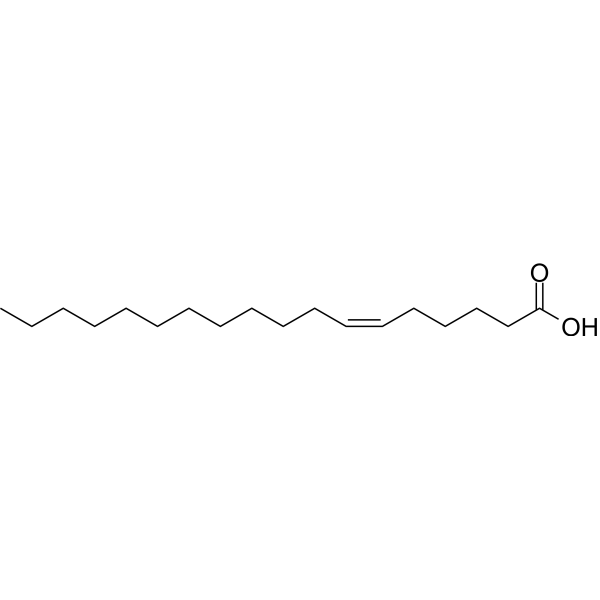
Petroselinic acid, a positional isomer of oleic acid, is isolated from the vegetable oil of Coriandrum sativum fruits. Petroselinic acid is used as substrate for sophorolipid fermentation. Petroselinic acid inhibits the biofilm formation in microorganisms, exhibits antibacterial and antifungal activities. Petroselinic acid is orally active [4.
loading...
    loading...
1
1 Cited Publications
Cat. No.: HY-118697
CAS No.: 137173-46-7
Purity:  ≥98.0%
Synonyms: C12-HSL
Target:  

Bacterial

Research Areas:  

Infection

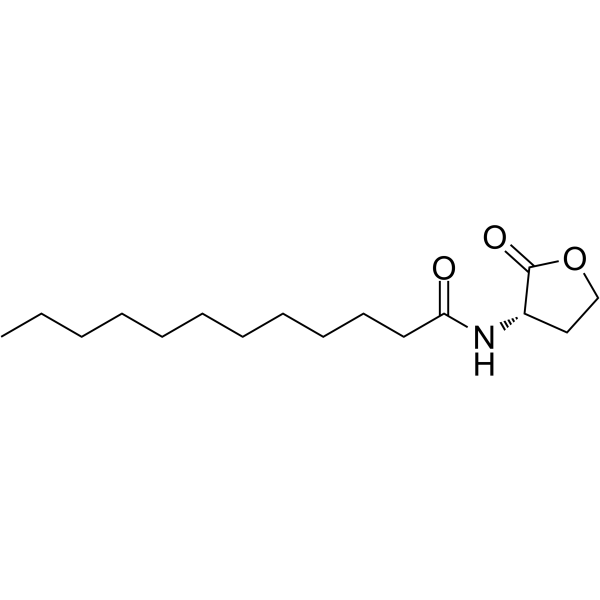
N-dodecanoyl-L-Homoserine lactone (C12-HSL) is a quorum sensing (QS) signaling molecule. N-dodecanoyl-L-Homoserine lactone (C12-HSL) aptamers blocks qurom sensing and inhibits biofilm formation in Pseudomonas aeruginosa .
loading...
    loading...
1
1 Cited Publications
Cat. No.: HY-N2036
CAS No.: 740-33-0
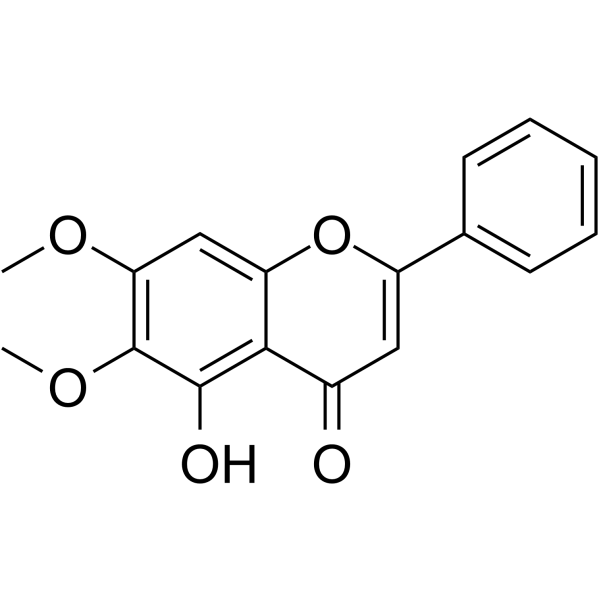
Mosloflavone is a flavonoid isolated from Scutellaria baicalensis Georgi with ?anti-EV71 activity. Mosloflavone? inhibits VP2 virus replication and protein expression during the initial stage of virus infection and inhibits viral VP2 capsid protein synthesis. Mosloflavone is a promising biocide and inhibits P. aeruginosa virulence and biofilm formation.
loading...
    loading...
1
1 Cited Publications
Cat. No.: HY-77785
CAS No.: 719-59-5
Synonyms: 5-Chloro-2-aminobenzophenone
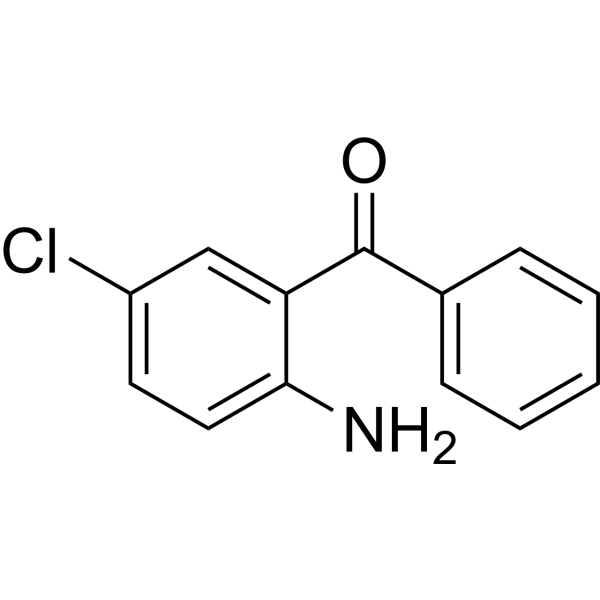
2-Amino-5-chlorobenzophenone (5-Chloro-2-aminobenzophenone) is a chemical intermediate. Derivatives of 2-Amino-5-chlorobenzophenone serve as skeletal muscle relaxants. 2-Amino-5-chlorobenzophenone acts as a starting material for the synthesis of anti-biofilm 2-amino-5-chlorobenzophenone Schiff bases. 2-Amino-5-chlorobenzophenone is applicable to research related to bacterial infections .\n

loading...
    loading...
1
1 Cited Publications
Cat. No.: HY-W007390
CAS No.: 52727-57-8
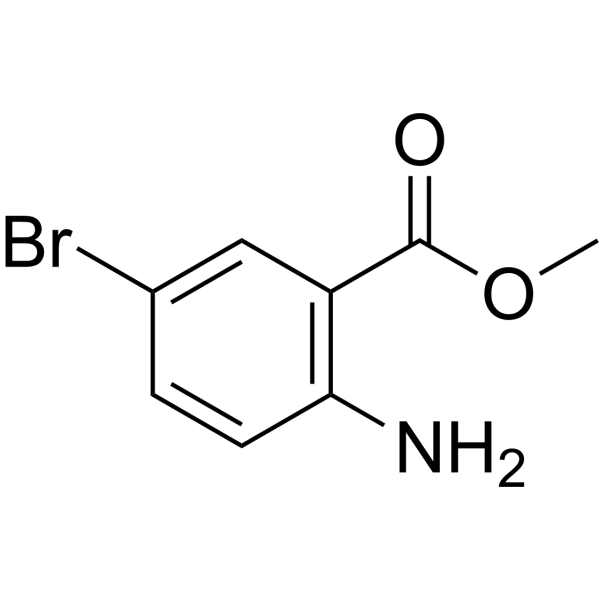
Methyl 2-amino-5-bromobenzoate (Compound 8/12) is a pharmaceutical intermediate. Methyl 2-amino-5-bromobenzoate can be used to synthesize 2-benzamidobenzoic acid, a known FabH inhibitor. Derivatives of methyl 2-amino-5-bromobenzoate also inhibit PqsD, the pqs quorum sensing (QS) system, of Pseudomonas aeruginosa .
loading...
    loading...
1
1 Cited Publications
Cat. No.: HY-N2116
CAS No.: 111047-30-4
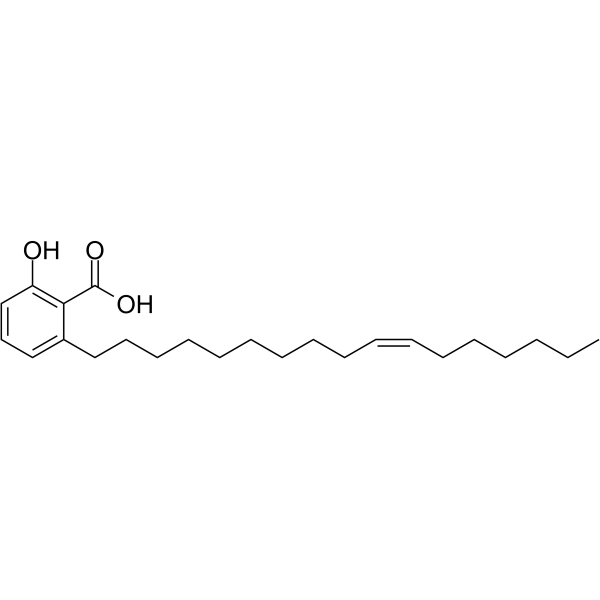
Ginkgolic acid C17:1 is a fatty acid synthase (FAS) inhibitor with an IC50 of 10.5 µM. Ginkgolic acid C17:1 shows anti-tumor activity by inhibiting the phosphorylation of STAT3 and inducing apoptosis. Ginkgolic acid C17:1 can block the interaction between S-RBD and ACE2, and has anti-SARS-CoV-2-S pseudovirus activity. Ginkgolic acid C17:1 inhibits the biofilm formation of enterohemorrhagic Escherichia coli and Staphylococcus aureus .
loading...
    loading...

