Search Result
Results for "
CCRF-CEM
" in MedChemExpress (MCE) Product Catalog:
| Cat. No. |
Product Name |
Target |
Research Areas |
Chemical Structure |
-
- HY-15255
-
Zosuquidar
Maximum Cited Publications
16 Publications Verification
RS 33295-198; LY-335979
|
P-glycoprotein
|
Cancer
|
|
Zosuquidar (LY335979) is a P-glycoprotein (P-gp) inhibitor (Ki=59 nM). Zosuquidar shows anti-tumor activities, and can be used in acute myelogenous leukemia (AML) research .
|
-
-
- HY-50671
-
|
RS 33295-198 trihydrochloride; LY-335979 trihydrochloride
|
P-glycoprotein
|
Cancer
|
|
Zosuquidar (LY335979) trihydrochloride is a P-glycoprotein (P-gp) inhibitor (Ki=59 nM). Zosuquidar trihydrochloride shows anti-tumor activities, and can be used in acute myelogenous leukemia (AML) research .
|
-
-
- HY-14543
-
-
-
- HY-108474
-
|
AG 337
|
Thymidylate Synthase
|
Cancer
|
|
Nolatrexed dihydrochloride (AG 337) is an orally active and non-competitive lipophilic inhibitor of thymidylate synthase with a Ki of 11 nM for human thymidylate synthase. Nolatrexed dihydrochloride interacts at the folate cofactor binding site of the enzyme. Nolatrexed dihydrochloride increases sulfotransferases. Nolatrexed dihydrochloride induces cell cycle arrest in S phase of cancer cells. Nolatrexed dihydrochloride exhibits anticancer activity against cervical cancer.
|
-
-
- HY-N1365
-
|
6-Hydroxy-7-methoxycoumarin
|
HBV
p38 MAPK
NF-κB
STAT
Akt
ERK
JNK
|
Infection
Inflammation/Immunology
Cancer
|
|
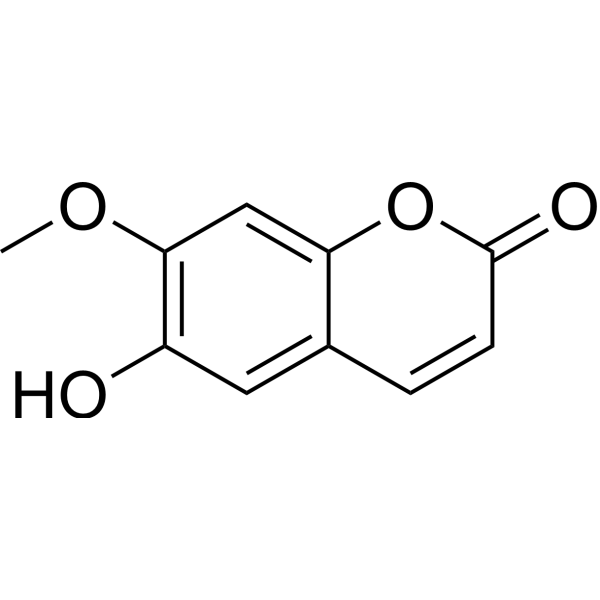
Isoscopoletin (6-Hydroxy-7-methoxycoumarin) is an active constituent in Artemisia argyi leaves. Isoscopoletin shows substantial inhibition against cell proliferation, with IC50s of 4.0 μM and 1.6 μM for human CCRF-CEM leukaemia cells and multidrug resistant subline CEM/ADR5000, respectively . Isoscopoletin (6-Hydroxy-7-methoxycoumarin) possesses inhibitory activity against HBV replication . Isoscopoletin exhibits anti-inflammatory activity through inhibition of MAPK/NF-κB/STAT/AKT signaling pathway .
|
-
-
- HY-139015
-
|
5-Aza-T-dCyd; NTX-301
|
DNA Methyltransferase
|
Cancer
|
|
5-Aza-4'-thio-2'-deoxycytidine (5-Aza-T-dCyd) is an orally active DNA methyltransferase I (DNMT1) inhibitor. 5-Aza-4'-thio-2'-deoxycytidine, a sulfur-containing deoxy-cytidine analog, has the potential for DNA hypomethylating and has antitumor effects .
|
-
-
- HY-N6711
-
|
|
HIV Integrase
Bacterial
Antibiotic
Reactive Oxygen Species (ROS)
STAT
AMPK
11β-HSD
|
Infection
Metabolic Disease
|
|
Equisetin is an N-methylserine-derived acyl tetramic acid, quorum sensing inhibitor (QSI), herbicides and antibiotics. Equisetin specifically inhibits the anionic carriers of substrates in the inner mitochondrial membrane. Equisetin inhibits the activity of HIV-1 integrase, 11β-HSD1, and 2,4-dinitrophenol (Dnp)-stimulated ATPase (IC50 = ~8 nmol per mg of protein). Equisetin exhibits growth inhibition of bacteria, anti-inflammatory, amelioration of lipid-associated disorders, and cytotoxic effects .
|
-
-
- HY-119372
-
|
|
Phosphodiesterase (PDE)
|
Cancer
|
|
TDP1 Inhibitor-1 is a potent Tyrosyl-DNA Phosphodiesterase 1 (TDP1) inhibitor with an IC50 of 7 μM. TDP1 Inhibitor-1 shows cytotoxicity against multiple cancer cells. TDP1 Inhibitor-1 can be used for the research of cancer, such as breast cancer .
|
-
-
- HY-P10387
-
RSM3
1 Publications Verification
|
METTL3
Apoptosis
MDM-2/p53
NF-κB
Caspase
|
Cancer
|
|
RSM3 is a METTL3-METTL14 complex inhibitor with a Kd of 3.10 μM for the METTL3-METTL14 complex. RSM3 reduces the m 6A modification level of SLC31A1 and the global RNA methylation level. RSM3 upregulates programmed cell death-related genes, enhances cell apoptosis, inhibits pro-cancer signals and suppresses tumor growth. RSM3 is applicable to the research of preeclampsia and cancer .
|
-
-
- HY-N3434
-
|
|
Drug Derivative
Reactive Oxygen Species (ROS)
|
Cancer
|
|
Kaempferol 3,7,4'-trimethyl ether is an O-methylated kaempferol flavonol aglycone distributed in Siparuna gigantotepala, Aframomum arundinaceum and Siparuna guianensis. Kaempferol 3,7,4'-trimethyl ether exhibits antioxidant activity. Kaempferol 3,7,4'-trimethyl ether suppresses the proliferation of leukemia cells and exerts selective cytotoxicity against both drug‑sensitive and multi‑factorial drug‑resistant cancer cells. Kaempferol 3,7,4'-trimethyl ether can be applied in the research of multidrug‑resistant cancers .
|
-
-
- HY-148369
-
|
|
PROTACs
Deubiquitinase
Apoptosis
MDM-2/p53
|
Cancer
|
|
U7D-1 is a first-in-class potent and selective USP7 (ubiquitin-specific protease 7) PROTAC degrader, with a DC50 of 33 nM in RS4;11 cells. U7D-1 shows anticancer activity. U7D-1 induces apoptosis in Jeko-1 cells .
|
-
-
- HY-136650A
-
|
F-ara-ATP trisodium
|
Nucleoside Antimetabolite/Analog
Drug Metabolite
DNA/RNA Synthesis
Apoptosis
|
Cancer
|
|
Fludarabine triphosphate (F-ara-ATP) trisodium, the active metabolite of Fludarabine (HY-B0069), is a potent, noncompetitive and specific inhibitor of DNA primase, with an IC50 of 2.3 μM and a Ki of 6.1 μM. Fludarabine triphosphate trisodium inhibits DNA synthesis by blocking DNA primase and primer RNA formation. Fludarabine triphosphate trisodium inhibits ribonucleotide reductase and DNA polymerase and ultimately leads to cellular apoptosis .
|
-
-
- HY-137129
-
|
|
Dihydrofolate reductase (DHFR)
|
Cancer
|
|
10-Formyl-7,8-dihydrofolic acid is a biologically active folic acid and growth promoter. 10-Formyl-7,8-dihydrofolic acid serves as a substrate for aminoimidazolecarboxamide ribonucleotide transformylase and dihydrofolate reductase (DHFR) to support catalytic reactions (with detection wavelengths of 552 nm and 340 nm, respectively). 10-Formyl-7,8-dihydrofolic acid not only promotes the growth of leukemia cells, but also effectively reverses the growth inhibition induced by antifolate drugs under folate-deficient conditions. 10-Formyl-7,8-dihydrofolic acid can be used in the research of leukemia .
|
-
-
- HY-B0971
-
|
Prophenpyridamine maleate; Tripoton maleate
|
Histamine Receptor
Apoptosis
|
Inflammation/Immunology
Endocrinology
|
|
Pheniramine (Prophenpyridamine; Tripoton) maleate is a first-generation histamine H1 receptor antagonist, acts on the central nervous system (CNS) with sedative and hypnotic effect. Pheniramine maleate displays antitumor effect and induces leukemia cells apoptosis. Pheniramine maleate is also a safe and effective local agent that can suppress or relieve pain, with antipruritic effects .
|
-
-
- HY-162753
-
|
|
P-glycoprotein
|
Cancer
|
|
ZW-1226 is a dual Tyrosyl DNA phosphodiesterase 2 (TDP2) and Multidrug resistance-associated protein 1 (MRP1) inhibitor with IC50 values of 0.2 and 0.5 μM, respectively. ZW-1226 exhibits selectivity over other ABC transporters. ZW-1226 elevates intracellular GSH levels, and reverses MRP1-mediated drug resistance. ZW-1226 can be used for the research of leukemia, non-small-cell lung cancer, and multidrug resistant small-cell lung cancer .
|
-
-
- HY-W173146
-
|
|
DNA/RNA Synthesis
|
Cancer
|
|
ALKBH5-IN-4 (compound 3) is a RNA m6A demethylase ALKBH5 inhibitor with an IC50 of 0.84 μM. ALKBH5-IN-4 shows inhibitory effect on leukemia cells[1].
|
-
-
- HY-100777
-
|
|
Topoisomerase
|
Neurological Disease
Cancer
|
|
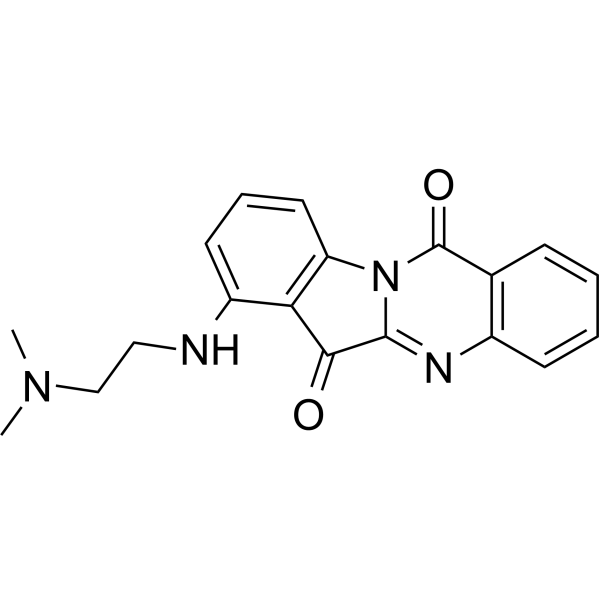
DACA (XR 5000) is a potential and blood-brain barrier-penetrating topoisomerase I and II inhibitor. DACA can be used in the research of colorectal cancer, leukemia and lung cancer .
|
-
-
- HY-N1365R
-
|
6-Hydroxy-7-methoxycoumarin (Standard)
|
Reference Standards
HBV
p38 MAPK
NF-κB
STAT
Akt
ERK
JNK
|
Infection
Inflammation/Immunology
Cancer
|
|
Isoscopoletin (Standard) is the analytical standard of Isoscopoletin. This product is intended for research and analytical applications. Isoscopoletin (6-Hydroxy-7-methoxycoumarin) is an active constituent in Artemisia argyi leaves. Isoscopoletin shows substantial inhibition against cell proliferation, with IC50s of 4.0 μM and 1.6 μM for human CCRF-CEM leukaemia cells and multidrug resistant subline CEM/ADR5000, respectively . Isoscopoletin (6-Hydroxy-7-methoxycoumarin) possesses inhibitory activity against HBV replication . Isoscopoletin exhibits anti-inflammatory activity through inhibition of MAPK/NF-κB/STAT/AKT signaling pathway .
|
-
-
- HY-10819
-
|
|
Antifolate
|
Cancer
|
|
AG2034 is an inhibitor of glycinamide ribonucleotide formyltransferase (GARFT), with a Ki of 28 nM against human GARFT, and it binds with high affinity to the folate receptor (Kd of 0.0042 nM). Additionally, AG2034 is a substrate for rat liver folylpolyglutamate synthetase, with a Km of 6.4 µM. AG2034 inhibits the growth of L1210 and CCRF-CEM cells, with IC50 values of 4 nM and 2.9 nM, respectively, and it has demonstrated antitumor activity in xenograft models such as 6C3HED .
|
-
-
- HY-136499
-
|
|
DNA/RNA Synthesis
|
Cancer
|
|
DI-82 is a potent deoxycytidine kinase (dCK) inhibitor with an IC50 app of 27.8 nM and Ki app of 9.2 nM. DI-82 has antitumor activity .
|
-
-
- HY-148933
-
-
-
- HY-P991057
-
|
|
CD47
|
Cancer
|
|
STI-6643 is a fully human IgG4 antibody that targets CD47. STI-6643 blocks CD47-SIRPα interaction, and enables macrophage-mediated phagocytosis of tumor cells. STI-6643 shows anti-tumor activity in mouse lymphoma xenograft models. STI-6643 can be used for the research of Burkitt's lymphoma, solid tumors, relapsed or refractory tumors, and lymphoma. The isotype control for STI-6643 can refer to Human IgG4 (S228P) kappa, Isotype Control (HY-P99003) .
|
-
-
- HY-169021
-
|
|
JNK
|
Cancer
|
|
JNK-1-IN-3 (Compound 9e) is an inhibitor of JNK1 that downregulates JNK1 gene expression and inhibits the protein levels of its phosphorylated form, concurrently reducing the expression of its downstream targets, c-Jun and c-Fos, in tumors while restoring p53 activity. JNK-1-IN-3 exhibits broad-spectrum antiproliferative activity, particularly with high inhibitory activity against renal and breast cancer cell lines, demonstrating both in vivo and in vitro anticancer activity .
|
-
-
- HY-178940
-
|
|
Apoptosis
Checkpoint Kinase (Chk)
CDK
DNA/RNA Synthesis
Bcl-2 Family
Caspase
|
Cancer
|
|
Apoptosis inducer 49 is a selective apoptosis inducer with high specificity against CCRF-CEM leukemia cells (IC50 = 2.68 μM). Apoptosis inducer 49 enhances RNA synthesis and replication stress, activates the Chk1-p21 axis, leading to S-phase arrest. Apoptosis inducer 49 can inhibit Bcl-2 and activate caspase-3. Apoptosis inducer 49 can be used for the study of Leukemia .
|
-
-
- HY-N7205
-
|
|
Others
|
Cancer
|
|
Glaucocalyxin D is a ent-kauranoid-type diterpenoid that can be isolated from Rabdosia japonica. Glaucocalyxin D shows cytotoxicity against various human tumor cell lines. Glaucocalyxin D can be used for cancer research .
|
-
-
- HY-136650
-
|
F-ara-ATP
|
Nucleoside Antimetabolite/Analog
Drug Metabolite
DNA/RNA Synthesis
Apoptosis
|
Cancer
|
|
Fludarabine triphosphate (F-ara-ATP), the active metabolite of Fludarabine (HY-B0069), is a potent, noncompetitive and specific inhibitor of DNA primase, with an IC50 of 2.3 μM and a Ki of 6.1 μM. Fludarabine triphosphate inhibits DNA synthesis by blocking DNA primase and primer RNA formation. Fludarabine triphosphate inhibits ribonucleotide reductase and DNA polymerase and ultimately leads to cellular apoptosis .
|
-
-
- HY-B0971A
-
|
Prophenpyridamine; Tripoton; Pheniramine solution
|
Histamine Receptor
Apoptosis
|
Inflammation/Immunology
Cancer
|
|
Pheniramine (Prophenpyridamine;Tripoton) is a first-generation histamine H1 receptor antagonist, acts on the central nervous system (CNS) with sedative and hypnotic effect. Pheniramine displays antitumor effect and induces leukemia cells apoptosis. Pheniramine is also a safe and effective local agent that can suppress or relieve pain, with antipruritic effects .
|
-
-
- HY-N8386
-
|
|
Antibiotic
|
Infection
Cancer
|
|
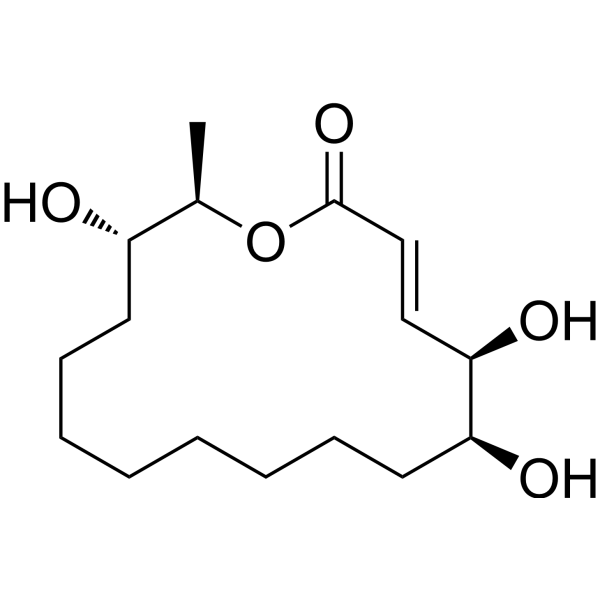
Berkeleylactone F is an antibiotic macrolide compound. Berkeleylactone F showed modest inhibition of CCRF-CEM leukemia cells .
|
-
-
- HY-157464
-
|
|
Drug Derivative
|
Cancer
|
|
[Ru(phen)2(4-Me-Sal)]BF4 (compound 10), a Ru(II)-based polypyridyl complexe, displays outstanding antiproliferative activity against drug-sensitive CCRF-CEM and multidrug-resistant CEM/ADR5000 leukemia cells (IC50=0.52 μM and 5.56 μM, respectively) .
|
-
-
- HY-N1665
-
|
|
Others
|
Cancer
|
|
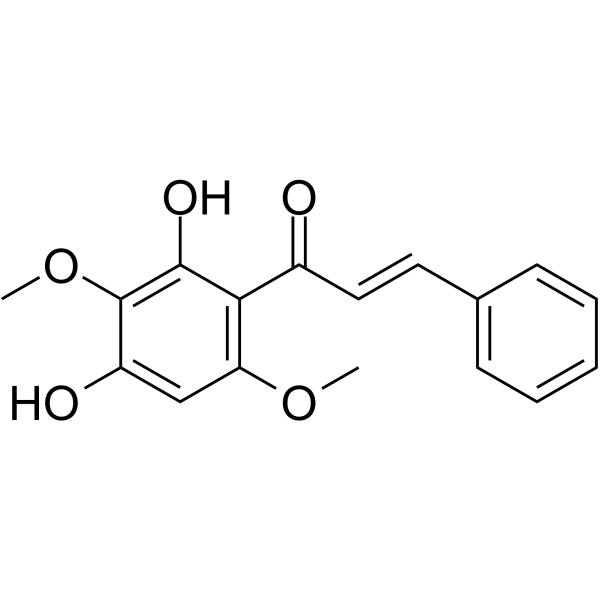
2',4'-Dihydroxy-3',6'-dimethoxychalcone is a natural product that can be isolated from Polygonum Lapathifolium. 2',4'-Dihydroxy-3',6'-dimethoxychalcone inhibits the growth of CCRF-CEM leukaemia cells and CEM/ADR5000 cells, with IC50 values of 10.67 and 18.60 μM, respectively .
|
-
-
- HY-N8272
-
|
|
Others
|
Cancer
|
|
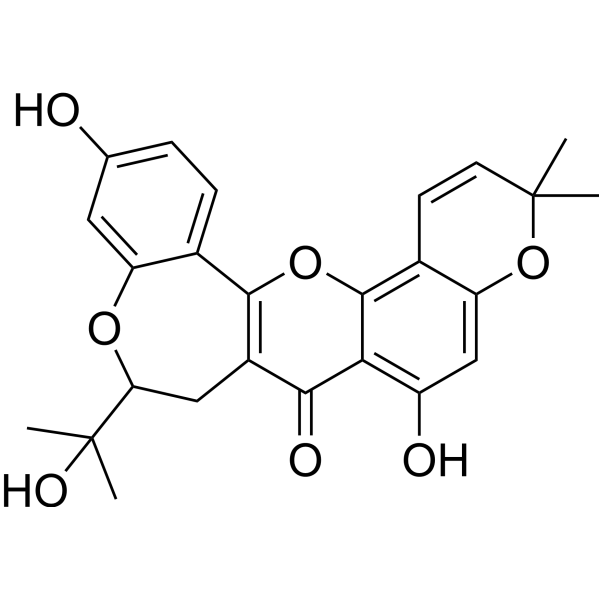
Neocyclomorusin (compound 6) is a flavonoid. Neocyclomorusin can be isolated from Erythrina sigmoidea. Neocyclomorusin inhibits the CCRF-CEM cell line with an IC50 value of 59.02 μM .
|
-
-
- HY-163435
-
|
|
Apoptosis
Caspase
PARP
Bcl-2 Family
|
Cancer
|
|
Anticancer agent 201 (Compound 2f) has IC50 values in the low micromolar range for multiple tumor cell lines. Anticancer agent 201 is highly cytotoxic to CCRF-CEM cells in vitro, inducing apotosis by activating caspase-3 in the intrinsic mitochondrial pathway and lysis of PARP, as well as reducing the expression of Bcl-2 and Bcl-XL proteins. Anticancer agent 201 can be used in cancer research .
|
-
-
- HY-147514
-
|
|
Apoptosis
Caspase
PARP
Bcl-2 Family
|
Cancer
|
|
Anticancer agent 64 (compound 5m) shows cytotoxic activity in CCRF-CEM cells, with IC50 of 2.4 μM. Anticancer agent 64 shows good anticancer activity through apoptosis induction. Anticancer agent 64 induces caspase 3 and 7 activation and PARP cleavage. Anticancer agent 64 induces significant effect of mitochondria depolarization .
|
-
-
- HY-160057
-
|
|
DNA Alkylator/Crosslinker
|
Cancer
|
|
GMT 8 aptamer sodium is a nucleic acid aptamer targeting different glioblastoma cell lines and exhibits high affinity. GMT 4 aptamer sodium also shows high binding affinity to the T lymphocyte cell line CCRF-CEM .
|
-
-
- HY-107338
-
|
Vratizolin; Wratizolin
|
VZV
HSV
Interleukin Related
|
Infection
Inflammation/Immunology
Cancer
|
|
Denotivir (Vratizolin) is an orally active antiviral agent for herpes simplex virus (HSV) and varicella-zoster virus (VZV). Denotivir inhibits the proliferation of various cancer cells, and exhibits anti-leukemic activity. Denotivir inhibits the generation of TNF-α, IL-1 and IL-6, exhibits immunosuppressive efficacy .
|
-
-
- HY-178444
-
|
|
FLT3
Apoptosis
|
Cancer
|
|
Flt-3-IN-1 is a potent FLT-3 inhibitor with an IC50 of 0.91 μM. Flt-3-IN-1 can cause leukemia cells G1 phase arrest and induce apoptosis. Flt-3-IN-1 can be used for the research of cancer, such as leukemia .
|
-
-
- HY-156775
-
|
|
Drug Derivative
|
Cancer
|
|
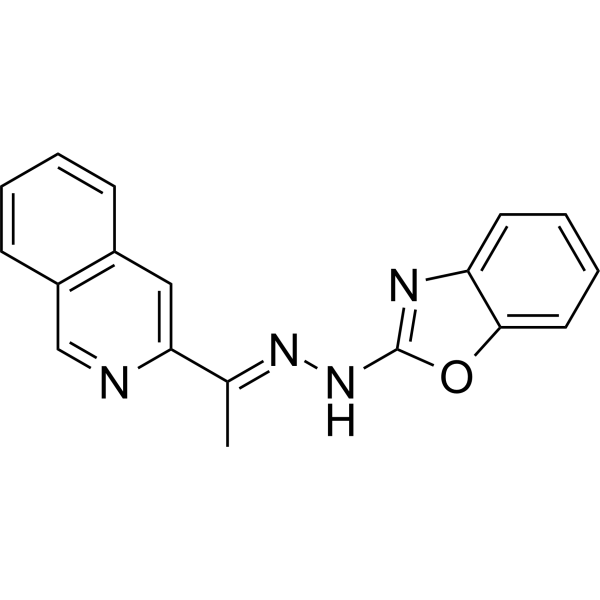
Antitumor agent-119 (compound 13K) is a 2-benzoxazolyl hydrazone derivative with anticancer activities. Antitumor agent-119 inhibits the cell growth of Butkitt, CCRF-CEM, HeLa, and HT-29 with IC50 values of 30 nM, 140 nM, 100 nM, and 40 nM, respectively .
|
-
-
- HY-130854
-
|
|
E3 Ligase Ligand-Linker Conjugates
Autophagy
Apoptosis
|
Cancer
|
|
Thalidomide-NH-C6-NH-Boc is a synthesized E3 ligase ligand-linker conjugate that incorporates the Thalidomide based cereblon ligand and a linker used for MI-389 (compound 22) synthesis. MI-389 is a potent phthalimide PROTAC degrader based on the multi-targeted receptor tyrosine kinase inhibitor sunitinib (HY-10255A) .
|
-
-
- HY-P10371
-
|
txCD47
|
Reactive Oxygen Species (ROS)
Thrombopoietin Receptor
Mitochondrial Metabolism
HSP
HSV
CD47
|
Infection
Inflammation/Immunology
Cancer
|
|
PKHB1 (txCD47) is a CD47 agonist and Thrombospondin-1 peptide mimetic. PKHB1 activates CD47 and triggers Caspase-independent, calcium-dependent cell death via mitochondrial alterations, ROS production, endoplasmic reticulum morphological changes, and dissipation of mitochondrial membrane potential. PKHB1 induces the exposure of Calreticulin, HSP70, and HSP90, thereby driving immunogenic cell death. PKHB1 promotes intratumoral CD8 + T cell infiltration and inhibits breast tumorigenesis. PKHB1 reduces HSV-1 levels and alleviates the severity of herpes simplex keratitis. PKHB1 can be used in research related to breast cancer, herpes simplex keratitis, and T-cell acute lymphoblastic leukemia .
|
-
-
- HY-146316
-
|
|
Topoisomerase
|
Cancer
|
|
Topoisomerase II inhibitor 6 (Compound 5), a tryptanthrin derivative, is a potent and selective inhibitor of topoisomerase II. Topoisomerase II inhibitor 6 exhibits antiproliferative activity on different tumor cell lines. Topoisomerase II inhibitor 6 blocks the cell cycle of CCRF-CEM in the G2 phase and induces DNA DSB. Topoisomerase II inhibitor 6 has the potential for the research of cancer diseases .
|
-
-
- HY-172364
-
|
|
Polo-like Kinase (PLK)
|
Cancer
|
|
PLK1-IN-12 is a highly selective and orally active PLK1 inhibitor with an IC50 of 20 nM. PLK1-IN-12 shows more selective for PLK1 than PLK2 (IC50: >10000 nM) and PLK3 (IC50: 3953 nM). PLK1-IN-12 exhibits anticancer potency across a broad spectrum of cell lines. PLK1-IN-12 can be used in anti-leukemia research .
|
-
-
- HY-168517
-
|
|
Pim
Casein Kinase
Apoptosis
|
Cancer
|
|
PIM-1/CK2-IN-2 (compound 3aA) is a PIM-1/CK2 inhibitor. PIM-1/CK2-IN-2 can induce the mitochondrial apoptotic pathway in CCRF-CEM cells. PIM-1/CK2-IN-2 can be used in cancer research .
|
-
-
- HY-P10596
-
|
|
Bacterial
Fungal
|
Infection
Cancer
|
|
Lasioglossin-III is an antimicrobial peptide that can be isolated from the venom of wild bees. Lasioglossin-III has high antibacterial activity against Gram-positive and Gram-negative bacteria, antifungal activity and antitumor activity. Lasioglossin-III has certain cytotoxicity against three cancer cell lines (HeLa S3, CRC SW 480 and CCRF-CEM T) with IC50 values of 4, 18 and 5 μM, respectively .
|
-
-
- HY-147901
-
|
|
Histone Demethylase
CDK
Apoptosis
Caspase
|
Cancer
|
|
KDM1/CDK1-IN-1 (compound 4) is a potent KDM1 and CDK1 inhibitor, with IC50 values of 0.096 and 0.078 μM, respectively.KDM1/CDK1-IN-1 induces cell cycle arrest at G2/M phase and apoptosis in HOP-92 cells. KDM1/CDK1-IN-1 exhibits potent cytotoxic activity against the CCRF-CEM, HOP-92 and Hep-G2 cells, with IC50 values of 16.34, 3.45 and 7.79 μM, respectively .
|
-
-
- HY-151190
-
|
S1024
|
Histone Demethylase
|
Cancer
|
|
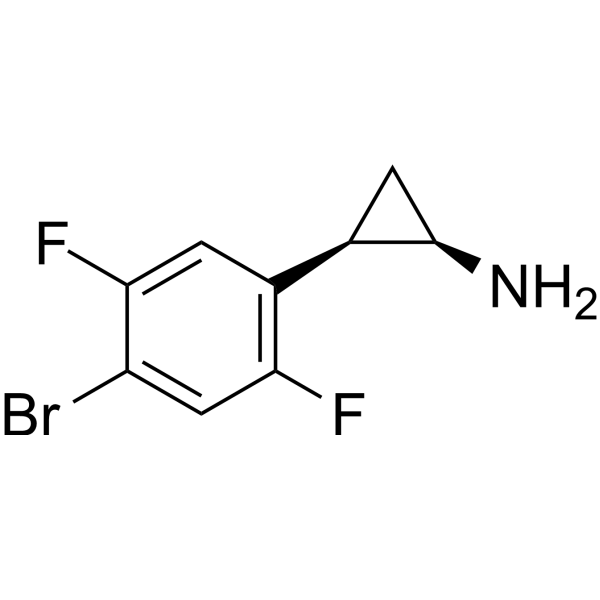
cis-4-Br-2,5-F2-PCPA (S1024) is a selective inhibitor of lysine-specific demethylase 1 (LSD1), with a Ki value of 94 nM instead of 8.4 μM for LSD2. There is aberrant expression of LSD1 in cancer stem cells, cis-4-Br-2,5-F2-PCPA inhibits LSD1 cell proliferation and by increasing the level of dimethylated histone H3 at K4 (H3K4) in CCRF-CEM cells .
|
-
-
- HY-133219
-
|
|
Topoisomerase
|
Cancer
|
|
Guajadial C is a Top1 catalytic inhibitor that delays Top1 poison-mediated DNA damage. Guajadial C shows cytotoxicity against cancer cells .
|
-
-
- HY-117007
-
|
|
Apoptosis
|
Others
|
|
Glycidyl methacrylate exhibits concentration-dependent cytotoxicity and genotoxicity against human peripheral blood lymphocytes and CCRF-CEM leukemia cells. Glycidyl methacrylate can induce DNA strand breaks, base oxidative damage, and apoptosis through oxidative stress mechanisms, but the induced DNA damage can be effectively cleared by the cellular repair system within 2 hours (>90%). Glycidyl methacrylate can be used in dental composite restorative materials .
|
-
-
- HY-151191
-
|
|
Histone Demethylase
|
Cancer
|
|
LSD1-IN-22 is a potent Lysine-specific demethylase 1 (LSD1) inhibitor with a Ki value of 98 nM. LSD1-IN-22 has anti-proliferative activity against certain cancer cells .
|
-
-
- HY-149222
-
|
|
Apoptosis
|
Cancer
|
|
Apoptosis inducer 12 (Compound 3z) is an apoptosis inducer that induces apoptosis through the mitochondrial pathway. Apoptosis inducer 12 can be used for the research of cancer .
|
-
-
- HY-W773183
-
|
Betulonic acid methyl ester; Methyl 3-oxolup-20(29)-en-28-oate
|
Drug Intermediate
|
Cancer
|
|
Methyl betulonate (Betulonic acid methyl ester) is a triterpenoid. Methyl betulonate inhibits cell growth of eight tumor (including resistant) and two normal fibroblast cell lines with the IC50s >50.0 μM .
|
-
- HY-100777R
-
|
|
Topoisomerase
Reference Standards
|
Cancer
|
|
DACA (Standard) is the analytical standard of DACA (HY-100777). This product is intended for research and analytical applications. DACA (XR 5000) is a blood-brain barrier-penetrating topoisomerase I and II inhibitor. DACA can be used in the research of colorectal cancer, leukemia and lung cancer .
|
-
- HY-N16507
-
|
|
Microtubule/Tubulin
|
Cancer
|
|
Bruceoside D is a cytotoxic quassinoid glucoside found in Brucea javanica. Bruceoside D is a microtubule polymerization inhibitor. Bruceoside D demonstrates inhibitory activity against leukemia (CCRF-CEM), non-small cell lung cancer (A549), and ovarian cancer (OVCAR-3) cell lines. Bruceoside D is promising for research of cancers .
|
-
- HY-50671R
-
|
RS 33295-198 trihydrochloride (Standard); LY-335979 trihydrochloride (Standard)
|
Reference Standards
P-glycoprotein
|
Cancer
|
|
Zosuquidar (trihydrochloride) (Standard) is the analytical standard of Zosuquidar (trihydrochloride). This product is intended for research and analytical applications. Zosuquidar (LY335979) trihydrochloride is a P-glycoprotein (P-gp) inhibitor (Ki=59 nM). Zosuquidar trihydrochloride shows anti-tumor activities, and can be used in acute myelogenous leukemia (AML) research .
|
-
- HY-B0971R
-
|
Prophenpyridamine maleate (Standard); Tripoton maleate (Standard); Pheniramine maleate (Standard)
|
Reference Standards
Histamine Receptor
Apoptosis
|
Inflammation/Immunology
Endocrinology
|
|
Pheniramine (maleate) (Standard) is the analytical standard of Pheniramine (maleate). This product is intended for research and analytical applications. Pheniramine (Prophenpyridamine; Tripoton) maleate is a first-generation histamine H1 receptor antagonist, acts on the central nervous system (CNS) with sedative and hypnotic effect. Pheniramine maleate displays antitumor effect and induces leukemia cells apoptosis. Pheniramine maleate is also a safe and effective local agent that can suppress or relieve pain, with antipruritic effects .
|
-
- HY-B0971AR
-
|
Prophenpyridamine (Standard); Tripoton (Standard); Pheniramine solution (Standard)
|
Reference Standards
Histamine Receptor
Apoptosis
|
Inflammation/Immunology
Cancer
|
|
Pheniramine (Standard) is the analytical standard of Pheniramine. This product is intended for research and analytical applications. Pheniramine (Prophenpyridamine;Tripoton) is a first-generation histamine H1 receptor antagonist, acts on the central nervous system (CNS) with sedative and hypnotic effect. Pheniramine displays antitumor effect and induces leukemia cells apoptosis. Pheniramine is also a safe and effective local agent that can suppress or relieve pain, with antipruritic effects .
|
-
- HY-14543R
-
-
- HY-183150
-
|
|
HDAC
Apoptosis
Caspase
|
Cancer
|
|
HDAC1-IN-13 is an orally active HDAC1 inhibitor with IC50 values of 91, 185, 170, and 280 nM against HDAC1, HDAC2, HDAC3, and HDAC10, respectively, and shows no activity against HDAC4, HDAC5, HDAC6, HDAC7, and HDAC9. HDAC1-IN-13 induces extrinsic apoptosis by activating the caspase-8 pathway and triggers G0/G1 cell cycle arrest. HDAC1-IN-13 can be used for the research of leukemia .
|
-
- HY-N17604
-
|
|
Drug Derivative
|
Cancer
|
|
(6aR,11aR)-Edunol (compound 10) is a pterocarpan and antiproliferative agent. (6aR,11aR)-Edunol can be found in the roots of Lonchocarpus bussei and the stem bark of Lonchocarpus eriocalyx. (6aR,11aR)-Edunol exerts antiproliferative effects against drug-sensitive leukemia cells and multidrug-resistant leukemia cells. (6aR,11aR)-Edunol can be used for the research of leukemia .
|
-
- HY-181710
-
|
|
mTOR
PI3K
|
Cancer
|
|
LASSBio-2337 is a dual pan-PI3K/mTOR inhibitor with an mTOR IC50 of 5.8 μM.LASSBio-2337 functionally modulates mTOR and all PI3K isoforms.LASSBio-2337 acts as a cytotoxic agent in leukemia cells, including multidrug-resistant populations.LASSBio-2337 spares nontumor human peripheral blood mononuclear cells.LASSBio-2337 displays moderate PAMPA-GIT permeability.LASSBio-2337 shows low metabolic stability in rat liver microsomes.LASSBio-2337 is aqueous insoluble.LASSBio-2337 can be used for the research of acute lymphoblastic leukemia, chronic myelogenous leukemia, breast cancer .
|
-
- HY-N17588
-
|
|
Others
|
Cancer
|
|
9-O-Angeloyl-8-methoxythymol is a thymol derivative and cytotoxin, with a IC50 value of 13.1 μg/mL against human myeloid leukemia cells, a IC50 value of 31.8 μg/mL against human lymphoblastic leukemia cells, and a IC50 >40 μg/mL against colon cancer and lymphoma cells. 9-O-Angeloyl-8-methoxythymol is applicable to leukemia-related research .
|
-
- HY-106021
-
|
ILX651 free base
|
Microtubule/Tubulin
Prolyl Endopeptidase (PREP)
|
Cancer
|
|
Tasidotin (ILX651 free base) is a tubulin inhibitor and competitive Prolyl Endopeptidase (PREP) inhibitor, with an IC50 of 10 μM against bovine tubulin. Tasidotin exhibits high cerebrospinal fluid penetration in non-human primates. Tasidotin antagonizes microtubule assembly and induces an extended assembly lag phase, thereby inhibiting mitosis and cell proliferation, and exerts cytotoxic and oncolytic effects on cancer cells. Tasidotin is metabolized into polypeptides and proline inside cells, and its in vivo metabolism is mediated by prolyl endopeptidase. Tasidotin can be applied in research related to Burkitt's lymphoma, breast cancer, leukemia, melanoma, central nervous system malignancies and various solid tumors .
|
-
| Cat. No. |
Product Name |
Target |
Research Area |
-
- HY-P10387
-
RSM3
1 Publications Verification
|
METTL3
Apoptosis
MDM-2/p53
NF-κB
Caspase
|
Cancer
|
|
RSM3 is a METTL3-METTL14 complex inhibitor with a Kd of 3.10 μM for the METTL3-METTL14 complex. RSM3 reduces the m 6A modification level of SLC31A1 and the global RNA methylation level. RSM3 upregulates programmed cell death-related genes, enhances cell apoptosis, inhibits pro-cancer signals and suppresses tumor growth. RSM3 is applicable to the research of preeclampsia and cancer .
|
-
- HY-P10371
-
|
txCD47
|
Reactive Oxygen Species (ROS)
Thrombopoietin Receptor
Mitochondrial Metabolism
HSP
HSV
CD47
|
Infection
Inflammation/Immunology
Cancer
|
|
PKHB1 (txCD47) is a CD47 agonist and Thrombospondin-1 peptide mimetic. PKHB1 activates CD47 and triggers Caspase-independent, calcium-dependent cell death via mitochondrial alterations, ROS production, endoplasmic reticulum morphological changes, and dissipation of mitochondrial membrane potential. PKHB1 induces the exposure of Calreticulin, HSP70, and HSP90, thereby driving immunogenic cell death. PKHB1 promotes intratumoral CD8 + T cell infiltration and inhibits breast tumorigenesis. PKHB1 reduces HSV-1 levels and alleviates the severity of herpes simplex keratitis. PKHB1 can be used in research related to breast cancer, herpes simplex keratitis, and T-cell acute lymphoblastic leukemia .
|
-
- HY-P10596
-
|
|
Bacterial
Fungal
|
Infection
Cancer
|
|
Lasioglossin-III is an antimicrobial peptide that can be isolated from the venom of wild bees. Lasioglossin-III has high antibacterial activity against Gram-positive and Gram-negative bacteria, antifungal activity and antitumor activity. Lasioglossin-III has certain cytotoxicity against three cancer cell lines (HeLa S3, CRC SW 480 and CCRF-CEM T) with IC50 values of 4, 18 and 5 μM, respectively .
|
| Cat. No. |
Product Name |
Target |
Research Area |
Image |
-
- HY-P991057
-
|
|
CD47
|
Cancer
|
|
STI-6643 is a fully human IgG4 antibody that targets CD47. STI-6643 blocks CD47-SIRPα interaction, and enables macrophage-mediated phagocytosis of tumor cells. STI-6643 shows anti-tumor activity in mouse lymphoma xenograft models. STI-6643 can be used for the research of Burkitt's lymphoma, solid tumors, relapsed or refractory tumors, and lymphoma. The isotype control for STI-6643 can refer to Human IgG4 (S228P) kappa, Isotype Control (HY-P99003) .
|
-
(5)
| Cat. No. |
Product Name |
Category |
Target |
Chemical Structure |
| Cat. No. |
Product Name |
|
Classification |
-
- HY-160057
-
|
|
|
Aptamers
|
|
GMT 8 aptamer sodium is a nucleic acid aptamer targeting different glioblastoma cell lines and exhibits high affinity. GMT 4 aptamer sodium also shows high binding affinity to the T lymphocyte cell line CCRF-CEM .
|
-
- HY-160055
-
|
|
|
Aptamers
|
|
GMT 4 aptamer sodium is a nucleic acid aptamer targeting different glioblastoma cell lines and exhibits high affinity. GMT 4 aptamer sodium also shows high binding affinity to the T lymphocyte cell line CCRF-CEM .
|
Your information is safe with us. * Required Fields.
Inquiry Information
- Product Name:
- Cat. No.:
- Quantity:
- MCE Japan Authorized Agent: