
1. Search Result
Search Result
Results for "

Chronic treatment

" in MedChemExpress (MCE) Product Catalog:

89

Inhibitors & Agonists

8

Screening Libraries

4

Fluorescent Dyes

3

Peptides

1

Inhibitory Antibodies

7

Natural
Products

13

Isotope-Labeled Compounds

1

Oligonucleotides

Cat. No. Product Name Target Research Areas Chemical Structure
  • HY-B0240
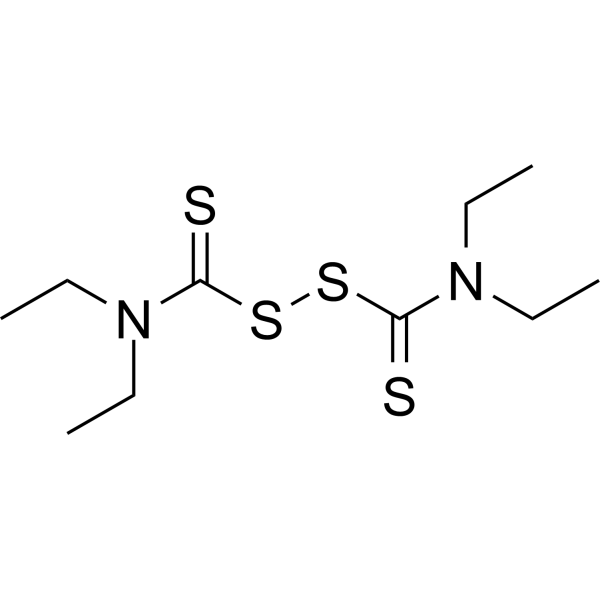
    Disulfiram
    140+ Cited Publications

    Tetraethylthiuram disulfide; TETD

    Aldehyde Dehydrogenase (ALDH) Interleukin Related Pyroptosis Apoptosis Cuproptosis Metabolic Disease Cancer
    Disulfiram (Tetraethylthiuram disulfide) is a specific inhibitor of aldehyde-dehydrogenase (ALDH1), used for the treatment of chronic alcoholism by producing an acute sensitivity to alcohol. Disulfiram inhibits gasdermin D (GSDMD) pore formation in liposomes and inflammasome-mediated pyroptosis and IL-1β secretion in human and mouse cells. Disulfiram, a copper ion carrier, with Cu 2+ increases intracellular ROS levels and induces cuproptosis .
    Disulfiram
  • HY-D0814
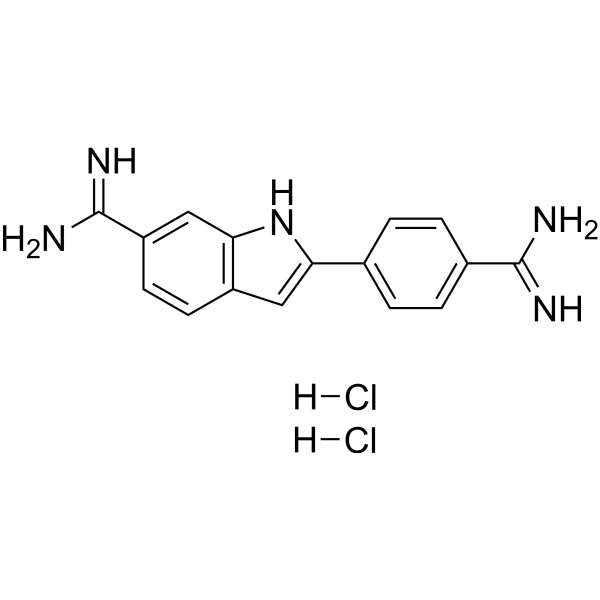
    DAPI dihydrochloride
    Maximum Cited Publications
    146 Publications Verification

    4',6-Diamidino-2-phenylindole dihydrochloride

    DNA Stain Sodium Channel Neurological Disease
    DAPI (4',6-Diamidino-2-phenylindole) dihydrochloride is a DAPI dye. DAPI is a fluorescent dye that binds strongly to DNA. It binds to the AT base pair of the double-stranded DNA minor groove, and one DAPI molecule can occupy three base pair positions. The fluorescence intensity of DAPI molecules bound to double-stranded DNA is increased by about 20 times, and it is commonly observed with fluorescence microscopy, and the amount of DNA can be determined based on the intensity of fluorescence. In addition, because DAPI can pass through intact cell membranes, it can be used to stain both live and fixed cells . DAPI (Compound 3) is an acid-sensing ion channel 3 (ASIC3) inhibitor. DAPI binds to ASIC3 and blocks the channel function. DAPI can be used in the study of chronic pain treatment (Ex/Em = 356/451 nm).
    DAPI dihydrochloride
  • HY-17608
    Daprodustat
    15+ Cited Publications

    GSK1278863

    HIF/HIF Prolyl-Hydroxylase Cardiovascular Disease
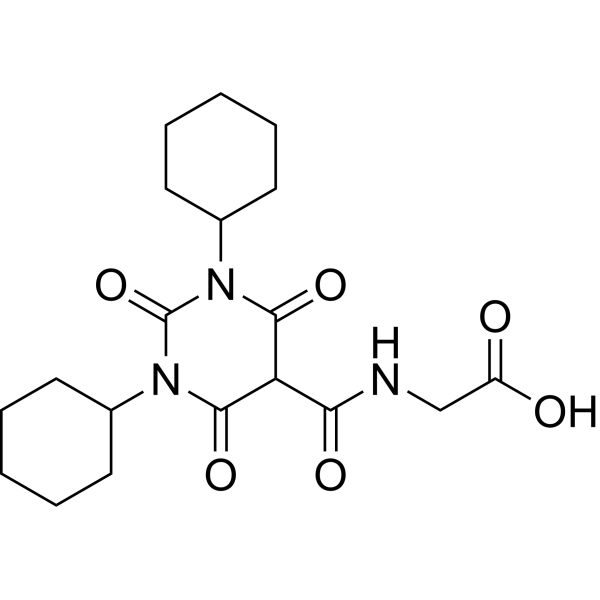
    Daprodustat (GSK1278863) is an orally active hypoxia-inducible factor prolyl hydroxylase (HIF-PH) inhibitor being developed for the treatment of anemia associated with chronic kidney disease.
    Daprodustat
  • HY-128757
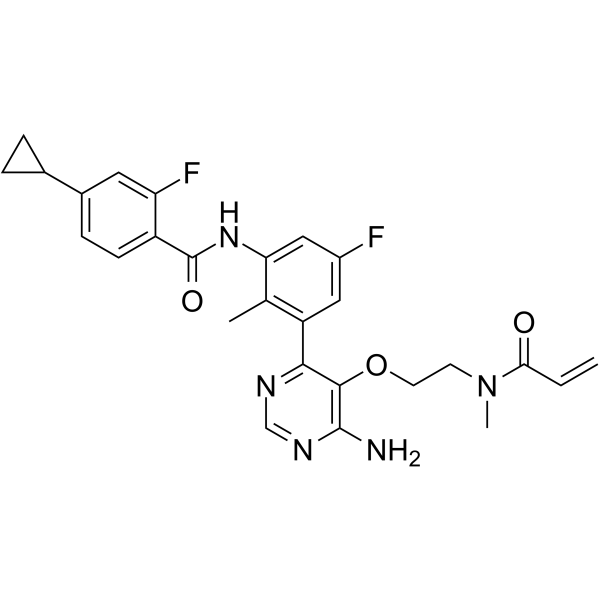
    Remibrutinib
    5 Publications Verification

    LOU064

    Btk Inflammation/Immunology Cancer
    Remibrutinib, is a potent and orally active bruton tyrosine kinase (BTK) inhibitor with an IC50 value of 1 nM. Remibrutinib inhibits BTK activity with an IC50 value of 0.023 μM in blood . Remibrutinib has the potential for Chronic urticaria (CU) treatment .
    Remibrutinib
  • HY-17584
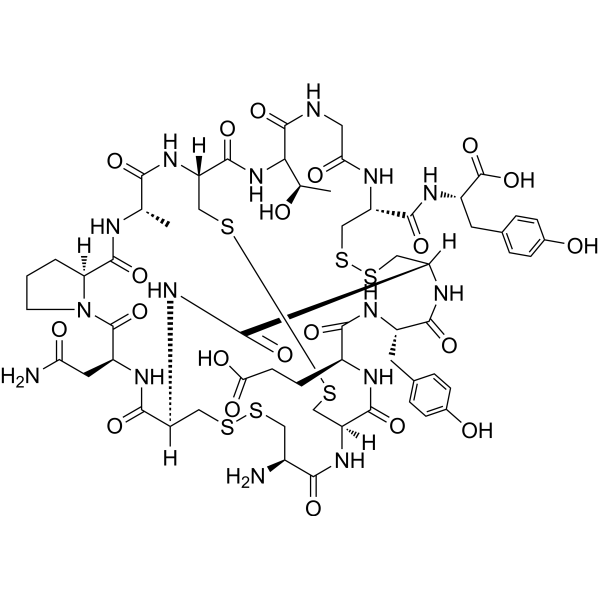
    Linaclotide
    2 Publications Verification

    Guanylate Cyclase Cancer
    Linaclotide is a potent and selective guanylate cyclase C agonist; developed for the treatment of constipation-predominant irritable bowel syndrome (IBS-C) and chronic constipation.
    Linaclotide
  • HY-66011A
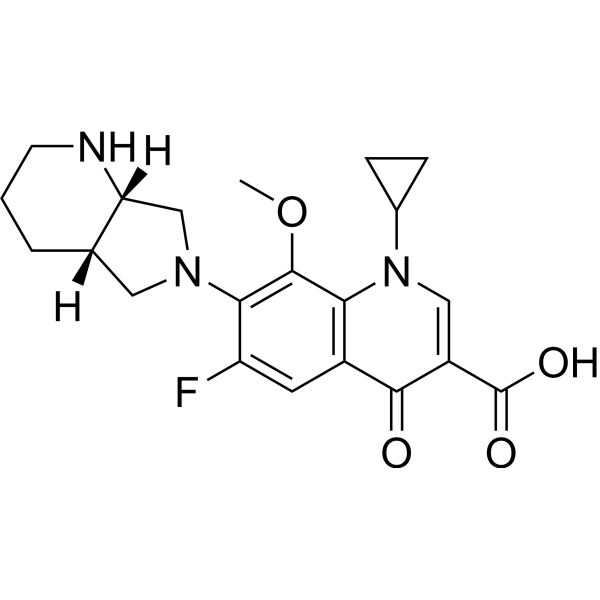
    Moxifloxacin
    20+ Cited Publications

    BAY 12-8039 free base

    Bacterial Antibiotic Infection Cancer
    Moxifloxacin is an orally active 8-methoxyquinolone antimicrobial for use in the treatment of acute bacterial sinusitis, acute bacterial exacerbations of chronic bronchitis, and community-acquired pneumonia .
    Moxifloxacin
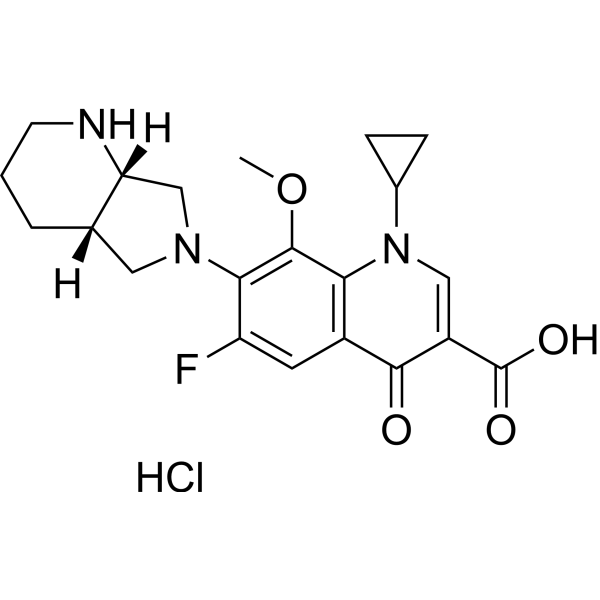
  • HY-66011
    Moxifloxacin Hydrochloride
    20+ Cited Publications

    BAY 12-8039

    Bacterial Antibiotic Infection Cancer
    Moxifloxacin Hydrochloride (BAY 12-8039) is an oral 8-methoxyquinolone antimicrobial for use in the treatment of acute bacterial sinusitis, acute bacterial exacerbations of chronic bronchitis, and community-acquired pneumonia .
    Moxifloxacin Hydrochloride
  • HY-19883
    Lusutrombopag
    3 Publications Verification

    S-888711

    Thrombopoietin Receptor Inflammation/Immunology
    Lusutrombopag is an orally bioavailable thrombopoietin (TPO) receptor agonist, used for treatment of chronic liver disease.
    Lusutrombopag
  • HY-N0794
    Proanthocyanidins
    4 Publications Verification

    Bacterial Fungal Infection Cardiovascular Disease Inflammation/Immunology Cancer
    Proanthocyanidin (Procyanidin) are a class of polyphenolic that are widely distributed in higher plants, consisted of an electrophilic flavanyl unit. Proanthocyanidin can be used as antioxidant and anti-cancers agent. Proanthocyanidin also exhibit anti-inflammatory, cardioprotective, antibacterial and antifungal properties, which can be used in the treatment of chronic venous insufficiency, capillary fragility, sunburn and retinopathy. .
    Proanthocyanidins
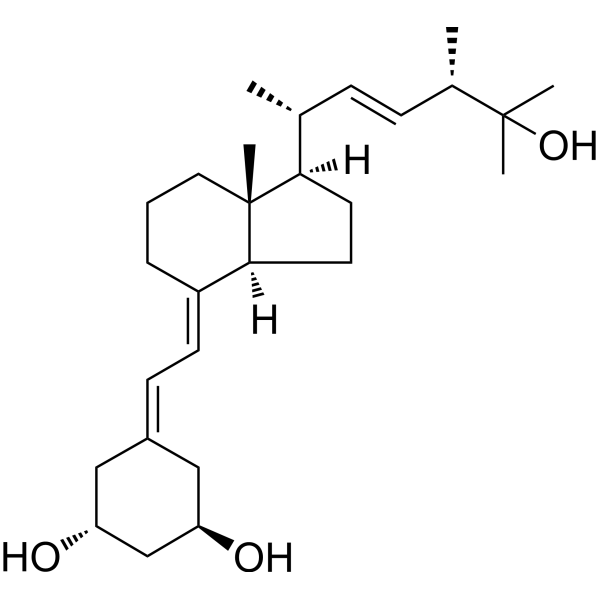
  • HY-50919
    Paricalcitol
    10+ Cited Publications

    VD/VDR Metabolic Disease Cancer
    Paricalcitol, a vitamin D analogue, is a vitamin D receptor agonist, used for the prevention and treatment of secondary hyperparathyroidism (excessive secretion of parathyroid hormone) associated with chronic renal failure.
    Paricalcitol
  • HY-101277
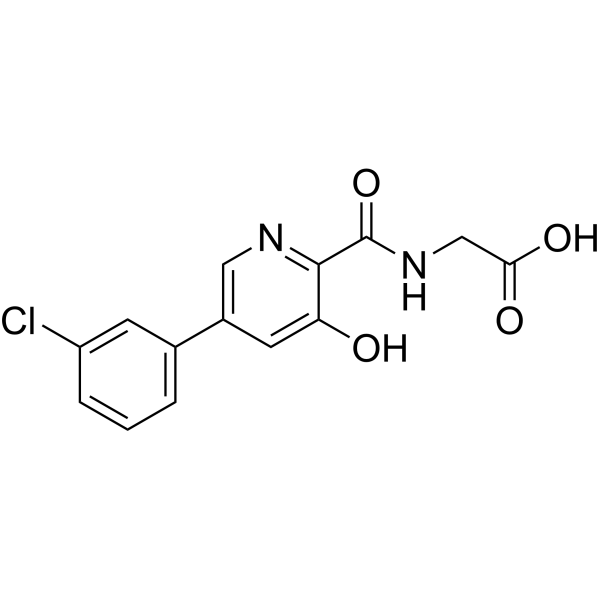
    Vadadustat
    5+ Cited Publications

    PG-1016548; AKB-6548

    HIF/HIF Prolyl-Hydroxylase Cardiovascular Disease
    Vadadustat (PG-1016548) is a titratable, oral hypoxia-inducible factor prolyl hydroxylase (HIF-PH) inhibitor . Vadadustat is an erythropoiesis-stimulating agent and has the potential for anemia treatment in chronic kidney disease in vivo .
    Vadadustat
  • HY-A0154

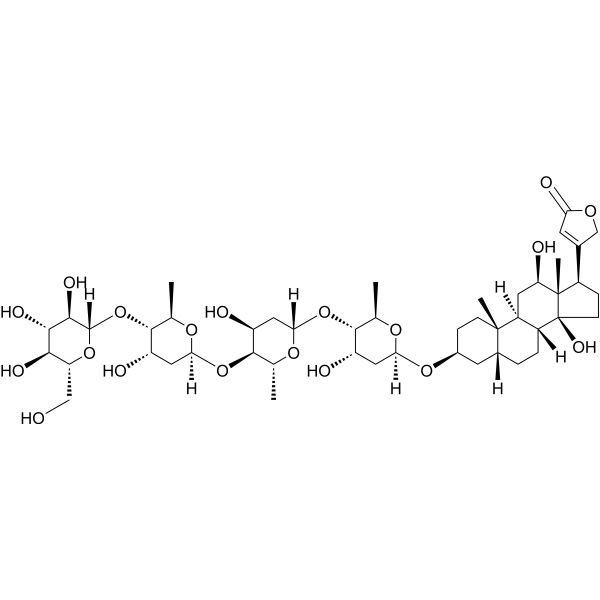
    Deacetyllanatoside C; Desacetyllanatoside C

    Na+/K+ ATPase Drug Metabolite Cardiovascular Disease
    Deslanoside (Desacetyllanatoside C) is a rapidly acting cardiac glycoside used to treat congestive heart failure and supraventricular arrhythmias due to reentry mechanisms, and to control ventricular rate in the treatment of chronic atrial fibrillation. Deslanoside inhibits the Na-K-ATPase membrane pump, resulting in an increase in intracellular sodium and calcium concentrations .
    Deslanoside
  • HY-B0382
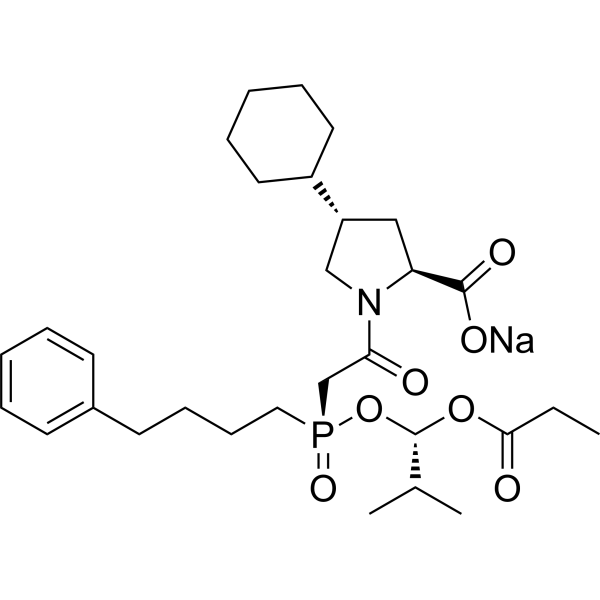
    Fosinopril sodium
    3 Publications Verification

    SQ28555

    Angiotensin-converting Enzyme (ACE) Apoptosis Cardiovascular Disease
    Fosinopril Sodium is the ester prodrug of an angiotensin-converting enzyme (ACE) inhibitor, used for the treatment of hypertension and some types of chronic heart failure.
    Fosinopril sodium
  • HY-N2388

    MMP PPAR Bacterial Cardiovascular Disease Neurological Disease Inflammation/Immunology Cancer
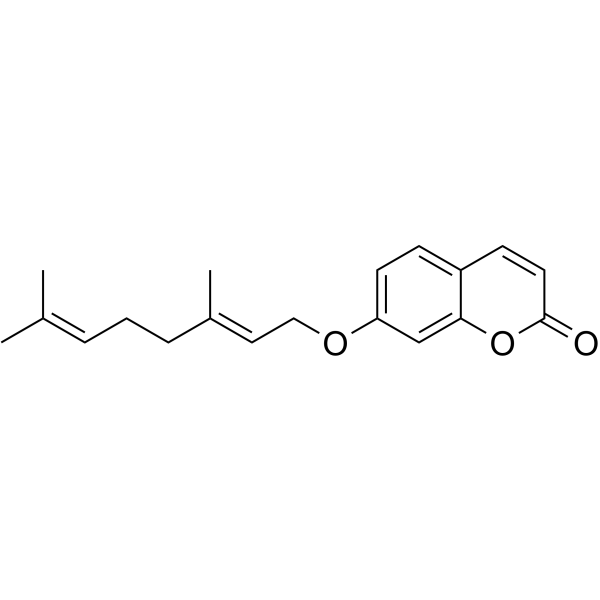
    Auraptene is an orally active geranyloxycoumarin that can be isolated from plants in the Brassicaceae family, antibacterial, anti-pathogen, antioxidant, anti-tumor, and neuroprotective effects. Auraptene plays an important role in the treatment of various chronic diseases such as hypertension and cystic fibrosis .
    Auraptene
  • HY-90003
    Tianeptine
    1 Publications Verification

    Opioid Receptor iGluR MMP PI3K Akt NF-κB Neurological Disease Inflammation/Immunology
    Tianeptine is an atypical antidepressant. Tianeptine is a moderate-intensity agonist of the μ-opioid receptor (MOR), and to a lesser extent, is an agonist of the δ-opioid receptor (DOR). Tianeptine is a glutamate modulator that can enhance AMPA receptor and antagonize NMDA receptor. tianeptine increases sensitivity of the α1 adrenergic receptor, which only manifests in chronic treatment. Tianeptine exerts neuroprotective effects under stress/inflammation-induced conditions, exhibiting anti-inflammatory and antioxidant properties. Tianeptine inhibits MMP-9 by suppressing the PI3K/Akt-mediated NF-κB pathway. Tianeptine can be used to alleviate symptoms of depression and anxiety, but does not cause sedative effects .
    Tianeptine
  • HY-D1738
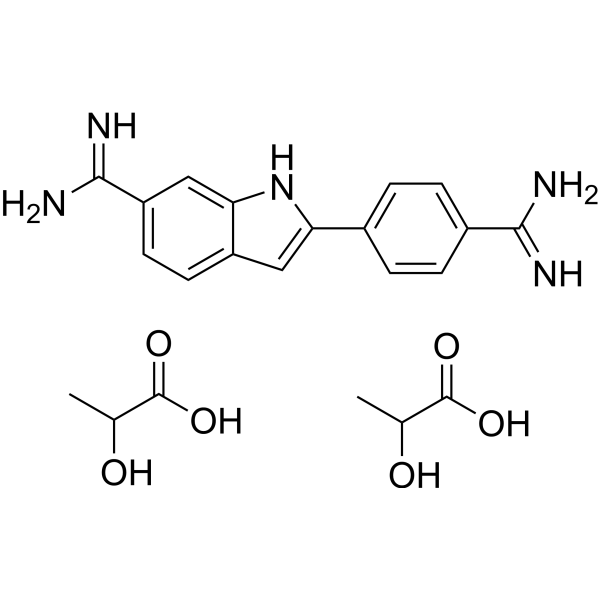
    DAPI dilactate
    110+ Cited Publications

    4',6-Diamidino-2-phenylindole dilactate

    Fluorescent Dye Others
    DAPI (4',6-Diamidino-2-phenylindole) dilactate is a DAPI dye. DAPI is a fluorescent dye that binds strongly to DNA. It binds to the AT base pair of the double-stranded DNA minor groove, and one DAPI molecule can occupy three base pair positions. The fluorescence intensity of DAPI molecules bound to double-stranded DNA is increased by about 20 times, and it is commonly observed with fluorescence microscopy, and the amount of DNA can be determined based on the intensity of fluorescence. DAPI cannot penetrate intact cell membranes and is commonly used for staining both live and fixed cells . DAPI (Compound 3) is an acid-sensing ion channel 3 (ASIC3) inhibitor. DAPI binds to ASIC3 and blocks the channel function. DAPI can be used in the study of chronic pain treatment (Ex/Em = 356/451 nm) .
    DAPI dilactate
  • HY-14777

    RGH-896

    iGluR Neurological Disease
    Radiprodil (RGH-896) is an orally active and selective NMDA NR2B antagonist. A potential therapeutic agent in treatment of neuropathic pain and possibly other chronic pain conditions .
    Radiprodil
  • HY-100867A

    TAK-659 monohydrochloride; CB-659 monohydrochloride

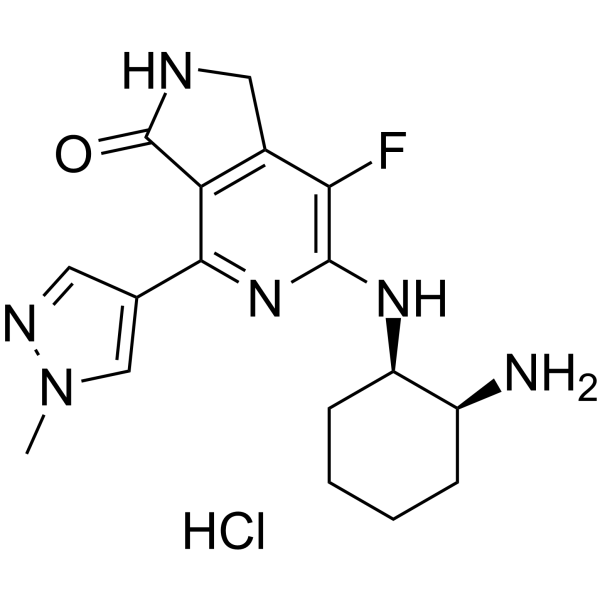
    Syk FLT3 Cancer
    TAK-659 hydrochloride is a highly potent, selective, reversible and orally available dual inhibitor of spleen tyrosine kinase (SYK) and fms related tyrosine kinase 3 (FLT3), with an IC50 of 3.2 nM and 4.6 nM for SYK and FLT3, respectively. TAK-659 hydrochloride induces cell death in tumor cells but not in nontumor cells, and with potential for the treatment of chronic lymphocytic leukemia (CLL) .
    Mivavotinib monohydrochloride
  • HY-B0240R

    Tetraethylthiuram disulfide (Standard); TETD (Standard)

    Reference Standards Aldehyde Dehydrogenase (ALDH) Interleukin Related Pyroptosis Apoptosis Cuproptosis Metabolic Disease Cancer
    Disulfiram (Standard) is the analytical standard of Disulfiram. This product is intended for research and analytical applications. Disulfiram (Tetraethylthiuram disulfide) is a specific inhibitor of aldehyde-dehydrogenase (ALDH1), used for the treatment of chronic alcoholism by producing an acute sensitivity to alcohol. Disulfiram inhibits gasdermin D (GSDMD) pore formation in liposomes and inflammasome-mediated pyroptosis and IL-1β secretion in human and mouse cells. Disulfiram + Cu 2+ increases intracellular ROS levels triggering apoptosis of ovarian cancer stem cells [1-6].
    Disulfiram (Standard)
  • HY-U00103

    Drug Derivative Inflammation/Immunology
    Triamcinolone hexacetonide is a commonly used long-acting steroids in treatment of subacute and chronic inflammatory joint diseases.
    Triamcinolone hexacetonide
  • HY-W035091
    Tetrachloroauric acid
    1 Publications Verification

    Biochemical Assay Reagents Cardiovascular Disease Neurological Disease
    Tetrachloroauric acid is an Au (III) compound and bilayer disruptor that can be used to damage red blood cells. Tetrachloroauric acid specifically disrupts the bilayer structure of representative phospholipids (dimyristoylphosphatidylcholine and dimyristoylphosphatidylethanolamine) in human red blood cell membranes, and induces morphological changes in intact human red blood cells. Tetrachloroauric acid causes downregulation of MT I-II and GFAP expression in the mouse brain following chronic treatment. Tetrachloroauric acid is being used in studies related to neurotoxicity and hematotoxicity, including analyses of human red blood cells and molecular models of red blood cell membranes, as well as immunohistochemical evaluation of the mouse brain .
    Tetrachloroauric acid
  • HY-D2868
    DAPI
    130+ Cited Publications

    4',6-Diamidino-2-phenylindole

    DNA Stain Sodium Channel Neurological Disease
    DAPI (4',6-Diamidino-2-phenylindole) is a DAPI dye. DAPI is a fluorescent dye that binds strongly to DNA. It binds to the AT base pair of the double-stranded DNA minor groove, and one DAPI molecule can occupy three base pair positions. The fluorescence intensity of DAPI molecules bound to double-stranded DNA is increased by about 20 times, and it is commonly observed with fluorescence microscopy, and the amount of DNA can be determined based on the intensity of fluorescence. In addition, because DAPI can pass through intact cell membranes, it can be used to stain both live and fixed cells . DAPI (Compound 3) is an acid-sensing ion channel 3 (ASIC3) inhibitor. DAPI binds to ASIC3 and blocks the channel function. DAPI can be used in the study of chronic pain treatment (Ex/Em = 356/451 nm).
    DAPI
  • HY-B2078A

    Neurokinin Receptor Inflammation/Immunology
    Eprazinone dihydrochloride is a gent with mucolytic, secretolytic, antitussive, and bronchial antispasmodic properties. Eprazinone dihydrochloride is a neurokinin 1 receptor (NK1R) ligand. Eprazinone dihydrochloride has the potential for chronic bronchitis treatment that improved pulmonary function and arterial partial pressure of oxygen .
    Eprazinone dihydrochloride
  • HY-90003A
    Tianeptine sodium salt
    1 Publications Verification

    Opioid Receptor iGluR MMP PI3K Akt NF-κB Neurological Disease Inflammation/Immunology
    Tianeptine sodium salt is an atypical antidepressant. Tianeptine sodium salt is a moderate-intensity agonist of the μ-opioid receptor (MOR), and to a lesser extent, is an agonist of the δ-opioid receptor (DOR). Tianeptine sodium salt is a glutamate modulator that can enhance AMPA receptor and antagonize NMDA receptor. Tianeptine sodium salt increases sensitivity of the α1 adrenergic receptor, which only manifests in chronic treatment. Tianeptine sodium salt exerts neuroprotective effects under stress/inflammation-induced conditions, exhibiting anti-inflammatory and antioxidant properties. Tianeptine sodium salt inhibits MMP-9 by suppressing the PI3K/Akt-mediated NF-κB pathway. Tianeptine sodium salt can be used to alleviate symptoms of depression and anxiety, but does not cause sedative effects .
    Tianeptine sodium salt
  • HY-76585

    VD/VDR Metabolic Disease
    Paricalcitol-d6 is the deuterium labeled Paricalcitol. Paricalcitol is a agent used for the prevention and treatment of secondary hyperparathyroidism (excessive secretion of parathyroid hormone) associated with chronic renal failure .
    Paricalcitol-d6
  • HY-14190

    R-411 free base

    Integrin Inflammation/Immunology
    Valategrast (R-411 free base) is a potent and orally active integrin α4β1 (VLA-4) and α4β7 dual antagonist. Valategrast has the potential for Chronic obstructive pulmonary disease (COPD) and asthma treatment .
    Valategrast
  • HY-122347A

    GW823296 maleate

    Neurokinin Receptor Neurological Disease Inflammation/Immunology
    Orvepitant maleate (GW823296 maleate) is potent, selective, orally active and well-tolerated neurokinin-1 receptor (NK-1) antagonist with a pKi of 10.2 for human neurokinin-1 receptor. Orvepitant maleate can across the blood-brain barrier. Orvepitant maleate has the potential for depressive disorder and chronic refractory cough (CRC) treatment .
    Orvepitant maleate
  • HY-18862

    p38 MAPK Inflammation/Immunology
    PF-03715455 is a potent inhaled p38 MAPK inhibitor. PF-03715455 shows some selectivity for p38α over p38β with respective IC50 values of 0.88 and 23 nM. PF-03715455 potently inhibits LPS-induced TNFα production in human whole blood (IC50=1.7 nM). PF-03715455 has potential for the treatment of COPD (chronic obstructive pulmonary disease) .
    PF-03715455
  • HY-17584A
    Linaclotide acetate
    2 Publications Verification

    Guanylate Cyclase Cancer
    Linaclotide acetate is a potent and selective guanylate cyclase C agonist; developed for the treatment of constipation-predominant irritable bowel syndrome (IBS-C) and chronic constipation.
    Linaclotide acetate
  • HY-66011AS

    BAY 12-8039-d4 free base

    Isotope-Labeled Compounds Bacterial Antibiotic Infection
    Moxifloxacin-d4 is the deuterium labeled Moxifloxacin. Moxifloxacin is an orally active 8-methoxyquinolone antimicrobial for use in the treatment of acute bacterial sinusitis, acute bacterial exacerbations of chronic bronchitis, and community-acquired pneumonia .
    Moxifloxacin-d4
  • HY-66011AR

    BAY 12-8039 free base (Standard)

    Reference Standards Bacterial Antibiotic Infection Cancer
    Moxifloxacin (Standard) is the analytical standard of Moxifloxacin. This product is intended for research and analytical applications. Moxifloxacin is an orally active 8-methoxyquinolone antimicrobial for use in the treatment of acute bacterial sinusitis, acute bacterial exacerbations of chronic bronchitis, and community-acquired pneumonia .
    Moxifloxacin (Standard)
  • HY-121513

    2'-Deoxy-L-cytidine; L-dC

    HBV Infection
    Torcitabine (2'-Deoxy-L-cytidine) is an antiviral agent. Torcitabine has the potential for chronic hepatitis B virus infection treatment .
    Torcitabine
  • HY-66011AS4

    BAY 12-8039-13C,d3

    Isotope-Labeled Compounds Cancer
    Moxifloxacin- 13C,d3 hydrochloride (BAY 12-8039- 13C,d3) is 13C and deuterated labeled Moxifloxacin (HY-66011A). Moxifloxacin is an orally active 8-methoxyquinolone antimicrobial for use in the treatment of acute bacterial sinusitis, acute bacterial exacerbations of chronic bronchitis, and community-acquired pneumonia.
    Moxifloxacin-13C,d3 hydrochloride
  • HY-100867

    TAK-659; CB-659

    Syk FLT3 Cancer
    TAK-659 is a highly potent, selective, reversible and orally available dual inhibitor of spleen tyrosine kinase (SYK) and fms related tyrosine kinase 3 (FLT3), with an IC50 of 3.2 nM and 4.6 nM for SYK and FLT3, respectively. TAK-659 induces cell death in tumor cells but not in nontumor cells, and with potential for the treatment of chronic lymphocytic leukemia (CLL) .
    Mivavotinib
  • HY-66011AS2

    BAY 12-8039-d3

    Bacterial Antibiotic Infection Cancer
    Moxifloxacin-d3 (hydrochloride) is the deuterium labeled Moxifloxacin hydrochloride. Moxifloxacin hydrochloride is an orally active 8-methoxyquinolone antimicrobial for use in the treatment of acute bacterial sinusitis, acute bacterial exacerbations of chronic bronchitis, and community-acquired pneumonia .
    Moxifloxacin-d3 hydrochloride
  • HY-66011B

    (Rac)-BAY 12-8039 free base

    Bacterial Antibiotic Infection
    (Rac)-Moxifloxacin ((Rac)-BAY 12-8039 free base) is the isoform of Moxifloxacin Hydrochloride (HY-66011), which is an oral 8-methoxyquinolone antimicrobial for use in the treatment of acute bacterial sinusitis, acute bacterial exacerbations of chronic bronchitis, and community-acquired pneumonia .
    (Rac)-Moxifloxacin
  • HY-126291

    Sodium Channel Neurological Disease
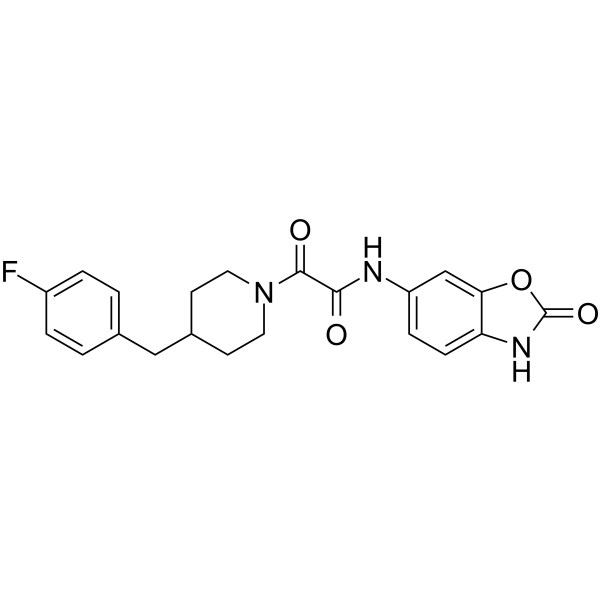
    GNE-616 is a highly potent, metabolically stable, orally bioavailable, and subtype selective Nav1.7 inhibitor (Ki of 0.79 nM and Kd of 0.38 nM for hNav1.7) for the treatment of chronic pain. GNE-616 shows >1000 nM Kd and >2500-fold selectivity over hNav1.1, hNav1.3, hNav1.4, and hNav1.5. Selectivity over hNav1.2 and hNav1.6 is more modest at 31- and 73-fold, respectively .
    GNE-616
  • HY-I0726

    HCV Drug Isomer Infection
    Enantiomer of Sofosbuvir is an enantiomer of Sofosbuvir, a prescription medicine for the treatment of patients with chronic hepatitis C. There is no biological activity report on enantiomer of Sofosbuvir until now.
    Enantiomer of Sofosbuvir
  • HY-17477

    Prostaglandin Receptor Inflammation/Immunology
    Guacetisal is obtained from the esterification of acetylsalicylic acid with guaiacol which has the potential for chronic bronchitis treatment extracted from patent CN 106866420 A.
    Guacetisal
  • HY-106235

    HBV DNA/RNA Synthesis Infection
    LB80317 is an active metabolite of LB80380 and suppresses the DNA synthesis of HBV with an EC50 of 0.5 μM. LB80317 has antiviral effect and has the potential for chronic hepatitis B treatment .
    LB80317
  • HY-17584R

    Reference Standards Guanylate Cyclase Cancer
    Linaclotide (Standard) is the analytical standard of Linaclotide. This product is intended for research and analytical applications. Linaclotide is a potent and selective guanylate cyclase C agonist; developed for the treatment of constipation-predominant irritable bowel syndrome (IBS-C) and chronic constipation.
    Linaclotide (Standard)
  • HY-17608R

    GSK1278863 (Standard)

    Reference Standards HIF/HIF Prolyl-Hydroxylase Cardiovascular Disease
    Daprodustat (Standard) is the analytical standard of Daprodustat. This product is intended for research and analytical applications. Daprodustat (GSK1278863) is an orally active hypoxia-inducible factor prolyl hydroxylase (HIF-PH) inhibitor being developed for the treatment of anemia associated with chronic kidney disease.
    Daprodustat (Standard)
  • HY-19447A

    LB80380 maleate

    HBV Infection
    Besifovir Dipivoxil maleate (LB80380 maleate) is an oral proagent of LB80317. Besifovir Dipivoxil maleate (LB80380 maleate) is effective in hepatitis B virus (HBV) DNA suppression for both treatment-naive and lamivudine-resistant chronic hepatitis B (CHB) patients in preliminary studies [2]
    Besifovir Dipivoxil maleate
  • HY-66011R

    BAY 12-8039 (Standard)

    Reference Standards Bacterial Antibiotic Infection Cancer
    Moxifloxacin (Hydrochloride) (Standard) is the analytical standard of Moxifloxacin (Hydrochloride). This product is intended for research and analytical applications. Moxifloxacin Hydrochloride (BAY 12-8039) is an oral 8-methoxyquinolone antimicrobial for use in the treatment of acute bacterial sinusitis, acute bacterial exacerbations of chronic bronchitis, and community-acquired pneumonia .
    Moxifloxacin Hydrochloride (Standard)
  • HY-19672

    BAY 19-8004

    Phosphodiesterase (PDE) Inflammation/Immunology
    Lirimilast (BAY 19-8004) is a potent, selective and orally active phosphodiesterase-4 (PDE4) inhibitor with an IC50 value of 49 nM. Lirimilast can be used for the treatment of asthma or chronic obstructive pulmonary disease (COPD). Lirimilast has potently anti-inflammatory properties .
    Lirimilast
  • HY-101277S1

    PG-1016548-13C6; AKB-6548-13C6

    Isotope-Labeled Compounds HIF/HIF Prolyl-Hydroxylase Cardiovascular Disease
    Vadadustat- 13C6 (PG-1016548- 13C6) is 13C labeled Vadadustat. Vadadustat (PG-1016548) is a titratable, oral hypoxia-inducible factor prolyl hydroxylase (HIF-PH) inhibitor . Vadadustat is an erythropoiesis-stimulating agent and has the potential for anemia treatment in chronic kidney disease in vivo .
    Vadadustat-13C6
  • HY-N4145

    Cinnamtannin A3; Cinnamtannin II

    Drug Derivative Bacterial Fungal Infection Cardiovascular Disease Inflammation/Immunology Cancer
    Procyanidin A3 (Cinnamtannin A3; Cinnamtannin II) is a sub class of Proanthocyanidins (HY-N0794). Proanthocyanidin are a class of polyphenolic that are widely distributed in higher plants, consisted of an electrophilic flavanyl unit. Proanthocyanidin can be used as antioxidant and anti-cancer agent. Proanthocyanidin also exhibit anti-inflammatory, cardioprotective, antibacterial and antifungal properties, which can be used in the treatment of chronic venous insufficiency, capillary fragility, sunburn and retinopathy .
    Procyanidin A3
  • HY-E70634

    Bcr-Abl Cancer
    The emergence of mutations in the BCR::ABL1 kinase domain (KD) impairs Imatinib Mesylate (HY-50946) binding capacity, thus contributing to Imatinib Mesylate resistance. Identification of these mutations is important for treatment decisions and precision medicine in chronic myeloid leukaemia (CML). ABL1 E255K Recombinant Human Active Protein Kinase is a recombinant ABL1 E255K protein that can be used to study ABL1 E255K-related functions .
    ABL1 E255K Recombinant Human Active Protein Kinase
  • HY-90003S

    Isotope-Labeled Compounds Opioid Receptor iGluR MMP PI3K Akt NF-κB Neurological Disease Inflammation/Immunology
    Tianeptine-d12 is a deuterated analog of Tianeptine (HY-90003).Tianeptine is an atypical antidepressant. Tianeptine is a moderate-intensity agonist of the μ-opioid receptor (MOR), and to a lesser extent, is an agonist of the δ-opioid receptor (DOR). Tianeptine is a glutamate modulator that can enhance AMPA receptor and antagonize NMDA receptor. Tianeptine increases sensitivity of the α1 adrenergic receptor, which only manifests in chronic treatment. Tianeptine exerts neuroprotective effects under stress/inflammation-induced conditions, exhibiting anti-inflammatory and antioxidant properties. Tianeptine inhibits MMP-9 by suppressing the PI3K/Akt-mediated NF-κB pathway. Tianeptine can be used to alleviate symptoms of depression and anxiety, but does not cause sedative effects.
    Tianeptine-d12
  • HY-90003AR

    Reference Standards Opioid Receptor iGluR MMP PI3K Akt NF-κB Neurological Disease Inflammation/Immunology
    Tianeptine sodium salt (Standard) is the analytical standard of Tianeptine sodium salt (HY-90003A). This product is intended for research and analytical applications. Tianeptine sodium salt is an atypical antidepressant. Tianeptine sodium salt is a moderate-intensity agonist of the μ-opioid receptor (MOR), and to a lesser extent, is an agonist of the δ-opioid receptor (DOR). Tianeptine sodium salt is a glutamate modulator that can enhance AMPA receptor and antagonize NMDA receptor. Tianeptine sodium salt increases sensitivity of the α1 adrenergic receptor, which only manifests in chronic treatment. Tianeptine sodium salt exerts neuroprotective effects under stress/inflammation-induced conditions, exhibiting anti-inflammatory and antioxidant properties. Tianeptine sodium salt inhibits MMP-9 by suppressing the PI3K/Akt-mediated NF-κB pathway. Tianeptine sodium salt can be used to alleviate symptoms of depression and anxiety, but does not cause sedative effects.
    Tianeptine sodium salt (Standard)

Inquiry Online

Your information is safe with us. * Required Fields.

Salutation


Country or Region *

Applicant Name *


Organization Name *

Department *


Email Address *


Product Name *

Cat. No.


Requested quantity *

Phone Number *


Remarks

Inquiry Online

Inquiry Information

Product Name:
Cat. No.:
Quantity:
MCE Japan Authorized Agent:

