Search Result
Results for "
D-Ribose
" in MedChemExpress (MCE) Product Catalog:
6
Biochemical Assay Reagents
29
Isotope-Labeled Compounds
| Cat. No. |
Product Name |
Target |
Research Areas |
Chemical Structure |
-
- HY-W009371
-
|
|
DNA/RNA Synthesis
Endogenous Metabolite
|
Metabolic Disease
|
|
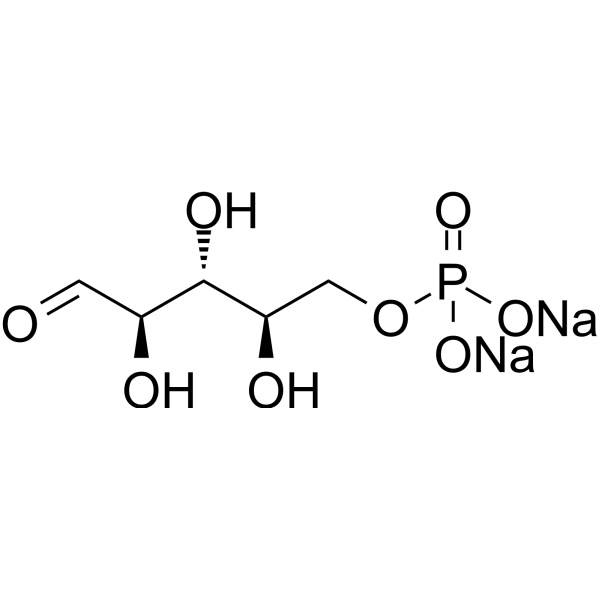
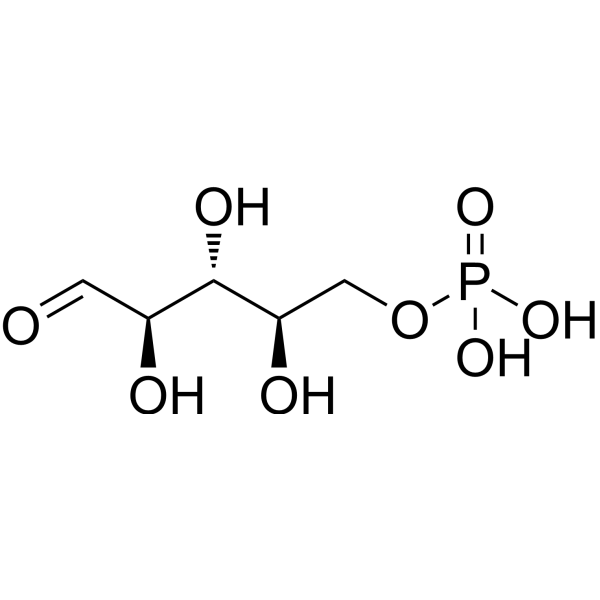
D-Ribose 5-phosphate disodium is an intermediate of the oxidative branch of the pentose phosphate pathway (PPP) and an end product of the nonoxidative branch of the PPP. D-Ribose 5-phosphate disodium is used in the synthesis of nucleotides and nucleic acids .
|
-
-
- HY-W018772
-
|
|
Endogenous Metabolite
|
Inflammation/Immunology
Cancer
|
|
D-Ribose(mixture of isomers) is an energy enhancer, and acts as a sugar moiety of ATP, and widely used as a metabolic therapy supplement for chronic fatigue syndrome or cardiac energy metabolism. D-Ribose(mixture of isomers) is active in protein glycation, induces NF-κB inflammation in a RAGE-dependent manner .
|
-
-
- HY-W009371C
-
|
|
Endogenous Metabolite
|
Metabolic Disease
|
|
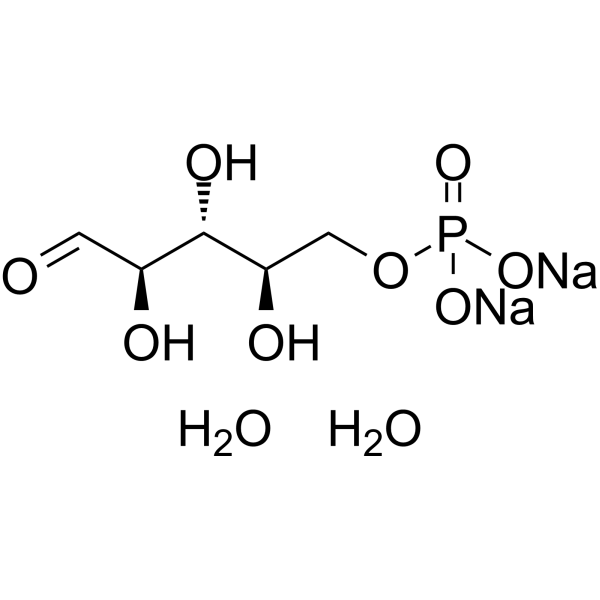
D-Ribose 5-phosphate disodium dihydrate is an intermediate of the oxidative branch of the pentose phosphate pathway (PPP) and an end product of the nonoxidative branch of the PPP. D-Ribose 5-phosphate is used in the synthesis of nucleotides and nucleic acids .
|
-
-
- HY-N0059
-
|
|
Parasite
Bacterial
AMPK
PPAR
|
Infection
Neurological Disease
Metabolic Disease
|
|
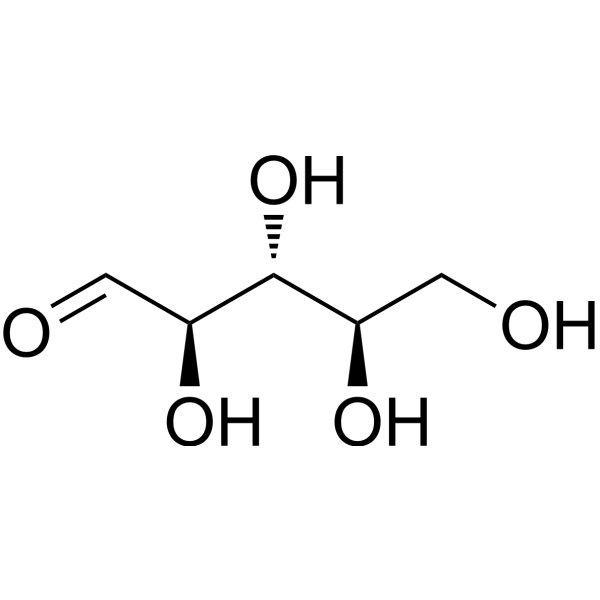
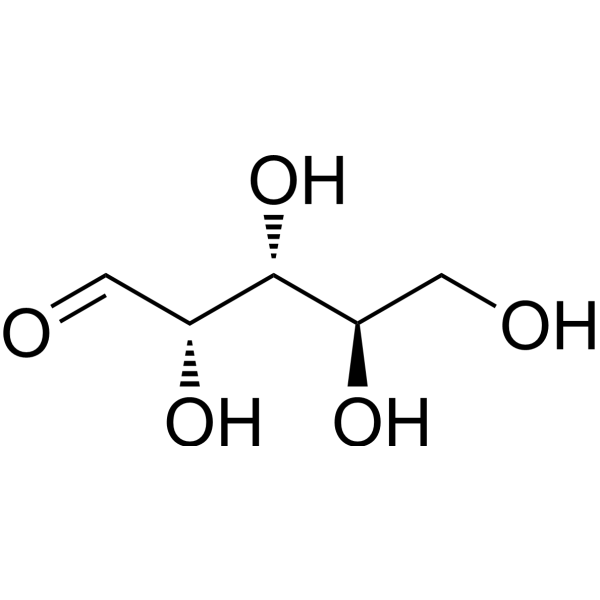
D-Arabinose is is an orally active antidepressant and a growth inhibitor of C. elegans (IC50 is 7.5 mM). D-Arabinose can penetrate the blood-brain barrier, selectively interfere with the metabolism of D-ribose and D-fructose, and inhibit the growth of nematodes. D-Arabinose can also inhibit the synthesis of cell biofilm and exert antibacterial activity. D-Arabinose activates the ACSS2-PPARγ/TFEB-CRTC1 axis through the lysosomal AXIN-LKB1-AMPK pathway, inducing CRTC1 transcription, exerts antidepressant-like activity. D-Arabinose is the ring-opened form of the aldopentose D-?Arabinose (HY-N7082) .
|
-
-
- HY-W009371A
-
|
|
Endogenous Metabolite
|
Metabolic Disease
|
|
D-Ribose 5-phosphate is an intermediate of the oxidative branch of the pentose phosphate pathway (PPP) and an end product of the nonoxidative branch of the PPP. D-Ribose 5-phosphate is used in the synthesis of nucleotides and nucleic acids .
|
-
-
- HY-12903
-
|
PBTZ169
|
Bacterial
Antibiotic
|
Infection
|
|
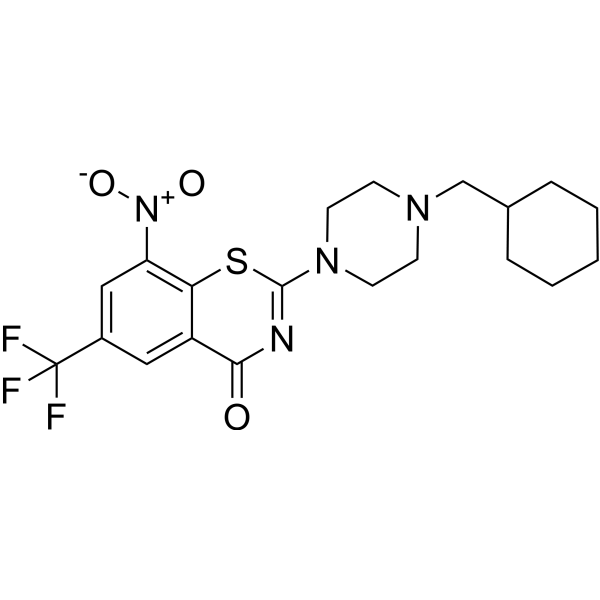
Macozinone (PBTZ169) is a bactericidal benzothiazinone and a potent DprE1 (decaprenylphosphoryl-β-d-ribose 2′-oxidase) inhibitor. Macozinone inhibits the essential flavoprotein DprE1 by forming a covalent bond with the active-site Cys387 residue. Macozinone has antituberculosis effect .
|
-
-
- HY-100582
-
Ribitol
3 Publications Verification
Adonitol; Adonite
|
Endogenous Metabolite
|
Others
|
|
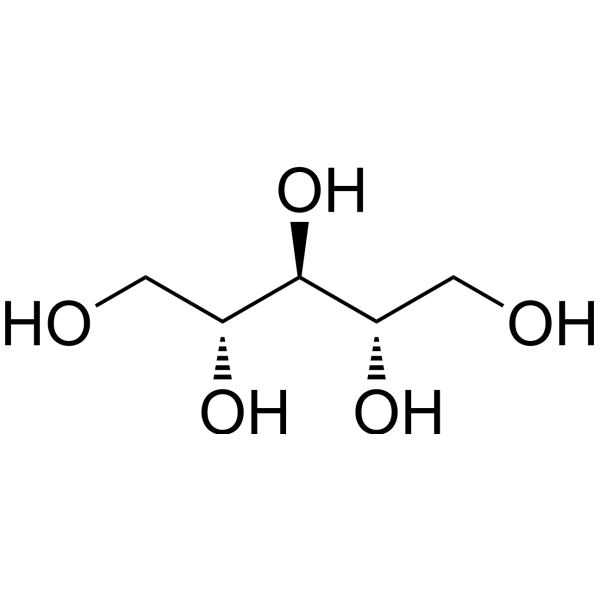
Ribitol is a crystalline pentose alcohol formed by the reduction of ribose. Enhancing the flux of D-glucose to the pentose phosphate pathway in Saccharomyces cerevisiae for the production of D-ribose and ribitol.
|
-
-
- HY-114327
-
-
-
- HY-N7082
-
|
|
Parasite
Bacterial
AMPK
PPAR
|
Infection
Neurological Disease
Metabolic Disease
|
|
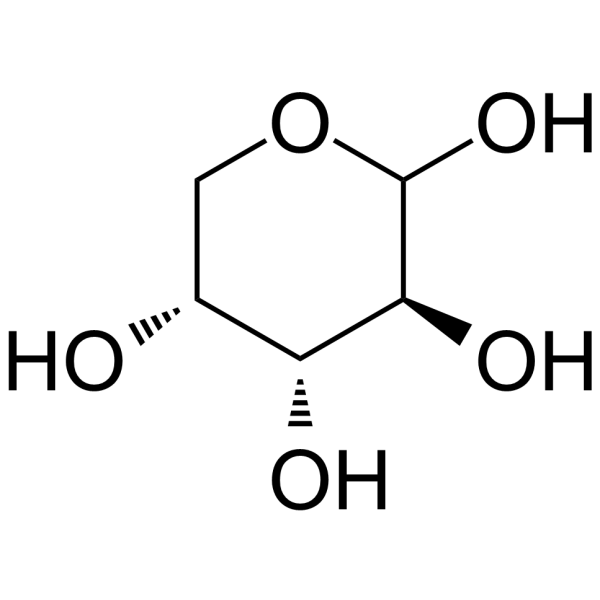
D-Arabinopyranose is a rare aldehyde pentose, and its ring-opened form is D-arabinose (HY-N0059). D-arabinose is is an orally active antidepressant and a growth inhibitor of C. elegans (IC50 is 7.5 mM). D-arabinose can penetrate the blood-brain barrier, selectively interfere with the metabolism of D-ribose and D-fructose, and inhibit the growth of nematodes. D-arabinose can also inhibit the synthesis of cell biofilm and exert antibacterial activity. D-arabinose activates the ACSS2-PPARγ/TFEB-CRTC1 axis through the lysosomal AXIN-LKB1-AMPK pathway, inducing CRTC1 transcription, exerts antidepressant-like activity. D-arabinose is the ring-opened form of the aldopentose D-?Arabinose (HY-N7082) .
|
-
-
- HY-19750
-
|
|
Bacterial
|
Infection
|
|
TBA-7371 is an orally active and non-covalent inhibitor of Decaprenylphosphoryl-β-D-ribose oxidase (DprE1) of Mycobacterium tuberculosis (MIC=0.64 μg/mL). TBA-7371 can block the synthesis of arabinose in the bacterial cell wall, resulting in cell wall structural defects, thereby exerting an anti-tuberculosis effect. TBA-7371 can be used in the research of anti-tuberculosis drugs and has a synergistic bactericidal effect with Bedaquiline (HY-14881) and other drugs .
|
-
-
- HY-100582R
-
|
Adonitol (Standard); Adonite (Standard)
|
Reference Standards
Endogenous Metabolite
|
Others
|
|
Ribitol (Standard) is the analytical standard of Ribitol. This product is intended for research and analytical applications. Ribitol is a crystalline pentose alcohol formed by the reduction of ribose. Enhancing the flux of D-glucose to the pentose phosphate pathway in Saccharomyces cerevisiae for the production of D-ribose and ribitol.
|
-
-
- HY-W009371R
-
|
|
Reference Standards
DNA/RNA Synthesis
Endogenous Metabolite
|
Metabolic Disease
|
|
D-Ribose 5-phosphate disodium (Standard) is the analytical standard of D-Ribose 5-phosphate disodium (HY-W009371) . This product is intended for research and analytical applications. D-Ribose 5-phosphate disodium is an intermediate of the oxidative branch of the pentose phosphate pathway (PPP) and an end product of the nonoxidative branch of the PPP. D-Ribose 5-phosphate disodium is used in the synthesis of nucleotides and nucleic acids.
|
-
-
- HY-W018772S12
-
-
-
- HY-113375
-
|
D-Ribose
|
Endogenous Metabolite
|
Cardiovascular Disease
|
|
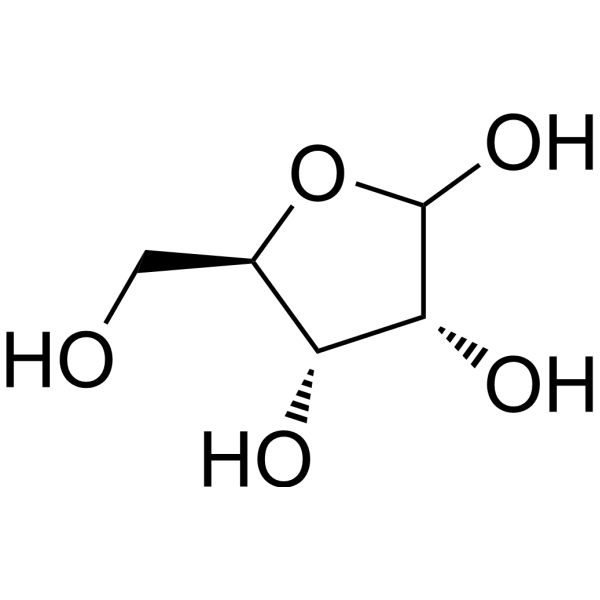
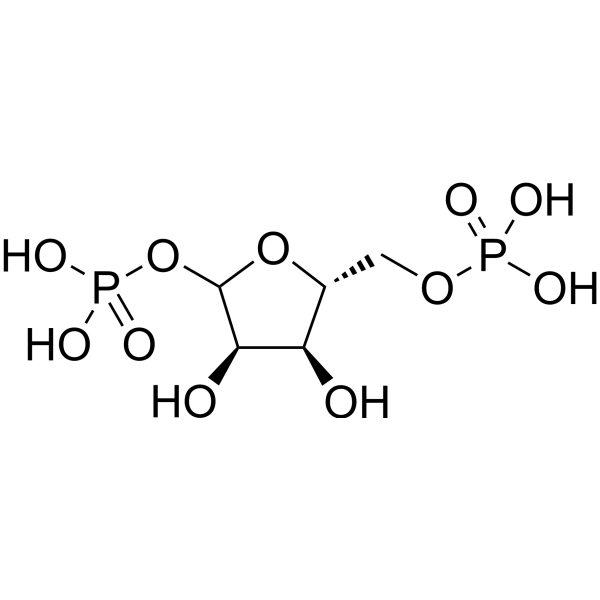
D-Ribofuranose (D-Ribose) is an endogenous metabolite present in Cerebrospinal_Fluid that can be used for the research of Ribose 5 Phosphate Isomerase Deficiency and Medium Chain Acyl Co A Dehydrogenase Deficiency .
|
-
-
- HY-W018772S15
-
|
|
Endogenous Metabolite
|
Inflammation/Immunology
|
|
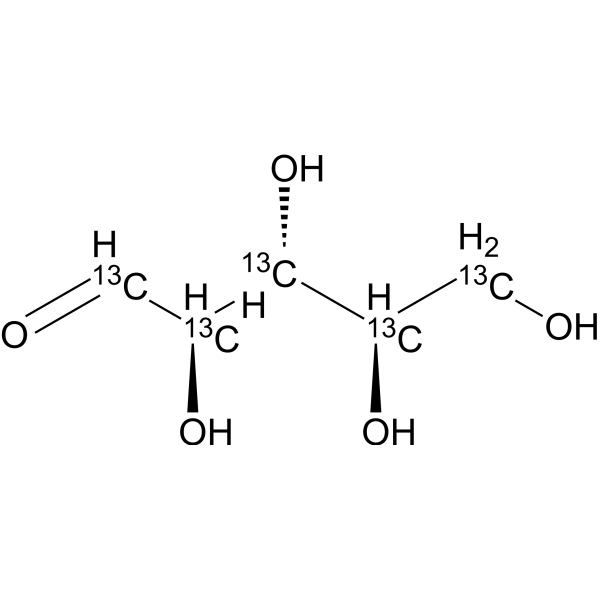
D-Ribose(mixture of isomers)- 13C5 isomers)- 13C5 is the 13C labeled D-Ribose(mixture of isomers) . D-Ribose(mixture of isomers) is an energy enhancer, and acts as a sugar moiety of ATP, and widely used as a metabolic therapy supplement for chronic fatigue syndrome or cardiac energy metabolism. D-Ribose(mixture of isomers) is active in protein glycation, induces NF-κB inflammation in a RAGE-dependent manner .
|
-
-
- HY-N11189
-
-
-
- HY-100582S
-
|
Adonitol-1-13C; Adonite-1-13C
|
Isotope-Labeled Compounds
Endogenous Metabolite
|
Others
|
|
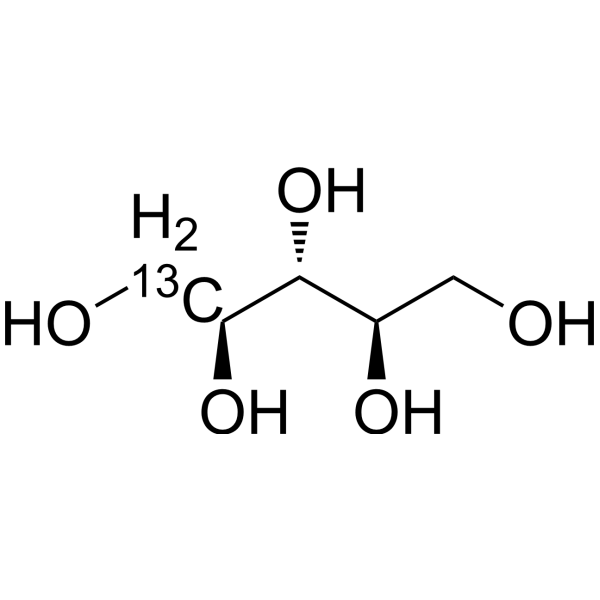
Ribitol-1- 13C is the 13C labeled Ribitol. Ribitol is a crystalline pentose alcohol formed by the reduction of ribose. Enhancing the flux of D-glucose to the pentose phosphate pathway in Saccharomyces cerevisiae for the production of D-ribose and ribitol .
|
-
-
- HY-W018772R
-
|
|
Reference Standards
Endogenous Metabolite
|
Inflammation/Immunology
Cancer
|
|
D-Ribose(mixture of isomers) (Standard) is the analytical standard of D-Ribose(mixture of isomers). This product is intended for research and analytical applications. D-Ribose(mixture of isomers) is an energy enhancer, and acts as a sugar moiety of ATP, and widely used as a metabolic therapy supplement for chronic fatigue syndrome or cardiac energy metabolism. D-Ribose(mixture of isomers) is active in protein glycation, induces NF-κB inflammation in a RAGE-dependent manner .
|
-
-
- HY-W018772S1
-
-
-
- HY-W018772S4
-
-
-
- HY-W018604
-
|
|
Nucleoside Antimetabolite/Analog
|
Cancer
|
|
2,3,5-Tri-O-benzyl-D-ribono-1,4-lactone is a purine nucleoside analog. 2,3,5-Tri-O-benzyl-D-ribono-1,4-lactone can be synthesized from D-ribose by reacting with methanol under Fischer glycosylation conditions. Purine nucleoside analogs have broad antitumor activity targeting indolent lymphoid malignancies. 2,3,5-Tri-O-benzyl-D-ribono-1,4-lactone exerts anticancer activities through inhibition of DNA synthesis, induction of apoptosis, etc. 2,3,5-Tri-O-benzyl-D-ribono-1,4-lactone can be studied in anticancer research for lymphoid malignancies .
|
-
-
- HY-W018772S7
-
-
-
- HY-W018772S10
-
-
-
- HY-W768333
-
|
D-Ribose-13C5
|
Isotope-Labeled Compounds
Endogenous Metabolite
|
Cardiovascular Disease
|
|
D-Ribofuranose- 13C5 (D-Ribose- 13C5) is the 13C-labeled D-Ribofuranose (HY-113375). D-Ribofuranose (D-Ribose) is an endogenous metabolite present in Cerebrospinal_Fluid that can be used for the research of Ribose 5 Phosphate Isomerase Deficiency and Medium Chain Acyl Co A Dehydrogenase Deficiency .
|
-
-
- HY-118642
-
|
|
Cholinesterase (ChE)
Reactive Oxygen Species (ROS)
|
Cardiovascular Disease
Neurological Disease
|
|
D-Ribose-L-cysteine is an orally active cysteine analog. D-Ribose-L-cysteine improves cellular antioxidant capacity by enhancing intracellular glutathione (GSH) biosynthesis. In addition, D-Ribose-L-cysteine has a memory-enhancing effect and can reverse Scopolamine (HY-N0296)-induced memory impairment by inhibiting oxidative stress and acetylcholinesterase (AChE) activity. D-Ribose-L-cysteine can be used in the study of neurodegenerative and cardiovascular diseases .
|
-
-
- HY-176909
-
|
|
|
Infection
|
|
Farnesyl phosphoryl-β-D-ribose is a phosphorylated sugar derivative that belongs to the class of polyprenylphosphoryl sugars. Farnesyl phosphoryl-β-D-ribose can be used for the study of Mycobacterium tuberculosis infection .
|
-
-
- HY-77957
-
|
|
Biochemical Assay Reagents
|
Others
|
|
1-O-Methyl-2-deoxy-D-ribose is a ribose derivative that can be more conveniently obtained through a one-step reaction by introducing a methoxy protective group at the anomeric carbon position under acidic conditions. This facilitates the acquisition of 2-deoxy-D-ribose. 1-O-Methyl-2-deoxy-D-ribose can be utilized in research on the synthesis of chemical materials .
|
-
-
- HY-W009371CR
-
|
|
Endogenous Metabolite
Reference Standards
|
Metabolic Disease
|
|
D-Ribose 5-phosphate (disodium dihydrate) (Standard) is the analytical standard of D-Ribose 5-phosphate (disodium dihydrate) (HY-W009371C). This product is intended for research and analytical applications. D-Ribose 5-phosphate disodium dihydrate is an intermediate of the oxidative branch of the pentose phosphate pathway (PPP) and an end product of the nonoxidative branch of the PPP. D-Ribose 5-phosphate is used in the synthesis of nucleotides and nucleic acids .
|
-
-
- HY-W018772S6
-
-
-
- HY-W018772S14
-
-
-
- HY-W018772S
-
-
-
- HY-W018772S9
-
-
-
- HY-W018772S8
-
-
-
- HY-W018772S5
-
-
-
- HY-W018772S2
-
-
-
- HY-W018772S3
-
-
-
- HY-W768324
-
|
Adonitol-13C5; Adonite-13C5
|
Isotope-Labeled Compounds
Endogenous Metabolite
|
Others
|
|
Ribitol- 13C5 (Adonitol- 13C5) is the 13C-labeled Ribitol (HY-100582). Ribitol is a crystalline pentose alcohol formed by the reduction of ribose. Enhancing the flux of D-glucose to the pentose phosphate pathway in Saccharomyces cerevisiae for the production of D-ribose and ribitol.
|
-
-
- HY-W012670
-
|
|
Apoptosis
|
Cancer
|
|
2-Deoxy-L-ribose is a stereoisomer of 2-Deoxy-d-ribose that inhibits 2-Deoxy-d-ribose anti-apoptotic effects. 2-Deoxy-L-ribose suppresses metastasis of tumor cells overexpressing thymidine phosphorylase .
|
-
-
- HY-W018772S16
-
|
|
Isotope-Labeled Compounds
|
Inflammation/Immunology
|
|
D-Ribose-1,2- 13C2 is the 13C labled D-Ribose(mixture of isomers) (HY-W018772) . D-Ribose(mixture of isomers) is an energy enhancer,and acts as a sugar moiety of ATP,and widely used as a metabolic therapy supplement for chronic fatigue syndrome or cardiac energy metabolism. D-Ribose(mixture of isomers) is active in protein glycation,induces NF-κB inflammation in a RAGE-dependent manner .
|
-
-
- HY-N0059R
-
|
|
Reference Standards
Parasite
Bacterial
AMPK
PPAR
|
Infection
Neurological Disease
Metabolic Disease
|
|
D-Arabinose (Standard) is the analytical standard of D-Arabinose. This product is intended for research and analytical applications. D-Arabinose is is an orally active antidepressant and a growth inhibitor of C. elegans (IC50 is 7.5 mM). D-Arabinose can penetrate the blood-brain barrier, selectively interfere with the metabolism of D-ribose and D-fructose, and inhibit the growth of nematodes. D-Arabinose can also inhibit the synthesis of cell biofilm and exert antibacterial activity. D-Arabinose activates the ACSS2-PPARγ/TFEB-CRTC1 axis through the lysosomal AXIN-LKB1-AMPK pathway, inducing CRTC1 transcription, exerts antidepressant-like activity. D-Arabinose is the ring-opened form of the aldopentose D-?Arabinose (HY-N7082) .
|
-
-
- HY-N0059S1
-
|
|
Isotope-Labeled Compounds
Parasite
Bacterial
AMPK
PPAR
|
Infection
Neurological Disease
Metabolic Disease
|
|
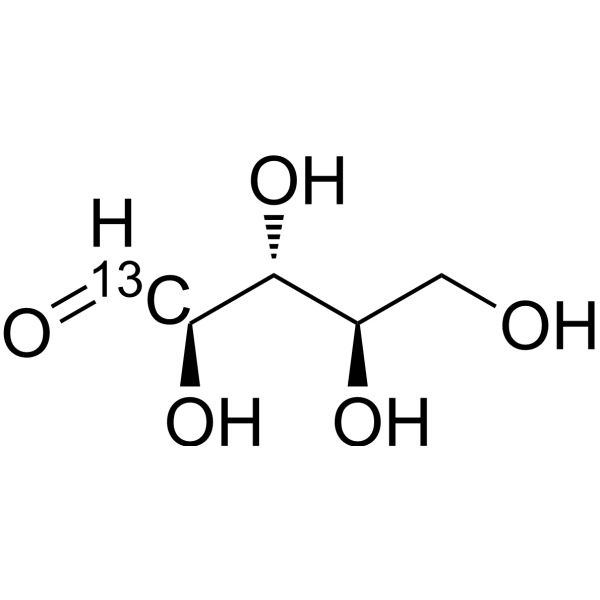
D-Arabinose- 13C-1 is the 13C labeled D-Arabinose (HY-N0059). D-Arabinose is is an orally active antidepressant and a growth inhibitor of C. elegans (IC50 is 7.5 mM). D-Arabinose can penetrate the blood-brain barrier, selectively interfere with the metabolism of D-ribose and D-fructose, and inhibit the growth of nematodes. D-Arabinose can also inhibit the synthesis of cell biofilm and exert antibacterial activity. D-Arabinose activates the ACSS2-PPARγ/TFEB-CRTC1 axis through the lysosomal AXIN-LKB1-AMPK pathway, inducing CRTC1 transcription, exerts antidepressant-like activity. D-Arabinose is the ring-opened form of the aldopentose D-?Arabinose (HY-N7082) .
|
-
-
- HY-N0059S3
-
|
|
Isotope-Labeled Compounds
Parasite
Bacterial
AMPK
PPAR
|
Infection
Neurological Disease
Metabolic Disease
|
|
D-Arabinose- 13C-3 is the 13C labeled D-Arabinose (HY-N0059). D-Arabinose is is an orally active antidepressant and a growth inhibitor of C. elegans (IC50 is 7.5 mM). D-Arabinose can penetrate the blood-brain barrier, selectively interfere with the metabolism of D-ribose and D-fructose, and inhibit the growth of nematodes. D-Arabinose can also inhibit the synthesis of cell biofilm and exert antibacterial activity. D-Arabinose activates the ACSS2-PPARγ/TFEB-CRTC1 axis through the lysosomal AXIN-LKB1-AMPK pathway, inducing CRTC1 transcription, exerts antidepressant-like activity. D-Arabinose is the ring-opened form of the aldopentose D-?Arabinose (HY-N7082) .
|
-
-
- HY-W047223
-
|
5-deoxy-beta-D-ribofuranose
|
Drug Intermediate
|
Cancer
|
|
5-Deoxy-D-ribose (5-deoxy-beta-D-ribofuranose) is a building block for the synthesis of anticancer compounds.
|
-
-
- HY-W037200
-
|
2,3,5-Tri-O-benzyl-D-ribofuranose
|
Fungal
|
Infection
|
|
2,3,5-Tri-O-benzyl-D-ribose (Compound 1) is an effective inhibitor of Botrytis cinerea chitin synthase (CHS) with an IC50 value of 1.8 μM. 2,3,5-Tri-O-benzyl-D-ribose exhibits antifungal activity and is able to inhibit the B. cinerea BD90 strain, with a MIC value of 190 μM .
|
-
-
- HY-41202
-
|
|
Biochemical Assay Reagents
|
Others
|
|
2,3-O-(1-Methylethylidene)-D-ribose is a class of biochemical reagents used in glycobiology research. Glycobiology studies the structure, synthesis, biology, and evolution of sugars. It involves carbohydrate chemistry, enzymology of glycan formation and degradation, protein-glycan recognition, and the role of glycans in biological systems. This field is closely related to basic research, biomedicine, and biotechnology .
|
-
-
- HY-153995A
-
-
-
- HY-100582S1
-
|
Adonitol-2-13C; Adonite-2-13C
|
Isotope-Labeled Compounds
Endogenous Metabolite
|
Others
|
Ribitol-2- 13C is the 13C labeled Ribitol. Ribitol is a crystalline pentose alcohol formed by the reduction of ribose. Enhancing the flux of D-glucose to the pentose phosphate pathway in Saccharomyces cerevisiae for the production of D-ribose and ribitol
|
-
-
- HY-100582S2
-
|
Adonitol-3-13C; Adonite-3-13C
|
Isotope-Labeled Compounds
Endogenous Metabolite
|
Others
|
Ribitol-3- 13C is the 13C labeled Ribitol. Ribitol is a crystalline pentose alcohol formed by the reduction of ribose. Enhancing the flux of D-glucose to the pentose phosphate pathway in Saccharomyces cerevisiae for the production of D-ribose and ribitol
|
-
-
- HY-100582S3
-
|
Adonitol-5-13C; Adonite-5-13C
|
Isotope-Labeled Compounds
Endogenous Metabolite
|
Others
|
Ribitol-5- 13C is the 13C labeled Ribitol. Ribitol is a crystalline pentose alcohol formed by the reduction of ribose. Enhancing the flux of D-glucose to the pentose phosphate pathway in Saccharomyces cerevisiae for the production of D-ribose and ribitol
|
-
-
- HY-152981
-
|
|
Nucleoside Antimetabolite/Analog
|
Others
|
|
Di-O-Toluoyl-1,2-dideoxy-D-ribose-6-chloro-7-iodo-7-deazapurine is a purine nucleoside analog. Purine nucleoside analogs have broad antitumor activity targeting indolent lymphoid malignancies. Anticancer mechanisms in this process rely on inhibition of DNA synthesis, induction of apoptosis, etc .
|
-
- HY-W145688
-
|
2-C-Hydroxymethyl-D-Ribose
|
Biochemical Assay Reagents
|
Others
|
|
D-Hamamelose is a biochemical reagent that can be used as a biological material or organic compound for life science related research.
|
-
- HY-N0059S6
-
|
|
Isotope-Labeled Compounds
Parasite
Bacterial
AMPK
PPAR
|
Infection
Neurological Disease
Metabolic Disease
|
|
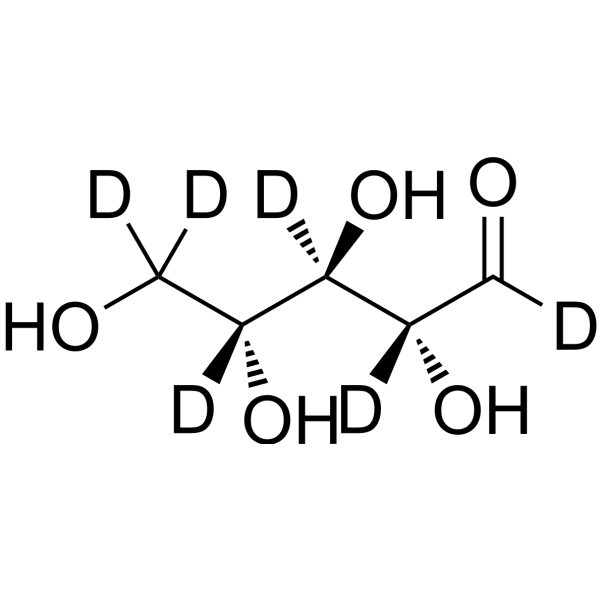
D-Arabinose-d6 is the deuterium labeled D-Arabinose (HY-N0059). D-Arabinose is is an orally active antidepressant and a growth inhibitor of C. elegans (IC50 is 7.5 mM). D-Arabinose can penetrate the blood-brain barrier, selectively interfere with the metabolism of D-ribose and D-fructose, and inhibit the growth of nematodes. D-Arabinose can also inhibit the synthesis of cell biofilm and exert antibacterial activity. D-Arabinose activates the ACSS2-PPARγ/TFEB-CRTC1 axis through the lysosomal AXIN-LKB1-AMPK pathway, inducing CRTC1 transcription, exerts antidepressant-like activity. D-Arabinose is the ring-opened form of the aldopentose D-?Arabinose (HY-N7082) .
|
-
- HY-N0059S
-
|
|
Isotope-Labeled Compounds
Parasite
Bacterial
AMPK
PPAR
|
Infection
Neurological Disease
Metabolic Disease
|
|
D-Arabinose- 13C is the 13C labeled D-Arabinose (HY-N0059). D-Arabinose is is an orally active antidepressant and a growth inhibitor of C. elegans (IC50 is 7.5 mM). D-Arabinose can penetrate the blood-brain barrier, selectively interfere with the metabolism of D-ribose and D-fructose, and inhibit the growth of nematodes. D-Arabinose can also inhibit the synthesis of cell biofilm and exert antibacterial activity. D-Arabinose activates the ACSS2-PPARγ/TFEB-CRTC1 axis through the lysosomal AXIN-LKB1-AMPK pathway, inducing CRTC1 transcription, exerts antidepressant-like activity. D-Arabinose is the ring-opened form of the aldopentose D-?Arabinose (HY-N7082) .
|
-
- HY-N0059S4
-
|
|
Isotope-Labeled Compounds
Parasite
Bacterial
AMPK
PPAR
|
Infection
Neurological Disease
Metabolic Disease
|
|
D-Arabinose-d2 is the deuterium labeled D-Arabinose (HY-N0059). D-Arabinose is is an orally active antidepressant and a growth inhibitor of C. elegans (IC50 is 7.5 mM). D-Arabinose can penetrate the blood-brain barrier, selectively interfere with the metabolism of D-ribose and D-fructose, and inhibit the growth of nematodes. D-Arabinose can also inhibit the synthesis of cell biofilm and exert antibacterial activity. D-Arabinose activates the ACSS2-PPARγ/TFEB-CRTC1 axis through the lysosomal AXIN-LKB1-AMPK pathway, inducing CRTC1 transcription, exerts antidepressant-like activity. D-Arabinose is the ring-opened form of the aldopentose D-?Arabinose (HY-N7082) .
|
-
- HY-N0059S5
-
|
|
Isotope-Labeled Compounds
Parasite
Bacterial
AMPK
PPAR
|
Infection
Neurological Disease
Metabolic Disease
|
|
D-Arabinose-d5 is the deuterium labeled D-Arabinose (HY-N0059). D-Arabinose is is an orally active antidepressant and a growth inhibitor of C. elegans (IC50 is 7.5 mM). D-Arabinose can penetrate the blood-brain barrier, selectively interfere with the metabolism of D-ribose and D-fructose, and inhibit the growth of nematodes. D-Arabinose can also inhibit the synthesis of cell biofilm and exert antibacterial activity. D-Arabinose activates the ACSS2-PPARγ/TFEB-CRTC1 axis through the lysosomal AXIN-LKB1-AMPK pathway, inducing CRTC1 transcription, exerts antidepressant-like activity. D-Arabinose is the ring-opened form of the aldopentose D-?Arabinose (HY-N7082) .
|
-
- HY-117126
-
|
|
Bacterial
|
Infection
|
|
BTZ-N3 is a potent reversible and noncovalent inhibitor of decaprenylphosphoryl-β-d-ribose 2′ oxidase (DprE1) that shows anti-tuberculosis activity .
|
-
- HY-N0059S2
-
|
|
Isotope-Labeled Compounds
Parasite
Bacterial
AMPK
PPAR
|
Infection
Neurological Disease
Metabolic Disease
|
|
D-Arabinose- 13C-2 is the 13C labeled D-Arabinose (HY-N0059). D-Arabinose is is an orally active antidepressant and a growth inhibitor of C. elegans (IC50 is 7.5 mM). D-Arabinose can penetrate the blood-brain barrier, selectively interfere with the metabolism of D-ribose and D-fructose, and inhibit the growth of nematodes. D-Arabinose can also inhibit the synthesis of cell biofilm and exert antibacterial activity. D-Arabinose activates the ACSS2-PPARγ/TFEB-CRTC1 axis through the lysosomal AXIN-LKB1-AMPK pathway, inducing CRTC1 transcription, exerts antidepressant-like activity. D-Arabinose is the ring-opened form of the aldopentose D-?Arabinose (HY-N7082) .
|
-
- HY-N7082S
-
|
|
Isotope-Labeled Compounds
Parasite
Bacterial
AMPK
PPAR
|
Infection
Neurological Disease
Metabolic Disease
|
|
D-Arabinopyranos- 13C5 is 13C labeled D-Arabinopyranos (HY-N7082). D-Arabinopyranose is a rare aldehyde pentose, and its ring-opened form is D-arabinose (HY-N0059). D-arabinose is is an orally active antidepressant and a growth inhibitor of C. elegans (IC50 is 7.5 mM). D-arabinose can penetrate the blood-brain barrier, selectively interfere with the metabolism of D-ribose and D-fructose, and inhibit the growth of nematodes. D-arabinose can also inhibit the synthesis of cell biofilm and exert antibacterial activity. D-arabinose activates the ACSS2-PPARγ/TFEB-CRTC1 axis through the lysosomal AXIN-LKB1-AMPK pathway, inducing CRTC1 transcription, exerts antidepressant-like activity. D-arabinose is the ring-opened form of the aldopentose D-?Arabinose (HY-N7082) .
|
-
- HY-158700
-
|
|
Bacterial
|
Infection
|
|
DprE1-IN-10 (hit 2) is a Decaprenylphosphoryl-β-D-ribose-2′-epimerase (DprE1) inhibitor. DprE1-IN-10 can be used for tuberculosis research .
|
-
- HY-173071
-
|
|
Bacterial
|
Infection
|
|
DprE1-IN-13 (Compound 42) is the inhibitor for decaprenyl-phosphoryl-β-d-ribose oxidase (DprE1) with IC50 of 12.72 μM. DprE1-IN-13 inhibits Mycobacterium tuberculosis H37Ra with MIC50 of 1.071 μM .
|
-
- HY-151340
-
|
|
Bacterial
|
Infection
|
|
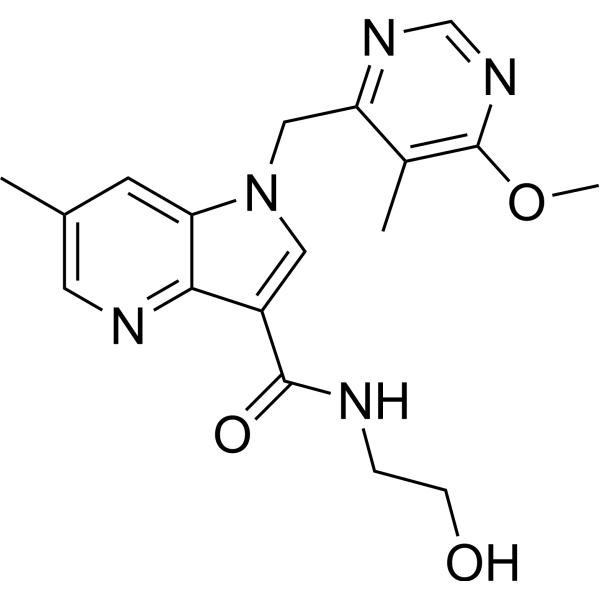
Antitubercular agent-32 is a derivate of Benzothiazinone (HY-13579A), inhibits M. tuberculosis, and shows improved metabolic stability and enhanced water solubility. Antitubercular agent-32 exerts antitubercular effect by targeting decaprenylphosphoryl-β-D-ribose 2’-oxidase (DprE1, IC50=3.9 μM) .
|
-
- HY-12903R
-
|
PBTZ169 (Standard)
|
Reference Standards
Bacterial
Antibiotic
|
Infection
|
|
Macozinone (Standard) is the analytical standard of Macozinone. This product is intended for research and analytical applications. Macozinone (PBTZ169) is a bactericidal benzothiazinone and a potent DprE1 (decaprenylphosphoryl-β-d-ribose 2′-oxidase) inhibitor. Macozinone inhibits the essential flavoprotein DprE1 by forming a covalent bond with the active-site Cys387 residue. Macozinone has antituberculosis effect[1][2].
|
-
- HY-P2916
-
|
|
Phosphorylase
|
Cardiovascular Disease
Neurological Disease
Cancer
|
|
Thymidine phosphorylase is a nucleoside metabolism enzyme that plays an important role in the pyrimidine salvage pathway. Thymidine phosphorylase catalyzes the conversion of thymidine to thymine and 2-deoxy-α-D-ribose-1-phosphate (dRib-1-P). Thymidine phosphorylase plays an important role in platelet activation in vitro and thrombosis in vivo by participating in multiple signaling pathways. Thymidine phosphorylase can be used for the study of myocardial infarction, stroke, pulmonary embolism and cancer .
|
-
- HY-N12616
-
|
|
Drug Intermediate
|
Others
|
|
2-Deoxy-D-ribose 1-phosphate is an intermediate in the metabolism of phosphoinositide, which is found in the rat cerebral cortex .
|
-
- HY-E71224
-
-
- HY-E71222
-
-
- HY-E71223
-
-
- HY-W411510
-
|
|
Biochemical Assay Reagents
|
Others
|
|
5-O-(Phenylmethyl)-D-ribose is a class of biochemical reagents used in glycobiology research. Glycobiology studies the structure, synthesis, biology, and evolution of sugars. It involves carbohydrate chemistry, enzymology of glycan formation and degradation, protein-glycan recognition, and the role of glycans in biological systems. This field is closely related to basic research, biomedicine, and biotechnology .
|
-
- HY-E71221
-
|
|
Biochemical Assay Reagents
|
Others
|
|
α-D-Ribose 1-methylphosphonate 5-phosphate C-P-lyase (EC 4.7.1.1) can be isolated from Escherichia coli and involves the [4Fe-4S] cluster and S-adenosyl-L-methionine (SAM) radical.
|
-
- HY-P3241A
-
|
|
Endogenous Metabolite
|
Metabolic Disease
|
|
Nucleoside Phosphorylase, bacterial (EC 2.4.2.1), is a pentosesyltransferase. Nucleoside Phosphorylase participates in three metabolic pathways: purine metabolism, pyrimidine metabolism, and nicotinic acid and nicotinamide metabolism. Its two substrates are purine nucleosides and phosphates, and its two products are purines and α-D-ribose-1-phosphate.
|
-
- HY-W726070
-
|
|
Drug Intermediate
Endogenous Metabolite
|
Others
|
|
Sedoheptulose is a heptulose. Sedoheptulose, in the form of phosphate esters, functions as a metabolic intermediate in the pentose phosphate pathway. Sedoheptulose serves as a starting material for the chemical synthesis of pseudoaminosugars and chiral substituted furans .
|
-
| Cat. No. |
Product Name |
Type |
-
- HY-77957
-
|
|
Biochemical Assay Reagents
|
|
1-O-Methyl-2-deoxy-D-ribose is a ribose derivative that can be more conveniently obtained through a one-step reaction by introducing a methoxy protective group at the anomeric carbon position under acidic conditions. This facilitates the acquisition of 2-deoxy-D-ribose. 1-O-Methyl-2-deoxy-D-ribose can be utilized in research on the synthesis of chemical materials .
|
-
- HY-W012670
-
|
|
Biochemical Assay Reagents
|
|
2-Deoxy-L-ribose is a stereoisomer of 2-Deoxy-d-ribose that inhibits 2-Deoxy-d-ribose anti-apoptotic effects. 2-Deoxy-L-ribose suppresses metastasis of tumor cells overexpressing thymidine phosphorylase .
|
-
- HY-W037200
-
|
2,3,5-Tri-O-benzyl-D-ribofuranose
|
Biochemical Assay Reagents
|
|
2,3,5-Tri-O-benzyl-D-ribose (Compound 1) is an effective inhibitor of Botrytis cinerea chitin synthase (CHS) with an IC50 value of 1.8 μM. 2,3,5-Tri-O-benzyl-D-ribose exhibits antifungal activity and is able to inhibit the B. cinerea BD90 strain, with a MIC value of 190 μM .
|
-
- HY-41202
-
|
|
Biochemical Assay Reagents
|
|
2,3-O-(1-Methylethylidene)-D-ribose is a class of biochemical reagents used in glycobiology research. Glycobiology studies the structure, synthesis, biology, and evolution of sugars. It involves carbohydrate chemistry, enzymology of glycan formation and degradation, protein-glycan recognition, and the role of glycans in biological systems. This field is closely related to basic research, biomedicine, and biotechnology .
|
-
- HY-W145688
-
|
2-C-Hydroxymethyl-D-Ribose
|
Biochemical Assay Reagents
|
|
D-Hamamelose is a biochemical reagent that can be used as a biological material or organic compound for life science related research.
|
-
- HY-W411510
-
|
|
Biochemical Assay Reagents
|
|
5-O-(Phenylmethyl)-D-ribose is a class of biochemical reagents used in glycobiology research. Glycobiology studies the structure, synthesis, biology, and evolution of sugars. It involves carbohydrate chemistry, enzymology of glycan formation and degradation, protein-glycan recognition, and the role of glycans in biological systems. This field is closely related to basic research, biomedicine, and biotechnology .
|
| Cat. No. |
Product Name |
Category |
Target |
Chemical Structure |
| Cat. No. |
Product Name |
Chemical Structure |
-
- HY-W018772S12
-
|
|
|
D-Ribose-d6 is the deuterium labeled D-Ribose. D-Ribose is an energy enhancer, and acts as a sugar moiety of ATP, and widely used as a metabolic therapy supplement for chronic fatigue syndrome or cardiac energy metabolism. D-Ribose is active in protein gl
|
-
-
- HY-W018772S15
-
|
|
|
D-Ribose(mixture of isomers)- 13C5 isomers)- 13C5 is the 13C labeled D-Ribose(mixture of isomers) . D-Ribose(mixture of isomers) is an energy enhancer, and acts as a sugar moiety of ATP, and widely used as a metabolic therapy supplement for chronic fatigue syndrome or cardiac energy metabolism. D-Ribose(mixture of isomers) is active in protein glycation, induces NF-κB inflammation in a RAGE-dependent manner .
|
-
-
- HY-100582S
-
|
|
|
Ribitol-1- 13C is the 13C labeled Ribitol. Ribitol is a crystalline pentose alcohol formed by the reduction of ribose. Enhancing the flux of D-glucose to the pentose phosphate pathway in Saccharomyces cerevisiae for the production of D-ribose and ribitol .
|
-
-
- HY-W018772S1
-
|
|
|
D-Ribose- 13C is the 13C labeled D-Ribose. D-Ribose is an energy enhancer, and acts as a sugar moiety of ATP, and widely used as a metabolic therapy supplement for chronic fatigue syndrome or cardiac energy metabolism. D-Ribose is active in protein glycati
|
-
-
- HY-W018772S4
-
|
|
|
D-Ribose- 13C-3 is the 13C labeled D-Ribose. D-Ribose is an energy enhancer, and acts as a sugar moiety of ATP, and widely used as a metabolic therapy supplement for chronic fatigue syndrome or cardiac energy metabolism. D-Ribose is active in protein glyca
|
-
-
- HY-W018772S7
-
|
|
|
D-Ribose-d-1 is the deuterium labeled D-Ribose. D-Ribose is an energy enhancer, and acts as a sugar moiety of ATP, and widely used as a metabolic therapy supplement for chronic fatigue syndrome or cardiac energy metabolism. D-Ribose is active in protein g
|
-
-
- HY-W018772S10
-
|
|
|
D-Ribose-d2 is the deuterium labeled D-Ribose. D-Ribose is an energy enhancer, and acts as a sugar moiety of ATP, and widely used as a metabolic therapy supplement for chronic fatigue syndrome or cardiac energy metabolism. D-Ribose is active in protein gl
|
-
-
- HY-W768333
-
|
|
|
D-Ribofuranose- 13C5 (D-Ribose- 13C5) is the 13C-labeled D-Ribofuranose (HY-113375). D-Ribofuranose (D-Ribose) is an endogenous metabolite present in Cerebrospinal_Fluid that can be used for the research of Ribose 5 Phosphate Isomerase Deficiency and Medium Chain Acyl Co A Dehydrogenase Deficiency .
|
-
-
- HY-W018772S6
-
|
|
|
D-Ribose-d is the deuterium labeled D-Ribose. D-Ribose is an energy enhancer, and acts as a sugar moiety of ATP, and widely used as a metabolic therapy supplement for chronic fatigue syndrome or cardiac energy metabolism. D-Ribose is active in protein gly
|
-
-
- HY-W018772S14
-
|
|
|
D-Ribose-d5 is the deuterium labeled D-Ribose. D-Ribose is an energy enhancer, and acts as a sugar moiety of ATP, and widely used as a metabolic therapy supplement for chronic fatigue syndrome or cardiac energy metabolism. D-Ribose is active in protein gl
|
-
-
- HY-W018772S
-
|
|
|
D-Ribose- 18O is the 18O labeled D-Ribose. D-Ribose is an energy enhancer, and acts as a sugar moiety of ATP, and widely used as a metabolic therapy supplement for chronic fatigue syndrome or cardiac energy metabolism. D-Ribose is active in protein glycati
|
-
-
- HY-W018772S9
-
|
|
|
D-Ribose-d-3 is the deuterium labeled D-Ribose. D-Ribose is an energy enhancer, and acts as a sugar moiety of ATP, and widely used as a metabolic therapy supplement for chronic fatigue syndrome or cardiac energy metabolism. D-Ribose is active in protein g
|
-
-
- HY-W018772S8
-
|
|
|
D-Ribose-d-2 is the deuterium labeled D-Ribose. D-Ribose is an energy enhancer, and acts as a sugar moiety of ATP, and widely used as a metabolic therapy supplement for chronic fatigue syndrome or cardiac energy metabolism. D-Ribose is active in protein g
|
-
-
- HY-W018772S5
-
|
|
|
D-Ribose- 13C-4 is the 13C labeled D-Ribose. D-Ribose is an energy enhancer, and acts as a sugar moiety of ATP, and widely used as a metabolic therapy supplement for chronic fatigue syndrome or cardiac energy metabolism. D-Ribose is active in protein glyca
|
-
-
- HY-W018772S2
-
|
|
|
D-Ribose- 13C-1 is the 13C labeled D-Ribose. D-Ribose is an energy enhancer, and acts as a sugar moiety of ATP, and widely used as a metabolic therapy supplement for chronic fatigue syndrome or cardiac energy metabolism. D-Ribose is active in protein glyca
|
-
-
- HY-W018772S3
-
|
|
|
D-Ribose- 13C-2 is the 13C labeled D-Ribose. D-Ribose is an energy enhancer, and acts as a sugar moiety of ATP, and widely used as a metabolic therapy supplement for chronic fatigue syndrome or cardiac energy metabolism. D-Ribose is active in protein glyca
|
-
-
- HY-W768324
-
|
|
|
Ribitol- 13C5 (Adonitol- 13C5) is the 13C-labeled Ribitol (HY-100582). Ribitol is a crystalline pentose alcohol formed by the reduction of ribose. Enhancing the flux of D-glucose to the pentose phosphate pathway in Saccharomyces cerevisiae for the production of D-ribose and ribitol.
|
-
-
- HY-W018772S16
-
|
|
|
D-Ribose-1,2- 13C2 is the 13C labled D-Ribose(mixture of isomers) (HY-W018772) . D-Ribose(mixture of isomers) is an energy enhancer,and acts as a sugar moiety of ATP,and widely used as a metabolic therapy supplement for chronic fatigue syndrome or cardiac energy metabolism. D-Ribose(mixture of isomers) is active in protein glycation,induces NF-κB inflammation in a RAGE-dependent manner .
|
-
-
- HY-N0059S1
-
|
|
|
D-Arabinose- 13C-1 is the 13C labeled D-Arabinose (HY-N0059). D-Arabinose is is an orally active antidepressant and a growth inhibitor of C. elegans (IC50 is 7.5 mM). D-Arabinose can penetrate the blood-brain barrier, selectively interfere with the metabolism of D-ribose and D-fructose, and inhibit the growth of nematodes. D-Arabinose can also inhibit the synthesis of cell biofilm and exert antibacterial activity. D-Arabinose activates the ACSS2-PPARγ/TFEB-CRTC1 axis through the lysosomal AXIN-LKB1-AMPK pathway, inducing CRTC1 transcription, exerts antidepressant-like activity. D-Arabinose is the ring-opened form of the aldopentose D-?Arabinose (HY-N7082) .
|
-
-
- HY-N0059S3
-
|
|
|
D-Arabinose- 13C-3 is the 13C labeled D-Arabinose (HY-N0059). D-Arabinose is is an orally active antidepressant and a growth inhibitor of C. elegans (IC50 is 7.5 mM). D-Arabinose can penetrate the blood-brain barrier, selectively interfere with the metabolism of D-ribose and D-fructose, and inhibit the growth of nematodes. D-Arabinose can also inhibit the synthesis of cell biofilm and exert antibacterial activity. D-Arabinose activates the ACSS2-PPARγ/TFEB-CRTC1 axis through the lysosomal AXIN-LKB1-AMPK pathway, inducing CRTC1 transcription, exerts antidepressant-like activity. D-Arabinose is the ring-opened form of the aldopentose D-?Arabinose (HY-N7082) .
|
-
-
- HY-100582S1
-
|
|
Ribitol-2- 13C is the 13C labeled Ribitol. Ribitol is a crystalline pentose alcohol formed by the reduction of ribose. Enhancing the flux of D-glucose to the pentose phosphate pathway in Saccharomyces cerevisiae for the production of D-ribose and ribitol
|
-
-
- HY-100582S2
-
|
|
Ribitol-3- 13C is the 13C labeled Ribitol. Ribitol is a crystalline pentose alcohol formed by the reduction of ribose. Enhancing the flux of D-glucose to the pentose phosphate pathway in Saccharomyces cerevisiae for the production of D-ribose and ribitol
|
-
-
- HY-100582S3
-
|
|
Ribitol-5- 13C is the 13C labeled Ribitol. Ribitol is a crystalline pentose alcohol formed by the reduction of ribose. Enhancing the flux of D-glucose to the pentose phosphate pathway in Saccharomyces cerevisiae for the production of D-ribose and ribitol
|
-
-
- HY-N0059S6
-
|
|
|
D-Arabinose-d6 is the deuterium labeled D-Arabinose (HY-N0059). D-Arabinose is is an orally active antidepressant and a growth inhibitor of C. elegans (IC50 is 7.5 mM). D-Arabinose can penetrate the blood-brain barrier, selectively interfere with the metabolism of D-ribose and D-fructose, and inhibit the growth of nematodes. D-Arabinose can also inhibit the synthesis of cell biofilm and exert antibacterial activity. D-Arabinose activates the ACSS2-PPARγ/TFEB-CRTC1 axis through the lysosomal AXIN-LKB1-AMPK pathway, inducing CRTC1 transcription, exerts antidepressant-like activity. D-Arabinose is the ring-opened form of the aldopentose D-?Arabinose (HY-N7082) .
|
-
-
- HY-N0059S
-
|
|
|
D-Arabinose- 13C is the 13C labeled D-Arabinose (HY-N0059). D-Arabinose is is an orally active antidepressant and a growth inhibitor of C. elegans (IC50 is 7.5 mM). D-Arabinose can penetrate the blood-brain barrier, selectively interfere with the metabolism of D-ribose and D-fructose, and inhibit the growth of nematodes. D-Arabinose can also inhibit the synthesis of cell biofilm and exert antibacterial activity. D-Arabinose activates the ACSS2-PPARγ/TFEB-CRTC1 axis through the lysosomal AXIN-LKB1-AMPK pathway, inducing CRTC1 transcription, exerts antidepressant-like activity. D-Arabinose is the ring-opened form of the aldopentose D-?Arabinose (HY-N7082) .
|
-
-
- HY-N0059S4
-
|
|
|
D-Arabinose-d2 is the deuterium labeled D-Arabinose (HY-N0059). D-Arabinose is is an orally active antidepressant and a growth inhibitor of C. elegans (IC50 is 7.5 mM). D-Arabinose can penetrate the blood-brain barrier, selectively interfere with the metabolism of D-ribose and D-fructose, and inhibit the growth of nematodes. D-Arabinose can also inhibit the synthesis of cell biofilm and exert antibacterial activity. D-Arabinose activates the ACSS2-PPARγ/TFEB-CRTC1 axis through the lysosomal AXIN-LKB1-AMPK pathway, inducing CRTC1 transcription, exerts antidepressant-like activity. D-Arabinose is the ring-opened form of the aldopentose D-?Arabinose (HY-N7082) .
|
-
-
- HY-N0059S5
-
|
|
|
D-Arabinose-d5 is the deuterium labeled D-Arabinose (HY-N0059). D-Arabinose is is an orally active antidepressant and a growth inhibitor of C. elegans (IC50 is 7.5 mM). D-Arabinose can penetrate the blood-brain barrier, selectively interfere with the metabolism of D-ribose and D-fructose, and inhibit the growth of nematodes. D-Arabinose can also inhibit the synthesis of cell biofilm and exert antibacterial activity. D-Arabinose activates the ACSS2-PPARγ/TFEB-CRTC1 axis through the lysosomal AXIN-LKB1-AMPK pathway, inducing CRTC1 transcription, exerts antidepressant-like activity. D-Arabinose is the ring-opened form of the aldopentose D-?Arabinose (HY-N7082) .
|
-
-
- HY-N0059S2
-
|
|
|
D-Arabinose- 13C-2 is the 13C labeled D-Arabinose (HY-N0059). D-Arabinose is is an orally active antidepressant and a growth inhibitor of C. elegans (IC50 is 7.5 mM). D-Arabinose can penetrate the blood-brain barrier, selectively interfere with the metabolism of D-ribose and D-fructose, and inhibit the growth of nematodes. D-Arabinose can also inhibit the synthesis of cell biofilm and exert antibacterial activity. D-Arabinose activates the ACSS2-PPARγ/TFEB-CRTC1 axis through the lysosomal AXIN-LKB1-AMPK pathway, inducing CRTC1 transcription, exerts antidepressant-like activity. D-Arabinose is the ring-opened form of the aldopentose D-?Arabinose (HY-N7082) .
|
-
-
- HY-N7082S
-
|
|
|
D-Arabinopyranos- 13C5 is 13C labeled D-Arabinopyranos (HY-N7082). D-Arabinopyranose is a rare aldehyde pentose, and its ring-opened form is D-arabinose (HY-N0059). D-arabinose is is an orally active antidepressant and a growth inhibitor of C. elegans (IC50 is 7.5 mM). D-arabinose can penetrate the blood-brain barrier, selectively interfere with the metabolism of D-ribose and D-fructose, and inhibit the growth of nematodes. D-arabinose can also inhibit the synthesis of cell biofilm and exert antibacterial activity. D-arabinose activates the ACSS2-PPARγ/TFEB-CRTC1 axis through the lysosomal AXIN-LKB1-AMPK pathway, inducing CRTC1 transcription, exerts antidepressant-like activity. D-arabinose is the ring-opened form of the aldopentose D-?Arabinose (HY-N7082) .
|
-
| Cat. No. |
Product Name |
|
Classification |
-
- HY-W018604
-
|
|
|
Nucleoside Analogs
|
|
2,3,5-Tri-O-benzyl-D-ribono-1,4-lactone is a purine nucleoside analog. 2,3,5-Tri-O-benzyl-D-ribono-1,4-lactone can be synthesized from D-ribose by reacting with methanol under Fischer glycosylation conditions. Purine nucleoside analogs have broad antitumor activity targeting indolent lymphoid malignancies. 2,3,5-Tri-O-benzyl-D-ribono-1,4-lactone exerts anticancer activities through inhibition of DNA synthesis, induction of apoptosis, etc. 2,3,5-Tri-O-benzyl-D-ribono-1,4-lactone can be studied in anticancer research for lymphoid malignancies .
|
-
- HY-152981
-
|
|
|
Nucleoside Analogs
|
|
Di-O-Toluoyl-1,2-dideoxy-D-ribose-6-chloro-7-iodo-7-deazapurine is a purine nucleoside analog. Purine nucleoside analogs have broad antitumor activity targeting indolent lymphoid malignancies. Anticancer mechanisms in this process rely on inhibition of DNA synthesis, induction of apoptosis, etc .
|
Your information is safe with us. * Required Fields.
Inquiry Information
- Product Name:
- Cat. No.:
- Quantity:
- MCE Japan Authorized Agent:

