1. Search Result
Search Result
Pathways Recommended: Cell Cycle/DNA Damage
Results for "

DNA supercoiling

" in MedChemExpress (MCE) Product Catalog:

38

Inhibitors & Agonists

2

Fluorescent Dyes

6

Natural
Products

6

Isotope-Labeled Compounds

Cat. No. Product Name Target Research Areas Chemical Structure
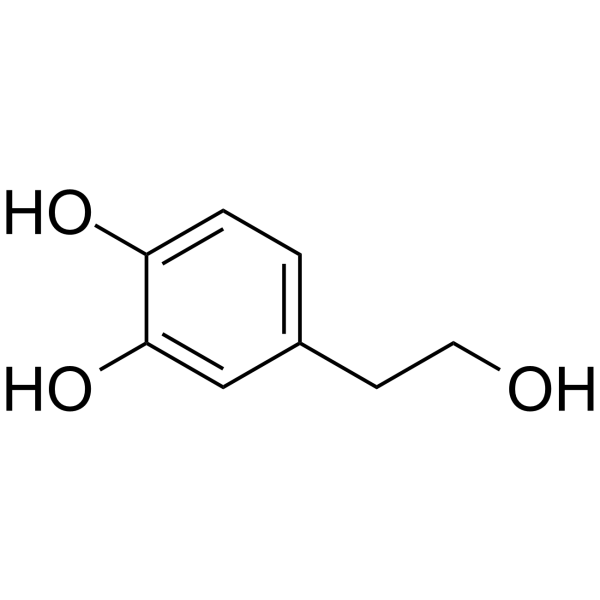
  • HY-N0570
    Hydroxytyrosol
    5+ Cited Publications

    DOPET; 3,4-Dihydroxyphenethyl alcohol; 3-Hydroxytyrosol

    Apoptosis Bacterial Reactive Oxygen Species (ROS) SARS-CoV Estrogen Receptor/ERR Infection Cardiovascular Disease Neurological Disease Metabolic Disease Inflammation/Immunology Cancer
    Hydroxytyrosol (DOPET; 3,4-Dihydroxyphenethyl alcohol) is an orally active, blood-brain barrier-permeable multi-active compound with multiple effects including antibacterial, antioxidant, anti-platelet aggregation, and neuroprotective activities. Hydroxytyrosol not only inhibits the growth of Vibrio by increasing bacterial membrane permeability, but also interacts with DNA and mediates supercoiled DNA relaxation. Meanwhile, Hydroxytyrosol effectively reduces thrombosis and inhibits lipid oxidation by inhibiting COX activity and promoting vascular nitric oxide production. In terms of neuroprotection, Hydroxytyrosol significantly alleviates neuronal apoptosis and inflammatory responses by up-regulating the expression level of ERβ, thereby improving cognitive function in Alzheimer's disease models. Hydroxytyrosol has been widely used in scientific research related to Vibrio infection, arterial thrombosis, Alzheimer's disease and other related fields .
    Hydroxytyrosol
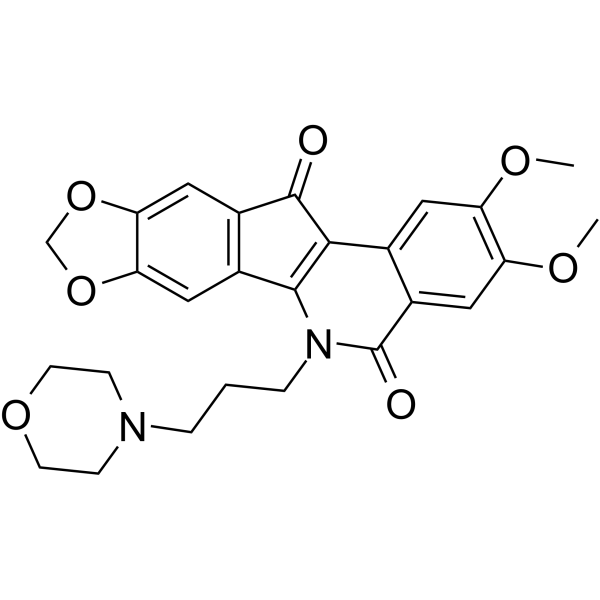
  • HY-18351

    LMP-400; NSC-724998

    Topoisomerase Infection Cancer
    Indotecan (LMP-400), an indenoisoquinoline derivative, is a potent Topoisomerase I inhibitor, with IC50s of 300, 1200, 560 nM for P388, HCT116, MCF-7 cell lines, respectively. Indotecan prevents the relaxation of supercoiled DNA and can be used for the research of visceral leishmaniasis .
    Indotecan
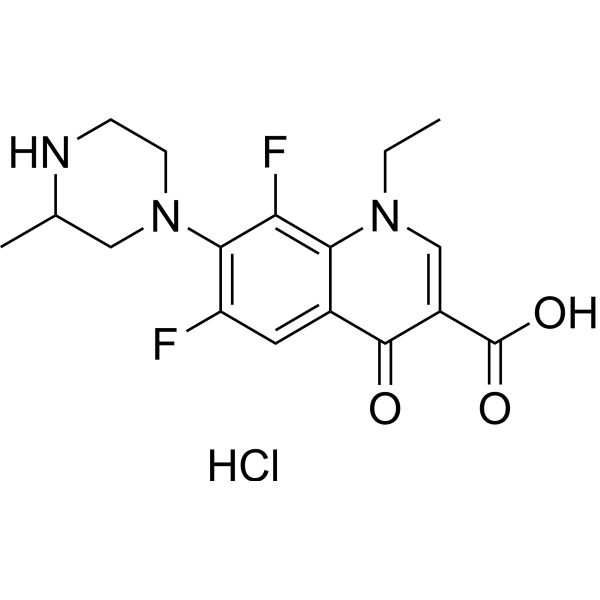
  • HY-B0455

    SC47111A hydrochloride; NY-198 hydrochloride

    Antibiotic Bacterial Topoisomerase Reactive Oxygen Species (ROS) Apoptosis Infection Endocrinology Cancer
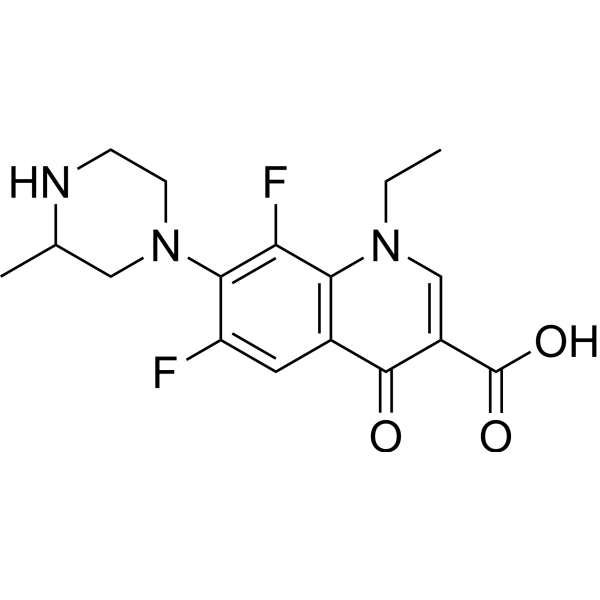
    Lomefloxacin hydrochloride (NY-198 hydrochloride) is an orally active difluoroquinolone antibiotic. Lomefloxacin hydrochloride prevents DNA supercoiling and replication by inhibiting bacterial topoisomerase II. Lomefloxacin hydrochloride induces ROS production and Apoptosis. Lomefloxacin hydrochloride has broad-spectrum bactericidal activity against Gram-positive and Gram-negative bacteria. Lomefloxacin hydrochloride has anticancer effects against melanoma. Lomefloxacin hydrochloride can be used in the study of systemic bacterial infections (such as Salmonella typhimurium infections), skin and melanoma .
    Lomefloxacin hydrochloride
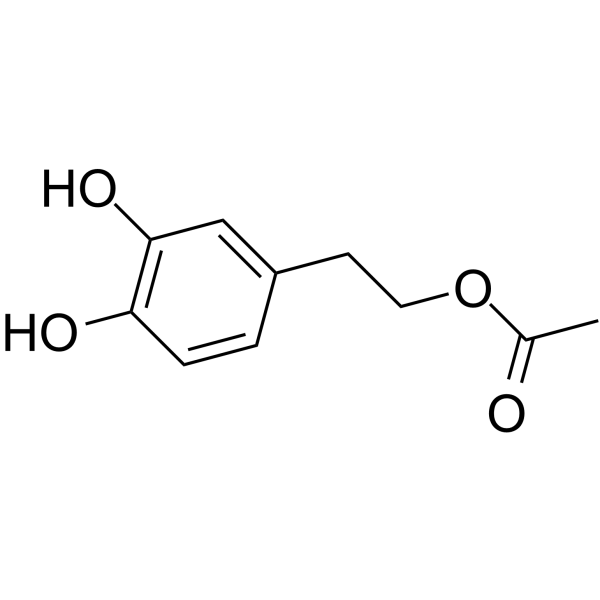
  • HY-N6043

    Apoptosis Reactive Oxygen Species (ROS) Bacterial SARS-CoV Estrogen Receptor/ERR Infection Neurological Disease Inflammation/Immunology
    Hydroxytyrosol acetate is an orally active, blood-brain barrier-permeable multi-active compound with multiple effects including antibacterial, antioxidant, anti-platelet aggregation, and neuroprotective activities. Hydroxytyrosol acetate not only inhibits the growth of Vibrio by increasing bacterial membrane permeability, but also interacts with DNA and mediates supercoiled DNA relaxation. Meanwhile, Hydroxytyrosol acetate effectively reduces thrombosis and inhibits lipid oxidation by inhibiting COX activity and promoting vascular nitric oxide production. In terms of neuroprotection, Hydroxytyrosol acetate significantly alleviates neuronal apoptosis and inflammatory responses by up-regulating the expression level of ERβ, thereby improving cognitive function in Alzheimer's disease models. Hydroxytyrosol acetate has been widely used in scientific research related to Vibrio infection, arterial thrombosis, Alzheimer's disease and other related fields .
    Hydroxytyrosol acetate
  • HY-W008598

    p-Fluorophenacyl bromide

    DNA/RNA Synthesis Cancer
    2-Bromo-4'-fluoroacetophenone (p-Fluorophenacyl bromide) is a photoinducible DNA cleavage inducer.2-Bromo-4'-fluoroacetophenone generates fluorine-substituted phenyl radicals upon excitation and irradiation to cleave DNA, converting circular supercoiled DNA to circular relaxed and linear DNA forms.2-Bromo-4'-fluoroacetophenone exhibits concentration-dependent DNA cleaving activity.2-Bromo-4'-fluoroacetophenone can be used for the research of cancer .
    2-Bromo-4'-fluoroacetophenone
  • HY-B0455A

    SC47111A; NY-198

    Bacterial Antibiotic Topoisomerase Reactive Oxygen Species (ROS) Apoptosis Infection
    Lomefloxacin (SC47111A) is an orally active difluoroquinolone antibiotic. Lomefloxacin prevents DNA supercoiling and replication by inhibiting bacterial topoisomerase II. Lomefloxacin induces ROS production and Apoptosis. Lomefloxacin has broad-spectrum bactericidal activity against Gram-positive and Gram-negative bacteria. Lomefloxacin has anticancer effects against melanoma. Lomefloxacin can be used in the study of systemic bacterial infections (such as Salmonella typhimurium infections), skin and melanoma .
    Lomefloxacin
  • HY-B0330S

    (-)-Ofloxacin-d8

    Bacterial Antibiotic Infection
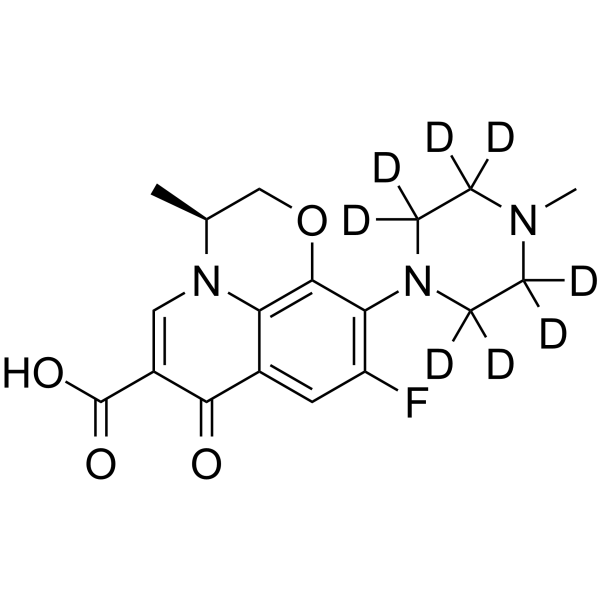
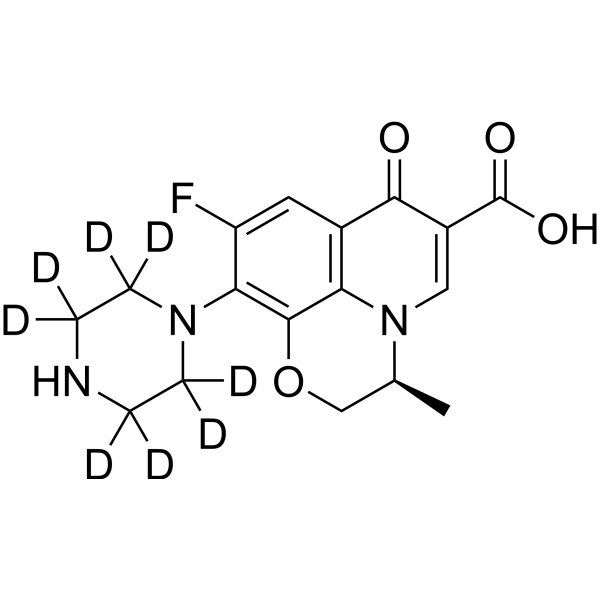
    Levofloxacin-d8 is the deuterium labeled Levofloxacin. Levofloxacin, a synthetic fluoroquinolone, is an antibacterial agent that inhibits the supercoiling activity of bacterial DNA gyrase, halting DNA replication.
    Levofloxacin-d8
  • HY-D0916

    YOYO 1; YOYO1

    Fluorescent Dye Others
    Thiazole orange dimer YOYO 1 (YOYO 1) is a cell-impermeable cyanine dimer with no inherent fluorescence, and its fluorescence intensity increases significantly upon binding to double-stranded DNA (dsDNA) . Thiazole orange dimer YOYO 1 can serve as a nuclear counterstain or a dead cell indicator (Ex/Em = 505/512 nm).
    Thiazole orange dimer YOYO 1
  • HY-N0570R

    DOPET (Standard); 3,4-Dihydroxyphenethyl alcohol (Standard); 3-Hydroxytyrosol (Standard)

    Reference Standards Apoptosis Bacterial Reactive Oxygen Species (ROS) SARS-CoV Estrogen Receptor/ERR Infection Cardiovascular Disease Neurological Disease Metabolic Disease Inflammation/Immunology Cancer
    Hydroxytyrosol (Standard) (DOPET (Standard)) is the analytical standard of Hydroxytyrosol (HY-N0570). This product is intended for research and analytical applications. Hydroxytyrosol is an orally active, blood-brain barrier-permeable multi-active compound with multiple effects including antibacterial, antioxidant, anti-platelet aggregation, and neuroprotective activities. Hydroxytyrosol not only inhibits the growth of Vibrio by increasing bacterial membrane permeability, but also interacts with DNA and mediates supercoiled DNA relaxation. Meanwhile, Hydroxytyrosol effectively reduces thrombosis and inhibits lipid oxidation by inhibiting COX activity and promoting vascular nitric oxide production. In terms of neuroprotection, Hydroxytyrosol significantly alleviates neuronal apoptosis and inflammatory responses by up-regulating the expression level of ERβ, thereby improving cognitive function in Alzheimer's disease models. Hydroxytyrosol has been widely used in scientific research related to Vibrio infection, arterial thrombosis, Alzheimer's disease and other related fields .
    Hydroxytyrosol (Standard)
  • HY-135389

    Drug Metabolite Antibiotic Infection
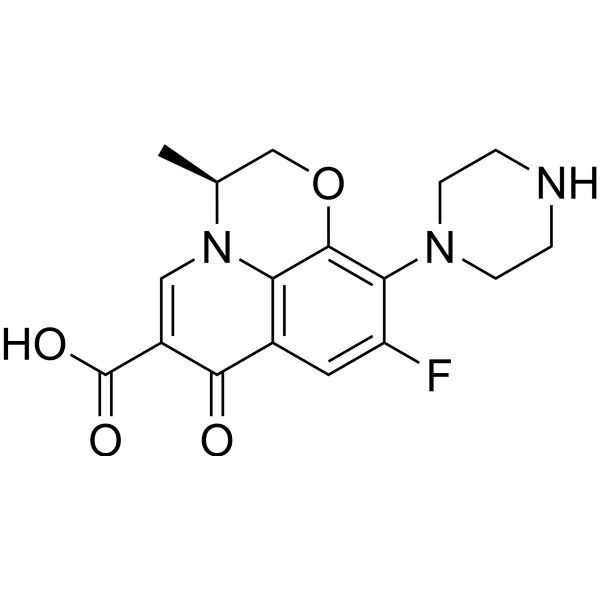
    Desmethyl Levofloxacin is a metabolite of Levofloxacin. Levofloxacin, a synthetic fluoroquinolone, is an antibacterial agent that inhibits the supercoiling activity of bacterial DNA gyrase, halting DNA replication .
    Desmethyl Levofloxacin
  • HY-18351A

    LMP-400 hydrochloride; NSC-724998 hydrochloride

    Topoisomerase Infection Cancer
    Indotecan hydrochloride, an indenoisoquinoline derivative, is a potent Topoisomerase I inhibitor, with IC50s of 300, 1200, 560 nM for P388, HCT116, MCF-7 cell lines, respectively. Indotecan hydrochloride prevents the relaxation of supercoiled DNA and can be used for the research of visceral leishmaniasis .
    Indotecan hydrochloride
  • HY-101967

    DNA/RNA Synthesis Bacterial Infection
    GSK 299423 is an antibiotic agent.GSK299423 shows potent inhibition of supercoiling by DNA gyrase from S. aureus(IC50=14 nM)and Escherichia coli(IC50=100 nM .
    GSK299423
  • HY-N1620

    DNA/RNA Synthesis Platelet-activating Factor Receptor (PAFR) Cardiovascular Disease
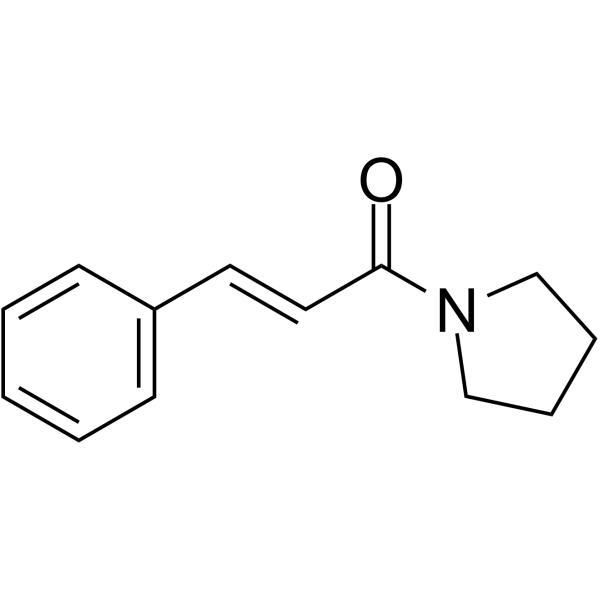
    1-Cinnamoylpyrrolidine (Compound 3), a crude extract prepared from Piper caninum, is a DNA strand scission agent, induces the relaxation of supercoiled pBR322 plasmid DNA . 1-Cinnamoylpyrrolidine (Compound 4) inhibits platelet aggregation induced by PAF with an IC50 of 37.3 μM .
    1-Cinnamoylpyrrolidine
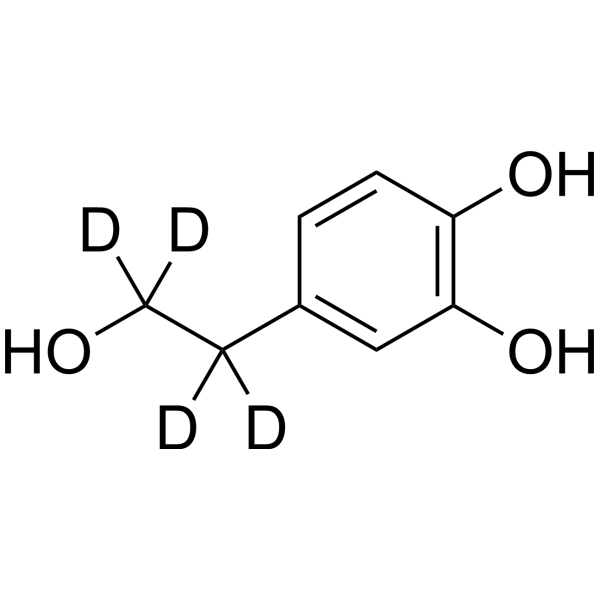
  • HY-N0570S

    DOPET-d4; 3,4-Dihydroxyphenethyl alcohol-d4; 3-Hydroxytyrosol-d4

    Isotope-Labeled Compounds Apoptosis Bacterial Reactive Oxygen Species (ROS) SARS-CoV Estrogen Receptor/ERR Cardiovascular Disease Infection Neurological Disease Metabolic Disease Inflammation/Immunology Cancer
    Hydroxytyrosol-d4 (DOPET-d4) is the deuterium labeled Hydroxytyrosol (HY-N0570). Hydroxytyrosol is an orally active, blood-brain barrier-permeable multi-active compound with multiple effects including antibacterial, antioxidant, anti-platelet aggregation, and neuroprotective activities. Hydroxytyrosol not only inhibits the growth of Vibrio by increasing bacterial membrane permeability, but also interacts with DNA and mediates supercoiled DNA relaxation. Meanwhile, Hydroxytyrosol effectively reduces thrombosis and inhibits lipid oxidation by inhibiting COX activity and promoting vascular nitric oxide production. In terms of neuroprotection, Hydroxytyrosol significantly alleviates neuronal apoptosis and inflammatory responses by up-regulating the expression level of ERβ, thereby improving cognitive function in Alzheimer's disease models. Hydroxytyrosol has been widely used in scientific research related to Vibrio infection, arterial thrombosis, Alzheimer's disease and other related fields .
    Hydroxytyrosol-d4
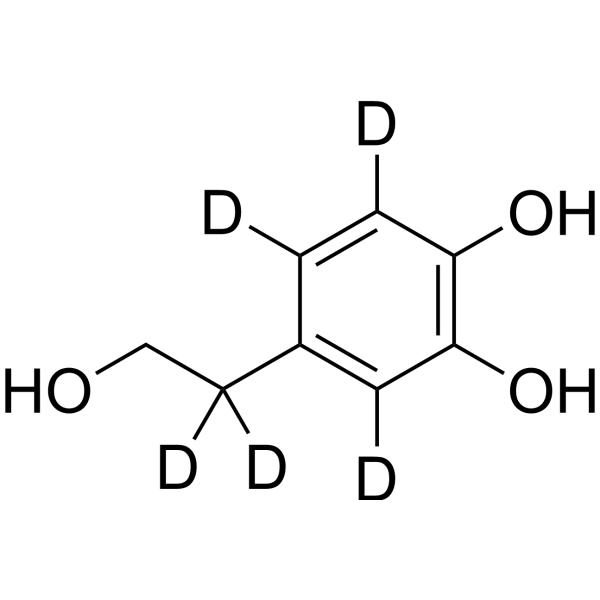
  • HY-N0570S1

    DOPET-d5; 3,4-Dihydroxyphenethyl alcohol-d5; 3-Hydroxytyrosol-d5

    Isotope-Labeled Compounds Apoptosis Bacterial Reactive Oxygen Species (ROS) SARS-CoV Estrogen Receptor/ERR Cardiovascular Disease Infection Neurological Disease Metabolic Disease Inflammation/Immunology Cancer
    Hydroxytyrosol-d5 (DOPET-d5) is the deuterium labeled Hydroxytyrosol (HY-N0570). Hydroxytyrosol is an orally active, blood-brain barrier-permeable multi-active compound with multiple effects including antibacterial, antioxidant, anti-platelet aggregation, and neuroprotective activities. Hydroxytyrosol not only inhibits the growth of Vibrio by increasing bacterial membrane permeability, but also interacts with DNA and mediates supercoiled DNA relaxation. Meanwhile, Hydroxytyrosol effectively reduces thrombosis and inhibits lipid oxidation by inhibiting COX activity and promoting vascular nitric oxide production. In terms of neuroprotection, Hydroxytyrosol significantly alleviates neuronal apoptosis and inflammatory responses by up-regulating the expression level of ERβ, thereby improving cognitive function in Alzheimer's disease models. Hydroxytyrosol has been widely used in scientific research related to Vibrio infection, arterial thrombosis, Alzheimer's disease and other related fields .
    Hydroxytyrosol-d5
  • HY-146403

    Bacterial Infection
    Antibacterial agent 98 (compound g37) is a potent and orally active antibacterial agent. Antibacterial agent 98 inhibits the ATPase activity of Gyrase B and impairs Staphylococcus aureus (S. aureus ) DNA supercoiling. Antibacterial agent 98 shows antibacterial activity and not induce resistance development of MRSA (methicillin-resistant S. aureus) .
    Antibacterial agent 98
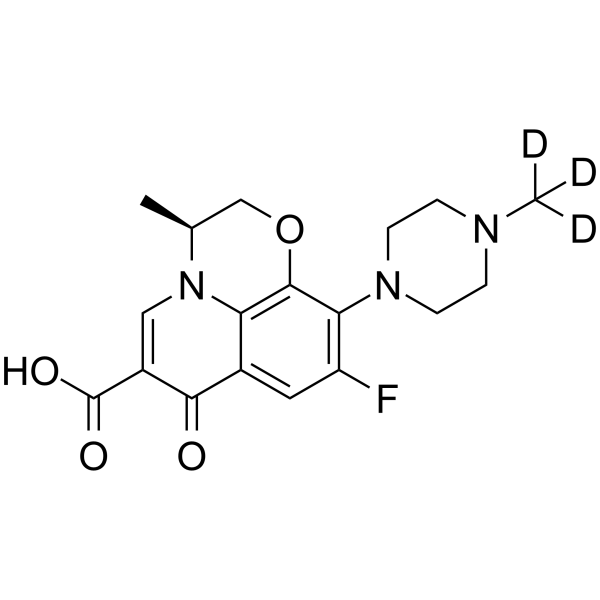
  • HY-B0330S1

    Bacterial Antibiotic Infection
    (S)-Ofloxacin-d3 is the deuterium labeled Levofloxacin. Levofloxacin, a synthetic fluoroquinolone, is an antibacterial agent that inhibits the supercoiling activity of bacterial DNA gyrase, halting DNA replication.
    (S)-Ofloxacin-d3
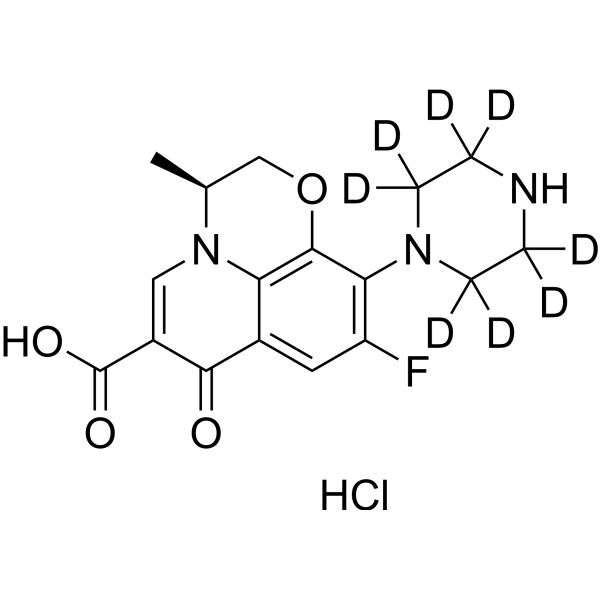
  • HY-135389S

    Isotope-Labeled Compounds Drug Metabolite Antibiotic Infection
    Desmethyl Levofloxacin-d8 hydrochloride is the deuterium labeled Desmethyl Levofloxacin. Desmethyl Levofloxacin is a metabolite of Levofloxacin. Levofloxacin, a synthetic fluoroquinolone, is an antibacterial agent that inhibits the supercoiling activity of bacterial DNA gyrase, halting DNA replication .
    Desmethyl Levofloxacin-d8 hydrochloride
  • HY-135389S1

    Isotope-Labeled Compounds Drug Metabolite Antibiotic Infection
    Desmethyl Levofloxacin-d8 is deuterium labeled Desmethyl Levofloxacin. Desmethyl Levofloxacin is a metabolite of Levofloxacin. Levofloxacin, a synthetic fluoroquinolone, is an antibacterial agent that inhibits the supercoiling activity of bacterial DNA gyrase, halting DNA replication .
    Desmethyl Levofloxacin-d8
  • HY-135389R

    Reference Standards Drug Metabolite Antibiotic Infection
    Desmethyl Levofloxacin (Standard) is the analytical standard of Desmethyl Levofloxacin. This product is intended for research and analytical applications. Desmethyl Levofloxacin is a metabolite of Levofloxacin. Levofloxacin, a synthetic fluoroquinolone, is an antibacterial agent that inhibits the supercoiling activity of bacterial DNA gyrase, halting DNA replication .
    Desmethyl Levofloxacin (Standard)
  • HY-161788

    DNA/RNA Synthesis Bacterial Infection
    DNA Gyrase-IN-11 (Compound 23Be) is an inhibitor for protein synthesis (IC50 is 0.74 μM) and DNA replication. DNA Gyrase-IN-11 inhibits DNA gyrase, that inhibits E. coli DNA supercoiling with IC50 of 11.9 μM. DNA Gyrase-IN-11 exhibits antibacterial efficacy, that inhibits Streptococcus pneumoniae, Streptococcus pyogenes, Haemophilus influenzae and Staphylococcus aureus, with MICs of 0.008-0.25 μg/mL .
    DNA Gyrase-IN-11
  • HY-115159

    Bacterial Infection
    Ro 14-9578 is a tricyclic quinolone analog with antibacterial activity. Ro 14-9578 inhibits DNA biosynthesis (IC50=117 μM) and DNA supercoiling (IC50=66.8 μM) in Escherichia coli. Furthermore, Ro 14-9578 exhibits inhibitory effects against various Gram-negative bacteria and Staphylococcus aureus .
    Ro 14-9578
  • HY-109785A

    Bacterial Infection
    (R)-Gyramide A hydrochloride is a bacterial DNA gyrase inhibitor that disrupts supercoiling activity with an IC50 value of 3.3 µM. (R)-Gyramide A hydrochloride demonstrates antibacterial activity against E. coli, P. aeruginosa, and S. enterica (MICs of 10-80 µM). (R)-Gyramide A hydrochloride does not affect the closely related enzyme topoisomerase IV.
    (R)-Gyramide A hydrochloride
  • HY-14780

    NXL 101

    Antibiotic Topoisomerase DNA/RNA Synthesis Bacterial Infection
    Viquidacin (NXL 101) is an antibiotic with inhibitory activity against topoisomerase IV and DNA gyrase. Viquidacin exhibits antibacterial activity against gram positive bacterial by inhibiting the supercoiling, decatenation and relaxation in strains Staphylococcus aureus and Escherichia coli in micromolar levels. Viquidacin inhibits S. aureus wildtype and mutants with MIC of 2-128 mg/L .
    Viquidacin
  • HY-117657

    Topoisomerase Bacterial Inflammation/Immunology Cancer
    (-)-BO 2367, an antimicrobial quinolone, is a strong mammalian and bacterial topoisomerase II inhibitor. (-)-BO 2367 shows IC50 values with 3.8 μM, 0.5 μM, and 1 μM against the DNA relaxation activity of L1210 topoisomerase II and the supercoiling activities of Escherichia coli gyrase and Micrococcus luteus gyrase, respectively. (-)-BO 2367 is a potent antitumor agent .
    (-)-BO 2367
  • HY-106940

    Bacterial DNA/RNA Synthesis Infection
    DV-7751A is a new Fluoroquinolone and antibacterial agent. DV-7751A inhibits the supercoiling activity of DNA gyrases. DV-7751A exhibits antimicrobial activity against Streptococcus pneumonae, Streptococcus pyogenes, and Peptostreptococcus spp. DV-7751A has a rapid bactericidal effect against S. aureus, Escherichia coli, and P. aeruginosa .
    DV-7751A
  • HY-117818

    Antibiotic DC 116

    Antibiotic Cancer
    Sapurimycin is an antitumor antibiotic isolated from Streptomyces DO-116 and belongs to the capramycin family. Sapurimycin exhibits potent activity against Gram-positive bacteria and exhibits significant antitumor effects against leukemia P388 and sarcoma 180 in mouse models. In vitro studies have shown that Sapurimycin can induce single-strand breaks in supercoiled plasmid DNA .
    Sapurimycin
  • HY-B0455R

    SC47111A hydrochloride (Standard); NY-198 hydrochloride (Standard)

    Reference Standards Bacterial Antibiotic Topoisomerase Reactive Oxygen Species (ROS) Apoptosis Infection Endocrinology Cancer
    Lomefloxacin (hydrochloride) (Standard) is the analytical standard of Lomefloxacin hydrochloride (HY-B0455). This product is intended for research and analytical applications. Lomefloxacin hydrochloride (NY-198 hydrochloride) is an orally active difluoroquinolone antibiotic. Lomefloxacin hydrochloride prevents DNA supercoiling and replication by inhibiting bacterial topoisomerase II. Lomefloxacin hydrochloride induces ROS production and Apoptosis. Lomefloxacin hydrochloride has broad-spectrum bactericidal activity against Gram-positive and Gram-negative bacteria. Lomefloxacin hydrochloride has anticancer effects against melanoma. Lomefloxacin hydrochloride can be used in the study of systemic bacterial infections (such as Salmonella typhimurium infections), skin and melanoma .
    Lomefloxacin hydrochloride (Standard)
  • HY-N6043R

    Reference Standards Apoptosis Bacterial Reactive Oxygen Species (ROS) SARS-CoV Estrogen Receptor/ERR Infection Cardiovascular Disease Neurological Disease Metabolic Disease Inflammation/Immunology Cancer
    Hydroxytyrosol acetate (Standard) is the analytical standard of Hydroxytyrosol (HY-N0570). This product is intended for research and analytical applications. Hydroxytyrosol acetate is an orally active, blood-brain barrier-permeable multi-active compound with multiple effects including antibacterial, antioxidant, anti-platelet aggregation, and neuroprotective activities. Hydroxytyrosol acetate not only inhibits the growth of Vibrio by increasing bacterial membrane permeability, but also interacts with DNA and mediates supercoiled DNA relaxation. Meanwhile, Hydroxytyrosol acetate effectively reduces thrombosis and inhibits lipid oxidation by inhibiting COX activity and promoting vascular nitric oxide production. In terms of neuroprotection, Hydroxytyrosol acetate significantly alleviates neuronal apoptosis and inflammatory responses by up-regulating the expression level of ERβ, thereby improving cognitive function in Alzheimer's disease models. Hydroxytyrosol acetate has been widely used in scientific research related to Vibrio infection, arterial thrombosis, Alzheimer's disease and other related fields .
    Hydroxytyrosol acetate (Standard)
  • HY-116783

    Bacterial DNA/RNA Synthesis Infection
    GyrB-IN-1 is a DNA gyrase (GyrB) inhibitor. GyrB-IN-1 shows an IC50 of 19.1 μM against Mycobacterium smegmatis GyrB ATPase activity and 21.9 μM against Mycobacterium tuberculosis GyrB DNA supercoiling activity. GyrB-IN-1 exerts antimycobacterial activity and has cytotoxicity. GyrB-IN-1 can be used for the research of tuberculosis .
    GyrB-IN-1
  • HY-E71020

    Biochemical Assay Reagents Metabolic Disease
    Topoisomerase I, Human (EC 5.99.1.2) relaxes supercoiled DNA molecules. Topoisomerase I, Human (EC 5.99.1.2) initiates transient breakages and rejoins of phosphodiester bonds in superhelical turns of closed-circular DNA.
    Topoisomerase I, Human
  • HY-182074

    Bacterial Topoisomerase Infection
    DNA Gyrase-IN-18 (Compound 6B) is a DNA Gyrase inhibitor and Antibacterial agent. DNA Gyrase-IN-18 significantly inhibits the supercoiling activity of DNA Gyrase. DNA Gyrase-IN-18 inhibits biofilm formation by *Staphylococcus aureus*. DNA Gyrase-IN-18 exhibits excellent antibacterial activity, with a MIC of 0.125 μg/mL against Staphylococcus aureus and a MIC of 0.5 μg/mL against Mycobacterium tuberculosis .
    DNA Gyrase-IN-18
  • HY-W683763

    HSR-903 free base

    Bacterial Infection
    Olamufloxacin (HSR-903) is an orally active fluoroquinolone antibacterial agent. Olamufloxacin inhibits DNA supercoiling activity. Olamufloxacin exhibits activity against Gram-positive, Gram-negative, chlamydial, and quinolone-resistant bacterial strains. Olamufloxacin can be used for the research of bacterial infections .
    Olamufloxacin
  • HY-W683763A

    HSR-903

    Bacterial Infection
    Olamufloxacin (HSR-903) methanesulfonate is an orally active fluoroquinolone antibacterial agent. Olamufloxacin methanesulfonate inhibits DNA supercoiling activity. Olamufloxacin methanesulfonate exhibits activity against Gram-positive, Gram-negative, chlamydial, and quinolone-resistant bacterial strains. Olamufloxacin methanesulfonate can be used for the research of bacterial infections .
    Olamufloxacin methanesulfonate
  • HY-181819

    Bacterial Topoisomerase Infection
    Antibacterial agent 327 (Compound 6f) is an Antibacterial agent. Antibacterial agent 327 potently inhibits the supercoiling activity of Staphylococcus aureus DNA gyrase with an IC50 of 0.28 μM. It also inhibits the ATPase activities of DNA gyrase and Topoisomerase IV, as well as the decatenation activity of Topoisomerase IV (IC50: 0.43 μM, 0.73 μM, and 2.31 μM, respectively). Antibacterial agent 327 potently inhibits Clostridioides difficile and methicillin-resistant Staphylococcus aureus (HY-121544), with an MIC of 0.78 μg/mL for both. Antibacterial agent 327 inhibits Escherichia coli with an MIC50 of 0.78 μg/mL .
    Antibacterial agent 327
  • HY-181820

    Topoisomerase DNA Glycosylase Bacterial Infection
    Topoisomerase IV-IN-3 is a Staphylococcus aureus Topoisomerase IV inhibitor, DNA gyrase inhibitor and antibacterial agent. Topoisomerase IV-IN-3 has IC50 values of 1.32 μM and 0.48 μM against topoisomerase IV, and 0.88 μM and 0.54 μM against DNA gyrase. Topoisomerase IV-IN-3 inhibits decatenation, ATPase, and supercoiling activities of its target enzymes. Topoisomerase IV-IN-3 exerts antibacterial activity against Gram-positive and Gram-negative bacterial strains. Topoisomerase IV-IN-3 exhibits low cytotoxicity toward human fibroblast cells. Topoisomerase IV-IN-3 can be used for the research of bacterial infections .
    Topoisomerase IV-IN-3
  • HY-D3404

    DNA Stain Others
    BODi-1 is a fluorescent modulator targeting dsDNA, which binds to dsDNA via a bis-intercalation mechanism (Ex=465 nm, Em=490 nm). BODi-1 exhibits a fluorescence enhancement effect upon binding to nucleic acids, but its fluorescence intensity, anisotropy and average lifetime decrease at higher dye/DNA ratios. When BODi-1 binds to DNA in liposome complexes, it also shows red-shifted emission spectra, along with reduced quantum yield and average lifetime. BODi-1 does not induce significant DNA conformational changes when the dye/DNA ratio is below 0.01. BODi-1 can be used as a fluorescent probe for the characterization of liposome complexes and FRET studies at this ratio .
    BODi-1
  • HY-116880

    Bacterial DNA/RNA Synthesis Infection
    DS-2969b is an orally active GyrB inhibitor with antibacterial activity. DS-2969b is is active against Clostridium difficile infection (MIC90: 0.06 μg/mL), which is 2-, 16-, and 32-fold lower than those of Fidaxomicin (HY-17580), Metronidazole (HY-B0318), and Vancomycin (HY-B0671), respectively. DS-2969b inhibits the supercoiling activity of C. difficile DNA gyrase. DS-2969b also exhibits activity against other Gram-positive anaerobes, including strict and facultative anaerobes. DS-2969b is safe and well tolerated in preclinical toxicology studies .
    DS-2969b

Inquiry Online

Your information is safe with us. * Required Fields.

Salutation


Country or Region *

Applicant Name *


Organization Name *

Department *


Email Address *


Product Name *

Cat. No.


Requested quantity *

Phone Number *


Remarks

Inquiry Online

Inquiry Information

Product Name:
Cat. No.:
Quantity:
MCE Japan Authorized Agent:

