

1. Search Result
Search Result
Results for "

DNA-binding proteins

" in MedChemExpress (MCE) Product Catalog:

39

Inhibitors & Agonists

1

Screening Libraries

1

MCE Kits

2

Inhibitory Antibodies

2

Natural
Products

1

Isotope-Labeled Compounds

9

Oligonucleotides

Cat. No. Product Name Target Research Areas Chemical Structure
  • HY-12270
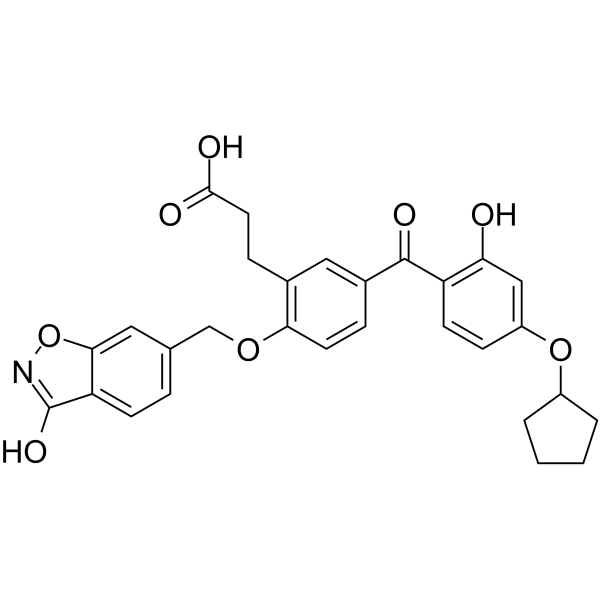
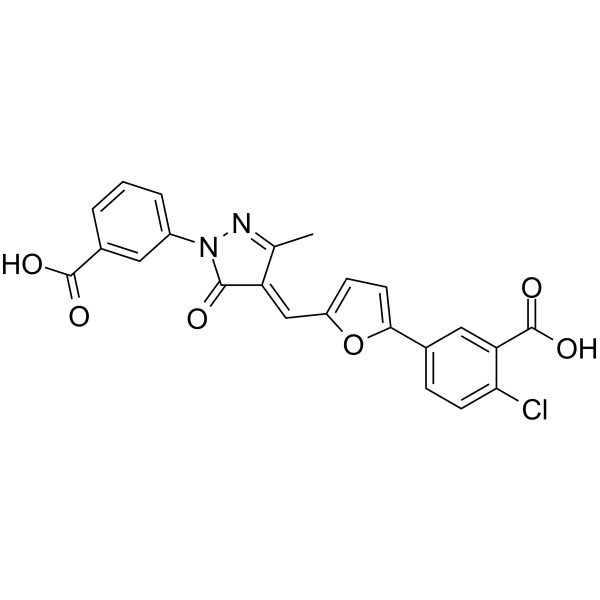
    T-5224
    Maximum Cited Publications
    100 Publications Verification

    AP-1 MMP Neurological Disease Inflammation/Immunology Cancer
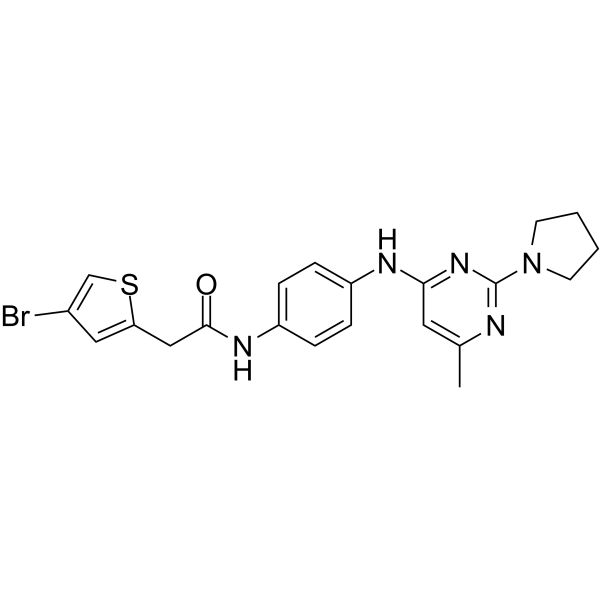
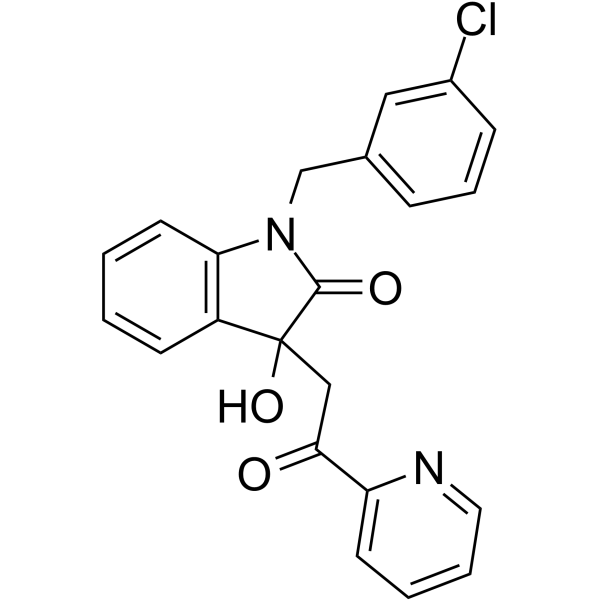
    T-5224 is a transcription factor c-Fos/activator protein (AP)-1 inhibitor with anti-inflammatory effects, which specifically inhibits the DNA binding activity of c-Fos/c-Jun without affecting other transcription factors. T-5224 inhibits the IL-1β-induced up-regulation of Mmp-3, Mmp-13 and Adamts-5 transcription .
    T-5224
  • HY-129241
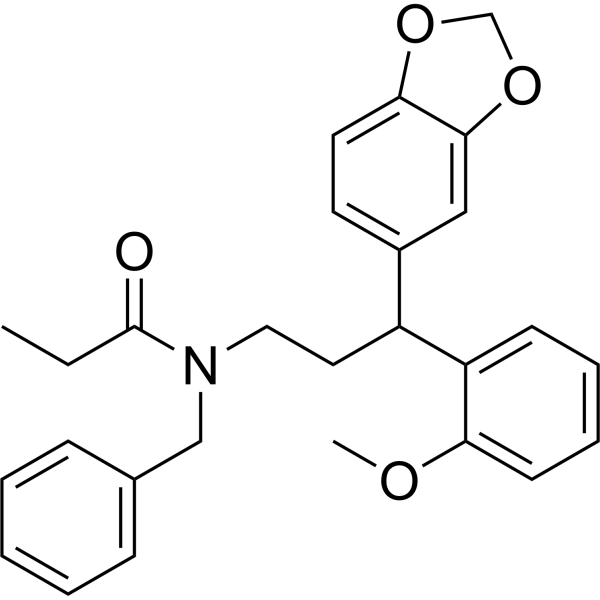
    AGX51
    5+ Cited Publications

    DNA/RNA Synthesis DNA Alkylator/Crosslinker Cancer
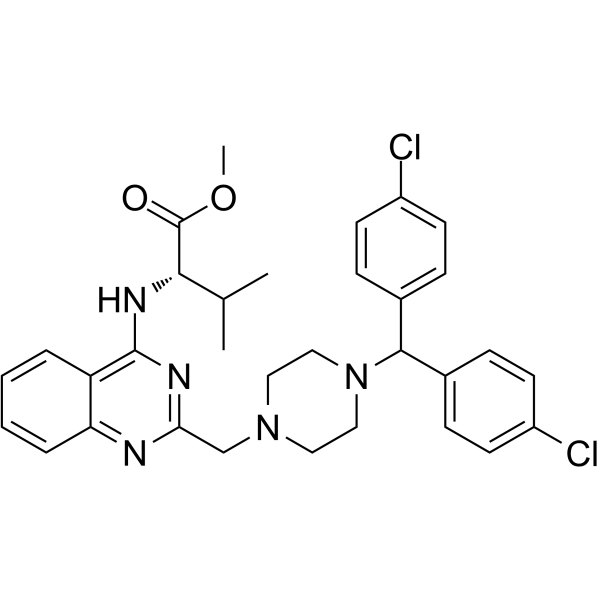
    AGX51 is the first-in-class pan-Id (inhibitors of DNA-binding/differentiation proteins) antagonist and degrader. AGX51 inhibits Id1-E47 interaction, leading to ubiquitin-mediated degradation of Ids, cell growth arrest, and viability reduction. AGX51 can inhibit TNBC and has an IC50 of about 25 nM. AGX51 can be used in cancer research.
    AGX51
  • HY-U00447

    MDM-2/p53 DNA Alkylator/Crosslinker Cancer
    PK11000 is an alkylating agent, and stabilizes the DNA-binding domain of both WT and mutant p53 proteins by covalent cysteine modification without compromising DNA binding. PK11000 has anti-tumor activities .
    PK11000
  • HY-179078

    OLIG2 Apoptosis Caspase PARP Neurological Disease Cancer
    CT-179 is a brain-penetrant and orally active OLIG2 inhibitor with a human IC50 of 1250 nM. CT-179 disrupts OLIG2 dimerization, phosphorylation, and DNA binding, blocking OLIG2-driven transcription. CT-179 induces G2/M phase arrest and increases G0 population. CT-179 induces apoptosis by reducing anti-apoptotic proteins and increasing cleaved caspase-3 and cleaved PARP. CT-179 can be used for the research of subgroup medulloblastoma .
    CT-179
  • HY-P99666

    IFNAR Infection Cancer
    Interferon alfa-2b is a type I interferon that activates novel genes and exerts potent antiviral and antiproliferative activity on target cells. Signaling by Interferon alfa-2b requires receptor-dependent activation of Stat1 and Stat2 to form a heterodimeric STAT that binds to the DNA-binding protein IRF-9 (p48) and forms ISGF-3 (IFN-stimulated gene factor 3). The driver genes are then further activated by ISGF-3 to achieve antiviral function .
    Interferon alfa-2b
  • HY-116940
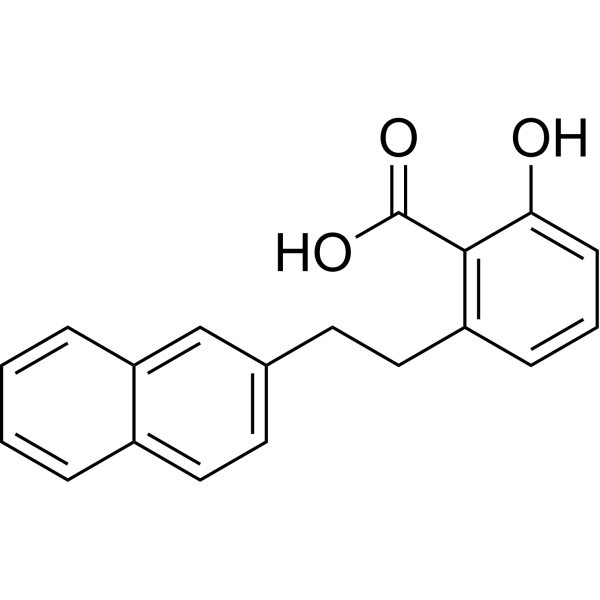
    Sm4
    1 Publications Verification

    Oct3/4 Notch STAT Cancer
    Sm4 is a selective and orally active SOX18 inhibitor. Sm4 inhibits SOX18-DNA binding (IC50 = 97.5 μM); Sm4 disrupts the SOX18-RBPJ protein-protein interaction (IC50 = 42.3 μM). Sm4 blocks SOX18 DNA binding, disrupts multiple SOX18 protein-protein interactions with RBPJ, DDX1, DDX17, ILF3, SOX7 and STAT1, modulates SOX18 chromatin binding dynamics. Sm4 exerts anti‑angiogenic and anti‑lymphangiogenic effects, reduces tumor vascular density, triggers vascular defects in zebrafish, prolongs survival in mouse metastatic cancer models. Sm4 can be used for the research of breast cancer .
    Sm4
  • HY-144256

    DNA/RNA Synthesis Apoptosis Cancer
    CHD1Li 6.11 is a potent and orally active Chromodomain Helicase DNA Binding Protein 1 Like (CHD1L) (oncogenic gene) inhibitor (IC50 = 3.3 µM for cat-CHD1L recombinant protein). CHD1Li 6.11 can inhibit EMT, induce mesenchymal-epithelial transition (reverse EMT) and promote apoptosis in tumor organoid models. CHD1Li 6.11 can be used for the research of cancer, such as colorectal cancer .
    CHD1Li 6.11
  • HY-138155

    DNA/RNA Synthesis Cancer
    NSC15520 is a small molecular inhibitor of Replication Protein A (RPA). NSC15520 specifically recognizes the RPA N-terminal DNA binding domain (DBD), and blocks the interaction of RPA with p53 or RAD9. NSC15520 also inhibtis helix destabilization of a duplex DNA (dsDNA) oligonucleotide, involves in DNA replication, DNA repair, DNA recombination, and DNA damage response signaling .
    NSC15520
  • HY-N8146

    STAT Bcl-2 Family Ser/Thr Kinase Survivin c-Myc Apoptosis Necroptosis CDK Infection Cancer
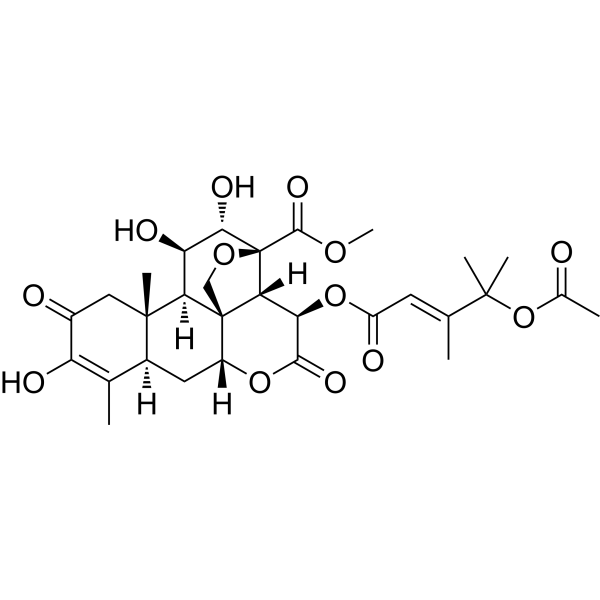
    Bruceantinol is a quassinoid that can be isolated from Brucea javanica, inhibits pepper mottle virus (PepMoV) in pepper. Bruceantinol is a STAT3 inhibitor demonstrating potent antitumor activity in in vitro and in vivo human colorectal cancer (CRC) models. Bruceantinol has potent anti-leukemic activity. Bruceantinol strongly inhibits STAT3 DNA-binding ability (IC50 = 2.4 pM), blocks the constitutive and IL-6-induced STAT3 activation, and suppresses transcription of MCL-1, PTTG1, survivin and c-Myc. Bruceantinol binds with CDK2/4/6 to facilitate protein degradation through proteasome pathway. Bruceantinol can dose- and time-dependently reduces the cell growth, impede cell proliferation, disrupts the cell cycle, and induces necrosis in MCF-7 cells and apoptosis in MDA-MB-231 cells .
    Bruceantinol
  • HY-P990021

    TRL1068

    Bacterial Others
    Calpurbatug is an immunoglobulin G1 antibody. Calpurbatug has activity with anti-bacterial DNA-binding protein DNABII family and anti-human monoclonal TRL1068 γ1-chain .
    Calpurbatug
  • HY-144707

    Apoptosis VEGFR MMP PTEN Cancer
    AK-778-XXMU is a potent DNA binding inhibitor 2 (ID2) antagonist with a KD of 129 nM. AK-778-XXMU can inhibit cell migration and invasion of glioma cell lines, induce apoptosis, and exhibits significant cancer-suppressing potency. AK-778-XXMU inhibits the ID2-KDR signaling axis, thereby down-regulating the downstream angiogenic factors (VEGFA) and invasion-related proteins (MMP2/9), and up-regulating the tumor suppressor factor (PTEN). AK-778-XXMU can be used for the study of glioma .
    AK-778-XXMU
  • HY-177119

    PROTACs RIP kinase Mixed Lineage Kinase Infection Inflammation/Immunology
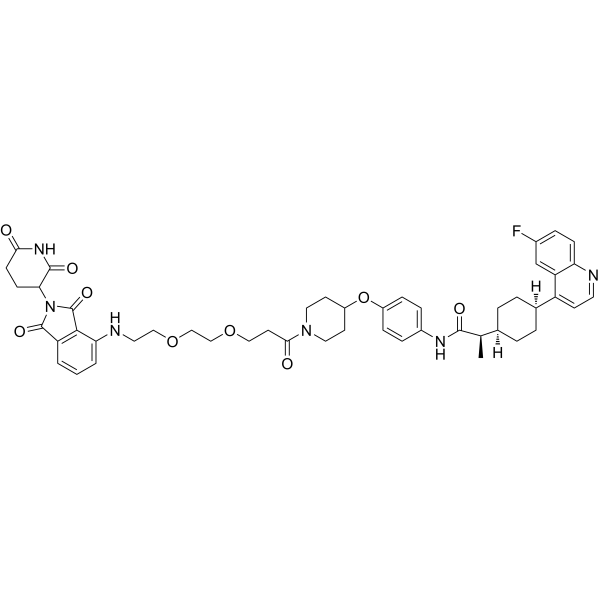
    ZBP1 Covalent PROTAC-1 is a covalent Z-DNA binding protein 1 ZBP1 PROTAC degrader, with its DC50 being 25.69 nM. ZBP1 Covalent PROTAC-1 integrates the ligand that recruits the VHL E3 ubiquitin ligase and the DNA aptamer (Aptamer Z3) with the specific Zα domain that can bind to ZBP1, which has a high affinity (KD = 2.71 nM) with ZBP1. After degrading ZBP1, the phosphorylation levels of downstream signaling molecules RIPK3 and MLKL significantly decrease. ZBP1 Covalent PROTAC-1, encapsulated by nano-liposomes, significantly improves the survival rate of mice infected with influenza A virus (IAV) after administration via the trachea .
    ZBP1 Covalent PROTAC-1
  • HY-122578

    MDM-2/p53 Cancer
    P53R3 is a potent p53 reactivator and restores sequence-specific DNA binding of p53 hot spot mutants, including p53 R175H, p53 R248W and p53 R273H. P53R3 induces p53-dependent antiproliferative effects with much higher specificity than PRIMA-1. P53R3 enhances the recruitment of wild-type p53 and p53 M237I to several target gene promoters. P53R3 strongly enhances the mRNA, total protein and cell surface expression of the death receptor death receptor 5 (DR5). P53R3 is used for cancer research .
    P53R3
  • HY-147187

    STAT Apoptosis Bcl-2 Family Survivin Cancer
    MNK8 is a potent STAT3 (signal transducer and activator of transcription 3) inhibitor. MNK8 inhibits STAT3 activation and reduced its DNA binding ability. MNK8 shows good growth inhibition against hepatocellular carcinoma (HCC) cells. MNK8 induces apoptosis in HCC cells. MNK8 reduces prosurvival proteins expression and migration/invasion of HCC cells .
    MNK8
  • HY-139038

    DNA/RNA Synthesis Cancer
    TDRL-X80 is a potent inhibitor of xeroderma pigmentosum group A (XPA) protein. TDRL-X80 inhibits XPA’s DNA binding activity. TDRL-X80 exhibits activity against single, double, and Cisplatin-damaged DNA with IC50s of 18, 20, and 29 μM in fluorescence polarization (FP) analyses , and with IC50s of 21, 39, and 28 in ELISA Analysis .
    TDRL-X80
  • HY-132276

    Phosphatase Others
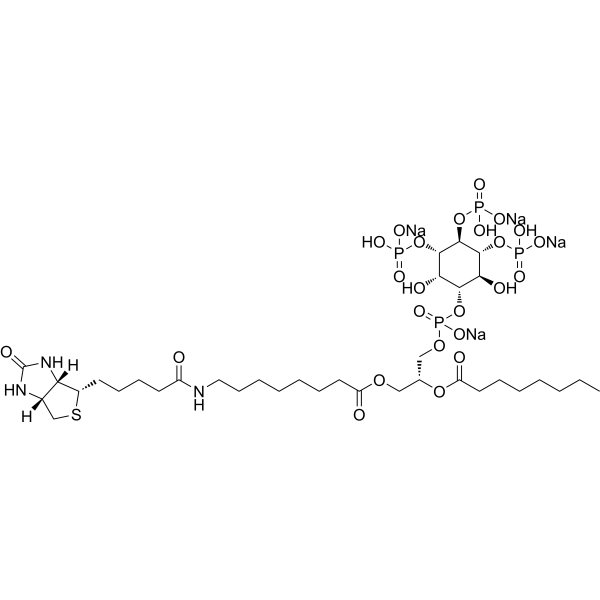
    PtdIns-(3,4,5)-P3-biotin sodium is a Biotin-labeled PtdIns-(3,4,5)-P3 (PI(3,4,5)P3). PI(3,4,5)P3 is a substrate of nuclear phosphatidylinositol 5-phosphatase (PIP5Pase). PI(3,4,5)P3 binds to the N-terminus of RAP1 (repressor activator protein 1) and controls its DNA binding activity .
    PtdIns-(3,4,5)-P3-biotin sodium
  • HY-W034419

    MDM-2/p53 Apoptosis Cancer
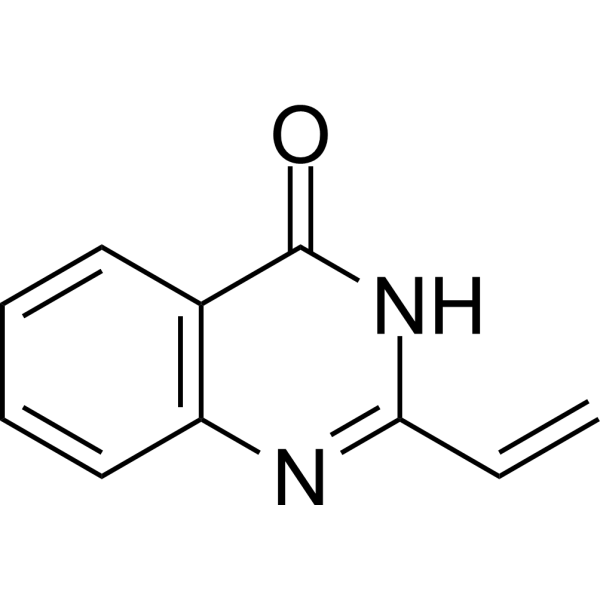
    STIMA-1 can stimulate mutant p53 DNA binding in vitro and induce expression of p53 target proteins and trigger apoptosis in mutant p53-expressing human tumor cells .
    STIMA-1
  • HY-12270R

    AP-1 MMP Others
    T-5224 (Standard) is the analytical standard of T-5224. This product is intended for research and analytical applications. T-5224 is a transcription factor c-Fos/activator protein (AP)-1 inhibitor with anti-inflammatory effects, which specifically inhibits the DNA binding activity of c-Fos/c-Jun without affecting other transcription factors. T-5224 inhibits the IL-1β-induced up-regulation of Mmp-3, Mmp-13 and Adamts-5 transcription .
    T-5224 (Standard)
  • HY-174578

    mRNA Cancer
    Human MYB mRNA encodes a protein with three HTH DNA-binding domains that functions as a transcription regulator. MYB plays an essential role in the regulation of hematopoiesis.
    Human MYB mRNA
  • HY-139118

    c-Myc Apoptosis Cancer
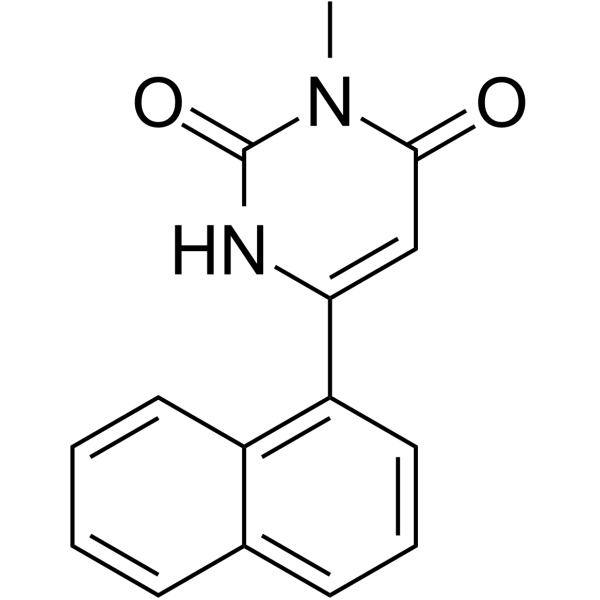
    NSC308848 is a potent apoptosis inducer in a Myc-dependent manner. NSC308848 inhibits Myc transactivation and interferes with the DNA-binding activity of Myc family proteins .
    NSC308848
  • HY-121444

    NSC339585

    Apoptosis c-Myc Cancer
    MYRA-A is a potent apoptosis inducer in a Myc-dependent manner. MYRA-A inhibits Myc transactivation and interferes with the DNA-binding activity of Myc family proteins. MYRA-A inhibits cell viability .
    MYRA-A
  • HY-174477

    mRNA Cardiovascular Disease
    Mouse Tbx5 mRNA encodes the mouse T-box 5 (Tbx5) protein, a DNA-binding protein that regulates the transcription of several genes. Tbx5 is involved in heart development and limb pattern formation.
    Mouse Tbx5 mRNA
  • HY-N11669

    DNA/RNA Synthesis Cancer
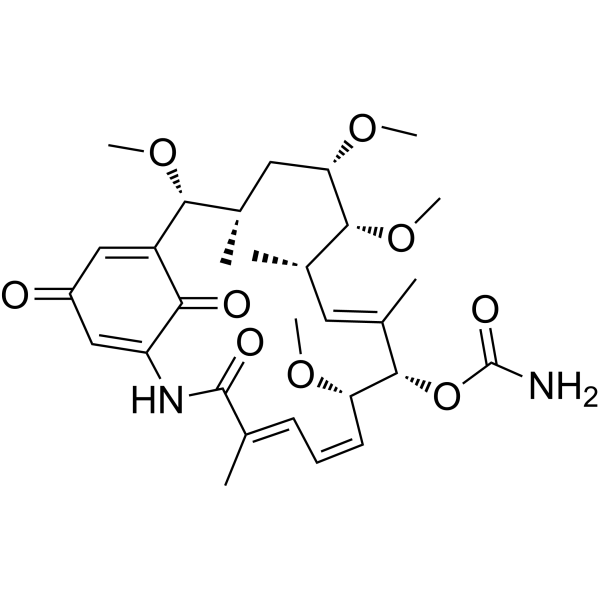
    Demycarosyl-3D-β-D-digitoxosylmithramycin SK is a Mithramycin analog with good anti-tumor activity, which can prevent the proliferation and growth of tumor cells by binding and inhibiting DNA-binding proteins .
    Demycarosyl-3D-β-D-digitoxosylmithramycin SK
  • HY-174679

    mRNA Cancer
    Human FOXA2 mRNA encodes the human forkhead box A2 (FOXA2) protein, a member of the forkhead class of DNA-binding proteins. FOXA2 is involved in embryonic development, establishment of tissue-specific gene expression and regulation of gene expression in differentiated tissues.
    Human FOXA2 mRNA
  • HY-162896

    DNA/RNA Synthesis Cancer
    And1 degrader 1 (Compound A15) is a degrader of the acidic nucleoplasmic DNA-binding protein 1 (And1), which can significantly induce the degradation of And1 in NSCLC cells. And1 degrader 1 (5 μM) combined with Olaparib (HY-10162) (1 μM) effectively inhibits the proliferation of A549 and H460 cells. And1 degrader 1 can be used in cancer research .
    And1 degrader 1
  • HY-170965

    CDK DNA/RNA Synthesis Cancer
    Anticancer agent 264 (Compound 5w) is an anticancer agent that exhibits significant antiproliferative activity across tumor cell lines, with an IC50 range of 7.5-33.67 μM. Anticancer agent 264 significantly induces G2/M phase arrest in MDA-MB-231, MIA PaCa-2, and DU-145 cell lines. Anticancer agent 264 reduces the expression of key cell cycle proteins, including CDK1, CDK2, and Cyclin B1, in a dose-dependent manner, and shows strong binding affinity with inhibitor of differentiation (ID) proteins and DNA-binding proteins. Anticancer agent 264 can be used for research in the field of cancer-related diseases .
    Anticancer agent 264
  • HY-119009

    JAK STAT NF-κB Bcl-2 Family Cancer
    TM-233 is an inhibitor of the JAK/STAT and NF-κB signaling pathways, exhibiting significant antitumor activity. TM-233 reduces the expression of the anti-apoptotic protein Mcl-1 by inhibiting the phosphorylation of JAK2 and STAT3, and regulates its transcription by directly binding to the Mcl-1 gene promoter. Additionally, TM-233 prevents the translocation of NF-κB from the cytoplasm to the nucleus by inhibiting its DNA-binding activity, thereby reducing nuclear NF-κB expression. TM-233 shows potential in overcoming Bortezomib (HY-10227) resistance and can be applied in research related to multiple myeloma .
    TM-233
  • HY-174511

    mRNA Cancer
    Human TP53 mRNA encodes the human tumor protein p53 (TP53) protein, a tumor suppressor protein containing transcriptional activation, DNA binding, and oligomerization domains. TP53 responds to diverse cellular stresses to regulate expression of target genes, thereby inducing cell cycle arrest, apoptosis, senescence, DNA repair, or changes in metabolism.
    Human TP53 mRNA
  • HY-174574

    mRNA Cancer
    Human NANOG mRNA encodes the human Nanog homeobox (NANOG) protein, a DNA binding homeobox transcription factor that involved in embryonic stem (ES) cell proliferation, renewal, and pluripotency. NANOG can block ES cell differentiation and autorepress its own expression in differentiating cells.
    Human NANOG mRNA
  • HY-174583

    mRNA Cancer
    Human MEF2C mRNA encodes the human myocyte enhancer factor 2C (MEF2C) protein, a member of the MADS box transcription enhancer factor 2 (MEF2) family. MEF2C has both trans-activating and DNA binding activities and may play a role in maintaining the differentiated state of muscle cells.
    Human MEF2C mRNA
  • HY-182744

    MDM-2/p53 Cancer
    LLQ-45 is a covalent p53 Y220C mutant protein agonist with an EC50 of 24.97 μM. LLQ-45 activates the anti-tumor function of p53 Y220C through covalent modification, restores its DNA-binding ability and enhances its thermal stability. LLQ-45 selectively inhibits the proliferation of p53 Y220C mutant tumor cells, suppresses cell growth and upregulates the expression of CDKN1A. LLQ-45 can be used in studies related to p53 Y220C mutant cancers .
    LLQ-45
  • HY-174681

    mRNA Cancer
    Human FOXA1 mRNA encodes the human forkhead box A1 (FOXA1) protein, a member of the forkhead class of DNA-binding proteins. FOXA1 is involved in embryonic development, establishment of tissue-specific gene expression and regulation of gene expression in differentiated tissues.
    Human FOXA1 mRNA
  • HY-174538

    mRNA Cardiovascular Disease
    Human TBX5 mRNA encodes the human T-box transcription factor 5 (TBX5) protein, a member of a phylogenetically conserved family. TBX5 is a DNA-binding protein that regulates the transcription of several genes and also involved in heart development and limb pattern formation.
    Human TBX5 mRNA
  • HY-174584

    mRNA Neurological Disease
    Human MEF2A mRNA encodes the human myocyte enhancer factor 2A (MEF2A) protein, a DNA-binding transcription factor that activates many muscle-specific, growth factor-induced, and stress-induced genes. MEF2A is involved in several cellular processes, including muscle development, neuronal differentiation, cell growth control, and apoptosis.
    Human MEF2A mRNA
  • HY-183622

    MDM-2/p53 Cancer
    UCI-1014 is a mutant p53 (p53 R175H) corrector/reactivator. UCI-1014 restores the wild-type-like DNA-binding activity of p53 R175H, promotes the redistribution of the mutant protein to chromatin, and induces the expression of p53-dependent target genes. UCI-1014 inhibits the proliferation of p53 R175H-mutant cancer cells through an SLC7A11-independent mechanism. UCI-1014 can be used for research related to p53-mutant cancers .
    UCI-1014
  • HY-185102

    PROTACs Cancer
    ZBP1 PROTAC-1 (2a+aptamer) is a Z-DNA binding protein 1 (ZBP1) PROTAC. ZBP1 PROTAC-1 consists of a DNA aptamer (specifically binds to ZBP1) and an E3 enzyme-recruiting unit. ZBP1 PROTAC-1 combines the high specificity of DNA aptamers with the degradation-inducing capabilities of PROTACs, providing a powerful tool for targeted protein degradation .
    ZBP1 PROTAC-1
  • HY-12270S

    Isotope-Labeled Compounds AP-1 MMP Inflammation/Immunology
    T-5224-d8 is the deuterium labeled T-5224 (HY-12270). T-5224 is a transcription factor c-Fos/activator protein (AP)-1 inhibitor with anti-inflammatory effects, which specifically inhibits the DNA binding activity of c-Fos/c-Jun without affecting other transcription factors. T-5224 inhibits the IL-1β-induced up-regulation of Mmp-3, Mmp-13 and Adamts-5 transcription .
    T-5224-d8
  • HY-180366

    Nucleoside Antimetabolite/Analog Others
    5-Amino-2'-deoxyuridine is a thymidine analogue and substrate for chemical reaction. 5-Amino-2'-deoxyuridine can be use in the preparation of labeled probes for DNA microarray analysis .
    5-Amino-2'-deoxyuridine
  • HY-182360

    PERK Eukaryotic Initiation Factor (eIF) Bcl-2 Family Apoptosis Reactive Oxygen Species (ROS) STING DNA/RNA Synthesis PD-1/PD-L1 Cancer
    Cytisine-Platinum(IV) Prodrug-1 is a Pt(IV) prodrug incorporating the natural compound Cytisine (HY-N0175) with antiproliferative activity against tumor cells. Cytisine-Platinum(IV) Prodrug-1 promotes calcium transfer across the IP3R1-GRP75-VDAC1 axis to drive mitochondrial calcium overload. Cytisine-Platinum(IV) Prodrug-1 initiates unfolded protein response via PERK, eIF2α, ATF4, and CHOP to modulate Bcl-2 and Bax, triggering apoptosis. Cytisine-Platinum(IV) Prodrug-1 induces mitochondrial dysfunction, ROS production, reduced ATP synthesis, DNA damage, and S-phase cell cycle arrest. Cytisine-Platinum(IV) Prodrug-1 activates the cGAS-STING pathway, reduces PD-L1 expression, drives immunogenic cell death. Cytisine-Platinum(IV) Prodrug-1 exhibits high physiological stability, efficient cellular accumulation, and enhanced platinum-DNA binding, and inhibits tumor growth in mouse models with reduced systemic toxicity. Cytisine-Platinum(IV) Prodrug-1 can be used for the research of lung cancer .
    Cytisine-platinum(IV) prodrug-1

Inquiry Online

Your information is safe with us. * Required Fields.

Salutation


Country or Region *

Applicant Name *


Organization Name *

Department *


Email Address *


Product Name *

Cat. No.


Requested quantity *

Phone Number *


Remarks

Inquiry Online

Inquiry Information

Product Name:
Cat. No.:
Quantity:
MCE Japan Authorized Agent:

