Search Result
Results for "
DOTAP
" in MedChemExpress (MCE) Product Catalog:
5
Biochemical Assay Reagents
2
Isotope-Labeled Compounds
| Cat. No. |
Product Name |
Target |
Research Areas |
Chemical Structure |
-
- HY-112754A
-
|
1,2-Dioleoyl-3-trimethylammonium-propane chloride
|
Liposome
|
Cancer
|
|
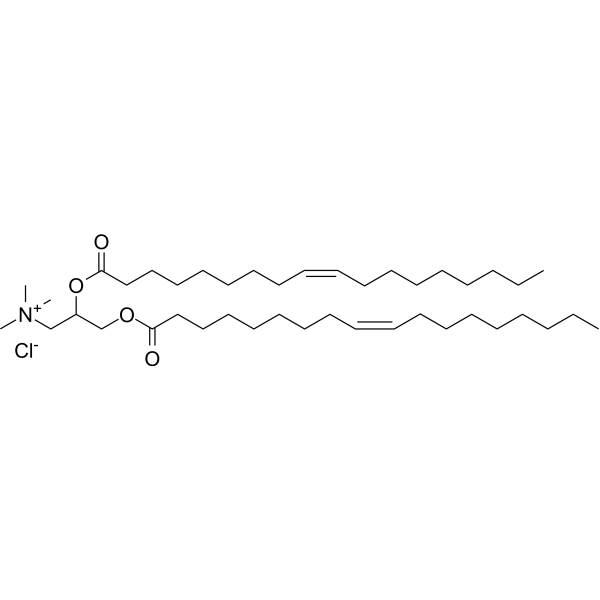
DOTAP chloride is a useful and effective cationic lipid for transient and stable transfection DNA (plasmids, bacmids) and modified nucleic acids (antisense oligonucleotides) with out the use of helper lipid .
|
-
-
- HY-W127378
-
|
1,2-Dioleoyl-3-trimethylammonium-propane methylsulfate
|
Liposome
|
Others
|
|
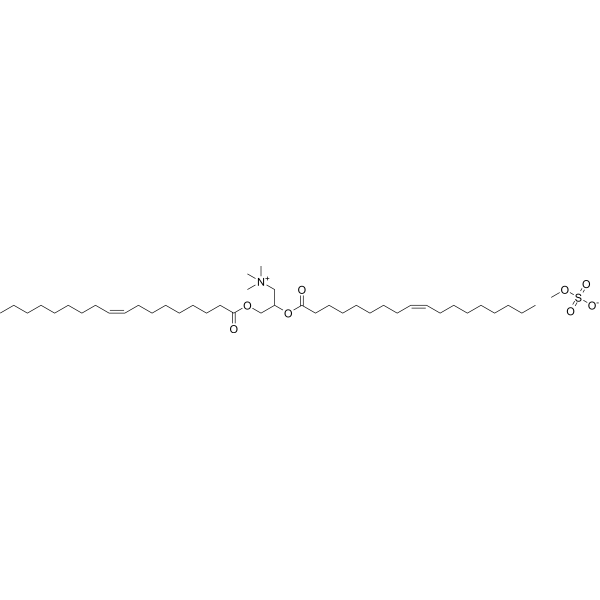
DOTAP methylsulfat is a cationic lipid reagent, a cationic derivative of trimethylammonium, linked to two 18-carbon fatty acid tails, each with a single olefin group. DOTAP methylsulfat can self-assemble with negatively charged ions (such as DNA) to form complexes, which can be adsorbed to the cell membrane surface and enter the cell by electrostatic interaction and endocytosis, respectively. DOTAP methylsulfat promotes endosomal membrane fusion with its own hydrophobic domain, releases DNA into the cytoplasm, and exerts gene delivery function. DOTAP methylsulfat can be widely used in research fields such as gene therapy, cell transfection, and non-viral vector design .
|
-
-
- HY-143702
-
|
NBD-DOTAP
|
Fluorescent Dye
Liposome
|
Inflammation/Immunology
Cancer
|
|
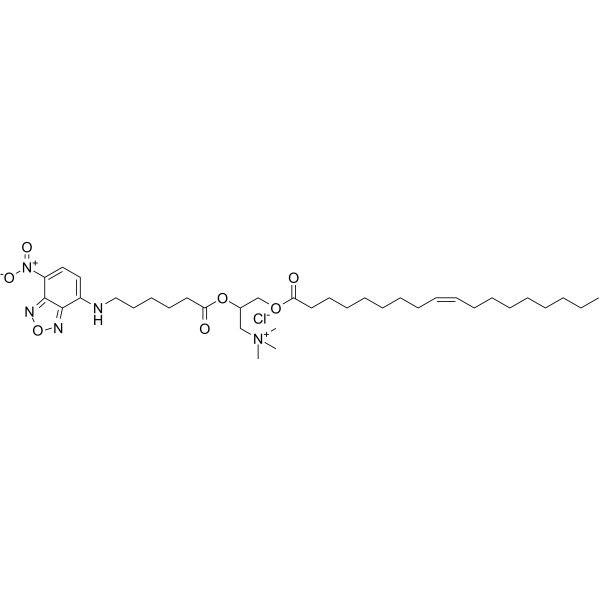
Fluorescent DOTAP (NBD-DOTAP) is a cationic lipid which can be used for nucleic acid and protein delivery. Fluorescent DOTAP is labeled with a fluorophore NBD (maximum excitation/emission wavelength ∼463/536 nm). Fluorescent DOTAP can be used for gene delivery systems, drug delivery, as well as cell imaging and nanocarrier tracking. Fluorescent DOTAP is an ideal candidate for both biological and pharmaceutical formulation (e.g. co-delivery of vaccines) research .
|
-
-
- HY-W127426
-
|
|
Biochemical Assay Reagents
|
Others
|
|
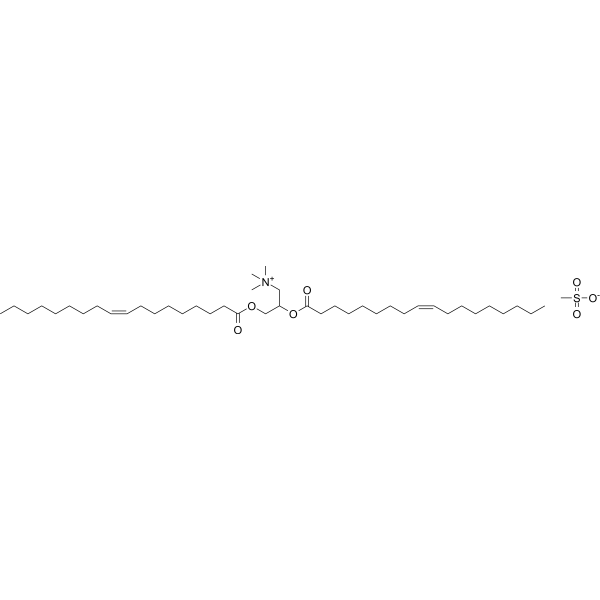
DOTAP mesylate is a biochemical reagent that can be used as a biological material or organic compound for life science related research.
|
-
-
- HY-143950S
-
-
-
- HY-P11287A
-
|
|
Interleukin Related
Radionuclide-Drug Conjugates (RDCs)
|
Cancer
|
|
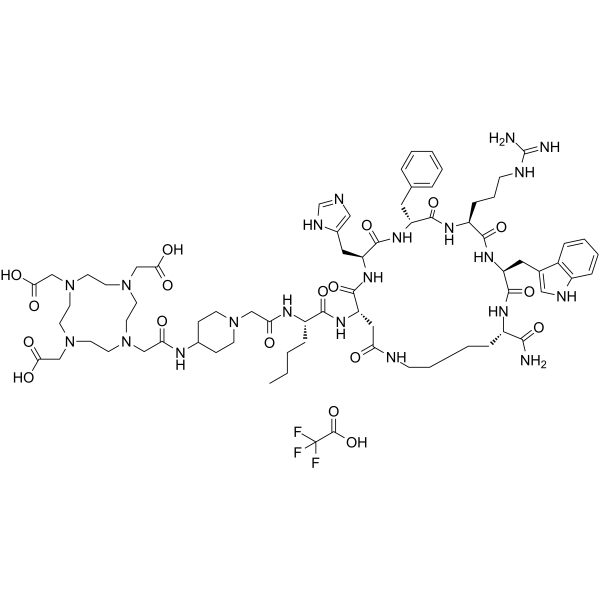
DOTA-Pep-1L TFA is a polypeptide formed by the conjugation of DOTA and Pep-1L. DOTA-Pep-1L TFA specifically binds to IL13RA2 and can be used for the synthesis of targeted polypeptides. DOTA-Pep-1L TFA yields the isotopically labeled product [ 225Ac]DOTA-Pep-1L, which exerts α-radiation killing effects on orthotopic glioma cells and extends the median survival time of mice bearing orthotopic glioma models after stereotactic injection. DOTA-Pep-1L TFA can be used for PET imaging, tumor targeting and glioma research .
|
-
-
- HY-112754AGL
-
|
1,2-Dioleoyl-3-trimethylammonium-propane chloride (GMP Like)
|
Liposome
|
Others
|
|
DOTAP chloride (GMP Like) is the GMP Like class DOTAP chloride (HY-112754A). GMP small molecules works appropriately as an auxiliary reagent for cell therapy manufacture. DOTAP chloride is a cationic lipid with good membrane fusion ability and biocompatibility. DOTAP chloride (GMP Like) can be used as an excipient for transient and stable transfection DNA (plasmids, bacmids) and modified nucleic acids (antisense oligonucleotides) without the use of helper lipid .
|
-
-
- HY-P10131
-
|
|
Radionuclide-Drug Conjugates (RDCs)
FAP
|
Cancer
|
|
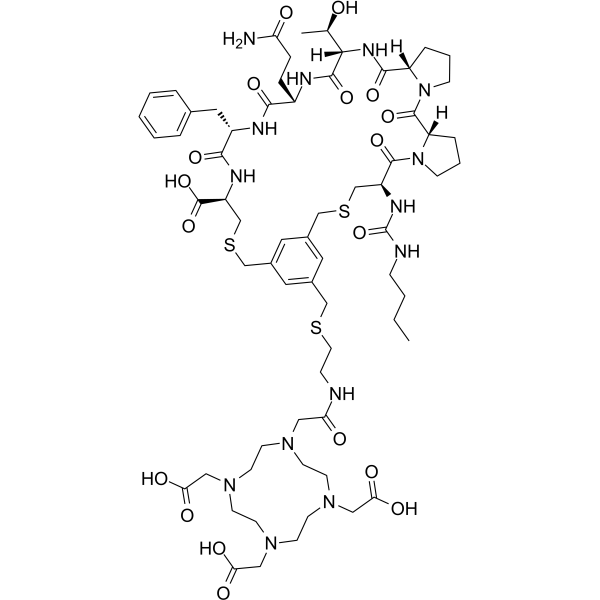
3BP-3940 is a highly potent and selective peptide inhibitor of FAP that targets cancer-associated fibroblasts (CAFs) in the tumor microenvironment. 3BP-3940 can be labeled with radionuclides (such as Ga-68) for precise tumor imaging or Lu-177 for the development of targeted anticancer technologies. 3BP-3940 accumulates in tumor lesions and can be used to diagnose and inhibit various solid cancers and CAFs-related diseases .
|
-
-
- HY-P2336A
-
|
|
Melanocortin Receptor
|
Cancer
|
|
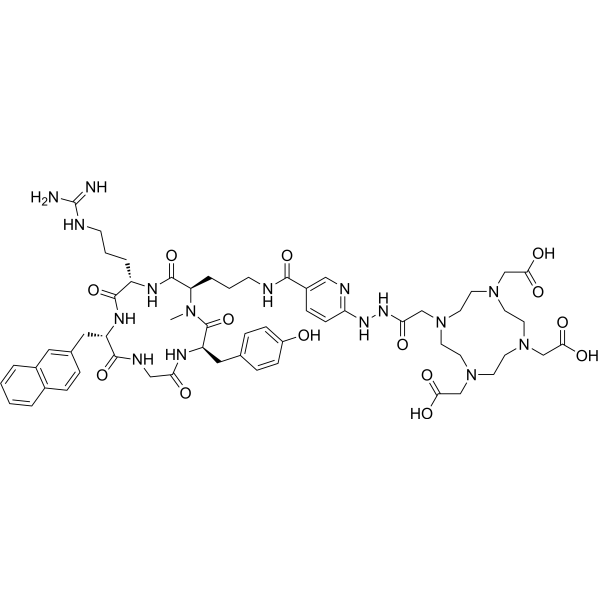
CCZ01048 TFA, a α-MSH analogue, exhibits high binding affinity to melanocortin 1 receptor (MC1R) with a Ki of 0.31 nM. CCZ01048 TFA shows rapid internalization into B16F10 melanoma cells and high in vivo stability. CCZ01048 TFA is a promising candidate for PET imaging of malignant melanoma .
|
-
-
- HY-P2112
-
|
DOTA-Nal3-octreotide
|
Radionuclide-Drug Conjugates (RDCs)
Somatostatin Receptor
|
Others
|
|
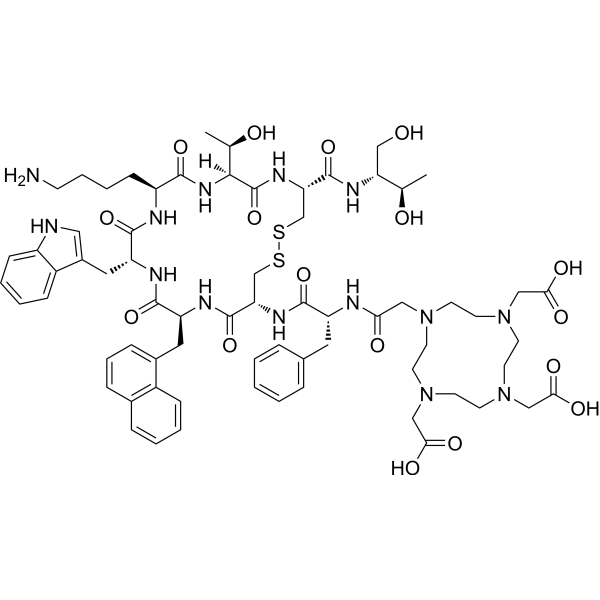
DOTA-NOC (DOTA-Nal3-octreotide) is a high-affinity ligand of somatostatin receptor subtypes 2, 3 and 5. DOTA-NOC can be used for labeling with various radiometals, and development of radiopeptide imaging . DOTA-NOC can be used for the synthesis/research of Radionuclide-Drug Conjugates (RDCs).
|
-
-
- HY-P10273A
-
|
|
Radionuclide-Drug Conjugates (RDCs)
Biochemical Assay Reagents
|
Cancer
|
|
DOTA-Octreotide TFA is composed of chelator DOTA and Octreotide (HY-P0036). DOTA-Octreotide TFA is used for research of cancer through combination with radioactive elements. DOTA-Octreotide TFA can be used for the synthesis/research of Radionuclide-Drug Conjugates (RDCs) .
|
-
-
- HY-P11287
-
|
|
Interleukin Related
Radionuclide-Drug Conjugates (RDCs)
|
Cancer
|
|
DOTA-Pep-1L is a polypeptide formed by the conjugation of DOTA and Pep-1L. DOTA-Pep-1L specifically binds to IL13RA2 and can be used for the synthesis of targeted polypeptides. DOTA-Pep-1L yields the isotopically labeled product [ 225Ac]DOTA-Pep-1L, which exerts α-radiation killing effects on orthotopic glioma cells and extends the median survival time of mice bearing orthotopic glioma models after stereotactic injection. DOTA-Pep-1L can be used for PET imaging, tumor targeting and glioma research .
|
-
-
- HY-P11026
-
|
DOTA-PEG4-TMVP1446
|
VEGFR
|
Cancer
|
|
DOTA-TMVP1446 is a VEGFR-3 targeting peptide. DOTA-TMVP1446 labeled with 68Ga accurately detectes the status of lymph node metastasis, even in micrometastatic tumors, in the B16-F10 tumor mice model. DOTA-TMVP1446 can be used as a radiotracer for cancer-metastatic sentinel lymph nodes (m-SLN) imaging .
|
-
-
- HY-P10444
-
|
|
Radionuclide-Drug Conjugates (RDCs)
CXCR
|
Cancer
|
|
DOTA Conjugated JM#21 derivative 7 (compound Ligand-7) is a derivative of CXCR4 targeting peptide conjugated with DOTA and can be used to produce radioligands. Radiolabeled DOTA Conjugated JM#21 derivative 7, i.e., 177Lu-DOTA, has excellent CXCR4 tumor targeting. In vitro biodistribution results of 177Lu-DOTA showed very low uptake in all non-targeted organs except kidney . DOTA Conjugated JM#21 derivative 7 can be used for the synthesis/research of Radionuclide-Drug Conjugates (RDCs).
|
-
-
- HY-P5297
-
|
|
Radionuclide-Drug Conjugates (RDCs)
CXCR
|
Cancer
|
|
DOTA-CXCR4-L is a CXCR4 targeting peptide. DOTA-CXCR4-L can be used in the study of cancers, including glioblastoma and triple-negative breast cancer. NODAGA-LM3 can be labeled with [68Ga]/[177Lu] for the synthesis/research of Radionuclide-Drug Conjugates (RDCs) .
|
-
-
- HY-P10307
-
|
|
Radionuclide-Drug Conjugates (RDCs)
Bacterial
|
Infection
|
|
DOTA-ubiquicidin (29-41), an antimicrobial peptide fragment derivative, can be used for synthesis of [ 68Ga]Ga-DOTA-Ubiquicidin29-41 and then used for imaging of infectious processes using PET/CT . DOTA-ubiquicidin (29–41) can be used for the synthesis/research of Radionuclide-Drug Conjugates (RDCs).
|
-
-
- HY-P10951
-
|
(R)-PSMA I&T; (R)-PNT-2002
|
PSMA
|
Cancer
|
|
Zadavotide guraxetan (PSMA I&T; PNT-2002) is a prostate-specific membrane antigen (PSMA) inhibitor. Zadavotide guraxetan has antitumor activity and can be used in prostate cancer-targeted research .
|
-
-
- HY-P10273
-
-
-
- HY-165122
-
-
-
- HY-112754AS
-
|
|
Isotope-Labeled Compounds
Liposome
|
Cancer
|
|
DOTAP-d9 chloride is the deuterium labeled DOTAP chloride (HY-112754A). DOTAP chloride is a useful and effective cationic lipid for transient and stable transfection DNA (plasmids, bacmids) and modified nucleic acids (antisense oligonucleotides) with out the use of helper lipid .
|
-
-
- HY-165121
-
-
-
- HY-P11613
-
|
|
EGFR
|
Cancer
|
|
DOTA-WC8 is a HER2-targeting peptide probe with a KD of 61.20 nM. 68Ga-labeled DOTA-WC8 serves as a PET imaging agent for the specific identification of HER2-positive breast cancer. DOTA-WC8 is applicable to breast cancer-related research .
|
-
-
- HY-P11553B
-
|
|
Radionuclide-Drug Conjugates (RDCs)
CCR
|
Cardiovascular Disease
Inflammation/Immunology
Cancer
|
|
DOTA-ECL1i is a conjugate of the CCR2 inhibitor ECL1i (HY-P11553) and DOTA. When radiolabeled with 68Ga, DOTA-ECL1i serves as a PET tracer that targets CCR2 expression. DOTA-ECL1i can be used in research related to pulmonary fibrosis, cardiac injury, abdominal aortic aneurysm inflammation, atherosclerosis, head and neck cancer, and pancreatic cancer .
|
-
-
- HY-P3335
-
|
DOTA-RGDfK dimer
|
Integrin
Radionuclide-Drug Conjugates (RDCs)
|
Cardiovascular Disease
Cancer
|
|
SU015 (DOTA-RGDfK dimer) is a Integrin αvβ5 and αvβ3 antagonist. SU015 exhibits comparable affinity for αvβ5 and αvβ3, with relatively higher potency and specificity compared to other integrins. SU015 inhibits αvβ3-mediated cell adhesion to fibrinogen, αvβ3-mediated adhesion of activated platelets to osteopontin, and αvβ5-mediated cell adhesion to vitronectin. SU015 shows potent inhibitory effects on FGF2-induced angiogenesis in the CAM model. SU015 carries a linker arm available for radioisotope conjugation, and acts as a target-specific radioreagent when labeled with 90Y (i.e., RP697) or 177Lu (i.e., RP688). SU015 can be used in studies related to tumor metastasis and tumors .
|
-
-
- HY-183001
-
|
|
Liposome
CFTR
|
Inflammation/Immunology
|
|
ATX-012 is an ionizable cationic lipid. ATX-012 can be used to prepare lipid formulations that encapsulate CFTR mRNA. ATX-012 is applicable to research related to cystic fibrosis .
|
-
-
- HY-D3404
-
|
|
DNA Stain
|
Others
|
|
BODi-1 is a fluorescent modulator targeting dsDNA, which binds to dsDNA via a bis-intercalation mechanism (Ex=465 nm, Em=490 nm). BODi-1 exhibits a fluorescence enhancement effect upon binding to nucleic acids, but its fluorescence intensity, anisotropy and average lifetime decrease at higher dye/DNA ratios. When BODi-1 binds to DNA in liposome complexes, it also shows red-shifted emission spectra, along with reduced quantum yield and average lifetime. BODi-1 does not induce significant DNA conformational changes when the dye/DNA ratio is below 0.01. BODi-1 can be used as a fluorescent probe for the characterization of liposome complexes and FRET studies at this ratio .
|
-
-
- HY-P11769
-
|
|
CGRP Receptor
|
Cancer
|
|
RM2 is a GRPr antagonist. RM2 selectively binds to GRPr, blocks agonist-induced receptor internalization, and inhibits agonist-triggered intracellular calcium mobilization. RM2 can be used in studies related to prostate cancer .
|
-
-
- HY-P11488
-
|
|
Radionuclide-Drug Conjugates (RDCs)
Somatostatin Receptor
PSMA
|
Cancer
|
|
JR11-PEG3-DOTA-PSMA-03 (Compound 2) is an RDC-related compound containing the chelating agent DOTA (HY-W053583), the JR11 peptide (SSTR2 antagonist), and the PSMA ligand. JR11-PEG3-DOTA-PSMA-03 shows SSTR2-binding affinities and PSMA-binding affinities, with IC50 s of 94.0 nM, 81.8 nM, respectively. JR11-PEG3-DOTA-PSMA-03 can be radiolabeled with [ 68Ga]. [ 68Ga] radiolabeled JR11-PEG3-DOTA-PSMA-03 can be used in diagnostic studies of neuroendocrine differentiated prostate cancer .
|
-
| Cat. No. |
Product Name |
Type |
-
- HY-112754AGL
-
|
1,2-Dioleoyl-3-trimethylammonium-propane chloride (GMP Like)
|
Fluorescent Dye
|
|
DOTAP chloride (GMP Like) is the GMP Like class DOTAP chloride (HY-112754A). GMP small molecules works appropriately as an auxiliary reagent for cell therapy manufacture. DOTAP chloride is a cationic lipid with good membrane fusion ability and biocompatibility. DOTAP chloride (GMP Like) can be used as an excipient for transient and stable transfection DNA (plasmids, bacmids) and modified nucleic acids (antisense oligonucleotides) without the use of helper lipid .
|
-
- HY-D3404
-
|
|
Fluorescent Dye
|
|
BODi-1 is a fluorescent modulator targeting dsDNA, which binds to dsDNA via a bis-intercalation mechanism (Ex=465 nm, Em=490 nm). BODi-1 exhibits a fluorescence enhancement effect upon binding to nucleic acids, but its fluorescence intensity, anisotropy and average lifetime decrease at higher dye/DNA ratios. When BODi-1 binds to DNA in liposome complexes, it also shows red-shifted emission spectra, along with reduced quantum yield and average lifetime. BODi-1 does not induce significant DNA conformational changes when the dye/DNA ratio is below 0.01. BODi-1 can be used as a fluorescent probe for the characterization of liposome complexes and FRET studies at this ratio .
|
| Cat. No. |
Product Name |
Type |
-
- HY-112754A
-
|
1,2-Dioleoyl-3-trimethylammonium-propane chloride
|
Biochemical Assay Reagents
|
|
DOTAP chloride is a useful and effective cationic lipid for transient and stable transfection DNA (plasmids, bacmids) and modified nucleic acids (antisense oligonucleotides) with out the use of helper lipid .
|
-
- HY-W127378
-
|
1,2-Dioleoyl-3-trimethylammonium-propane methylsulfate
|
Biochemical Assay Reagents
|
|
DOTAP methylsulfat is a cationic lipid reagent, a cationic derivative of trimethylammonium, linked to two 18-carbon fatty acid tails, each with a single olefin group. DOTAP methylsulfat can self-assemble with negatively charged ions (such as DNA) to form complexes, which can be adsorbed to the cell membrane surface and enter the cell by electrostatic interaction and endocytosis, respectively. DOTAP methylsulfat promotes endosomal membrane fusion with its own hydrophobic domain, releases DNA into the cytoplasm, and exerts gene delivery function. DOTAP methylsulfat can be widely used in research fields such as gene therapy, cell transfection, and non-viral vector design .
|
-
- HY-143702
-
|
NBD-DOTAP
|
Biochemical Assay Reagents
|
|
Fluorescent DOTAP (NBD-DOTAP) is a cationic lipid which can be used for nucleic acid and protein delivery. Fluorescent DOTAP is labeled with a fluorophore NBD (maximum excitation/emission wavelength ∼463/536 nm). Fluorescent DOTAP can be used for gene delivery systems, drug delivery, as well as cell imaging and nanocarrier tracking. Fluorescent DOTAP is an ideal candidate for both biological and pharmaceutical formulation (e.g. co-delivery of vaccines) research .
|
-
- HY-W127426
-
|
|
Biochemical Assay Reagents
|
|
DOTAP mesylate is a biochemical reagent that can be used as a biological material or organic compound for life science related research.
|
-
- HY-112754AGL
-
|
1,2-Dioleoyl-3-trimethylammonium-propane chloride (GMP Like)
|
Biochemical Assay Reagents
|
|
DOTAP chloride (GMP Like) is the GMP Like class DOTAP chloride (HY-112754A). GMP small molecules works appropriately as an auxiliary reagent for cell therapy manufacture. DOTAP chloride is a cationic lipid with good membrane fusion ability and biocompatibility. DOTAP chloride (GMP Like) can be used as an excipient for transient and stable transfection DNA (plasmids, bacmids) and modified nucleic acids (antisense oligonucleotides) without the use of helper lipid .
|
| Cat. No. |
Product Name |
Target |
Research Area |
-
- HY-P11287A
-
|
|
Interleukin Related
Radionuclide-Drug Conjugates (RDCs)
|
Cancer
|
|
DOTA-Pep-1L TFA is a polypeptide formed by the conjugation of DOTA and Pep-1L. DOTA-Pep-1L TFA specifically binds to IL13RA2 and can be used for the synthesis of targeted polypeptides. DOTA-Pep-1L TFA yields the isotopically labeled product [ 225Ac]DOTA-Pep-1L, which exerts α-radiation killing effects on orthotopic glioma cells and extends the median survival time of mice bearing orthotopic glioma models after stereotactic injection. DOTA-Pep-1L TFA can be used for PET imaging, tumor targeting and glioma research .
|
-
- HY-P10131
-
|
|
Radionuclide-Drug Conjugates (RDCs)
FAP
|
Cancer
|
|
3BP-3940 is a highly potent and selective peptide inhibitor of FAP that targets cancer-associated fibroblasts (CAFs) in the tumor microenvironment. 3BP-3940 can be labeled with radionuclides (such as Ga-68) for precise tumor imaging or Lu-177 for the development of targeted anticancer technologies. 3BP-3940 accumulates in tumor lesions and can be used to diagnose and inhibit various solid cancers and CAFs-related diseases .
|
-
- HY-P2336A
-
|
|
Melanocortin Receptor
|
Cancer
|
|
CCZ01048 TFA, a α-MSH analogue, exhibits high binding affinity to melanocortin 1 receptor (MC1R) with a Ki of 0.31 nM. CCZ01048 TFA shows rapid internalization into B16F10 melanoma cells and high in vivo stability. CCZ01048 TFA is a promising candidate for PET imaging of malignant melanoma .
|
-
- HY-P2112
-
|
DOTA-Nal3-octreotide
|
Radionuclide-Drug Conjugates (RDCs)
Somatostatin Receptor
|
Others
|
|
DOTA-NOC (DOTA-Nal3-octreotide) is a high-affinity ligand of somatostatin receptor subtypes 2, 3 and 5. DOTA-NOC can be used for labeling with various radiometals, and development of radiopeptide imaging . DOTA-NOC can be used for the synthesis/research of Radionuclide-Drug Conjugates (RDCs).
|
-
- HY-P10273A
-
|
|
Radionuclide-Drug Conjugates (RDCs)
Biochemical Assay Reagents
|
Cancer
|
|
DOTA-Octreotide TFA is composed of chelator DOTA and Octreotide (HY-P0036). DOTA-Octreotide TFA is used for research of cancer through combination with radioactive elements. DOTA-Octreotide TFA can be used for the synthesis/research of Radionuclide-Drug Conjugates (RDCs) .
|
-
- HY-P11287
-
|
|
Interleukin Related
Radionuclide-Drug Conjugates (RDCs)
|
Cancer
|
|
DOTA-Pep-1L is a polypeptide formed by the conjugation of DOTA and Pep-1L. DOTA-Pep-1L specifically binds to IL13RA2 and can be used for the synthesis of targeted polypeptides. DOTA-Pep-1L yields the isotopically labeled product [ 225Ac]DOTA-Pep-1L, which exerts α-radiation killing effects on orthotopic glioma cells and extends the median survival time of mice bearing orthotopic glioma models after stereotactic injection. DOTA-Pep-1L can be used for PET imaging, tumor targeting and glioma research .
|
-
- HY-P11026
-
|
DOTA-PEG4-TMVP1446
|
VEGFR
|
Cancer
|
|
DOTA-TMVP1446 is a VEGFR-3 targeting peptide. DOTA-TMVP1446 labeled with 68Ga accurately detectes the status of lymph node metastasis, even in micrometastatic tumors, in the B16-F10 tumor mice model. DOTA-TMVP1446 can be used as a radiotracer for cancer-metastatic sentinel lymph nodes (m-SLN) imaging .
|
-
- HY-P10444
-
|
|
Radionuclide-Drug Conjugates (RDCs)
CXCR
|
Cancer
|
|
DOTA Conjugated JM#21 derivative 7 (compound Ligand-7) is a derivative of CXCR4 targeting peptide conjugated with DOTA and can be used to produce radioligands. Radiolabeled DOTA Conjugated JM#21 derivative 7, i.e., 177Lu-DOTA, has excellent CXCR4 tumor targeting. In vitro biodistribution results of 177Lu-DOTA showed very low uptake in all non-targeted organs except kidney . DOTA Conjugated JM#21 derivative 7 can be used for the synthesis/research of Radionuclide-Drug Conjugates (RDCs).
|
-
- HY-P5297
-
|
|
Radionuclide-Drug Conjugates (RDCs)
CXCR
|
Cancer
|
|
DOTA-CXCR4-L is a CXCR4 targeting peptide. DOTA-CXCR4-L can be used in the study of cancers, including glioblastoma and triple-negative breast cancer. NODAGA-LM3 can be labeled with [68Ga]/[177Lu] for the synthesis/research of Radionuclide-Drug Conjugates (RDCs) .
|
-
- HY-P10307
-
|
|
Radionuclide-Drug Conjugates (RDCs)
Bacterial
|
Infection
|
|
DOTA-ubiquicidin (29-41), an antimicrobial peptide fragment derivative, can be used for synthesis of [ 68Ga]Ga-DOTA-Ubiquicidin29-41 and then used for imaging of infectious processes using PET/CT . DOTA-ubiquicidin (29–41) can be used for the synthesis/research of Radionuclide-Drug Conjugates (RDCs).
|
-
- HY-P10951
-
|
(R)-PSMA I&T; (R)-PNT-2002
|
PSMA
|
Cancer
|
|
Zadavotide guraxetan (PSMA I&T; PNT-2002) is a prostate-specific membrane antigen (PSMA) inhibitor. Zadavotide guraxetan has antitumor activity and can be used in prostate cancer-targeted research .
|
-
- HY-P10273
-
-
- HY-P11613
-
|
|
EGFR
|
Cancer
|
|
DOTA-WC8 is a HER2-targeting peptide probe with a KD of 61.20 nM. 68Ga-labeled DOTA-WC8 serves as a PET imaging agent for the specific identification of HER2-positive breast cancer. DOTA-WC8 is applicable to breast cancer-related research .
|
-
- HY-P11553B
-
|
|
Radionuclide-Drug Conjugates (RDCs)
CCR
|
Cardiovascular Disease
Inflammation/Immunology
Cancer
|
|
DOTA-ECL1i is a conjugate of the CCR2 inhibitor ECL1i (HY-P11553) and DOTA. When radiolabeled with 68Ga, DOTA-ECL1i serves as a PET tracer that targets CCR2 expression. DOTA-ECL1i can be used in research related to pulmonary fibrosis, cardiac injury, abdominal aortic aneurysm inflammation, atherosclerosis, head and neck cancer, and pancreatic cancer .
|
-
- HY-P3335
-
|
DOTA-RGDfK dimer
|
Integrin
Radionuclide-Drug Conjugates (RDCs)
|
Cardiovascular Disease
Cancer
|
|
SU015 (DOTA-RGDfK dimer) is a Integrin αvβ5 and αvβ3 antagonist. SU015 exhibits comparable affinity for αvβ5 and αvβ3, with relatively higher potency and specificity compared to other integrins. SU015 inhibits αvβ3-mediated cell adhesion to fibrinogen, αvβ3-mediated adhesion of activated platelets to osteopontin, and αvβ5-mediated cell adhesion to vitronectin. SU015 shows potent inhibitory effects on FGF2-induced angiogenesis in the CAM model. SU015 carries a linker arm available for radioisotope conjugation, and acts as a target-specific radioreagent when labeled with 90Y (i.e., RP697) or 177Lu (i.e., RP688). SU015 can be used in studies related to tumor metastasis and tumors .
|
-
- HY-P11769
-
|
|
CGRP Receptor
|
Cancer
|
|
RM2 is a GRPr antagonist. RM2 selectively binds to GRPr, blocks agonist-induced receptor internalization, and inhibits agonist-triggered intracellular calcium mobilization. RM2 can be used in studies related to prostate cancer .
|
-
- HY-P11488
-
|
|
Radionuclide-Drug Conjugates (RDCs)
Somatostatin Receptor
PSMA
|
Cancer
|
|
JR11-PEG3-DOTA-PSMA-03 (Compound 2) is an RDC-related compound containing the chelating agent DOTA (HY-W053583), the JR11 peptide (SSTR2 antagonist), and the PSMA ligand. JR11-PEG3-DOTA-PSMA-03 shows SSTR2-binding affinities and PSMA-binding affinities, with IC50 s of 94.0 nM, 81.8 nM, respectively. JR11-PEG3-DOTA-PSMA-03 can be radiolabeled with [ 68Ga]. [ 68Ga] radiolabeled JR11-PEG3-DOTA-PSMA-03 can be used in diagnostic studies of neuroendocrine differentiated prostate cancer .
|
| Cat. No. |
Product Name |
Chemical Structure |
-
- HY-143950S
-
|
|
|
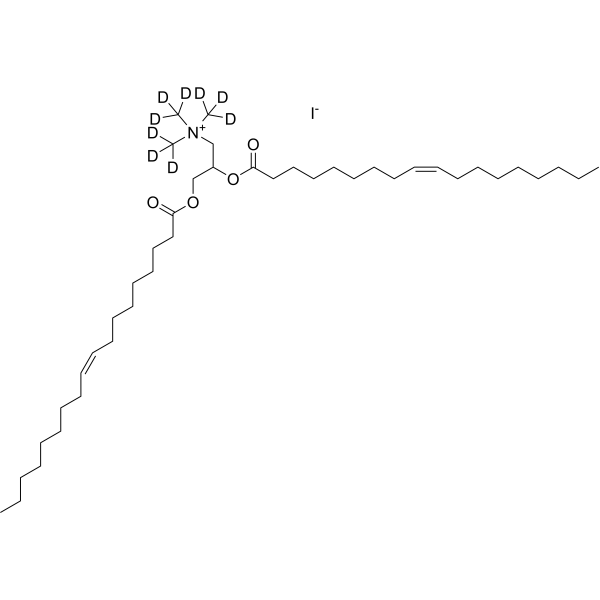
DOTAP-d9 (iodide) is the deuterium labeled DOTAP iodide .
|
-
-
- HY-112754AS
-
|
|
|
DOTAP-d9 chloride is the deuterium labeled DOTAP chloride (HY-112754A). DOTAP chloride is a useful and effective cationic lipid for transient and stable transfection DNA (plasmids, bacmids) and modified nucleic acids (antisense oligonucleotides) with out the use of helper lipid .
|
-
| Cat. No. |
Product Name |
|
Classification |
-
- HY-112754A
-
|
1,2-Dioleoyl-3-trimethylammonium-propane chloride
|
|
Cationic Lipids
|
|
DOTAP chloride is a useful and effective cationic lipid for transient and stable transfection DNA (plasmids, bacmids) and modified nucleic acids (antisense oligonucleotides) with out the use of helper lipid .
|
-
- HY-W127378
-
|
1,2-Dioleoyl-3-trimethylammonium-propane methylsulfate
|
|
Cationic Lipids
|
|
DOTAP methylsulfat is a cationic lipid reagent, a cationic derivative of trimethylammonium, linked to two 18-carbon fatty acid tails, each with a single olefin group. DOTAP methylsulfat can self-assemble with negatively charged ions (such as DNA) to form complexes, which can be adsorbed to the cell membrane surface and enter the cell by electrostatic interaction and endocytosis, respectively. DOTAP methylsulfat promotes endosomal membrane fusion with its own hydrophobic domain, releases DNA into the cytoplasm, and exerts gene delivery function. DOTAP methylsulfat can be widely used in research fields such as gene therapy, cell transfection, and non-viral vector design .
|
-
- HY-143702
-
|
NBD-DOTAP
|
|
Cationic Lipids
|
|
Fluorescent DOTAP (NBD-DOTAP) is a cationic lipid which can be used for nucleic acid and protein delivery. Fluorescent DOTAP is labeled with a fluorophore NBD (maximum excitation/emission wavelength ∼463/536 nm). Fluorescent DOTAP can be used for gene delivery systems, drug delivery, as well as cell imaging and nanocarrier tracking. Fluorescent DOTAP is an ideal candidate for both biological and pharmaceutical formulation (e.g. co-delivery of vaccines) research .
|
-
- HY-165122
-
|
(S)-DOTAP chloride
|
|
Cationic Lipids
|
|
1,2-Dioleoyl-3(S)-trimethylammoniumpropane chloride is a biochemical reagent.
|
-
- HY-165121
-
|
R-DOTAP chloride
|
|
Cationic Lipids
|
|
1,2-Dioleoyl-3(R)-trimethylammoniumpropane chloride is a biochemical reagent.
|
| Cat. No. |
Product Name |
Target |
Research Areas |
Chemical Structure |
-
- HY-112754AGL
-
|
1,2-Dioleoyl-3-trimethylammonium-propane chloride (GMP Like)
|
Liposome
|
Others
|
|
DOTAP chloride (GMP Like) is the GMP Like class DOTAP chloride (HY-112754A). GMP small molecules works appropriately as an auxiliary reagent for cell therapy manufacture. DOTAP chloride is a cationic lipid with good membrane fusion ability and biocompatibility. DOTAP chloride (GMP Like) can be used as an excipient for transient and stable transfection DNA (plasmids, bacmids) and modified nucleic acids (antisense oligonucleotides) without the use of helper lipid .
|
-
Your information is safe with us. * Required Fields.
Inquiry Information
- Product Name:
- Cat. No.:
- Quantity:
- MCE Japan Authorized Agent:

