223 Results for "

G0/G1 cell cycle arrest

" in MedChemExpress (MCE) Product Catalog:
Products (223)

223 Results for "G0/G1 cell cycle arrest" in MCE Product Catalog:

40
40 Publications Verification
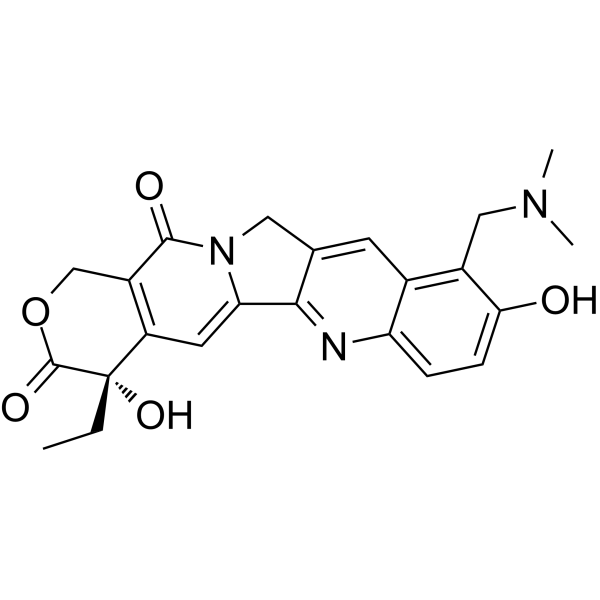
Cat. No.: HY-13768
CAS No.: 123948-87-8
Synonyms: SKF 104864A; NSC 609669
Research Areas:  

Cancer

Topotecan (SKF 104864A; NSC 609669) is an orally active and potent Topoisomerase I inhibitor. Topotecan induces cell cycle arrest in G0/G1 and S phases and promotes apoptosis. Topotecan shows anticancer activity .
loading...
    loading...
11
11 Cited Publications
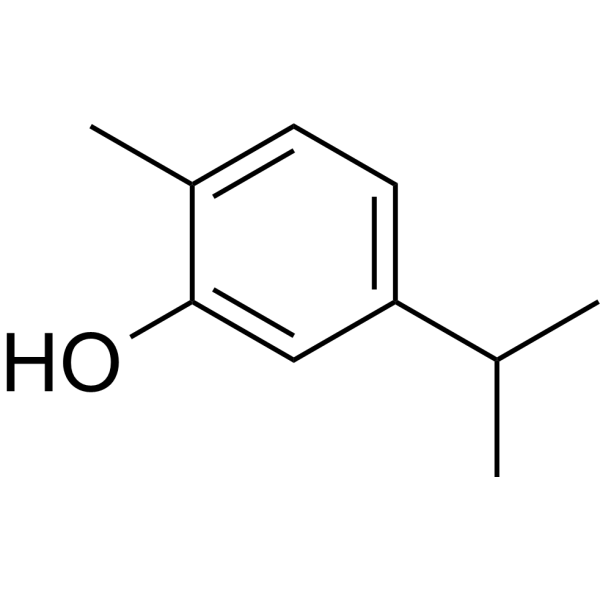
Cat. No.: HY-N0711
CAS No.: 499-75-2
Synonyms: Cymophenol
Carvacrol is an orally active and blood-brain barrier-permeable monoterpenic phenol that can be extract from an abundant number of aromatic plants, including thyme and oregano, possessing antioxidant, antibacterial, antifungal, anticancer, anti-inflammatory, hepatoprotective, spasmolytic, and vasorelaxant properties. Carvacrol also causes cell cycle arrest in G0/G1, downregulates Notch-1, and Jagged-1, and induces apoptosis. Carvacrol is used in low concentrations as a food flavoring ingredient and preservative, as well as a fragrance ingredient in cosmetic formulations .
loading...
    loading...
10
10 Cited Publications
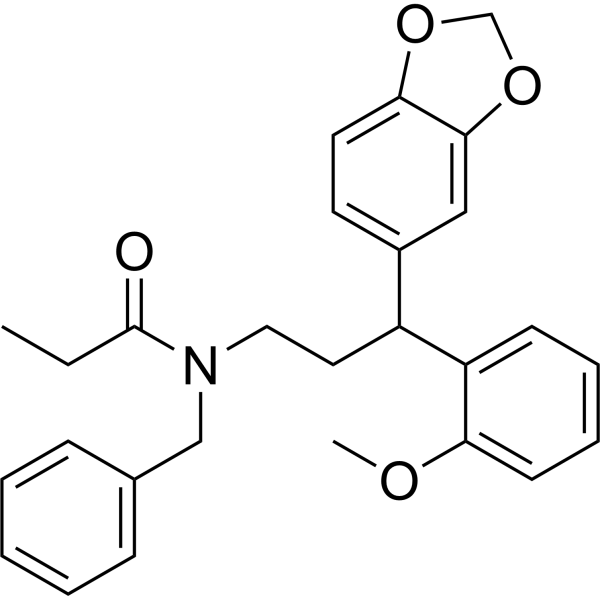
Cat. No.: HY-129241
CAS No.: 330834-54-3
Purity:  99.33%
AGX51 is a pan-Id (inhibitors of DNA-binding/differentiation proteins) antagonist that disrupts ID-E protein interactions, thereby triggering ubiquitin-mediated proteasomal degradation of ID1, ID2, ID3 and ID4. AGX51 induces ROS production, G0/G1 cell cycle arrest, non-apoptotic cell death, and regulates EMT-related proteins. AGX51 reduces the proliferation, migration and myofibroblast differentiation of lung fibroblasts, alleviates pulmonary fibrosis, inhibits cancer cell viability and tumor growth, impairs neovascularization, and shows no obvious toxicity in mice. AGX51 can be used in research related to idiopathic pulmonary fibrosis, triple-negative breast cancer, breast cancer, pancreatic ductal adenocarcinoma, colorectal tumors, wet age-related macular degeneration and retinopathy of prematurity .
loading...
    loading...
6
6 Cited Publications
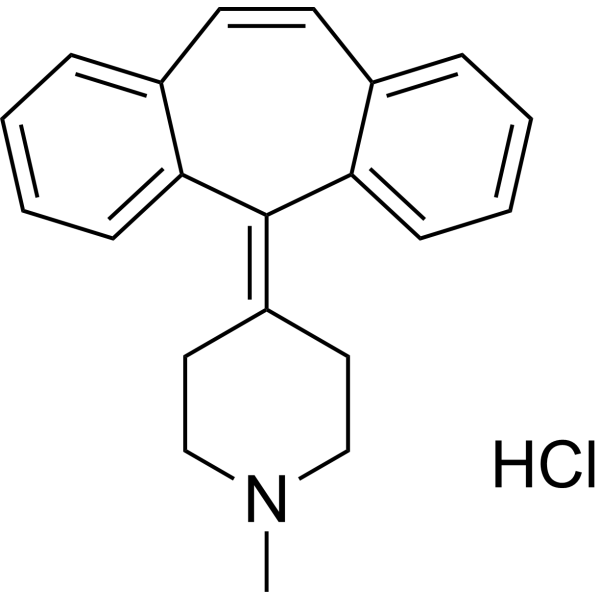
Cat. No.: HY-B0366A
CAS No.: 969-33-5
Synonyms: Cyproheptadine HCl
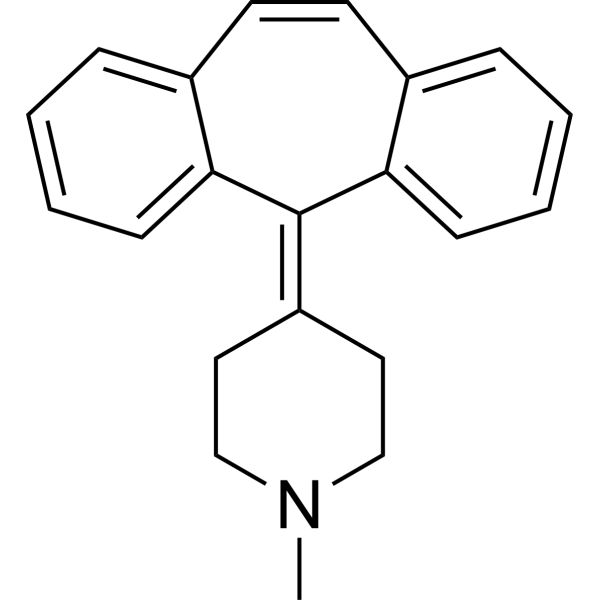
Cyproheptadine hydrochloride (Cyproheptadine HCl) acts as a p38 MAP kinase activator, CHK2 activator, histamine H1 receptor inhibitor and serotonin receptor inhibitor. Cyproheptadine hydrochloride mediates cell cycle arrest via G1 phase arrest, G1/S transition arrest, G0/G1 phase arrest, reduced expression of cyclins D1/D2/D3, upregulated expression of HBP1, p16, p21, p27, and decreased phosphorylation of retinoblastoma protein. Cyproheptadine hydrochloride induces Apoptosis by increasing PARP and cleaved PARP, as well as activating the mitochondrial caspase pathway. Cyproheptadine hydrochloride inhibits tumor growth with extremely low toxicity to normal cells. Cyproheptadine hydrochloride can be used in research related to hepatocellular carcinoma, multiple myeloma and acute myeloid leukemia .
loading...
    loading...
6
6 Cited Publications
Cat. No.: HY-B1622
CAS No.: 129-03-3
Cyproheptadine acts as a p38 MAP kinase activator, CHK2 activator, histamine H1 receptor inhibitor and serotonin receptor inhibitor. Cyproheptadine mediates cell cycle arrest via G1 phase arrest, G1/S transition arrest, G0/G1 phase arrest, reduced expression of cyclins D1/D2/D3, upregulated expression of HBP1, p16, p21, p27, and decreased phosphorylation of retinoblastoma protein. Cyproheptadine induces Apoptosis by increasing PARP and cleaved PARP, as well as activating the mitochondrial caspase pathway. Cyproheptadine inhibits tumor growth with extremely low toxicity to normal cells. Cyproheptadine can be used in research related to hepatocellular carcinoma, multiple myeloma and acute myeloid leukemia .
loading...
    loading...
6
6 Cited Publications
Cat. No.: HY-B1165
CAS No.: 41354-29-4
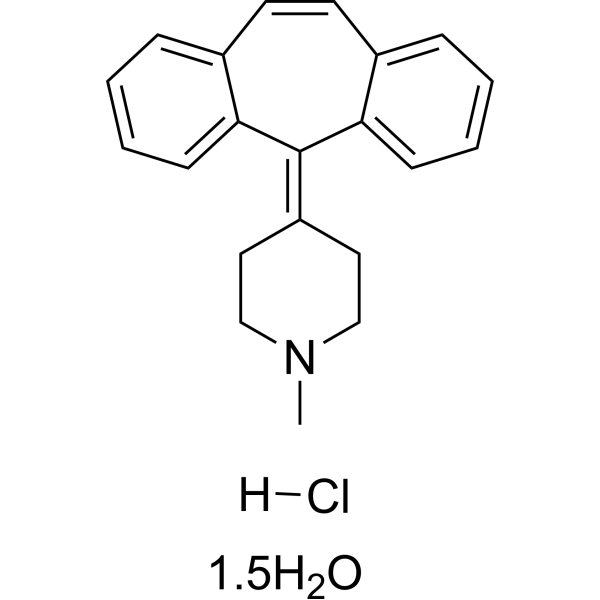
Cyproheptadine hydrochloride sesquihydrate acts as a p38 MAP kinase activator, CHK2 activator, histamine H1 receptor inhibitor and serotonin receptor inhibitor. Cyproheptadine hydrochloride sesquihydrate mediates cell cycle arrest via G1 phase arrest, G1/S transition arrest, G0/G1 phase arrest, reduced expression of cyclins D1/D2/D3, upregulated expression of HBP1, p16, p21, p27, and decreased phosphorylation of retinoblastoma protein. Cyproheptadine hydrochloride sesquihydrate induces Apoptosis by increasing PARP and cleaved PARP, as well as activating the mitochondrial caspase pathway. Cyproheptadine hydrochloride sesquihydrate inhibits tumor growth with extremely low toxicity to normal cells. Cyproheptadine hydrochloride sesquihydrate can be used in research related to hepatocellular carcinoma, multiple myeloma and acute myeloid leukemia .
loading...
    loading...
3
3 Cited Publications
Cat. No.: HY-15221
CAS No.: 1310877-95-2
Purity:  98.34%
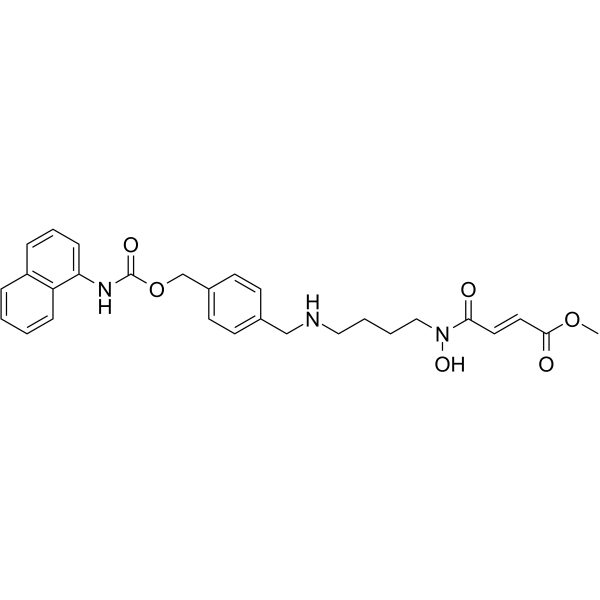
Methylstat is a potent histone demethylases inhibitor. Methylstat shows anti-proliferative activity with low cytotoxicity. Methylstat induces apoptosis and cell cycle arrest at G0/G1 phase. Methylstat increases the expression of p53 and p21 protein levels. Methylstat inhibits angiogenesis induced by various cytokines. Methylstat can be used as a chemical probe for addressing its role in angiogenesis .
loading...
    loading...
3
3 Cited Publications
Cat. No.: HY-N0440
CAS No.: 6902-91-6
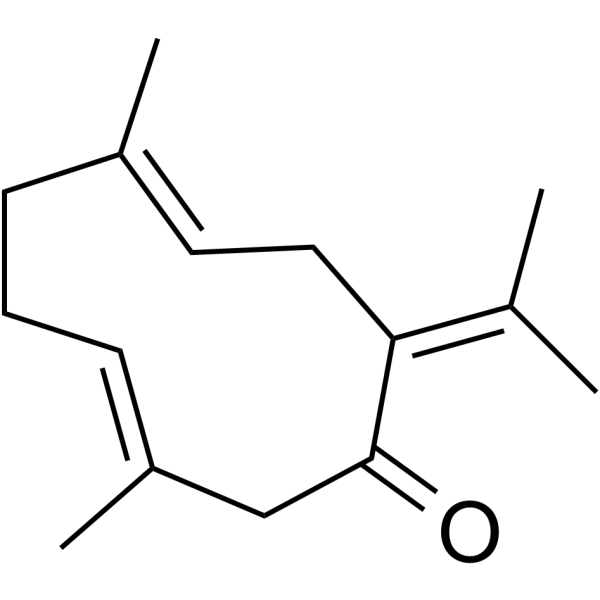
Germacrone is a sesquiterpene compound with multiple biological activities. Germacrone inhibits the H1N1 and H3N2 influenza A virus and the influenza B virus. Germacrone blocks the progressionof arthritis by regulating Th1/Th2 balance and inhibiting NF-κB signaling. Germacrone can arrest the cell cycle at G0/G1 and G2/M phases and induce apoptosis in breast cancer cells. Germacrone inhibits 5α-reductase and has anti-androgenic effect. Germacrone has neuroprotective functions and can be used for the study of traumatic brain injury (TBI). Germacrone also has antioxidant activity .
loading...
    loading...
1
1 Cited Publications
Cat. No.: HY-15485
CAS No.: 101975-10-4
Purity:  98.59%
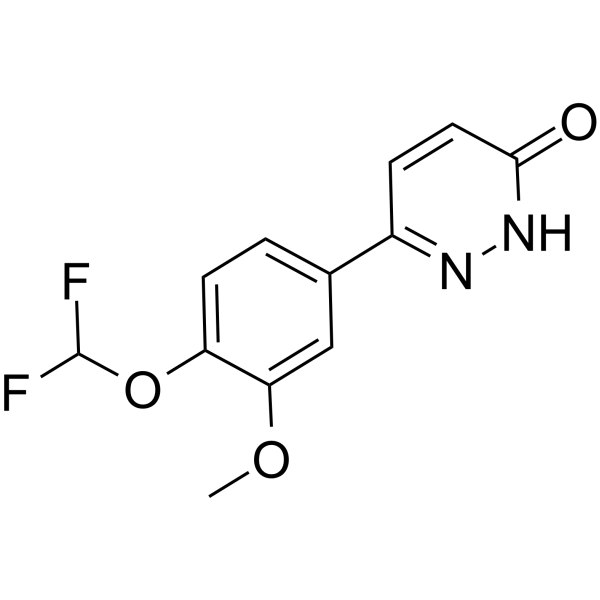
Zardaverine is an orally active and selective PDE3/4 inhibitor (IC50)=0.58 uM/0.17 uM) with potent bronchodilator activity. Zardaverine also selectively inhibits the proliferation of HCC cells and induces apoptosis and cycle arrest (G0/G1 phase). Zardaverine has good antitumor potential and is effective in both bronchial relaxation and reduction of inflammation in asthma .
loading...
    loading...
1
1 Cited Publications
Cat. No.: HY-114414
CAS No.: 2271413-06-8
Purity:  99.01%
Target:  

HDAC mTOR Apoptosis

Research Areas:  

Cancer

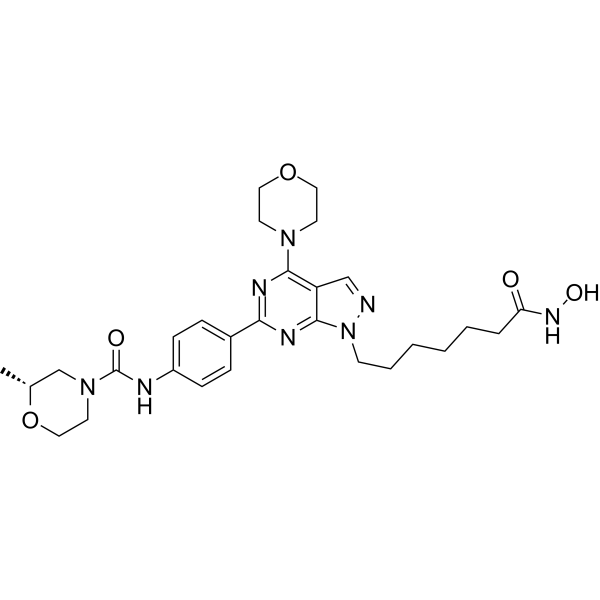
HDACs/mTOR Inhibitor 1 is a dual HDACs and mTOR inhibitor, with IC50s of 0.19 nM, 1.8 nM, 1.2 nM for HDAC1, HDAC6, mTOR, respectively. HDACs/mTOR Inhibitor 1 stimulates cell cycle arrest in G0/G1 phase and induces tumor cell apoptosis with low toxicity in vivo. HDACs/mTOR Inhibitor 1 can be used in the research of hematologic malignancies .
loading...
    loading...
1
1 Cited Publications
Cat. No.: HY-10815
CAS No.: 1204401-49-9
Purity:  99.89%
Research Areas:  

Neurological Disease Cancer

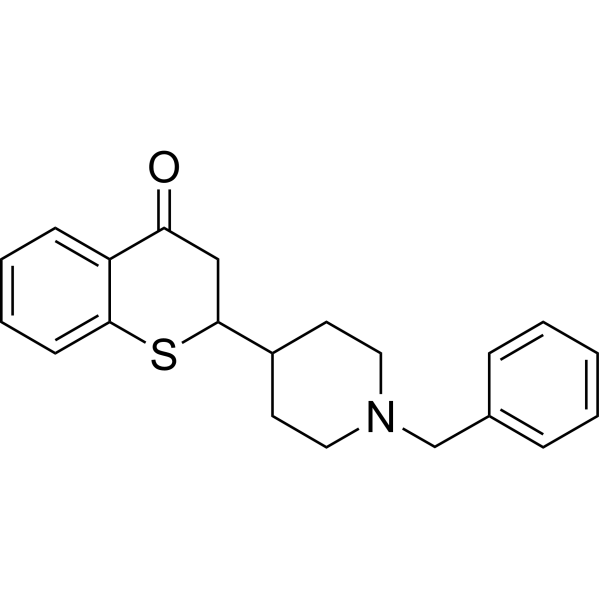
σ1 Receptor antagonist-1 is a highly potent and selective sigma 1 receptor antagonist (pKi=10.28). σ1 Receptor antagonist-1 inhibits cell growth, arrests cell cycle at G0/G1 phase and induces apoptosis of MCF-7/ADR cells .
loading...
    loading...
1
1 Cited Publications
Cat. No.: HY-N0711R
CAS No.: 499-75-2
Synonyms: Cymophenol (Standard)
Carvacrol (Standard) is the analytical standard of Carvacrol. This product is intended for research and analytical applications. Carvacrol is an orally active and blood-brain barrier-permeable monoterpenic phenol that can be extract from an abundant number of aromatic plants, including thyme and oregano, possessing antioxidant, antibacterial, antifungal, anticancer, anti-inflammatory, hepatoprotective, spasmolytic, and vasorelaxant properties. Carvacrol also causes cell cycle arrest in G0/G1, downregulates Notch-1, and Jagged-1, and induces apoptosis. Carvacrol is used in low concentrations as a food flavoring ingredient and preservative, as well as a fragrance ingredient in cosmetic formulations .
loading...
    loading...
1
1 Cited Publications
Cat. No.: HY-N0837
CAS No.: 60-70-8
Synonyms: NSC17821; NSC23880
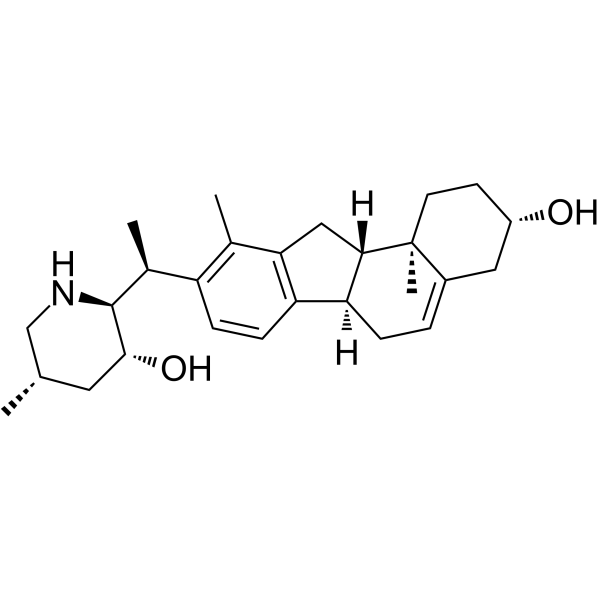
Veratramine (NSC17821; NSC23880) is an orally active inhibitor of the PI3K/Akt/mTOR signaling pathway and a SIGMAR1 modulator. Veratramine induces autophagic apoptosis of tumor cells, arrests the cell cycle at the G0/G1 phase, and inhibits epithelial-mesenchymal transition (EMT)-related proteins to reduce tumor migration. Veratramine reduces spinal cord and sciatic nerve pathological damage in a neuropathy model by inhibiting SIGMAR1 binding to NMDAR and phosphorylation of NMDAR Ser896. Veratramine has anti-tumor proliferation, apoptosis induction, anti-inflammatory and neuroprotective activities, and can be used in the study of cancers such as liver cancer and osteosarcoma, as well as diabetic peripheral neuropathy .
loading...
    loading...
1
1 Cited Publications
Cat. No.: HY-N2392
CAS No.: 75288-96-9
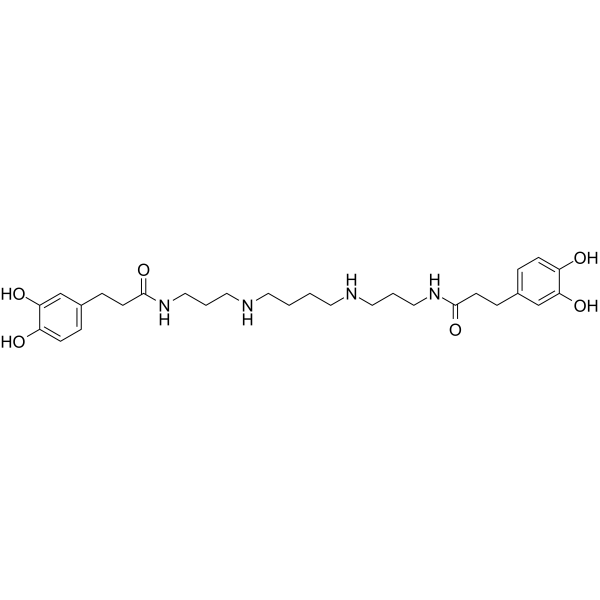
Kukoamine A, a spermine alkaloid, is an orally active and brain-penetrant component found in the root barks of Lycium chinense (L. chinense) Miller. Kukoamine A inhibits purified Crithidia fasciculata trypanothione reductase and soybean lipoxygenase, activates μ-opioid receptor. Kukoamine A can inhibt cancer cell proliferation, migration and invasion, cause G0/G1 phase cell cycle arrest and induce apoptosis. Kukoamine A exerts neuroprotective effect and can induce autophagy . Kukoamine A inhibits LPS (HY-D1056)-induced NO, ROS, PGE2, TNF-α, IL-1β, IL-6 production and COX-2 activity. Kukoamine A reverses palmitic acid-induced insulin resistance, lipid accumulation, and oxidative stress via downregulation of Srebp-1c. Kukoamine A can be used for the research of cancer, infection, inflammation, metabolic and neurological disease, such as glioblastoma and Parkinson's disease .
loading...
    loading...
1
1 Cited Publications
Cat. No.: HY-137422
CAS No.: 143492-38-0
Purity:  ≥98.0%
Synonyms: D-e-MAPP
Target:  

Ceramidase

Research Areas:  

Neurological Disease Cancer

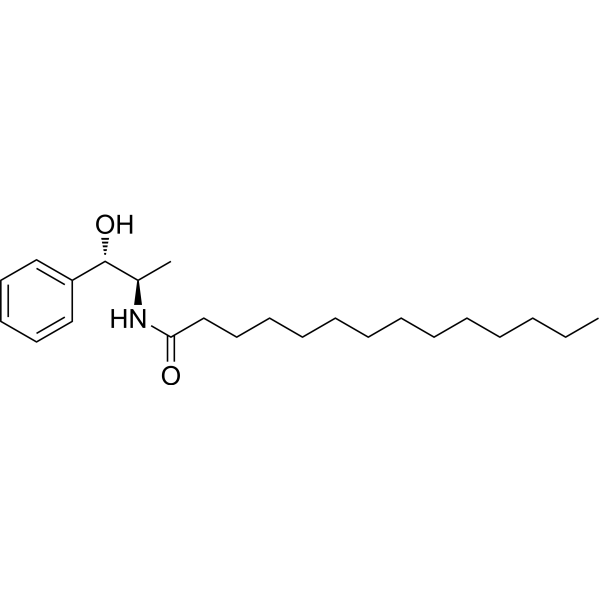
D-erythro-MAPP (D-e-MAPP) is a ceramidase inhibitor, with an IC50 of 1-5 μM in vitro .
loading...
    loading...
Cat. No.: HY-N7844
CAS No.: 4294-16-0
Synonyms: Benzyladenosine
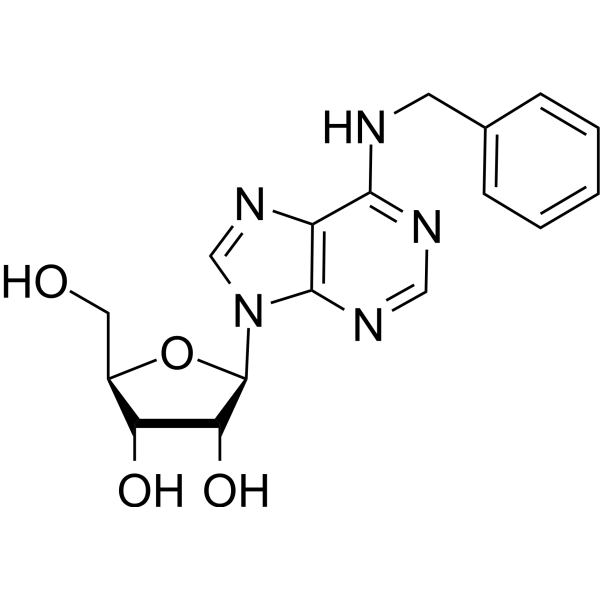
N6-Benzyladenosine is an adenosine receptor agonist, has a cytoactive activity. N6-Benzyladenosine arrests cell cycle at G0/G1 phase and induces cell apoptosis. N6-Benzyladenosine also exerts inhibitory effect on T. gondii adenosine kinase and glioma - .
loading...
    loading...
Cat. No.: HY-N2122
CAS No.: 59122-93-9
Synonyms: Neoisoliquiritigenin
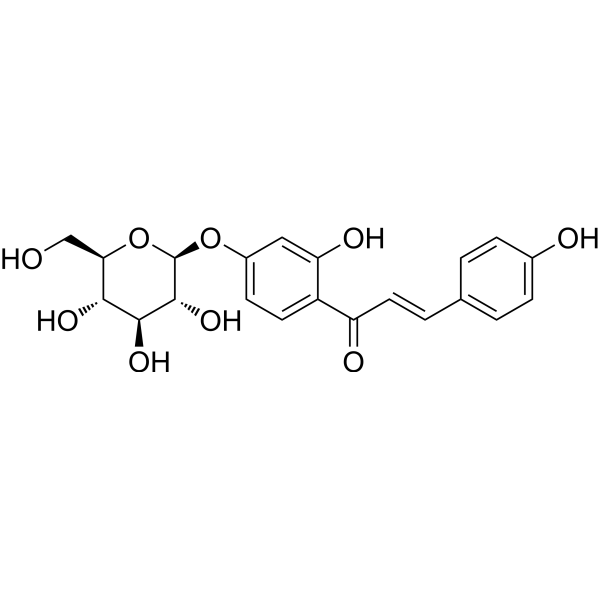
Neoisoliquiritin (Neoisoliquiritigenin) is an androgen receptor (AR) inhibitor. Neoisoliquiritin inhibits the ATPase activity of GRP78. Neoisoliquiritin induces G0/G1 cell cycle arrest and inhibits proliferation in cancer cells, while it also induces cell apoptosis (apoptosis). Neoisoliquiritin suppresses tumor growth in mouse models of prostate cancer and breast cancer. Neoisoliquiritin can be used in studies related to prostate cancer and breast cancer .
loading...
    loading...
Cat. No.: HY-173557
CAS No.: 3058094-83-7
Research Areas:  

Cancer

PRMT7-IN-2 (A33) is a selective PRMT7 inhibitor with an IC50 of 0.50 μM. PRMT7-IN-2 arrests cell cycle at G0/G1 phase, induces cell apoptosis, and inhibits cell growth in vivo and in vitro. PRMT7-IN-2 decreases the monomethylarginine level of PRMT7, increases expression of epithelial marker (E-cadherin, and reduces expression of mesenchymal markers such as N-cadherin, Vimentin, and ZEB2 .
loading...
    loading...
Cat. No.: HY-N1930
CAS No.: 23811-08-7
Synonyms: Hinesol
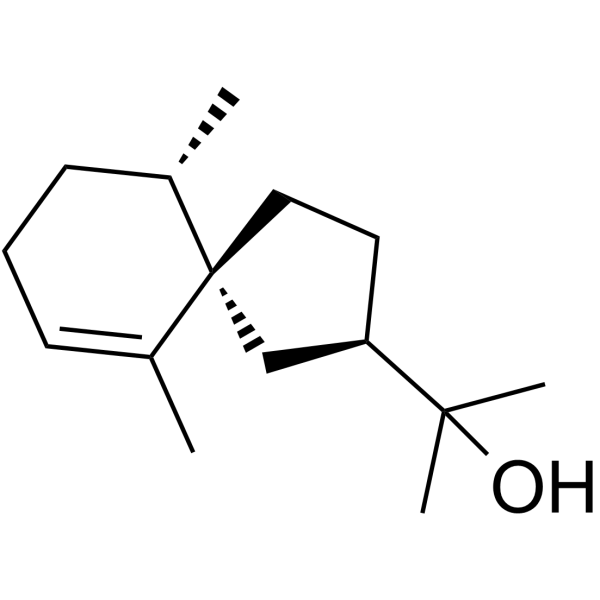
(-)-Hinesol (Hinesol) is a potent anticancer agent. (-)-Hinesol induces apoptosis and cell cycle arrest at G0/G1 phase. (-)-Hinesol downregulates MEK/ERK pathway and NF-κB pathway and mediates theexpression of cyclin D1, Bax and Bcl-2. (-)-Hinesol has the potential for the research of non–small cell lung cancer .
loading...
    loading...
Cat. No.: HY-149891
CAS No.: 2944100-30-3
Purity:  98.25%
Target:  

HSP

Research Areas:  

Cancer

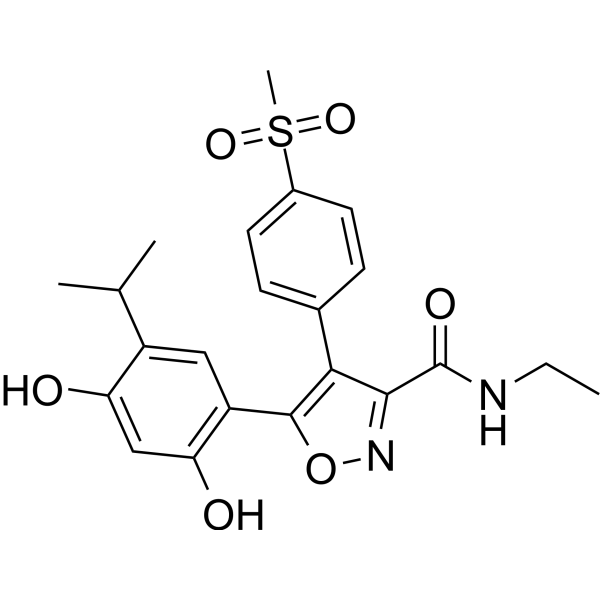
HSP90-IN-23 (Comp 12-1) is an inhibitor of heat shock protein 90(HSP90) with an IC50 of 9 nM. HSP90-IN-23 induces apoptosis of tumor cells and arrests the tumor cell cycle in G0/G1 phase. HSP90-IN-23 can be used for cancer research .
loading...
    loading...

