1. Search Result
Search Result
Results for "

Glycyrrhiza

" in MedChemExpress (MCE) Product Catalog:

86

Inhibitors & Agonists

79

Natural
Products

1

Isotope-Labeled Compounds

Cat. No. Product Name Target Research Areas Chemical Structure
  • HY-N0376
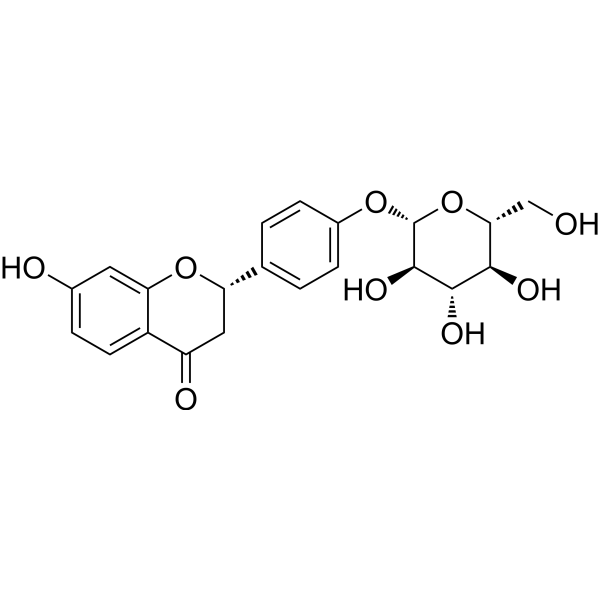
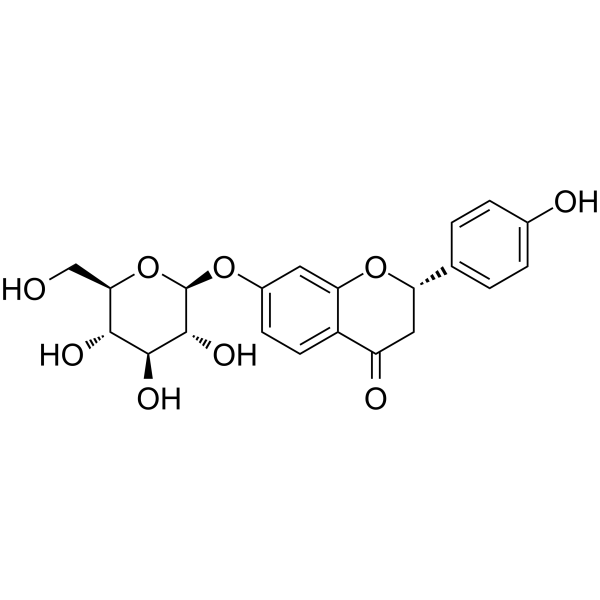
    Liquiritin
    10+ Cited Publications

    Reactive Oxygen Species (ROS) Neurological Disease Inflammation/Immunology Cancer
    Liquiritin, a flavonoid isolated from Glycyrrhiza uralensis, is a potent and competitive AKR1C1 inhibitor with IC50s of 0.62 μM, 0.61 μM, and 3.72μM for AKR1C1, AKR1C2 and AKR1C3, respectively. Liquiritin efficiently inhibits progesterone metabolism mediated by AKR1C1 in vivo . Liquiritin acts as an antioxidant and has neuroprotective, anti-cancer and anti-inflammatory activity .
    Liquiritin
  • HY-N0180
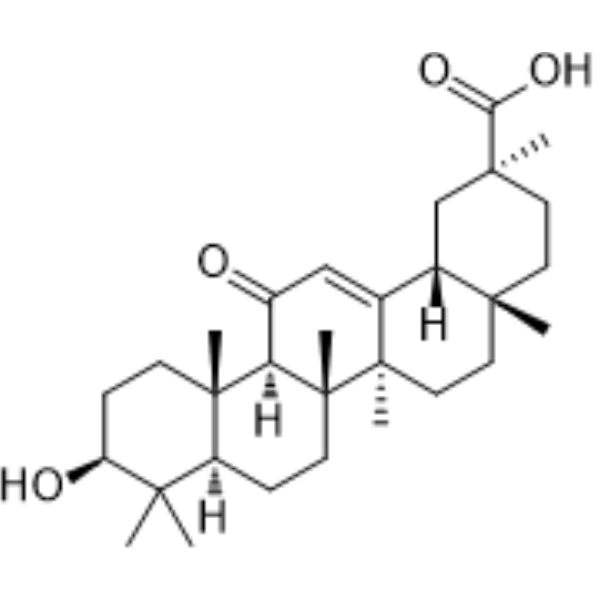
    18β-Glycyrrhetinic acid
    10+ Cited Publications

    Endogenous Metabolite Inflammation/Immunology Cancer
    18β-Glycyrrhetinic acid is the major bioactive component of Glycyrrhiza uralensis and possesses anti-ulcerative, anti-inflammatory and antiproliferative properties.
    18β-Glycyrrhetinic acid
  • HY-N0377
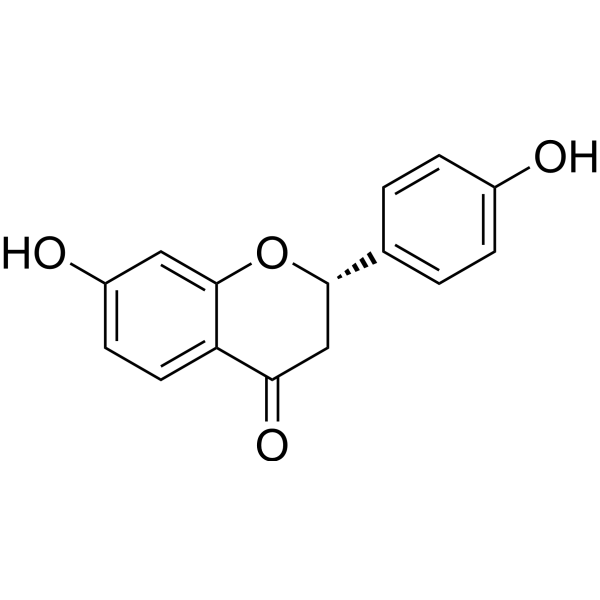
    Liquiritigenin
    10+ Cited Publications

    4',7-Dihydroxyflavanone

    Estrogen Receptor/ERR Neurological Disease Inflammation/Immunology Cancer
    Liquiritigenin, a flavanone isolated from Glycyrrhiza uralensis, is a highly selective estrogen receptor β (ERβ) agonist with an EC50 of 36.5 nM for activation of the ERE tk-Luc.
    Liquiritigenin
  • HY-N0102
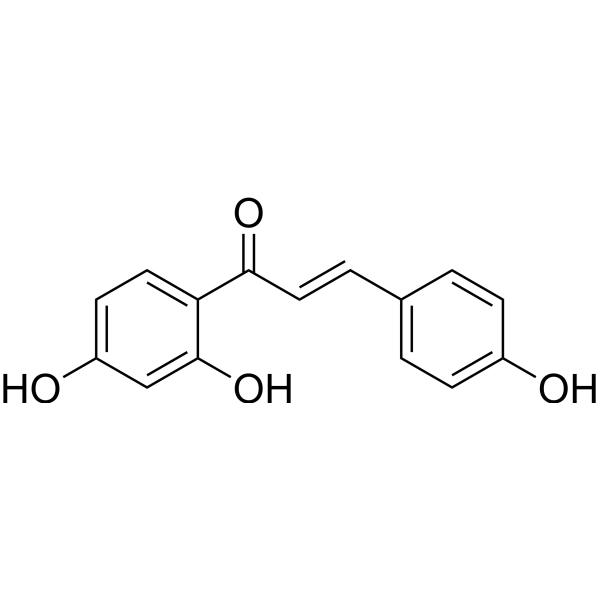
    Isoliquiritigenin
    Maximum Cited Publications
    31 Publications Verification

    GU17; ISL; Isoliquiritigen; SJ000286237

    Aldose Reductase Influenza Virus Autophagy Apoptosis Infection Inflammation/Immunology Cancer
    Isoliquiritigenin is an anti-tumor flavonoid from the root of Glycyrrhiza uralensis Fisch., which inhibits aldose reductase with an IC50 of 320 nM. Isoliquiritigenin is a potent inhibitor of influenza virus replication with an EC50 of 24.7 μM.
    Isoliquiritigenin
  • HY-N0393
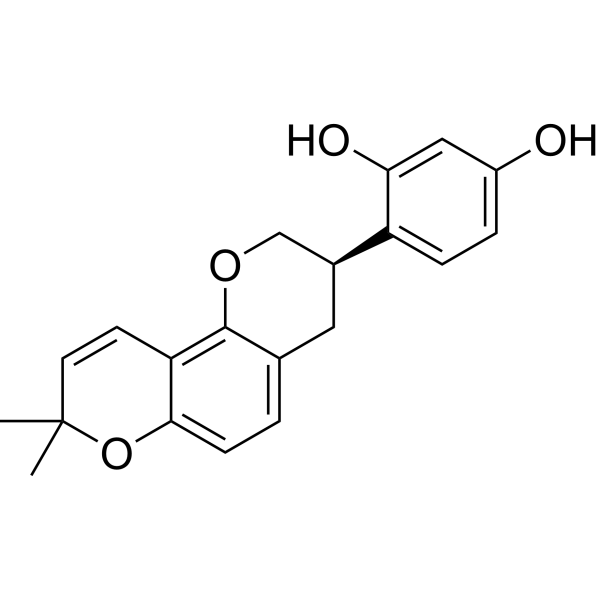
    Glabridin
    10+ Cited Publications

    PPAR Reactive Oxygen Species (ROS) Bacterial Cardiovascular Disease Infection Neurological Disease Metabolic Disease Inflammation/Immunology Cancer
    Glabridin is a natural isoflavan from Glycyrrhiza glabra L., binds to and activates PPARγ, with an EC50 of 6115 nM. Glabridin exhibits antioxidant, anti-bacterial, anti-nephritic, anti-diabetic, anti-fungal, antitumor, anti-inflammatory, antiosteoporotic, cardiovascular protective, neuroprotective and radical scavenging activities .
    Glabridin
  • HY-N4187
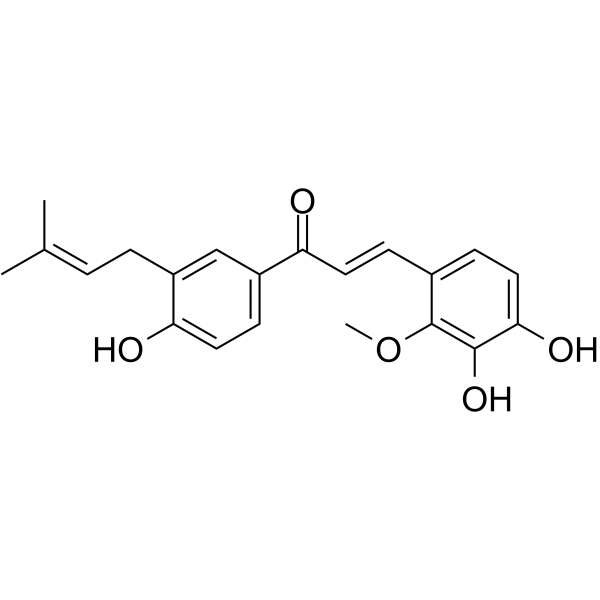
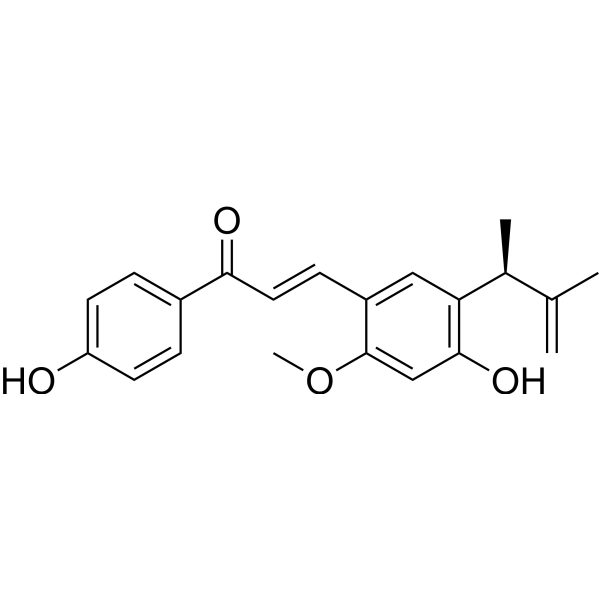
    Licochalcone D
    5 Publications Verification

    NF-κB Apoptosis Reactive Oxygen Species (ROS) Metabolic Disease Inflammation/Immunology Cancer
    Licochalcone D, a flavonoid compound mainly existing in the root of Glycyrrhiza uralensis, is a potent and orally active inhibitor of NF-kappaB (NF-κB) p65. Licochalcone D possesses antioxidant, anti-inflammatory, anti-cancer properties .
    Licochalcone D
  • HY-N0373
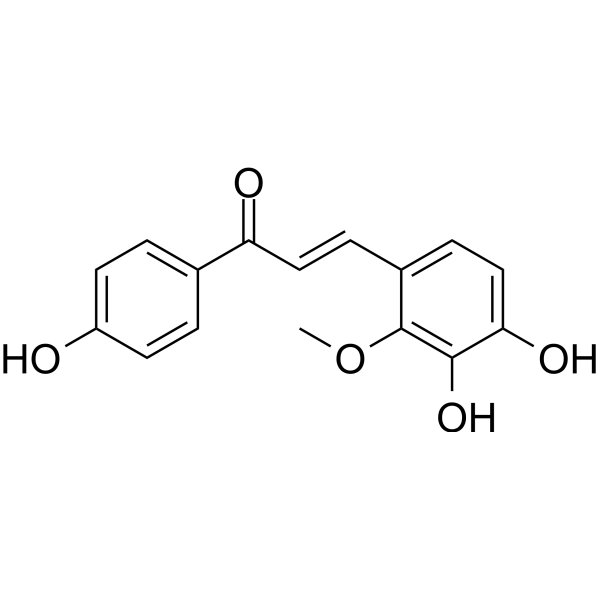
    Licochalcone B
    10+ Cited Publications

    Amyloid-β Apoptosis NOD-like Receptor (NLR) Neurological Disease
    Licochalcone B is an extract from the root of Glycyrrhiza uralensis. Licochalcone B inhibits amyloid β (42) self-aggregation (IC50=2.16 μM) and disaggregate pre-formed Aβ42 fibrils, reduce metal-induced Aβ42 aggregation through chelating metal ionsLicochalcone B inhibits phosphorylation of NF-κB p65 in LPS signaling pathway. Licochalcone B inhibits growth and induces apoptosis of NSCLC cells. Licochalcone B specifically inhibits the NLRP3 inflammasome by disrupting NEK7‐NLRP3 interaction .
    Licochalcone B
  • HY-N2609
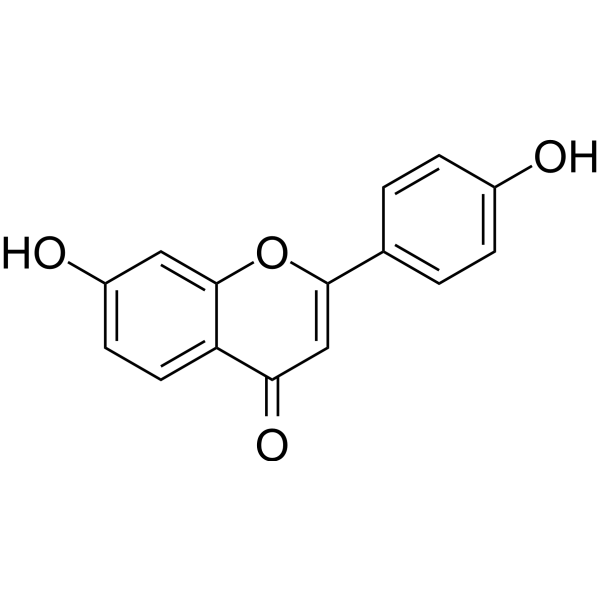
    7,4'-Dihydroxyflavone
    4 Publications Verification

    COX CCR NF-κB Inflammation/Immunology Endocrinology
    7,4'-Dihydroxyflavone (7,4'-DHF) is a flavonoid, which can be isolated from Glycyrrhiza uralensis. 7,4'-Dihydroxyflavone is eotaxin/CCL11 inhibitor and CBR1 inhibitor (IC50=0.28 μM). 7,4'-Dihydroxyflavone has the ability to consistently suppress eotaxin production and prevent dexamethasone (Dex)‐paradoxical adverse effects on eotaxin production . 7,4'-Dihydroxyflavone (7,4'-DHF) inhibits MUC5AC gene expression, mucus production and secretion via regulation of NF-κB, STAT6 and HDAC2.7,4'-Dihydroxyflavone (7,4'-DHF) decreases phorbol 12-myristate 13-acetate (PMA) stimulated NCI-H292 human airway epithelial cell MUC5AC gene expression and mucus production with IC50 value of 1.4 µM .
    7,4'-Dihydroxyflavone
  • HY-121054
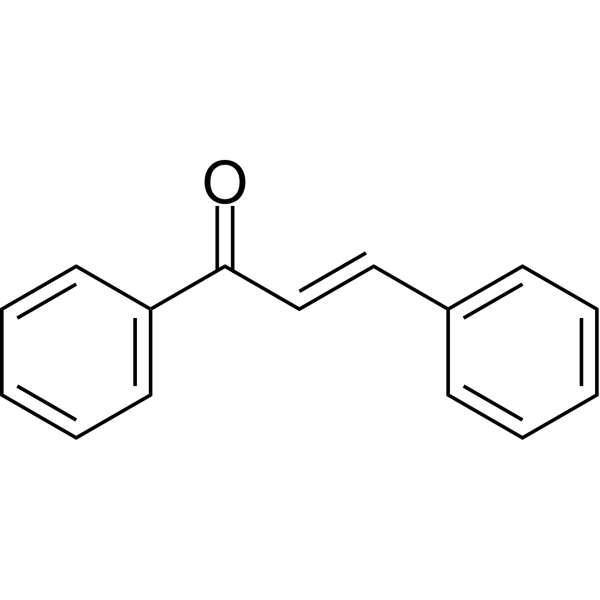
    Chalcone
    1 Publications Verification

    (E/Z)-Benzylideneacetophenone

    Bacterial Parasite Inflammation/Immunology Cancer
    Chalcone is isolated from Glycyrrhiza uralensis and used to synthesize chalcone derivatives. Chalcone derivatives possess varied biological and pharmacological activity, including anti-inflammatory, antioxidative, antibacterial, anticancer, and anti-parasitic activities .
    Chalcone
  • HY-N3387

    Apoptosis NF-κB Akt MMP Inflammation/Immunology Cancer
    Licoricidin (LCD) is isolated from Glycyrrhiza uralensis Fisch, possesses anti-cancer activities. Licoricidin (LCD) inhibit SW480 cells (IC50=7.2 μM) by inducing cycle arrest, apoptosis and autophagy, and is a potential chemopreventive or chemotherapeutic agent against colorectal cancer . Licoricidin (LCD) inhibits Lung Metastasis by inhibition of tumor angiogenesis and lymphangiogenesis as well as changes in the local microenvironment of tumor tissues the anticarcinogenic effect . Licoricidin enhanced gemcitabine-induced cytotoxicity in Osteosarcoma (OS) cells by inactivation of the Akt and NF-κB pathways in vitro and in vivo . Licoricidin blocks UVA-induced photoaging via ROS scavenging, limits the activity of MMP-1, it can be considered as an active ingredient in new topically applied anti-ageing formulations .
    Licoricidin
  • HY-N2123
    Neoliquiritin
    1 Publications Verification

    Caspase Neurological Disease Cancer
    Neoliquiritin is a flavonoid and flavanone-derived cytotoxic agent with anticancer activity and neuroprotective effects. Neoliquiritin exhibits excellent tumor specificity, exerting a more pronounced killing effect on cancer cells compared with normal oral cells. Neoliquiritin also exerts neuroprotective effects by inhibiting ATP depletion and the elevation of caspase 3/7 activity. Widely present in the roots of Glycyrrhiza uralensis, Glycyrrhiza inflata and Glycyrrhiza glabra, Neoliquiritin can be applied to studies on human oral squamous cell carcinoma, leukemia, Parkinson's disease and other conditions .
    Neoliquiritin
  • HY-N6980
    Licorice glycoside C2
    1 Publications Verification

    Others Others
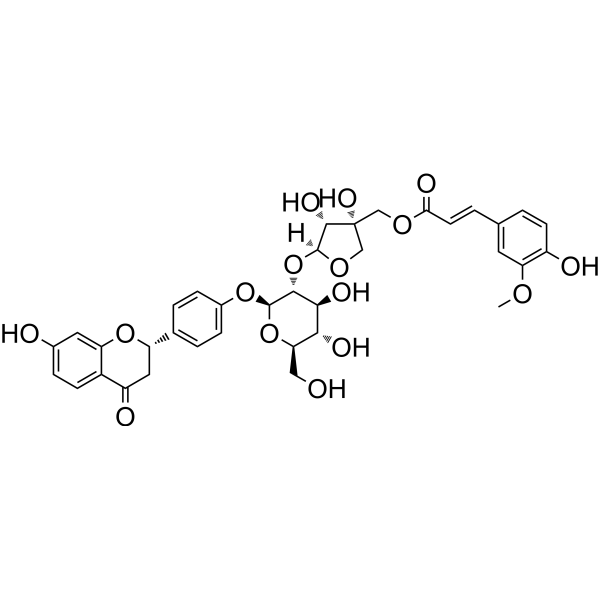
    Licorice glycoside C2 is an acylated flavonoid glycoside found in the underground part of Glycyrrhiza uralensis .
    Licorice glycoside C2
  • HY-154795

    Caspase NOD-like Receptor (NLR) Inflammation/Immunology
    Magnesium isoglycyrrhizinate hydrate is the active component found in licorice plant (Glycyrrhiza glabra). Magnesium isoglycyrrhizinate hydrate exhibits anti-inflammatory activity through NLRP3 inflammasome pathway, and attenuates the chronic obstructive pulmonary disease in rats .
    Magnesium isoglycyrrhizinate hydrate
  • HY-N4194
    Glabrone
    1 Publications Verification

    PPAR Influenza Virus Infection Metabolic Disease
    Glabrone is an isoflavone found in Glycyrrhiza glabra roots. Glabrone exhibits significant PPAR-γ ligand binding activity. Glabrone is a specific UGT1A9 probe substrate, and its metabolites can block influenza virus release by inhibiting neuraminidase (NA). Glabrone can be used to screen for herb-drug interactions and for anti-influenza virus activity .
    Glabrone
  • HY-N6987

    FXR Factor Xa Cardiovascular Disease Inflammation/Immunology
    Licraside, found in Glycyrrhiza glabra, is a Farnesoid X receptor (FXR) activator. Licraside activates FXR to induce upregulation of SHP and BSEP, regulates bile acid homeostasis, reduces elevated biliary and serum TBA, serum ALT, AST, GGT, ALP, and TBIL levels, and attenuates liver histopathological damage. Licraside inhibits factor Xa with an IC50 of 48.54 mM. Licraside can be used for the research of cholestasis and thromboembolic diseases .
    Licraside
  • HY-N6911

    (18β,20α)-Glycyrrhizic acid

    Others Metabolic Disease
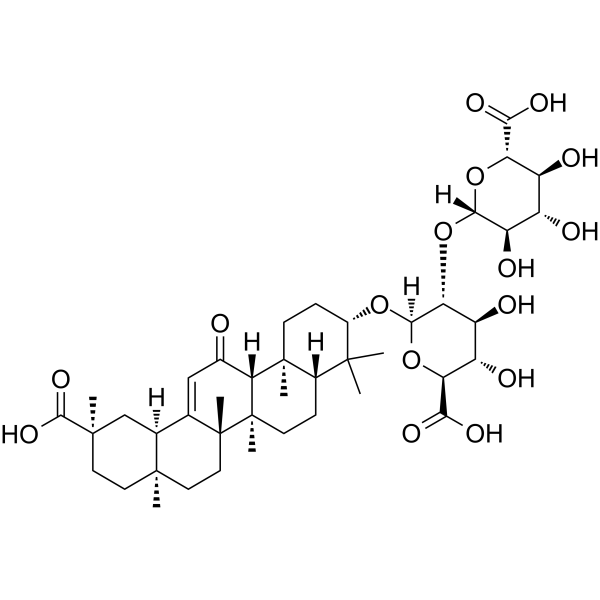
    Liquorice-saponin H2 ((18β,20α)-Glycyrrhizic acid) is a type of triterpenoid oligosaccharide glycoside found in the Glycyrrhiza genus. Liquorice-saponin H2 accumulates more in the roots of licorice plants under salt stress conditions, suggesting that it may play a role in plant stress resistance .
    Licorice-saponin H2
  • HY-N2122

    Neoisoliquiritigenin

    Others Cancer
    Neoisoliquiritin is a bioactive component isolated from Glycyrrhiza uralensis .
    Neoisoliquiritin
  • HY-N4182
    Licochalcone E
    4 Publications Verification

    Akt p38 MAPK Autophagy Inflammation/Immunology
    Licochalcone E, a flavonoid compound isolated from Glycyrrhiza uralensis, inhibits NF-κB and AP-1 transcriptional activity through the inhibition of AKT and MAPK activation .
    Licochalcone E
  • HY-N4185
    Licoflavone A
    3 Publications Verification

    Phosphatase Neurological Disease
    Licoflavone A is a flavonoid isolated from the roots of Glycyrrhiza uralensis, inhibits protein tyrosine phosphatase-1B (PTP1B), with an IC50 of 54.5 μM .
    Licoflavone A
  • HY-N3961

    Others Cardiovascular Disease
    Neoglycyrol is isolated from the root of Glycyrrhiza uralensis Fisch . Neoglycyrol is a potential myocardial protection active compound screened from traditional patent medicine Tongmai Yangxin pill (TMYXP) .
    Neoglycyrol
  • HY-N0180R

    Reference Standards Endogenous Metabolite Inflammation/Immunology Cancer
    18β-Glycyrrhetinic acid (Standard) is the analytical standard of 18β-Glycyrrhetinic acid. This product is intended for research and analytical applications. 18β-Glycyrrhetinic acid is the major bioactive component of Glycyrrhiza uralensis and possesses anti-ulcerative, anti-inflammatory and antiproliferative properties.
    18β-Glycyrrhetinic acid (Standard)
  • HY-N1280

    Amyloid-β Neurological Disease
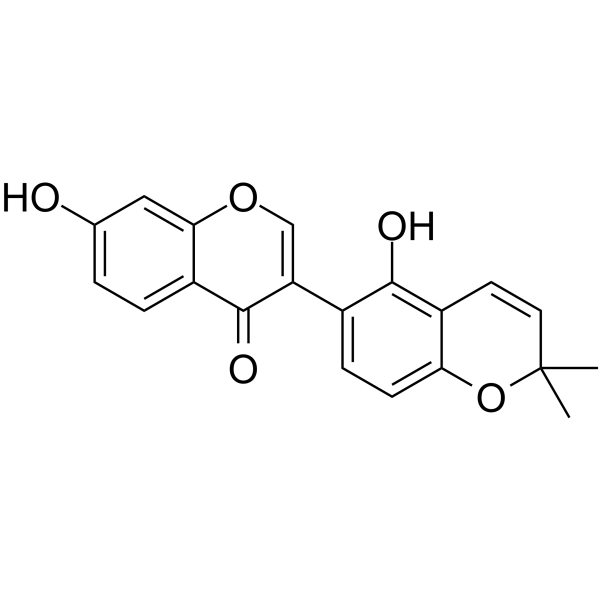
    Semilicoisoflavone B, an isoflavone, mainly derived from Glycyrrhiza uralensis Fisch.. Semilicoisoflavone B reduces amyloid β () secretion by inhibiting β-secretase-1 (BACE1) expression and activity. Semilicoisoflavone B decreases BACE1 expression mainly through increasing PPARγ expression and inhibiting STAT3 phosphorylation .
    Semilicoisoflavone B
  • HY-N0393R
    Glabridin (Standard)
    10+ Cited Publications

    Reference Standards PPAR Reactive Oxygen Species (ROS) Bacterial Infection Inflammation/Immunology Cancer
    Glabridin (Standard) is the analytical standard of Glabridin. This product is intended for research and analytical applications. Glabridin is a natural isoflavan from Glycyrrhiza uralensis, binds to and activates PPARγ, with an EC50 of 6115 nM. Glabridin exhibits antioxidant, anti-bacterial, anti-nephritic, anti-diabetic, anti-fungal, antitumor, anti-inflammatory, antiosteoporotic, cardiovascular protective, neuroprotective and radical scavenging activities .
    Glabridin (Standard)
  • HY-N9919

    Others Others
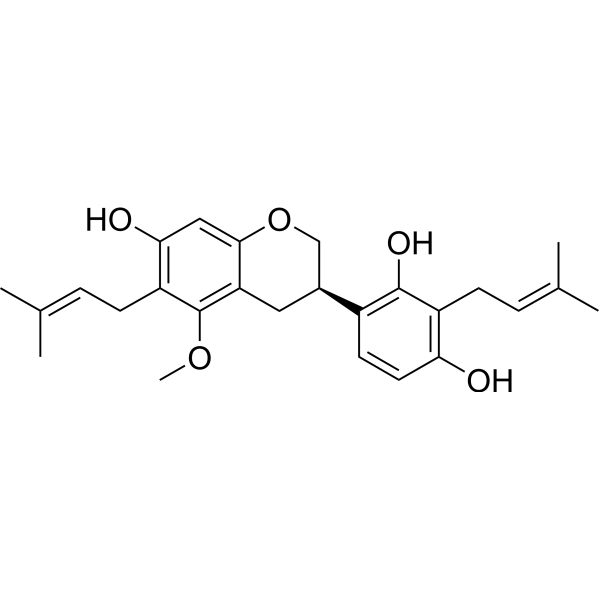
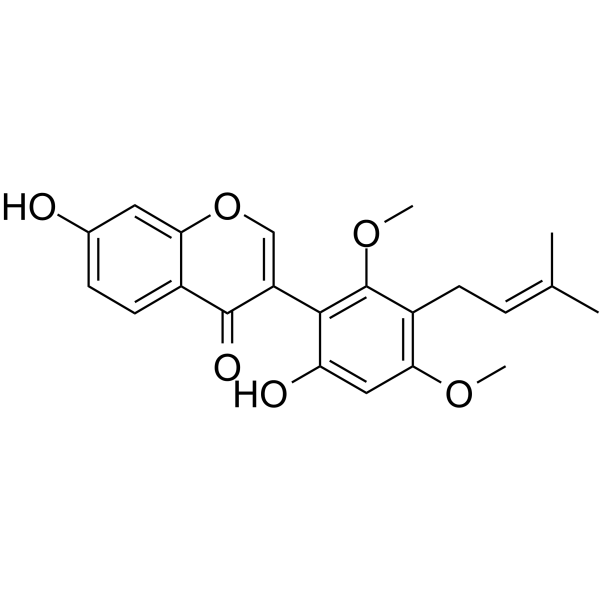
    Glyasperin C is a potent and reversible noncompetitive inhibitor of neuraminidase with an IC50 of 20% at 200 μM. Glyasperin C is a polyphenol isolated from the roots of Glycyrrhiza uralensis .
    Glyasperin C
  • HY-N3920

    Bacterial Infection
    Gancaonin G is a 6-prenylated isoflavanone that can be isolated from Glycyrrhiza uralensis. Gancaonin G has antibacterial activity against Streptococcus mutants and MRSA strains .
    Gancaonin G
  • HY-N6583
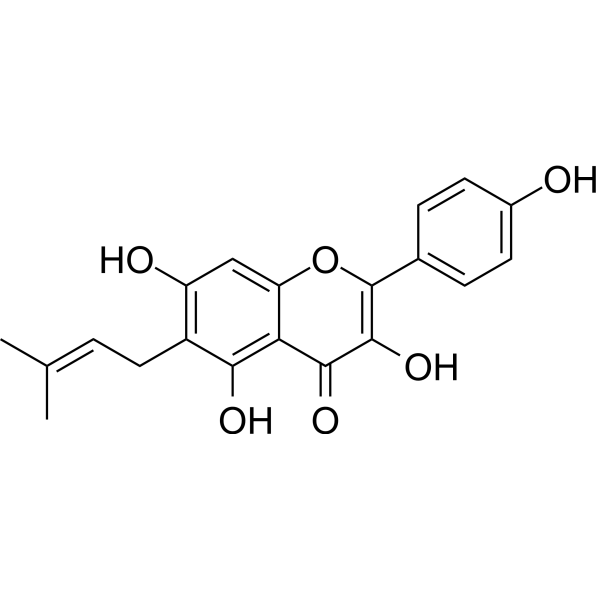
    Licoflavonol
    2 Publications Verification

    Bacterial Infection
    Licoflavonol, a minor flavone from the roots of Glycyrrhiza uralensis, is an inhibitor of the Salmonella type III secretion system (T3SS) .
    Licoflavonol
  • HY-N4184

    Parasite Infection
    Licoflavone B is a flavonoid isolated from Glycyrrhiza inflata, inhibits S. mansoni ATPase (IC50, 23.78 µM) and ADPase (IC50, 31.50 µM) activity. Anti-schistosomiasis activity .
    Licoflavone B
  • HY-N6851

    Glycyrrhetic acid 3-O-mono-β-D-glucuronide; 3-monoglucuronyl-glycyrrhetinic acid

    Others Inflammation/Immunology
    Glycyrrhetic acid 3-O-β-D-glucuronide, isolated from glycyrrhiza, is an important derivative of glycyrrhizin (GL) with an anti -allergic activity . Glycyrrhetic acid 3-O-β-D-glucuronide (GAMG) shows that β-glucuronidases (β-GUS) are key GAMG-producing enzymes, displaying a high potential to convert GL directly into GAMG .Glycyrrhetic acid 3-O-β-D-glucuronide is valuable as a sweetener.
    Glycyrrhetic acid 3-O-β-D-glucuronide
  • HY-N10144

    PI3K Akt Keap1-Nrf2 Bcl-2 Family SOD Reactive Oxygen Species (ROS) Inflammation/Immunology
    Shinpterocarpin is a flavonoid compound. Shinpterocarpin can be isolated from the air-dried roots of Glycyrrhiza glabra L. and Xuanshen Decoction. Shinpterocarpin binds to the targets PI3K, AKT, Nrf2, Bcl-2, Bax, CAT and SOD. Shinpterocarpin enhances immunity and exerts antioxidant effects by reducing the production of ROS .
    Shinpterocarpin
  • HY-N1093

    (3R)-Vestitol

    Others Others
    (-)-Vestitol is a compound isolated from Glycyrrhiza pallidiflora (Leguminosae) .
    (-)-Vestitol
  • HY-N6984

    Others Metabolic Disease
    Glycyroside is a isoflavone diglycoside isolated from Glycyrrhiza eurycarpa P. C. Li .
    Glycyroside
  • HY-N11111

    Others Others
    Glycyrrhizin-6'-methylester is a natural product that can be isolated from licorice (Glycyrrhiza glabra) .
    Glycyrrhizin-6'-methylester
  • HY-N7372

    Apoptosis Infection Inflammation/Immunology
    Licoisoflavanone is an orally active isoflavane-based immunomodulator with multiple activities including antiviral, anti-inflammatory, cytoprotective and cancer cell apoptosis-inducing effects. Licoisoflavanone can be isolated from the roots and rhizomes of Glycyrrhiza uralensis Fisch. Licoisoflavanone not only enhances the body's immunity, but also effectively prevents acute respiratory distress syndrome and multiple organ damage by alleviating cytokine storm, thereby reducing the degree of inflammation. In rats, Licoisoflavanone undergoes multiple metabolic transformation processes such as glucuronidation, hydroxylation, sulfation, methylation and dehydrogenation. Licoisoflavanone has become an important candidate molecule for research on COVID-19 and related inflammatory diseases .
    Licoisoflavanone
  • HY-N6986

    Liquiritigenin-7-apiosylglucoside

    Others Cancer
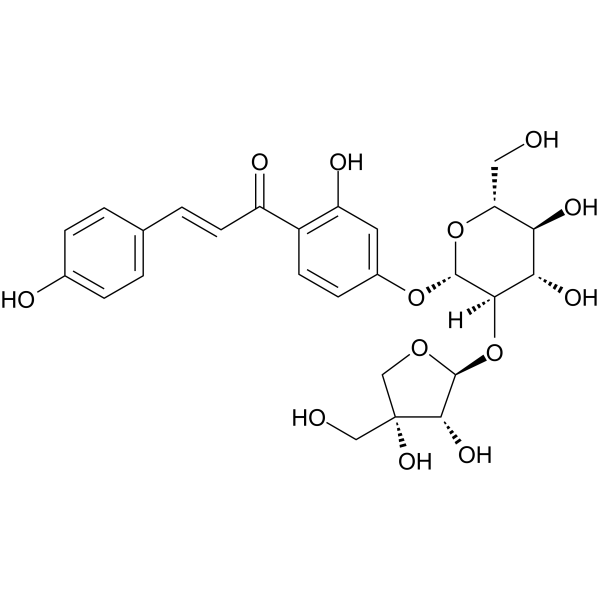
    Liquiritigenin-7-O-β-D-glucopyranosyl-(1→2)-β-D-apiofuranoside (Liquiritigenin-7-apiosylglucoside) is a flavonoid isolated from the roots of Glycyrrhiza, has weaker cytotoxicity against several tumor cells and normal cells .
    Liquiritigenin-7-O-β-D-glucopyranosyl-(1→2)-β-D-apiofuranoside
  • HY-N11026

    Others Others
    22-Beta-Acetoxyglycyrrhizin is a triterpene glucuronide that can be isolated from the roots of Glycyrrhiza .
    22-Beta-Acetoxyglycyrrhizin
  • HY-N8610

    Phosphatase Inflammation/Immunology
    Uralsaponin D is a saponin that can be isolated from Glycyrrhiza inflata. Uralsaponin D inhibits phospholipase A2 (PLA2) with an IC50 value of 32.2 μM .
    Uralsaponin D
  • HY-N1230

    Allolicoisoflavone B

    Phosphatase Inflammation/Immunology
    Sophoraisoflavone A (Allolicoisoflavone B) is a nature product that could be isolated from Glycyrrhiza inflate. Sophoraisoflavone A is a potent protein tyrosine phosphatase 1B (PTP1B) inhibitor with an IC50 value of 0.80 μM. Sophoraisoflavone A can be used in research of inflammation .
    Sophoraisoflavone A
  • HY-N3922

    Others Others
    Gancaonin M is a Flavonoids product that can be isolated from the roots of Glycyrrhiza uralensis Fisch .
    Gancaonin M
  • HY-N10133

    3′-Prenylnaringenin

    Bacterial mTOR Akt PI3K NF-κB Caspase JNK ERK COX NO Synthase Apoptosis Others
    Licoflavanone (3′-Prenylnaringenin) is a flavanone with antioxidant, anti-inflammatory and anticancer activities. Licoflavanone can be isolated from the leaf extract of Glycyrrhiza glabra. Licoflavanone downregulates the mTOR/PI3K/AKT signaling pathway to inhibit the proliferation, migration and invasion of cancer cells, while activates Bax, Bad and multiple caspase enzymes to induce apoptosis. Its anti-inflammatory effect is manifested by reducing the nuclear translocation of NF-κB, decreasing the phosphorylation levels of p38, JNK and ERK1/2, thereby inhibiting the expression of nitric oxide, proinflammatory cytokines, COX-2 and iNOS. Licoflavanone is used in studies on nasopharyngeal carcinoma and related mechanisms .
    Licoflavanone
  • HY-N8656

    Others Others
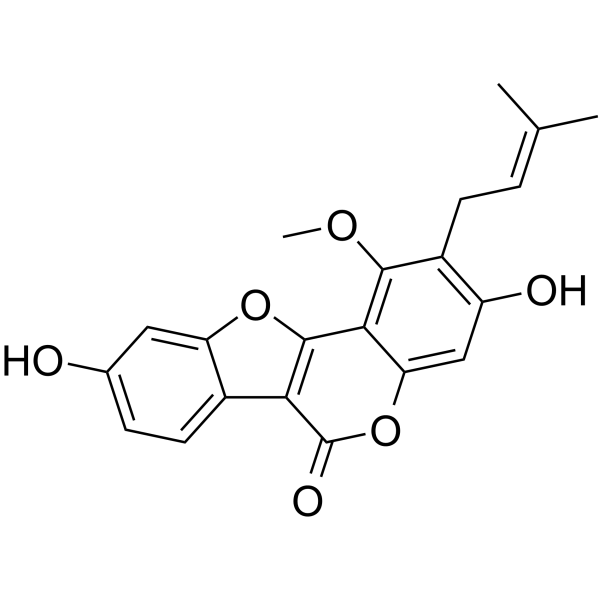
    Glycyrrhiza-flavonol A (compound 4) is a natural product of Glycyrrhiza, Fabaceae .
    Glycyrrhiza-flavonol A
  • HY-N8609

    Others Others
    Uralsaponin C is an analogue of oleanane-type triterpenoid saponin. Uralsaponin C can be isolated from the roots of Glycyrrhiza uralensis Fisch .
    Uralsaponin C
  • HY-N3947

    Bacterial Infection
    Glepidotin B is a dihydroflavonol compound isolated from the extracts of American licorice, Glycyrrhiza lepidota (Leguminosae). Glepidotin B is an antimicrobial agent .
    Glepidotin B
  • HY-N13264

    Drug Derivative Others
    Glyuranolide is a chemical component that can be extracted from Glycyrrhiza uralensis Fisch. Glyuranolide is a triterpenoid compound. Glyuranolide is a potential anti-tumor agent .
    Glyuranolide
  • HY-N0102R

    GU17 (Standard); ISL (Standard); Isoliquiritigen (Standard); SJ000286237 (Standard)

    Reference Standards Aldose Reductase Influenza Virus Autophagy Apoptosis Infection Inflammation/Immunology Cancer
    Isoliquiritigenin (Standard) is the analytical standard of Isoliquiritigenin. This product is intended for research and analytical applications. Isoliquiritigenin is an anti-tumor flavonoid from the root of Glycyrrhiza uralensis Fisch., which inhibits aldose reductase with an IC50 of 320 nM. Isoliquiritigenin is a potent inhibitor of influenza virus replication with an EC50 of 24.7 μM.
    Isoliquiritigenin (Standard)
  • HY-N2609R

    COX Reference Standards CCR NF-κB Inflammation/Immunology Endocrinology
    7,4'-Dihydroxyflavone (7,4'-DHF) is a flavonoid, which can be isolated from Glycyrrhiza uralensis. 7,4'-Dihydroxyflavone is eotaxin/CCL11 inhibitor and CBR1 inhibitor (IC50=0.28 μM). 7,4'-Dihydroxyflavone has the ability to consistently suppress eotaxin production and prevent dexamethasone (Dex)‐paradoxical adverse effects on eotaxin production . 7,4'-Dihydroxyflavone (7,4'-DHF) inhibits MUC5AC gene expression, mucus production and secretion via regulation of NF-κB, STAT6 and HDAC2.7,4'-Dihydroxyflavone (7,4'-DHF) decreases phorbol 12-myristate 13-acetate (PMA) stimulated NCI-H292 human airway epithelial cell MUC5AC gene expression and mucus production with IC50 value of 1.4 µM .
    7,4'-Dihydroxyflavone (Standard)
  • HY-N6911B

    (18β,20α)-Glycyrrhizic acid ammonium

    Others Metabolic Disease
    Liquorice-saponin H2 ((18β,20α)-Glycyrrhizic acid) ammonium is a type of triterpenoid oligosaccharide glycoside found in the Glycyrrhiza genus. Liquorice-saponin H2 ammonium accumulates more in the roots of licorice plants under salt stress conditions, suggesting that it may play a role in plant stress resistance .
    Licorice-saponin H2 ammonium
  • HY-108421

    Bacterial Infection
    Xinjiachalcone A is an active principle of Glycyrrhiza inflata Batalin. Xinjiachalcone A shows both a low MIC and a strong bactericidal activity against H. pylori, with MIC values ranged from 12.5 to 50 µM for seventeen H. pylori strains .
    Xinjiachalcone A
  • HY-N0376R

    Reference Standards Reactive Oxygen Species (ROS) Neurological Disease Inflammation/Immunology Cancer
    Liquiritin (Standard) is the analytical standard of Liquiritin. This product is intended for research and analytical applications. Liquiritin, a flavonoid isolated from Glycyrrhiza uralensis, is a potent and competitive AKR1C1 inhibitor with IC50s of 0.62 μM, 0.61 μM, and 3.72μM for AKR1C1, AKR1C2 and AKR1C3, respectively. Liquiritin efficiently inhibits progesterone metabolism mediated by AKR1C1 in vivo . Liquiritin acts as an antioxidant and has neuroprotective, anti-cancer and anti-inflammatory activity .
    Liquiritin (Standard)
  • HY-142096

    Others Others
    Glycyuralin E is a natural product that can be isolated from Glycyrrhiza uralensis .
    Glycyuralin E
  • HY-N8813

    Others Others
    Glucoliquiritin is a Flavonoids product that can be isolated from the roots of Glycyrrhiza glabra L. .
    Glucoliquiritin

Inquiry Online

Your information is safe with us. * Required Fields.

Salutation


Country or Region *

Applicant Name *


Organization Name *

Department *


Email Address *


Product Name *

Cat. No.


Requested quantity *

Phone Number *


Remarks

Inquiry Online

Inquiry Information

Product Name:
Cat. No.:
Quantity:
MCE Japan Authorized Agent:

