
1. Search Result
Search Result
Results for "

HA

" in MedChemExpress (MCE) Product Catalog:

287

Inhibitors & Agonists

92

Fluorescent Dye

2

Biochemical Assay Reagents

25

Peptides

4

MCE Kits

20

Inhibitory Antibodies

13

Natural
Products

499

Recombinant Proteins

5

Isotope-Labeled Compounds

19

Antibodies

1

Click Chemistry

13

Oligonucleotides

Cat. No. Product Name Target Research Areas Chemical Structure
  • HY-P0239
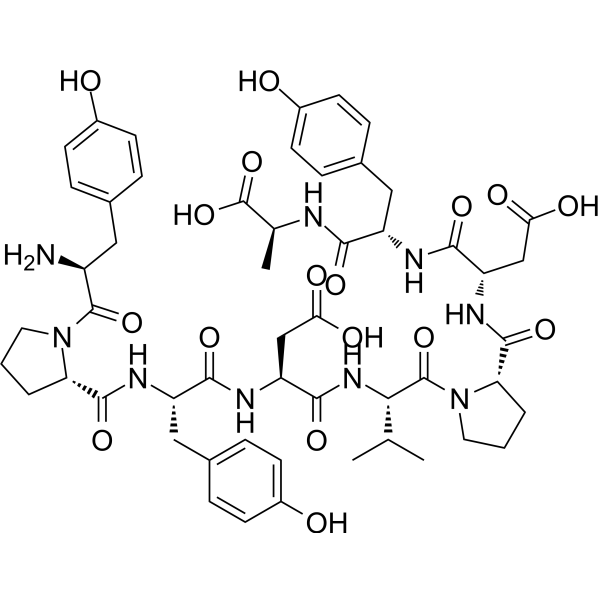
    HA Peptide
    Maximum Cited Publications
    15 Publications Verification

    Influenza Virus Inflammation/Immunology
    HA Peptide (HA tag) is a nine amino acids peptide derived from the human influenza hemagglutinin (HA). HA Peptide is extensively used to isolate, purify, detect, and track the protein of interest in cell biology and biochemistry.
    HA Peptide
  • HY-10341
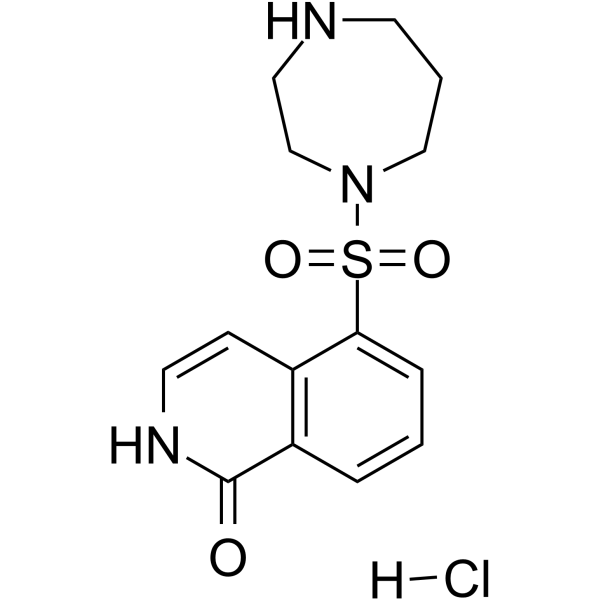
    Fasudil Hydrochloride
    25+ Cited Publications

    HA-1077 Hydrochloride; AT-877 Hydrochloride

    ROCK Calcium Channel Autophagy PKA PKC HIV Cancer
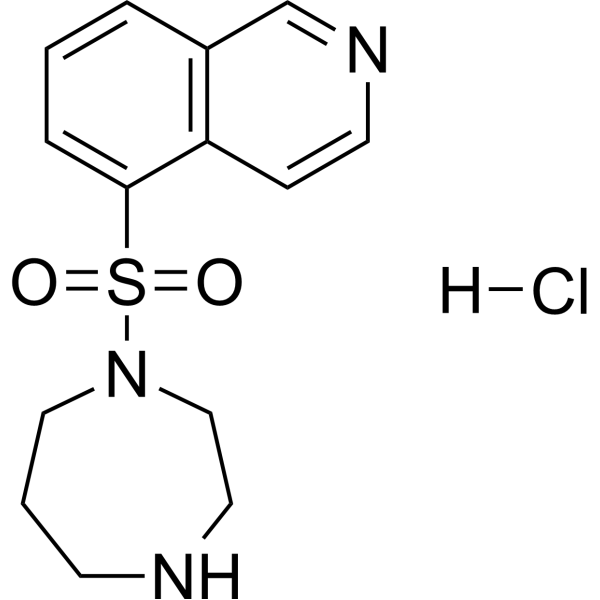
    Fasudil (HA-1077; AT877) Hydrochloride is a nonspecific RhoA/ROCK inhibitor and also has inhibitory effect on protein kinases, with an Ki of 0.33 μM for ROCK1, IC50s of 0.158 μM and 4.58 μM, 12.30 μM, 1.650 μM for ROCK2 and PKA, PKC, PKG, respectively. Fasudil Hydrochloride is also a potent Ca 2+ channel antagonist and vasodilator .
    Fasudil Hydrochloride
  • HY-100437
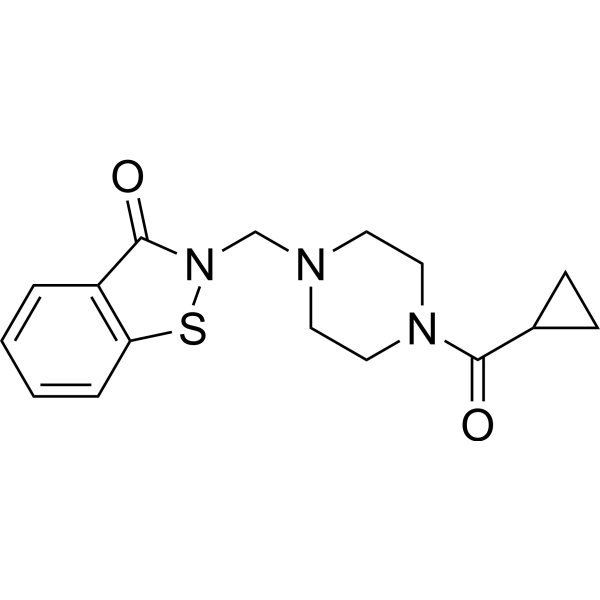
    HA15
    Maximum Cited Publications
    33 Publications Verification

    HSP Autophagy Apoptosis Cancer
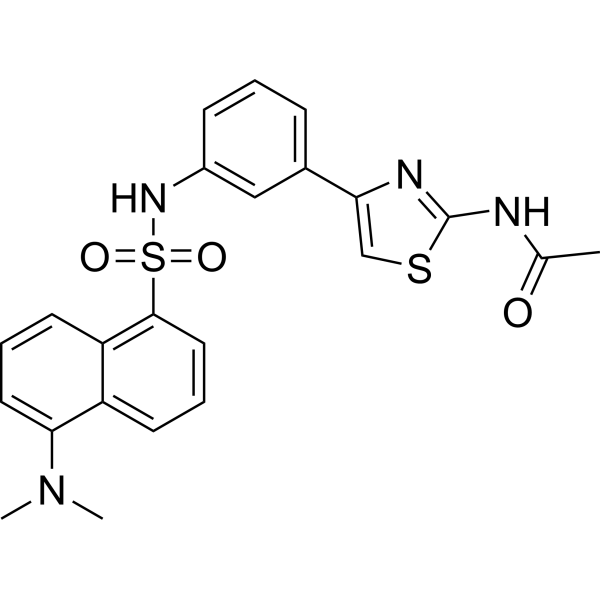
    HA15 is a potent and specific inhibitor of ER chaperone BiP/GRP78/HSPA5, inhibits the ATPase activity of BiP, with anti-cancerous activity .
    HA15
  • HY-10341A
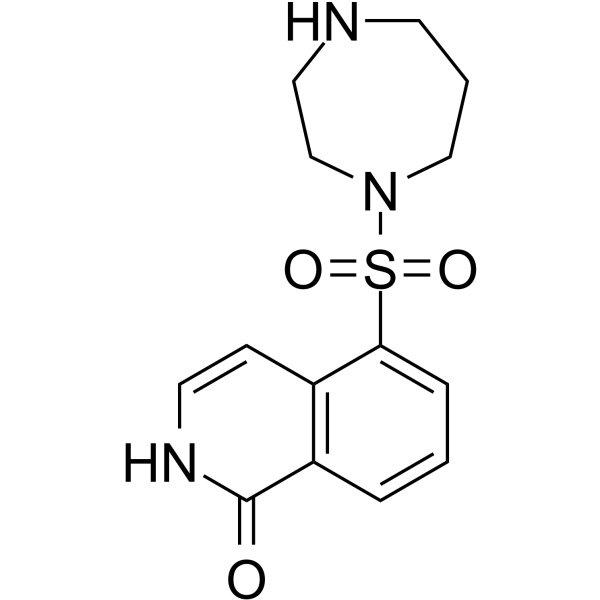
    Fasudil
    25+ Cited Publications

    HA-1077; AT877

    ROCK Calcium Channel Autophagy PKA PKC Cancer
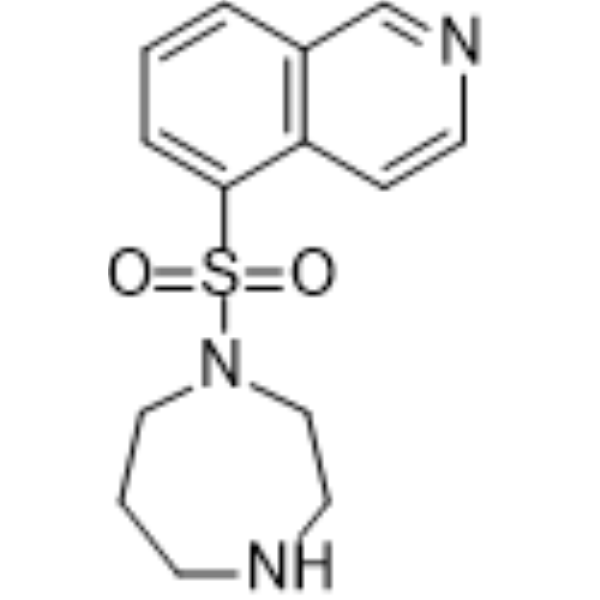
    Fasudil (HA-1077; AT877) is a nonspecific RhoA/ROCK inhibitor and also has inhibitory effect on protein kinases, with an Ki of 0.33 μM for ROCK1, IC50s of 0.158 μM and 4.58 μM, 12.30 μM, 1.650 μM for ROCK2 and PKA, PKC, PKG, respectively. Fasudil is also a potent Ca 2+ channel antagonist and vasodilator .
    Fasudil
  • HY-P4108

    Influenza Virus Infection
    TAT-HA2 Fusion Peptide is a peptide-based delivery agent that combines the pH-sensitive HA2 fusion peptide from Influenza and the cell-penetrating peptide TAT from HIV. TAT-HA2 Fusion Peptide is a transactivator of transcription and hemaglutanin for endosomal release. TAT-HA2 Fusion Peptide enhances cellular uptake of macromolecules .
    TAT-HA2 Fusion Peptide
  • HY-149898

    Transmembrane Glycoprotein CD44 Cancer
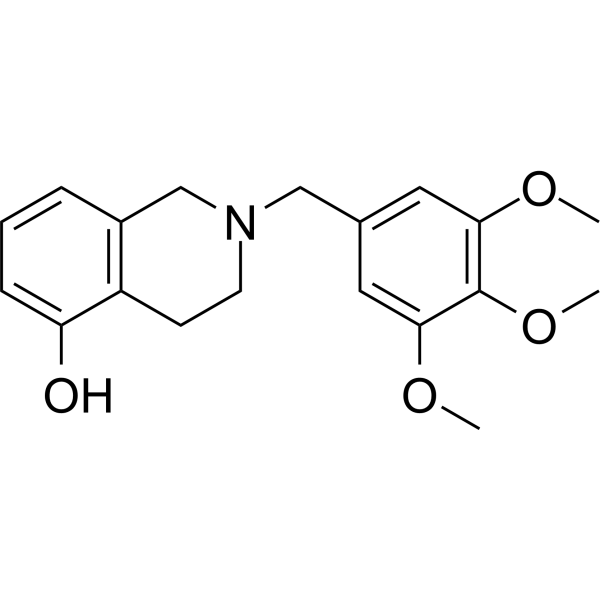
    HA-CD44 interaction inhibitor 1 is a CD44 inhibitor that can inhibit the interaction between Hyaluronic acid (HA) (HY-B0633A) and CD44. HA-CD44 interaction inhibitor 1 exerts an antiproliferative effect on CD44+ cancer cell lines. HA-CD44 interaction inhibitor 1 can be used for the research of cancer .
    HA-CD44 interaction inhibitor 1
  • HY-160799
    HA-9104
    1 Publications Verification

    E1/E2/E3 Enzyme Apoptosis Cancer
    HA-9104 is a potent and selective inhibitor of cullin-5 neddylation via virtually targeting the V30 pocket of UBE2F. HA-9104 binds to UBE2F, reduces its protein levels, and consequently inhibits cullin-5 neddylation. HA-9104 has potent growth suppression and radiosensitizing activities via targeting the UBE2F-CRL5 axis and causing DNA damage, leading to induction of apoptosis and G2/M arrest in lung and pancreatic cancer cells .
    HA-9104
  • HY-19329
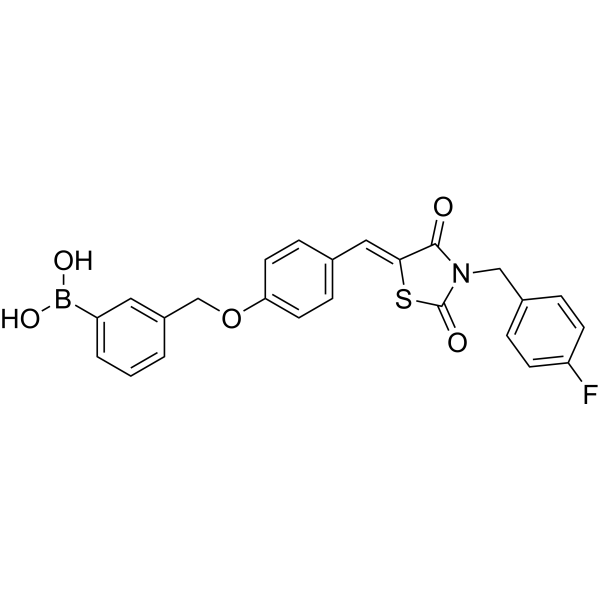
    HA130
    4 Publications Verification

    Phosphodiesterase (PDE) Cancer
    HA130 is a selective autotaxin (ATX) inhibitor with an IC50 of 28 nM.
    HA130
  • HY-149897
    HA-CD44 interaction inhibitor 2
    1 Publications Verification

    Transmembrane Glycoprotein CD44 Cancer
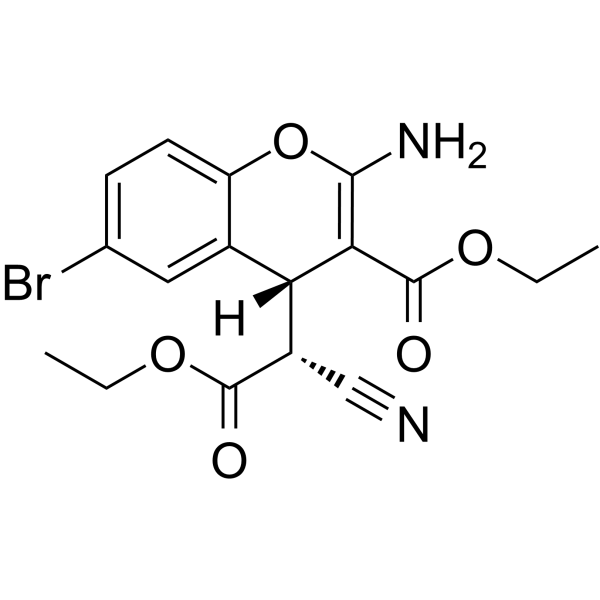
    HA-CD44 interaction inhibitor 2 is a CD44 inhibitor that can inhibit the interaction between Hyaluronic acid (HA) (HY-B0633A) and CD44. HA-CD44 interaction inhibitor 2 acts as an antiproliferative agent against CD44 + cancer cells. HA-CD44 interaction inhibitor 2 can disrupt the integrity of cancer spheres and reduce cancer cell viability in a dose-dependent manner. HA-CD44 interaction inhibitor 2 is applicable for tumor research .
    HA-CD44 interaction inhibitor 2
  • HY-P99853

    CR6261

    Influenza Virus Infection
    Diridavumab is a monoclonal anti-HA stalk antibody. Diridavumab stabilizes the prefusion HA structure and prevents pH-dependent fusion of cellular and viral membranes in endosomes. Diridavumab can be used in research of H2 influenza virus .
    Diridavumab
  • HY-D2836

    FITC-Hyaluronate (MW 1000000)

    Fluorescent Dye Others
    FITC-HA (MW 1000000) is hyaluronic acid (HA) (HY-B0633A) labeled with FITC (HY-66019). FITC-HA retains the ability of HA to bind to receptors (such as CD44) and form extracellular matrices, while it can be detected by fluorescence microscopy or flow cytometry for tracing the localization, binding, internalization and metabolic pathways of HA in cells, tissues or living organisms (Ex/Em ≈ 490/520 nM) .
    FITC-HA (MW 1000000)
  • HY-100984
    HA-100
    1 Publications Verification

    PKA PKC Myosin ROCK Cancer
    HA-100 is a potent protein kinase inhibitor, with IC50s of 4 μM, 8 μM, 12 μM and 240 μM for cGMP-dependent protein kinase (PKG), cAMP-dependent protein kinase (PKA), protein kinase C (PKC) and MLC-kinase, respectively. HA-100 also used as a ROCK inhibitor .
    HA-100
  • HY-12011
    HA14-1
    2 Publications Verification

    Bcl-2 Family Cancer
    HA14-1 is a Bcl-2/Bcl-XL antagonist. HA14-1 binds the designated pocket on Bcl-2 with the IC50 of ≈9 μM in competing with the Bcl-2 binding of Flu-BakBH3, and inhibits its function.
    HA14-1
  • HY-13911
    Hydroxyfasudil
    5 Publications Verification

    HA-1100

    ROCK Cardiovascular Disease Inflammation/Immunology Cancer
    Hydroxyfasudil is a ROCK inhibitor, with IC50s of 0.73 and 0.72 μM for ROCK1 and ROCK2, respectively.
    Hydroxyfasudil
  • HY-P0239A
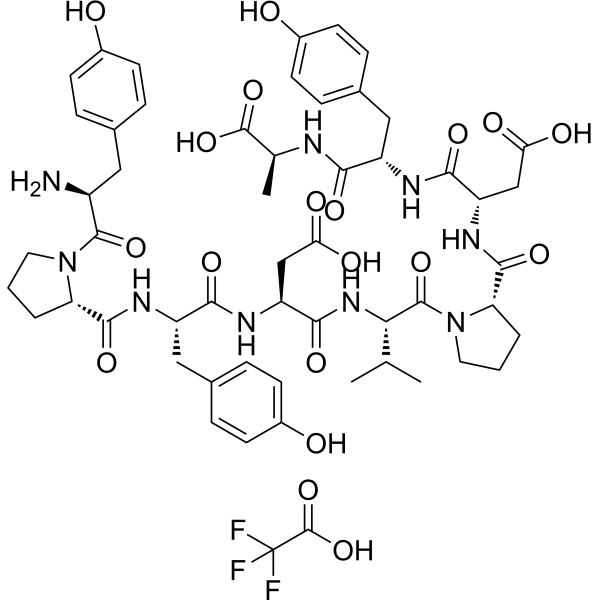
    HA Peptide TFA
    Maximum Cited Publications
    15 Publications Verification

    Influenza Virus Inflammation/Immunology
    HA Peptide (TFA) is a nine amino acids peptide derived from the human influenza hemagglutinin (HA). HA Peptide (TFA) is extensively used to isolate, purify, detect, and track the protein of interest in cell biology and biochemistry .
    HA Peptide TFA
  • HY-10341C
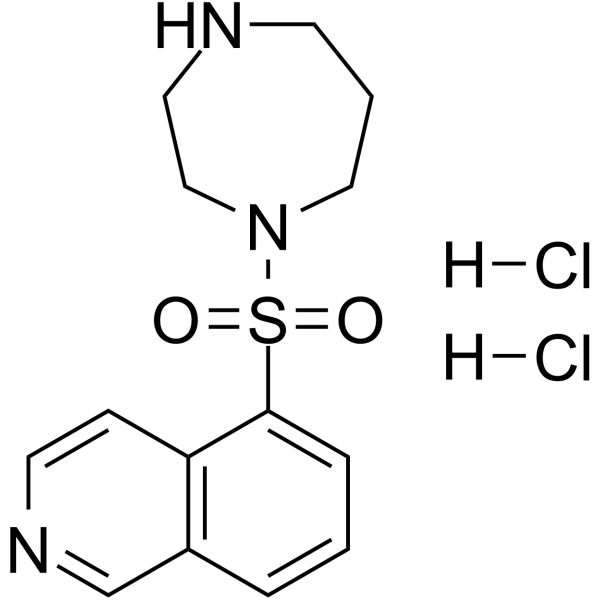
    Fasudil dihydrochloride
    25+ Cited Publications

    HA-1077 dihydrochloride; AT-877 dihydrochloride

    Calcium Channel ROCK PKA PKC Autophagy HIV Cancer
    Fasudil (HA-1077; AT877) dihydrochloride is a nonspecific RhoA/ROCK inhibitor and also has inhibitory effect on protein kinases, with an Ki of 0.33 μM for ROCK1, IC50s of 0.158 μM and 4.58 μM, 12.30 μM, 1.650 μM for ROCK2 and PKA, PKC, PKG, respectively. Fasudil dihydrochloride is also a potent Ca 2+ channel antagonist and vasodilator .
    Fasudil dihydrochloride
  • HY-13911A
    Hydroxyfasudil hydrochloride
    5 Publications Verification

    HA-1100 hydrochloride; HA 1100 hydrochloride; HA1100 hydrochloride

    ROCK Cardiovascular Disease Inflammation/Immunology Cancer
    Hydroxyfasudil hydrochloride is a ROCK inhibitor, with IC50s of 0.73 and 0.72 μM for ROCK1 and ROCK2, respectively.
    Hydroxyfasudil hydrochloride
  • HY-P99224

    IMMU-106; HA20

    Integrin Cancer
    Veltuzumab (IMMU-106) is a humanized anti-CD20 monoclonal antibody. Veltuzumab has low EC50 value of 0.08-0.09 μg/mL in the Daudi cell line. Veltuzumab can be used for the research of cancer including non-Hodgkin lymphoma (NHL) .
    Veltuzumab
  • HY-100822

    (+)-HA-966

    iGluR Neurological Disease
    (R)-(+)-HA-966 ((+)-HA-966) is a partial agonist/antagonist of glycine site of the N-methyl-D-aspartate (NMDA) receptor complex. (R)-(+)-HA-966 selectively blocks the activation of the mesolimbic dopamine system by amphetamine . (R)-(+)-HA-966 can cross the blood-brain barrier and has the potential for neuropathic and acute pain .
    (R)-(+)-HA-966
  • HY-D0871

    N-Cyclohexyltaurine

    Biochemical Assay Reagents Influenza Virus Infection
    CHES (N-Cyclohexyltaurine) is a biological buffer reagent that binds to influenza virus hemagglutinin (HA). CHES mimics the binding mode of sialic acid to the HA receptor-binding site .
    CHES
  • HY-116100A

    Phosphodiesterase (PDE) Inflammation/Immunology
    HA-155 is a potent and selective autotaxin (ATX) inhibitor with an IC50 of 5.7 nM .
    HA155
  • HY-P1749

    Influenza Virus Infection
    Influenza HA (307-319) is 13 amino acids 307 to 319 fragment of Influenza HA. Influenza HA is a glycoprotein found on the surface of influenza viruses .
    Influenza HA (307-319)
  • HY-P1837

    Influenza Virus HSV Infection
    Influenza HA (518-526) is an H-2d-restricted CTL epitope derived from influenza virus hemagglutinin. Influenza HA (518-526) is highly conserved across various H5N1, some H9N2, and H1N1 strains. Influenza HA (518-526) binds to the mouse MHC class I allele K d to form a complex, which is then recognized by specific CD8 + T cells. Influenza HA (518-526) is an immunodominant epitope in influenza-infected BALB/c mice, and it stimulates CD8 + T cells to secrete IFN-γ to induce a robust immune response. Currently, Influenza HA (518-526) is widely used in research related to respiratory syncytial virus (RSV), influenza virus, and H5N1 influenza .
    Influenza HA (518-526)
  • HY-D2640

    Fluorescent Dye Others
    Cy5 HA (MW 5000) is a hyaluronic acid labeled with CY5 (HY-D0821). Cy5 HA (MW 5000) is widely used for cell imaging and in vivo imaging of shallow tissue (Ex/Em = 633/670 nm).
    Cy5 HA (MW 5000)
  • HY-123468

    Cyclic GMP-AMP Synthase PKA ERK Tyrosine Hydroxylase Calcium Channel Cardiovascular Disease Metabolic Disease
    HA-1004 is a selective inhibitor of PKA, which can inhibit lipolysis and induce vascular relaxation. HA-1004 is also a dual inhibitor of cyclic GMP-dependent protein kinase and cyclic AMP-dependent protein, and is involved in smooth muscle, second messenger, cyclic AMP and cyclic GMP regulation mechanisms. HA-1004 is an antagonist for calcium, that can be used as a vasodilator to inhibit the contraction of rabbit aortic strips, or to antagonize ERK and tyrosine hydroxylase (TH) phosphorylation in morphine abstinence rat models .
    HA-1004
  • HY-116100

    Phosphodiesterase (PDE) Neurological Disease Inflammation/Immunology Cancer
    (E/Z)-HA155 is a potent autotaxin (ATX) type I inhibitor. (E/Z)-HA155 can be used for researching cancer, fibrotic diseases, inflammation, pain and angiogenesis .
    (E/Z)-HA155
  • HY-D2647

    Fluorescent Dye Others
    Cy5 HA (MW 500000) is a hyaluronic acid labeled with CY5 (HY-D0821). Cy5 HA (MW 500000) is widely used for cell imaging and in vivo imaging of shallow tissue (Ex/Em = 633/670 nm).
    Cy5 HA (MW 500000)
  • HY-177880

    Drug-Linker Conjugates for ADC Cancer
    2-MSP-5-HA-VC-PAB-MMAE (Compound B-1) is a Drug-Linker Conjugates for ADC. 2-MSP-5-HA-VC-PAB-MMAE consists of the ADC Cytotoxin Monomethyl auristatin E (HY-15162) and a linker 2-MSP-5-HA-VC-PAB-OH (HY-177905). 2-MSP-5-HA-VC-PAB-MMAE can be used for synthesis of ADCs .
    2-MSP-5-HA-VC-PAB-MMAE
  • HY-P4108C

    Phosphodiesterase (PDE) Others
    Cys-TAT-HA2 is a conjugate of Cys and TAT-HA2 (HY-P4108). Cys-TAT-HA2 is a transduction complex that can be introduced protein (such as Cardiac troponin C) into the cytoplasm of living cells. Cys-TAT-HA2 can be used for live tracking of exogenous proteins research .
    Cys-TAT-HA2
  • HY-D2836I

    FITC-Hyaluronate (MW 5000)

    Fluorescent Dye Others
    FITC-HA (MW 5000) is hyaluronic acid (HA) (HY-B0633A) labeled with FITC (HY-66019). FITC-HA retains the ability of HA to bind to receptors (such as CD44) and form extracellular matrices, while it can be detected by fluorescence microscopy or flow cytometry for tracing the localization, binding, internalization and metabolic pathways of HA in cells, tissues or living organisms (Ex/Em ≈ 490/520 nM) .
    FITC-HA (MW 5000)
  • HY-D2645

    Fluorescent Dye Others
    Cy5 HA (MW 100000) is a hyaluronic acid labeled with CY5 (HY-D0821). Cy5 HA (MW 100000) is widely used for cell imaging and in vivo imaging of shallow tissue (Ex/Em = 633/670 nm).
    Cy5 HA (MW 100000)
  • HY-D2638

    Fluorescent Dye Others
    Cy5 HA (MW 3000) is a hyaluronic acid labeled with CY5 (HY-D0821). Cy5 HA (MW 3000) is widely used for cell imaging and in vivo imaging of shallow tissue (Ex/Em = 633/670 nm).
    Cy5 HA (MW 3000)
  • HY-112348

    Cyclic GMP-AMP Synthase PKA ERK Calcium Channel Cardiovascular Disease Metabolic Disease
    HA-1004 hydrochloride is a selective inhibitor of PKA, which can inhibit lipolysis and induce vascular relaxation. HA-1004 hydrochloride is also a dual inhibitor of cyclic GMP-dependent protein kinase and cyclic AMP-dependent protein (Cyclic GMP-AMP Synthase), and is involved in smooth muscle, second messenger, cyclic AMP and cyclic GMP regulation mechanisms. HA-1004 hydrochloride an antagonist for calcium, that can be used as a vasodilator to inhibit the contraction of rabbit aortic strips, or to antagonize ERK and tyrosine hydroxylase (TH) phosphorylation in morphine abstinence rat models .
    HA-1004 hydrochloride
  • HY-12880

    Myosin PKA PKC ROCK Cancer
    HA-100 dihydrochloride is a potent protein kinase inhibitor, with IC50s of 4 μM, 8 μM, 12 μM and 240 μM for cGMP-dependent protein kinase (PKG), cAMP-dependent protein kinase (PKA), protein kinase C (PKC) and MLC-kinase, respectively. HA-100 dihydrochloride also used as a ROCK inhibitor .
    HA-100 dihydrochloride
  • HY-D2836B

    FITC-Hyaluronate (MW 200000)

    Fluorescent Dye Others
    FITC-HA (MW 200000) is hyaluronic acid (HA) (HY-B0633A) labeled with FITC (HY-66019). FITC-HA retains the ability of HA to bind to receptors (such as CD44) and form extracellular matrices, while it can be detected by fluorescence microscopy or flow cytometry for tracing the localization, binding, internalization and metabolic pathways of HA in cells, tissues or living organisms (Ex/Em ≈ 490/520 nM) .
    FITC-HA (MW 200000)
  • HY-D2836D

    FITC-Hyaluronate (MW 50000)

    Fluorescent Dye Others
    FITC-HA (MW 50000) is hyaluronic acid (HA) (HY-B0633A) labeled with FITC (HY-66019). FITC-HA retains the ability of HA to bind to receptors (such as CD44) and form extracellular matrices, while it can be detected by fluorescence microscopy or flow cytometry for tracing the localization, binding, internalization and metabolic pathways of HA in cells, tissues or living organisms (Ex/Em ≈ 490/520 nM) .
    FITC-HA (MW 50000)
  • HY-D2836C

    FITC-Hyaluronate (MW 100000)

    Fluorescent Dye Others
    FITC-HA (MW 100000) is hyaluronic acid (HA) (HY-B0633A) labeled with FITC (HY-66019). FITC-HA retains the ability of HA to bind to receptors (such as CD44) and form extracellular matrices, while it can be detected by fluorescence microscopy or flow cytometry for tracing the localization, binding, internalization and metabolic pathways of HA in cells, tissues or living organisms (Ex/Em ≈ 490/520 nM) .
    FITC-HA (MW 100000)
  • HY-D2642

    Fluorescent Dye Others
    Cy5 HA (MW 10000) is a hyaluronic acid labeled with CY5 (HY-D0821). Cy5 HA (MW 10000) is widely used for cell imaging and in vivo imaging of shallow tissue (Ex/Em = 633/670 nm).
    Cy5 HA (MW 10000)
  • HY-D2624

    Fluorescent Dye Others
    Cy3 HA (MW 10000) is a hyaluronic acid labeled with CY3 (HY-D0822). Cy3 HA (MW 10000) is widely used for cell imaging and in vivo imaging of shallow tissue (Ex/Em = 550/570 nm).
    Cy3 HA (MW 10000)
  • HY-D2625

    Fluorescent Dye Others
    Cy3 HA (MW 50000) is a hyaluronic acid labeled with CY3 (HY-D0822). Cy3 HA (MW 50000) is widely used for cell imaging and in vivo imaging of shallow tissue (Ex/Em = 550/570 nm).
    Cy3 HA (MW 50000)
  • HY-D2646

    Fluorescent Dye Others
    Cy5 HA (MW 200000) is a hyaluronic acid labeled with CY5 (HY-D0821). Cy5 HA (MW 200000) is widely used for cell imaging and in vivo imaging of shallow tissue (Ex/Em = 633/670 nm).
    Cy5 HA (MW 200000)
  • HY-D2676

    Fluorescent Dye Others
    Cy7 HA (MW 3000) is a hyaluronic acid labeled with CY7 (HY-D0825). Cy7 HA (MW 3000) is widely used for cell imaging and in vivo imaging of shallow tissue (Ex/Em = 740/770 nm).
    Cy7 HA (MW 50000)
  • HY-170955

    Transmembrane Glycoprotein Cancer
    HA-CD44 interaction inhibitor 3 (compound 5d) is a Hyaluronic acid (HY-B0633A) (HA)-CD44 interaction inhibitor with antiproliferative activities. HA-CD44 interaction inhibitor 3 inhibits MDA-MB-231 (CD44++) cells and MCF-7 cells (CD44--) with EC50s of 4.24 μM and 14.74 μM, respectively. HA-CD44 interaction inhibitor 3 shows the potential for cancer research .
    HA-CD44 interaction inhibitor 3
  • HY-177879

    Drug-Linker Conjugates for ADC Topoisomerase Cancer
    2-MSP-5-HA-Val-Cit-PAB-Exatecan (A-24) is a drug-linker conjugate for ADC. 2-MSP-5-HA-Val-Cit-PAB-Exatecan consists of Exatecan (HY-13631) and a linker. 2-MSP-5-HA-Val-Cit-PAB-Exatecan can be used for synthesis of ADCs .
    2-MSP-5-HA-VA-PAB-Exatecan
  • HY-D2653

    Fluorescent Dye Others
    Cy5 HA biotin 3000 is a biotinylated hyaluronic acid labeled with CY5 (HY-D0821). Cy5 HA biotin 3000 is widely used for cell imaging and in vivo imaging of shallow tissues (Ex/Em = 633/670 nm).
    Cy5 HA biotin 3000
  • HY-10341R

    HA-1077 Hydrochloride (Standard); AT-877 Hydrochloride (Standard)

    Reference Standards ROCK Calcium Channel Autophagy PKA PKC HIV Cancer
    Fasudil (Hydrochloride) (Standard) is the analytical standard of Fasudil (Hydrochloride). This product is intended for research and analytical applications. Fasudil (HA-1077; AT877) Hydrochloride is a nonspecific RhoA/ROCK inhibitor and also has inhibitory effect on protein kinases, with an Ki of 0.33 μM for ROCK1, IC50s of 0.158 μM and 4.58 μM, 12.30 μM, 1.650 μM for ROCK2 and PKA, PKC, PKG, respectively. Fasudil Hydrochloride is also a potent Ca 2+ channel antagonist and vasodilator .
    Fasudil Hydrochloride (Standard)
  • HY-P11353

    Small Interfering RNA (siRNA) Cancer
    HA2 peptide is a potent pH-responsive fusogenic peptide derived from hemagglutinin (HA). HA2 peptide is anionic and can be conjugated to cationic peptides for siRNA condensation. HA2 peptide can be used for the research of cancer .
    HA2 peptide
  • HY-139009

    HSP Cancer
    HA15-Biotin is a chemical probe that consists of HA15 and biotin attached on the amide part of HA15. HA15-Biotin exhibits similar levels of activity to HA15. HA15-Biotin can be used for proteomic analysis .
    HA15-Biotin
  • HY-W424730

    iGluR Others
    HA-966 hydrochloride is a glycine site antagonist of the NMDA receptor, exhibiting non-competitive antagonism on NMDA responses. HA-966 hydrochloride effectively blocks the enhancement of NMDA responses by glycine in a competitive manner. HA-966 hydrochloride plays a significant role in mediating the antagonist action at the glycine modulatory site of the NMDA receptor.
    HA-966 hydrochloride
  • HY-100822A

    (-)-HA 966

    iGluR Neurological Disease
    (S)-(-)-HA 966 ((-)-HA 966), a γ-Hydroxybutyrate-like agent, is weakly active as an NMDA-receptor antagonist. (S)-(-)-HA 966 possesses muscle relaxant action and prevents enhanced mesocorticolimbic dopamine metabolism and behavioral correlates of restraint stress, conditioned fear .
    (S)-(-)-HA 966

Inquiry Online

Your information is safe with us. * Required Fields.

Salutation


Country or Region *

Applicant Name *


Organization Name *

Department *


Email Address *


Product Name *

Cat. No.


Requested quantity *

Phone Number *


Remarks

Inquiry Online

Inquiry Information

Product Name:
Cat. No.:
Quantity:
MCE Japan Authorized Agent:

