26 Results for "

Histone modification

" in MedChemExpress (MCE) Product Catalog:
Products (26)

26 Results for "Histone modification" in MCE Product Catalog:

139
139 Publications Verification
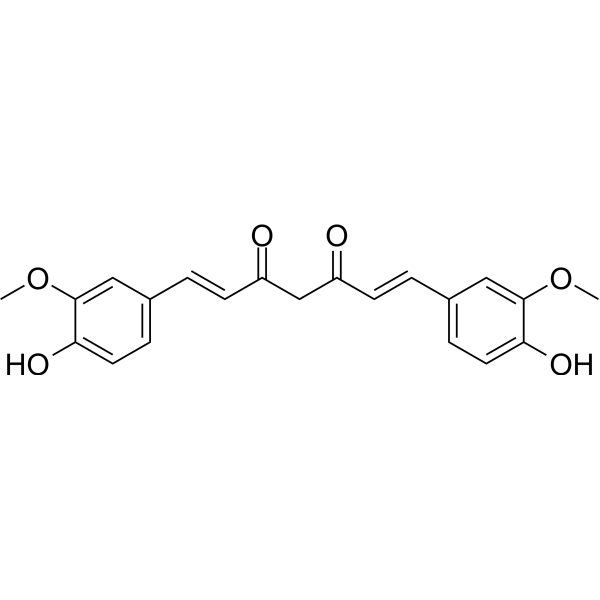
Cat. No.: HY-N0005
CAS No.: 458-37-7
Synonyms: Diferuloylmethane; Natural Yellow 3; Turmeric yellow
Curcumin (Diferuloylmethane), a natural phenolic compound, is a p300/CREB-binding protein-specific inhibitor of acetyltransferase, represses the acetylation of histone/nonhistone proteins and histone acetyltransferase-dependent chromatin transcription. Curcumin is a photosensitizer against microorganisms. Curcumin shows inhibitory effects on NF-κB and MAPKs, and has diverse pharmacologic effects including anti-inflammatory, antioxidant, antiproliferative and antiangiogenic activities. Curcumin induces stabilization of Nrf2 protein through Keap1 cysteine modification.
loading...
    loading...
3
3 Cited Publications
Cat. No.: HY-N0005R
CAS No.: 458-37-7
Synonyms: Diferuloylmethane (Standard); Natural Yellow 3 (Standard); Turmeric yellow (Standard)
Curcumin (Standard) is the analytical standard of Curcumin (HY-N0005). This product is intended for research and analytical applications. Curcumin (Diferuloylmethane), a natural phenolic compound, is a p300/CREB-binding protein-specific inhibitor of acetyltransferase, represses the acetylation of histone/nonhistone proteins and histone acetyltransferase-dependent chromatin transcription. Curcumin is a photosensitizer against microorganisms. Curcumin shows inhibitory effects on NF-κB and MAPKs, and has diverse pharmacologic effects including anti-inflammatory, antioxidant, antiproliferative and antiangiogenic activities. Curcumin induces stabilization of Nrf2 protein through Keap1 cysteine modification.
loading...
    loading...
2
2 Cited Publications
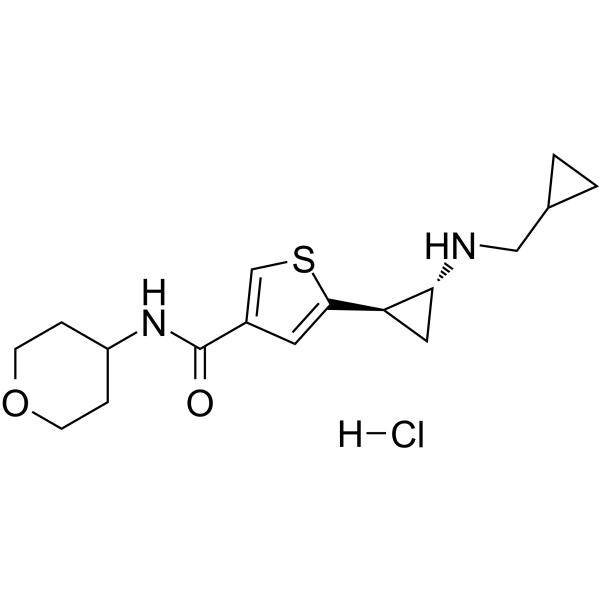
Cat. No.: HY-138830
CAS No.: 1818252-53-7
Purity:  99.81%
Target:  

Histone Demethylase

Research Areas:  

Neurological Disease

TAK-418 is an orally active, blood-brain barrier-penetrant LSD1 inhibitor with a human IC50 of 2.9 nM. TAK-418 irreversibly inhibits LSD1 by forming a compact flavin-FAD adduct with the catalytic domain FAD, blocking the demethylation of H3K4me1/2 and H3K9me1/2 without disrupting the LSD1-GFI1B interaction. TAK-418 restores normally dysregulated brain gene expression and DNA methylation, increases H3K4me1/2/3 and H3K9me2 at the Ucp2 locus, and induces Ucp2 mRNA expression. TAK-418 rescues defective H3K4 histone modifications, normalizes adult neurogenesis, and improves recognition memory, social behavior, and cognition in rodent models. TAK-418 can be used in research related to neurodevelopmental disorders, Alzheimer's disease, and autism spectrum disorders .
loading...
    loading...
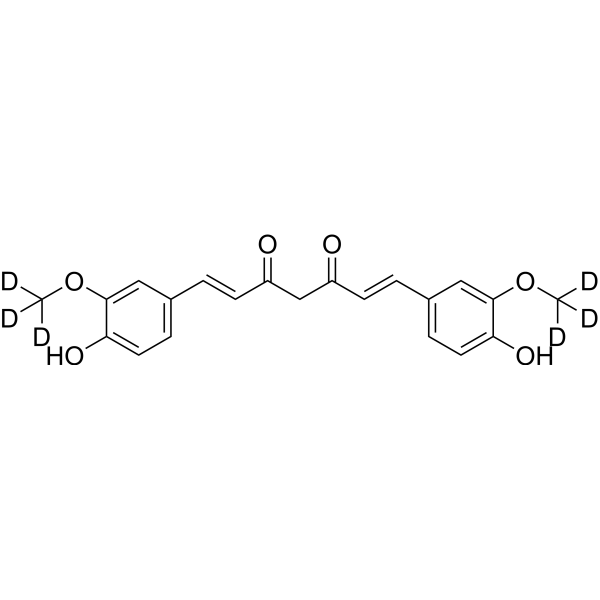
Cat. No.: HY-N0005S
CAS No.: 1246833-26-0
Synonyms: Diferuloylmethane-d6; Natural Yellow 3-d6; Turmeric yellow-d6
Curcumin-d6 (Diferuloylmethane-d6 ) is deuterium labeled Curcumin (HY-N0005). Curcumin (Diferuloylmethane), a natural phenolic compound, is a p300/CREB-binding protein-specific inhibitor of acetyltransferase, represses the acetylation of histone/nonhistone proteins and histone acetyltransferase-dependent chromatin transcription. Curcumin is a photosensitizer against microorganisms. Curcumin shows inhibitory effects on NF-κB and MAPKs, and has diverse pharmacologic effects including anti-inflammatory, antioxidant, antiproliferative and antiangiogenic activities. Curcumin induces stabilization of Nrf2 protein through Keap1 cysteine modification.
loading...
    loading...
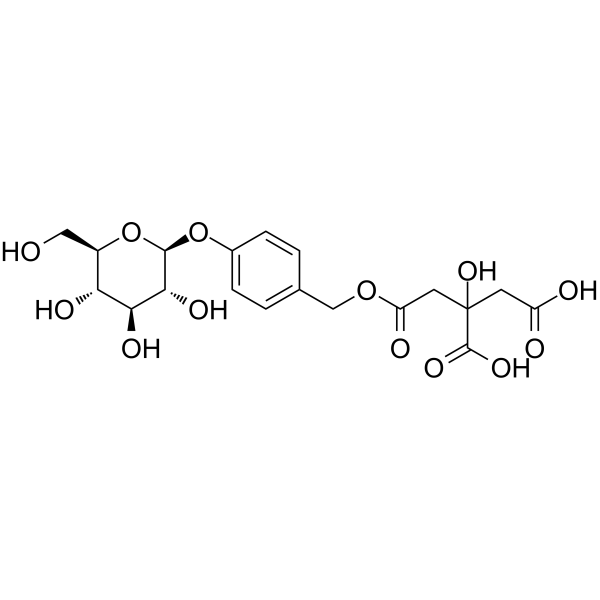
Cat. No.: HY-N2126
CAS No.: 952068-57-4
Parishin E is a modulator of hexokinase 2, lactate dehydrogenase A, and silent information regulator 6 (sirtuin 6), and is also a component present in Gastrodia elata Blume . Parishin E reduces the expression of hexokinase 2 and lactate dehydrogenase A, thereby regulating the process of cellular glycolysis . Parishin E regulates the deacetylation mediated by silent information regulator 6 (Sirtuin 6), and inhibits histone 3 lactylation modifications at the H3K18la and H3K27la sites . Parishin E inhibits macrophage polarization . Parishin E alleviates LPS-induced inflammatory responses and suppresses the expression of pro-inflammatory cytokines . Parishin E exerts ameliorating effects on rheumatoid arthritis . Parishin E can be used in studies related to rheumatoid arthritis .
loading...
    loading...
Cat. No.: HY-P1958
CAS No.: 667899-73-2
Research Areas:  

Others

Histone H4 (2-21) is a substrate peptide derived from the N-terminal region of histone H4, which serves as an acyl acceptor for lysine acetyltransferases of the MYST family (KAT). Histone H4 (2-21) participates in enzymatic reactions together with acyl-coenzyme A (acyl-CoA, and undergoes lysine acetylation and propionylation modifications catalyzed by KATs such as MOF. The apparent Km of Histone H4 (2-21) for MOF is 788.8 μM, while in the picNuA4 catalytic system, the Km and Kd values of the H4 peptide are 192 μM and 251 μM, respectively. Histone H4 (2-21) can be used in studies related to histone post-translational modifications, epigenetic regulation, and lysine acylation .
loading...
    loading...
Cat. No.: HY-P2258
Research Areas:  

Others

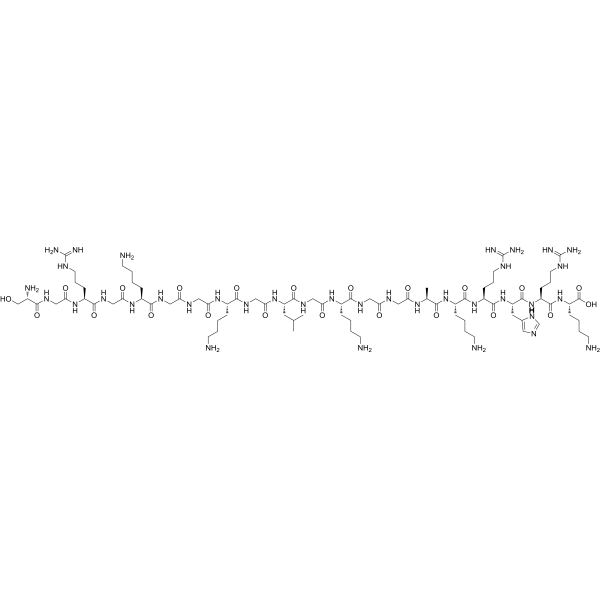
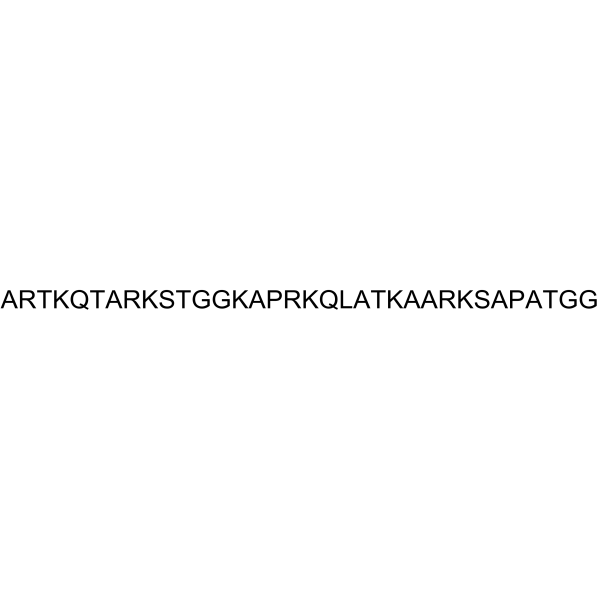
Histone H3 (1-34) is a peptide derived from human histone isotype 3.1. Histones are the main protein components of eukaryotic chromatin. Histone variants and histone modifications modulate chromatin structure, ensuring the precise operation of cellular processes associated with genomic DNA .
loading...
    loading...
Cat. No.: HY-44062
CAS No.: 1350752-07-6
Research Areas:  

Inflammation/Immunology Cancer

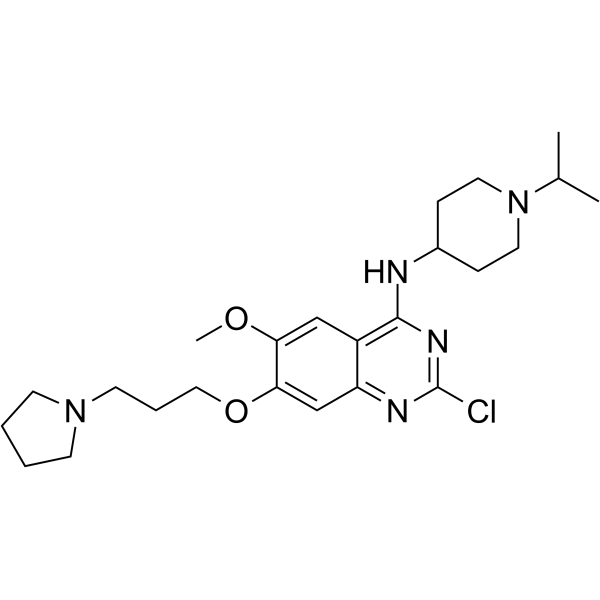
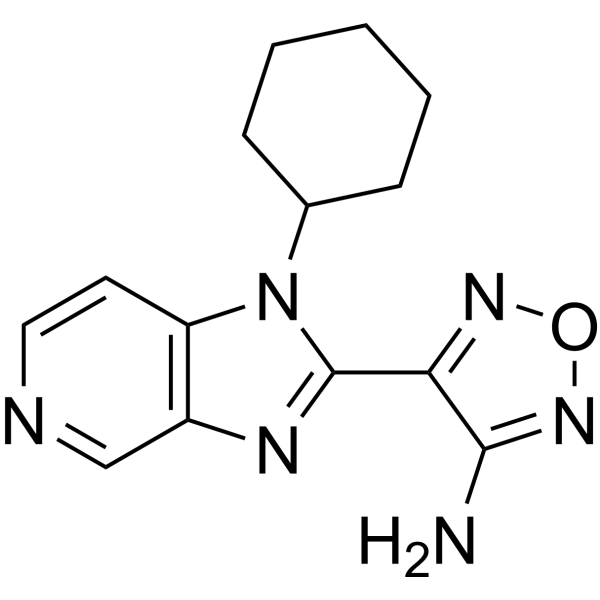
G9a-IN-1 (Compound 113) is a G9a protein inhibitor. G9A/EHMT2 is a nuclear histone lysine methyltransferase that catalyzes histone H3 lysine 9 dimethylation (H3K9me2), which is a reversible modification generally associated with transcriptional gene silencing. G9a-IN-1 can be used for the research of autoimmune disorders or cancer .
loading...
    loading...
Cat. No.: HY-P2255
Target:  

Histone Demethylase

Research Areas:  

Others

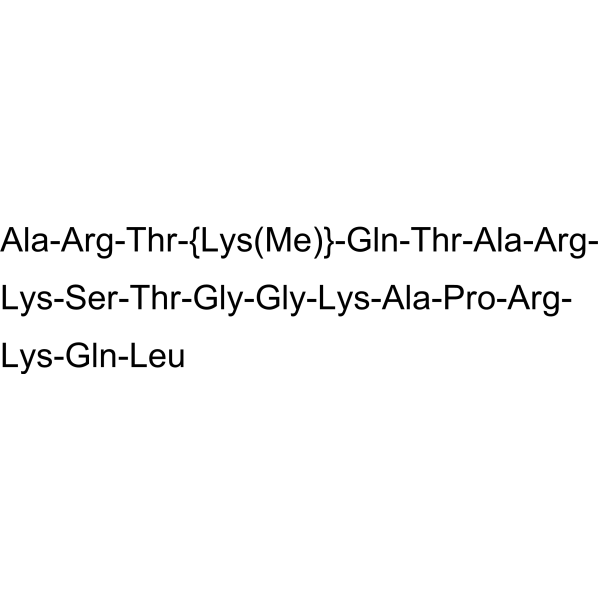
H3K4(Me) (1-20), a histone peptide. H3K4me is an intricately regulated posttranslational modification, which is broadly associated with enhancers and promoters of actively transcribed genomic loci .
loading...
    loading...
Cat. No.: HY-N0005S1
Synonyms: Diferuloylmethane-d3; Natural Yellow 3-d3; Turmeric yellow-d3
Curcumin-d3 (Diferuloylmethane-d3 ) is deuterium labeled Curcumin (HY-N0005). Curcumin (Diferuloylmethane), a natural phenolic compound, is a p300/CREB-binding protein-specific inhibitor of acetyltransferase, represses the acetylation of histone/nonhistone proteins and histone acetyltransferase-dependent chromatin transcription. Curcumin is a photosensitizer against microorganisms. Curcumin shows inhibitory effects on NF-κB and MAPKs, and has diverse pharmacologic effects including anti-inflammatory, antioxidant, antiproliferative and antiangiogenic activities. Curcumin induces stabilization of Nrf2 protein through Keap1 cysteine modification.
loading...
    loading...
Cat. No.: HY-L024
931 compounds

A histone modification, a covalent post-translational modification (PTM) to histone proteins, includes methylation, phosphorylation, acetylation, ubiquitylation, and sumoylation, etc. In general, histone modifications are catalyzed by specific enzymes that act predominantly at the histone N-terminal tails involving amino acids such as lysine or arginine, as well as serine, threonine, tyrosine, etc. The PTMs made to histones can impact gene expression by altering chromatin structure or recruiting histone modifiers. Histone modifications act in diverse biological processes such as transcriptional activation/inactivation, chromosome packaging, and DNA damage/repair. Deregulation of histone modification contributes to many diseases, including cancer and autoimmune diseases.

MCE owns a unique collection of 931 bioactive compounds targeting Epigenetic Reader Domain, HDAC, Histone Acetyltransferase, Histone Demethylase, Histone Methyltransferase, Sirtuin, etc. Histone Modification Research Compound Library is a useful tool for histone modification research and drug screening.

Cat. No.: HY-175821
CAS No.: 892570-48-8
Research Areas:  

Cancer

PRMT1-IN-3 is a potent protein arginine methyltransferase 1 (PRMT1) inhibitor with an IC50 of 4.11 μM. PRMT1-IN-3 inhibits PRMT6 and PRMT8 with IC50s of 23.3 and 30.1 μM. PRMT1-IN-3 suppresses asymmetric dimethylarginine (ADMA) levels and histone H4R3me2a modification in triple-negative breast cancer (TNBC) cells. PRMT1-IN-3 induces cell cycle arrest, apoptosis, and inhibits migration and colony formation in MDA-MB-231 cells. PRMT1-IN-3 acts as chemotherapeutic sensitizers for Paclitaxel (HY-B0015). PRMT1-IN-3 can be used for the study of TNBC .
loading...
    loading...
Cat. No.: HY-157140
CAS No.: 1644442-22-7
Research Areas:  

Others

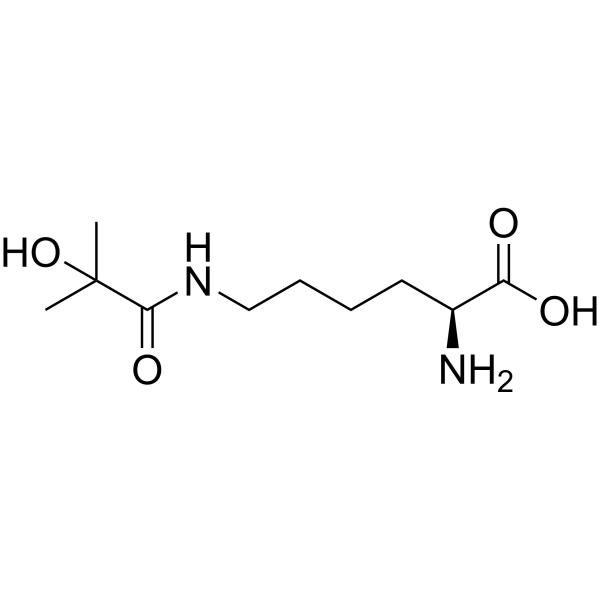
HibK is is a new type of histone mark that is widely distributed in histone proteins. HibK as a useful tool can be used for probing post-translational modification by site-specifically incorporate HibK into proteins .
loading...
    loading...
Cat. No.: HY-P10111A
Synonyms: H3(1-15)K9me3 TFA
Research Areas:  

Others

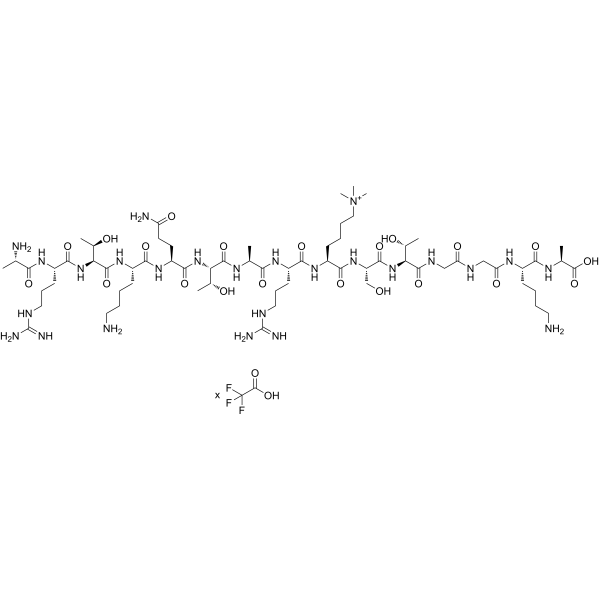
Histone H3K9me3 (1-15) (H3(1-15)K9me3) TFA is used as substrate. Histone H3K9me3 is a histone posttranslational modification (PTM) that has emerged as hallmark of pericentromeric heterochromatin .
loading...
    loading...
Cat. No.: HY-P10111
CAS No.: 951011-30-6
Synonyms: H3(1-15)K9me3
Target:  

Inhibitory Antibodies

Research Areas:  

Inflammation/Immunology Cancer

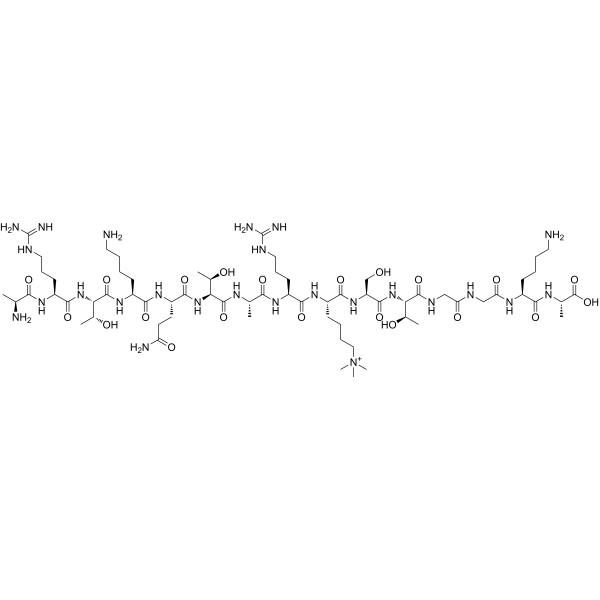
Histone H3K9me3 (1-15) (H3(1-15)K9me3) is a histone posttranslational modification (PTM) that has emerged as hallmark of pericentromeric heterochromatin. Trimethylation of histone H3 at lysine 9 is associated with gene repression, prevents transcription factor binding .
loading...
    loading...
Cat. No.: HY-114005
CAS No.: 607368-97-8
Target:  

CMV

Research Areas:  

Infection

SB-734117 is a human cytomegalovirus (HCMV) replication inhibitor that prevents CREB and histone H3 post-translational modifications .
loading...
    loading...
Cat. No.: HY-177840
Target:  

Liposome

Research Areas:  

Inflammation/Immunology

Liposomal Curcumin is a specialized delivery system that encapsulates Curcumin (HY-N0005) within tiny liposomes. These liposomes act as protective shells, enhancing the absorption and bioavailability of Curcumin. Curcumin (Diferuloylmethane), a natural phenolic compound, is a p300/CREB-binding protein-specific inhibitor of acetyltransferase, represses the acetylation of histone/nonhistone proteins and histone acetyltransferase-dependent chromatin transcription. Curcumin is a photosensitizer against microorganisms. Curcumin shows inhibitory effects on NF-κB and MAPKs, and has diverse pharmacologic effects including anti-inflammatory, antioxidant, antiproliferative and antiangiogenic activities. Curcumin induces stabilization of Nrf2 protein through Keap1 cysteine modification.
The product size below only indicate the effective content of Curcumin.
loading...
    loading...
Cat. No.: HY-115926
Research Areas:  

Cancer

BRD4 Inhibitor-16 (Compound 4) is a potent inhibitor of bromodomain 4 (BRD4). Overexpression of bromodomain 4 (BRD4) is closely correlated with a variety of human cancers by regulating the histone post-translational modifications. BRD4 Inhibitor-16 represents a useful tool for explorative studies of BRD4 inhibition, such as an improved understanding of BRD4 inhibitor release-related information .
loading...
    loading...
Cat. No.: HY-L005M
295 compounds

Epigenetics involves heritable phenotypic changes that occur without alterations to the underlying DNA sequence. Key mechanisms include DNA methylation, histone modifications, and regulation by small non-coding RNAs such as microRNAs. By modifying DNA, histones, or RNA—while leaving their primary sequences intact—these processes influence molecular function and regulation, thereby playing critical roles in cellular differentiation, embryonic development, gene expression control, aging, and diseases such as cancer.

MCE provide a unique collection of 295 epigenetics-related compounds. For each regulatory target and its subtype, 3 to 5 highly specific representative compounds have been retained, which can be used in epigenetic and related disease research.

Cat. No.: HY-L203
351 compounds

Methylation is an epigenetic modification mechanism that involves adding methyl groups to molecules such as DNA and histones, which can alter gene expression without changing the DNA sequence. This process is catalyzed by enzymes such as DNA methyltransferases (DNMTs) and histone methyltransferases (HMTs), and can be reversed by demethylases. The balance of methylation and demethylation is crucial for maintaining cellular function and genomic stability. Abnormal regulation of methylation may lead to a variety of diseases, including cancer, neurological disorders, and developmental abnormalities. A deep understanding of the molecular mechanisms of methylation metabolism is essential for developing therapeutic strategies for diseases associated with methylation dysregulation.

MCE contains 351 compounds targeting methylation/demethylation enzymes, which is of significant value for studying the pathways of methylation metabolism and exploring their mechanisms of action in diseases.

