31 Results for "

J774A.1 cell

" in MedChemExpress (MCE) Product Catalog:
Products (31)

31 Results for "J774A.1 cell" in MCE Product Catalog:

3
3 Cited Publications
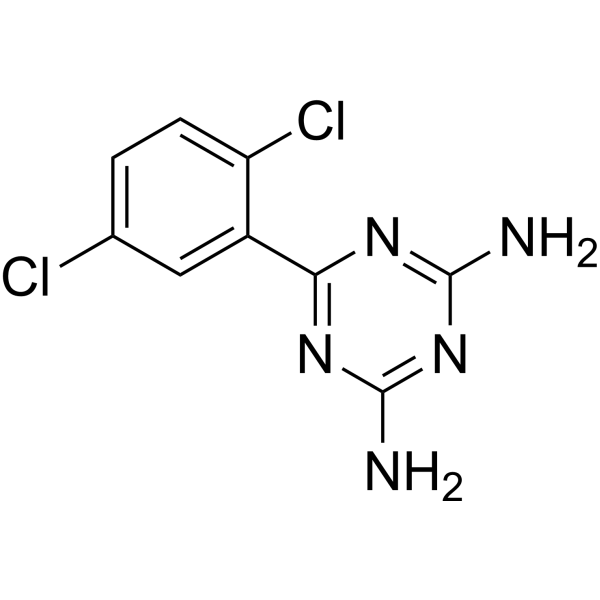
Cat. No.: HY-B0327
CAS No.: 57381-26-7
Synonyms: Dicloguamine
Irsogladine (Dicloguamine) is an orally active gastric mucosal protective agent. Irsogladine inhibits breast cancer recurrence and lung metastasis in nude mice . Irsogladine inhibits the transcriptional activities of NF-κB and AP-1, suppresses the activities of PDE and PDE4 to elevate intracellular cAMP levels, and activates TRPV1 and KATP channels. Irsogladine enhances iNOS expression, NO production, and the activation of cAMP-responsive elements. Irsogladine inhibits the development and progression of intestinal polyps in Apc-mutant mice. Irsogladine alleviates oxidative stress, increases gastric mucosal blood flow, and stimulates the production of endogenous prostaglandins. Irsogladine promotes insulin secretion in MIN6 cells. Irsogladine inhibits tumor angiogenesis, cancer cell proliferation, and the production of proinflammatory cytokines. Irsogladine exerts protective effects on astrocytes in ethanol/hydrochloric acid-induced gastric ulcers in mice. Irsogladine prevents colitis in IL-10 gene-deficient mice by reducing the production of IL-12 and IL-23. Irsogladine upregulates gap junction intercellular communication in pancreatic cancer cells via the PKA pathway. Irsogladine is applicable to research related to breast cancer, intestinal polyposis, gastric ulcer, spontaneous colitis, glioma, liver cancer, and pancreatic cancer [5][6] .
loading...
    loading...
2
2 Cited Publications
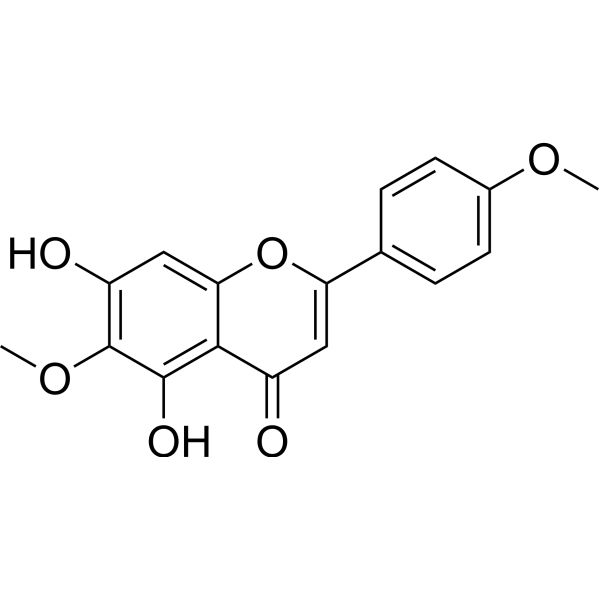
Cat. No.: HY-N0493
CAS No.: 520-12-7
Pectolinarigenin is an orally active dual inhibitor of COX-2/5-LOX with anti-inflammatory, antioxidant, antitumor and neuroprotective activities. Pectolinarigenin exerts neuroprotective and anti-inflammatory effects on astrocyte inflammation via the NFκB and MAPK pathways. Pectolinarigenin inhibits LPS-induced phosphorylation of ERK1/2, N-FκB and p38MAPK, directly inhibits the enzymatic activity or binding of COX-2, 5-LOX and HIF-1α, and reduces the level of XIAP. Pectolinarigenin modifies Keap1 to promote nuclear accumulation of Nrf2, induces ARE-mediated antioxidant enzyme expression, and possesses direct free radical scavenging activity. Pectolinarigenin reduces the release of NO, proinflammatory mediators and leukotrienes, and increases the level of IL-10. Pectolinarigenin induces G2/M cell cycle arrest, apoptosis (Apoptosis) and autophagy (Autophagy) via the PI3K/AKT/mTOR signaling pathway. Pectolinarigenin reduces renal crystal deposition and inhibits melanin synthesis. Pectolinarigenin inhibits inflammation and alleviates allergy in mouse models of inflammation. Pectolinarigenin alleviates renal injury, inflammation and oxidative stress in mice by inhibiting HIF-1α activity. Pectolinarigenin can be used for the research of neurodegenerative diseases, inflammatory/allergic diseases, calcium oxalate nephrocalcinosis, gastric cancer, melasma, post-inflammatory diseases and chloasma .
loading...
    loading...
1
1 Cited Publications
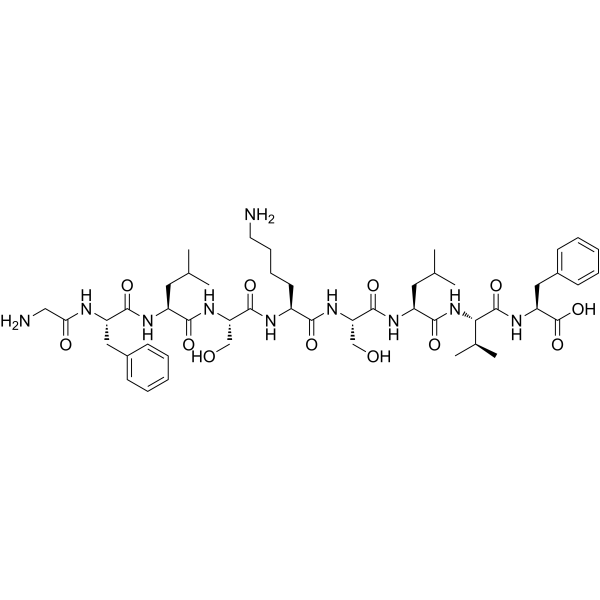
Cat. No.: HY-P10086
CAS No.: 1289375-12-7
Synonyms: Human TREM-1(213-221)
TREM-1 inhibitory peptide GF9 (Human TREM-1 (213-221)) is a TREM-1 inhibitor. TREM-1 inhibitory peptide GF9 blocks the TREM-1 signaling pathway via a ligand-independent mechanism, spontaneously inserts into the cell membrane to dissociate TREM-1 from DAP-12, and functions through the Signaling Chain Homooligomerization (SCHOOL) model. TREM-1 inhibitory peptide GF9 reduces the levels of TNFα, IL-1β, IL-6, and M-CSF. TREM-1 inhibitory peptide GF9 inhibits tumor growth, prolongs the survival of mice with pancreatic cancer models, ameliorates collagen-induced arthritis, and exerts protective effects on bone and cartilage simultaneously. TREM-1 inhibitory peptide GF9 can be used in research related to arthritis, pancreatic cancer, retinopathy, alcoholic liver disease, and liver cancer .
loading...
    loading...
Cat. No.: HY-W923189
CAS No.: 106-26-3
Neral is a plant-derived anti-inflammatory, antioxidant and anticancer agent. Neral inhibits the phosphorylation of ERK1/2, p38 MAPK and IκB in macrophages induced by LPS (HY-D1056), suppresses the secretion of TNF-α and IL-6, as well as the expression of pro-IL-1β, iNOS and COX-2 in cells, and reduces the production of ROS in cells. Neral inhibits the activation of the NLRP3 inflammasome, and decreases the activation of caspase-1 and the secretion of IL-1β in mouse macrophages. Neral induces autophagy, and exhibits antiproliferative activity both in in vitro breast cancer cell models and mouse xenograft models. Neral regulates brassinosteroid, jasmonic acid and ethylene signaling pathways, and induces the expression of AP2/ERF-ERF and bHLH family genes in rice roots. Neral acts as a herbicide safener, alleviates the damage induced by Fenoxaprop-P-ethyl (HY-B2013), and promotes the elongation of rice roots. Neral can be used in research related to breast cancer, inflammatory and immune system diseases, and herbicide safeners .
loading...
    loading...
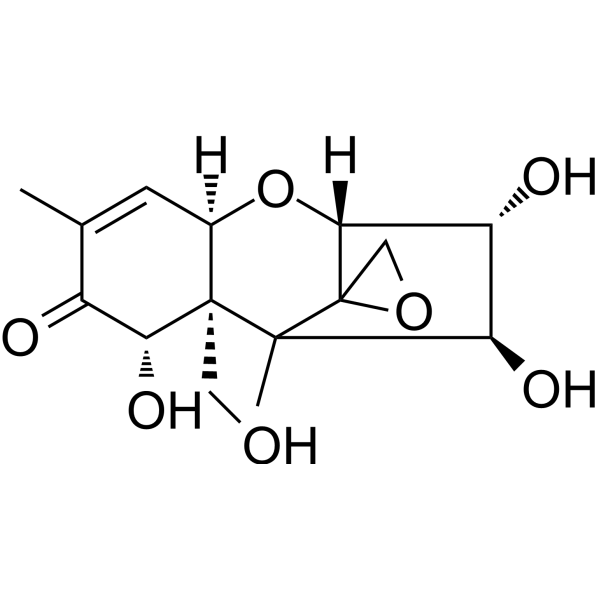
Cat. No.: HY-N6801
CAS No.: 23282-20-4
Nivalenol, a trichothecene mycotoxin that can be produced by Fusarium graminearum, is a fungal metabolite present in agricultural product. Nivalenol modulates apoptotic pathway, cell cycle regulation, Bax, ERK, caspase-3, and poly-ADP-ribose synthase activity in macrophages. Nivalenol inhibits ribosomal peptidyltransferase site, protein synthesis, DNA synthesis, and cell proliferation. Nivalenol induces late-stage apoptotic morphological changes, reduces cellular metabolism, and decreases cell proliferation in erythroleukemia cells. Nivalenol induces lymphocyte apoptosis in murine thymus, spleen, and Peyer's patches. Nivalenol can be used for the research of erythroleukemia .
loading...
    loading...
Cat. No.: HY-N16039
CAS No.: 126221-76-9
TAN-1030A is an indolocarbazole alkaloid with macrophage-activating properties. TAN-1030A induces spreading of a murine macrophage cell line, Mm 1, and augmentes the phagocytic activity, Fc gamma receptor expression and β-glucuronidase activity of murine macrophage cell lines, Mm 1 and J774A.1. TAN-1030A can activate macrophage functions in mice .
loading...
    loading...
Cat. No.: HY-133133
CAS No.: 4818-19-3
IIIM-1270is a NLRP3 inflammasome inhibitor. IIIM-1270 inhibits IL-1β release in mouse macrophages (J774A.1 cells) (IC50 = 3.5 μM) and significantly reduced the protein expression level of mature IL-1β. IIIM-1270 can be used for the study of inflammation .
loading...
    loading...
Cat. No.: HY-130703
CAS No.: 23582-83-4
Purity:  92.36%
Target:  

Others

Research Areas:  

Infection

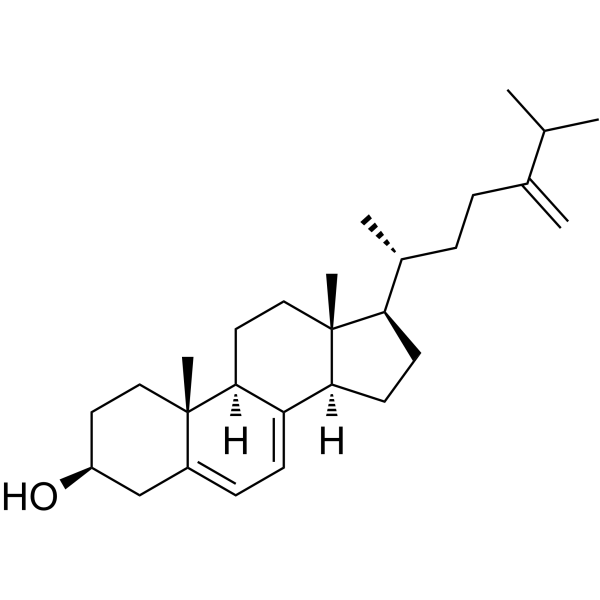
5-Dehydroepisterol is a C28 alkylated sterol based on ergostane, and serves as a major component of the sterol pool in Leishmania parasites. The content of 5-Dehydroepisterol in Leishmania promastigotes can be depleted by 22,26-Azasterol, Amiodarone (HY-14187) and Tomatine (HY-N2166). Among these agents, Amiodarone (HY-14187) inhibits the biosynthetic process of this sterol by disrupting the function of squalene epoxidase. 5-Dehydroepisterol can be used in the research of leishmaniasis and cutaneous leishmaniasis .
loading...
    loading...
Cat. No.: HY-N0577R
CAS No.: 26544-34-3
Synonyms: Apigenin 7-O-apiosylglucoside (Standard); Apigenin 7-(2-O-apiosylglucoside) (Standard)
Apiin (Standard) is the analytical standard of Apiin. This product is intended for research and analytical applications. Apiin, a major constituent of Apium graveolens leaves with anti-inflammatory properties. Apiin shows significant inhibitory activity on nitrite (NO) production (IC50 = 0.08 mg/mL) in-vitro and iNOS expression (IC50 = 0.049 mg/ mL) in LPS-activated J774.A1 cells .
loading...
    loading...
Cat. No.: HY-133132
CAS No.: 2468202-93-7
IIIM-1266 is a NLRP3 inflammasome inhibitor. IIIM-1266 inhibits IL-1β release in mouse macrophages (J774A.1 cells) (IC50 = 2.3 μM) and significantly reduced the protein expression level of mature IL-1β. IIIM-1266 can be used for the study of inflammation .
loading...
    loading...
Cat. No.: HY-155927
CAS No.: 474922-82-2
Synonyms: 14:0 PEG1000 PE ammonium; 1,2-Dimyristoyl-sn-glycero-3-phosphoethanolamine-N-[methoxy(polyethylene glycol)-1000] ammonium
Target:  

Liposome

Research Areas:  

Others

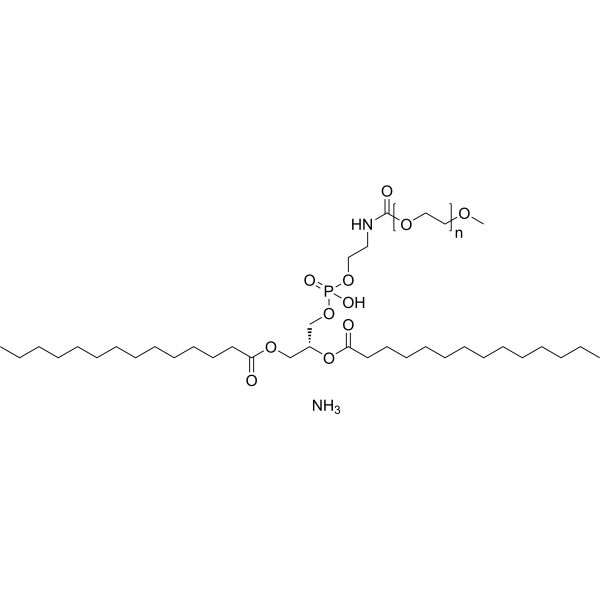
DMPE-PEG1000 ammonium (14:0 PEG1000 PE ammonium) is a methoxy-capped PEGylated phospholipid containing two C14 lipid chains and a PEG1000 group. DMPE-PEG1000 can be incorporated as a PEG-lipid component into conjugated polymer nanoparticles for nanoparticle surface modification. DMPE-PEG1000 ammonium is applicable for researches related to PEGylated nanoparticle preparation and fluorescence imaging .
loading...
    loading...
Cat. No.: HY-146158
CAS No.: 1859978-72-5
Synonyms: WX-081; Sudapyridine
Target:  

Bacterial ATP Synthase

Research Areas:  

Infection

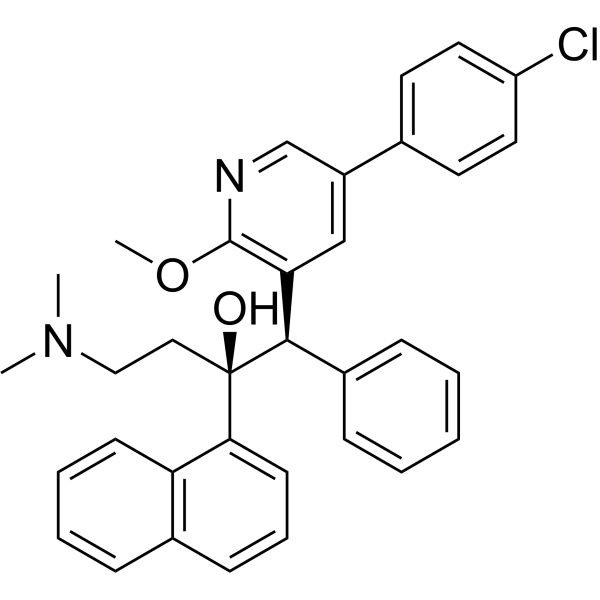
Fudapirine (WX-081; Sudapyridine) is an orally active bactericidal agent that targets mycobacterial ATP synthase. Fudapirine induces mycobacterial death by inhibiting ATP synthesis, disrupting proton motive force and depleting bacterial energy. Fudapirine can be used in the research of tuberculosis and *Mycobacterium tuberculosis* infection .
loading...
    loading...
Cat. No.: HY-149816
CAS No.: 2896204-90-1
Anti-inflammatory agent 41 (13a) significantly inhibit lipopolysaccharide (LPS)-induced expression of the proinflammatory cytokines IL-6 and TNF-α on J774A.1, THP-1 and LX-2 cells, and inhibits the activation of the NF-κB pathway .
loading...
    loading...
Cat. No.: HY-N12482
NLRP3-IN-27 (compound 1) is an inhibitor of NLRP3 with an IC50 value of 0.74 μM. NLRP3 reduces inflammasome-induced pyroptosis in J774A.1 cells. NLRP3-IN-27 can be isolated from Callicarpa arborea Rox .
loading...
    loading...
Cat. No.: HY-158111
CAS No.: 1392502-55-4
Research Areas:  

Inflammation/Immunology

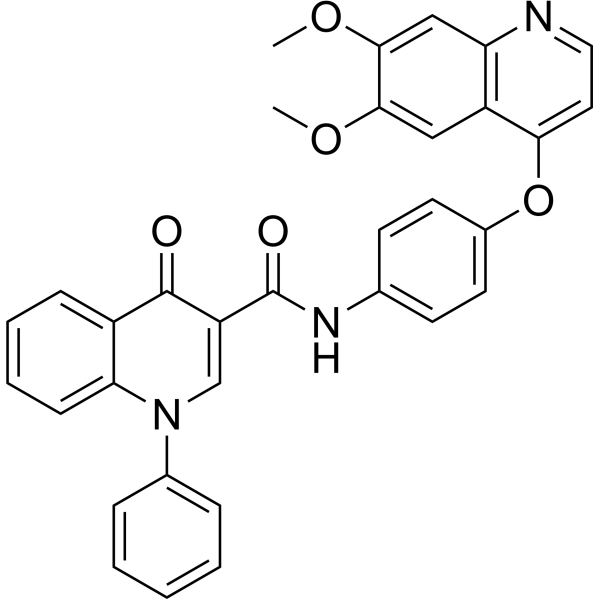
NLRP3-IN-34 (Compound T10) is an inhibitor for NLRP3 inflammasome. NLRP3-IN-34 inhibits ROS production, NLRP3 inflammasome-dependent IL-1β production (IC50 is 0.48 μM in cells J774A.1), and inhibits pyroptosis. NLRP3-IN-34 exhibits anti-inflammatory activity against DSS-induced peritonitis .
loading...
    loading...
Cat. No.: HY-170228
Target:  

c-Kit

Research Areas:  

Inflammation/Immunology

Kit-IN-9 (Compound D9) is an inhibitor of c-Kit. c-Kit-IN-9 inhibits the inflammatory responses in J774A.1, RAW264.7, MPMs cells and lung tissues by blocking the activation of the NF-κB pathway induced by LPS (HY-D1056). Meanwhile, c-Kit-IN-9 exhibits good anti-inflammatory activities in acute lung injury and sepsis mouse models. c-Kit-IN-9 can be used in the research of acute lung injury and related inflammatory diseases .
loading...
    loading...
Cat. No.: HY-179407
CAS No.: 2574572-03-3
Research Areas:  

Inflammation/Immunology

LT-104A is a potent PDE4 inhibitor that elevates intracellular cAMP levels (EC50 = 1.9 μM) and inhibits PDE4D3 activity (IC50 = 9.3 μM). LT-104A activates the cAMP-PKA-CREB anti-inflammatory signaling pathway and suppresses NF-κB-related gene expression (Il1b and Nos2). LT-104A can be used for inflammation-related disease research .
loading...
    loading...
Cat. No.: HY-119298
CAS No.: 905285-51-0
Target:  

p38 MAPK

Research Areas:  

Inflammation/Immunology

AW-814141 is a selective and orally active p38 MAP kinase inhibitor. AW-814141 has an IC50 values of 100 nM and 158 nM for p38-α and β isoforms, respectively. AW-814141 can inhibit the production of TNF-α induced by LPS (HY-D1056). AW-814141 can inhibit paw edema in rats in a dose-dependent manner. AW-814141 exhibits anti-inflammatory activity and can be used in the research of inflammatory diseases such as rheumatoid arthritis .
loading...
    loading...
Cat. No.: HY-158434
CAS No.: 3047343-70-1
Target:  

IRAK

Research Areas:  

Inflammation/Immunology

IRAK1-IN-1 (compound B8) is an orally active IRAK1 inhibitor. IRAK1-IN-1 inhibits the release of IL-6 with the IC50 values of 4.57 μM and 6.51 μM on mouse cells J774A. 1 and human cells THP-1, respectively. IRAK1-IN-1 alleviats LPS (HY-D1056)-induced acute lung injury (ALI) and DSS(HY-116282C)-induced colitis in mice .
loading...
    loading...
Cat. No.: HY-N11696
CAS No.: 909705-66-4
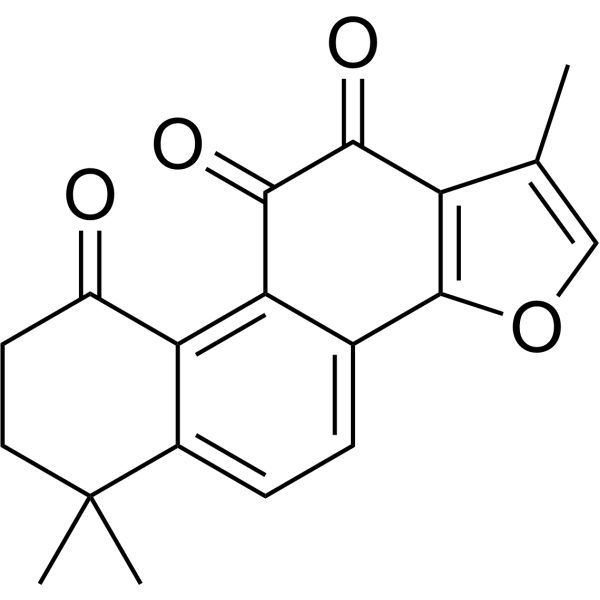
1-Oxotanshinone IIA (Compound 6) is extracted from Perovskia artemisioides and has significant anti-inflammatory activity .
loading...
    loading...

