1. Search Result
Search Result
Results for "

JAK2/STAT3

" in MedChemExpress (MCE) Product Catalog:

83

Inhibitors & Agonists

1

Screening Libraries

1

Fluorescent Dyes

1

Biochemical Assay Reagents

1

Peptides

29

Natural
Products

1

GMP Molecules

Targets Recommended:
Cat. No. Product Name Target Research Areas Chemical Structure
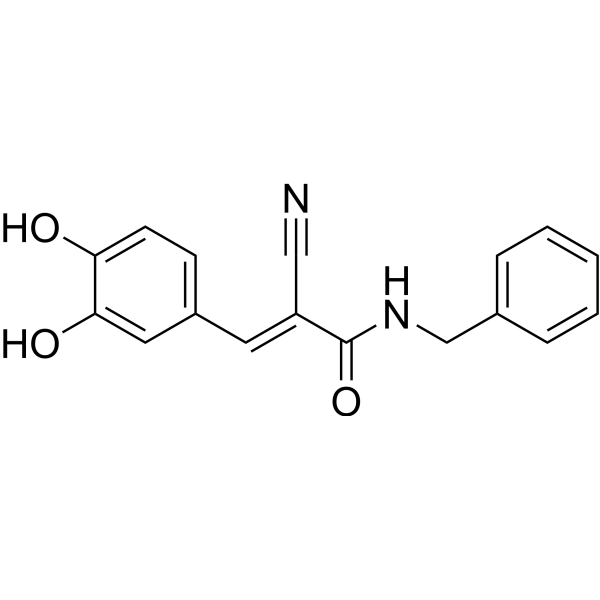
  • HY-12000
    AG490
    Maximum Cited Publications
    165 Publications Verification

    Tyrphostin AG490; Tyrphostin B42

    EGFR STAT JAK Autophagy Cancer
    AG490 (Tyrphostin AG490) is a tyrosine kinase inhibitor that inhibits EGFR, Stat-3 and JAK2/3.
    AG490
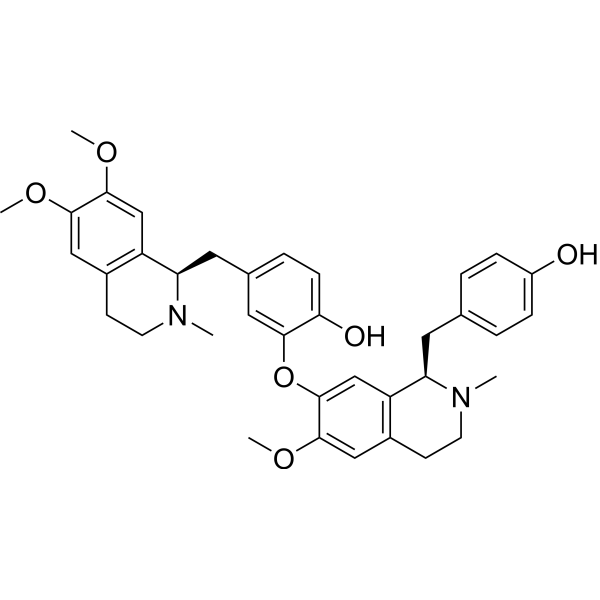
  • HY-N0484
    Liensinine
    Maximum Cited Publications
    20 Publications Verification

    Reactive Oxygen Species (ROS) Autophagy Apoptosis VEGFR JAK Amyloid-β p38 MAPK HIF/HIF Prolyl-Hydroxylase STAT PI3K JNK Akt Cardiovascular Disease Neurological Disease Inflammation/Immunology Cancer
    Liensinine is a bisbenzylisoquinoline alkaloid. By inhibiting the PI3K/AKT and JNK/p38-MAPK signaling pathways, Liensinine suppresses autophagy and apoptosis, clears , and exerts anti-inflammatory, antioxidant and neuroprotective effects. Liensinine activates AMPK and inhibits the expression of HIF-1α and VEGF, thereby suppressing angiogenesis. Liensinine exerts anti-tumor effects through ROS-mediated inhibition of the JAK2/STAT3 signaling pathway. Liensinine can be used for the research of diseases such as Alzheimer's disease, hepatocellular carcinoma, osteosarcoma, sepsis-induced organ injury and stroke [2] [3] .
    Liensinine
  • HY-N0678
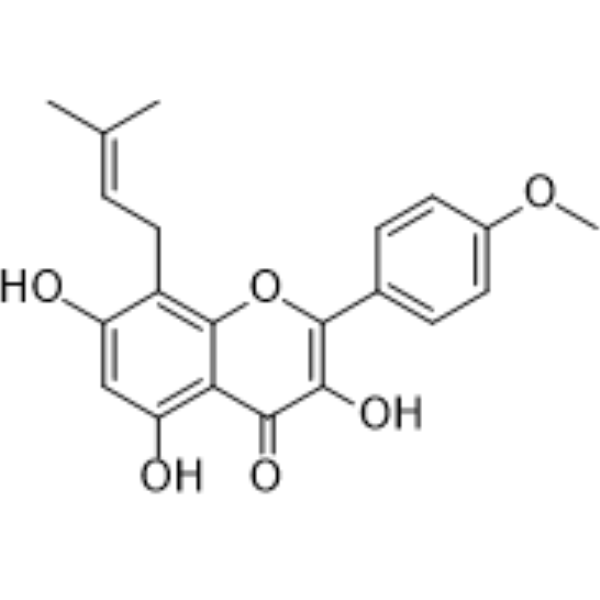
    Icaritin
    5+ Cited Publications

    Anhydroicaritin

    JAK Autophagy Apoptosis Cancer
    Icaritin (Anhydroicaritin) is a prenylflavonoid derivative from Epimedium brevicornuMaxim. and potently inhibits proliferation of K562 cells (IC50 of 8 µM) and primary CML cells (IC50 of 13.4 µM for CML-CP and 18 µM for CML-BC). Icaritin can regulate MAPK/ERK/JNK and JAK2/STAT3 /AKT signalings, also enhances osteogenesis [2] [3.
    Icaritin
  • HY-107429
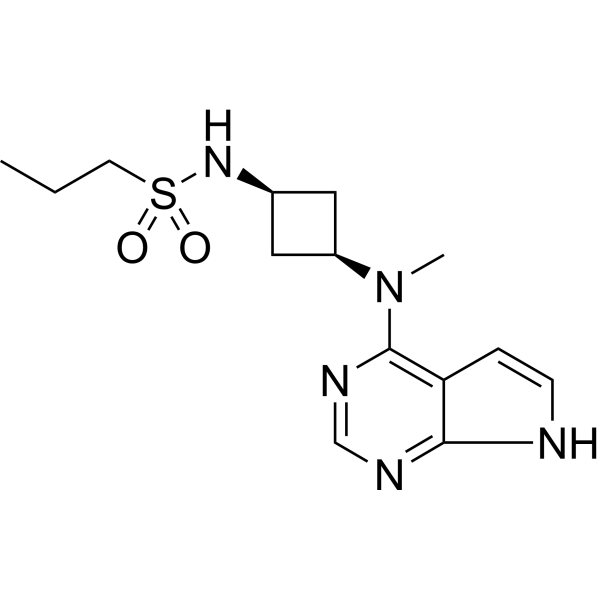
    Abrocitinib
    10+ Cited Publications

    PF-04965842

    JAK Inflammation/Immunology
    Abrocitinib (PF-04965842) is a potent, orally active and selective JAK1 inhibitor, with IC50s of 29 and 803 nM for JAK1 and JAK2, respectively. Abrocitinib (PF-04965842) exhibits less active effect on TYK2 (IC50, 1.253 μM), and inhibits phosphorylation of STAT1, STAT3 and STAT5 after stimulation. Effective in autoimmune disease .
    Abrocitinib
  • HY-148748
    Butyzamide
    3 Publications Verification

    JAK STAT p38 MAPK Cardiovascular Disease
    Butyzamide is an orally active activator of Mpl, a thrombopoietin (TPO) receptor. Butyzamide increases the phosphorylation level of JAK2, STAT3, STAT5 and MAPK. Butyzamide increases the level of platelets in mouse xenotransplantation assay .
    Butyzamide
  • HY-15312
    WP1066
    35+ Cited Publications

    STAT JAK Apoptosis Cancer
    WP1066 is an inhibitor of JAK2 and STAT3, and also shows effect on STAT5 and ERK1/2, without affecting JAK1 and JAK3. WP1066 can cross the blood-brain barrier[1][2][3][4].
    WP1066
  • HY-102084
    LMT-28
    10+ Cited Publications

    Interleukin Related Inflammation/Immunology
    LMT-28 is an orally active and the first synthetic IL-6 inhibitor that functions through direct binding to gp130. LMT-28 shows low toxicity and selectively inhibits IL-6-induced phosphorylation of STAT3, JAK2, and gp130 .
    LMT-28
  • HY-N0201
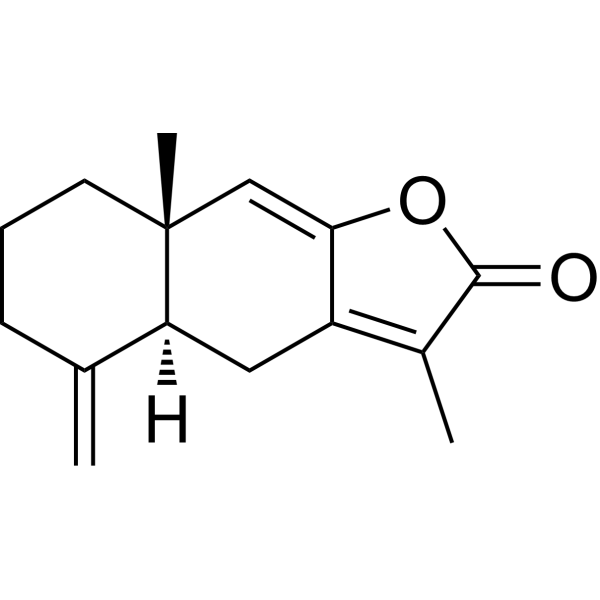
    Atractylenolide I
    5 Publications Verification

    TNF Receptor Toll-like Receptor (TLR) JAK STAT Cancer
    Atractylenolide I is a sesquiterpene derived from the rhizome of Atractylodes macrocephala, possesses diverse bioactivities, such as neuroprotective, anti-allergic, anti-inflammatory and anticancer properties. Atractylenolide I reduces protein levels of phosphorylated JAK2 and STAT3 in A375 cells, and acts as a TLR4-antagonizing agent.
    Atractylenolide I
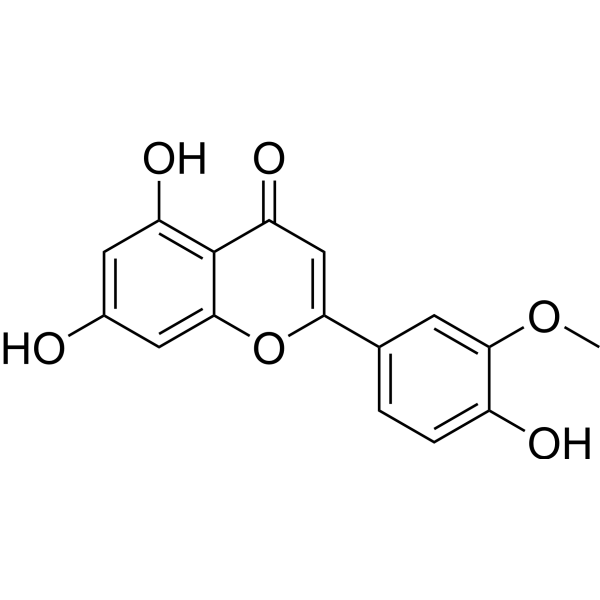
  • HY-121471
    Chrysoeriol
    5+ Cited Publications

    Endogenous Metabolite Metabolic Disease
    Chrysoeriol is a kind of natural yellow ash, which can be used for heating plants Coronopus didymus. Chrysoeriol suppresses the JAK2/STAT3, IκB/p65, and NF-κB pathways, and has strong anti-inflammatory activity [2] [3].
    Chrysoeriol
  • HY-N1405
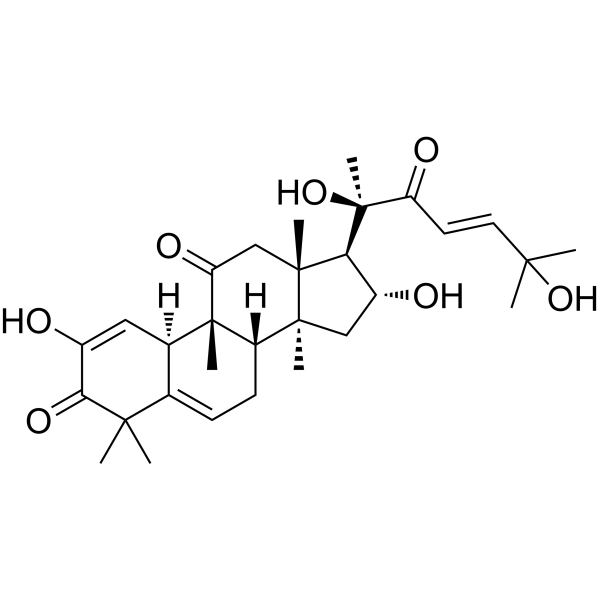
    Cucurbitacin I
    10+ Cited Publications

    Elatericin B; JSI-124; NSC-521777

    STAT JAK Cancer
    Cucurbitacin I is a natural selective inhibitor of JAK2/STAT3, with potent anti-cancer activity.
    Cucurbitacin I
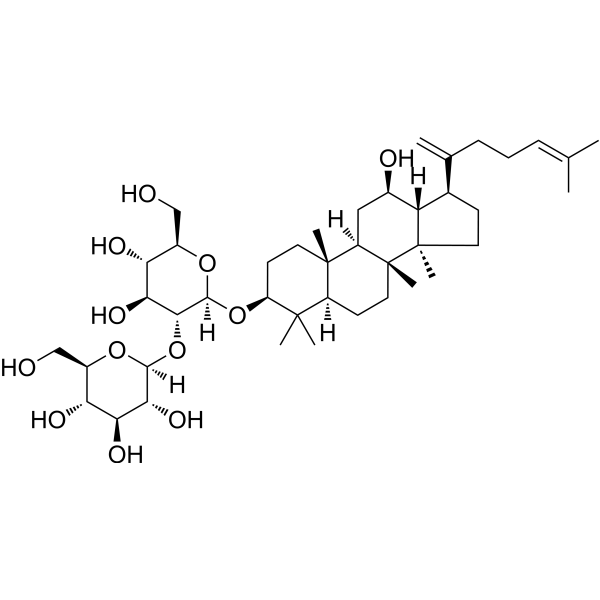
  • HY-N2515
    Ginsenoside Rk1
    5+ Cited Publications

    NF-κB PI3K JAK Apoptosis Inflammation/Immunology Cancer
    Ginsenoside Rk1 is a unique component created by processing the ginseng plant (mainly Sung Ginseng, SG) at high temperatures . Ginsenoside Rk1 has anti-inflammatory effect, suppresses the activation of Jak2/Stat3 signaling pathway and NF-κB [2]. Ginsenoside Rk1 has anti-tumor effect, antiplatelet aggregation activities, anti-insulin resistance, nephroprotective effect, antimicrobial effect, cognitive function enhancement, lipid accumulation reduction and prevents osteoporosis . Ginsenoside Rk1 induces cell apoptosis by triggering intracellular reactive oxygen species (ROS) generation and blocking PI3K/Akt pathway [3].
    Ginsenoside Rk1
  • HY-N1356
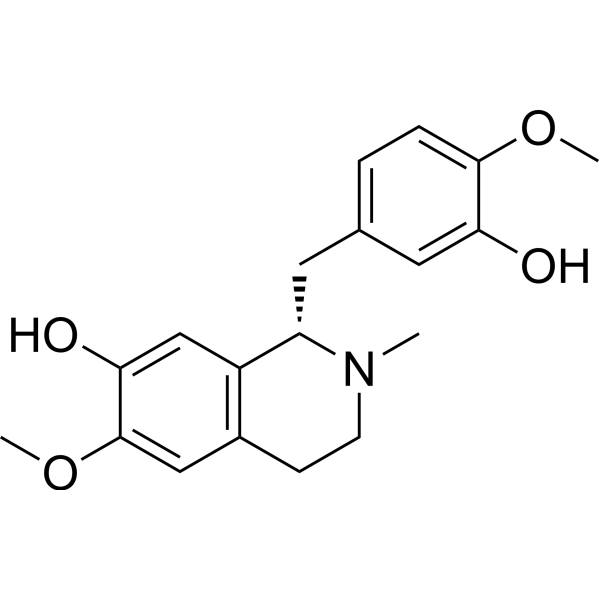
    Reticuline
    1 Publications Verification

    JAK STAT NF-κB Endogenous Metabolite Cardiovascular Disease Inflammation/Immunology
    Reticuline shows anti-inflammatory effects through JAK2/STAT3 and NF-κB signaling pathways. Reticuline inhibits mRNA expressions of TNF-α, and IL-6 and reduces the phosphorylation levels of JAK2 and STAT3 . Reticuline exhibits cardiovascular effects [2].
    Reticuline
  • HY-112724

    SHR0302

    JAK Apoptosis Inflammation/Immunology Cancer
    Ivarmacitinib (SHR0302) is a potent and orally active all members of the JAK family inhibitor, particularly JAK1. The selectivity of Ivarmacitinib for JAK1 is >10-fold for JAK2, 77-fold for JAK3, 420-fold for Tyk2. Ivarmacitinib inhibits JAK1-STAT3 phosphorylation and induces the apoptosis of hepatic stellate cells. Ivarmacitinib has anti-proliferative and anti-inflammatory effects [2].
    Ivarmacitinib
  • HY-N0635
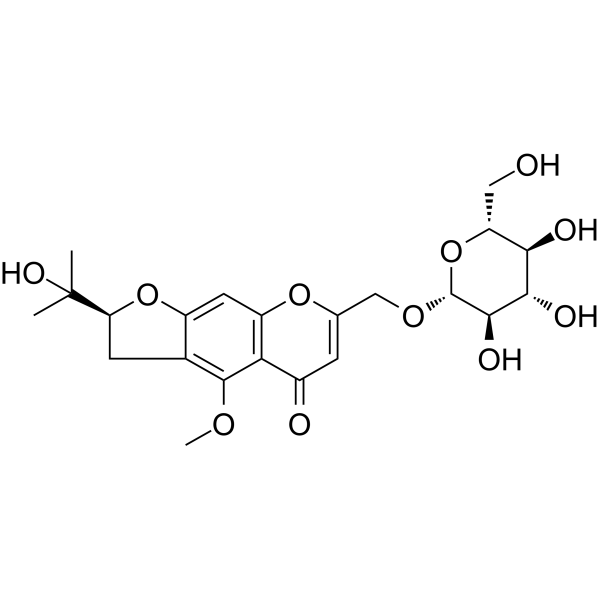
    Prim-O-glucosylcimifugin
    4 Publications Verification

    TNF Receptor NO Synthase COX Inflammation/Immunology
    Prim-O-glucosylcimifugin exerts anti-inflammatory effects through the inhibition of iNOS and COX-2 expression by through regulating JAK2/STAT3 signaling.
    Prim-O-glucosylcimifugin
  • HY-13775
    XL019
    5 Publications Verification

    JAK Apoptosis Cancer
    XL019?is a potent, orally active, and selective JAK2 inhibitor, with IC50s of 2.2, 134.3, and 214.2 nM for JAK2, JAK1 and JAK3, respectively. XL019 shows 50-fold or greater selectivity for JAK2, versus a panel of over 100 serine/threonine and tyrosine kinases, including other members of the JAK family. XL019 potently inhibits STAT3 and STAT5 phosphorylation in cells harboring either JAK2V617F or wild-type JAK2 [2].
    XL019
  • HY-N0807
    Swertiamarin
    1 Publications Verification

    MMP NF-κB JAK Keap1-Nrf2 Metabolic Disease Inflammation/Immunology Cancer
    Swertiamarin is an orally active natural product with hypoglycemic, lipid-lowering, anti-rheumatic, and antioxidant activities. Swertiamarin can regulate the levels of pro-inflammatory cytokines, MMP, and NF-κB, and promote osteoblast proliferation. Swertiamarin has antioxidant and hepatoprotective effects against carbon tetrachloride induced rat liver toxicity through the Nrf2/HO-1 pathway. Swertiamarin can attenuate inflammatory mediators by regulating JAK2/STAT3 transcription factors in adjuvant induced arthritis rats. Swertiamarin can be used in the research of diabetes and arthritis [2] [3] .
    Swertiamarin
  • HY-113573

    PTA

    Interleukin Related JAK STAT Inflammation/Immunology
    Protosappanin A (PTA), an immunosuppressive ingredient and major biphenyl compound isolated from Caesalpinia sappan L, suppresses JAK2/STAT3-dependent inflammation pathway through down-regulating the phosphorylation of JAK2 and STAT3 .
    Protosappanin A
  • HY-N1535
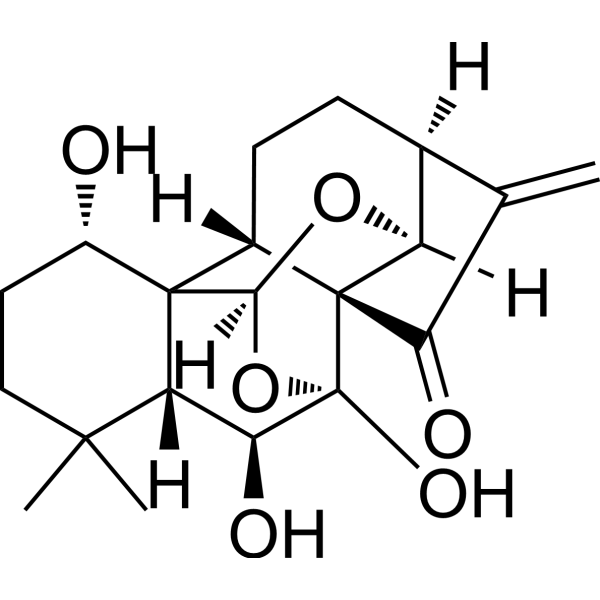
    Ponicidin
    4 Publications Verification

    Rubescensine B

    RIP kinase Apoptosis Reactive Oxygen Species (ROS) JAK STAT PI3K Akt Sirtuin Necroptosis Amyloid-β Neurological Disease Cancer
    Ponicidin (Rubescensine B) is an orally active RIPK1 inhibitor with a Kd value of 135 nM. Ponicidin inhibits the JAK2/STAT3 pathway to induce apoptosis, activates the PI3K/Akt pathway, upregulates SIRT1 expression, alleviates oxidative stress, suppresses inflammatory responses and necroptosis, and blocks cell cycle progression. Ponicidin induces ROS production to exert antiproliferative and antiviral effects, while also improving cognitive function and reducing plaque deposition. Ponicidin can be used in studies related to hepatocellular carcinoma, Alzheimer's disease, and gastric cancer [2] [3] .
    Ponicidin
  • HY-146066

    nAChR JAK STAT NO Synthase Interleukin Related Inflammation/Immunology
    α7 nAchR-JAK2-STAT3 agonist 1 is a potent α7 nAchR-JAK2-STAT3 agonist, with an IC50 value of 0.32 μM for nitric oxide (NO). α7 nAchR-JAK2-STAT3 agonist 1 effectively suppresses the expression of iNOS, IL-1β, and IL-6 in murine RAW264.7 macrophages. α7 nAchR-JAK2-STAT3 agonist 1 can inhibit LPS-induced NO release, NF-κB activation and cytokine production. α7 nAchR-JAK2-STAT3 can be used for researching sepsis .
    α7 nAchR-JAK2-STAT3 agonist 1
  • HY-112391
    SD-1029
    1 Publications Verification

    JAK STAT Cancer
    SD-1029 is a JAK2/STAT3 inhibitor . SD-1029 inhibits STAT3 nuclear translocation. SD-1029 is an inhibitor of STAT3 activation due to inhibition of JAK2 phosphorylation [2].
    SD-1029
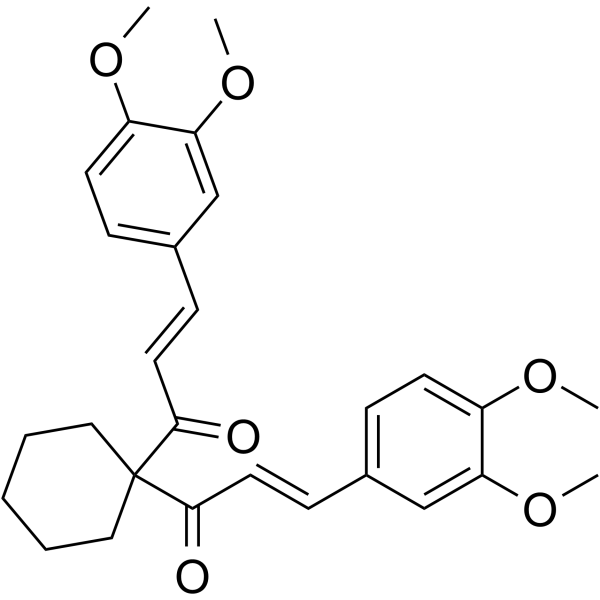
  • HY-100544
    FLLL32
    5+ Cited Publications

    STAT JAK Apoptosis Cancer
    FLLL32, a synthetic analog of curcumina, is a JAK2/STAT3 dual inhibitor with anti-tumor activity. FLLL32 can inhibit the induction of STAT3 phosphorylation by IFNα and IL-6 in breast cancer cells [2].
    FLLL32
  • HY-N2963
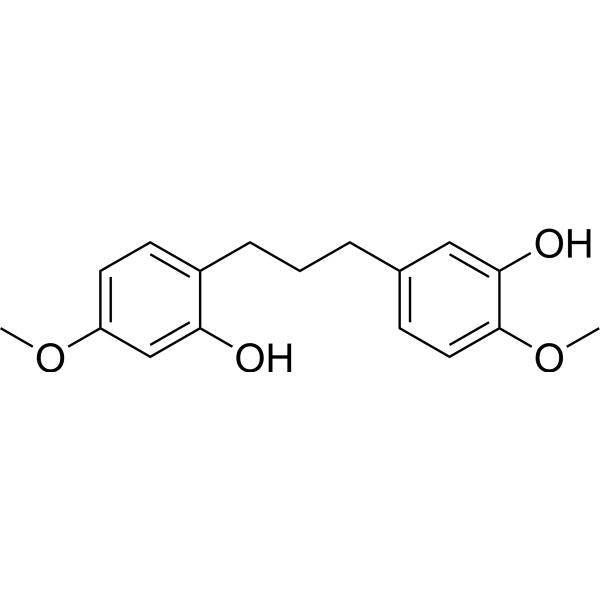
    Broussonin E
    2 Publications Verification

    ERK p38 MAPK JAK STAT TNF Receptor Interleukin Related COX Arginase Inflammation/Immunology
    Broussonin E is a phenolic compound and shows anti-inflammatory activity. Broussonin E can suppress inflammation by modulating macrophages activation statevia inhibiting the ERK and p38 MAPK and enhancing JAK2-STAT3 signaling pathway. Broussonin E can be used for the research of inflammation-related diseases such as atherosclerosis .
    Broussonin E
  • HY-120692

    JAK STAT Apoptosis Cancer
    Cyclanoline chloride is an alkaloid. Cyclanoline chloride can be isolated from Fangji. Cyclanoline (chloride) inhibits the phosphorylation of JAK2 and STAT3, and induces Apoptosis. Cyclanoline chloride suppresses tumor growth in subcutaneous bladder cancer xenograft models of nude mice. Cyclanoline chloride reverses cisplatin resistance in bladder cancer cells and enhances the efficacy of Cisplatin (HY-17394). Cyclanoline chloride can be used for research related to bladder cancer .
    Cyclanoline chloride
  • HY-13660
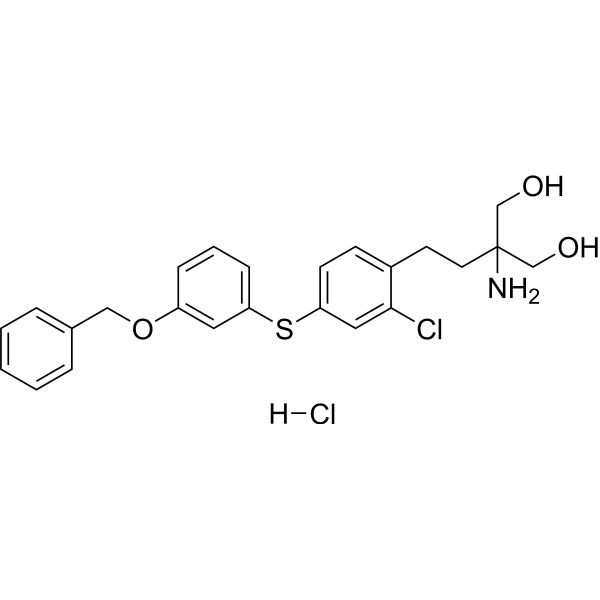
    Mocravimod hydrochloride
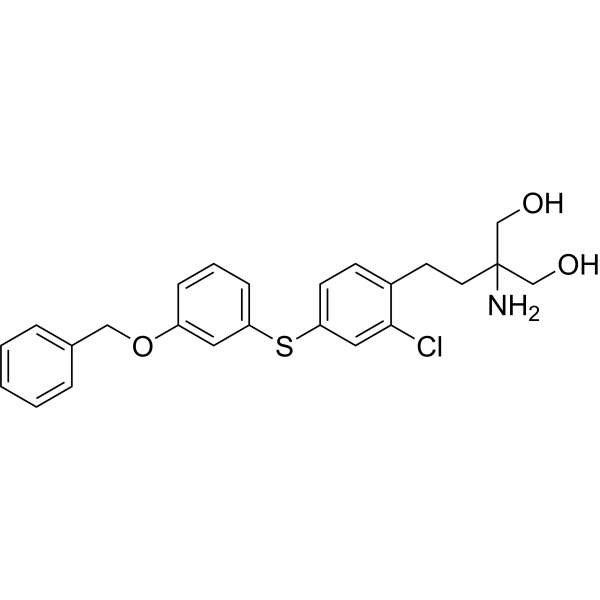
    2 Publications Verification

    KRP-203

    LPL Receptor Reactive Oxygen Species (ROS) Akt GSK-3 JAK STAT Metabolic Disease Inflammation/Immunology Cancer
    Mocravimod (hydrochloride) is an orally active sphingosine-1-phosphate receptor (S1PR) modulator that blocks the signal required by T cells to egress from lymph nodes and other lymphoid organs. Mocravimod (hydrochloride) preferentially binds to S1PR1 over S1PR2 and S1PR3 in cardiomyocytes. Mocravimod (hydrochloride) significantly lowered the concentration of reactive oxygen species (ROS), prevented mitochondrial permeability transition pore opening, boosted mitochondrial membrane potential (MMP), and increased phosphorylation of AKT, EKR, GSK-3β, JAK2, and STAT3. Mocravimod (hydrochloride) retains T cell effector function. Mocravimod (hydrochloride) can be used for the study of acute myelogenous leukemia, diabetes and Myocardial Ischemia-Reperfusion Injury (MIRI) [2] [3] .
    Mocravimod hydrochloride
  • HY-109038
    Mocravimod
    2 Publications Verification

    KRP-203 free base

    LPL Receptor Reactive Oxygen Species (ROS) Mitochondrial Metabolism Akt GSK-3 JAK STAT Cardiovascular Disease Metabolic Disease Inflammation/Immunology Cancer
    Mocravimod (KRP-203 free base) is a sphingosine-1-phosphate receptor (S1PR) modulator that blocks the signal required by T cells to egress from lymph nodes and other lymphoid organs. Mocravimod preferentially binds to S1PR1 over S1PR2 and S1PR3 in cardiomyocytes. Mocravimod significantly lowered the concentration of reactive oxygen species (ROS), prevented mitochondrial permeability transition pore opening, boosted mitochondrial membrane potential (MMP), and increased phosphorylation of AKT, EKR, GSK-3β, JAK2, and STAT3. Mocravimod retains T cell effector function. Mocravimod can be used for the study of acute myelogenous leukemia, diabetes and Myocardial Ischemia-Reperfusion Injury (MIRI) [2] [3] .
    Mocravimod
  • HY-115452

    JAK Apoptosis Cancer
    G5-7, an orally active and allosteric JAK2 inhibitor, selectively inhibits JAK2 mediated phosphorylation and activation of EGFR (Tyr 1068) and STAT3 by binding to JAK2. G5-7 induces cell cycle arrest, apoptosis and possesses antiangiogenic effect. G5-7 has the potential for glioma study .
    G5-7
  • HY-N0918

    Demethoxyyangonin; 5,6-Dehydrokavain

    Monoamine Oxidase JAK IKK STAT NO Synthase Cytochrome P450 Neurological Disease Inflammation/Immunology
    Desmethoxyyangonin is one of the six major kavalactones found in the Piper methysticum (kava) plant. Desmethoxyyangonin is a selective inhibitor of monoamine oxidase-B (MAO-B) (IC50: 0.123  µM). Desmethoxyyangonin exerts anti-inflammatory effects by inhibiting Jak2/STAT3 and IKK signaling pathways. Desmethoxyyangonin induces CYP3A23 expression and leads to skeletal muscle relaxation [2] [3] .
    Desmethoxyyangonin
  • HY-124858

    STAT JAK Apoptosis Cardiovascular Disease Cancer
    SC99 is an orally active, selective STAT3 inhibitor targeting JAK2-STAT3 pathway. SC99 docks into the ATP-binding pocket of JAK2. SC99 inhibits phosphorylation of JAK2 and STAT3 with no effects on the other kinases associated with STAT3 signaling. SC99 inhibits platelet activation, aggregation and displays potent anti-myeloma, anti-thrombotic activities [2] [3].
    SC99
  • HY-N2282

    Zingiberensis newsaponin

    Aldose Reductase JAK STAT Autophagy Apoptosis NF-κB SOD Reactive Oxygen Species (ROS) Cardiovascular Disease Neurological Disease Inflammation/Immunology Cancer
    Zingiberen Newsaponin (Zingiberensis newsaponin) is an orally active type of steroid saponin compound. Zingiberen Newsaponin exerts anti-hepatocellular carcinoma (HCC) effects by inhibiting autophagy and the AKR1C1/JAK2/STAT3 pathway. Zingiberen Newsaponin activates oxidative stress (upregulates ROS and MDA) and mitochondrial pathways, promoting cancer cell apoptosis. Zingiberen Newsaponin alleviates cerebral ischemia-reperfusion (I/R) injury by decreasing the concentration of pro-inflammatory cytokines and inhibits NF-κB. Zingiberen Newsaponin can enhance the activity of SOD, eliminate free radicals and protect nerve cells. Zingiberen Newsaponin induces platelet aggregation [2] [3].
    Zingiberen newsaponin
  • HY-P10114

    PpYLKTK-mts; STAT3 PI

    STAT Cancer
    STAT3-IN-24, cell-permeable (PpYLKTK-mts) is a STAT3 peptide inhibitor. STAT3-IN-24, cell-permeable inhibits recruitment of STAT3 to Jak2 and phosphorylation of Y705, thus preventing the dimerization and the nuclear translocation of STAT3 .
    STAT3-IN-24, cell-permeable
  • HY-149007
    STAT3-IN-11
    1 Publications Verification

    STAT Apoptosis Cancer
    STAT3-IN-11 (7a) is a selective STAT3 inhibitor that inhibits the phosphorylation of STAT3 at site pTyr705. STAT3-IN-11 inhibits the phosphorylation of downstream genes (Survivin and Mcl-1) without affecting its upstream tyrosine kinases (Src and JAK2) levels and p-STAT1 expression. STAT3-IN-11 can induce cancer cell apoptosis, which is potential for the discovery of effective STAT3 inhibitors and antitumor agents against cancers .
    STAT3-IN-11
  • HY-N0885
    Telocinobufagin
    1 Publications Verification

    Telobufotoxin; Telocinobufogenin

    JAK STAT mTOR PI3K Akt Polo-like Kinase (PLK) Na+/K+ ATPase Apoptosis Bacterial Infection Cardiovascular Disease Neurological Disease Inflammation/Immunology Cancer
    Telocinobufagin (Telobufotoxin; Telocinobufogenin) is an orally active bufadienolide with potential anti-tumor effects. Telocinobufagin exerts its anti-cancer effects on non-small cell carcinoma, osteosarcoma, thyroid cancer, breast cancer and head and neck squamous cell carcinoma by inhibiting the STAT3, JAK2/STAT3, LARP1-mTOR, PI3K/Akt/Snail and PLK1 pathways, and can also induce tumor cell apoptosis. Telocinobufagin enhances the Th1 immune response and protects against Salmonella typhimurium infection. Telocinobufagin has a strong cardiac-stimulating effect by inhibiting the activity of Na +/K +-ATPase, and it can promote renal fibrosis. Telocinobufagin demonstrates non-opioid analgesic effects in various acute pain models [2] [3] .
    Telocinobufagin
  • HY-121471R

    Reference Standards Endogenous Metabolite Metabolic Disease
    Chrysoeriol (Standard) is the analytical standard of Chrysoeriol. This product is intended for research and analytical applications. Chrysoeriol is a kind of natural yellow ash, which can be used for heating plants Coronopus didymus. Chrysoeriol suppresses the JAK2/STAT3, IκB/p65, and NF-κB pathways, and has strong anti-inflammatory activity [2] [3].
    Chrysoeriol (Standard)
  • HY-116505

    JAK Cancer
    JAK1-IN-4 is a potent and selective JAK1 inhibitor, with IC50s of 85 nM, 12.8 μM and >30 μM for JAK1, JAK2, and JAK3, respectively. JAK1-IN-4 inhibits STAT3 phosphorylation in NCI-H 1975 cells (IC50, 227 nM) .
    JAK1-IN-4
  • HY-146066A

    nAChR JAK STAT NO Synthase Others
    (R)-α7 nAchR-JAK2-STAT3 agonist 1 is the R-enantiomer of α7 nAchR-JAK2-STAT3 agonist 1 (HY-146066). α7 nAchR-JAK2-STAT3 agonist 1 is a potent α7 nAchR-JAK2-STAT3 agonist, with an IC50 value of 0.32 μM for nitric oxide (NO). α7 nAchR-JAK2-STAT3 agonist 1 effectively suppresses the expression of iNOS, IL-1β, and IL-6 in murine RAW264.7 macrophages. α7 nAchR-JAK2-STAT3 agonist 1 can inhibit LPS-induced NO release, NF-κB activation and cytokine production. α7 nAchR-JAK2-STAT3 can be used for researching sepsis .
    (R)-α7 nAchR-JAK2-STAT3 agonist 1
  • HY-148748G

    JAK STAT p38 MAPK Cardiovascular Disease
    Butyzamide (GMP) is Butyzamide (HY-148748) produced by using GMP guidelines. GMP small molecules works appropriately as an auxiliary reagent for cell therapy manufacture. Butyzamide is an orally active activator of Mpl, a thrombopoietin (TPO) receptor. Butyzamide increases the phosphorylation level of JAK2, STAT3, STAT5 and MAPK. Butyzamide increases the level of platelets in mouse xenotransplantation assay .
    Butyzamide
  • HY-107429R

    PF-04965842 (Standard)

    Reference Standards JAK Inflammation/Immunology
    Abrocitinib (Standard) is the analytical standard of Abrocitinib. This product is intended for research and analytical applications. Abrocitinib (PF-04965842) is a potent, orally active and selective JAK1 inhibitor, with IC50s of 29 and 803 nM for JAK1 and JAK2, respectively. Abrocitinib (PF-04965842) exhibits less active effect on TYK2 (IC50, 1.253 μM), and inhibits phosphorylation of STAT1, STAT3 and STAT5 after stimulation. Effective in autoimmune disease .
    Abrocitinib (Standard)
  • HY-13559

    Azaspirane ; SKF 106615-12; SKF 106615A12

    STAT Apoptosis Autophagy Reactive Oxygen Species (ROS) Caspase Bcl-2 Family p62 Atg8/LC3 PARP NF-κB PERK JAK Cardiovascular Disease Inflammation/Immunology Cancer
    Atiprimod (Azaspirane) is a STAT3 inhibitor with antitumor, anti-inflammatory, and anti-angiogenic activities. Atiprimod blocks the signaling pathways of IL-6 and VEGF by inhibiting the phosphorylation of signal transducer and activator of STAT3. Atiprimod blocks the JAK-STAT signaling pathway by inhibiting the phosphorylation of JAK2 and JAK3. Atiprimod also inhibits cell proliferation, induces cell cycle arrest, and induces autophagy and apoptosis. Atiprimod triggers persistent ER stress-mediated apoptosis in breast cancer cells by activating the PERK/eIF2α/ATF4/CHOP axis and inhibiting the nuclear translocation of STAT3/NF-κB. Atiprimod shows great anti-tumor activities in tumor xenograft mouse models. Atiprimod can be used for the study of pituitary adenoma, breast cancer, multiple myeloma and acute myeloid leukemia (AML) [2] [3] .
    Atiprimod
  • HY-124067

    IKK JAK STAT NF-κB Cancer
    EC-70124 is an orally active multikinase inhibitor targeting IKKβ and JAK2. EC-70124 blocks IkB phosphorylation and STAT3 (Tyr705) activation, suppressing NF-κB nuclear translocation and STAT3 transcriptional activity. EC-70124 reduces tumor growth and cancer stem cell (CSC) populations in prostate cancer cells and xenograft models. EC-70124 is promising for research of prostate cancer .
    EC-70124
  • HY-155746

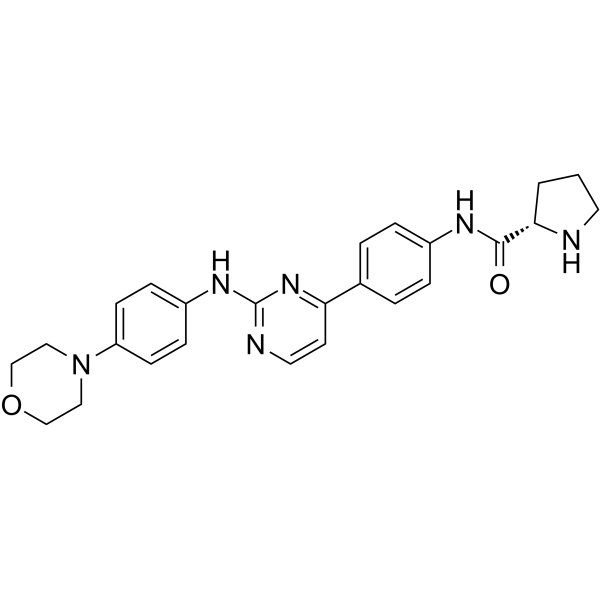
    JAK Infection Inflammation/Immunology
    JAK2-IN-9 (Compound A8) is a selective JAK2 inhibitor (IC50: 5 nM). JAK2-IN-9 inhibits the phosphorylation of JAK2, STAT3, and STAT5. JAK2-IN-9 has metabolic stabilities. JAK2-IN-9 induces apoptosis. JAK2-IN-9 can be used for research of myeloproliferative neoplasms (MPNs) .
    JAK2-IN-9
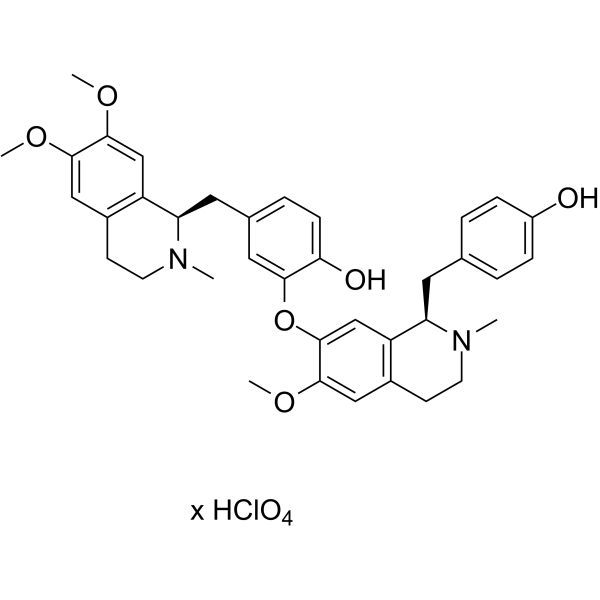
  • HY-N5014
    Liensinine perchlorate
    Maximum Cited Publications
    20 Publications Verification

    Reactive Oxygen Species (ROS) Autophagy Apoptosis VEGFR JAK Amyloid-β p38 MAPK HIF/HIF Prolyl-Hydroxylase STAT PI3K JNK Akt Cardiovascular Disease Neurological Disease Inflammation/Immunology Cancer
    Liensinine perchlorate is a bisbenzylisoquinoline alkaloid. By inhibiting the PI3K/AKT and JNK/p38-MAPK signaling pathways, Liensinine perchlorate suppresses autophagy and apoptosis, clears , and exerts anti-inflammatory, antioxidant and neuroprotective effects. Liensinine perchlorate activates AMPK and inhibits the expression of HIF-1α and VEGF, thereby suppressing angiogenesis. Liensinine perchlorate exerts anti-tumor effects through ROS-mediated inhibition of the JAK2/STAT3 signaling pathway. Liensinine perchlorate can be used for the research of diseases such as Alzheimer's disease, hepatocellular carcinoma, osteosarcoma, sepsis-induced organ injury and stroke [2] [3] .
    Liensinine perchlorate
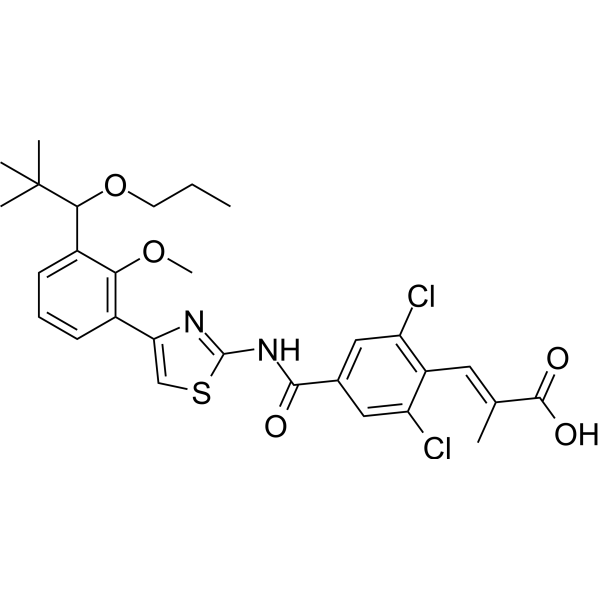
  • HY-167839

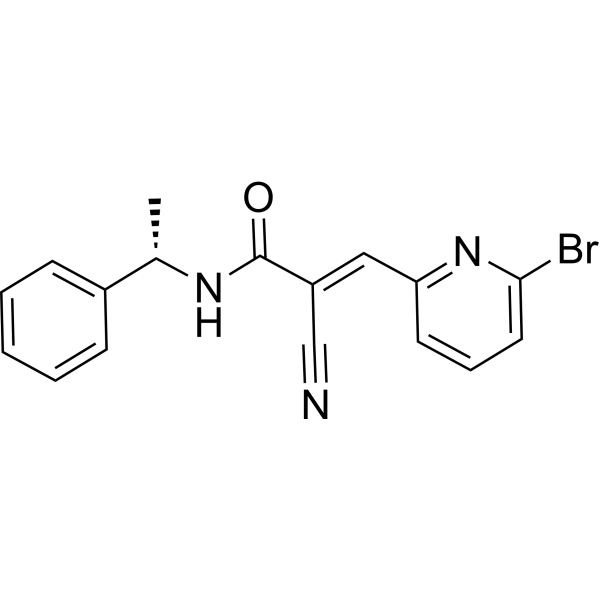
    Apoptosis Cancer
    (R)-JAK2/STAT3-IN-1 is a GP130 D1 domain inhibitor with anti-tumor activity. (R)-JAK2/STAT3-IN-1 can inhibit the phosphorylation of JAK2 and STAT3. The affinity of (R)-JAK2/STAT3-IN-1 for GP130 protein is 3.8 μM. (R)-JAK2/STAT3-IN-1 effectively inhibits the viability and migration of tumor cells and promotes apoptosis .
    (R)-JAK2/STAT3-IN-1
  • HY-112724A

    SHR0302 sulfate

    JAK Apoptosis Inflammation/Immunology Cancer
    Ivarmacitinib (SHR0302) sulfate is a potent and orally active all members of the JAK family inhibitor, particularly JAK1. The selectivity of Ivarmacitinib for JAK1 is >10-fold for JAK2, 77-fold for JAK3, 420-fold for Tyk2. Ivarmacitinib inhibits JAK1-STAT3 phosphorylation and induces the apoptosis of hepatic stellate cells. Ivarmacitinib has anti-proliferative and anti-inflammatory effects [2].
    Ivarmacitinib sulfate
  • HY-131194

    Interleukin Related Cancer
    JAK2/STAT3-IN-1 (compound (S)-10a) is a potent GP130 inhibitor with an IC50 of 3.04 µM. JAK2/STAT3-IN-1 shows anti-tumor activity .
    JAK2/STAT3-IN-1
  • HY-129341

    JAK STAT c-Myc Neurological Disease Cancer
    WP1193 is a novel JAK2/STAT3 pathway inhibitor. WP1193 suppresses phosphorylation of JAK2 and STAT3. WP1193 decreases expression of stem cell markers including CD133 and c-myc. WP1193 can be used in the research of glioblastoma .
    WP1193
  • HY-174988

    JAK STAT Cancer
    JAK2-IN-13 is a potent and orally active JAK2 inhibitor with an IC50 of 54.7 nM. JAK2-IN-13 downregulates the expressions of p-STAT3 and p-STAT5. JAK2-IN-13 exhibits good bioavailability and potent inhibition of rhEPO-induced extramedullary erythropoiesis and polycythemia vera. JAK2-IN-13 can be used for the study of myeloproliferative neoplasms .
    JAK2-IN-13
  • HY-183370

    JAK STAT Interleukin Related Inflammation/Immunology
    JAK2/STAT3-IN-2 is an orally active JAK2/STAT3 inhibitor. JAK2/STAT3-IN-2 inhibits the phosphorylation of tyrosine residues in JAK2 and STAT3, blocks downstream signal transduction, disrupts the dimerization and nuclear translocation of STAT3, and suppresses pro-inflammatory transcriptional activity. JAK2/STAT3-IN-2 inhibits the expression of IL-17A and IL-17F, reduces immune cell infiltration, and inhibits the production of NO simultaneously. JAK2/STAT3-IN-2 exerts a protective effect in a mouse model of ulcerative colitis induced by DSS (HY-116282C). JAK2/STAT3-IN-2 can be used for the research of ulcerative colitis .
    JAK2/STAT3-IN-2
  • HY-107595
    SD-1008
    1 Publications Verification

    JAK STAT Apoptosis Cancer
    SD-1008 is a potent JAK inhibitor. SD-1008 inhibits tyrosyl phosphorylation of STAT3, JAK2 and Src. SD-1008 also reduces STAT3-dependent luciferase activity. SD-1008 enhances apoptosis induced by Paclitaxel in ovarian cancer cells via directly blocking the JAK-STAT3 signaling pathway .
    SD-1008
  • HY-107459
    (E/Z)-AG490
    1 Publications Verification

    (E/Z)-Tyrphostin AG490; (E/Z)-Tyrphostin B42

    EGFR STAT JAK Cancer
    (E/Z)-AG490 ((E/Z)-Tyrphostin AG490) is a racemic compound of (E)-AG490 and (Z)-AG490 isomers. (E)-AG490 (HY-12000) is a tyrosine kinase inhibitor that inhibits EGFR, Stat-3 and JAK2/3.
    (E/Z)-AG490
  • HY-164454

    Aurora Kinase STAT JAK Mitosis Inflammation/Immunology
    AJI-100 is a dual-target inhibitor of Aurora kinase A and JAK2 with IC50 values of 12.7 nM and 18.5 nM, respectively. AJI-100 directly blocks Aurora kinase A to inhibit T cell mitosis and cell polarity, and inhibits JAK2 activation to inhibit STAT3 phosphorylation, thereby reducing the differentiation of TH1 and TH17 cells. AJI-100 can be used in studies on regulating immune responses and preventing graft-versus-host disease (GVHD) .
    AJI-100

Inquiry Online

Your information is safe with us. * Required Fields.

Salutation


Country or Region *

Applicant Name *


Organization Name *

Department *


Email Address *


Product Name *

Cat. No.


Requested quantity *

Phone Number *


Remarks

Inquiry Online

Inquiry Information

Product Name:
Cat. No.:
Quantity:
MCE Japan Authorized Agent:

