1. Search Result
Search Result
Results for "

MLKL

" in MedChemExpress (MCE) Product Catalog:

57

Inhibitors & Agonists

6

Natural
Products

2

Recombinant Proteins

1

Isotope-Labeled Compounds

6

Antibodies

3

Oligonucleotides

Cat. No. Product Name Target Research Areas Chemical Structure
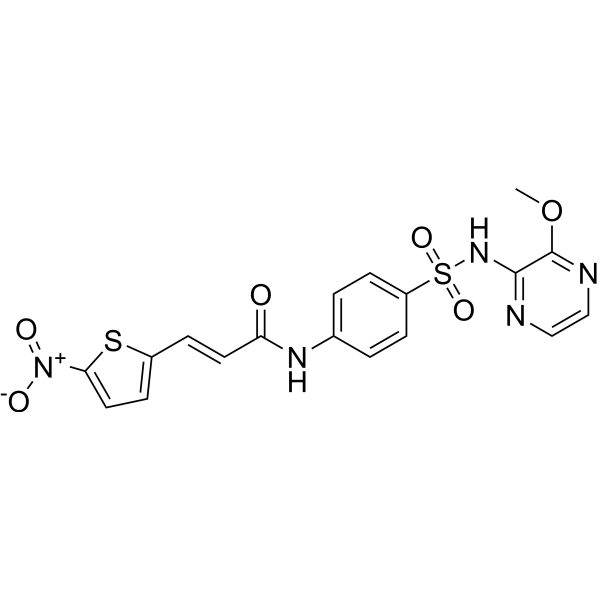
  • HY-100573
    Necrosulfonamide
    Maximum Cited Publications
    139 Publications Verification

    Mixed Lineage Kinase Necroptosis Pyroptosis Caspase NOD-like Receptor (NLR) Keap1-Nrf2 TNF Receptor Interleukin Related NO Synthase Heme Oxygenase (HO) Cardiovascular Disease Neurological Disease Metabolic Disease Inflammation/Immunology Endocrinology
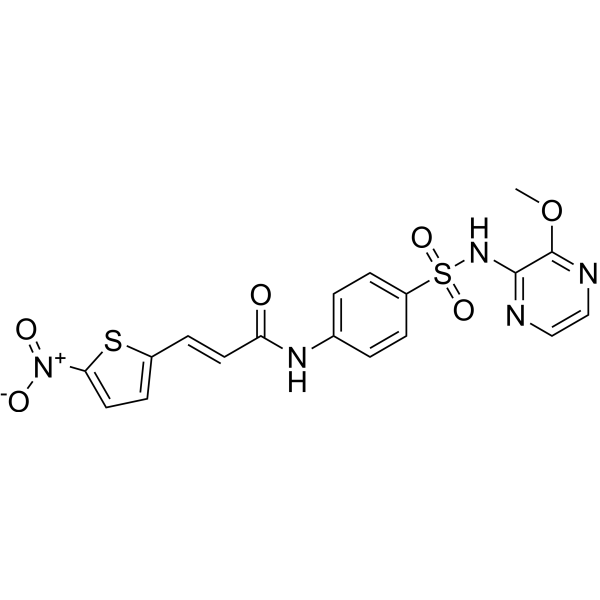
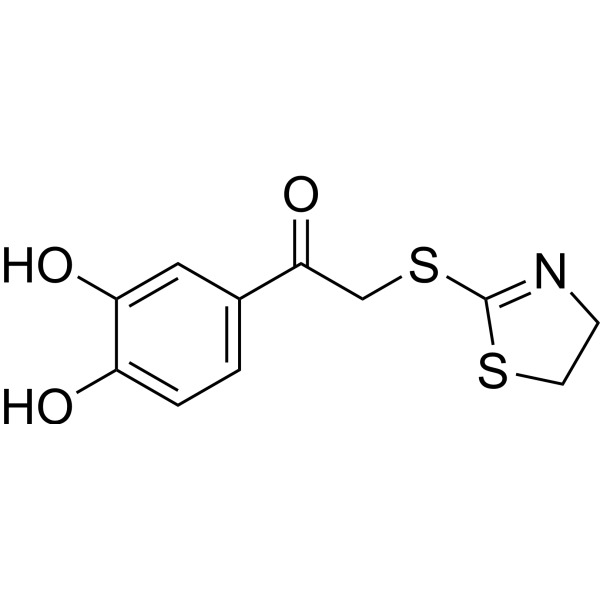
    Necrosulfonamide is a MLKL and Gasdermin D (GSDMD) inhibitor, capable of separately inhibiting necroptosis and pyroptosis of cells. Necrosulfonamide does not affect the activation of upstream signals, but specifically inhibits the downstream executor oligomerization step. Necrosulfonamide reduces the expression of the key kinases NLRP3 and caspase-1 involved in necroptosis and pyroptosis, activate the Nrf2 pathway and the downstream antioxidant enzymes, and also downregulates a variety of inflammatory factors. Necrosulfonamide plays significant roles in various diseases such as neurodegenerative diseases (such as Parkinson’s disease), tissue damage and ischemia-reperfusion injury, inflammatory bowel disease, osteoarthritis and fracture repair, and hair loss by regulating two important programmed necrosis pathways .
    Necrosulfonamide
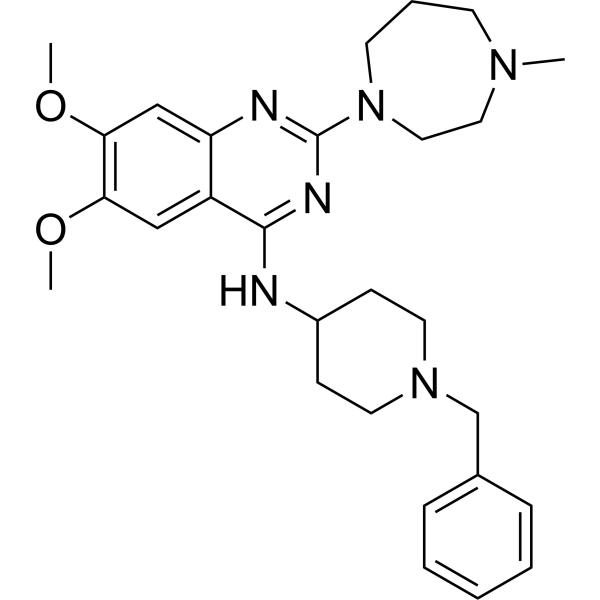
  • HY-10587
    BIX-01294
    25+ Cited Publications

    Histone Methyltransferase Autophagy Cancer
    BIX-01294 is a reversible and highly selective G9a and GLP Histone Methyltransferase inhibitor, with IC50s of of 1.7 μM and 0.9 μM, respectively. BIX-01294 inhibits G9a/GLP by competing for binding with the amino acids N-terminal of the substrate lysine residue. BIX-01294, a (1H-1,4-diazepin-1-yl)-quinazolin-4-yl amine derivative, induces necroptosis and autophagy. BIX-01294 has antitumor activity in recurrent tumor cells .
    BIX-01294
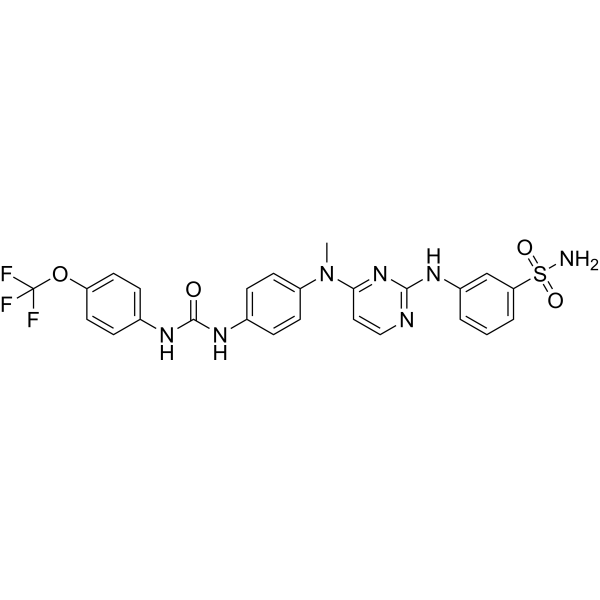
  • HY-112292
    GW806742X
    20+ Cited Publications

    Mixed Lineage Kinase VEGFR Others
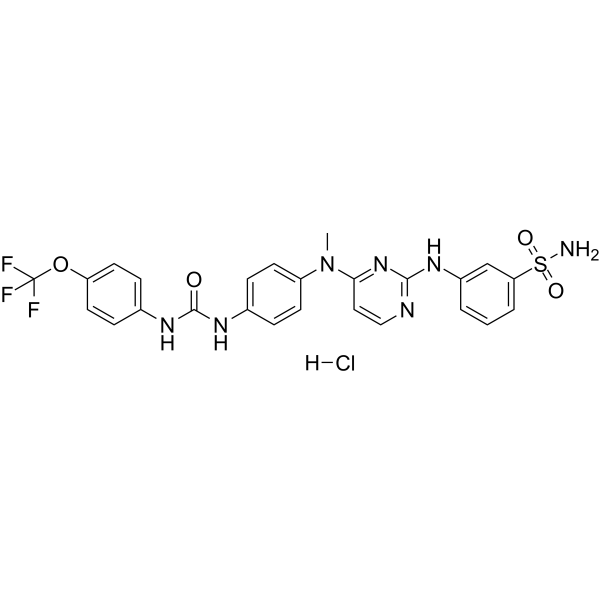
    GW806742X, an ATP mimetic and a potent MLKL (Mixed Lineage Kinase Domain-Like protein) inhibitor, binds the MLKL pseudokinase domain with a Kd of 9.3 μM. GW806742X has activity against VEGFR2 (IC50=2 nM). GW806742X retards MLKL membrane translocation and inhibits necroptosis .
    GW806742X
  • HY-101524
    TC13172
    3 Publications Verification

    Mixed Lineage Kinase Cancer
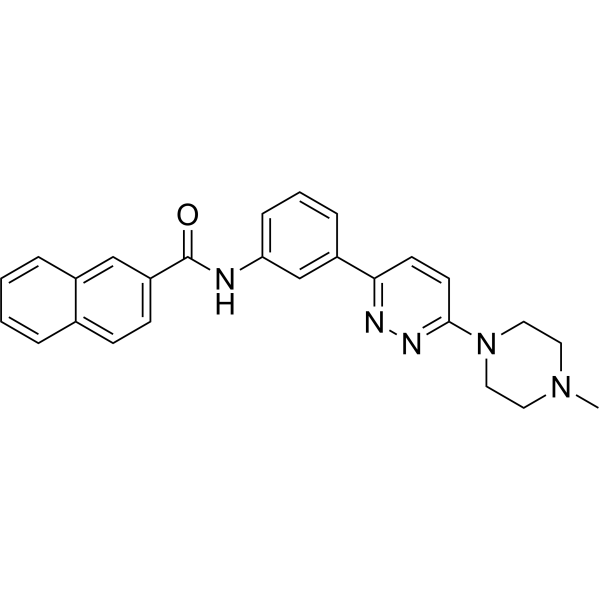
    TC13172 is a mixed lineage kinase domain-like protein (MLKL) inhibitor with an EC50 value of 2 nM for HT-29 cells .
    TC13172
  • HY-N2909

    NF-κB RIP kinase Mixed Lineage Kinase Cardiovascular Disease Neurological Disease Inflammation/Immunology
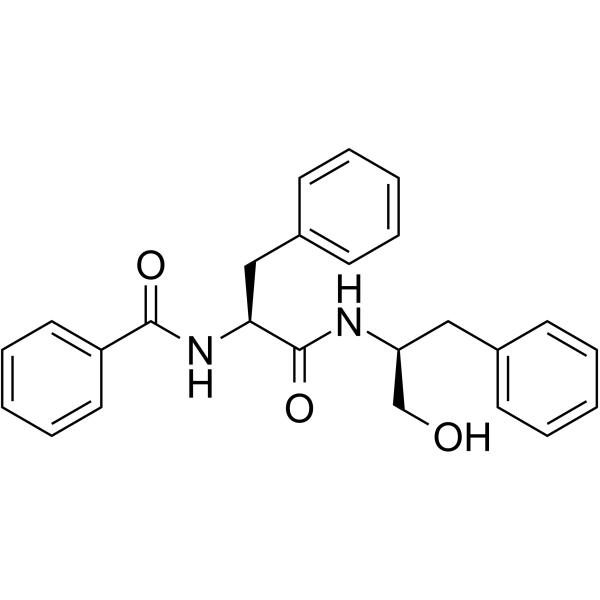
    Aurantiamide is a non-covalent, orally active, blood-brain-permeable GRPR selective antagonist with anti-inflammatory and neuroprotective effects. Aurantiamide reduces inflammation and oxidative stress in renal tissue by inhibiting GRPR-mediated renal necrosis pathways (such as RIPK3/MLKL signaling) and NF-κB inflammatory pathways, exerting anti-acute kidney injury and endothelial function activities. Aurantiamide also inhibits the M1 polarization of microglia and inhibits NLRP3 activation, thereby improving AD mouse models. Aurantiamide has in vivo inhibitory efficacy in acute kidney injury models such as ischemia/reperfusion, sepsis, and hypertension models .
    Aurantiamide
  • HY-144828
    RIP1/RIP3/MLKL activator 1
    5+ Cited Publications

    RIP kinase Mixed Lineage Kinase Necroptosis Cancer
    RIP1/RIP3/MLKL activator 1 (Compound 6i) is a potent anti-glioma agent. RIP1/RIP3/MLKL activator 1 induces necroptosis through RIP1/RIP3/MLKL pathway. RIP1/RIP3/MLKL activator 1 exerts acceptable BBB permeability .
    RIP1/RIP3/MLKL activator 1
  • HY-N0546
    Ligustroflavone
    2 Publications Verification

    Nuezhenoside

    CaSR RIP kinase Mixed Lineage Kinase TGF-beta/Smad Cardiovascular Disease Neurological Disease Metabolic Disease Endocrinology
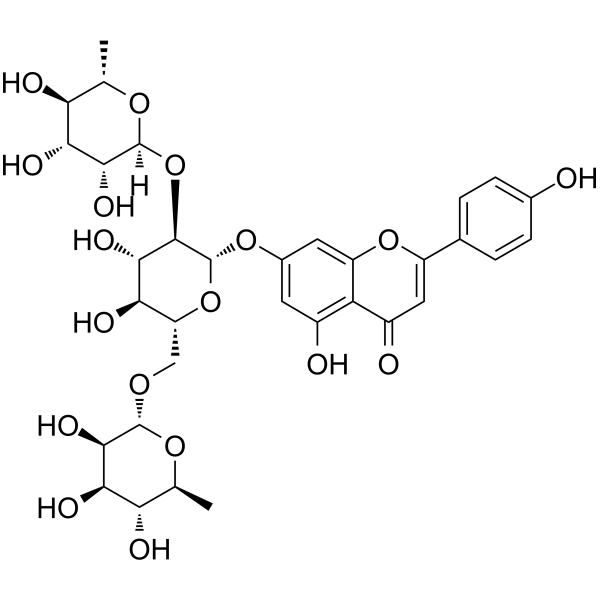
    Ligustroflavone is an orally active flavonoid compound. Ligustroflavone can be extracted from Ligustrum lucidum. Ligustroflavone antagonizes the calcium-sensing receptor (CaSR), inhibits the RIPK1/RIPK3/MLKL pathway, and downregulates TGF-β/Smad signaling. Ligustroflavone regulates calcium metabolism, protects bone tissue, reduces cerebral ischemic injury, and inhibits liver fibrosis. Ligustroflavone can be used in the study of diabetic osteoporosis, ischemic stroke, and liver fibrosis .
    Ligustroflavone
  • HY-N0660

    Apoptosis PARP Caspase AMPK Autophagy VEGFR Keap1-Nrf2 STING 11β-HSD Ferroptosis PI3K Akt p38 MAPK ERK Neurological Disease Metabolic Disease Inflammation/Immunology Cancer
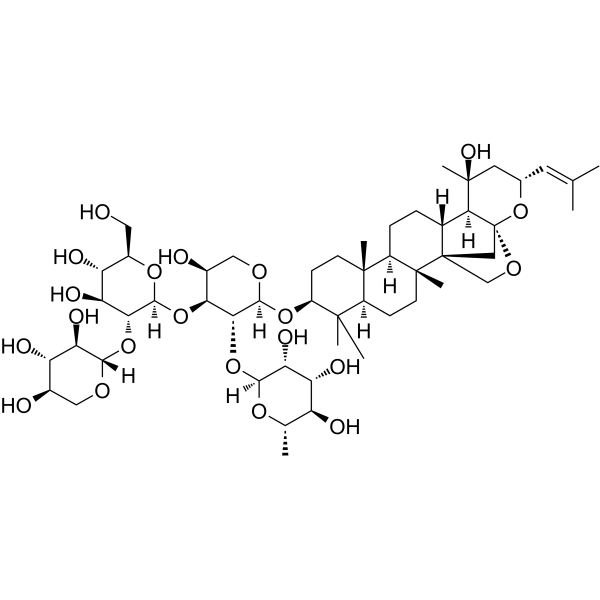
    Jujuboside B is a bioactive saponin component isolated from Ziziphi Spinosae Semen (sour jujube seed), with oral efficacy and blood-brain barrier permeability. Jujuboside B induces acute leukemia cell death and drives necroptosis apoptosis by activating the RIPK1/RIPK3/MLKL pathway. Jujuboside B upregulates the expression of NOXA, PARP and caspase-3, activates AMPK, inhibits the proliferation of breast cancer cells, and induces cell apoptosis and autophagy. Jujuboside B inhibits angiogenesis and tumor growth by blocking the VEGFR-2 signaling pathway. Jujuboside B alleviates liver injury in mice by regulating the Nrf2-STING signaling pathway . Jujuboside B alleviates liver injury by regulating anti-inflammatory responses and downregulating the expression of 11β-HSD2. Jujuboside B induces ferroptosis and overcomes radioresistance in non-small cell lung cancer via the PPARγ-ATF3-Gpx4 signaling pathway. Jujuboside B exerts inhibitory effects on platelet aggregation. Jujuboside B inhibits febrile seizures by suppressing the activity of AMPA receptors. Jujuboside B reverses chronic unpredictable mild stress-promoted tumor progression by blocking the PI3K/Akt and MAPK/ERK pathways and dephosphorylating CREB signaling. Jujuboside B is applicable to related studies on acute leukemia, breast cancer, PM2.5-induced lung injury, hepatotoxicity, liver injury, colorectal cancer, non-small cell lung cancer, thromboembolic diseases, cardiovascular diseases associated with high platelet aggregation, febrile seizures, and depressive-like phenotypes .
    Jujuboside B
  • HY-156591

    PROTACs Mixed Lineage Kinase Others
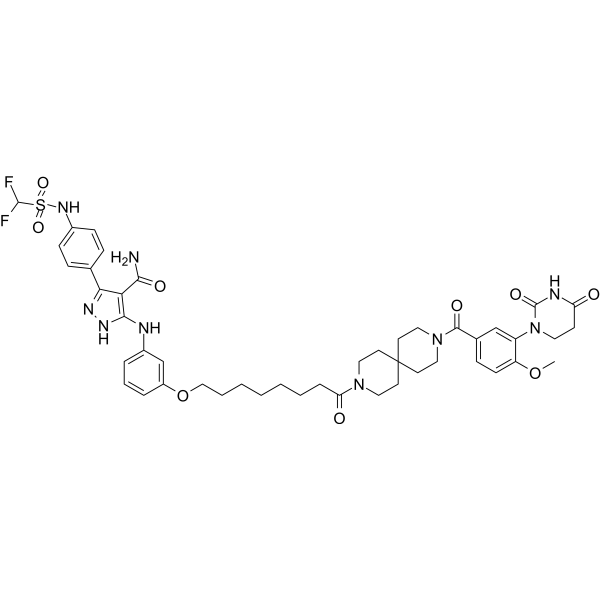
    PROTAC MLKL Degrader-1 (Compound 36) is a PROTAC degrader of MLKL, with a Dmax >90%. PROTAC MLKL Degrader-1 contains modified CRBN ligands, linker and Lenalidomide (HY-A0003)-linker fragments. PROTAC MLKL Degrader-1 abrogates cell death in a TSZ model of necroptosis.
    PROTAC MLKL Degrader-1
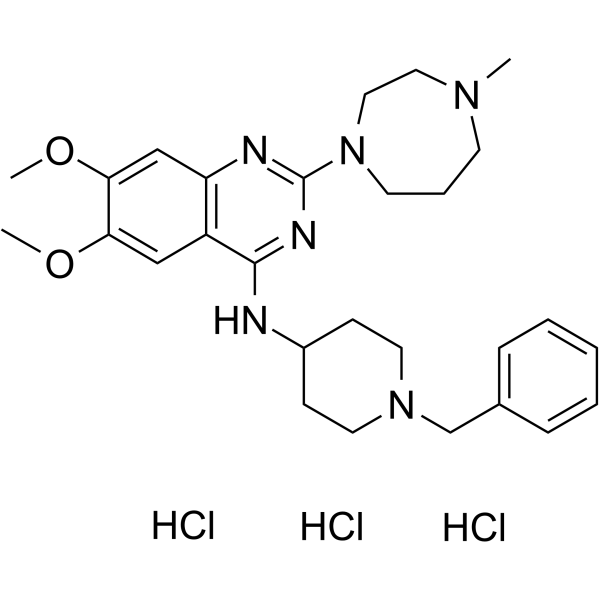
  • HY-108239
    BIX-01294 trihydrochloride
    25+ Cited Publications

    Histone Methyltransferase Autophagy Cancer
    BIX-01294 trihydrochloride is a reversible and highly selective G9a and GLP Histone Methyltransferase inhibitor, with IC50s of of 1.7 μM and 0.9 μM, respectively. BIX-01294 trihydrochloride inhibits G9a/GLP by competing for binding with the amino acids N-terminal of the substrate lysine residue. BIX-01294 trihydrochloride, a (1H-1,4-diazepin-1-yl)-quinazolin-4-yl amine derivative, induces necroptosis and autophagy. BIX-01294 trihydrochloride has antitumor activity in recurrent tumor cells .
    BIX-01294 trihydrochloride
  • HY-141889

    Mixed Lineage Kinase Inflammation/Immunology
    MLKL-IN-2 is a MLKL inhibitor extracted from patent WO2021224505A1, compound (i) .
    MLKL-IN-2
  • HY-100573A
    (E/Z)-Necrosulfonamide
    1 Publications Verification

    Mixed Lineage Kinase Necroptosis Pyroptosis Caspase NOD-like Receptor (NLR) Keap1-Nrf2 TNF Receptor Interleukin Related NO Synthase Heme Oxygenase (HO) Cardiovascular Disease Neurological Disease Metabolic Disease Inflammation/Immunology Endocrinology
    (E/Z)-Necrosulfonamide is a racemic compound of Necrosulfonamide (HY-100573). Necrosulfonamide is a MLKL and Gasdermin D (GSDMD) inhibitor, capable of separately inhibiting necroptosis and pyroptosis of cells. Necrosulfonamide does not affect the activation of upstream signals, but specifically inhibits the downstream executor oligomerization step. Necrosulfonamide reduces the expression of the key kinases NLRP3 and caspase-1 involved in necroptosis and pyroptosis, activate the Nrf2 pathway and the downstream antioxidant enzymes, and also downregulates a variety of inflammatory factors. Necrosulfonamide plays significant roles in various diseases such as neurodegenerative diseases (such as Parkinson’s disease), tissue damage and ischemia-reperfusion injury, inflammatory bowel disease, osteoarthritis and fracture repair, and hair loss by regulating two important programmed necrosis pathways.
    (E/Z)-Necrosulfonamide
  • HY-177119

    PROTACs RIP kinase Mixed Lineage Kinase Infection Inflammation/Immunology
    ZBP1 Covalent PROTAC-1 is a covalent Z-DNA binding protein 1 ZBP1 PROTAC degrader, with its DC50 being 25.69 nM. ZBP1 Covalent PROTAC-1 integrates the ligand that recruits the VHL E3 ubiquitin ligase and the DNA aptamer (Aptamer Z3) with the specific Zα domain that can bind to ZBP1, which has a high affinity (KD = 2.71 nM) with ZBP1. After degrading ZBP1, the phosphorylation levels of downstream signaling molecules RIPK3 and MLKL significantly decrease. ZBP1 Covalent PROTAC-1, encapsulated by nano-liposomes, significantly improves the survival rate of mice infected with influenza A virus (IAV) after administration via the trachea .
    ZBP1 Covalent PROTAC-1
  • HY-156119

    Mixed Lineage Kinase Necroptosis Metabolic Disease Cancer
    MLKL-IN-6 (compound P28) is a mixed lineage kinase inhibitor targeting Mixed Lineage Kinase domain-like (MLKL). MLKL-IN-6 inhibits cell necrosis. MLKL-IN-6 inhibits MLKL phosphorylation and oligomerization during cell necrosis, inhibits immune cell death, and reduces the expression of adhesion factors. MLKL-IN-6 has low cytotoxicity, and it inhibits hepatic stellate cell activation, reduces liver fibrosis marker levels, and has anti-fibrotic effects .
    MLKL-IN-6
  • HY-162424

    RIP kinase Mixed Lineage Kinase Necroptosis Cancer
    ZBP1/RIP3/MLKL activator 1 (compound 3a) is a synthetically derived quinoline compound. ZBP1/RIP3/MLKL Activator 1 induces DNA damage, enhances intracellular levels of reactive oxygen species (ROS), and triggers apoptosis via the caspase pathway. Furthermore, when apoptosis is inhibited, ZBP1/RIP3/MLKL Activator 1 promotes necroptotic cell death through the ZBP1-RIP3-MLKL pathway. ZBP1/RIP3/MLKL Activator 1 is utilized in oncological research, particularly in the selective targeting of cells with impaired apoptotic function .
    ZBP1/RIP3/MLKL activator 1
  • HY-148767

    Mixed Lineage Kinase Others
    MLKL-IN-5 is a potent MLKL inhibitor that mediates necroptosis .
    MLKL-IN-5
  • HY-24504

    Mixed Lineage Kinase Inflammation/Immunology Cancer
    MBA-m1 is a MLKL inhibitor. MBA-m1 inhibits necroptosis in Mlkl −/− NIH-3T3 cells. MBA-m1 ameliorates disease in MLKL-induced dermatitis and abdominal aortic aneurysm mouse model .
    MBA-m1
  • HY-112292A
    GW806742X hydrochloride
    20+ Cited Publications

    Mixed Lineage Kinase VEGFR Cancer
    GW806742X hydrochloride, an ATP mimetic and a potent MLKL (Mixed Lineage Kinase Domain-Like protein) inhibitor, binds the MLKL pseudokinase domain with a Kd of 9.3 μM. GW806742X hydrochloride has activity against VEGFR2 (IC50=2 nM). GW806742X hydrochloride retards MLKL membrane translocation and inhibits necroptosis .
    GW806742X hydrochloride
  • HY-149393

    Mixed Lineage Kinase RIP kinase Cancer
    RIPK3-IN-3 (compound 20) is a selective inhibitor of RIP kinase RIPK3 (IC50=10 nM). RIPK3 mediates the phosphorylation of Mixed Lineage Kinase (MLKL) and causes necroptosis, while RIPK3-IN-3 inhibits p-MLKL oligomerization and thereby inhibits necroptosis. RIPK3-IN-3 also downregulates CXCL5 secretion and inhibits AsPC-1 cell migration and invasion .
    RIPK3-IN-3
  • HY-148365

    Mixed Lineage Kinase RIP kinase CDK Cancer
    NecroIr1 is an iridium(III) complex, serves as necroptosis inducers in Cisplatin (HY-17394)-resistant lung cancer cells (A549R). NecroIr1 selectively accumulates in mitochondria, leading to oxidative stress and loss of mitochondrial membrane potential (MMP). NecroIr1 activates receptor-interacting serine-threonine kinase 3 (RIPK3) and Mixed Lineage Kinase (MLKL), and regulates CDK4 expression .
    NecroIr1
  • HY-148366

    Mixed Lineage Kinase RIP kinase CDK Cancer
    NecroIr2 is an iridium(III) complex, serves as necroptosis inducers in Cisplatin (HY-17394)-resistant lung cancer cells (A549R). NecroIr2 selectively accumulates in mitochondria, leading to oxidative stress and loss of mitochondrial membrane potential (MMP). NecroIr2 activates receptor-interacting serine-threonine kinase 3 (RIPK3) and mixed lineage kinase domain-like pseudokinase (MLKL), and regulates CDK4 expression .
    NecroIr2
  • HY-100573S

    Isotope-Labeled Compounds Mixed Lineage Kinase Necroptosis Pyroptosis Caspase NOD-like Receptor (NLR) Keap1-Nrf2 TNF Receptor Integrin NO Synthase Heme Oxygenase (HO) Cardiovascular Disease Neurological Disease Metabolic Disease Inflammation/Immunology Endocrinology
    Necrosulfonamide-d4 is the deuterium labeled Necrosulfonamide (HY-100573). Necrosulfonamide is a MLKL and Gasdermin D (GSDMD) inhibitor, capable of separately inhibiting necroptosis and pyroptosis of cells. Necrosulfonamide does not affect the activation of upstream signals, but specifically inhibits the downstream executor oligomerization step. Necrosulfonamide reduces the expression of the key kinases NLRP3 and caspase-1 involved in necroptosis and pyroptosis, activate the Nrf2 pathway and the downstream antioxidant enzymes, and also downregulates a variety of inflammatory factors. Necrosulfonamide plays significant roles in various diseases such as neurodegenerative diseases (such as Parkinson’s disease), tissue damage and ischemia-reperfusion injury, inflammatory bowel disease, osteoarthritis and fracture repair, and hair loss by regulating two important programmed necrosis pathways.
    Necrosulfonamide-d4
  • HY-151542

    Mixed Lineage Kinase Necroptosis RIP kinase Neurological Disease
    MLKL-IN-4 (compound 56) is a potent MLKL (Mixed lineage kinase domain-like protein) inhibitor. MLKL-IN-4 inhibits necroptosis in HT-29 cells and acts downstream of MLKL phosphorylation, with EC50 of 82 nM . MLKL-IN-4 is a click chemistry reagent, it contains an Alkyne group and can undergo copper-catalyzed azide-alkyne cycloaddition (CuAAc) with molecules containing Azide groups.
    MLKL-IN-4
  • HY-151541

    Mixed Lineage Kinase Necroptosis Neurological Disease
    MLKL-IN-3 (compound 66) is a potent MLKL (Mixed lineage kinase domain-like protein) inhibitor. MLKL-IN-3 inhibits necroptosis in HT-29 cells and acts downstream of MLKL phosphorylation, with EC50 of 31 nM . MLKL-IN-3 is a click chemistry reagent, it contains an Alkyne group and can undergo copper-catalyzed azide-alkyne cycloaddition (CuAAc) with molecules containing Azide groups.
    MLKL-IN-3
  • HY-169072

    PROTACs Mixed Lineage Kinase Cancer
    PROTAC MLKL Degrader-2 (compound MP-1) is a PROTAC targeting MLKL (Mixed Lineage Kinase). PROTAC MLKL Degrader-2 is composed of PROTAC target protein ligand PROTAC MLKL Degrader-2 (HY-169072) (red part), E3 ligase ligand Thalidomide (HY-14658) (blue part) and PROTAC Linker N-Methylpiperazine (HY-78871) (black part), among which the conjugate of E3 ubiquitin ligase ligand + Linker is Thalidomide-N-methylpiperazine (HY-169074) [1] .
    PROTAC MLKL Degrader-2
  • HY-173185

    RIP kinase Necroptosis Inflammation/Immunology
    RIP1-IN-1 is an orally active RIP1 inhibitor with strong RIP1 binding affinity (Kd: 110 nM). RIP1-IN-1 exhibits strong anti-necroptosis activity. RIP1-IN-1 effectively inhibits the formation of necrosomes by blocking the phosphorylation of RIP1, RIP3 and MLKL signaling pathways. RIP1-IN-1 inhibits necroptosis and can be used in the study of acute liver injury .
    RIP1-IN-1
  • HY-178163

    Ferroptosis Necroptosis RIP kinase Reactive Oxygen Species (ROS) Mixed Lineage Kinase Inflammation/Immunology
    Zharp1-163 is a dual inhibitor of ferroptosis and necroptosis. Zharp1-163 effectively blocks ferroptosis by reducing reactive oxygen species (ROS) levels and inhibits necroptosis by potently and selectively targeting RIPK1 kinase activity (KD = 240 nM; IC50 = 406.1 nM). Zharp1-163 inhibits the cellular activation of RIPK1, RIPK3 and MLKL in response to necroptotic stimulation. Zharp1-163 markedly attenuates TNF-α (HY-P1875)-induced systemic inflammatory syndrome, including the prevention of TNF-α-induced mortality and hypothermia in mice. Zharp1-163 significantly alleviates acute kidney injury associated with both necroptosis and ferroptosis in models induced by Cisplatin (HY-17394) and ischemia-reperfusion. Zharp1-163 can be used for the study of diseases associated with cell death pathways, such as kidney disease .
    Zharp1-163
  • HY-157039

    RIP kinase Necroptosis Mixed Lineage Kinase Inflammation/Immunology
    RIPK1-IN-17 is an orally active, selective RIPK1 inhibitor (Kd = 17 nM) and shows no significant inhibition to RIPK3. RIPK1-IN-17 specifically inhibits necroptosis rather than apoptosis by inhibiting RIPK1, RIPK3, and MLKL phosphorylation. RIPK1-IN-17 protects mice from hypothermia and death. RIPK1-IN-17 can be used for the study of necroptosis-related diseases such as inflammatory response syndrome (SIRS) .
    RIPK1-IN-17
  • HY-N0546R

    Nuezhenoside (Standard)

    Reference Standards CaSR RIP kinase Mixed Lineage Kinase TGF-beta/Smad Cardiovascular Disease Neurological Disease Metabolic Disease Endocrinology
    Ligustroflavone (Standard) is the analytical standard of Ligustroflavone (HY-N0546). This product is intended for research and analytical applications. Ligustroflavone is an orally active flavonoid compound. Ligustroflavone can be extracted from Ligustrum lucidum. Ligustroflavone antagonizes the calcium-sensing receptor (CaSR), inhibits the RIPK1/RIPK3/MLKL pathway, and downregulates TGF-β/Smad signaling. Ligustroflavone regulates calcium metabolism, protects bone tissue, reduces cerebral ischemic injury, and inhibits liver fibrosis. Ligustroflavone can be used in the study of diabetic osteoporosis, ischemic stroke, and liver fibrosis .
    Ligustroflavone (Standard)
  • HY-168640

    Autophagy Necroptosis RIP kinase Cancer
    RIP3 activator 1 (compound C8) is a potent RIP3 activator. RIP3 activator 1 inhibits cell growth. RIP3 activator 1 induces necroptosis through the RIP3/p62/Keap1 signaling pathway. RIP3 activator 1 increases the protein expression of p-MLKL. RIP3 activator 1 induces autophagy. RIP3 activator 1 increases accumulation of LC3-II and p62 protein expression .
    RIP3 activator 1
  • HY-178464

    RIP kinase Mixed Lineage Kinase Necroptosis Neurological Disease Inflammation/Immunology
    RIPK1-IN-34 is a selective, brain-penetrant RIPK1 inhibitor (IC50 = 126.70 nM) with almost no inhibitory effect on RIPK3 (IC50 > 10, 000 nM). RIPK1-IN-34 offers substantial neuroprotection by inhibiting the phosphorylation of RIPK1, RIPK3, and mixed lineage kinase domain-like pseudokinase (MLKL) within the necroptosis pathway. RIPK1-IN-34 shows the neuroprotective effect in a rat middle cerebral artery occlusion (MCAO) model. RIPK1-IN-34 can be used for the study of anti-acute ischemic stroke (AIS) .
    RIPK1-IN-34
  • HY-139878

    Mixed Lineage Kinase Inflammation/Immunology
    MLKL-IN-1 is a covalent MLKL inhibitor with a KD of 50 μM.
    MLKL-IN-1
  • HY-161361

    Mixed Lineage Kinase Cancer
    MLKL-IN-7 (compound 9) is a MLKL inhibitor, and shows anti-necroptosis activity in HT-29 cells with the IC50 of 148.4 nM .
    MLKL-IN-7
  • HY-RS22995

    Small Interfering RNA (siRNA) Others

    Mlkl Rat Pre-designed siRNA Set A contains three designed siRNAs for Mlkl gene (Rat), as well as a negative control, a positive control, and a FAM-labeled negative control.

    Mlkl Rat Pre-designed siRNA Set A
    Mlkl Rat Pre-designed siRNA Set A
  • HY-RS08492

    Small Interfering RNA (siRNA) Others

    MLKL Human Pre-designed siRNA Set A contains three designed siRNAs for MLKL gene (Human), as well as a negative control, a positive control, and a FAM-labeled negative control.

    MLKL Human Pre-designed siRNA Set A
    MLKL Human Pre-designed siRNA Set A
  • HY-176407

    Necroptosis Inflammation/Immunology Cancer
    ZYH-23 is a potent necroptosis inhibitor. ZYH-23 blocks necroptosis by inhibiting RIPK1, RIPK3, and MLKL phosphorylation via HSP90 targeting .
    ZYH-23
  • HY-169074

    E3 Ligase Ligand-Linker Conjugates Cancer
    Thalidomide-N-methylpiperazine is an E3 Ligase Ligand-Linker Conjugate. Thalidomide-N-methylpiperazine can be used to synthesize PROTAC MLKL Degrader-2 (HY-169072) to exhibit antinecroptotic activity on human cell lines and effectively degrade MLKL in the HT-29 xenograft mouse model .
    Thalidomide-N-methylpiperazine
  • HY-169073

    Ligands for Target Protein for PROTAC Others
    TC13172-NH-COOH is a PROTAC target protein ligand (Ligands for Target Protein for PROTACs). TC13172-NH-COOH can be used for synthesis PROTAC MLKL Degrader-2 (HY-169072) .
    TC13172-NH-COOH
  • HY-182344

    Ligands for Target Protein for PROTAC Mixed Lineage Kinase Cancer
    MLKL ligand-2 is a mixed lineage kinase domain-like pseudokinase (MLKL) PROTAC ligand with a KD of 9.408 μM. MLKL ligand-2 forms hydrogen bond networks and hydrophobic interactions with specific MLKL residues, and stabilizes MLKL in hepatic cells. MLKL ligand-2 can be used to synthesize PROTAC MLKL Degrader-3 (HY-182343) .
    MLKL ligand-2
  • HY-182343

    PROTACs Mixed Lineage Kinase Cancer
    PROTAC MLKL Degrader-3 (compound C116) is a MLKL PROTAC degrader. PROTAC MLKL Degrader-3 induces proteasome- and cereblon-dependent MLKL degradation via ubiquitination. PROTAC MLKL Degrader-3 is applicable to the research of hepatocellular carcinoma .
    PROTAC MLKL Degrader-3
  • HY-N8380

    Apoptosis Autophagy PI3K Necroptosis Cardiovascular Disease Inflammation/Immunology Cancer
    (-)-Latifolin, a flavonoid, induces apoptotic cell death by targeting PI3K/AKT/mTOR/p70S6K signaling. (-)-Latifolin significantly inhibits the cell proliferation of oral squamous cell carcinoma (OSCC), and causes the anti-metastatic activities by effectively blocking cell migration, invasion, and adhesion via the inactivation of FAK/Src. (-)-Latifolin suppresses autophagic-related proteins and autophagosome formation. (-)-Latifolin inhibits necroptosis by dephosphorylating necroptosis-regulatory proteins (RIP1, RIP3, and MLKL). (-)-Latifolin has beneficial effects on anti-aging, anti-carcinogenic, anti-inflammatory, and cardio-protective activities .
    (-)-Latifolin
  • HY-169509

    PARP Necroptosis Topoisomerase RIP kinase Mixed Lineage Kinase Cancer
    Topoisomerase I/II Inhibitor 8 (Compound Ru7) is a dual catalytic inhibitor of Topoisomerase I/II, capable of inducing DNA damage and PARP-1 activation, which subsequently leads to the activation of RIPK1, RIPK3, and MLKL, ultimately triggering necroptosis. Topoisomerase I/II Inhibitor 8 demonstrates remarkable anticancer activity by effectively targeting the nuclei of cancer cells and inducing cell death through necroptosis, showing great clinical potential in circumventing drug resistance in cancer treatment .
    Topoisomerase I/II inhibitor 8
  • HY-173075

    RIP kinase Mixed Lineage Kinase Necroptosis Cancer
    Anticancer agent 267 (Compound 5q) is the activator for RIPK3 and MLKL. Anticancer agent 267 inhibits the proliferation in a variety of cancer cell lines (IC50 for MDA-MB-231, MDA-MB-486 and MCF-7 is 9.79, 10.77 and 5.94 μM, respectively), arrests cell cycle at subG1 phase, and induces necroptosis in cell MDA-MB-231. Anticancer agent 267 exhibits antitumor activity in mouse xenograft models .
    Anticancer agent 267
  • HY-149052

    RIP kinase Mixed Lineage Kinase Necroptosis Inflammation/Immunology
    SZM-1209 is an orally active, potent and specific RIPK1 inhibitor, with a Kd of 85 nM. SZM-1209 exhibits high anti-necroptotic activity (EC50=22.4 ± 8.1 nM). SZM-1209 shows anti-SIRS (systemic inflammatory response syndrome), and anti-ALI (acute lung injury) effects .
    SZM-1209
  • HY-RS16563

    Small Interfering RNA (siRNA) Others

    Mlkl Mouse Pre-designed siRNA Set A contains three designed siRNAs for Mlkl gene (Mouse), as well as a negative control, a positive control, and a FAM-labeled negative control.

    Mlkl Mouse Pre-designed siRNA Set A
    Mlkl Mouse Pre-designed siRNA Set A
  • HY-183781

    RIP kinase Necroptosis Inflammation/Immunology
    RIPK1-IN-41 is an orally active RIPK1 inhibitor with an IC50 of 92 nM and a KD of 106.8 nM. RIPK1-IN-41 reduces the phosphorylation level of RIPK1, inhibits necrosome formation, blocks the activation of RIPK3 and MLKL, maintains mitochondrial and lysosomal functions, preserves cell membrane integrity, and suppresses necroptosis. RIPK1-IN-41 alleviates hypothermia and multi-organ damage in a mouse model of systemic inflammatory response syndrome induced by mTNF-α. RIPK1-IN-41 is applicable to research related to systemic inflammatory response syndrome .
    RIPK1-IN-41
  • HY-183564

    RIP kinase Necroptosis Interleukin Related Inflammation/Immunology
    RIPK1/RIPK3-PPI-IN-1 is an orally active dual-target inhibitor of RIPK1/RIPK3, with a Kd value of 2.4 nM for RIPK1 and 24 nM for RIPK3. RIPK1/RIPK3-PPI-IN-1 inhibits the phosphorylation of RIPK1, RIPK3 and MLKL, thereby suppressing necroptosis. RIPK1/RIPK3-PPI-IN-1 restores body temperature, improves survival rate, and reduces IL-1β/IL-6 levels in serum and multiple organs of Mus musculus, thus alleviating TNF-α-induced systemic inflammatory response syndrome. RIPK1/RIPK3-PPI-IN-1 can be used in research related to systemic inflammatory response syndrome .
    RIPK1/RIPK3-PPI-IN-1
  • HY-181596

    RIP kinase Mixed Lineage Kinase Apoptosis Inflammation/Immunology
    WJH-C19 is an orally active RIPK1 inhibitor with an IC50 of 5.7 nM. WJH-C19 inhibits the RIPK1/RIPK3/MLKL signaling axis, blocks RIPK1 phosphorylation, suppresses the phosphorylation of downstream RIPK3 and MLKL, disrupts necrosome formation, and exhibits protective effects against necroptosis (Apoptosis) in multiple cell lines. WJH-C19 ameliorates symptoms of inflammatory bowel disease in a mouse colitis model by regulating the necroptosis pathway. WJH-C19 alleviates inflammation and bone destruction in a mouse model of rheumatoid arthritis. WJH-C19 is applicable to research related to inflammatory bowel disease and rheumatoid arthritis .
    WJH-C19
  • HY-180806

    RIP kinase Apoptosis Cardiovascular Disease Neurological Disease
    RIPK1-IN-39 (compound 2) is a potent and selective RIPK1 inhibitor (IC50 = 69.40 nM) exhibiting >100-fold selectivity over RIPK3 (IC50 = 6946 nM). RIPK1-IN-39 protects HT-22 and HT-29 cells from necroptosis by inhibiting the phosphorylation and activation of the RIPK1-RIPK3-MLKL pathway. RIPK1-IN-39 demonstrates neuroprotective effects in a rat model of middle cerebral artery occlusion (MCAO). RIPK1-IN-39 can be used for acute ischemic stroke (AIS) research .
    RIPK1-IN-39
  • HY-101524R

    Mixed Lineage Kinase Reference Standards Cancer
    TC13172 (Standard) is the analytical standard of TC13172 (HY-101524). This product is intended for research and analytical applications. TC13172 is a mixed lineage kinase domain-like protein (MLKL) inhibitor with an EC50 value of 2 nM for HT-29 cells .
    TC13172 (Standard)

Inquiry Online

Your information is safe with us. * Required Fields.

Salutation


Country or Region *

Applicant Name *


Organization Name *

Department *


Email Address *


Product Name *

Cat. No.


Requested quantity *

Phone Number *


Remarks

Inquiry Online

Inquiry Information

Product Name:
Cat. No.:
Quantity:
MCE Japan Authorized Agent:

