Search Result
Results for "
MT-4
" in MedChemExpress (MCE) Product Catalog:
1
Biochemical Assay Reagents
| Cat. No. |
Product Name |
Target |
Research Areas |
Chemical Structure |
-
- HY-111964
-
Lenacapavir
Maximum Cited Publications
19 Publications Verification
GS-6207
|
HIV
|
Infection
|
|
Lenacapavir (GS-6207) is an HIV-1 capsid inhibitor. Lenacapavir binds to the interface between capsid hexamers and CA monomers, disrupts capsid assembly and viral maturation, inhibits nuclear translocation of HIV-1 DNA, interferes with CA-mediated protein-protein interactions, reduces the formation of 2-LTR circles and pre-integration proviruses, induces aberrant capsids, and decreases the production of mature HIV-1. Lenacapavir exhibits activity against a variety of HIV-1 subtypes and clinical isolates. Lenacapavir is applicable to research related to human immunodeficiency virus type 1 (HIV-1) infection .
|
-
-
- HY-15592
-
|
GSK-1265744; S/GSK1265744
|
OAT
HIV
HIV Integrase
|
Infection
|
|
Cabotegravir (GSK-1265744) is a orally active and long-acting HIV integrase strand transfer inhibitor and organic anion transporter 1/3 (OAT1/OAT3) inhibitor with IC50 values of 2.5 nM, 0.41 μM and 0.81 μM for HIVADA, OAT3 and OAT1, respectively. Cabotegravir is primarily metabolized by uridine diphosphate glucuronosyltransferase (UGT) 1A1, with low potential to interact with other antiretroviral agents (ARVs). Cabotegravir can be used to research AIDS .
|
-
-
- HY-50101A
-
|
AMD-070 trihydrochloride; AMD-11070 trihydrochloride
|
CXCR
HIV
|
Infection
Endocrinology
Cancer
|
|
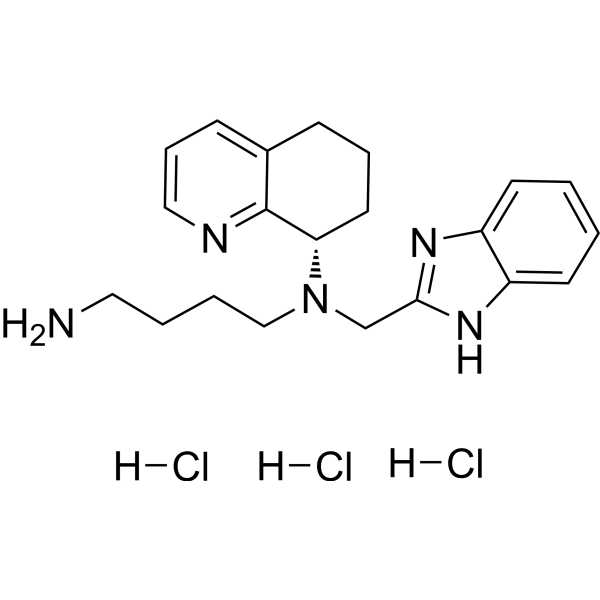
Mavorixafor trihydrochloride (AMD-070 trihydrochloride) is a potent, selective and orally available CXCR4 antagonist, with an IC50 value of 13 nM against CXCR4 125I-SDF binding, and also inhibits the replication of T-tropic HIV-1 (NL4.3 strain) in MT-4 cells and PBMCs with an IC50 of 1 and 9 nM, respectively.Mavorixafor trihydrochloride can be used for the study of WHIM syndrome .
|
-
-
- HY-50101
-
|
AMD-070; AMD-11070
|
CXCR
HIV
|
Infection
Endocrinology
Cancer
|
|
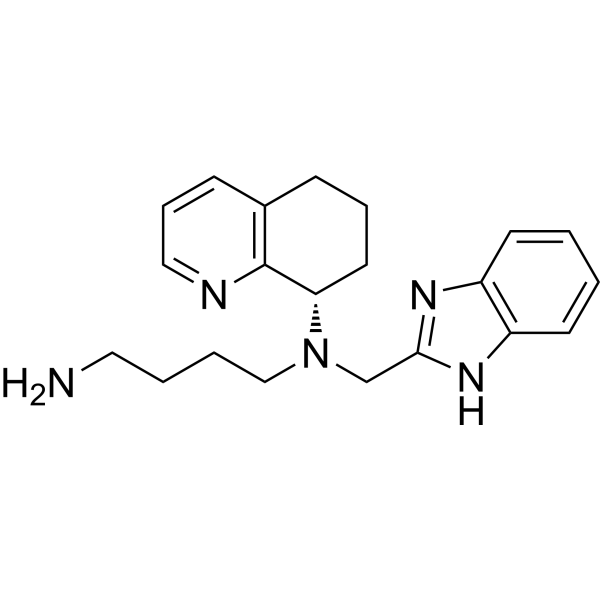
Mavorixafor (AMD-070) is a potent, selective and orally available CXCR4 antagonist, with an IC50 value of 13 nM against CXCR4 125I-SDF binding, and also inhibits the replication of T-tropic HIV-1 (NL4.3 strain) in MT-4 cells and PBMCs with an IC50 of 1 and 9 nM, respectively. Mavorixafor can be used for the study of WHIM syndrome .
|
-
-
- HY-113074
-
|
Glycolithocholate sulfate; Sulfolithocholylglycine; SLCG
|
HIV
Endogenous Metabolite
|
Infection
Inflammation/Immunology
|
|
Glycolithocholic acid 3-sulfate (SLCG) is a cholic acid derivative and a metabolite of glycolithocholic acid. Glycolithocholic acid 3-sulfate inhibits replication of HIV-1 in vitro. Glycolithocholic acid 3-sulfate can be used for the research of HIV infection and gallbladder disease .
|
-
-
- HY-50101C
-
|
AMD-070 hydrochloride; AMD-11070 hydrochloride
|
CXCR
HIV
|
Infection
Cancer
|
|
Mavorixafor (AMD-070) hydrochloride is a potent, selective and orally available CXCR4 antagonist, with an IC50 value of 13 nM against CXCR4 125I-SDF binding. Mavorixafor hydrochloride also inhibits the replication of T-tropic HIV-1 (NL4.3 strain) in MT-4 cells and PBMCs with an IC50 of 1 nM and 9 nM, respectively. Mavorixafor hydrochloride can be used for the study of WHIM syndrome .
|
-
-
- HY-128595
-
|
|
Transglutaminase
|
Cancer
|
|
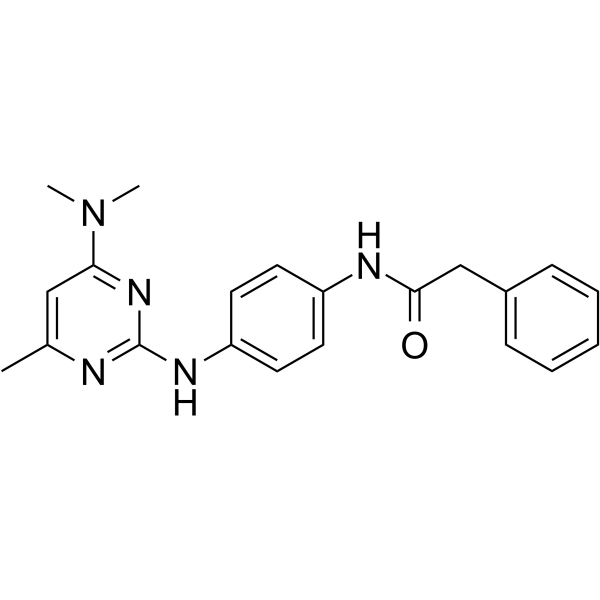
MT-4 is a derivative of a tissue transglutaminase (TG2) inhibitor. MT-4 targets the complex of TG2 and fibronectin (FN) (TG2/FN) and inhibits the adhesion of tumor cells to the matrix. MT-4 inhibits the adhesion of ovarian cancer (OC) cells to the peritoneum and increases the sensitivity of OC cells to paclitaxel.
|
-
-
- HY-N2040
-
|
|
Bacterial
Interleukin Related
|
Infection
Inflammation/Immunology
Cancer
|
|
(20R)-Protopanaxadiol is a metabolite of ginsenosides. (20R)-Protopanaxadiol has anti-inflammatory and antibacterial activities, but shows no significant cytotoxicity against tumor cell lines. In addition, (20R)-Protopanaxadiol can inhibit the uptake of 2-deoxy-D-glucose (2-DG) .
|
-
-
- HY-15355
-
|
R 89439
|
Reverse Transcriptase
HIV
|
Infection
|
|
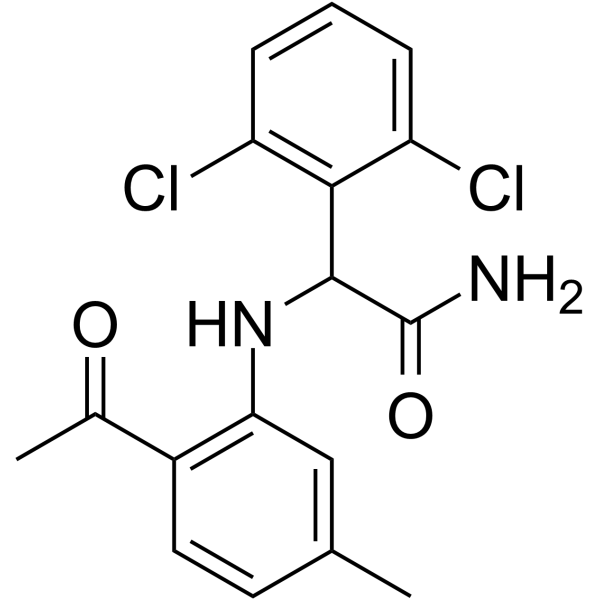
Loviride (R 89439) is a non-nucleoside reverse transcriptase inhibitor (NNRTI), with an IC50 of 0.3 µM for reverse transcriptase from HIV-1. Loviride (R 89439) inhibits HIV-1, HIV-2 and SIV replication in MT-4 cells .
|
-
-
- HY-17605A
-
|
GS-9883 sodium
|
HIV Integrase
HIV
|
Infection
|
|
Bictegravir sodium is a potent inhibitor of HIV-1 integrase, with an IC50 of 7.5 nM. Bictegravir sodium exhibits potent and selective anti-HIV activity and low cytotoxicity .
|
-
-
- HY-111964A
-
|
GS-6207 sodium
|
HIV
|
Infection
|
|
Lenacapavir (GS-6207) sodium is an HIV-1 capsid inhibitor. Lenacapavir sodium binds to the interface between capsid hexamers and CA monomers, disrupts capsid assembly and viral maturation, inhibits nuclear translocation of HIV-1 DNA, interferes with CA-mediated protein-protein interactions, reduces the formation of 2-LTR circles and pre-integration proviruses, induces aberrant capsids, and decreases the production of mature HIV-1. Lenacapavir sodium exhibits activity against a variety of HIV-1 subtypes and clinical isolates. Lenacapavir sodium is applicable to research related to human immunodeficiency virus type 1 (HIV-1) infection .
|
-
-
- HY-N16050
-
|
Ethyl salvionolate A
|
HIV
Reverse Transcriptase
HIV Integrase
HIV Protease
|
Infection
|
|
Ethyl salvianolate A (Ethyl salvionolate A) is an anti-HIV-1 compound that can be extracted from the roots of Salvia yunnanensis. Ethyl salvianolate A inhibits P24 antigen in HIV-1 infected MT-4 cell cultures (EC50: 1.44 μg/mL). Ethyl salvianolate A inhibits HIV-1 replicative enzymes, with IC50s of 56.38 μM (Reverse transcriptase), 12.03 μM (Protease), 14.54 μM (Integrase), respectively .
|
-
-
- HY-106850
-
|
AzdU; AzddU; CS-87
|
HIV
|
Infection
|
|
3′-Azido-2′,3′-dideoxyuridine (AzdU) is a nucleoside analog of Zidovudine (HY-17413). 3′-Azido-2′,3′-dideoxyuridine is a potent inhibitor of human immunodeficiency virus (HIV) replication in human peripheral blood mononuclear cells (PBMC) with limited toxicity for human bone marrow cells (BMC) . 3′-Azido-2′,3′-dideoxyuridine is a click chemistry reagent, it contains an Azide group and can undergo copper-catalyzed azide-alkyne cycloaddition reaction (CuAAc) with molecules containing Alkyne groups. It can also undergo strain-promoted alkyne-azide cycloaddition (SPAAC) reactions with molecules containing DBCO or BCN groups.
|
-
-
- HY-N6924
-
|
|
HIV
PIN1
Fungal
GLUT
Reactive Oxygen Species (ROS)
|
Infection
Neurological Disease
Metabolic Disease
Cancer
|
|
Zingibroside R1 is an orally active triterpene saponin with multiple biological activities including antioxidant, anti-inflammatory, antiviral, and metabolic regulatory properties. Zingibroside R1 reduces the expression of PIN family members, inhibits the expression of PLT1/PLT2, WOX5, SHR, and SCR, disrupts auxin transport and distribution, triggers plant ROS responses, and inhibits root growth. Zingibroside R1 extends the lifespan of Caenorhabditis elegans, enhances its heat stress resistance, and improves its motor ability. Hydrogel derivatives of Zingibroside R1 inhibit the proliferation of Candida albicans by binding to its β-1,3-glucan and exhibit antifungal activity. Zingibroside R1 inhibits GLUT1-mediated uptake and alleviates liver injury. Zingibroside R1 can be used in research related to neurodegenerative diseases, vulvovaginal candidiasis, acute liver injury, Ehrlich ascites tumor and HIV-1 infection [4] .
|
-
-
- HY-159059
-
|
|
c-Myc
Bcl-2 Family
Eukaryotic Initiation Factor (eIF)
Survivin
β-catenin
MMP
Interleukin Related
|
Cardiovascular Disease
Neurological Disease
Inflammation/Immunology
Cancer
|
|
Ganoderma Lucidum/Reishi Extract is a Ganoderma lucidum extract. Ganoderma Lucidum/Reishi Extract reduces the expression of c-Myc, BCL-2, BCL-XL, TERT, PDGFB, eIF4G, Survivin, β-catenin, and eIF4E. Ganoderma Lucidum/Reishi Extract downregulates the gene expression of MMP-9. Ganoderma Lucidum/Reishi Extract upregulates the expression of IL8. Ganoderma Lucidum/Reishi Extract is applicable to the research of inflammatory breast cancer. Ganoderma Lucidum is used in the research of various diseases, such as allergy, arthritis, hypertension, neurasthenia, inflammation, and cancer .
|
-
-
- HY-177098
-
|
|
HIV
HIV Integrase
|
Infection
|
|
Lepetegravir (Example 24) is a HIV integrase inhibitor. Lepetegravir has antiviral effects (EC50: 0.98 nM in MT-4 cells) .
|
-
-
- HY-150759
-
|
|
HIV
|
Infection
|
|
HIV-1 inhibitor-45 is a potent HIV-1 RNase H inhibitor with an IC50 value of 0.067 μM. HIV-1 inhibitor-45 shows an antiviral activity. HIV-1 inhibitor-45 shows poor cell permeability (with an apparent permeability coefficient (Papp) lower than 0.48 × 10 −6 cm/s) .
|
-
-
- HY-RS08745
-
|
|
Small Interfering RNA (siRNA)
|
Others
|
|
MT4 Human Pre-designed siRNA Set A contains three designed siRNAs for MT4 gene (Human), as well as a negative control, a positive control, and a FAM-labeled negative control.
|
-
MT4 Human Pre-designed siRNA Set A
-
- HY-12108
-
|
|
HIV Integrase
HIV
|
Infection
|
|
S 1360 is a potent and selective inhibitor of HIV-1 integrase. S 1360 inhibits the catalytic activity of purified integrase (
IC50: 20 nM). The EC50, and CC50 of S 1360
in MTT assay (MT-4 cells infected with HIV-1 IIIB) are 200 nM and 12 μM, respectively. S 1360 has antiviral activity against both X4 tropic and R5 tropic strains, as well as NRTI, NNRTI and PI drug-resistant variants .
|
-
-
- HY-17605AR
-
|
GS-9883 sodium (Standard)
|
Reference Standards
HIV Integrase
HIV
|
Infection
|
|
Bictegravir (sodium) (Standard) is the analytical standard of Bictegravir (sodium). This product is intended for research and analytical applications. Bictegravir sodium is a potent inhibitor of HIV-1 integrase, with an IC50 of 7.5 nM. Bictegravir sodium exhibits potent and selective anti-HIV activity and low cytotoxicity .
|
-
-
- HY-146353
-
|
|
HIV
|
Infection
Inflammation/Immunology
|
|
HIV-1 inhibitor-29 (compound 14d2) is a potent HIV-1 inhibitor with an EC50 of 2.18 μM for HIV-1 IIIB. HIV-1 inhibitor-29 has high anti-resistance profile toward F227L/V106A strain (EC50 = 0.974 μM), and exhibits low cytotoxicity in MT-4 cells (CC50 = 211 μM). HIV-1 inhibitor-29 can be used for researching AIDS .
|
-
-
- HY-149866
-
|
|
Cytochrome P450
HIV
Reverse Transcriptase
|
Infection
|
|
HIV-1 inhibitor-58 (Compound 10c) is a broad-spectrum antiviral agent. HIV-1 inhibitor-58 is a non-nucleoside reverse transcriptase inhibitor. HIV-1 inhibitor-58 inhibits WT strain IIIB, NNRTI-resistant strains (such as K103N and E138K) in MT-4 cells, with EC50 less than 50 nM. HIV-1 inhibitor-58 also inhibits CYP2C9 and CYP2C19 (IC50: 2.06 μM, 1.91 μM). HIV-1 inhibitor-58 can be used for HIV infection reserch .
|
-
-
- HY-18666
-
|
|
HIV
|
Infection
|
|
D77 is anti-HIV-1 inhibitor targeting the interaction between integrase and cellular LEDGF/p75. D77 inhibits HIV-1(IIIB) replication by EC50 value of 23.8 μg/ml in MT-4 cell (5.03 μg/ml for C8166 cells).
|
-
-
- HY-15355R
-
|
R 89439 (Standard)
|
Reverse Transcriptase
HIV
Reference Standards
|
Infection
|
|
Loviride (Standard) is the analytical standard of Loviride. This product is intended for research and analytical applications. Loviride (R 89439) is a non-nucleoside reverse transcriptase inhibitor (NNRTI), with an IC50 of 0.3 μM for reverse transcriptase from HIV-1. Loviride (R 89439) inhibits HIV-1, HIV-2 and SIV replication in MT-4 cells .
|
-
-
- HY-152539
-
|
|
HIV
|
Infection
|
|
HIV-1 inhibitor-54 is a potent HIV-1 inhibitor. HIV-1 inhibitor-54 has anti-HIV activity in MT-4 cells against WT HIV-1 (strain IIIB) with an EC50 value of 0.032 μM. HIV-1 inhibitor-54 can be used for the research of virus infection .
|
-
-
- HY-125810
-
|
|
HIV
Reverse Transcriptase
|
Infection
Inflammation/Immunology
|
|
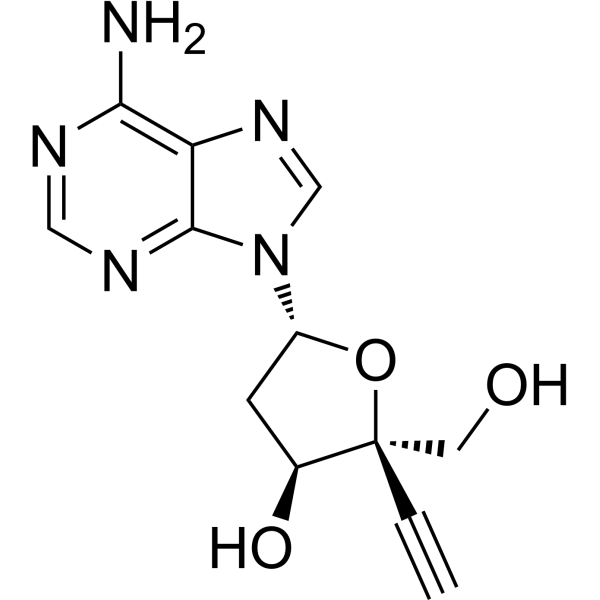
4'-Ethynyl-2'-deoxyadenosine (4'-E-dA), a nucleoside reverse transcriptase (RT) inhibitor, is an antiretroviral agent which is potent against drug-resistant HIV variants, with an EC50 of 98 nM in MT-4 cells for anti-HIV-1 activity . 4'-Ethynyl-2'-deoxyadenosine is a click chemistry reagent, it contains an Alkyne group and can undergo copper-catalyzed azide-alkyne cycloaddition (CuAAc) with molecules containing Azide groups.
|
-
-
- HY-RS19301
-
|
|
Small Interfering RNA (siRNA)
|
Others
|
|
Mt4 Mouse Pre-designed siRNA Set A contains three designed siRNAs for Mt4 gene (Mouse), as well as a negative control, a positive control, and a FAM-labeled negative control.
|
-
Mt4 Mouse Pre-designed siRNA Set A
-
- HY-RS25792
-
|
|
Small Interfering RNA (siRNA)
|
Others
|
|
Mt4 Rat Pre-designed siRNA Set A contains three designed siRNAs for Mt4 gene (Rat), as well as a negative control, a positive control, and a FAM-labeled negative control.
|
-
Mt4 Rat Pre-designed siRNA Set A
-
- HY-144714
-
|
|
HIV
|
Infection
|
|
HIV-1 inhibitor-18 (compound II-13c) is a potent HIV-1 capsid inhibitor with an EC50 value of 5.14 μM for HIV-1 NL4-3. HIV-1 inhibitor-18 has certain cytotoxicity (MT-4 cells CC50 >9.51) .
|
-
-
- HY-144715
-
|
|
HIV
|
Infection
|
|
HIV-1 inhibitor-18 (compound V-25i) is a potent HIV-1 capsid inhibitor with an EC50 value of 2.57 μM for HIV-1 NL4-3. HIV-1 inhibitor-18 has certain cytotoxicity (MT-4 cells CC50 >8.55) .
|
-
-
- HY-178341
-
|
|
Reverse Transcriptase
HIV
|
Infection
|
|
NNRT-IN-13 is a potent non-nucleoside reverse transcriptase (NNRT) inhibitor that directly inhibiting HIV-1 reverse transcriptase (IC₅₀ = 0.25 μM). NNRT-IN-13 exhibits excellent antiviral activity against wild-type HIV-1 (EC₅₀ = 0.0046 μM) and a broad spectrum of drug-resistant mutants. NNRT-IN-13 exhibits favorable in vivo metabolic and safety profiles. NNRT-IN-13 can be used for human immunodeficiency virus (HIV) research .
|
-
-
- HY-175667
-
|
|
HIV
Reverse Transcriptase
|
Infection
|
|
NNRT-IN-12 (compound 19) is a potent non-nucleoside reverse transcriptase (NNRT) inhibitor with an IC50 value of 0.107 μM for WT HIV-1 RT. NNRT-IN-12 shows anti-HIV-1 activity with EC50 value of 14.1, 5.03, 7.64, 27.1 nM for L100I, K103N, Y181C, Y188L mutant HIV-1 strains, respectively. NNRT-IN-12 shows cytotoxicity .
|
-
-
- HY-162525
-
|
|
HIV Protease
|
Infection
|
|
GS-9770 is an orally active inhibitor for HIV protease with Ki of 0.16 nM. GS-9770 exhibits antiviral activity aginst HIV-1 strains and HIV-2 strains with EC50 of 1.9-26 nM, and 26 nM. GS-9770 is metabolic stable in human liver microsomes. GS-9770 exhibits good pharmacokinetic characters in Sprague Dawley rats .
|
-
-
- HY-147723
-
|
|
HIV
|
Infection
|
|
HIV-1 inhibitor-39 (compound 3c) is a potent HIV-1 inhibitor with an EC50 of >112.88 µM. HIV-1 inhibitor-39 shows anti-RT (HIV-1 reverse transcriptase) activities with an IC50 of 15.75 µM. HIV-1 inhibitor-39 shows cytotoxicity for MT-4 cells with an CC50 of 112.9 µM .
|
-
-
- HY-15592R
-
|
GSK-1265744 (Standard); S/GSK1265744 (Standard)
|
OAT
Reference Standards
HIV
HIV Integrase
|
Infection
|
|
Cabotegravir (Standard) is the analytical standard of Cabotegravir. This product is intended for research and analytical applications. Cabotegravir (GSK-1265744) is a orally active and long-acting HIV integrase strand transfer inhibitor and organic anion transporter 1/3 (OAT1/OAT3) inhibitor with IC50 values of 2.5 nM, 0.41 μM and 0.81 μM for HIVADA, OAT3 and OAT1, respectively. Cabotegravir is primarily metabolized by uridine diphosphate glucuronosyltransferase (UGT) 1A1, with low potential to interact with other antiretroviral agents (ARVs). Cabotegravir can be used to research AIDS .
|
-
-
- HY-147653
-
|
|
HIV Integrase
|
Infection
|
|
Integrase-LEDGF/p75 allosteric inhibitor 1 (Compound 31h) is an orally active integrase-LEDGF/p75 (IN-LEDGF/p75) allosteric inhibitor. Integrase-LEDGF/p75 allosteric inhibitor 1 inhibits HIV-1 DNA integration and shows antiviral activity with an EC50 of 3.9 nM against HIV-1 recombinant molecular clone NL432 .
|
-
-
- HY-N11288
-
|
|
HIV
|
Infection
|
|
Methyl salvionolate A is a potent inhibitor of HIV-1. Methyl salvionolate A inhibits P24 antigen in HIV-1 infected MT-4 cell with an EC50 of 1.62 μg/ml. Methyl salvionolate A also inhibits HIV-1 reverse transcriptase, protease and integrase with
IC50s of 50.58, 10.73 and 7.58 μg/ml, respectively .
|
-
-
- HY-171835
-
|
|
HIV
HIV Protease
|
Infection
|
|
DPC 684 is a potent and selective HIV-1 protease inhibitor (IC90 = 5.7-40 nM, Ki = 0.021 nM). DPC 684 competitively inhibits HIV-1 protease and blocks viral polyprotein cleavage. DPC 684 has low protein binding and broad-spectrum inhibition against a variety of wild-type and mutant HIV-1 proteases. DPC 684 has low protein binding and broad-spectrum inhibition (IC90 = 1.9-6.3 nM). DPC 684 has research significance for HIV .
|
-
-
- HY-175351
-
|
|
HIV
Reverse Transcriptase
|
Infection
|
|
HIV-1-IN-83 (Compound 18E) is a HIV-1 non-nucleoside reverse transcriptase inhibitor with an IC50 of 0.45 μM for wild-type HIV-1 non-nucleoside reverse transcriptase. HIV-1-IN-83 has potent antiviral activity against both HIV-1 wild-type and mutant strains and improves antidrug resistance for Y188L and RES056 mutant strains. HIV-1-IN-83 has no significant toxicity up to 11.088 μM .
|
-
-
- HY-146352
-
|
|
HIV
|
Infection
Inflammation/Immunology
|
|
HIV-1 inhibitor-28 (compound 14j2) is a highly potent and selective HIV-1 inhibitor with an EC50 of 58 nM for WT HIV-1 strain and an IC50 of 3.37 μM for HIV-1 WT reverse transcription (RT). HIV-1 inhibitor-28 exhibits relatively low cytotoxicity in MT-4 cells (CC50 = 38.6 μM). HIV-1 inhibitor-28 can be used for researching AIDS .
|
-
-
- HY-135858
-
|
|
SARS-CoV
Parasite
HIV
|
Infection
|
|
SARS-CoV-IN-3 is an effective inhibitor of SARS-CoV replication. SARS-CoV-IN-3 shows anti-Coronavirus activity with an EC50 of 3.6 μM in Vero cells. SARS-CoV-IN-3 inhibits the 3D7 and W2 strains of P. falciparum with IC50s of 11.7 and 20.4 nM; and IC90s of 29.19 and 56 nM; respectively. SARS-CoV-IN-3 reduces HIV-1-induced cytopathic effect with an EC50 of 10 μM in MT-4 cells .
|
-
-
- HY-146019
-
|
|
HIV
|
Infection
|
|
HIV-1 inhibitor-24 (compound S-12a) is a highly potent HIV-1 reverse transcriptase, with an IC50 value of 9.5 nM. HIV-1 inhibitor-24 has high antiretroviral activity against WT HIV-1 with an EC50 of 1.6 nM, and exhibits relatively low cytotoxicity with a CC50 of 9.07 μM in MT-4 cells. HIV-1 inhibitor-24 is well tolerated at a dose of 2 g/kg in mice and has a significant cardiovascular safety .
|
-
-
- HY-135856
-
|
|
SARS-CoV
Parasite
HIV
|
Infection
|
|
SARS-CoV-IN-2 is an effective inhibitor of SARS-CoV replication. SARS-CoV-IN-2 shows anti-Coronavirus activity with an EC50 of 1.9 μM in Vero cells. SARS-CoV-IN-2 inhibits the 3D7 and W2 strains of P. falciparum with IC50s of 21.5 and 30 nM; and IC90s of 51.0 and 99.9 nM; respectively. SARS-CoV-IN-2 reduces HIV-1-induced cytopathic effect with an EC50 of 2.9 μM in MT-4 cells. Antimalarial and Antiviral Activities .
|
-
-
- HY-N12260
-
|
|
HIV
Bacterial
|
Infection
|
|
Benanomicin A is a microbial metabolite and can be isolated from Actinomycetes.Benanomicin has antifungal activitya and inhibits HIV-1 viral infection in MT-4 cells .
|
-
-
- HY-10891
-
-
-
- HY-137309
-
|
|
HIV
|
Others
|
|
4-Deoxy-4α-phorbol is a tetracyclic diterpene found in E. desmondi. It has been used in the semisynthesis of inhibitors of the HIV-1-induced cytopathic effect on MT-4 cells and 4α-phorbol esters .
|
-
-
- HY-146091
-
|
|
HIV
|
Infection
|
|
HIV-1 inhibitor-34 (compound 5q) is a potent and selective HIV-1 inhibitor with an EC50 of 6.4 nM for HIV-1 and a CC50 of 16 μM in MT-4 cells. HIV-1 inhibitor-34 can be used for researching AIDS .
|
-
-
- HY-146090
-
|
|
HIV
|
Infection
|
|
HIV-1 inhibitor-33 (compound 5n) is a potent and selective HIV-1 inhibitor with an EC50 of 8.6 nM for HIV-1 and a CC50 of 18 μM in MT-4 cells. HIV-1 inhibitor-33 can be used for researching AIDS .
|
-
-
- HY-146019A
-
|
|
HIV
|
Infection
|
|
HIV-1 inhibitor-25 (compound R-12a) is a highly potent HIV-1 reverse transcriptase, with an IC50 value of 0.1061 μM. HIV-1 inhibitor-25 has high antiretroviral activity against WT HIV-1 with an EC50 of 13.6 nM, and exhibits relatively low cytotoxicity with a CC50 of 33.13 μM in MT-4 cells. HIV-1 inhibitor-25 also has inhibitory activity against HIV-1 mutant strains (L100I, K103N, Y181C, Y188L, E138K, F227L+V106A) with EC50 of 0.1961 ~ 5.8136 μM. HIV-1 inhibitor-25 can be used for researching AIDS .
|
-
-
- HY-120812
-
|
|
HIV Protease
|
Infection
|
|
HIV-IN-11 is part of the hydroxylaminoglutaramide (HAPA) transition state isomeric series of HIV protease inhibitors and is a potent and selective inhibitor of HIV-1 protease. HIV-IN-11 competitively inhibits HIV-1 PR (Ki: 0.049 nM) and potently inhibits replication of HIV(IIIb)-infected MT4 lymphocytes at concentrations of 25.0-50.0 nM. HIV-IN-11 displays a longer half-life than indinavir sulfate in animal models and serves as a promising second-generation HIV protease inhibitor .
|
-
- HY-146015
-
|
|
HIV
|
Infection
|
|
HIV-1 inhibitor-21 (compound 9b) is a potent HIV-1 non-nucleoside reverse transcriptase (RT) inhibitor, with an IC50 value of 0.55 μM for HIV-1 RT. HIV-1 inhibitor-21 has antiretroviral activity against HIV-1 WT and K103N strains with EC50s of 12.7 nM and 10.4 nM, and has relatively low cytotoxicity (MT-4 cells CC50 =10.2 μM) .
|
-
- HY-116240
-
|
ddEtUrd
|
HIV
|
Infection
|
|
2′,3′-Dideoxy-5-ethyluridine (ddEtUrd) is an antiretroviral compound with weak anti-HIV activity. The 3'-substituted derivatives of 2′,3′-Dideoxy-5-ethyluridine did not show significant antiviral effects. 2′,3′-Dideoxy-5-ethyluridine was less potent in inhibiting HIV replication in human MT4 lymphocytes. Although phosphorylation induced by 2′,3′-Dideoxy-5-ethyluridine is essential for antiviral activity, there is no strong correlation between its affinity for human dThd kinase or dCyd kinase .
|
-
- HY-16907A
-
|
S/GSK-364735 potassium
|
HIV
HIV Integrase
|
Infection
|
|
GSK-364735 potassium (S/GSK-364735 potassium) is the potassium salt form of GSK-364735 (HY-16907). GSK-364735 potassium is an antiretroviral, that inhibits the integrase of human immunodeficiency virus type 1 (HIV-1) with an IC50 of 7.8 nM .
|
-
- HY-16907B
-
|
S/GSK-364735 sodium
|
HIV
HIV Integrase
|
Infection
|
|
GSK-364735 sodium (S/GSK-364735 sodium) is the sodium salt form of GSK-364735 (HY-16907). GSK-364735 sodium is an antiretroviral, that inhibits the integrase of human immunodeficiency virus type 1 (HIV-1) with an IC50 of 7.8 nM .
|
-
- HY-178985
-
|
|
HIV
|
Infection
|
|
HIV-1-IN-90 is a potent HIV inhibitor. HIV-1-IN-90 exhibits potent inhibitory activity against multiple drug-resistant HIV-1 strains with EC50s of 1.5-31 nM. HIV-1-IN-90 has good security. HIV-1-IN-90 can be used for research on HIV virus infection .
|
-
- HY-159091
-
|
|
HIV Integrase
|
Infection
|
|
HIV-1 integrase inhibitor 12 (Compound 17) is an inhibitor for HIV-1 integrase with an IC50 of 1.4 nM. HIV-1 integrase inhibitor 12 inhibits the HIV-1 WT and HIV-1 T125A, with IC50 of 7.4 and 120 nM, respectively. HIV-1 integrase inhibitor 12 exhibits metabolic stability and Caco-2 permeability, and good pharmacokinetic characteristics with good bioavailability (64%) and low clearance (0.16 L/hr/kg) in rats .
|
-
- HY-116469
-
|
|
HIV
|
Infection
|
|
ZP7 (compound 7c) is a potent anti-HIV-1 agent with an EC50 of 36.4nM. ZP7 can be utilized in HIV-1 research .
|
-
- HY-175491
-
|
|
HIV
Reverse Transcriptase
|
Infection
|
|
HIV-1-IN-85 is an orally active HIV-1 inhibitor (IC50 = 72 nM). HIV-1-IN-85 exhibits strong inhibitory activity against wild-type (WT) HIV-1 and NNRTI-resistant single mutant strains (L100I, K103N, Y181C, Y188L, E138K) and moderate efficacy against double mutant strains (F227L+V106A, RES056). HIV-1-IN-85 shows good in vivo safety in ICR mice. HIV-1-IN-85 can be used for the study of HIV-1 infection .
|
-
- HY-135855
-
|
|
SARS-CoV
Parasite
|
Infection
|
|
SARS-CoV-IN-1 is an effective inhibitor of SARS-CoV replication. SARS-CoV-IN-1 shows anti-Coronavirus activity with an EC50 of 4.9 μM in Vero cells. SARS-CoV-IN-1 inhibits the 3D7 and W2 strains of P. falciparum with IC50s of 15.4 and 133.2 nM; and IC90s of 25.7 and 459.1 nM; respectively. Antimalarial and antiviral activities .
|
-
- HY-159092
-
|
|
HIV Integrase
|
Infection
|
|
HIV-1 integrase inhibitor 13 (Compound 15) is an inhibitor for HIV-1 integrase with an IC50 of 1.8 nM. HIV-1 integrase inhibitor 13 inhibits the HIV-1 WT and HIV-1 T125A, with IC50 of 21 and 580 nM, respectively .
|
-
- HY-162720
-
|
|
HIV
Potassium Channel
Reverse Transcriptase
|
Infection
|
|
NNRT-IN-4 (Compound 10p) is an inhibitor for non-nucleoside reverse transcriptase (NNRT) with an IC50 of 0.713 µM for HIV-1 RT. NNRT-IN-4 exhibits antiviral efficacy, inhibits HIV-1 wildtype and mutant strains with EC50 of 6-63 nM. NNRT-IN-4 exhibits a slight inhibitory activities against hERG (IC50=25.9 µM) and CYP enzymes (IC50>50 µM). NNRT-IN-4 exhibits good tolerability and safety in mice (2 g/kg) .
|
-
- HY-147807
-
|
|
HIV
Cytochrome P450
|
Infection
|
|
HIV-1 inhibitor-40 (Compound 4ab) is a non-nucleoside reverse transcriptase inhibitor (NNRTI) of HIV-1 with an EC50 of 1.9 nM. HIV-1 inhibitor-40 displays weak CYP sensitivity with IC50 values of 5.16 μM and 4.51 μM against CYP2C9 and CYP2C19, respectively. HIV-1 inhibitor-40 has no apparent in vivo acute toxicity .
|
-
- HY-168525
-
|
|
HIV
|
Infection
|
|
IC-1k is a potent HIV-1 inhibitor with EC50 values of 2.69, 97.97 nM for HIV-1 IIIB, HIV-2 ROD, respectively. IC-1k shows cytotoxicity. IC-1k shows antiviral activity .
|
-
- HY-150769
-
|
|
HIV
|
Inflammation/Immunology
|
|
ZLM-66 is a potent non-nucleoside reverse transcriptase inhibitor (NNRTIs) with an IC50 of 41 nM for wild-type (WT) HIV-1 reverse transcriptase and an EC50 value of 13 nM for wild-type HIV-1. ZLM-66 is a Doravirine (HY-16767) analogs. ZLM-66 can be used for the research of AIDS .
|
-
- HY-161986
-
|
|
HIV
|
Infection
|
|
HIV-1 inhibitor-74 (compound 10c) is a potent HIV-1 inhibitor with an EC50 value of 0.0047 µM for HIV-1 IIIB. HIV-1 inhibitor-74 shows cytotoxicity. HIV-1 inhibitor-74 inhibits WT HIV-1 RT activity with an IC50 value of 0.134 µM. HIV-1 inhibitor-74 shows broad-spectrum anti HIV-1 activity .
|
-
- HY-172408
-
|
|
Reverse Transcriptase
HIV
|
Infection
|
|
NNRT-IN-6 (Compound 13a) is the non-nucleoside reverse transcriptase inhibitor (NNRT) for HIV-1 reverse transcriptase (HIV-1 RT) with IC50 of 0.41 μM. NNRT-IN-6 inhibits HIV-1 wildtype and mutant strains L100I, K103N, Y181C, Y188L, E138K, F227L/V106A and RES056 with EC50 of 6.2-250 nM .
|
-
- HY-146017
-
|
|
HIV
|
Infection
|
|
HIV-1 inhibitor-22 (compound 11a) is a potent HIV-1 non-nucleoside reverse transcriptase (RT) inhibitor, with an IC50 value of 3.63 μM for HIV-1 RT. HIV-1 inhibitor-22 has antiretroviral activity against HIV-1 WT and K103N strains with EC50s of 0.304 μM and 0.201 μM, also has low cytotoxicity (CC50 > 227 μM)
|
-
- HY-146018
-
|
|
HIV
|
Infection
|
|
HIV-1 inhibitor-23 (compound 12a) is a highly potent HIV-1 non-nucleoside reverse transcriptase inhibitor, with EC50s of 24.9 nM and 10.4 nM for HIV-1 WT and HIV-1 K103N, respectively. HIV-1 inhibitor-23 has low cytotoxicity (CC50 > 221 μM) and a favorable in vitro microsomal stability .
|
-
- HY-113074R
-
-
- HY-N14145
-
|
|
Antibiotic
Bacterial
|
Infection
|
|
Collinone is a recombinant angular polyketide antibiotic. Collinone shows antibacterial activities for gram-positive bacterial. Collinone shows cytotoxicity .
|
-
- HY-162074
-
|
|
HIV
|
Infection
|
|
Nipamovir is an anti-HIV prodrug. Nipamovir is cleaved in vivo by glutathione and other active thiols. Nipamovir inhibits the replication of HIV-1RF and HIV-192HT599 in cells, with EC50 values of 3.64 μM and 3.23 μM, respectively. Nipamovir can be used in studies related to HIV infection .
|
-
- HY-181737
-
|
|
E3 Ligase Ligand-Linker Conjugates
|
Others
|
|
E3 Ligase Ligand-linker Conjugate 225 is an E3 ligase ligand-linker conjugate used for the synthesis of PROTACs; it consists of the PEG-based linker Bis-Tos-PEG3 (HY-W013731) and the VHL-type E3 ubiquitin ligase ligand VH 101 thiol (HY-47851). E3 Ligase Ligand-linker Conjugate 225 can be further coupled with a target protein ligand—such as MT-4 (HY-128595)—to synthesize the PROTAC TG2 Degrader-3 (HY-181732) .
|
-
- HY-181034
-
|
|
Reverse Transcriptase
HIV
|
Infection
|
|
NNRT-IN-15 (Compound 16a) is a potent non-nucleoside reverse transcriptase (NNRT) inhibitor. NNRT-IN-15 shows an EC50 of 3 nM for WT HIV-1 and inhibits seven mutant strains (L100I, K103N, Y181C, etc.) (EC50 = 8.2-43.4 nM). NNRT-IN-15 has low cytotoxicity against MT-4 cells (CC50 = 196.46 μM). NNRT-IN-15 also inhibit WTHIV-1RT and hERG with IC50 values of 0.7599 μM and 27.455 μM. NNRT-IN-15 can be used for research of HIV-1 infection .
|
-
- HY-181090
-
|
|
HIV
|
Infection
|
|
HIV-1-IN-92 is a non-nucleoside inhibitor of HIV-1 reverse transcriptase with an IC50 of 0.11 μM against HIV-1 reverse transcriptase. HIV-1-IN-92 exhibits activity against both wild-type HIV-1 IIIB and mutant HIV-1 strains. HIV-1-IN-92 can be used in research related to acquired immunodeficiency syndrome (AIDS) .
|
-
- HY-182916
-
|
|
HIV
Reverse Transcriptase
|
Infection
|
|
NNRT-IN-16, Rilpivirin (HY-10574) analogue, is a non-nucleoside reverse transcriptase inhibitor (NNRTI). NNRT-IN-16 inhibits recombinant WT HIV-1 RT with an IC50 of 0.07 μM. NNRT-IN-16 exerts antiviral activity against wild-type and drug-resistant HIV-1 mutants, shows attenuated CYP isoenzyme and hERG inhibition, reduced cytotoxicity, and improved metabolic stability in human liver microsomes. NNRT-IN-16 can be used for the research of HIV-1 infection .
|
-
- HY-183157
-
|
|
HIV
|
Infection
|
|
HIV-1-IN-93 is a HIV-1 RNase H inhibitor with an IC50 of 6.09 μM. HIV-1-IN-93 shows low cytotoxicity and can be used in studies related to HIV-1 infection .
|
-
- HY-N15438
-
|
|
HIV
HIV Integrase
|
Infection
|
|
Herbacitrin is a HIV-1 reverse transcriptase and integrase inhibitor with IC50 values of 21.5 μM and 2.15 μM, respectively. Herbacitrin inhibits the growth of normal mouse embryonic cells, hybridoma HF cells, and ras/myc-transformed SFME cells, regulates the growth of ras-transformed SFME cells, and exhibits cytotoxic activity against hybridoma HF cells. Herbacitrin can be used in studies related to HIV-1 infection .
|
-
- HY-182316
-
|
|
HIV Protease
HIV
|
Infection
|
|
P-1946 is a HIV protease inhibitor with a human HIV-1 protease Ki of 2.600 nM. P-1946 has potent and selective in vitro antiviral activity and retains full antiviral activity against HIV isolates resistant to commercially available protease inhibitors. P-1946 can be used for the research of human immunodeficiency virus type 1 (HIV-1) infection .
|
-
| Cat. No. |
Product Name |
Type |
-
- HY-159059
-
|
|
Biochemical Assay Reagents
|
|
Ganoderma Lucidum/Reishi Extract is a Ganoderma lucidum extract. Ganoderma Lucidum/Reishi Extract reduces the expression of c-Myc, BCL-2, BCL-XL, TERT, PDGFB, eIF4G, Survivin, β-catenin, and eIF4E. Ganoderma Lucidum/Reishi Extract downregulates the gene expression of MMP-9. Ganoderma Lucidum/Reishi Extract upregulates the expression of IL8. Ganoderma Lucidum/Reishi Extract is applicable to the research of inflammatory breast cancer. Ganoderma Lucidum is used in the research of various diseases, such as allergy, arthritis, hypertension, neurasthenia, inflammation, and cancer .
|
| Cat. No. |
Product Name |
Category |
Target |
Chemical Structure |
-
- HY-113074
-
|
Glycolithocholate sulfate; Sulfolithocholylglycine; SLCG
|
Triterpenes
Terpenoids
Endogenous metabolite
Source Classification
|
HIV
Endogenous Metabolite
|
|
Glycolithocholic acid 3-sulfate (SLCG) is a cholic acid derivative and a metabolite of glycolithocholic acid. Glycolithocholic acid 3-sulfate inhibits replication of HIV-1 in vitro. Glycolithocholic acid 3-sulfate can be used for the research of HIV infection and gallbladder disease .
|
-
-
- HY-N2040
-
-
-
- HY-N16050
-
-
-
- HY-N6924
-
|
|
Infection
Structural Classification
Panax notoginseng (Burkill) F. H. Chen ex C. H. Chow
Classification of Application Fields
Panax japonicas C. A. Mey.
Metabolic Disease
Plants
Disease Research Fields
Saccharides
Araliaceae
Source Classification
|
HIV
PIN1
Fungal
GLUT
Reactive Oxygen Species (ROS)
|
|
Zingibroside R1 is an orally active triterpene saponin with multiple biological activities including antioxidant, anti-inflammatory, antiviral, and metabolic regulatory properties. Zingibroside R1 reduces the expression of PIN family members, inhibits the expression of PLT1/PLT2, WOX5, SHR, and SCR, disrupts auxin transport and distribution, triggers plant ROS responses, and inhibits root growth. Zingibroside R1 extends the lifespan of Caenorhabditis elegans, enhances its heat stress resistance, and improves its motor ability. Hydrogel derivatives of Zingibroside R1 inhibit the proliferation of Candida albicans by binding to its β-1,3-glucan and exhibit antifungal activity. Zingibroside R1 inhibits GLUT1-mediated uptake and alleviates liver injury. Zingibroside R1 can be used in research related to neurodegenerative diseases, vulvovaginal candidiasis, acute liver injury, Ehrlich ascites tumor and HIV-1 infection [4] .
|
-
-
- HY-N11288
-
-
-
- HY-N12260
-
-
-
- HY-137309
-
-
-
- HY-113074R
-
-
-
- HY-N14145
-
-
-
- HY-N15438
-
-
| Cat. No. |
Compare |
Product Name |
Application |
Reactivity |
Image |
Compare Products
|
| Products |
|
| Cat. No. |
|
| Host |
|
| Reactivity |
|
| Application |
|
Dilution Ratio |
|
| Molecular Weight |
|
| Conjugation |
|
| Clonality |
|
| Immunogen |
|
| Appearance |
|
| Isotype |
|
| Gene ID |
|
| SwissProt ID |
|
| Purity |
|
| Formulation |
|
| Free Sample |
Yes
No
|
| Size |
* This product has been "discontinued".
Optimized version of product available:
|
| Cat. No. |
Product Name |
|
Classification |
-
- HY-106850
-
|
AzdU; AzddU; CS-87
|
|
Azide
|
|
3′-Azido-2′,3′-dideoxyuridine (AzdU) is a nucleoside analog of Zidovudine (HY-17413). 3′-Azido-2′,3′-dideoxyuridine is a potent inhibitor of human immunodeficiency virus (HIV) replication in human peripheral blood mononuclear cells (PBMC) with limited toxicity for human bone marrow cells (BMC) . 3′-Azido-2′,3′-dideoxyuridine is a click chemistry reagent, it contains an Azide group and can undergo copper-catalyzed azide-alkyne cycloaddition reaction (CuAAc) with molecules containing Alkyne groups. It can also undergo strain-promoted alkyne-azide cycloaddition (SPAAC) reactions with molecules containing DBCO or BCN groups.
|
-
- HY-125810
-
|
|
|
Alkynes
|
|
4'-Ethynyl-2'-deoxyadenosine (4'-E-dA), a nucleoside reverse transcriptase (RT) inhibitor, is an antiretroviral agent which is potent against drug-resistant HIV variants, with an EC50 of 98 nM in MT-4 cells for anti-HIV-1 activity . 4'-Ethynyl-2'-deoxyadenosine is a click chemistry reagent, it contains an Alkyne group and can undergo copper-catalyzed azide-alkyne cycloaddition (CuAAc) with molecules containing Azide groups.
|
| Cat. No. |
Product Name |
|
Classification |
Your information is safe with us. * Required Fields.
Inquiry Information
- Product Name:
- Cat. No.:
- Quantity:
- MCE Japan Authorized Agent:

