
Search Result
Results for "
MV-4-11 leukemia cells
" in MedChemExpress (MCE) Product Catalog:
| Cat. No. |
Product Name |
Target |
Research Areas |
Chemical Structure |
-
- HY-13560
-
AVN-944
5 Publications Verification
VX-944
|
Arenavirus
DNA/RNA Synthesis
Apoptosis
Caspase
Bcl-2 Family
|
Infection
Cancer
|
|
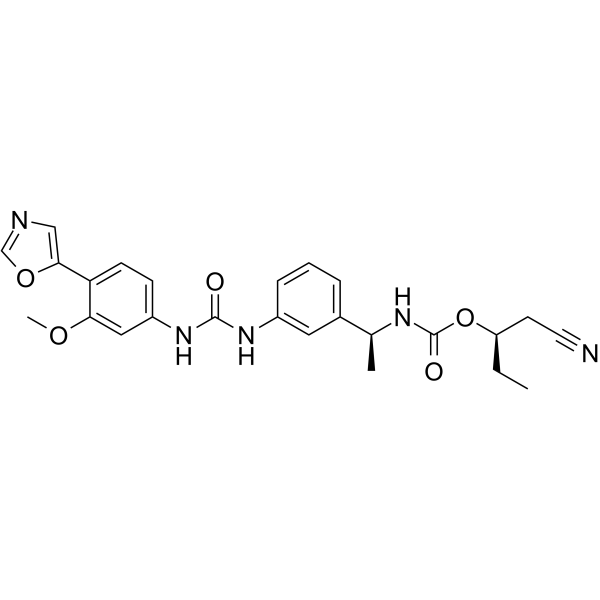
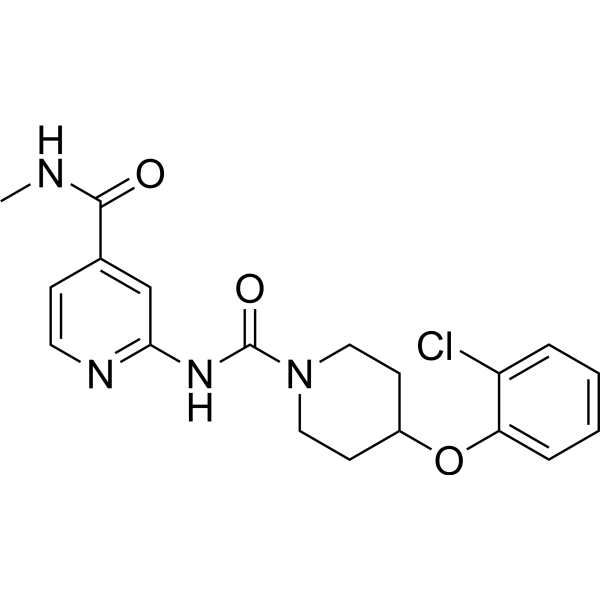
AVN-944 (VX-944) is an orally active, potent, selective, noncompetitive and specific inhibitor of IMPDH (inosine monophosphate dehydrogenase). AVN-944 is an essential rate-limiting enzyme in de novo guanine nucleotide synthesis. AVN-944 is also an inhibitor of arenavirus RNA synthesis, and blocks arenavirus infection. AVN-944 has broad anti-cancer activities, and can be used for multiple myeloma (MM) and acute myeloid leukemia (AML) research .
|
-
-
- HY-155033
-
|
|
Stearoyl-CoA Desaturase (SCD)
DNA/RNA Synthesis
Apoptosis
Autophagy
mTOR
Influenza Virus
|
Metabolic Disease
Inflammation/Immunology
Cancer
|
|
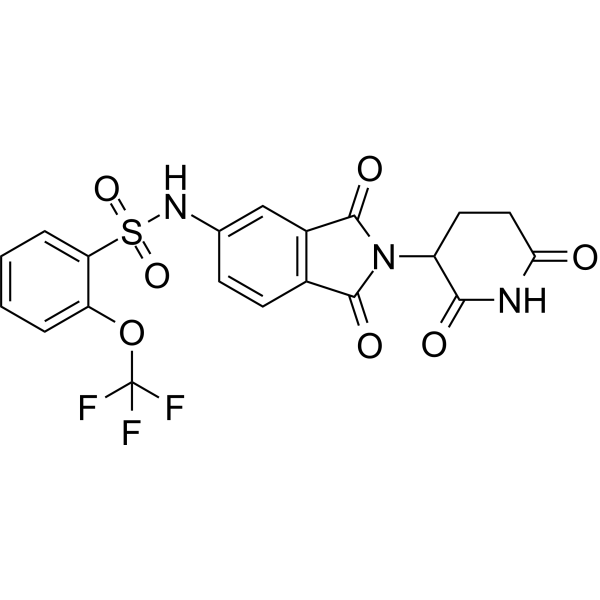
SSI-4 is an orally active stearoyl-CoA desaturase (SCD1) inhibitor with an EC50 of 1.9 nM against mouse SCD1. SSI-4 blocks the conversion of saturated fatty acids to monounsaturated fatty acids, reducing the production of oleic acid and palmitoleic acid. SSI-4 induces lipid peroxidation, endoplasmic reticulum stress, DNA damage and activates apoptotic mechanisms. SSI-4 inhibits mTORC1 activity, suppresses B cell proliferation and antibody production, and induces autophagy. SSI-4 is applicable to research on cancers such as acute myeloid leukemia and renal cell carcinoma, as well as influenza infections .
|
-
-
- HY-145015
-
|
HM43239
|
FLT3
Apoptosis
|
Cancer
|
|
Tuspetinib (HM43239) is an orally active and selective FLT3 inhibitor with IC50s of 1.1 nM, 1.8 nM and 1.0 nM for FLT3 WT, FLT3 internal tandem duplication (ITD) and FLT3 D835Y kinases, respectively. Tuspetinib inhibits the kinase activity of FLT3 as a reversible type I inhibitor and modulates p-STAT5, p-ERK, SYK, JAK1/2, and TAK1. Tuspetinib inhibits the proliferation and induces the apoptosis of leukemic cells .
|
-
-
- HY-156794
-
|
DSP-5336
|
Epigenetic Reader Domain
FLT3
|
Cancer
|
Enzomenib (DSP-5336) is an orally active Menin inhibitor (IC50=1.4 nM, Kd=6.0 nM). Enzomenib disrupts the interaction between Menin and KMT2A/MLL fusion proteins, specifically inhibits the expression of leukemia driver genes such as HOX/MEIS1, and upregulates ITGAM. Enzomenib effectively induces cell differentiation, inhibits tumor cell proliferation, and suppresses primitive cell colony formation. Enzomenib reduces disease burden and prolongs survival, but causes adverse reactions including differentiation syndrome and QTc interval prolongation. Enzomenib is used for research on relapsed/refractory acute myeloid leukemia, acute lymphoblastic leukemia, and other hematologic malignancies with mixed lineage leukemia (MLL) rearrangements or NPM1 mutations .
|
-
-
- HY-172581
-
|
|
FLT3
Apoptosis
Ras
p38 MAPK
PI3K
Akt
JAK
STAT
|
Cancer
|
|
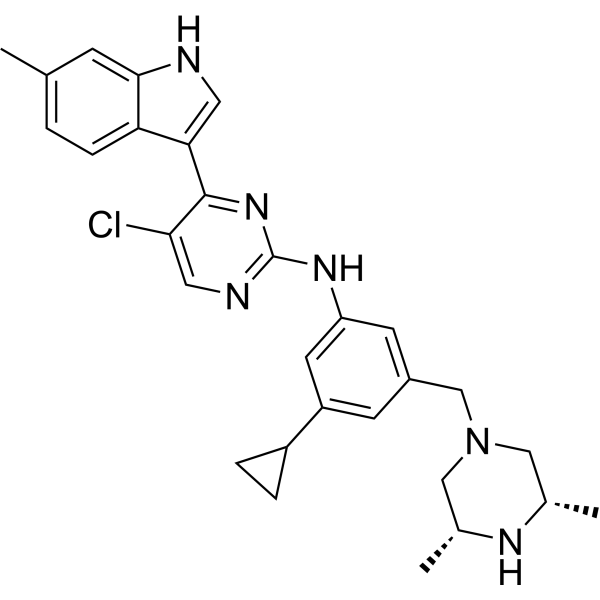
Clifutinib is an orally active and selective internal tandem duplication mutation of FMS-like tyrosine kinase 3 (FLT3-ITD) inhibitor with an IC50 value of 15.1 nM. Clifutinib exerts strong antiproliferative effects on FLT3-ITD acute myeloid leukemia (AML) cell lines (MV-4-11: IC50 = 1.5 nM; MOLM-13: IC50 = 1.4 nM). Clifutinib inhibits the activity of FLT3-ITD kinase and blocks the downstream RAS/MAPK, PI3K/AKT, and JAK/STAT5 signaling pathways of FLT3. Clifutinib induces apoptosis of acute myeloid leukemia (AML) cells with FLT3-ITD mutations. Clifutinib demonstrates significant antitumor efficacy in mice bearing MV-4-11 or MOLM-13 xenografts. Clifutinib is promising for research of relapsed/refractory FLT3-ITD-positive acute myeloid leukemia .
|
-
-
- HY-161615
-
|
|
PROTACs
ATM/ATR
Apoptosis
|
Inflammation/Immunology
Cancer
|
|
PROTAC ATR degrader-2 is a selective ATR PROTAC degrader. PROTAC ATR degrader-2 degrades ATR in acute myeloid leukemia (AML) cells MV-4-11 and MOLM-13, with DC50 values of 22.9 nM and 34.5 nM, respectively. PROTAC ATR degrader-2 has an IC50 of 29.6 nM against ATR, and its IC50 values against ATM and PI3K are both greater than 2000 nM. PROTAC ATR degrader-2 induces apoptosis, DNA damage, and upregulates p53 expression. PROTAC ATR degrader-2 inhibits cancer cell proliferation through the kinase-independent function of ATR protein. PROTAC ATR degrader-2 is applicable to research related to acute myeloid leukemia .
|
-
-
- HY-143889
-
|
|
CDK
|
Cancer
|
|
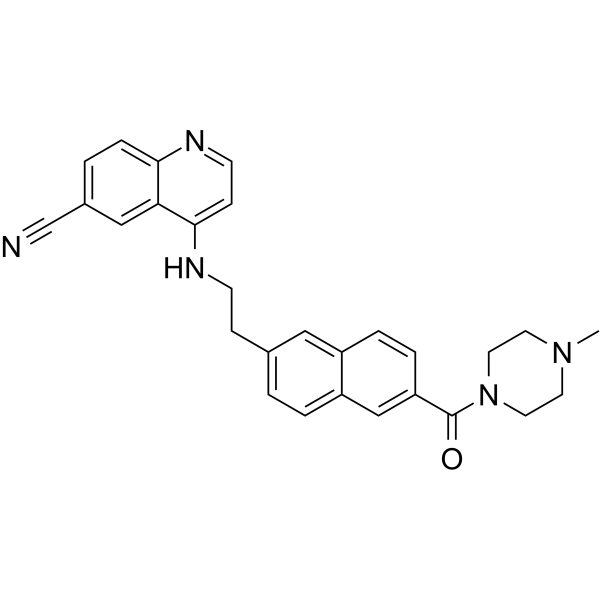
Senexin C is a selective and orally active CDK8/19 inhibitor. Senexin C shows a strong tumor-enrichment pharmacokinetic (PK) profile and tumor-pharmacodynamic (PD) marker responses. Senexin C inhibits the growth of MV4-11 leukemia cells with good tolerability .
|
-
-
- HY-155361
-
|
|
PROTACs
Epigenetic Reader Domain
|
Cancer
|
|
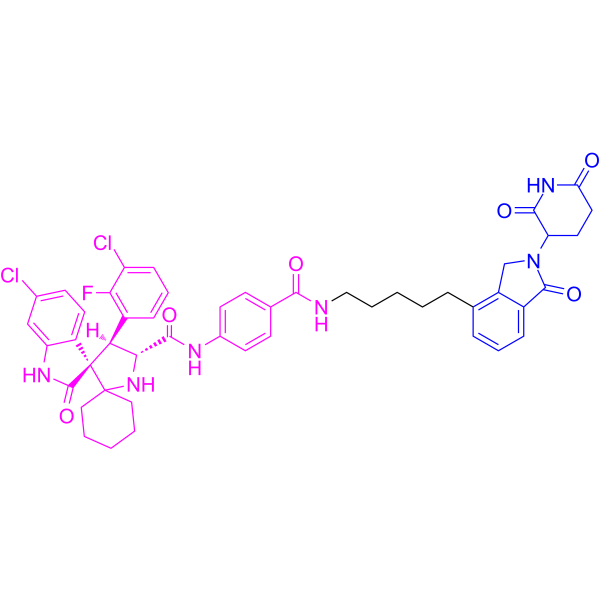
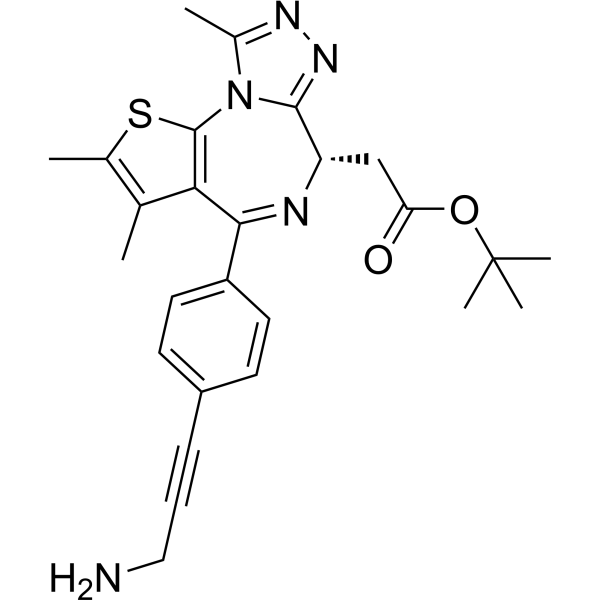
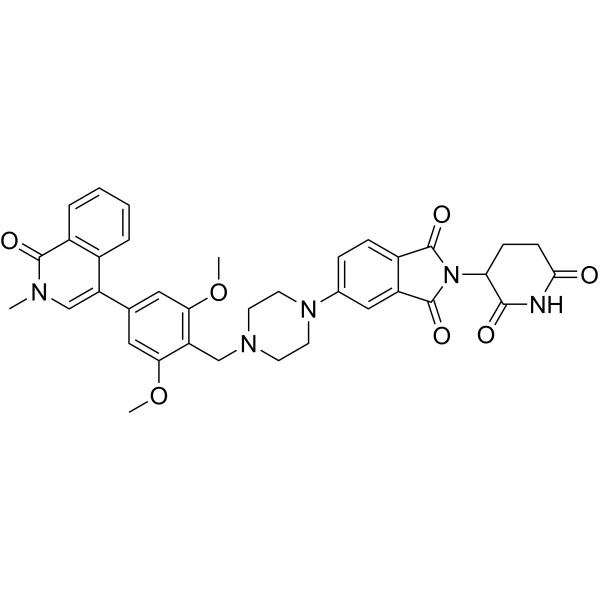
PROTAC BRD9 Degrader-7 is an orally active, selective BRD9 PROTAC degrader (DC50 = 1.02 nM). PROTAC BRD9 Degrader-7 mediates BRD9 degradation via the ubiquitin-proteasome system. PROTAC BRD9 Degrader-7 exhibits proliferation inhibitory activity in the MV4-11 cells. PROTAC BRD9 Degrader-7 can be used in the research of acute myeloid leukemia and other related malignancies. (Pink: BI 7271: HY-123616, Blue: 5-Aminothalidomide: HY-W023573, Blue + Black: Thalidomide-5-piperazine: HY-W834174, Black: N,N'-Dimethylpiperazine: HY-W539783) .
|
-
-
- HY-153495
-
|
BP1001
|
Bcl-2 Family
Apoptosis
Reactive Oxygen Species (ROS)
|
Cancer
|
|
Prexigebersen (BP1001) is an antisense oligonucleotide targeting Bcl-2 and Grb2. Prexigebersen exhibits antileukemic activity in cell models. Prexigebersen induces apoptosis (apoptosis), cell cycle arrest and ROS production in leukemia cells. Prexigebersen inhibits Grb2 expression, thereby suppressing tumor growth and survival. Prexigebersen can be used in studies related to acute myeloid leukemia .
|
-
-
- HY-139901
-
|
|
Checkpoint Kinase (Chk)
|
Cancer
|
|
Chk1-IN-6 is a selective and orally active Chk1 inhibitor with an IC50 of 16.1 nM. Chk1-IN-6 shows antiproliferative activity of MV-4-11 cells. Chk1-IN-6 exerts effective response in the MV-4-11 xenograft mouse model. Chk1-IN-6 exhibits synergistic anticancer effect with Gemcitabine (HY-17026). Chk1-IN-6 can be used in the research of cancers such as acute myeloid leukemia and colorectal adenocarcinoma .
|
-
-
- HY-169093
-
|
|
PROTACs
Epigenetic Reader Domain
Apoptosis
|
Cancer
|
|
MS41 is a selective eleven-nineteen leukemia (ENL) PROTAC degrader, with DC50s of 3.50 nM (MV4;11), 2.84 nM (SEMK2), 3.03 nM (Jurkat), and 26.58 nM (KASUMI1), respectively. MS41 effectively inhibits the growth of ENL-dependent leukemia cells, induces G1 cell cycle arrest and increases apoptosis. MS41 reduces the chromatin occupancy of ENL-associated transcription elongation machinery, and suppresses oncogenic gene expression and leukemia progression. Red: ENL ligand (HY-169094). Black: linker (HY-W105744). Blue: VHL ligand (HY-112078) .
|
-
-
- HY-173422
-
|
|
PROTACs
Histone Methyltransferase
|
Cancer
|
|
MS2133 is a DOT1L PROTAC degrader. MS2133 promotes ubiquitination and degradation of DOT1L in THP-1 and MV4-11 cells (DC50: 56 nM and 25 nM, respectively), and reduces H3K79 methylation. MS2133 inhibits the growth of MLL-r leukemia cells and has anticancer activity. (Pink: DOT1L ligand (HY-173423); Blue: E3 ligase VHL ligand (HY-47070); Black: Linker (HY-79577); E3 ligase VHL ligand-linker conjugate (HY-173424)) .
|
-
-
- HY-178858
-
|
|
PROTACs
FLT3
Checkpoint Kinase (Chk)
STAT
ERK
c-Myc
Akt
|
Cancer
|
|
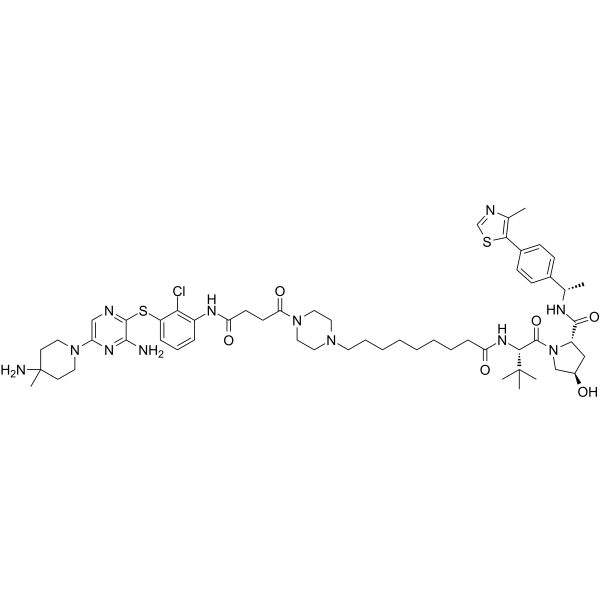
PROTAC FLT3/CHK1 Degrader-1 is a PROTAC FLT3/CHK1 degrader, with DC50 values of 5.88 nM (FLT3) and 4.17 nM (CHK1), respectively. PROTAC FLT3/CHK1 Degrader-1 can inhibit the phosphorylation of FLT3 downstream signaling effectors STAT5 (Tyr694), AKT (Ser473), and ERK (Tyr204), downregulate the protein level of c-Myc and maintain the expression of p53 protein. PROTAC FLT3/CHK1 Degrader-1 induces apoptosis in MV-4-11 cells. PROTAC FLT3/CHK1 Degrader-1 shows significant anti-tumor efficacy in mice bearing MV-4-11 subcutaneous xenografts. PROTAC FLT3/CHK1 Degrader-1 can be used for the study of acute myeloid leukemia (AML). (Pink: FLT3/CHK1 ligand (HY-178869 ), Blue: CRBN Ligand (HY-W093272), Black: Linker, E3 ligase ligand-linker conjugate (HY-W998238)) .
|
-
-
- HY-173631
-
|
|
PROTACs
|
Cancer
|
|
(S)-dHTC1 is a molecular glue degrader targeting the transcriptional co-activator ENL. (S)-dHTC1 binds the ligase with high affinity only after forming the ENL:dHTC1 complex with an IC50 value of 93 nM. (S)-dHTC1 degrades ENL in MV4;11 cells with a DC50 value of 26 nM. (S)-dHTC1 can be used for acute myeloid leukemia study .
|
-
-
- HY-115906
-
|
|
FLT3
MNK
Apoptosis
|
Cancer
|
|
K783-0308 is a potent and selective dual inhibitor of FLT3 and MNK2 with IC50 values of 680 and 406 nM, respectively. K783-0308 inhibits the growth of MOLM-13 (IC50=10.5 µM) and MV-4-11 (IC50=10.4 µM) cells. K783-0308 promotes acute myeloid leukemia (AML) cell apoptosis and cell cycle arrests in the G0/G1 phase .
|
-
-
- HY-149595
-
|
|
Histone Demethylase
|
Cancer
|
|
LSD1-UM-109 is a ighly potent and reversible LSD1 inhibitor with an IC50 of 3.1 nM. LSD1-UM-109 inhibits cell growth with IC50 values of 0.6 nM in the MV4;11 acute leukemia cell line and 1.1 nM in the H1417 small-cell lung cancer cell line .
|
-
-
- HY-153751
-
|
|
Epigenetic Reader Domain
|
Cancer
|
|
BRD4-IN-4 (Compound 1) is a BRD4 inhibitor (IC50=6.83 μM). BRD4-IN-4 selectively inhibits MV4-11 cell line proliferation and arrests cell at G1 phase. BRD4-IN-4 can be used for research of MLL leukemia .
|
-
-
- HY-179272
-
|
|
Wee1
HDAC
Apoptosis
|
Cancer
|
|
Wee1/HDAC-IN-1 is a dual Wee1/HDAC inhibitor with an IC50 of 1.2 nM for Wee1 and IC50 values of 196 nM for HDAC1, 156 nM for HDAC3, and 55 nM for HDAC6. Wee1/HDAC-IN-1 exhibits strong antiproliferative activity against MV4-11 cells with an IC50 of 0.076 μM. Wee1/HDAC-IN-1 selectively binds to Wee1 and HDACs. Wee1/HDAC-IN-1 interferes with DNA damage repair pathways and induces apoptosis in MV4-11 cells. Wee1/HDAC-IN-1 Wee1/HDAC-IN-1 can be used for the research of acute myeloid leukemia (AML) .
|
-
-
- HY-174911
-
|
|
FLT3
Apoptosis
|
Cancer
|
|
FLT3-IN-33 (Compound 7r) is a FLT3 inhibitor with an IC50 of 7.82 nM. FLT3-IN-33 has superior anticancer activities against acute myeloid leukemia (AML) cells, such as MV4-11 and MOLM-13 cells. FLT3-IN-33 significantly induces cell apoptosis and inhibits phosphorylation of FLT3 pathways. FLT3-IN-33 can be used for AML and other cancers research .
|
-
-
- HY-175610
-
|
|
PROTACs
FLT3
JAK
Epigenetic Reader Domain
|
Cancer
|
|
PROTAC FLT3/JAK2/BRD4 Degrader-1 is a PROTAC degrader that target FLT3, JAK2, and BRD4 with DC50 values of 5.23, 0.678, and 1.17 nM, respectively. PROTAC FLT3/JAK2/BRD4 Degrader-1 exhibits potent antiproliferative activity against MV4;11 cells (IC50 = 0.79 nM) and FLT3 mutant-transformed Ba/F3 cells. PROTAC FLT3/JAK2/BRD4 Degrader-1 induces apoptosis in MV4;11 cells. PROTAC FLT3/JAK2/BRD4 Degrader-1 demonstrates significant anti-tumor efficacy in the MV4;11 xenograft model established in NOD SCID mice. PROTAC FLT3/JAK2/BRD4 Degrader-1 can be used for the study of acute myeloid leukemia (AML). (Pink: FLT3/JAK2/BRD4 ligand (HY-175611), Blue: CRBN Ligand (HY-W087383), Black: Linker, E3 ligase ligand-linker conjugate (HY-W897939)) .
|
-
-
- HY-155529
-
|
|
Pim
|
Cancer
|
|
FD1024 is PIM inhibitor (IC50s: 1.96, 38.9, 4.17 nM for PIM1, 2, 3). FD1024 can be used for research of acute myeloid leukemia. FD1024 has strong antiproliferative activity against the tested AML cell lines, with 0.16 μM, 0.12 μM, 1.05 μM, 1.39μM for EOL-1, MV-4-11, KG-1, MOLM-16 cells. FD1024 also has antitumor efficacy in mice .
|
-
-
- HY-179382
-
|
|
FLT3
Apoptosis
|
Cancer
|
|
HSB401 is an orally active FLT3 inhibitor (IC50: 28, 5, 72, 51 nM for FLT3-WT, FLT3-D835Y, FLT3-ITD-F691L, FLT3-ITD, respectively). HSB401 downregulates FLT3 signaling and induces cell cycle arrest and apoptosis. HSB401 spares c-KIT inhibition, thereby reducing the risk of myelosuppression. HSB401 significantly suppresses tumor growth in the MV4-11 xenograft mouse model. HSB401 can be used for the research of acute myeloid leukemia .
|
-
-
- HY-177766
-
|
|
Molecular Glues
Apoptosis
|
Cancer
|
|
GSPT1 degrader-17 (Compound 9q) is a potent and selective cereblon-based molecular glue degrader that targets G1 to S phase transition 1 (GSPT1). GSPT1 degrader-17 degrades GSPT1 in U937 cells with a DC50 of 35 nM and Dmax of 81.65%. GSPT1 degrader-17 has a strong inhibitory effect on U937, MOLT-4 and MV4-11 cells with IC50 values of 0.019, 0.006 and 0.027 μM. GSPT1 degrader-17 can induce cells apoptosis and G0/G1 phase arrest. GSPT1 degrader-17 can be used for the research of cancer, such as acute myeloid leukemia .
|
-
-
- HY-145015A
-
|
HM43239 hydrate
|
FLT3
Apoptosis
|
Cancer
|
|
Tuspetinib (HM43239) hydrate is an orally active and selective FLT3 inhibitor with IC50s of 1.1 nM, 1.8 nM and 1.0 nM for FLT3 WT, FLT3 internal tandem duplication (ITD) and FLT3 D835Y kinases, respectively. Tuspetinib hydrate inhibits the kinase activity of FLT3 as a reversible type I inhibitor and modulates p-STAT5, p-ERK, SYK, JAK1/2, and TAK1. Tuspetinib hydrate inhibits the proliferation and induces the apoptosis of leukemic cells .
|
-
-
- HY-149474
-
|
|
FLT3
HDAC
Apoptosis
|
Cancer
|
|
HDAC-IN-63 (Compound 63) is a dual FLT3/HDAC inhibitor (IC50: 0.844 and 30.0 nM for FLT3 and HDAC1 respectively). HDAC-IN-63 inhibits MV4-11 cell proliferation (IC50: 92 nM. HDAC-IN-63 induces apoptosis and arrests cell cycle in MV4-11 cells. HDAC-IN-63 can be used for research of acute myeloid leukemia (AML) .
|
-
-
- HY-145015B
-
|
HM43239 dihydrochloride
|
FLT3
Apoptosis
|
Cancer
|
|
Tuspetinib (HM43239) dihydrochloride is an orally active and selective FLT3 inhibitor with IC50s of 1.1 nM, 1.8 nM and 1.0 nM for FLT3 WT, FLT3 internal tandem duplication (ITD) and FLT3 D835Y kinases, respectively. Tuspetinib dihydrochloride inhibits the kinase activity of FLT3 as a reversible type I inhibitor and modulates p-STAT5, p-ERK, SYK, JAK1/2, and TAK1. Tuspetinib dihydrochloride inhibits the proliferation and induces the apoptosis of leukemic cells .
|
-
-
- HY-173123
-
|
|
Histone Demethylase
Apoptosis
|
Cancer
|
|
LSD1-IN-40 (Compound 9e) is a potent LSD1 inhibitor, with an IC50 of 9.85 nM. LSD1-IN-40 exhibits exceptional selectivity for LSD1 over both MAOs and hERG. LSD1-IN-40 exhibits significant inhibitory activity against leukemia cells (MV-4-11, HL-60, and THP-1 cells). LSD1-IN-40 can induce apoptosis in MV-4-11 cells. LSD1-IN-40 has the potential for the research of acute myeloid leukemia .
|
-
-
- HY-169389
-
|
|
PROTACs
WDR5
|
Cancer
|
|
OICR41114 is a WDR5 PROTAC degrader with an EC50 of 40 nM. OICR41114 binds both DCAF1 and WDR5, and its binding affinity for DCAF1 is significantly enhanced in the presence of WDR5 (KD increases from 59 nM to 5 nM). OICR41114 exerts antiproliferative effects on MV4-11 cells. OICR41114 can be used for the research of acute myeloid leukemia .
|
-
-
- HY-178020
-
|
|
FLT3
ERK
Akt
Apoptosis
|
Cancer
|
|
FLT3-IN-34 is a FLT3 inhibitor, with an IC50 value of 1.4 nM. FLT3-IN-34 blocks the phosphorylation of FLT3 and its downstream signaling molecules AKT and ERK1/2. FLT3-IN-34 induces concentration-dependent G0/G1 phase arrest and mild apoptosis in FLT3-ITD-positive MV4-11 cells. FLT3-IN-34 shows potent anti-proliferative activity against FLT3-ITD-positive MV4-11 cells (IC50 = 14.95 nM) and MOLM-13 (IC50 = 18.5 nM). FLT3-IN-34 can be used for the study of FLT3-positive acute myeloid leukemia (AML) .
|
-
-
- HY-161733
-
|
|
Bcl-2 Family
|
Cancer
|
|
GQN-B37-Me is a MCL-1 inhibitor. GQN-B37-Me induces caspase-dependent apoptosis. GQN-B37-Me exhibits noteworthy cytotoxicity in H929 (IC50 = 3.71 μM) and MV-4-11 (IC50 = 5.57 μM) cells. GQN-B37-Me can be used for the research of leukemia .
|
-
-
- HY-155245
-
|
|
CDK
Bcl-2 Family
|
Cancer
|
|
A09-003 is a CDK-9 inhibitor (IC50: 16 nM). A09-003 inhibits leukemia cell proliferation (IC50: 1.90, 0.86, 2.49, 1.84, 0.48 μM for BDCM, Molm-14, THP-1, U937, MV4-11 cells). A09-003 induces apoptosis and decreases Mcl-1 expression through Thr163 dephosphorylation .
|
-
-
- HY-149539
-
|
|
FLT3
RET
|
Cancer
|
|
PLM-101 is an orally available anticancer agent targeting FLT3 and RET with inhibitory activity against acute myeloid leukemia cells. PLM-101 inhibits RET, thereby inducing autophagic degradation of FLT3; and it inhibits the PI3K and Ras/ERK pathways, resulting in anti-leukemia activity. PLM-101 has anti-tumor efficacy in a mouse MV4-11 flank xenograft model (dose: 3, 10 mg/kg; po) and an allogeneic xenograft mouse model (dose: 40 mg/kg; po) .
|
-
-
- HY-161710
-
|
|
PROTACs
Epigenetic Reader Domain
Histone Acetyltransferase
|
Cancer
|
|
XYD129 is an effective CBP/p300 PROTAC degrader. XYD129 has antiproliferative activity on MV4-11 cell line (IC 50=0.044 μM). XYD129 can be used for the study of acute myeloid leukemia (AML). (Structure Note: Pink, CBP/p300 ligand 5 (HY-161711); Blue, E3 ligase ligand (HY-41547); Black, Linker (HY-40178)) .
|
-
-
- HY-174437A
-
|
|
FLT3
|
Cancer
|
|
FLT3-IN-32 TFA is a potent FLT3 inhibitor with an IC50s of 2.40 nM and 3.83 nM against FLT3-ITD and FLT3-D835Y. FLT3-IN-32 TFA inhibits proliferation/survival of human MV4-11 cells with an IC50 of 0.07 nM. FLT3-IN-32 TFA can be used for the study of acute myeloid leukemia (AML) .
|
-
-
- HY-175473
-
|
|
FLT3
Apoptosis
|
Cancer
|
|
HI042 is a FMS-like Tyrosine Kinase 3 (FLT3) inhibitor. HI042 shows IC50 values of 0.62 μM for MOLM-13, 0.33 μM for MV4-11, and 0.89 μM for OCI-AML3 cells. HI042 selectively reduces the viability of FLT3-internal tandem duplication
(FLT3-|TD) mutations-positive cell lines, induces apoptosis, disrupts cell cycle progression, and diminishes the clonogenic potential. HI042 can be used for the research of acute myeloid leukemia (AML) .
|
-
-
- HY-170576
-
|
|
FLT3
STAT
Apoptosis
|
Cancer
|
|
FLT3-IN-28 (Compound 12y) is an orally active FLT3 inhibitor with antitumor activity. FLT3-IN-28 selectively inhibits cancer cells harboring the FLT3 internal tandem duplication (ITD) mutation, with IC50 values of 85, 290, 130, 65, and 220 nM for BaF3-FLT3-ITD, BaF3-TEL-VEGFR2, MV4-11, MOLM-13, and MOLM-14 cell lines respectively (MV4-11 and MOLM-13/14 are acute myeloid leukemia (AML) cell lines carrying the FLT3-ITD mutation). Additionally, FLT3-IN-28 can downregulate the phosphorylation levels of FLT3 and STAT5 in MOLM-13 cells and induce cell cycle arrest and Apoptosis. FLT3-IN-28 has an oral bioavailability of 19.2% in SD rats and can prolong survival in a dose-dependent manner in NSG mice xenografted with MOLM-13 cells. FLT3-IN-28 holds promise for research in cancer fields related to FLT3-ITD .
|
-
-
- HY-143894
-
|
|
FLT3
|
Cancer
|
|
FLT3-IN-11 (compound 30) is a potent, selective and orally active FLT3 kinase inhibitor with IC50s of 7.22 nM and 4.95 nM for wild-type FLT3 and FLT3-D835Y, respectively. FLT3-IN-11 high selectivity for FLT3 over c-KIT (>1000-fold). FLT3-IN-11has excellent anti-acute myeloid leukemia (AML) activity (MV4-11 cells, IC50 of 3.2 nM) .
|
-
-
- HY-174437B
-
|
|
FLT3
Apoptosis
STAT
p38 MAPK
Akt
|
Cancer
|
|
FLT3-IN-32 hydrochloride is a potent and orally active FLT3 inhibitor with an IC50s of 0.29 nM, 0.77 nM and 2.07 nM against FLT3-ITD, FLT3-D835Y and FLT-N676K. FLT3-IN-32 hydrochloride reduces the phosphorylation of FLT3 and its downstream signaling molecules (STAT5, MAPK, AKT) to induce FLT3-mutated Ba/F3 cells apoptosis. FLT3-IN-32 hydrochloride shows significant anti-tumor efficacy in n the MV4-11 xenograft model. FLT3-IN-32 hydrochloride can be used for the study of acute myeloid leukemia (AML) .
|
-
-
- HY-161732
-
|
|
Bcl-2 Family
|
Cancer
|
|
GQN-B37-E is a potent selective binder and inhibitor of MCL-1. GQN-B37-E binds to the BH3-domain-binding pocket in MCL-1. GQN-B37-E exhibits binding affinity for MCL-1 at the submicromolar range (Ki = 0.6 μM) without apparent binding to BCL-2 or BCL-XL .
|
-
-
- HY-172889
-
|
|
PI3K
HDAC
Apoptosis
mTOR
Akt
|
Cancer
|
|
PI3K/HDAC-IN-4 (Compound 31f) is a PI3K/HDAC dual inhibitor (IC50: 0.2μM). PI3K/HDAC-IN-4 shows high selectivity for HDAC1-3 (IC50 values of 75.5 nM, 70.9 nM, and 1.9 nM, respectively). PI3K/HDAC-IN-4 is a potent PIK3 inhibitor with IC50 values of 2.5 nM, 80.5 nM, 10.0 nM, and 57.2 nM for PI3Kα, β, δ, and γ, respectively. PI3K/HDAC-IN-4 significantly induces tumor cell apoptosis by simultaneously inhibiting the PI3K/AKT/mTOR signaling pathway and HDAC1-3. PI3K/HDAC-IN-4 exhibits potent antiproliferative activity in a variety of tumor cell lines (e.g., MV4-11, Jeko-1, HL60, and MCF-7, with IC50 values of 0.2, 0.9, 0.8, and 1.5 μM, respectively). PI3K/HDAC-IN-4 can be used in the study of lymphoma and leukemia .
|
-
-
- HY-158147
-
|
|
PI3K
|
Cancer
|
|
PI3Kδ-IN-20 (compound (S)-36) is a potent inhibitor of PI3Kδ, with the IC50 of 6.4 nM. PI3Kδ-IN-20 has oral bioactivity. PI3Kδ-IN-20 shows significant suppression of cell proliferation and remarkable induction of apoptosis both in vitro and in vivo .
|
-
-
- HY-180430
-
|
|
Drug Derivative
|
Cancer
|
|
Antitumor agent-208, a Bufalin (HY-N0877) analogue, is a potent and orally active antitumor agent. Antitumor agent-208 exhibits antiproliferative activity against tumor cell line (IC50 =0.30-1.09 nM). Antitumor agent-208 inhibits tumor growth in a MV-4-11 xenograft mouse model. Antitumor agent-208 can be used for cancer research, such as acute myeloid leukemia (AML) and non-small cell lung cancer (NSCLC) .
|
-
-
- HY-144675A
-
|
|
Histone Demethylase
|
Cancer
|
|
LSD1-IN-13 hydrochloride (compound 7e) is an orally active and potent LSD1 inhibitor, with an IC50 of 24.43 nM. LSD1-IN-13 hydrochloride can activate CD86 expression, with an EC50 of 470 nM. LSD1-IN-13 hydrochloride induces differentiation of AML (acute myeloid leukemia) cell lines .
|
-
-
- HY-144675
-
|
|
Histone Demethylase
|
Cancer
|
|
LSD1-IN-13 (compound 7e) is an orally active and potent LSD1 inhibitor, with an IC50 of 24.43 nM. LSD1-IN-13 can activate CD86 expression, with an EC50 of 470 nM. LSD1-IN-13 induces differentiation of AML (acute myeloid leukemia) cell lines .
|
-
-
- HY-181854
-
|
|
PROTACs
Epigenetic Reader Domain
Histone Acetyltransferase
c-Myc
Caspase
Apoptosis
|
Cancer
|
|
ZX079 is a dual BRD4 and CBP PROTAC degrader with a BRD4 DC50 value of 0.035 nM and a CBP DC50 value of < 0.02 nM. ZX079 induces dose- and time-dependent degradation of BRD4 and CBP proteins through recruitment of the cereblon E3 ligase. ZX079 induces apoptosis in MV4-11 and MOLM-13 cells, reduces tumor growth in an acute myeloid leukemia xenograft model. ZX079 can be used for the research of acute myeloid leukemia .
|
-
-
- HY-180912
-
|
|
CDK
Apoptosis
|
Cancer
|
|
HS-36 is a highly selective and orally active dual inhibitor of CDK4 and CDK9 with IC50 values of 18.9 and 4.2 nM respectively. HS-36 exhibits nanomolar-level potent activity against various cancer cells, inducing G0/G1 phase arrest and promoting cell apoptosis. HS-36 efficiently inhibits tumor growth in a mouse model of MV-4-11 tumors. HS-36 can be used for the study of acute myeloid leukemia .
|
-
-
- HY-181735
-
|
|
Ligands for Target Protein for PROTAC
Epigenetic Reader Domain
|
Cancer
|
|
BET-IN-30 (Compound 11d) is a BTE family protein inhibitor, which can act as a BRD2/BRD3/BRD4 target protein ligand and be used for the synthesis of PROTACs, such as PROTAC BET Degrader-15 (HY-181729). BET-IN-30 exhibits potent anti-proliferative activity against acute myeloid leukemia (AML) cells such as MV4-11. BET-IN-30 can be used for the study of AML .
|
-
-
- HY-180836
-
|
|
Molecular Glues
IKZF Family
Apoptosis
|
Cancer
|
|
DIX-01 is a molecular gel degrader that can simultaneously induce the degradation of IKZF1/3 and GSPT1 mediated by CRBN. Its DC50 values are: IKZF1 (19.80 nM), IKZF3 (45.31 nM), and GSPT1 (120.1 nM). DIX-01 exhibits nanomolar-level potent anti-proliferative activity in various cancer cell lines. DIX-01 induces apoptosis in MV4-11 cells and significantly inhibits the growth of leukemia cells in zebrafish. DIX-01 can be used for the study of malignant hematological tumors .
|
-
-
- HY-182937
-
|
|
FLT3
STAT
Akt
ERK
Caspase
PARP
Bcl-2 Family
Apoptosis
|
Cancer
|
|
FLC-8 is an orally active FLT3 inhibitor with IC50 values of 10.2 nM, 11.6 nM and 24.10 nM against human FLT3-WT, FLT3-G697R and FLT3-N676D, respectively. FLC-8 inhibits FLT3 autophosphorylation and downstream STAT5, AKT and ERK signaling pathways, and induces apoptosis in acute myeloid leukemia (AML) cells. FLC-8 exhibits potent antitumor activity in the MV4-11 xenograft model. FLC-8 can be used for the research of acute myeloid leukemia .
|
-
-
- HY-181790
-
|
|
Ligands for Target Protein for PROTAC
Histone Methyltransferase
|
Cancer
|
|
DOT1L ligand-2 (Compound 52) is a DOT1L ligand. DOT1L ligand-2 acts as a Ligand for Target Protein for PROTAC, which is used to develop and design degraders of PROTAC DOT1L, such as DOT1L808 (HY-181789). DOT1L ligand-2 is applicable to research related to MLL-rearranged leukemia .
|
-
- HY-182793
-
|
|
Histone Methyltransferase
|
Cancer
|
|
MLL1-IN-1 is an orally active MLL1 inhibitor with an IC50 of 0.043 μM. MLL1-IN-1 induces Menin protein degradation and inhibits the proliferation of leukemia cells. MLL1-IN-1 can induce tumor regression in leukemia-bearing mice. MLL1-IN-1 is useful for research into MLL1-associated leukemia .
|
-
- HY-185340
-
|
|
CDK
|
Cancer
|
|
CDK9-IN-49 is a CDK9 inhibitor with an IC50 of 7.32 nM. CDK9-IN-49 inhibits the proliferation of various cancer cells. CDK9-IN-49 can be used in the research of cancers such as acute myeloid leukemia and prostate cancer .
|
-
- HY-185339
-
|
|
CDK
|
Cancer
|
|
CDK9-IN-48 is a CDK9 inhibitor with an IC50 of 1.37 nM. CDK9-IN-48 inhibits the proliferation of various cancer cells. CDK9-IN-48 can be used in the research of cancers such as acute myeloid leukemia and prostate cancer .
|
-
- HY-181787
-
|
|
PROTACs
Histone Methyltransferase
|
Cardiovascular Disease
|
|
DOT1L705 is a PROTAC degrader that targets DOT1L. DOT1L705 recruits the VHL E3 ubiquitin ligase to induce proteasomal degradation of DOT1L. DOT1L705 reduces the viability of leukemia cells. DOT1L705 inhibits H3K79 methylation. DOT1L705 can be used in studies related to MLL-rearranged leukemia .
|
-
- HY-182800
-
|
|
Molecular Glues
Casein Kinase
|
Cancer
|
|
IBA-11 is a selective CRBN-dependented CK1α molecular glue degrader. IBA-11 binds to the canonical tri-tryptophan pocket of CRBN, forming a ternary complex with CK1α to mediate its degradation. IBA-11 induces CRBN-dependent ubiquitin-proteasome system-mediated degradation of CK1α. IBA-11 exhibits cytotoxicity against cancer cells. IBA-11 demonstrates in vitro metabolic stability in rat liver microsomes and minimal hERG inhibition. IBA-11 can be used for the research of cancer, such as acute myeloid leukemia .
|
-
- HY-182956
-
|
|
Molecular Glues
DNA Methyltransferase
|
Cancer
|
|
DNMT1 Degrader-1 is a selective DNMT1 degrader with an IC50 of 202.87 nM and a Kd value of 122 nM. As a molecular glue, DNMT1 Degrader-1 forms a ternary complex with DNMT1 and UHRF1, thereby triggering UHRF1-mediated ubiquitination and degradation of DNMT1, and inhibiting the enzymatic activity of DNMT1. DNMT1 Degrader-1 inhibits the proliferation of primary acute myeloid leukemia cells and exerts anti-tumor activity. DNMT1 Degrader-1 can be used for the research of acute myeloid leukemia .
|
-
- HY-182912
-
|
|
Molecular Glues
Epigenetic Reader Domain
|
Cancer
|
|
PLX-4104 is an orally active BRD4 molecular glue degrader with a DC50 of 2 nM. PLX-4104 selectively promotes BRD4 degradation via DCAF11 recruitment, triggering ubiquitination and proteasomal breakdown. PLX-4104 inhibits cancer cell proliferation. PLX-4104 induces complete regression of AML xenograft tumors. PLX-4104 can be used for the research of acute myeloid leukemia .
|
-
- HY-183825
-
|
|
Epigenetic Reader Domain
c-Myc
|
Cancer
|
|
Eleven-Nineteen-Leukemia Protein IN-4 is a ENL YEATS domain inhibitor with an IC50 of 62.0 nM and a Kd of 100.4 nM. Eleven-Nineteen-Leukemia Protein IN-4 downregulates MYC expression and inhibits cancer cell growth; it exerts a synergistic effect with the bromodomain inhibitor JQ-1 (HY-13030). Eleven-Nineteen-Leukemia Protein IN-4 can be used in the research of acute myeloid leukemia .
|
-
| Cat. No. |
Product Name |
|
Classification |
-
- HY-153495
-
|
BP1001
|
|
Antisense Oligonucleotides
|
|
Prexigebersen (BP1001) is an antisense oligonucleotide targeting Bcl-2 and Grb2. Prexigebersen exhibits antileukemic activity in cell models. Prexigebersen induces apoptosis (apoptosis), cell cycle arrest and ROS production in leukemia cells. Prexigebersen inhibits Grb2 expression, thereby suppressing tumor growth and survival. Prexigebersen can be used in studies related to acute myeloid leukemia .
|
Your information is safe with us. * Required Fields.
Inquiry Information
- Product Name:
- Cat. No.:
- Quantity:
- MCE Japan Authorized Agent:

