1. Search Result
Search Result
Pathways Recommended: NF-κB
Results for "

NF-κB phosphorylation

" in MedChemExpress (MCE) Product Catalog:

180

Inhibitors & Agonists

2

Biochemical Assay Reagents

10

Peptides

1

Inhibitory Antibodies

102

Natural
Products

3

Isotope-Labeled Compounds

1

Click Chemistry

Cat. No. Product Name Target Research Areas Chemical Structure
  • HY-13453
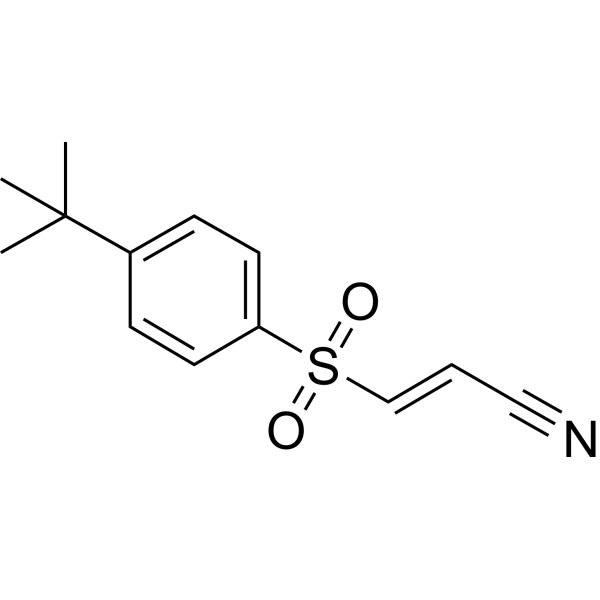
    BAY 11-7082
    Maximum Cited Publications
    450 Publications Verification

    BAY 11-7821

    IKK Deubiquitinase Autophagy Apoptosis NF-κB Inflammation/Immunology Cancer
    BAY 11-7082 is an IκBα phosphorylation and NF-κB inhibitor. BAY 11-7082 selectively and irreversibly inhibits the TNF-α-induced phosphorylation of IκB-α, and decreases NF-κB and expression of adhesion molecules. BAY 11-7082 inhibits ubiquitin-specific protease USP7 and USP21 (IC50=0.19, 0.96 μM, respectively). BAY 11-7082 inhibits gasdermin D (GSDMD) pore formation in liposomes and inflammasome-mediated pyroptosis and IL-1β secretion in human and mouse cells .
    BAY 11-7082
  • HY-N0039
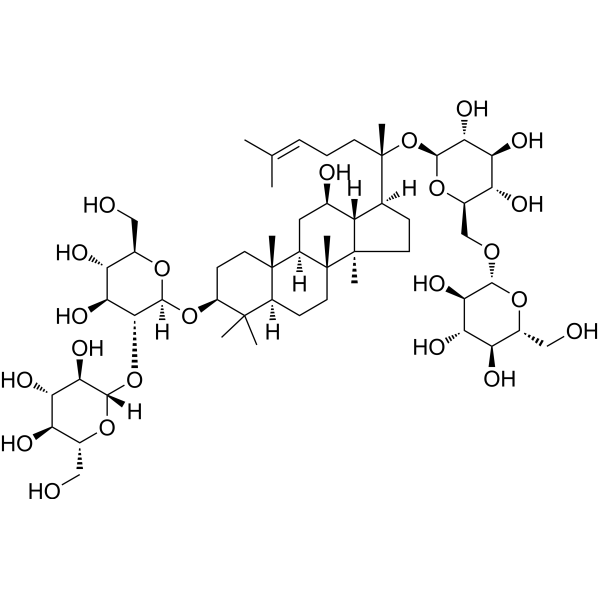
    Ginsenoside Rb1
    10+ Cited Publications

    Gypenoside III

    Na+/K+ ATPase IRAK NF-κB Autophagy Mitophagy HSV Inflammation/Immunology Cancer
    Ginsenoside Rb1, a main constituent of the root of Panax ginseng, inhibits Na +, K +-ATPase activity with an IC50 of 6.3±1.0 μM. Ginsenoside also inhibits IRAK-1 activation and phosphorylation of NF-κB p65 .
    Ginsenoside Rb1
  • HY-N7140
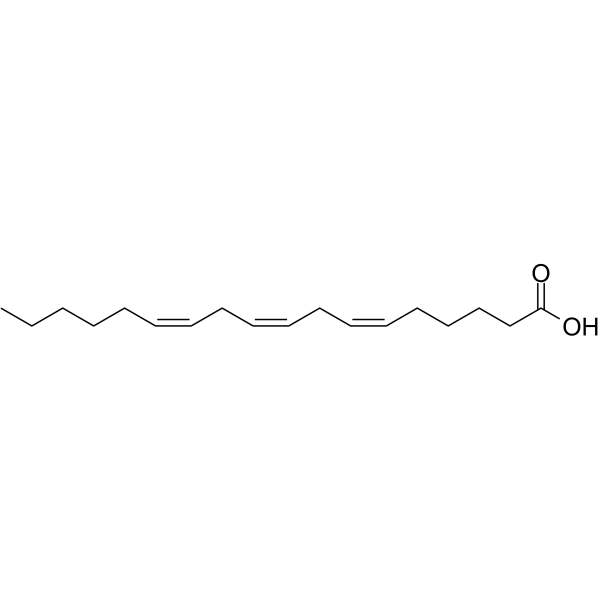
    Gamma-Linolenic acid
    5+ Cited Publications

    γ-Linolenic acid

    Endogenous Metabolite Apoptosis NF-κB ERK JNK Neurological Disease Inflammation/Immunology Cancer
    Gamma-linolenic acid (γ-Linolenic acid) is an orally active unsaturated fatty acid. Gamma-linolenic acid exerts anti-inflammatory effects by inhibiting the NF-κB pathway and the phosphorylation of ERK1/2 and JNK. At the same time, it exerts anticancer effects by inducing apoptosis (Apoptosis) in cancer cells. Additionally, Gamma-linolenic acid also has antioxidant and memory-improving effects. It holds promise for research in the fields of inflammation, neurology, and cancer diseases .
    Gamma-Linolenic acid
  • HY-10257
    BAY 11-7085
    45+ Cited Publications

    BAY 11-7083

    NF-κB Ferroptosis Apoptosis Cancer
    BAY 11-7085 (BAY 11-7083) is an inhibitor of NF-κB activation and phosphorylation of IκBα; it stabilizes IκBα with an IC50 of 10 μM .
    BAY 11-7085
  • HY-N0629
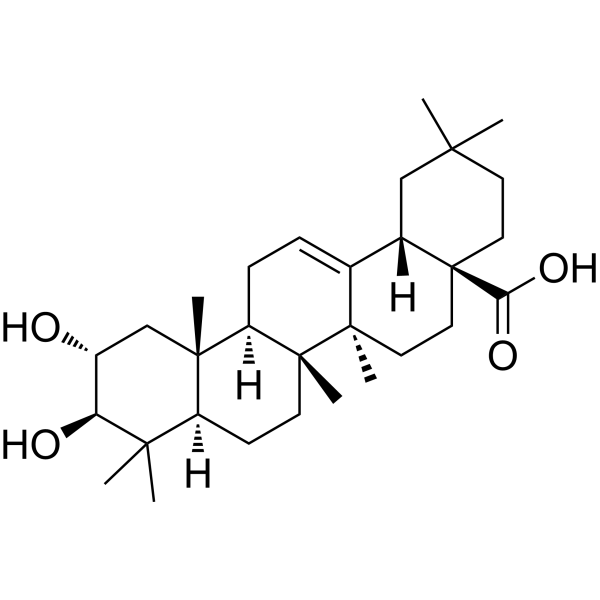
    Maslinic acid
    15+ Cited Publications

    Crategolic acid; 2α-Hydroxyoleanolic acid

    NF-κB Bacterial HIV Endogenous Metabolite Inflammation/Immunology Cancer
    Maslinic acid can inhibit the DNA-binding activity of NF-κB p65 and abolish the phosphorylation of IκB-α, which is required for p65 activation.
    Maslinic acid
  • HY-N0619
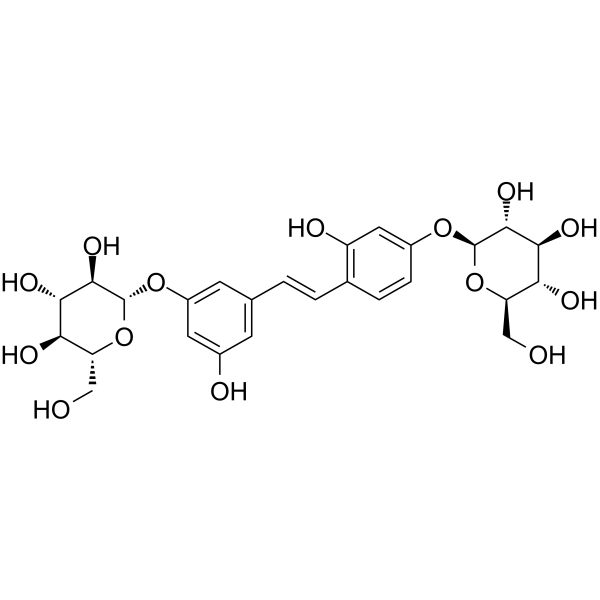
    Mulberroside A
    4 Publications Verification

    TNF Receptor Interleukin Related Tyrosinase Inflammation/Immunology
    Mulberroside A is one of the main bioactive constituent in mulberry (Morus alba L.) . Mulberroside A decreases the expressions of TNF-α, IL-1β, and IL-6 and inhibits the activation of NALP3, caspase-1, and NF-κB and the phosphorylation of ERK, JNK, and p38, exhibiting anti-inflammatory antiapoptotic effects . Mulberroside A shows inhibitory activity against mushroom tyrosinase with an IC50 of 53.6 μM .
    Mulberroside A
  • HY-N0103
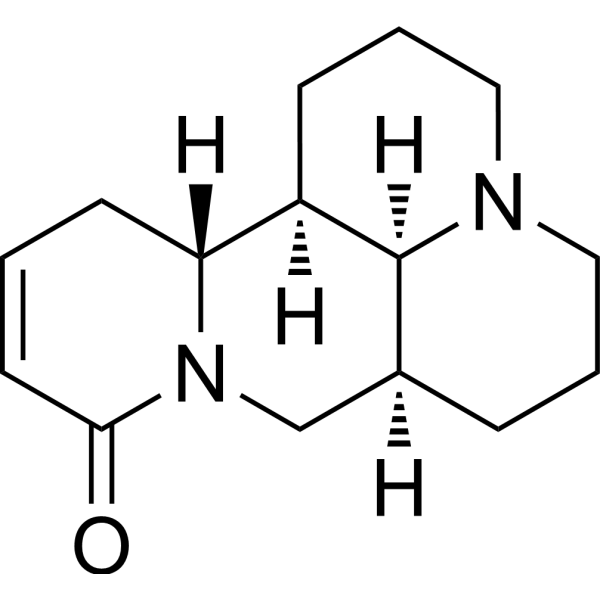
    Sophocarpine
    10+ Cited Publications

    Autophagy Apoptosis NF-κB PI3K Akt MEK ERK PTEN Cardiovascular Disease Inflammation/Immunology Cancer
    Sophocarpine is a PTEN activator and an inhibitor of PI3K/Akt, MEK/ERK, and NF-κB signaling pathways. Sophocarpine upregulates PTEN expression and inhibits PI3K/Akt phosphorylation, arrests tumor cell cycle and induces apoptosis. Sophocarpine inhibits MEK/ERK phosphorylation and VEGF secretion, reducing tumor cell migration. Sophocarpine can also inhibit NF-κB activation and p38 and JNK phosphorylation, reduce the expression of inflammatory factors such as iNOS and COX-2, and activate the Nrf2/HO-1 pathway to reduce oxidative stress. Sophocarpine has anti-tumor, anti-inflammatory, antioxidant and anti-apoptotic effects, and can be used in the research of cancers such as glioblastoma and colorectal cancer, inflammation-related diseases, and Doxorubicin (HY-15142A)-induced cardiac damage .
    Sophocarpine
  • HY-D0205A

    Carbocysteine

    NF-κB PERK Keap1-Nrf2 Apoptosis Infection Inflammation/Immunology
    Carbocisteine is an orally active mucolytic agent. Carbocisteine attenuates the phosphorylation of NF-κB p65 and ERK1/2. Carbocisteine modulates Nrf2/HO-1 and NFκB interplay. Carbocisteine inhibits Apoptosis. Carbocisteine is used in chronic obstructive pulmonary disease (COPD) research .
    Carbocisteine
  • HY-N0763
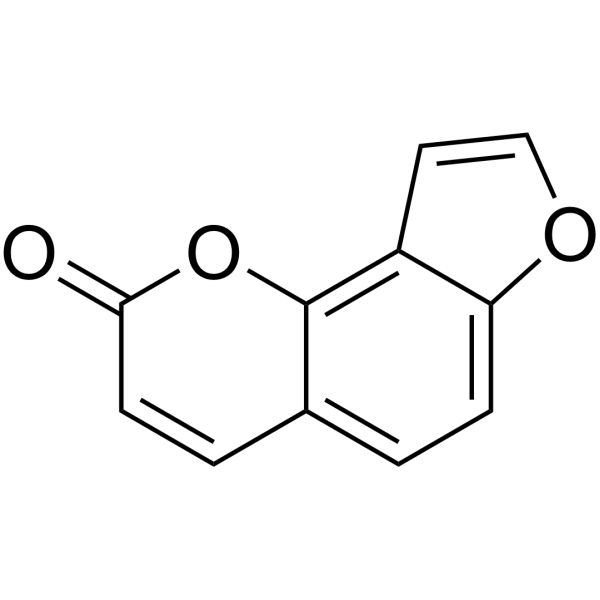
    Angelicin
    10+ Cited Publications

    Isopsoralen

    Apoptosis Virus Protease NF-κB p38 MAPK JNK Caspase Infection Inflammation/Immunology Cancer
    Angelicin is a furanocoumarin compound that functions as an inhibitor of NF-κB and MAPK signaling pathways, exhibiting anti-inflammatory, antiviral, and antitumor activities. It suppresses the lytic replication of γ-herpesviruses, such as MHV-68, early during viral infection, potentially inhibiting RTA gene expression (IC50=28.95 μM). Angelicin also mitigates inflammation by inhibiting the phosphorylation and nuclear translocation of NF-κB, and the phosphorylation of p38 and JNK. Furthermore, it induces apoptosis in neuroblastoma cells by downregulating anti-apoptotic proteins like Bcl-2, Bcl-xL, and Mcl-1, while activating caspase-9 and caspase-3.
    Angelicin
  • HY-N9914

    D-Allulose

    p38 MAPK NF-κB Metabolic Disease
    D-psicose is an orally active rare sugar. D-psicose inhibits p38-MAPK phosphorylation and MCP-1 expression. D-psicose inhibits the AGEs/RAGE/NF-κB pathway. D-psicose protects pancreatic β-islets, improves hyperglycemia and high-fat diet-induced non-alcoholic fatty liver disease .
    D-Psicose
  • HY-N1949
    Homoplantaginin
    5+ Cited Publications

    TNF Receptor NF-κB Inflammation/Immunology
    Homoplantaginin is a flavonoid from a traditional Chinese medicine Salvia plebeia with antiinflammatory and antioxidant properties. Homoplantaginin could inhibit TNF-α and IL-6 mRNA expression, IKKβ and NF-κB phosphorylation.
    Homoplantaginin
  • HY-125171
    IAXO-102
    5 Publications Verification

    Toll-like Receptor (TLR) Inflammation/Immunology
    IAXO-102 is a TLR4 antagonist which negatively regulates TLR4 signalling. IAXO-102 inhibits MAPK and p65 NF-κB phosphorylation and expression of TLR4 dependent proinflammatory protein. IAXO-102 also prevents experimental abdominal aortic aneurysm development .
    IAXO-102
  • HY-N1356
    Reticuline
    1 Publications Verification

    JAK STAT NF-κB Endogenous Metabolite Cardiovascular Disease Inflammation/Immunology
    Reticuline shows anti-inflammatory effects through JAK2/STAT3 and NF-κB signaling pathways. Reticuline inhibits mRNA expressions of TNF-α, and IL-6 and reduces the phosphorylation levels of JAK2 and STAT3 . Reticuline exhibits cardiovascular effects .
    Reticuline
  • HY-N7056
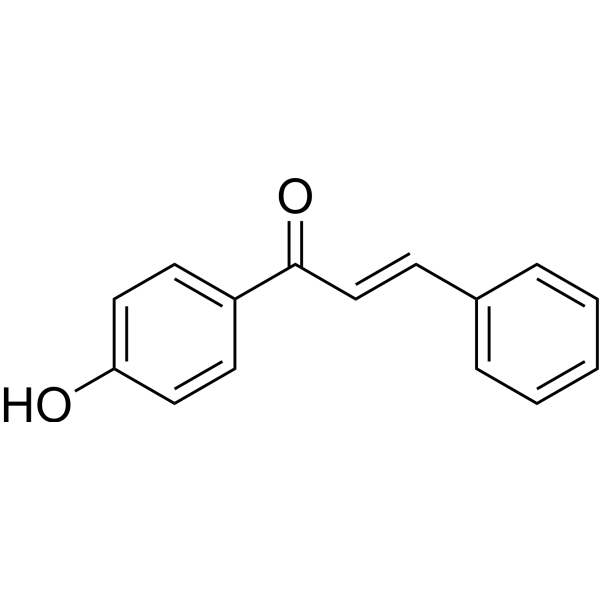
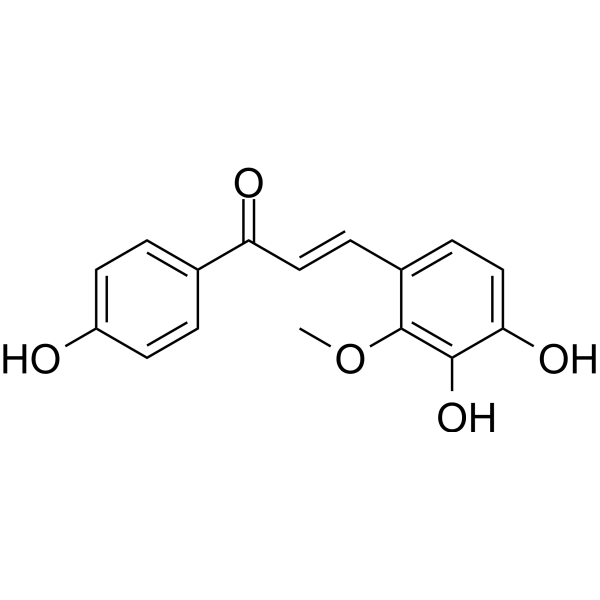
    4'-Hydroxychalcone
    3 Publications Verification

    Oxidative Phosphorylation Proteasome Inflammation/Immunology Cancer
    4'-Hydroxychalcone is a chalcone isolated from licorice root, with hepatoprotective activity. 4'-Hydroxychalcone inhibits TNFα-induced NF-κB activation via proteasome inhibition. 4'-Hydroxychalcone induces a rapid potassium release from mitochondrial vesicles and causes deterioration of respiratory control and oxidative phosphorylation of isolated rat liver mitochondria .
    4'-Hydroxychalcone
  • HY-N6263
    EGCG Octaacetate
    2 Publications Verification

    AcEGCG; Peracetylated (-)-epigallocatechin-3-gallate

    Bacterial PI3K Akt NF-κB Infection Inflammation/Immunology Cancer
    EGCG Octaacetate (AcEGCG) is a proagent of Green tea epigallocatechin-3-gallate (EGCG). EGCG Octaacetate decreases the proinflammatory mediator levels by down-regulating of PI3K/Akt/NFκB phosphorylation and p65 acetylation. EGCG octaacetate is the potential antibacterial compound for gram-positive bacteria (GPB) and gram-negative bacteria (GNB). EGCG Octaacetate exhibits antioxidant, anti-angiogenesis, anti-inflammatory and antitumor activities .
    EGCG Octaacetate
  • HY-N0696
    Sipeimine
    4 Publications Verification

    Imperialine

    PI3K NF-κB Akt NOD-like Receptor (NLR) Pyroptosis Ferroptosis Inflammation/Immunology
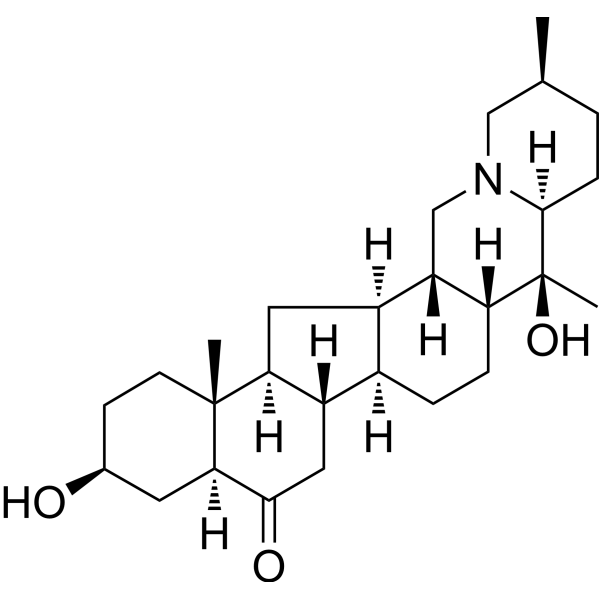
    Sipeimine (Imperialine) is an inhibitor targeting the PI3K/AKT/NF-κB pathway and NLRP3 inflammasome, which can competitively bind to PI3K and p65. Sipeimine inhibits PI3K/AKT phosphorylation, blocks NF-κB nuclear translocation and NLRP3 inflammasome activation. Sipeimine exerts anti-inflammatory activities, inhibits pyroptosis and ferroptosis, and protects the extracellular matrix. Sipeimine can reduce cartilage degradation and synovial inflammation in osteoarthritis and improve PM2.5-induced lung injury. Sipeimine is mainly used in the study of anti-inflammatory and degenerative diseases .
    Sipeimine
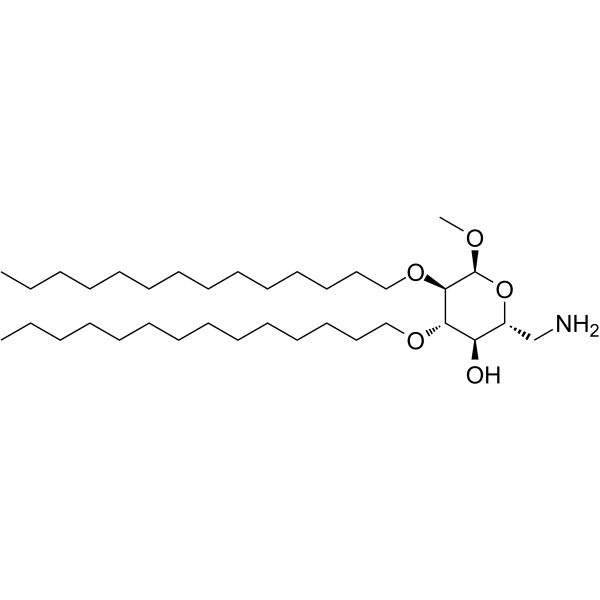
  • HY-110247
    TRAF-STOP inhibitor 6877002
    4 Publications Verification

    TNF Receptor NF-κB Cardiovascular Disease Inflammation/Immunology
    TRAF-STOP inhibitor 6877002 is a selective CD40-TRAF6 interaction inhibitor. TRAF-STOP inhibitor 6877002 exerts anti-atherosclerotic activity by blocking the CD40-TRAF6 signaling pathway, inhibiting classical monocyte activation, leukocyte recruitment, and macrophage activation and migration. TRAF-STOP inhibitor 6877002 reduces the phosphorylation levels of signaling intermediates in the canonical NF-κB pathway .
    TRAF-STOP inhibitor 6877002
  • HY-123856

    Phosphatase NF-κB c-Met/HGFR Anaplastic lymphoma kinase (ALK) Cardiovascular Disease Neurological Disease
    MY10 is a potent and orally active receptor protein tyrosine phosphatase (RPTPβ/ζ) inhibitor. MY10 reduces NF-κB p65 expression. MY10 activates tyrosine phosphorylation of c-Met. MY10 prevents the alcohol-induced downregulation of Ptprz1 and Alk expression. MY10 attenuates binge-like ethanol consumption and ethanol reward. MY10 can be used in the study of neurological and vascular diseases .
    MY10
  • HY-N6857

    AP-1 NF-κB p38 MAPK ERK JNK Neurological Disease Metabolic Disease Inflammation/Immunology Cancer
    Armepavine, found in Nelumbo nucifera, is an orally active NF-κB inhibitor. Armepavine attenuates expression of p-p65, α-SMA, p-JNK1/2, p-ERK1/2, p-p38α stimulated by TNF-α and LPS. Armepavine suppresses NF-κB nuclear translocation, IκBα phosphorylation, and collagen deposition. Armepavine can be used for the research of hepatic fibrosis and leukemia .
    Armepavine
  • HY-N0442

    4'-O-β-D-Glucosyl-5-O-methylvisamminol

    NF-κB p38 MAPK JNK Src TNF Receptor NOD-like Receptor (NLR) Amyloid-β MEK ERK Ferroptosis VEGFR Anaplastic lymphoma kinase (ALK) Reactive Oxygen Species (ROS) Neurological Disease Metabolic Disease Inflammation/Immunology Cancer
    5-O-Methylvisammioside (4'-O-β-D-Glucosyl-5-O-methylvisamminol) is an orally active natural chromone glycoside and multiple biological activities. 5-O-Methylvisammioside inhibits ferroptosis by activating the Nrf2/HO-1 signaling axis. 5-O-Methylvisammioside alleviates intestinal barrier damage by inhibiting the ROS/NF-κB/NLRP3 pathway. 5-O-Methylvisammioside exerts a protective effect against acute liver injury by reducing ALT/AST, decreasing inflammatory infiltration, and inhibiting IκB-α phosphorylation and NF-κB nuclear translocation. 5-O-Methylvisammioside blocks the HMGB1/RAGE/MEK/ERK signaling axis to exert anti-tumor and anti-angiogenic effects. 5-O-Methylvisammioside improves depression-like behaviors by inhibiting Src kinase and the NF-κB pathway .
    5-O-Methylvisammioside
  • HY-N8307

    NO Synthase NF-κB Akt AMPK Calcium Channel Inflammation/Immunology
    Syringaresinol is a lignan-type phytochemical with anti-inflammatory activities. Syringaresinol inhibits the NF-κB and AKT signaling pathway in IL-1β-activated mouse chondrocytes. Syringaresinol increases phosphorylation of AMPK, eNOS, and intracellular Ca 2+ levels in HUVECs. Syringaresinol attenuates osteoarthritis progression in mice with Destabilization of the Medial Meniscus (DMM)-induced osteoarthritis. Syringaresinol can be used for the study of osteoarthritis (OA) .
    Syringaresinol
  • HY-N5083
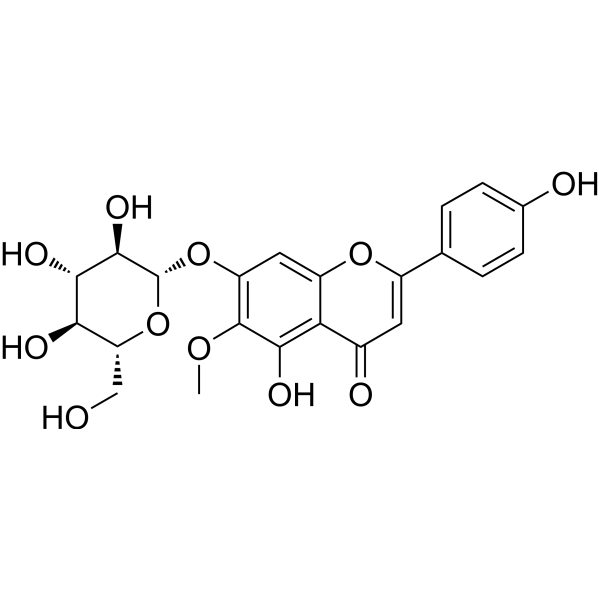
    Saponarin
    1 Publications Verification

    PERK NF-κB p38 MAPK AMPK Interleukin Related COX Cardiovascular Disease Neurological Disease Metabolic Disease Inflammation/Immunology
    Saponarin is an orally active flavonoid compound. Saponarin can be isolated from Gypsophila trichotoma. Saponarin inhibits ERK/p38, NF-κB and MAPK phosphorylation and activates AMPK. Saponarin reduces IL-1β and COX-2. Saponarin has antioxidant, anti-inflammatory, hepatoprotective, hypoglycemic and hypotensive effects. Saponarin improves sleep disorders .
    Saponarin
  • HY-N0924
    (±)-Stylopine
    1 Publications Verification

    Tetrahydrocoptisine

    Interleukin Related NO Synthase p38 MAPK PERK NF-κB Neurological Disease Inflammation/Immunology
    (±)-Stylopine (Tetrahydrocoptisine) is an alkaloid compound. (±)-Stylopine can be isolated from the tubers of the plant Corydalis. (±)-Stylopine inhibits TNF-α, IL-6, and NO production, and attenuates phosphorylation of p38 MAPK, ERK1/2. (±)-Stylopine inhibits NF-κB expression. (±)-Stylopine exhibits anti-inflammatory activity. (±)-Stylopine has protective effects against foot edema, gastric ulcers, anxiety, depression, and acute lung injury .
    (±)-Stylopine
  • HY-W040055
    Neopterin
    1 Publications Verification

    D-(+)-Neopterin; D-erythro-Neopterin

    NF-κB PPAR ERK Raf Src Cardiovascular Disease Inflammation/Immunology
    Neopterin is an immune system activator metabolized by GTP and can be produced by activated macrophages. Neopterin has the potential to resist vascular inflammation and atherosclerosis. Neopterin inhibits the phosphorylation of NF-κB and promotes the expression of PPAR-γ, thereby suppressing the inflammatory response of vascular endothelial cells, reducing the formation of macrophage foam cells, and regulating the migration and proliferation of vascular smooth muscle cells. Neopterin can be used in research fields such as cardiovascular diseases (such as atherosclerosis), inflammation-related diseases and tumor immunomonitoring .
    Neopterin
  • HY-N1410

    STAT NF-κB Cancer
    Triacetylresveratrol, an acetylated analog of Resveratrol. Triacetylresveratrol decreases the phosphorylation of STAT3 and NF-κB in a dose- and time- dependent manner in PANC-1 and BxPC-3 cells. Anticancer effects .
    Triacetylresveratrol
  • HY-N1956
    Rubiadin-1-methyl ether
    1 Publications Verification

    NF-κB Metabolic Disease
    Rubiadin-1-methyl ether is a natural anthraquinone isolated from Morinda officinalis How, and inhibits osteoclastic bone resorption via inhibition on the phosphorylation of NF-κB p65 and the degradation of IκBα as well as decrease in the nuclear translocation of p65 .
    Rubiadin-1-methyl ether
  • HY-N1921
    Edpetiline
    2 Publications Verification

    NF-κB p38 MAPK TNF Receptor Reactive Oxygen Species (ROS) COX Interleukin Related Inflammation/Immunology
    Edpetiline is an anti-inflammatory agent. Edpetiline inhibits the phosphorylation of IκB, nuclear transcription/translocation of NF-κB p65, as well as the phosphorylation of p38 MAPK and ERK MAPK. Edpetiline reduces intracellular ROS levels, inhibits the expression of TNF-α, IL-6, iNOS, COX-2, and promotes the expression of IL-4. Edpetiline is applicable to the research of diseases associated with inflammation and oxidative stress .
    Edpetiline
  • HY-N4205

    Cytochrome P450 Cancer
    Tetrahydropiperine is an orally effective, selective inhibitor of NF-κB and MAPKs<、b>, and an activator of the PI3K/Akt/mTOR<、b> pathway. Tetrahydropiperine reduces the production of pro-inflammatory cytokines such as TNF-α, IL-6, and nitric oxide (NO) by inhibiting the nuclear translocation of NF-κB and the phosphorylation of MAPKs such as ERK, JNK, and p38. At the same time, Tetrahydropiperine inhibits excessive autophagy by activating the PI3K/Akt/mTOR pathway, protecting neurons from oxidative damage. Tetrahydropiperine has anti-inflammatory, anti-apoptotic, and neuroprotective effects, and is mainly used in the study of inflammatory diseases (such as endotoxemia, arthritis) and neurological diseases such as ischemic stroke .
    Tetrahydropiperine
  • HY-N3312

    p38 MAPK JNK NF-κB Metabolic Disease Inflammation/Immunology Cancer
    Matairesinol is an orally active bioactive compound with anti-inflammatory, antioxidant and anticancer activities. Matairesinol inhibits the phosphorylation of MAPK, JNK and NF-κB, downregulates RANKL-induced NFATc1 expression and activity, and suppresses the activation of the PI3K/AKT/FOXO1 pathway. Matairesinol can be used in research related to sepsis-mediated brain injury, osteoporosis, heart failure, atopic dermatitis and cancer .
    Matairesinol
  • HY-N8884

    PTEN Akt NF-κB Interleukin Related TNF Receptor Inflammation/Immunology
    Coelonin is a dihydrophenanthrene with anti-inflammation activity. Coelonin inhibits LPS-induced PTEN phosphorylation. Coelonin inhibits NF-κB activation and p27Kip1 degradation by regulating the PI3K/AKT pathway negatively. Coelonin can inhibit IκBα phosphorylation and degradation and increases the expression of IκBα protein .
    Coelonin
  • HY-108659

    P2Y Receptor Inflammation/Immunology
    NF340 is a P2Y11 receptor inhibitor with a pIC50 of 7.3-7.7 against human P2Y11 receptor, and it exhibits high selectivity over other P2Y family receptors. NF340 binds to the ATP-binding amino acid residues of the P2Y11 receptor to inhibit its activity, block nociceptive activity, and reduce spinal dorsal horn P2Y11 receptor upregulation induced by spinal cord injury. NF340 attenuates the NFκB signaling pathway activated by IL-1β by decreasing IκBα phosphorylation, nuclear p65 accumulation and NFκB promoter activity. NF340 inhibits IL-1β-induced pro-inflammatory cytokine expression, reduces intracellular ROS and 4-HNE levels, and suppresses IL-1β-induced matrix metalloproteinase expression in primary fibroblast-like synoviocytes. NF340 inhibits ATP-induced elevation of intracellular calcium 2+ concentration and cell migration in human hepatocellular carcinoma cells. NF340 is applicable to the research of neuropathic pain, myocardial ischemia/reperfusion injury, inflammatory pain, rheumatoid arthritis and hepatocellular carcinoma .
    NF340
  • HY-N8593

    Environmental Pollutants p38 MAPK TNF Receptor NF-κB Interleukin Related Histamine Receptor PKA Inflammation/Immunology Endocrinology
    Undecane is a potent cAMP agonist with anti-allergic and anti-inflammatory activities. Undecane inhibits degranulation and the secretion of histamine and TNF-α. Undecane reverses the increased levels of p38 phosphorylation, NF-κB transcriptional activity and target cytokine/chemokine genes, including thymus and activation-regulated chemokine (TARC), macrophage-derived chemokine (MDC) and interleukin-8 (IL-8). Undecane can be used for the study of skin inflammatory disorders, such as atopic dermatitis .
    Undecane
  • HY-112440

    Methuosis inducer 1

    Microtubule/Tubulin NF-κB MDM-2/p53 PI3K Akt c-Myc Cancer
    HZX-02-059 is a potent methuosis inducer and dual-target PIKfyve/tubulin inhibitor with anticancer activity. Methuosis mainly disrupts the balance of endocytosis and exocytosis, forming a large number of vesicles and inducing cell death. HZX-02-059 also induces cell vacuolization, promotes apoptosis, downregulates the p53 pathway, inhibits PI3K/AKT phosphorylation, and inhibits c-Myc and NF-κB transcription .
    HZX-02-059
  • HY-N12717

    PAK FASTK HSP p38 MAPK NF-κB NO Synthase COX HSV Caspase TNF Receptor Fungal Apoptosis Infection Inflammation/Immunology Cancer
    Casuarinin is an orally active antiproliferative, anti-inflammatory, antifungal, virucidal and gastroprotective agent. Casuarinin upregulates the expression of p21/WAF1, Fas/APO‑1, mFasL, sFasL and HSP‑70, arrests cell cycle, induces apoptosis and inhibits cancer cell proliferation. Casuarinin inhibits TNF‑α-induced phosphorylation of MAPK and activation of NF‑κB, downregulates the expression of iNOS, NF‑κB, COX‑2 and ICAM‑1, and reduces the production of proinflammatory mediators. Casuarinin attenuates ethanol-induced activation of caspase‑3 and elevation of TNF‑α, inhibits the growth of Candida albicans, and inhibits HSV‑2. Casuarinin can be used in research related to mammary adenocarcinoma, inflammatory skin diseases, gastric ulcers, candidiasis and herpes simplex virus infections .
    Casuarinin
  • HY-144765
    NF-κB-IN-4
    1 Publications Verification

    NF-κB Apoptosis Neurological Disease Metabolic Disease Inflammation/Immunology Cancer
    NF-κB-IN-4 (compound 17) is a potent NF-κB pathway inhibitor with blood brain barrier (BBB) permeability. NF-κB-IN-4 exhibits potential anti-neuroinflammatory activity with low toxicity. NF-κB-IN-4 can block the activation and phosphorylation of IκBα, reduce expression of NLRP3, and thus inhibit NF-κB activation. NF-κB-IN-4 can be used for neuroinflammation related diseases research .
    NF-κB-IN-4
  • HY-N1987
    Cucurbitacin IIb
    2 Publications Verification

    Apoptosis Inflammation/Immunology
    Cucurbitacin IIb is an active component isolated from Hemsleya amabilis, induces apoptosis with anti-inflammatory activity. Cucurbitacin IIb inhibits phosphorylation of STAT3, JNK and Erk1/2, enhances the phosphorylation of IκB and NF-κB (p65), blocks nuclear translocation of NF-κB (p65) and decreases mRNA levels of IκBα and TNF-α .
    Cucurbitacin IIb
  • HY-110151

    NF-κB Interleukin Related Inflammation/Immunology Cancer
    Bengamide B is an alkaloid with anti-tumor and anti-inflammatory activities. Bengamide B reduces the phosphorylation level of IκBα, thereby blocking the activation of NF-κB. Bengamide B inhibits the proliferation of tumor cells. Bengamide B can be used in research related to inflammatory diseases and cancers .
    Bengamide B
  • HY-N16500

    NF-κB Neurological Disease
    Hericenone C is a metabolite derived from Hericium erinaceus. Hericenone C inhibits LPS (HY-D1056)-induced NRE::Luc luciferase activity, reduces phosphorylation of p65 and inhibits NF-κB signaling. Hericenone C exhibits neuroprotective effect .
    Hericenone C
  • HY-151966

    PROTACs IAP Caspase PANoptosis Cancer
    TD1092 is a pan-IAP degrader, degrades cIAP1, cIAP2, and XIAP. TD1092 activates Caspase 3/7, and promotes cancer cells apoptosis via IAP degradation. TD1092 inhibits TNFα mediated NF-κB pathway and reduces the phosphorylation of IKK, IkBα, p65, and p38. TD1092 can act as PROTAC, and is used for cancer research .
    TD1092
  • HY-N0103A
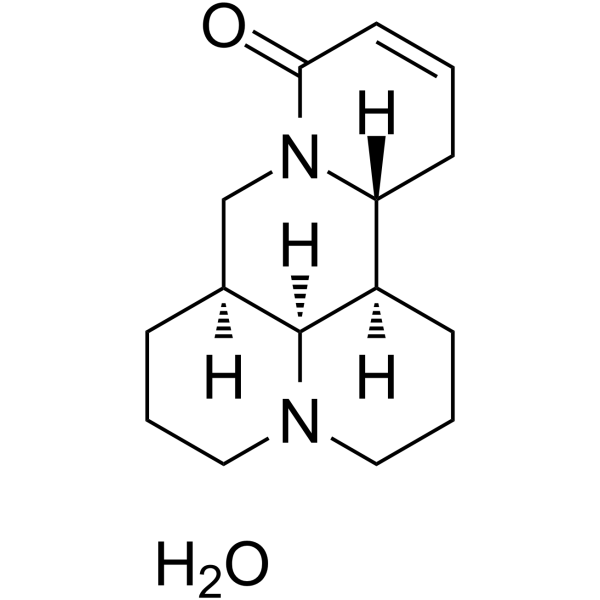
    Sophocarpine monohydrate
    10+ Cited Publications

    Autophagy Apoptosis NF-κB PI3K Akt MEK ERK Cardiovascular Disease Inflammation/Immunology Cancer
    Sophocarpine monohydrate is a PTEN activator and an inhibitor of PI3K/Akt, MEK/ERK, and NF-κB signaling pathways. Sophocarpine monohydrate upregulates PTEN expression and inhibits PI3K/Akt phosphorylation, arrests tumor cell cycle and induces apoptosis. Sophocarpine monohydrate inhibits MEK/ERK phosphorylation and VEGF secretion, reducing tumor cell migration. Sophocarpine monohydrate can also inhibit NF-κB activation and p38 and JNK phosphorylation, reduce the expression of inflammatory factors such as iNOS and COX-2, and activate the Nrf2/HO-1 pathway to reduce oxidative stress. Sophocarpine monohydrate has anti-tumor, anti-inflammatory, antioxidant and anti-apoptotic effects, and can be used in the research of cancers such as glioblastoma and colorectal cancer, inflammation-related diseases, and Doxorubicin (HY-15142A)-induced cardiac damage .
    Sophocarpine monohydrate
  • HY-N0039R
    Ginsenoside Rb1 (Standard)
    10+ Cited Publications

    Gypenoside III (Standard)

    Reference Standards Na+/K+ ATPase IRAK NF-κB Autophagy Mitophagy HSV Inflammation/Immunology Cancer
    Ginsenoside Rb1 (Standard) is the analytical standard of Ginsenoside Rb1. This product is intended for research and analytical applications. Ginsenoside Rb1, a main constituent of the root of Panax ginseng, inhibits Na +, K +-ATPase activity with an IC50 of 6.3±1.0 μM. Ginsenoside also inhibits IRAK-1 activation and phosphorylation of NF-κB p65 .
    Ginsenoside Rb1 (Standard)
  • HY-N12188

    NF-κB TNF Receptor Interleukin Related p38 MAPK Inflammation/Immunology
    Stigmasta-3,5-dien-7-one is a steroid compound that can be isolated from Harrisonia abyssinica. Stigmasta-3,5-dien-7-one blocks the NF-κB signaling pathway via down-regulation of phospho-p38 mitogen-activated protein kinase and phosphorylation and degradation of inhibitor of NF-κB α. Stigmasta-3,5-dien-7-one reduces LPS (HY-D1056)-induced nitric oxide, PGE2, and pro-inflammatory cytokine levels in macrophages. Stigmasta-3,5-dien-7-one can be used for inflammation diseases .
    Stigmasta-3,5-dien-7-one
  • HY-134000

    NSC624610

    p38 MAPK NF-κB ERK JNK VEGFR MMP Cancer
    Emodic acid (NSC624610) is an anthraquinone compound isolated from A. microcarpus, which can inhibit the proliferation of cancer cells by inhibiting the activity of NF-κB. Emodic acid can also inhibit the phosphorylation of p38, ERK and JNK, the secretion of tumor-promoting cytokines IL-1β and IL-6, and the expression of VEGF and MMP, thereby inhibiting the invasion and migration potential of cancer cells .
    Emodic acid
  • HY-149331

    TNF Receptor Caspase NF-κB Inflammation/Immunology
    TNF-α-IN-11 (Compound 10) is a TNF-α inhibitor with a KD value of 12.06 μM. TNF-α-IN-11 binds to TNF-α and blocks the activation of TNF-α-trigged caspase and NF-κB signaling pathway. TNF-α-IN-11 inhibits the phosphorylation of IκBα, as well as the nuclear translocation of NF κB p65. TNF-α-IN-11 can be used for research of TNF-α-mediated autoimmune diseases .
    TNF-α-IN-11
  • HY-P10462

    Synthetic anti-iNFlammatory peptide 15

    HDAC NF-κB Inflammation/Immunology
    SAP15 (Synthetic anti-inflammatory peptide 15) is a synthetic anti-inflammatory peptide consisting of 15 amino acids designed from human beta-defensin 3. SAP15 has the ability to penetrate cells and is able to induce downregulation of intracellular inflammation. SAP15 inhibits inflammation by inhibiting the phosphorylation of HDAC5 and thereby reducing the phosphorylation of NF-κB p65. SAP15 inhibits HDAC5 and NF-κB p65 phosphorylation in LPS (HY-D1056)-induced macrophages. SAP15 increases the expression of aggrecan and type II collagen and decreases the expression of osteocalcin in LPS-induced chondrocytes. SAP15 can be used in the study of inflammation regulation and anti-inflammatory therapy of biomaterials .
    SAP15
  • HY-N0811

    NO Synthase COX NF-κB MEK Inflammation/Immunology
    Anemarsaponin B is a steroidal saponin. Anemarsaponin B decreases the protein and mRNA levels of iNOS and COX-2. Anemarsaponin B reduces the expressions and productions of pro-inflammatory cytokines, including TNF-a and IL-6. Anemarsaponin B inhibits the nuclear translocation of the p65 subunit of NF-κB by blocking the phosphorylation of IκBα. Anemarsaponin B also inhibits the phosphorylation of MAP kinase kinases 3/6 (MKK3/6) and mixed lineage kinase 3 (MLK3). Anti-inflammatory effect .
    Anemarsaponin B
  • HY-126047

    NF-κB Beta-secretase Neurological Disease
    (S)-(-)-Anatabine is an NFκB/BACE-1 inhibitor with blood-brain barrier penetration. (S)-(-)-Anatabine inhibits NFκB activation via phosphorylation of its p65 subunit. (S)-(-)-Anatabine inhibits BACE-1 transcription and reduces BACE-1 protein levels. (S)-(-)-Anatabine lowers production of 1-40 and 1-42 by reducing β-cleavage of amyloid precursor protein without affecting α-cleavage. (S)-(-)-Anatabine can be used for the research of Alzheimer's disease .
    (S)-(-)-Anatabine
  • HY-N10047

    NF-κB PPAR Cardiovascular Disease
    7,8-Didehydrocimigenol is an active triterpenoid that can be isolated from Cimicifugae rhizoma. 7,8-Didehydrocimigenol inhibits TNF-α-induced VCAM-1 expression, inhibits NF-kB activity and phosphorylation of ERK1/2 and Akt, increases PPAR-γ expression. 7,8-Didehydrocimigenol can be used for the research of cardiovascular disorders such as atherosclerosis .
    7,8-Didehydrocimigenol
  • HY-124067

    IKK JAK STAT NF-κB Cancer
    EC-70124 is an orally active multikinase inhibitor targeting IKKβ and JAK2. EC-70124 blocks IkB phosphorylation and STAT3 (Tyr705) activation, suppressing NF-κB nuclear translocation and STAT3 transcriptional activity. EC-70124 reduces tumor growth and cancer stem cell (CSC) populations in prostate cancer cells and xenograft models. EC-70124 is promising for research of prostate cancer .
    EC-70124
  • HY-107593

    IKK Inflammation/Immunology
    PS-1145 (dihydrochloride) is a potent IκB kinase-2 inhibitor with an IC50 value of 88 nM. PS-1145 (dihydrochloride) inhibits activity of NF-κB by blocking IκB kinase phosphorylation in tumor-bearing rats .
    PS-1145 dihydrochloride

Inquiry Online

Your information is safe with us. * Required Fields.

Salutation


Country or Region *

Applicant Name *


Organization Name *

Department *


Email Address *


Product Name *

Cat. No.


Requested quantity *

Phone Number *


Remarks

Inquiry Online

Inquiry Information

Product Name:
Cat. No.:
Quantity:
MCE Japan Authorized Agent: