Search Result
Results for "
PBD
" in MedChemExpress (MCE) Product Catalog:
1
Biochemical Assay Reagents
5
Isotope-Labeled Compounds
| Cat. No. |
Product Name |
Target |
Research Areas |
Chemical Structure |
-
- HY-101161
-
SG3199
3 Publications Verification
|
DNA Alkylator/Crosslinker
ADC Payload
|
Cancer
|
|
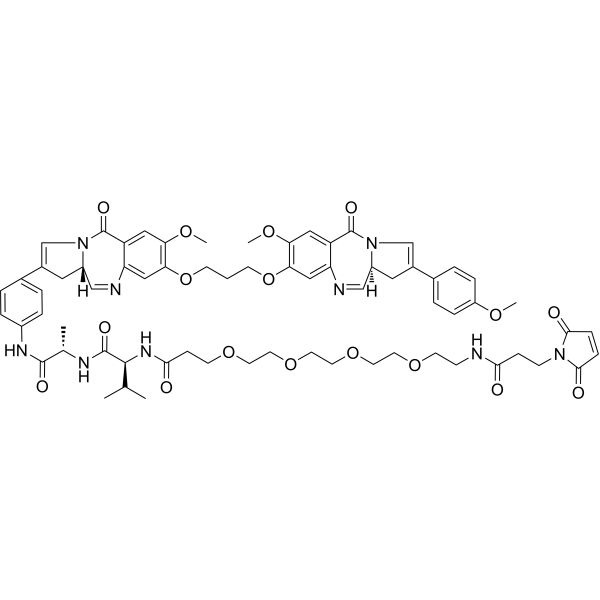
SG3199 is a cytotoxic DNA minor groove interstrand crosslinking pyrrolobenzodiazepine (PBD) dimer. SG3199 is the released warhead component of the ADC payload Tesirine (SG3249) .
|
-
-
- HY-128952
-
Tesirine
Maximum Cited Publications
7 Publications Verification
SG3249
|
Drug-Linker Conjugates for ADC
DNA Alkylator/Crosslinker
|
Cancer
|
|
Tesirine (SG3249) is an antibody-drug conjugate (ADC) pyrrolobenzodiazepine (PBD) dimer payload. Tesirine combines potent antitumor activity with desirable physicochemical properties such as favorable hydrophobicity and improved conjugation characteristics. SG3199 (HY-101161) is the released warhead component of the ADC payload Tesirine. SG3199 retains picomolar activity in a panel of cancer cell lines. PBD dimers are highly efficient DNA minor groove cross-linking agents with potent cytotoxicity .
|
-
-
- HY-101127
-
|
PBD dimer
|
ADC Payload
|
Cancer
|
|
SGD-1882 is a cytotoxic, DNA minor-groove crosslinking agent pyrrolobenzodiazepine (PBD) dimer, acting as the payload for ADCs.
|
-
-
- HY-126685
-
-
-
- HY-101162
-
|
|
Drug-Linker Conjugates for ADC
|
Cancer
|
|
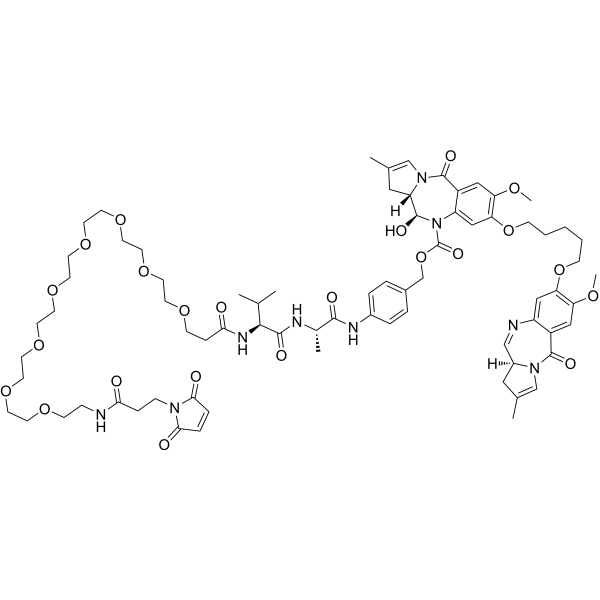
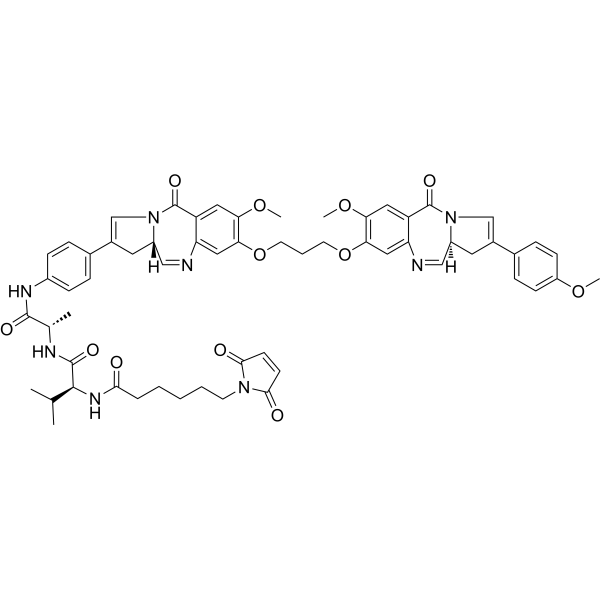
SGD-1910 is a agent-linker conjugate for ADC by using the antitumor antibiotic, pyrrolobenzodiazepine (PBD, a cytotoxic DNA crosslinking), linked via the cleavable linker MC-Val-Ala .
|
-
-
- HY-N7057
-
|
Pelargonic acid
|
Environmental Pollutants
Endogenous Metabolite
Bacterial
|
Infection
|
|
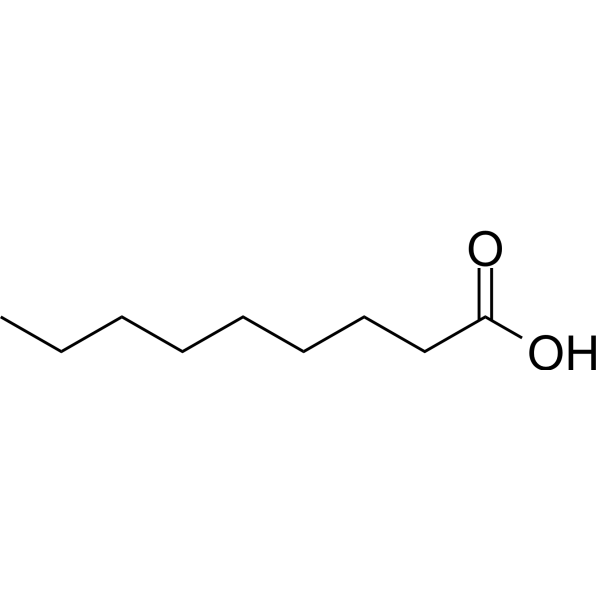
Nonanoic acid (Pelargonic acid) is a naturally-occurring saturated fatty acid with nine carbon atoms. Nonanoic acid significantly reduces bacterial translocation, enhances antibacterial activity, and remarkably increases the secretion of porcine β-defensins 1 (pBD-1) and pBD-2 .
|
-
-
- HY-133433
-
|
|
Drug-Linker Conjugates for ADC
|
Cancer
|
|
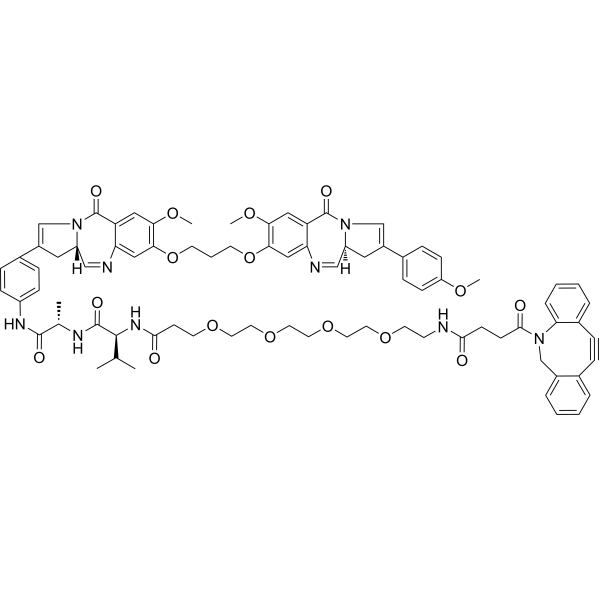
DBCO-PEG4-VA-PBD is a agent-linker conjugate for ADC by using the antitumor antibiotic, Pyrrolobenzodiazepine (PBD), linked via DBCO-PEG4-VA . DBCO-PEG4-VA-PBD is a click chemistry reagent, it contains a DBCO group that can undergo strain-promoted alkyne-azide cycloaddition (SPAAC) with molecules containing Azide groups.
|
-
-
- HY-101160
-
|
DRG16
|
DNA Alkylator/Crosslinker
ADC Payload
|
Cancer
|
|
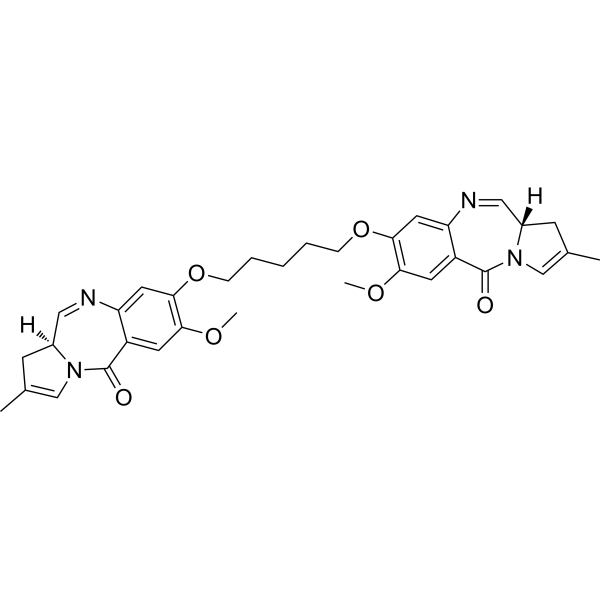
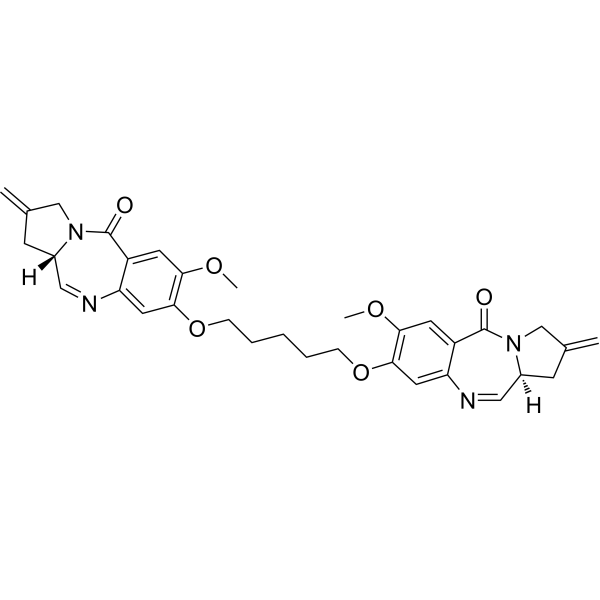
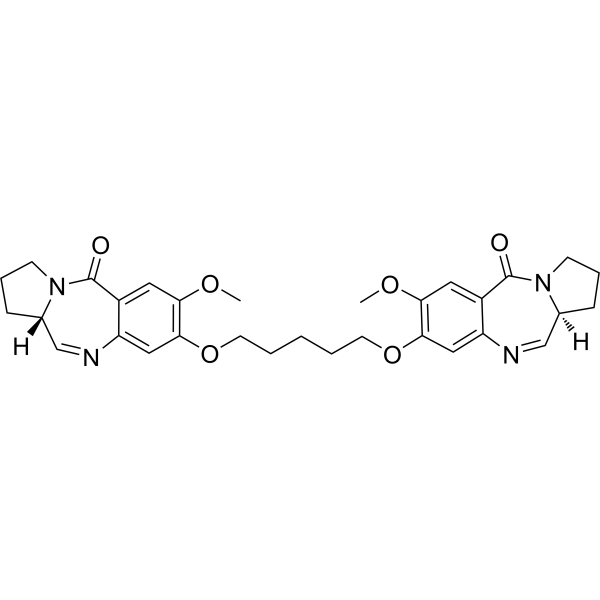
SG2057 (DRG16) is a PBD dimer containing a pentyldioxy linkage which binds sequence selectively in the minor groove of DNA forming DNA interstrand and intrastrand cross-linked adducts. SG2057 is a highly active antitumor agent .
|
-
-
- HY-161252
-
|
|
ADC Payload
|
Cancer
|
|
PBD-monoamide, a modified PBD (pyrrolobenzodiazepine) dimer, is an ADC Cytotoxin. PBD-monoamide can be used for synthesis of DHES0815A (an HER2 ADC). PBD-monoamide has DNA-binding activity and reduces cell viability .
|
-
-
- HY-148424
-
|
|
ADC Payload
DNA Alkylator/Crosslinker
|
Cancer
|
|
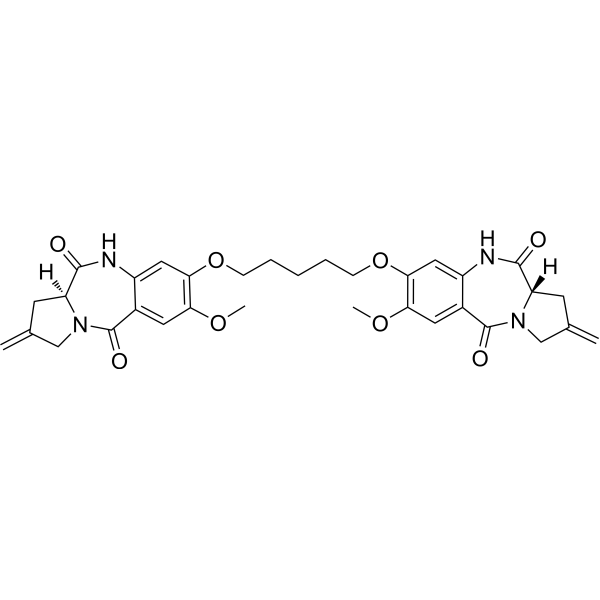
PBD dimer-2 (compound 2c) is a C8-linked pyrrolobenzodiazepine dimer. PBD dimer-2 can span an extra base pair and cross-link the 5′-Pu-GA(T/A)TC-Py sequence. PBD dimer-2 can be used as a payload for antibody–agent conjugates (ADCs), and it can be used for the research of cancer .
|
-
-
- HY-119173
-
-
-
- HY-150036
-
|
|
Antibiotic
Cholecystokinin Receptor
|
Cancer
|
|
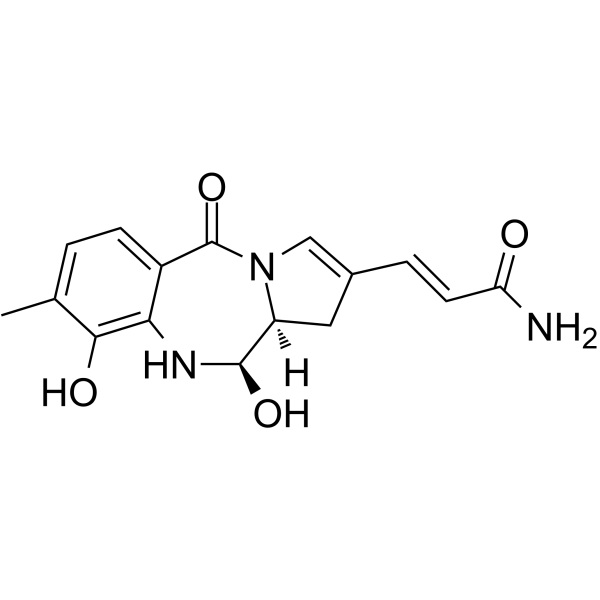
Anthramycin, a member of the pyrolobenzodiazepine (PBD) family, is a potent antibiotic. Anthramycin has potent antitumor activity. Anthramycin can act as an potent antagonist of cholecystokinin in the central nervous system in mice .
|
-
-
- HY-124761
-
|
|
Polo-like Kinase (PLK)
Autophagy
Mitosis
|
Cancer
|
|
Poloppin is a potent, cell penetrant inhibitor of the mitotic Polo-like kinase (PLK) (IC50=26.9 μM) and prevents the protein-protein interaction via the Polo-box domain (PBD) (Kd= 29.5 μM). Poloppin selectively kills cells expressing mutant KRAS, enhancing death in mitosis. Poloppin is used for the study of KRAS-mutant cancers as single agents, or in combination with c-MET inhibitors .
|
-
-
- HY-107767
-
|
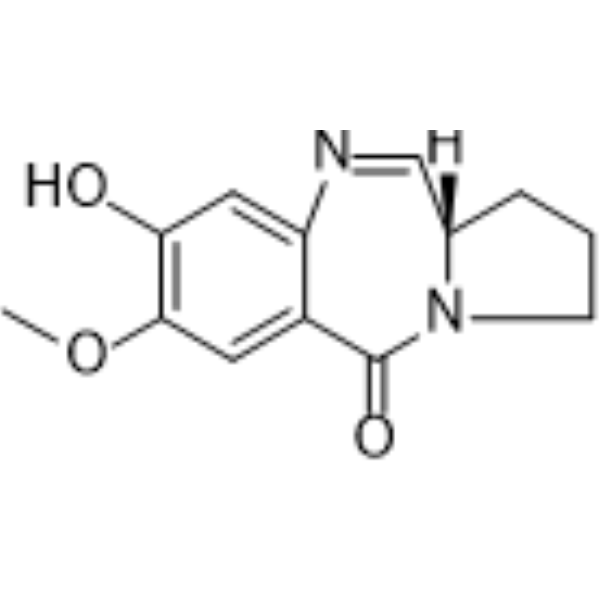
DC 81
|
Antibiotic
Apoptosis
DNA/RNA Synthesis
|
Cancer
|
|
Antibiotic DC 81 (DC 81), an antitumor antibiotic produced by Streptomyces species, is a PBD (pyrrolo[2,1-c][1,4]benzodiazepine). Antibiotic DC 81 is potent inhibitor of nucleic acid synthesis. Antibiotic DC 81 can recognize and bind to specific sequences of DNA and form a labile covalent adduct .
|
-
-
- HY-N7057S2
-
|
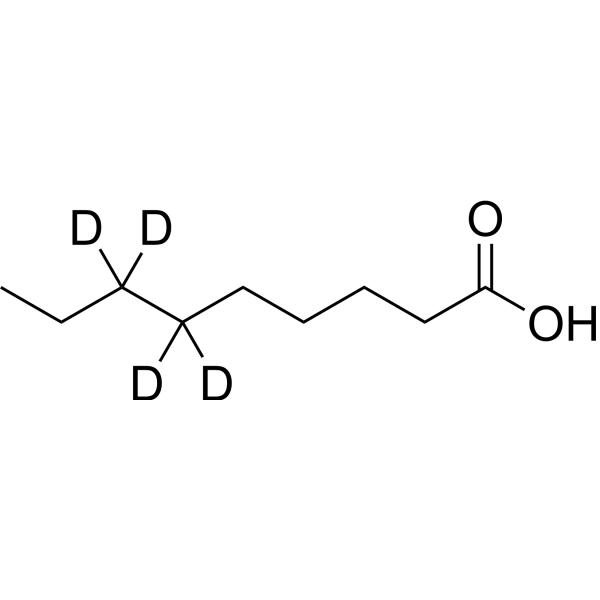
Pelargonic acid-d4
|
Isotope-Labeled Compounds
Bacterial
|
Infection
|
|
Nonanoic acid (Pelargonic acid)-d4 is the deuterium labeled Nonanoic acid (HY-N7057). Nonanoic acid is a naturally-occurring saturated fatty acid with nine carbon atoms. Nonanoic acid significantly reduces bacterial translocation, enhances antibacterial activity, and remarkably increases the secretion of porcine β-defensins 1 (pBD-1) and pBD-2 .
|
-
-
- HY-N7057S
-
|
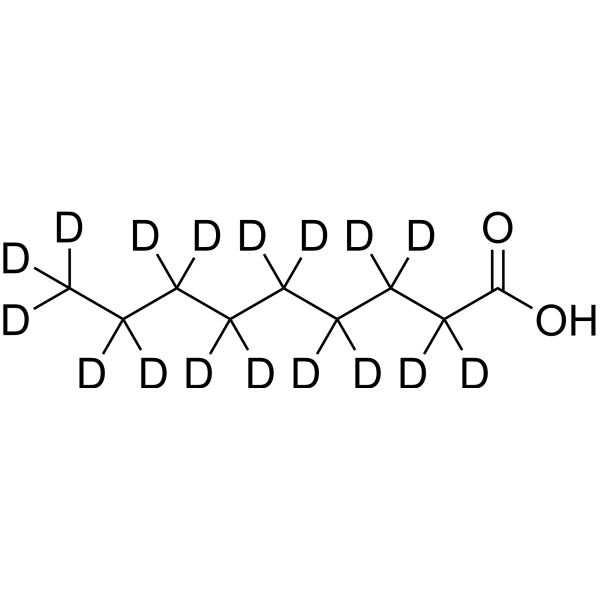
Pelargonic acid-d17
|
Isotope-Labeled Compounds
Bacterial
|
Infection
|
|
Nonanoic acid (Pelargonic acid)-d17 is the deuterium labeled Nonanoic acid (HY-N7057). Nonanoic acid is a naturally-occurring saturated fatty acid with nine carbon atoms. Nonanoic acid significantly reduces bacterial translocation, enhances antibacterial activity, and remarkably increases the secretion of porcine β-defensins 1 (pBD-1) and pBD-2 .
|
-
-
- HY-N7057S3
-
|
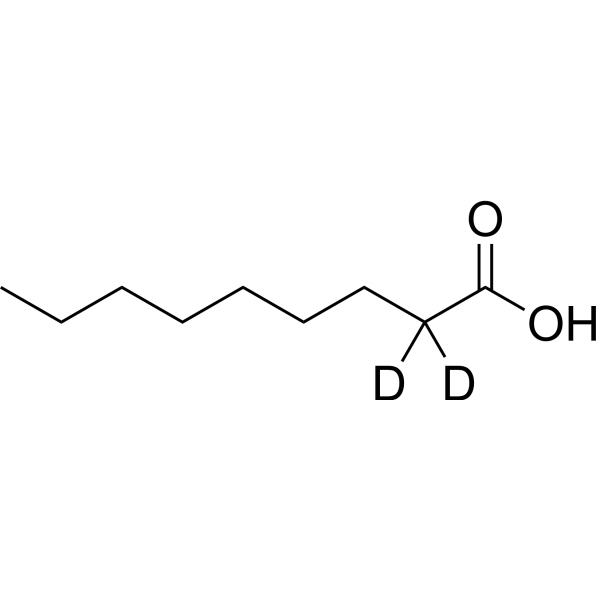
Pelargonic acid-d2; Pelargonic acid-d2 (n-Nonanoic acid, C9 )
|
Isotope-Labeled Compounds
Bacterial
|
Infection
|
|
Nonanoic acid (Pelargonic acid)-d2 is the deuterium labeled Nonanoic acid (HY-N7057) . Nonanoic acid is a naturally-occurring saturated fatty acid with nine carbon atoms. Nonanoic acid significantly reduces bacterial translocation, enhances antibacterial activity, and remarkably increases the secretion of porcine β-defensins 1 (pBD-1) and pBD-2 .
|
-
-
- HY-N7057S1
-
|
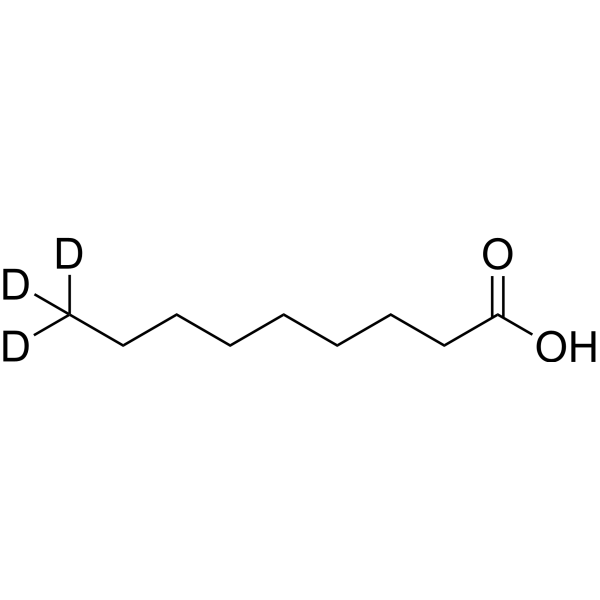
Pelargonic acid-d3
|
Isotope-Labeled Compounds
Bacterial
|
Infection
|
|
Nonanoic acid (Pelargonic acid)-d3 is the deuterium labeled Nonanoic acid (HY-N7057). Nonanoic acid is a naturally-occurring saturated fatty acid with nine carbon atoms. Nonanoic acid significantly reduces bacterial translocation, enhances antibacterial activity, and remarkably increases the secretion of porcine β-defensins 1 (pBD-1) and pBD-2 .
|
-
-
- HY-135900
-
|
|
ADC Payload
Bacterial
|
Cancer
|
|
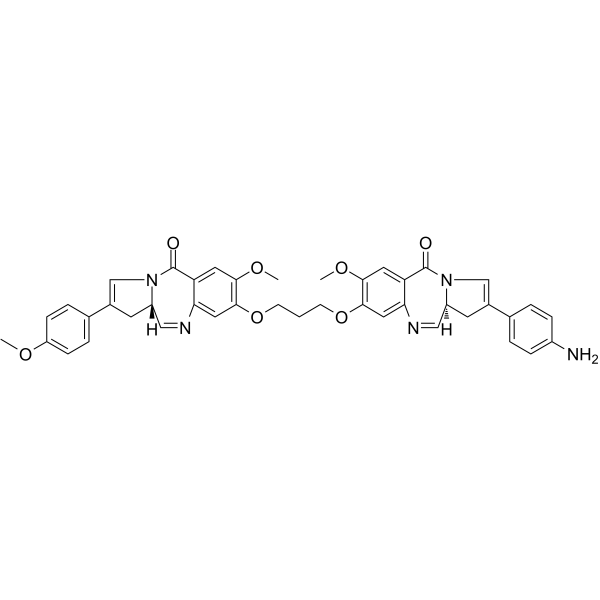
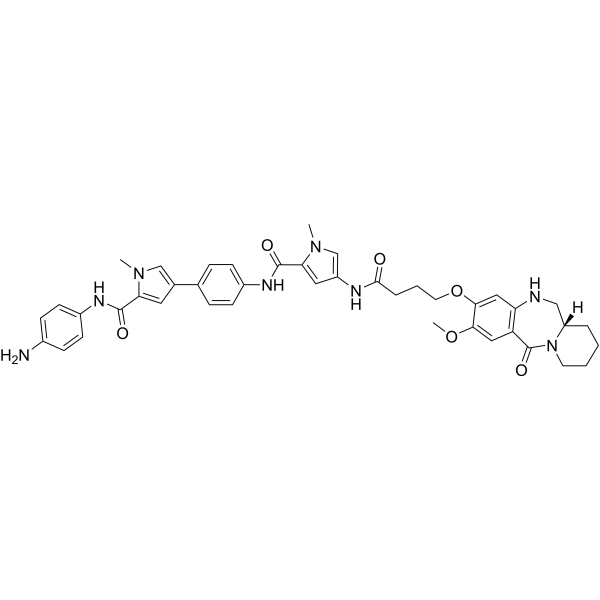
Aniline-MPB-amino-C3-PBD is a cytotoxic agent comprised non-alkylating group. Aniline-MPB-amino-C3-PBD is a sequence-selective DNA minor-groove binding agent. Aniline-MPB-amino-C3-PBD acts as the payload for ADCs. Antimicrobial activity .
|
-
-
- HY-175004
-
|
|
ADC Payload
DNA Alkylator/Crosslinker
|
Cancer
|
|
PBD dimer-4 (Compound 7) is a C1-subsitituted PBD dimer. PBD dimer-4 has high DNA-binding affinity, DNA cross-linking ability and potent cytotoxicity against MDA-MB-231 cells (IC50: 236 nM). PBD dimer-4 can be used as a payload of ADC Loncastuximab tesirine (HY-P99349) to treat several different cancer types .
|
-
-
- HY-102001
-
|
|
ADC Payload
|
Cancer
|
|
Tomaymycin DM is a tomaymycin derivative, PBD monomer, and DNA alkylating agent. Tomaymycin DM can serve as a payload in tumor-targeting antibody-conjugated active molecules (ADCs).
|
-
-
- HY-178270
-
|
|
ADC Payload
|
Inflammation/Immunology
Cancer
|
|
PBD derivative-1 (Compound 7-8) is a derivative of PBD, and PBD is the payload in antibody-drug conjugates (ADCs). PBD derivative-1 can be used for the synthesis of ADCs.
|
-
-
- HY-135901
-
|
|
ADC Payload
Bacterial
|
Cancer
|
|
Py-MPB-amino-C3-PBD is a cytotoxic agent comprised non-alkylating group. Py-MPB-amino-C3-PBD acts as the payload for ADCs. Antimicrobial activity .
|
-
-
- HY-N9460
-
|
|
DNA Alkylator/Crosslinker
Antibiotic
|
Cancer
|
|
Sibiromycin is a naturally produced glycosylated pyrrolobenzodiazepines (PBDs). Sibiromycin is also a potent antitumor antibiotic that binds covalently to DNA in the minor groove at the NH2 of guanine .
|
-
-
- HY-164730
-
|
ADCT-602; hLL2-Cys-PBD
|
Antibody-Drug Conjugates (ADCs)
|
Cancer
|
|
Epratuzumab Tesirine (ADCT-602) is a novel CD22-targeted ADC. Epratuzumab Tesirine contains a PBD dimer and a payload SG3249 .
|
-
-
- HY-176495
-
|
|
DNA Alkylator/Crosslinker
DNA/RNA Synthesis
|
Cancer
|
|
SG3683 is a DNA-targeted cytotoxic agent belonging to pyrrolobenzodiazepine (PBD) dimers. SG3683 exerts antitumor activity with an IC50 value of 0.74 nM in MDA-MB-436 cells. SG3683 is promising for research of cancers, such as breast cancer .
|
-
-
- HY-126678
-
|
Dimethyl-PBD dimer
|
ADC Payload
|
Cancer
|
|
Dimethyl-SGD-1882 (Dimethyl-PBD dimer) is a highly potent DNA alkylator, and is used as an antibody-drug conjugate (ADC) cytotoxin. PBD Dimer is a DNA alkylator which inhibits DNA replication .
|
-
-
- HY-141599
-
|
ADCT 301
|
Antibody-Drug Conjugates (ADCs)
Interleukin Related
|
Cancer
|
|
Camidanlumab tesirine (ADCT 301) is an ADC comprising HuMax-TAC, a human IgG1 mAb directed against human CD25, stochastically conjugated through a dipeptide cleavable linker to a pyrrolobenzodiazepine (PBD) dimer warhead. Camidanlumab tesirine has a drug–antibody ratio (DAR) of 2.3. Camidanlumab tesirine binds human CD25 with picomolar affinity. Camidanlumab tesirine has highly potent and selective cytotoxicity against a panel of CD25-expressing human lymphoma cell lines .
|
-
-
- HY-128952G
-
|
SG3249
|
Drug-Linker Conjugates for ADC
DNA Alkylator/Crosslinker
|
Cancer
|
|
Tesirine (GMP) (SG3249 (GMP)) is Tesirine (HY-128952) produced by using GMP guidelines. GMP small molecules works appropriately as an auxiliary reagent for cell therapy manufacture. Tesirine (SG3249) is an antibody-drug conjugate (ADC) pyrrolobenzodiazepine (PBD) dimer payload. Tesirine combines potent antitumor activity with desirable physicochemical properties such as favorable hydrophobicity and improved conjugation characteristics. SG3199 (HY-101161) is the released warhead component of the ADC payload Tesirine. SG3199 retains picomolar activity in a panel of cancer cell lines. PBD dimers are highly efficient DNA minor groove cross-linking agents with potent cytotoxicity .
|
-
-
- HY-24144
-
|
|
DNA Alkylator/Crosslinker
|
Cancer
|
|
Tesirine intermediate-2 is the intermediate of Tesirine (HY-128952). Tesirine (SG3249), a pyrrole benzodiazepine (PBD) dimer, is a DNA small channel crosslinker with strong cytotoxicity. Tesirine can be used to synthesize Antibody-Drug Conjugates (ADCs), the warhead component of the payload is SG3199 (HY-101161), which has strong anticancer cell activity.
|
-
-
- HY-47820
-
|
|
DNA Alkylator/Crosslinker
|
Cancer
|
|
Tesirine intermediate-1 is the intermediate of Tesirine (HY-128952). Tesirine (SG3249), a pyrrole benzodiazepine (PBD) dimer, is a DNA small channel crosslinker with strong cytotoxicity. Tesirine can be used to synthesize Antibody-Drug Conjugates (ADCs), the warhead component of the payload is SG3199 (HY-101161), which has strong anticancer cell activity.
|
-
-
- HY-161521
-
|
|
Polo-like Kinase (PLK)
|
Cancer
|
|
PLK1-IN-10 (Compound 4Bb) is an orally active PLK1 PBD (polo-box domain) inhibitor. PLK1-IN-10 blocks the interaction of PLK1 with the cell division regulator protein 1 (PRC1) and decreases the protein expression of the CDK1-Cyclin B1 complex. PLK1-IN-10 reacts with glutathione (GSH) to increase cellular oxidative stress, ultimately leading to cell death .
|
-
-
- HY-129265
-
|
|
Polo-like Kinase (PLK)
|
Cancer
|
|
Poloxin-2 is a small molecule Plk1 PBD inhibitor that can effectively induce cell mitotic arrest with an EC50 of approximately 15 μM in HeLa cells. Poloxin-2HT was developed by conjugating a hydrophobic tag (HT) to Poloxin-2, a new application of inhibitors targeting protein-protein interactions. Poloxin-2HT significantly enhanced the effects on cell viability and apoptosis by selectively degrading Plk1 protein, and its effect was stronger than that of untagged Poloxin-2. These data validate hydrophobic tags as a new strategy for targeting and disrupting disease-associated proteins.
|
-
-
- HY-138241
-
|
|
Fluorescent Dye
|
Others
|
|
PBD-BODIPY is a probe for the spectrophotometric measurement of autoxidation reactions. Co-autoxidation of the PBD-BODIPY signal carrier and a hydrocarbon co-substrate can be quantified by monitoring loss of absorbance at 591 nm. PBD-BODIPY has been used to measure the activity of radical-trapping antioxidants in cell-free assays. It has also been used as a fluorescent probe for the detection of epoxidation activity.
|
-
-
- HY-P2289
-
|
PBD-1
|
Bacterial
|
Infection
|
|
β-defesin 1 (pig) (pBD-1) is an endogenous and constitutively expressed antimicrobial peptide (AMP) from porcine tissues, particularly expresses in pig mucosal epithelial sites. β-defesin 1 (pig) has antimicrobial activities and contributes to mucosal and systemic host defenses in pigs .
|
-
-
- HY-P2289A
-
|
PBD-1 TFA
|
Bacterial
|
Infection
|
|
β-defesin 1 (pig) (pBD-1) TFA is an endogenous and constitutively expressed antimicrobial peptide (AMP) from porcine tissues, particularly expresses in pig mucosal epithelial sites. β-defesin 1 (pig) TFA has antimicrobial activities and contributes to mucosal and systemic host defenses in pigs .
|
-
-
- HY-N7057R
-
|
Pelargonic acid (Standard)
|
Reference Standards
Bacterial
|
Infection
|
|
Nonanoic acid (Pelargonic acid) (Standard) is the analytical standard of Nonanoic acid (HY-N7057). This product is intended for research and analytical applications. Nonanoic acid is a naturally-occurring saturated fatty acid with nine carbon atoms. Nonanoic acid significantly reduces bacterial translocation, enhances antibacterial activity, and remarkably increases the secretion of porcine β-defensins 1 (pBD-1) and pBD-2 .
|
-
-
- HY-121207
-
|
Pteroylglutamic acid
|
Antifolate
Nucleoside Antimetabolite/Analog
|
Cancer
|
|
Denopterin is a dihydrofolate reductase (DHFR) inhibitor and an antifolate agent. Denopterin is an antimetabolite that has toxic effects on cells and can be used for cancer .
|
-
-
- HY-12135
-
|
|
Polo-like Kinase (PLK)
PIN1
STAT
|
Cancer
|
Poloxipan is a pan-specific polo-like kinase (PLK) inhibitor that can inhibit a non-catalytic region at the C-terminus called the Polo-box domain (PBD) found in kinases. The IC50 values for Poloxipan against the PBDs of PLK-1/2/3 are 3.2 μM, 1.7 μM, and 3.0 μM, respectively. Poloxipan also inhibits other phospho-tyrosine binding domains, such as the forkhead-associated (FHA) domain of CHK-2, the WW domain of peptidyl-prolyl cis/trans isomerase (PIN1), and the phospho-tyrosine binding domains of STAT1/3/5 and lymphocyte-specific protein tyrosine kinase's SH2 domain. Poloxipan can be used in cancer research .
|
-
-
- HY-W076556
-
|
((Allyloxy)carbonyl)-L-valyl-L-alanine
|
Biochemical Assay Reagents
|
Others
|
|
Alloc-Val-Ala-OH (((Allyloxy)carbonyl)-L-valyl-L-alanine) is a building block in the synthesis of Tesirine, a clinical antibody-drug conjugate (ADC) pyrrolobenzodiazepine (PBD) dimer payload. The Val-Ala will specifically be cleaved by Cathepsin B. The Alloc group is stable to treatment with piperidine and TFA, but can be easily removed under mild conditions by palladium catalyzed allyl transfer.
|
-
-
- HY-P991236
-
|
DHES0815A antibody; RG-6148 antibody
|
EGFR
DNA Alkylator/Crosslinker
|
Cancer
|
|
MHES0488A is a selective humanized antibody that targets HER2 with a KD value of 0.8 nM. MHES0488A is an antibody part of DHES0815A. MHES0488A is internalized by cells and transported to lysosomes, and then releases PBD-monoamide that enters the nucleus, alkylates DNA and induces DNA damage and apoptosis. MHES0488A is promising for research of cancers, such as HER2-positive breast cancer and gastric cancer .
|
-
-
- HY-171718
-
|
|
DNA Alkylator/Crosslinker
ADC Payload
|
Cancer
|
|
seco-CBI-PBD dimer is a CBI-PBD heterodimer and a minor groove DNA crosslinker. seco-CBI-PBD dimer exhibits cytotoxicity against human tumor cells at sub-pM to low nM levels, shows low sensitivity to P-glycoprotein-mediated drug resistance, and can serve as an ADC payload. seco-CBI-PBD dimer can be used in studies of uterine cancer, breast cancer, non-small cell lung cancer, etc.
|
-
-
- HY-185494
-
|
|
Drug-Linker Conjugates for ADC
DNA Alkylator/Crosslinker
|
Cancer
|
|
Mal-Val-Lys-PAB-CBI-PBD dimer is a Drug-Linker Conjugates for ADC. Mal-Val-Lys-PAB-CBI-PBD dimer consists of the ADC Cytotoxin CBI-PBD dimer and a linker Mal-Val-Lys-PAB. Mal-Val-Lys-PAB-CBI-PBD dimer exhibits alkylating activity at A-T-rich DNA minor groove adenine residues, disrupting DNA integrity. Mal-Val-Lys-PAB-CBI-PBD dimer induces cancer cell growth inhibition and cellular death. Mal-Val-Lys-PAB-CBI-PBD dimer can be used for the research of cancer .
|
-
-
- HY-185495
-
|
|
ADC Linker
|
Cancer
|
|
seco-CBI-PBD-disulfide linker is a conjugate of an ADC drug toxin molecule and a linker, consisting of two potent DNA-damaging moieties seco-CBI, PBD (HY-101127), and a disulfide linker .
|
-
-
- HY-185493
-
|
|
Drug-Linker Conjugates for ADC
|
Cancer
|
|
Mal-VC-PAB-seco-CBI-PBD dimer is a highly active drug-linker conjugate. Mal-VC-PAB-seco-CBI-PBD dimer integrates the DNA-damaging effects of two distinct types of compounds: seco-cyclopropabenzindoline (seco-CBI) and pyrrolobenzodiazepine (PBD). Mal-VC-PAB-seco-CBI-PBD dimer is linked via a valine-alanine (VC) linker cleavable by cathepsin B and achieves targeted delivery relying on monoclonal antibodies. Mal-VC-PAB-seco-CBI-PBD dimer is applicable for cancer research .
|
-
-
- HY-W162436
-
|
|
Polo-like Kinase (PLK)
Akt
Apoptosis
Necroptosis
Autophagy
|
Cancer
|
|
MCC1019 is a selective PLK1 PBD inhibitor with an IC50 of 16.4 μmol/L. MCC1019 inactivates the AKT signaling pathway in cancer cells, and induces Apoptosis, Necroptosis and Autophagy. MCC1019 exhibits anticancer activity against lung cancer and prostate cancer .
|
-
-
- HY-101160R
-
|
DRG16 (Standard)
|
DNA Alkylator/Crosslinker
Reference Standards
ADC Payload
|
Cancer
|
|
SG2057 (Standard) is the analytical standard of SG2057 (HY-101160). This product is intended for research and analytical applications. SG2057 (DRG16) is a PBD dimer containing a pentyldioxy linkage which binds sequence selectively in the minor groove of DNA forming DNA interstrand and intrastrand cross-linked adducts. SG2057 is a highly active antitumor agent .
|
-
-
- HY-101161R
-
|
|
Reference Standards
DNA Alkylator/Crosslinker
ADC Payload
|
Cancer
|
|
SG3199 (Standard) is the analytical standard of SG3199 (HY-101161). This product is intended for research and analytical applications. SG3199 is a cytotoxic DNA minor groove interstrand crosslinking pyrrolobenzodiazepine (PBD) dimer. SG3199 is the released warhead component of the ADC payload Tesirine (SG3249) .
|
-
-
- HY-N7057A
-
|
Pelargonic acid ammonium
|
Bacterial
|
Infection
|
|
Nonanoic acid (Pelargonic acid) ammonium is a naturally-occurring saturated fatty acid with nine carbon atoms. Nonanoic acid significantly reduces bacterial translocation, enhances antibacterial activity, and remarkably increases the secretion of porcine β-defensins 1 (pBD-1) and pBD-2 .
|
-
-
- HY-P991970
-
|
|
|
Cancer
|
|
REGN3124 is a fully human antibody with binding to EGFRvIII. REGN3124 forms REGN3124-PBD via conjugation to pyrrolobenzodiazepine linker-payload SG-3249. REGN3124 can be used for the research of glioblastoma multiforme .
|
-
- HY-101161S
-
-
- HY-122715
-
|
|
ADC Payload
DNA/RNA Synthesis
|
Cancer
|
|
(S,S)-D211 is a stereoisomer of D211. (S,S)-D211 belongs to PBD dimer family with DNA damage activity. (S,S)-D211 can be used as a cytotoxic payload for synthesis of antibody-drug conjugates (ADCs) .
|
-
- HY-180990
-
-
- HY-P991876
-
|
|
ADC Antibody
CD3
|
Cancer
|
|
MEDI-2228 Antibody is an anti-human BCMA antibody that preferentially binds to membrane-bound BCMA versus soluble BCMA. MEDI-2228 Antibody can generate antibody drug conjugate (ADC) (MEDI 2228) with a pyrrolobenzodiazepine (PBD) dimer. MEDI-2228 Antibody can be used for the study of multiple myeloma .
|
-
- HY-P991899
-
|
LCB73 Antibody
|
ADC Antibody
CD19
|
Cancer
|
|
IKS03 Antibody (LCB73 Antibody) is an anti-human CD19 antibody. IKS03 Antibody can generate antibody drug conjugate (ADC) (IKS03) with a pyrrolobenzodiazepine (PBD) dimer payload. IKS03 Antibody can be used for the study of diffuse large B-cell lymphoma (DLBCL) and mantle cell lymphoma (MCL) .
|
-
- HY-176972
-
|
|
ADC Payload
DNA/RNA Synthesis
|
Cancer
|
|
Di(MMY-SJG)-Ph-prop-2-yne-1-sulfonic acid (Compound 5) is a cytotoxic pyrrolobenzodiazepine (PBD) dimer derivative. Di(MMY-SJG)-Ph-prop-2-yne-1-sulfonic acid exhibits moderate DNA alkylating activity. Di(MMY-SJG)-Ph-prop-2-yne-1-sulfonic acid can be used as the payload of ADC, thereby demonstrating strong antigen-dependent cytotoxicity .
|
-
-
-
HY-L023
-
|
|
115 compounds
|
|
Antibody-Drug Conjugates (ADCs), a new class of treatment for cancer, are composed with a monoclonal antibody, a linker and a cytotoxic agent also referred to as a payload. To date, several ADCs have received market approval and more than 60 ADCs are currently in clinical trials. ADCs are one of the fastest growing classes of oncology drugs worldwide.
The payload or cytotoxic agent is the most important unit in the ADC. ADC has the capability to kill cancer cell depending on the potency of the payload. MCE provides 115 highly potent cytotoxins that contain auristatin derivatives, maytansinoids, calicheamicin, duocarmycin, pyrrolobenzodiazepines (PBDs), etc.
|
| Cat. No. |
Product Name |
Type |
-
- HY-128952G
-
|
SG3249
|
Fluorescent Dye
|
|
Tesirine (GMP) (SG3249 (GMP)) is Tesirine (HY-128952) produced by using GMP guidelines. GMP small molecules works appropriately as an auxiliary reagent for cell therapy manufacture. Tesirine (SG3249) is an antibody-drug conjugate (ADC) pyrrolobenzodiazepine (PBD) dimer payload. Tesirine combines potent antitumor activity with desirable physicochemical properties such as favorable hydrophobicity and improved conjugation characteristics. SG3199 (HY-101161) is the released warhead component of the ADC payload Tesirine. SG3199 retains picomolar activity in a panel of cancer cell lines. PBD dimers are highly efficient DNA minor groove cross-linking agents with potent cytotoxicity .
|
| Cat. No. |
Product Name |
Type |
-
- HY-128952G
-
|
SG3249
|
Biochemical Assay Reagents
|
|
Tesirine (GMP) (SG3249 (GMP)) is Tesirine (HY-128952) produced by using GMP guidelines. GMP small molecules works appropriately as an auxiliary reagent for cell therapy manufacture. Tesirine (SG3249) is an antibody-drug conjugate (ADC) pyrrolobenzodiazepine (PBD) dimer payload. Tesirine combines potent antitumor activity with desirable physicochemical properties such as favorable hydrophobicity and improved conjugation characteristics. SG3199 (HY-101161) is the released warhead component of the ADC payload Tesirine. SG3199 retains picomolar activity in a panel of cancer cell lines. PBD dimers are highly efficient DNA minor groove cross-linking agents with potent cytotoxicity .
|
| Cat. No. |
Product Name |
Target |
Research Area |
-
- HY-P2289
-
|
PBD-1
|
Bacterial
|
Infection
|
|
β-defesin 1 (pig) (pBD-1) is an endogenous and constitutively expressed antimicrobial peptide (AMP) from porcine tissues, particularly expresses in pig mucosal epithelial sites. β-defesin 1 (pig) has antimicrobial activities and contributes to mucosal and systemic host defenses in pigs .
|
-
- HY-P2289A
-
|
PBD-1 TFA
|
Bacterial
|
Infection
|
|
β-defesin 1 (pig) (pBD-1) TFA is an endogenous and constitutively expressed antimicrobial peptide (AMP) from porcine tissues, particularly expresses in pig mucosal epithelial sites. β-defesin 1 (pig) TFA has antimicrobial activities and contributes to mucosal and systemic host defenses in pigs .
|
-
- HY-180990
-
| Cat. No. |
Product Name |
Target |
Research Area |
Image |
-
- HY-141599
-
|
ADCT 301
|
Antibody-Drug Conjugates (ADCs)
Interleukin Related
|
Cancer
|
|
Camidanlumab tesirine (ADCT 301) is an ADC comprising HuMax-TAC, a human IgG1 mAb directed against human CD25, stochastically conjugated through a dipeptide cleavable linker to a pyrrolobenzodiazepine (PBD) dimer warhead. Camidanlumab tesirine has a drug–antibody ratio (DAR) of 2.3. Camidanlumab tesirine binds human CD25 with picomolar affinity. Camidanlumab tesirine has highly potent and selective cytotoxicity against a panel of CD25-expressing human lymphoma cell lines .
|
-
(5)
-
- HY-P991236
-
|
DHES0815A antibody; RG-6148 antibody
|
EGFR
DNA Alkylator/Crosslinker
|
Cancer
|
|
MHES0488A is a selective humanized antibody that targets HER2 with a KD value of 0.8 nM. MHES0488A is an antibody part of DHES0815A. MHES0488A is internalized by cells and transported to lysosomes, and then releases PBD-monoamide that enters the nucleus, alkylates DNA and induces DNA damage and apoptosis. MHES0488A is promising for research of cancers, such as HER2-positive breast cancer and gastric cancer .
|
-
(5)
-
- HY-P991970
-
|
|
|
Cancer
|
|
REGN3124 is a fully human antibody with binding to EGFRvIII. REGN3124 forms REGN3124-PBD via conjugation to pyrrolobenzodiazepine linker-payload SG-3249. REGN3124 can be used for the research of glioblastoma multiforme .
|
-
(5)
-
- HY-P991876
-
|
|
ADC Antibody
CD3
|
Cancer
|
|
MEDI-2228 Antibody is an anti-human BCMA antibody that preferentially binds to membrane-bound BCMA versus soluble BCMA. MEDI-2228 Antibody can generate antibody drug conjugate (ADC) (MEDI 2228) with a pyrrolobenzodiazepine (PBD) dimer. MEDI-2228 Antibody can be used for the study of multiple myeloma .
|
-
(5)
-
- HY-P991899
-
|
LCB73 Antibody
|
ADC Antibody
CD19
|
Cancer
|
|
IKS03 Antibody (LCB73 Antibody) is an anti-human CD19 antibody. IKS03 Antibody can generate antibody drug conjugate (ADC) (IKS03) with a pyrrolobenzodiazepine (PBD) dimer payload. IKS03 Antibody can be used for the study of diffuse large B-cell lymphoma (DLBCL) and mantle cell lymphoma (MCL) .
|
-
(5)
| Cat. No. |
Product Name |
Category |
Target |
Chemical Structure |
| Cat. No. |
Product Name |
Chemical Structure |
-
- HY-N7057S2
-
|
|
|
Nonanoic acid (Pelargonic acid)-d4 is the deuterium labeled Nonanoic acid (HY-N7057). Nonanoic acid is a naturally-occurring saturated fatty acid with nine carbon atoms. Nonanoic acid significantly reduces bacterial translocation, enhances antibacterial activity, and remarkably increases the secretion of porcine β-defensins 1 (pBD-1) and pBD-2 .
|
-
-
- HY-N7057S
-
|
|
|
Nonanoic acid (Pelargonic acid)-d17 is the deuterium labeled Nonanoic acid (HY-N7057). Nonanoic acid is a naturally-occurring saturated fatty acid with nine carbon atoms. Nonanoic acid significantly reduces bacterial translocation, enhances antibacterial activity, and remarkably increases the secretion of porcine β-defensins 1 (pBD-1) and pBD-2 .
|
-
-
- HY-N7057S3
-
|
|
|
Nonanoic acid (Pelargonic acid)-d2 is the deuterium labeled Nonanoic acid (HY-N7057) . Nonanoic acid is a naturally-occurring saturated fatty acid with nine carbon atoms. Nonanoic acid significantly reduces bacterial translocation, enhances antibacterial activity, and remarkably increases the secretion of porcine β-defensins 1 (pBD-1) and pBD-2 .
|
-
-
- HY-N7057S1
-
|
|
|
Nonanoic acid (Pelargonic acid)-d3 is the deuterium labeled Nonanoic acid (HY-N7057). Nonanoic acid is a naturally-occurring saturated fatty acid with nine carbon atoms. Nonanoic acid significantly reduces bacterial translocation, enhances antibacterial activity, and remarkably increases the secretion of porcine β-defensins 1 (pBD-1) and pBD-2 .
|
-
-
- HY-101161S
-
|
|
|
SG3199-d6 is the deuterium labeled SG3199 (HY-101161). SG3199 is a cytotoxic DNA minor groove interstrand crosslinking pyrrolobenzodiazepine (PBD) dimer. SG3199 is the released warhead component of the ADC payload Tesirine (SG3249).
|
-
| Cat. No. |
Product Name |
|
Classification |
-
- HY-133433
-
|
|
|
DBCO
|
|
DBCO-PEG4-VA-PBD is a agent-linker conjugate for ADC by using the antitumor antibiotic, Pyrrolobenzodiazepine (PBD), linked via DBCO-PEG4-VA . DBCO-PEG4-VA-PBD is a click chemistry reagent, it contains a DBCO group that can undergo strain-promoted alkyne-azide cycloaddition (SPAAC) with molecules containing Azide groups.
|
-
- HY-176495
-
|
|
|
Alkynes
|
|
SG3683 is a DNA-targeted cytotoxic agent belonging to pyrrolobenzodiazepine (PBD) dimers. SG3683 exerts antitumor activity with an IC50 value of 0.74 nM in MDA-MB-436 cells. SG3683 is promising for research of cancers, such as breast cancer .
|
| Cat. No. |
Product Name |
Target |
Research Areas |
Chemical Structure |
-
- HY-128952G
-
|
SG3249
|
Drug-Linker Conjugates for ADC
DNA Alkylator/Crosslinker
|
Cancer
|
|
Tesirine (GMP) (SG3249 (GMP)) is Tesirine (HY-128952) produced by using GMP guidelines. GMP small molecules works appropriately as an auxiliary reagent for cell therapy manufacture. Tesirine (SG3249) is an antibody-drug conjugate (ADC) pyrrolobenzodiazepine (PBD) dimer payload. Tesirine combines potent antitumor activity with desirable physicochemical properties such as favorable hydrophobicity and improved conjugation characteristics. SG3199 (HY-101161) is the released warhead component of the ADC payload Tesirine. SG3199 retains picomolar activity in a panel of cancer cell lines. PBD dimers are highly efficient DNA minor groove cross-linking agents with potent cytotoxicity .
|
-
Your information is safe with us. * Required Fields.
Inquiry Information
- Product Name:
- Cat. No.:
- Quantity:
- MCE Japan Authorized Agent:

