1. Search Result
Search Result
Results for "

PROTAC-based

" in MedChemExpress (MCE) Product Catalog:

92

Inhibitors & Agonists

4

Click Chemistry

Cat. No. Product Name Target Research Areas Chemical Structure
  • HY-100972
    ARV-771
    Maximum Cited Publications
    29 Publications Verification

    PROTACs Epigenetic Reader Domain Cancer
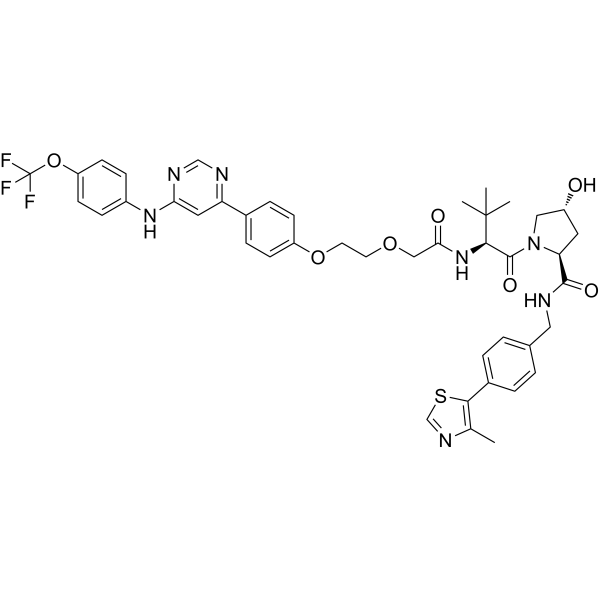
    ARV-771 is a potent BET PROTAC based on E3 ligase von Hippel-Lindau with Kds of 34 nM, 4.7 nM, 8.3 nM, 7.6 nM, 9.6 nM, and 7.6 nM for BRD2(1), BRD2(2), BRD3(1), BRD3(2), BRD4(1), and BRD4(2), respectively .
    ARV-771
  • HY-133120
    INY-03-041
    1 Publications Verification

    PROTACs Akt Cancer
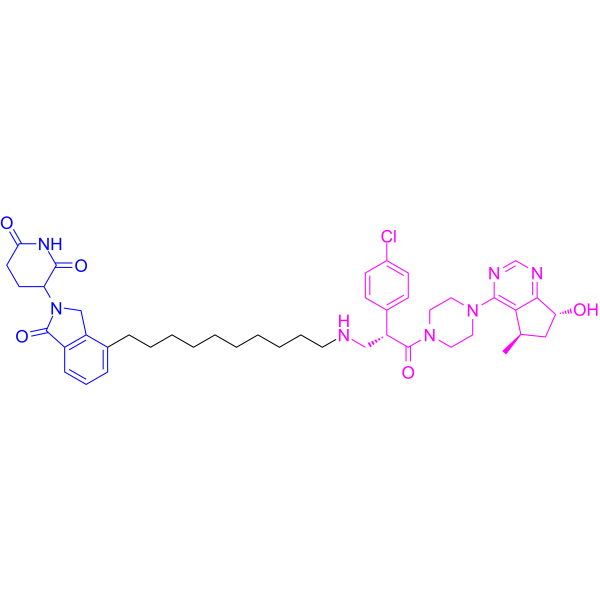
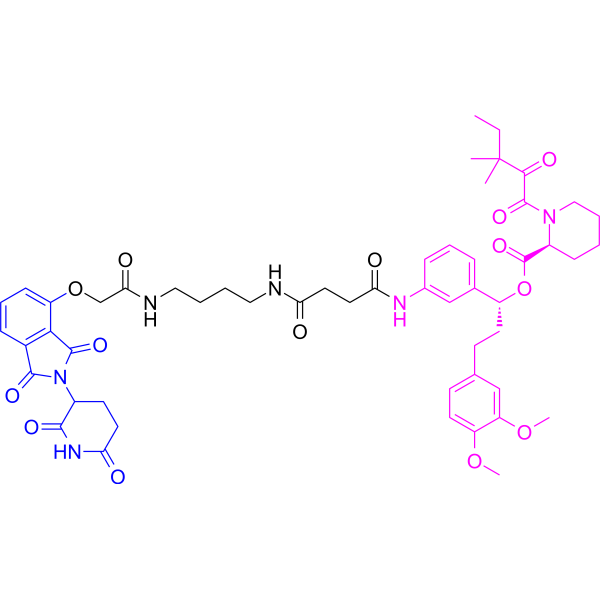
    INY-03-041 is a potent, highly selective and PROTAC-based pan-AKT degrader consisting of the ATP-competitive AKT inhibitor Ipatasertib (HY-15186) conjugated to Lenalidomide (HY-A0003, Cereblon ligand). INY-03-041 inhibits AKT1, AKT2 and AKT3 with IC50s of 2.0, 6.8 and 3.5 nM, respectively .
    INY-03-041
  • HY-129180

    PROTACs CDK Cancer
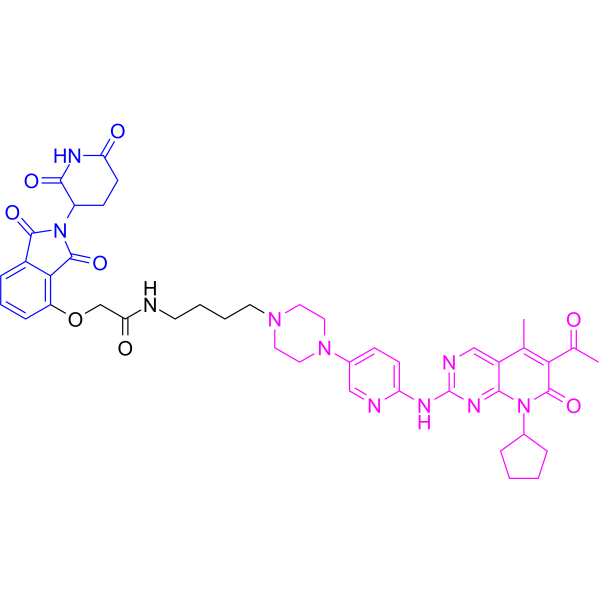
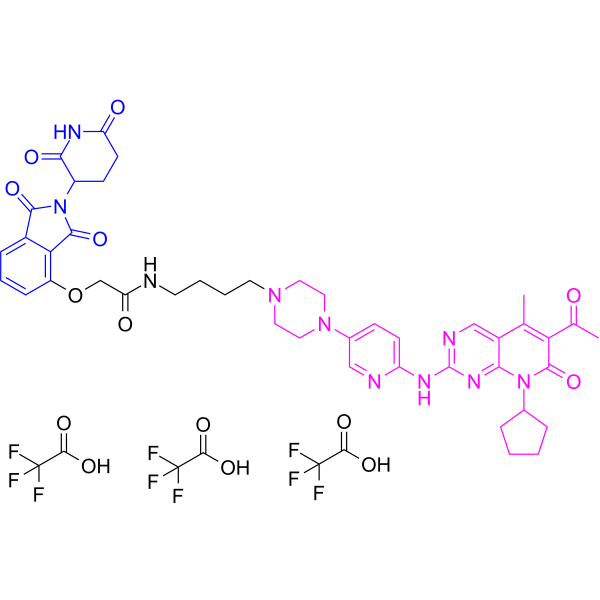
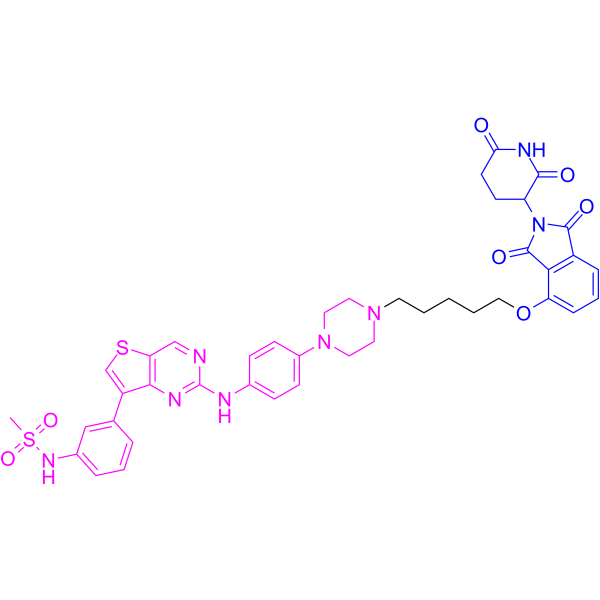
    XY028-133 (example 14) is a PROTAC-based CDK4/6 degrader with anti-tumor activity, which consists of ligands for von Hippel-Lindau and CDK .
    XY028-133
  • HY-161157

    PROTACs Cancer
    dTAG-13-NEG is a negative control of dTAG-13 (HY-114421). dTAG-13, a PROTAC-based heterobifunctional degrader, is a selective degrader of FKBP12 F36V with expression of FKBP12F36V in-frame with a protein of interest .
    dTAG-13-NEG
  • HY-114421
    FKBP12 PROTAC dTAG-13
    5+ Cited Publications

    dTAG-13

    PROTACs FKBP Cancer
    FKBP12 PROTAC dTAG-13 (dTAG-13), a PROTAC-based heterobifunctional degrader, is a selective degrader of FKBP12 F36V with expression of FKBP12F36V in-frame with a protein of interest. FKBP12 PROTAC dTAG-13 effectively engages FKBP12 F36V and CRBN, thereby selectively degrading FKBP12 F36V .
    FKBP12 PROTAC dTAG-13
  • HY-130714
    TD-165
    1 Publications Verification

    PROTACs Cancer
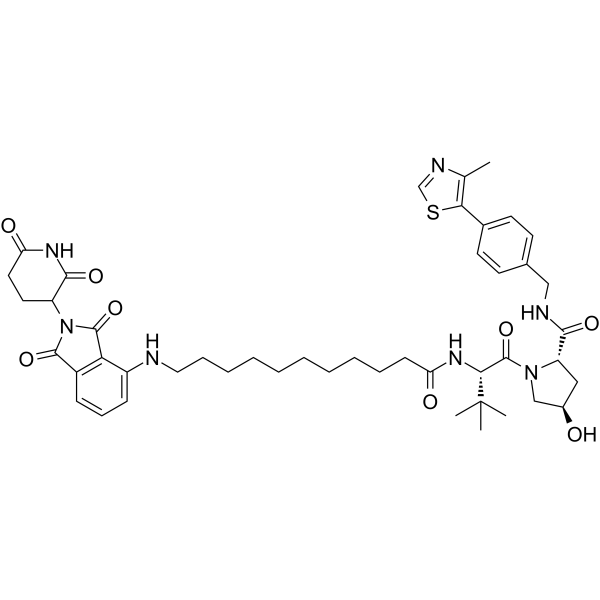
    TD-165 is a PROTAC-based cereblon (CRBN) degrader. TD-165 comprises a?cereblon (CRBN)?ligand binding group, a linker and an?von Hippel-Landau (VHL)?binding group .
    TD-165
  • HY-125877
    PROTAC Mcl1 degrader-1
    1 Publications Verification

    PROTACs Bcl-2 Family Cancer
    PROTAC Mcl1 degrader-1 (compound C3), a proteolysis targeting chimera (PROTAC) based on Cereblon ligand, is a potently and selectively Mcl-1 (Bcl-2 family member) inhibitor with an IC50 of 0.78 μM. PROTAC Mcl1 degrader-1 inhibits Bcl-2 with an IC50 of 0.54 μM .
    PROTAC Mcl1 degrader-1
  • HY-111866
    PROTAC RIPK degrader-2
    1 Publications Verification

    PROTACs RIP kinase Metabolic Disease Cancer
    PROTAC RIPK degraders -2 is a non-peptide PROTAC based on von Hippel-Lindau and targets serine-threonine kinase RIPK2, which is highly selective to the degradation of RIPK2. PROTAC RIPK degrader-2 acts as an activator to increase cell death and activate ion channels in cancer cells. PROTAC RIPK degrader-2 also can inhibit protein interactions, such as receptors and ligands, involved in a variety of diseases, such as cancer and diabetes .
    PROTAC RIPK degrader-2
  • HY-103634
    dFKBP-1
    1 Publications Verification

    PROTACs FKBP Cancer
    dFKBP-1 is a potent and PROTAC-based FKBP12 degrader. dFKBP-1 incorporates the ligand SLF (HY-114872) of FKBP12, the Thalidomide based Cereblon ligand and a linker .
    dFKBP-1
  • HY-150251

    STAT3 degrader-2

    PROTACs STAT Cancer
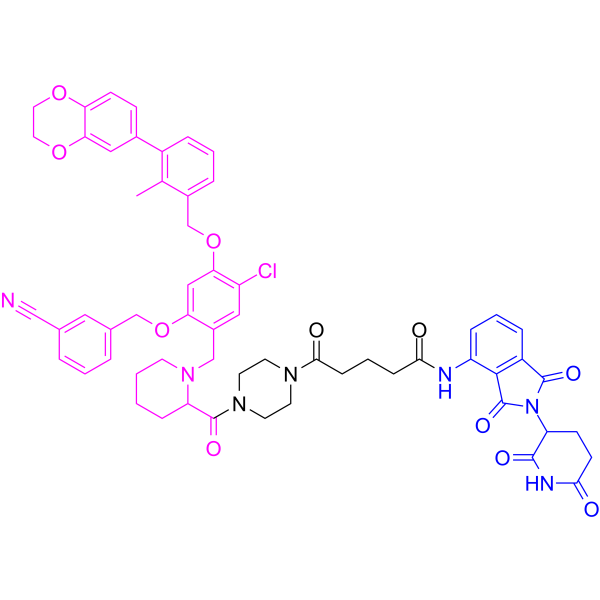
    SD-91 (STAT3 degrader-2), a product of the hydrolysis of SD-36 (HY-129602), is a selective PROTAC-based STAT3 degrader with a Ki of 5.5 nM. SD-91 displays >300-fold selectivity over other STAT family protein members. SD-91 potently induces degradation of STAT3 protein in cells. SD-91 has anticancer effects, such as myeloid leukemia, lymphoma (Pink: ligand for target protein (HY-150895); Black: linker; Blue: E3 ligase ligand; E3 ligase ligand+linker: HY-176506) .
    SD-91
  • HY-125876
    PROTAC Bcl2 degrader-1
    1 Publications Verification

    PROTACs Bcl-2 Family Cancer
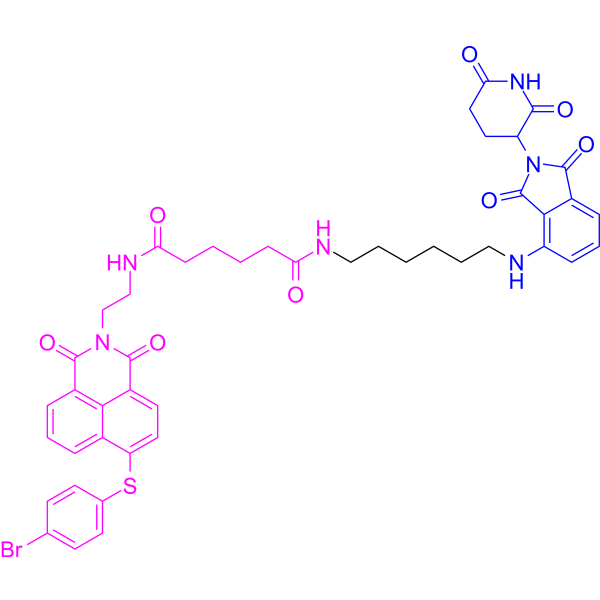
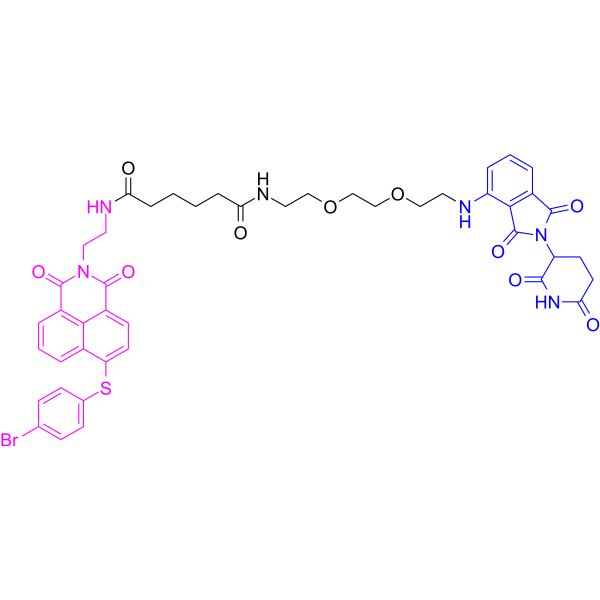
    PROTAC Bcl2 degrader-1 (Compound C5) is a PROTAC based on Cereblon ligand, which potently and selectively induces the degradation of Bcl-2 (IC50, 4.94 μM; DC50, 3.0 μM) and Mcl-1 (IC50, 11.81 μM) by introducing the E3 ligase cereblon (CRBN)-binding ligand pomalidomide to Mcl-1/Bcl-2 dual inhibitor Nap-1 (Blue: CRBN ligand, Black: linker;Pink: Mcl-1/Bcl-2 inhibitor, Nap-1).
    PROTAC Bcl2 degrader-1
  • HY-131183

    PROTACs PD-1/PD-L1 Inflammation/Immunology
    PROTAC PD-1/PD-L1 degrader-1, a PD-1/PD-L1 PROTAC based on Cereblon E3 ligand, inhibits PD-1/PD-L1 interaction with an IC50 of 39.2 nM. PROTAC PD-1/PD-L1 degrader-1 significantly restores the immunity repressed in a co-culture model of Hep3B/OS-8/hPD-L1 and CD3 T cells. PROTAC PD-1/PD-L1 degrader-1 moderately reduces the protein levels of PD-L1 in a lysosome-dependent manner .
    PROTAC PD-1/PD-L1 degrader-1
  • HY-129610

    PROTACs FKBP Cancer
    KB02-SLF is a PROTAC-based nuclear FKBP12 degrader (molecular glue). KB02-SLF promotes nuclear FKBP12 degradation by covalently modifying DCAF16 (E3 ligase) and can improve the durability of protein degradation in biological systems. SLF binds ubiquitin E3 ligase ligand KB02 via a linker to form KB02-SLF .
    KB02-SLF
  • HY-149236

    PROTACs Glutathione Peroxidase Ferroptosis Cancer
    PROTAC GPX4 degrader-1 (DC-2) is a PROTAC-based GPX4 degrader, with a DC50 of 0.03 μM in HT1080 cells .
    PROTAC GPX4 degrader-1
  • HY-162412

    PROTACs Adrenergic Receptor Apoptosis Cancer
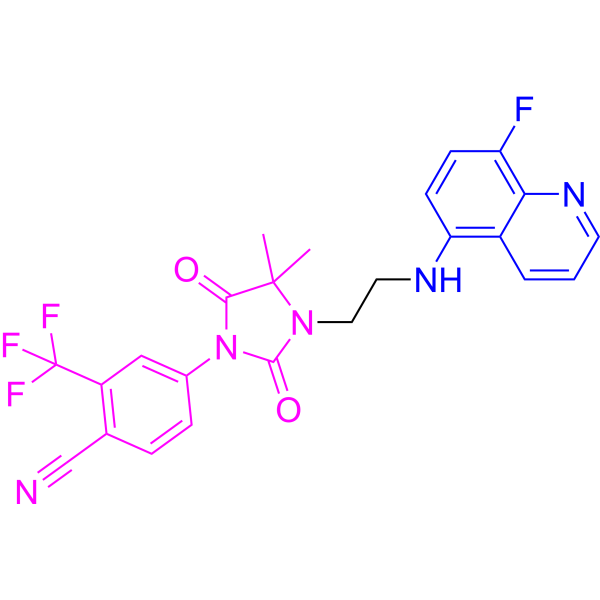
    PROTAC AR/AR-V7 degrader-1 (27c) is a PROTAC-based and dual AR, AR-V7 degrader, with DC50 values of 2.67 and 2.64 μM for AR and AR-V7, respectively. PROTAC AR/AR-V7 degrader-1 (27c) induces apoptosis (Red: AR antagonist; Blue: E3 ligase ligand; Black: linker) .
    PROTAC AR/AR-V7 degrader-1
  • HY-129917
    KB02-JQ1
    4 Publications Verification

    PROTACs Epigenetic Reader Domain Cancer
    KB02-JQ1 is a highly selective and PROTAC-based BRD4 degrader (molecular glue), but does not degrade BRD2 or BRD3. KB02-JQ1 promotes BRD4 degradation by covalently modifying DCAF16 (E3 ligase) and can improve the durability of protein degradation in biological systems. JQ1 binds ubiquitin E3 ligase ligand KB02 via a linker to form KB02-JQ1 .
    KB02-JQ1
  • HY-173679

    PROTACs PARP Interleukin Related STAT Integrin HSV VSV Infection Cancer
    RBN012811 is a highly selective PROTAC-based PARP14 degrader. RBN012811 forms a ternary complex with cereblon by binding to the NAD + site of PARP14, and mediates the specific degradation of PARP14 via the ubiquitin-proteasome pathway (IC50=10 nM). RBN012811 effectively depletes endogenous PARP14 in various cell lines and primary human macrophages, thereby downregulating IL-10 production and IFN-β mRNA levels, increasing phosphorylated STAT1 levels to enhance inflammatory signaling, and inhibiting interferon-induced ADPr condensate formation. RBN012811 also modulates viral replication, exhibiting increased HSV1 replication while reducing VSV replication. RBN012811 has important application value in research related to cancer and viral infections .
    RBN012811
  • HY-125834

    PROTACs Bcr-Abl Apoptosis STAT JAK Cancer
    GMB-475 is a potent BCR-ABL1 PROTAC based on Von Hippel-Lindau (VHL). GMB-475 targets the nutmeg pocket of ABL1 in an ectopic manner and degrades BCR-ABL1 protein through the ubiquitin proteasome pathway. GMB-475 inhibits the proliferation of human K562 cells and mouse Ba/F3 cells, and is used for the study of chronic myeloid leukemia. (Blue: VHL ligand (HY-125845); Black: Linker; Pink: BCR-ABL1 ligand (HY-11007)) .
    GMB-475
  • HY-133120A
    INY-03-041 trihydrochloride
    1 Publications Verification

    PROTACs Akt Cancer
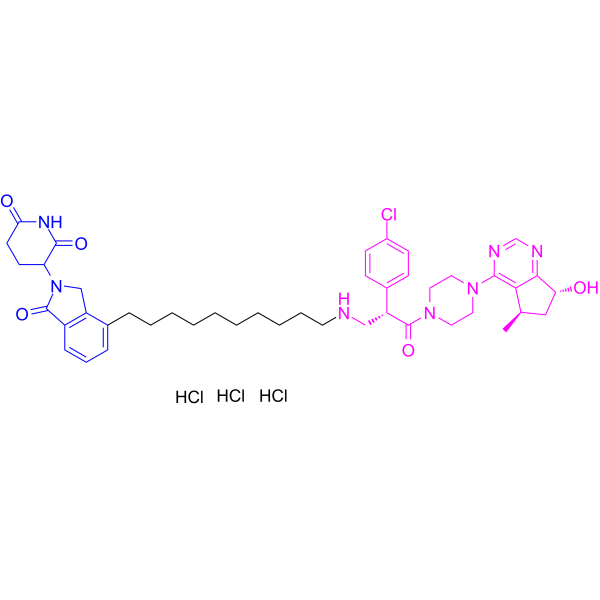
    INY-03-041 trihydrochloride is a potent, highly selective and PROTAC-based pan-AKT degrader consisting of the ATP-competitive AKT inhibitor Ipatasertib (HY-15186) conjugated to Lenalidomide (HY-A0003). INY-03-041 trihydrochloride inhibits AKT1, AKT2 and AKT3 with IC50s of 2.0, 6.8 and 3.5 nM, respectively .
    INY-03-041 trihydrochloride
  • HY-170859

    PROTACs Casein Kinase Cancer
    AH078 is a PROTAC-based CK1δ/ε degrader (DC50=0.55 μM, Dmax=70%) that lacks subtype selectivity between CK1δ and CK1ε. AH078 induces target protein degradation either by recruiting the CUL4-CRBN E3 ligase complex and proteasome, or via the VHL- and ubiquitin-dependent pathway. AH078 also exhibits selectivity for CK1α, and is widely applicable to research related to colon cancer, pancreatic cancer, breast cancer, ovarian cancer, chronic lymphocytic leukemia, acute myeloid leukemia, glioma, and metastatic breast adenocarcinoma .
    AH078
  • HY-155218

    PROTACs CDK Cancer
    TMX-2172 is a selective bivalent cereblon-recruiting PROTAC-based dual CDK2 and CDK5 degrader with IC50 values of 6.5 nM and 6.8 nM, respectively. TMX-2172 shows selectivity for CDK2 and CDK5 over other cell cycle CDKs (CDK1, CDK4, and CDK6) and transcriptional CDKs (CDK7 and CDK9). TMX-2172 inhibits CDK2/CDK5 enzymatic activity, induces their proteasomal degradation, reduces ASCL1 protein levels and half-life, induces cancer cell death, and exerts antiproliferative effects. TMX-2172 can be used for the research of ovarian cancer and small cell lung cancer .
    TMX-2172
  • HY-160506

    PROTACs c-Met/HGFR Apoptosis Cancer
    PRO-6E is an oral active PROTAC based on Cereblon ligand, and induces the degradation of MET with maximum degradation of 81.9% at 1 μM in MKN-45 cells. PRO-6E inhibits tumor growth in vivo and in vitro. PRO-6E induces cell apoptosis and induces cell arrest (Sturcture Note:(Blue: Cereblon ligand (HY-103596), Black: linker;Pink: ALK/c-Met inhibitor Crizotinib (HY-50878)) .
    PRO-6E
  • HY-158048

    PROTACs STING Inflammation/Immunology
    UNC9036 is a PROTAC-based STING degrader, with a DC50 of 227 nM. UNC9036-mediated STING degradation is proteasome and VHL dependent (Structure Note: Red, STING agonist diABZI (HY-112921A); Blue, VHL ligand VH032 (HY-120217); Black, linker) .
    UNC9036
  • HY-176184

    PROTACs Discoidin Domain Receptor Cancer
    PROTAC DDR1 degrader-1 is a PROTAC based DDR1 degrader (Red: DDR1 inhibitor (HY-176185), black: linker, Blue: E3 ligase ligand) .
    PROTAC DDR1 degrader-1
  • HY-168221

    PROTACs Cancer
    YD54 is a PROTAC based SMARCA2 degrader with a DC50 of 3.5 nM (Red: SMARCA2 degrader (HY-44012B), black: linker, Blue: E3 ligase ligand) .
    YD54
  • HY-148063

    PROTACs AAK1 Aurora Kinase CaMK CDK Ferroptosis Salt-inducible Kinase (SIK) LIM Kinase (LIMK) ULK Metabolic Disease
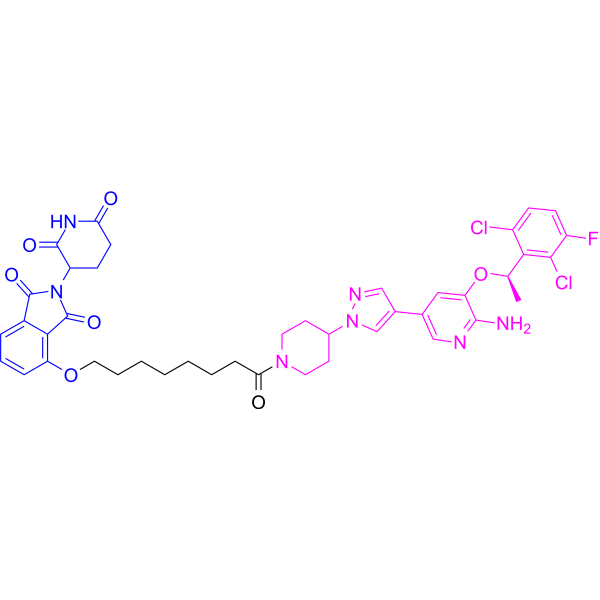
    DB0614 is a PROTAC based on Cereblon ligand, which is a selective and potent targeted protein degrader of NEK9 inhibitor. DB0614 can degrade ABL1, ABL2, BLK, CDK11B, CDK4, CSK, EPHA3, FER, GAK, LIMK1, MAP3K20, MAP4K1, MAP4K2, MAP4K3, MAP4K5, MAPK14, MAPK7, MAPK8, MAPK9, MAPKAPK2, MAPKAPK3, NLK, PDIK1L, PTK2B, RIPK1, RPS6KA1, RPS6KA3, SIK2, SIK3, STK35, TNK2 and ULK1. DB0614 can be used for research of disease or disorder mediated by aberrant kinase activity .(Blue: Thalidomide-4-OH (HY-103596), Black: linker, Pink: FLT3-IN-17 (HY-148070))
    DB0614
  • HY-146231

    PROTACs MAP4K Inflammation/Immunology Cancer
    SS47, a PROTAC-based HPK1 degrader, exerts proteasome-mediated HPK1 degradation. The degradation of HPK1 via SS47 also significantly enhances the antitumor efficacy .
    SS47
  • HY-156774

    PROTACs Epigenetic Reader Domain Others
    CCW 28-3 is a PROTAC-based BRD4 degrader in a proteasome- and RNF4-dependent manner (Pink: JQ-1 (carboxylic acid) (HY-78695); Black: linker (HY-170384); Blue: RNF4 ligand CCW16 (HY-143346)) .
    CCW 28-3
  • HY-147219A

    PROTACs Anaplastic lymphoma kinase (ALK) EGFR Apoptosis Cancer
    SIAIS164018 hydrochloride is a PROTAC-based ALK and EGFR degrader, with IC50 value of 2.5 nM and 6.6 nM for ALK and ALK G1202R, respectively. SIAIS164018 hydrochloride strongly inhibits cancer cells migration and invasion, causes G1 cell cycle arrest and induces apoptosis. SIAIS164018 hydrochloride exhibits better property than Brigatinib (HY-12857) .
    SIAIS164018 hydrochloride
  • HY-146231A

    MAP4K PROTACs Inflammation/Immunology Cancer
    SS47 TFA, a PROTAC-based HPK1 degrader, exerts proteasome-mediated HPK1 degradation. The degradation of HPK1 via SS47 also significantly enhances the in vivo antitumor efficacy of BCMA CAR-T cell research. HPK1, an immunosuppressive regulatory kinase, is a promising target for cancer immunotherapies . SS47 (TFA) is a click chemistry reagent, it contains an Alkyne group and can undergo copper-catalyzed azide-alkyne cycloaddition (CuAAc) with molecules containing Azide groups.
    SS47 TFA
  • HY-115568
    BETd-246
    2 Publications Verification

    PROTACs Epigenetic Reader Domain Cancer
    BETd-246 is a second-generation and PROTAC-based BET bromodomain (BRD) inhibitor connected by ligands for Cereblon and BET, exhibiting superior selectivity, potency and antitumor activity .
    BETd-246
  • HY-163152

    PROTACs Epigenetic Reader Domain Cancer
    PROTAC BRM degrader-1 (compound 17) is a PROTAC-based BRM and BRG1 degrader, with DC50 values of 93 pM and 4.9 nM, respectively .
    PROTAC BRM degrader-1
  • HY-155393

    PROTACs Epigenetic Reader Domain Cancer
    PROTAC BRD4 Degrader-22 (Compd 44h) is a PROTAC-based BRD4 degrader, with a pDC50 (MOLT4, 24 h) of 9.2 .
    PROTAC BRD4 Degrader-22
  • HY-162676

    PROTACs Src Cancer
    SJ45566 a potent and orally active PROTAC-based LCK degrader, with a DC50 of 1.21 nM. SJ45566 can be used in the research for T‑Cell Acute Lymphoblastic Leukemia .
    SJ45566
  • HY-139707

    Thalidomide-NH-CBP/p300 ligand 2

    PROTACs Molecular Glues Epigenetic Reader Domain Cancer
    PROTAC CBP/P300 Degrader-3 (P-007) is a PROTAC-based CBP and p300 degrader (extracted from patent WO2020173440) .
    PROTAC CBP/P300 Degrader-3
  • HY-170413

    PROTACs Btk Cancer
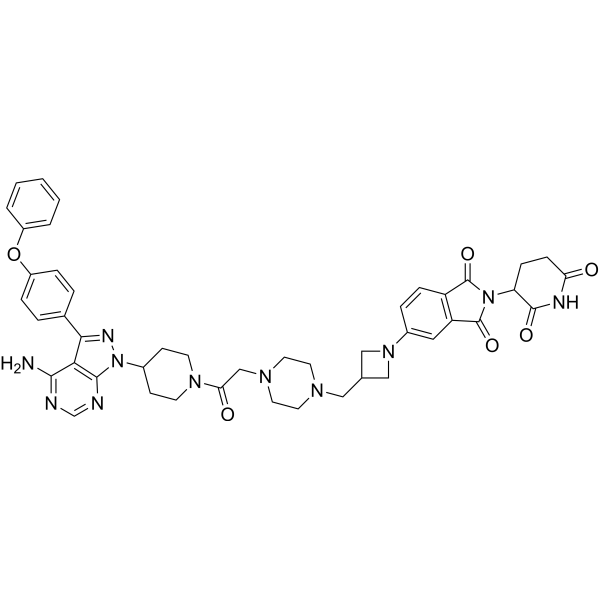
    PROTAC BTK Degrader-12 (EXAMPLE 19) is a PROTAC-based BTK degrader (Pink & black: BTK ligand & linker (HY-170414); Black: linker (HY-30105); Blue: CRBN ligand ( HY-W245311)) .
    PROTAC BTK Degrader-12
  • HY-147219

    PROTACs Anaplastic lymphoma kinase (ALK) EGFR Apoptosis Cancer
    SIAIS164018 is a PROTAC-based ALK and EGFR degrader, with IC50 value of 2.5 nM and 6.6 nM for ALK and ALK G1202R, respectively. SIAIS164018 strongly inhibits cancer cells migration and invasion, causes G1 cell cycle arrest and induces apoptosis. SIAIS164018 exhibits better property than Brigatinib (HY-12857) .
    SIAIS164018
  • HY-135382

    PROTACs IRAK Inflammation/Immunology Cancer
    PROTAC IRAK4 degrader-2 (Compound 9) is a PROTAC-based IRAK4 degrader that affords potent IRAK4 degradation with a DC50 in peripheral blood mononuclear cells (PBMCs) cells of 151 nM. PROTAC IRAK4 degrader-2 induce a reduction of IRAK4 protein levels with a DC50 of 36 nM in PBMC cells. PROTAC IRAK4 degrader-2 also leads to the inhibition of multiple cytokines in PBMCs .
    PROTAC IRAK4 degrader-2
  • HY-171334

    PROTACs PIN1 Cancer
    PROTAC PIN1 degrader-2 (1) is a PROTAC-based PIN1 degrader (Pink: PIN1 ligand HY-171442, Blue: cereblon ligand Thalidomide (HY-14658), Black: linker HY-W014883). PROTAC PIN1 degrader-2 (1) possesses anti-cancer activity, with IC50 values of 2248 nM (MV-4-11 cells), 3984 nM (MOLM-13), 3925 nM (HL-60), 3925 nM (HL-60), 3925 nM (HL-60), 3925 nM (HL-60) and 3925 nM (HL-60) respectively .
    (Rac)-P1D-34
  • HY-130985

    PROTAC Linkers Cancer
    9-Decyn-1-ol is an alkyl/ether-based PROTAC linker that can be used in the synthesis of PROTACs. 9-Decyn-1-ol can be used to conjugate GDC-0068 with Lenalidomide to generate INY-03-041. INY-03-041 is a potent, highly selective and PROTAC-based pan-Akt degrader. INY-03-041 inhibits Akt1, Akt2 and Akt3 with IC50s of 2.0 nM, 6.8 nM and 3.5 nM, respectively . 9-Decyn-1-ol is a click chemistry reagent, it contains an Alkyne group and can undergo copper-catalyzed azide-alkyne cycloaddition (CuAAc) with molecules containing Azide groups.
    9-Decyn-1-ol
  • HY-114405

    PROTACs p38 MAPK Autophagy Cancer
    SJFδ is a 10-atom linker PROTAC based on von Hippel-Lindau ligand. SJFδ degrades p38δ with a DC50 of 46.17 nM, but does not degrade p38α, p38β, or p38γ .
    SJFδ
  • HY-143882

    PROTACs Akt Cancer
    MS5033 is a potent PROTAC-based AKT (protein kinase B) degrader, with a DC50 of 430 nM in PC3 cells .
    MS5033
  • HY-170335

    PROTACs c-Met/HGFR Others
    PROTAC c-Met degrader-2 (PROTAC2) is a PROTAC-based c-Met degrader, with a DC50 of 50 nM (Pink: Foretinib (HY-10338); Black: linker (HY-45124); Blue: CRBN ligand Thalidomide-4-O-C2-NH2 (HY-136162A)) .
    PROTAC c-Met degrader-2
  • HY-162835

    PROTACs Epigenetic Reader Domain Cancer
    PROTAC SMARCA2/4-degrader-28 (PROTAC 1) is a PROTAC-based partial degrader of SMARCA2 and SMARCA4(Bliue: CRL2 VHL ligand (S,R,S)-AHPC (HY-125845); Black: linker (HY-159680); Pink: a SMARCA-BD ligand (+)-JQ-1 (HY-13030)) .
    PROTAC SMARCA2/4-degrader-28
  • HY-156814

    Hedgehog Cancer
    HPP-9 is a Proteolysis-Targeting Chimeras PROTACs) based on Hedgehog Pathway Inhibitor-1 (HPI-1), with the pIC50 of 6.71, that can degrade BET bromodomains. HPP-9 has antitumor activity [1[.
    HPP-9
  • HY-173467

    PROTACs c-Myc Cancer
    PROTAC MTP3 degrade-1 is a PROTAC based MYC degrader (Red: MYC inhibitor (HY-173469), black: linker (HY-W008296), Blue: E3 ligase ligand (HY-14658)) .
    PROTAC MTP3 degrader-1
  • HY-155684

    PROTACs VEGFR PDGFR Ephrin Receptor Cancer
    SA-PA is an intracellular self-assembled PROTAC based on azide and alkyne. SA-PA is able to selectively degrade VEGFR-2, PDGFR-β and EphB4 proteins in U87 cells. SA-PA can be converted to PROTAC in situ by click reaction with the help of endogenous copper in tumor tissues .
    SA-PA
  • HY-176421

    PROTACs PI3K Cancer
    PROTAC PI3K/110β degrader-1 (J-9) is a PROTAC based PI3K/110β degrader (Red: PI3K/110β inhibitor (HY-75124), black: linker, Blue: E3 ligase ligand) .
    PROTAC PI3K/110β degrader-1
  • HY-155398

    PROTACs HDAC Cancer
    PRO-HD3 is a cell-specific, PROTAC-based HDAC6 degrader .
    PRO-HD3
  • HY-155397

    PROTACs HDAC Cancer
    PRO-HD2 is a cell-specific, PROTAC-based HDAC6 degrader .
    PRO-HD2

Inquiry Online

Your information is safe with us. * Required Fields.

Salutation


Country or Region *

Applicant Name *


Organization Name *

Department *


Email Address *


Product Name *

Cat. No.


Requested quantity *

Phone Number *


Remarks

Inquiry Online

Inquiry Information

Product Name:
Cat. No.:
Quantity:
MCE Japan Authorized Agent:

