1. Search Result
Search Result
Results for "

Pain treatment

" in MedChemExpress (MCE) Product Catalog:

37

Inhibitors & Agonists

3

Screening Libraries

4

Fluorescent Dyes

2

Peptides

2

Natural
Products

1

Isotope-Labeled Compounds

Cat. No. Product Name Target Research Areas Chemical Structure
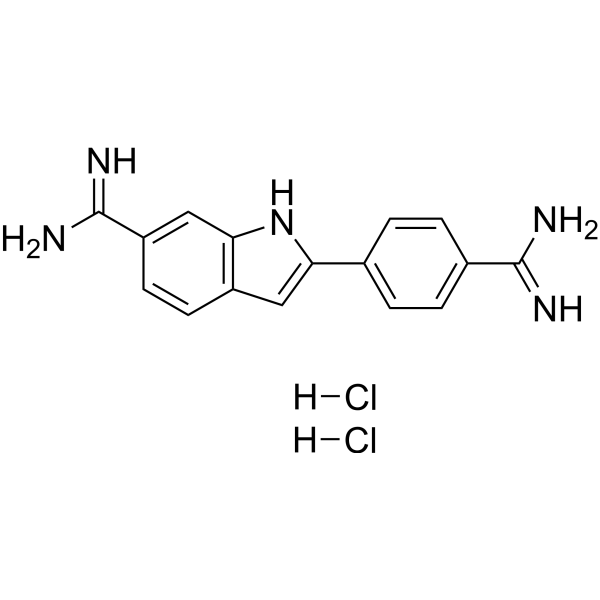
  • HY-D0814
    DAPI dihydrochloride
    Maximum Cited Publications
    146 Publications Verification

    4',6-Diamidino-2-phenylindole dihydrochloride

    DNA Stain Sodium Channel Neurological Disease
    DAPI (4',6-Diamidino-2-phenylindole) dihydrochloride is a DAPI dye. DAPI is a fluorescent dye that binds strongly to DNA. It binds to the AT base pair of the double-stranded DNA minor groove, and one DAPI molecule can occupy three base pair positions. The fluorescence intensity of DAPI molecules bound to double-stranded DNA is increased by about 20 times, and it is commonly observed with fluorescence microscopy, and the amount of DNA can be determined based on the intensity of fluorescence. In addition, because DAPI can pass through intact cell membranes, it can be used to stain both live and fixed cells . DAPI (Compound 3) is an acid-sensing ion channel 3 (ASIC3) inhibitor. DAPI binds to ASIC3 and blocks the channel function. DAPI can be used in the study of chronic pain treatment (Ex/Em = 356/451 nm).
    DAPI dihydrochloride
  • HY-16781
    Grapiprant
    4 Publications Verification

    CJ-023423; RQ-00000007; AAT-007

    Prostaglandin Receptor Metabolic Disease Endocrinology Cancer
    Grapiprant (CJ-023423) is a selective EP4 receptor antagonist whose physiological ligand is prostaglandin E2 (PGE2). Grapiprant displaces [ 3H]-PGE2 (1 nM) binding to dog recombinant EP4 receptor with IC50 value of 35 nM and Ki value of 24 nM. Grapiprant has the potential for osteoarthritic pain and inflammation treatment [3] .
    Grapiprant
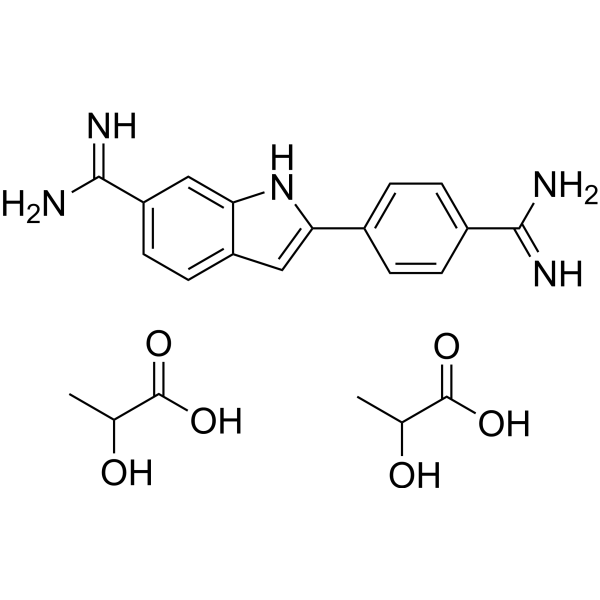
  • HY-D1738
    DAPI dilactate
    110+ Cited Publications

    4',6-Diamidino-2-phenylindole dilactate

    Fluorescent Dye Others
    DAPI (4',6-Diamidino-2-phenylindole) dilactate is a DAPI dye. DAPI is a fluorescent dye that binds strongly to DNA. It binds to the AT base pair of the double-stranded DNA minor groove, and one DAPI molecule can occupy three base pair positions. The fluorescence intensity of DAPI molecules bound to double-stranded DNA is increased by about 20 times, and it is commonly observed with fluorescence microscopy, and the amount of DNA can be determined based on the intensity of fluorescence. DAPI cannot penetrate intact cell membranes and is commonly used for staining both live and fixed cells . DAPI (Compound 3) is an acid-sensing ion channel 3 (ASIC3) inhibitor. DAPI binds to ASIC3 and blocks the channel function. DAPI can be used in the study of chronic pain treatment (Ex/Em = 356/451 nm) .
    DAPI dilactate
  • HY-14777

    RGH-896

    iGluR Neurological Disease
    Radiprodil (RGH-896) is an orally active and selective NMDA NR2B antagonist. A potential therapeutic agent in treatment of neuropathic pain and possibly other chronic pain conditions .
    Radiprodil
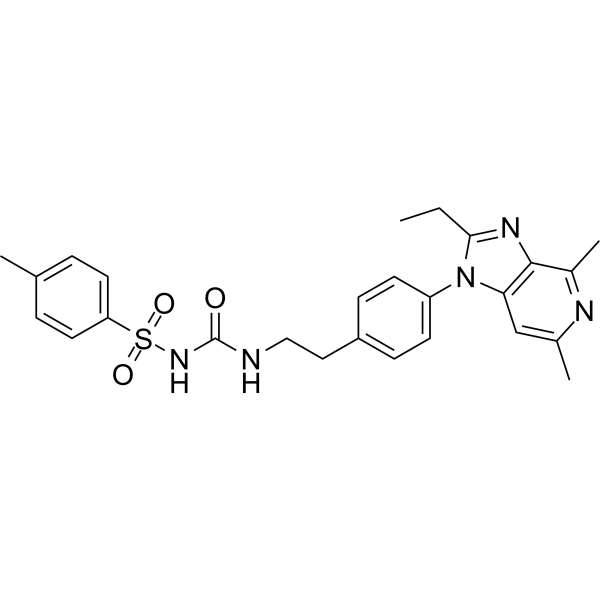
  • HY-114237

    Sodium Channel Neurological Disease
    GDC-0276 is a potent, selective, reversible and orally active NaV1.7 inhibitor with an IC50 value of 0.4 nM. GDC-0276 is well tolerated and exhibits a good pharmacokinetic profile. GDC-0276 has the potential for the treatment of pain and to address shortcomings of existing pain medications, such as addiction and off-target side effects .
    GDC-0276
  • HY-D2868
    DAPI
    130+ Cited Publications

    4',6-Diamidino-2-phenylindole

    DNA Stain Sodium Channel Neurological Disease
    DAPI (4',6-Diamidino-2-phenylindole) is a DAPI dye. DAPI is a fluorescent dye that binds strongly to DNA. It binds to the AT base pair of the double-stranded DNA minor groove, and one DAPI molecule can occupy three base pair positions. The fluorescence intensity of DAPI molecules bound to double-stranded DNA is increased by about 20 times, and it is commonly observed with fluorescence microscopy, and the amount of DNA can be determined based on the intensity of fluorescence. In addition, because DAPI can pass through intact cell membranes, it can be used to stain both live and fixed cells . DAPI (Compound 3) is an acid-sensing ion channel 3 (ASIC3) inhibitor. DAPI binds to ASIC3 and blocks the channel function. DAPI can be used in the study of chronic pain treatment (Ex/Em = 356/451 nm).
    DAPI
  • HY-109067A

    VVZ-149 hydrochloride

    GlyT 5-HT Receptor P2X Receptor Neurological Disease
    Opiranserin (VVZ-149) hydrochloride, a non-opioid and non-NSAID analgesic candidate, is a dual antagonist of glycine transporter type 2 (GlyT2) and serotonin receptor 2A (5HT2A), with IC50s of 0.86 and 1.3 μM, respectively. Opiranserin hydrochloride shows antagonistic activity on rP2X3 (IC50=0.87 μM). Opiranserin hydrochloride is development as an injectable agent for the treatment of postoperative pain .
    Opiranserin hydrochloride
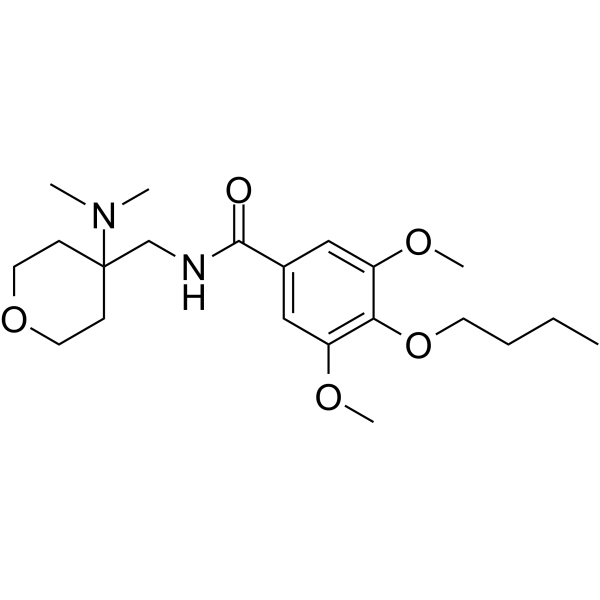
  • HY-125821

    Sigma Receptor Neurological Disease
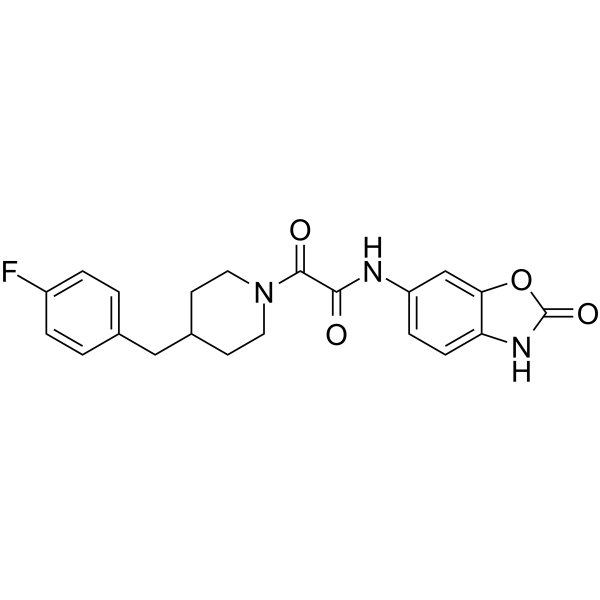
    Sigma‑1 receptor antagonist 1 (compound 137) is a potent and selective sigma-1 receptor (σ1R) antagonist, with a high binding affinity to σ1R receptor (Ki = 1.06 nM). Sigma‑1 receptor antagonist 1 exhibits antineuropathic pain activity and acts as a promising agent for the treatment of neuropathic pain .
    Sigma-1 receptor antagonist 1
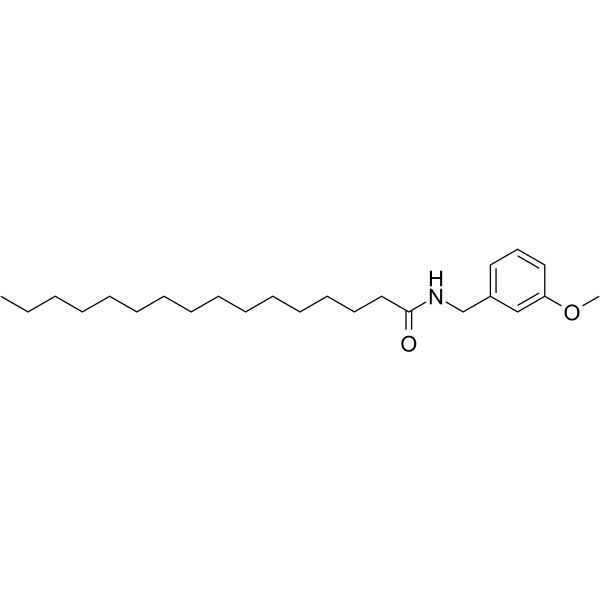
  • HY-N2428

    FAAH Neurological Disease
    N-(3-Methoxybenzyl)Palmitamide is a promising inhibitor of FAAH for the treatment of pain, inflammation and CNS degenerative disorders .
    N-(3-Methoxybenzyl)Palmitamide
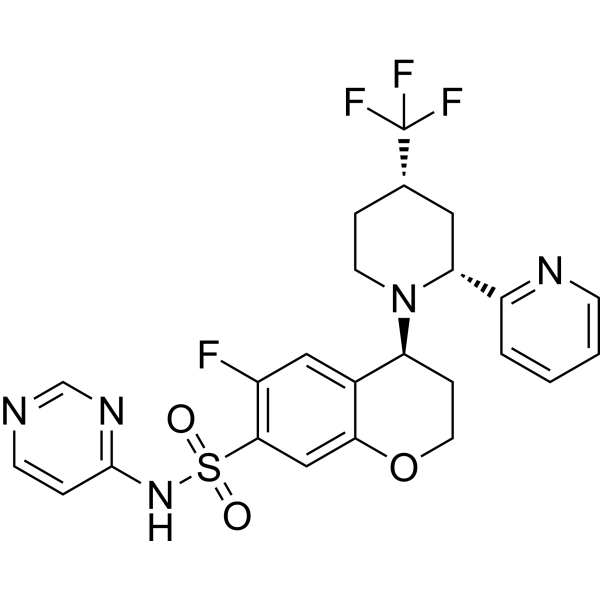
  • HY-119373
    Cav 2.2 blocker 1
    1 Publications Verification

    Calcium Channel Neurological Disease
    Cav 2.2 blocker 1 (compound 9) is a N-type calcium channel (Cav 2.2) blocker for the treatment of pain, with an IC50 of 1 nM .
    Cav 2.2 blocker 1
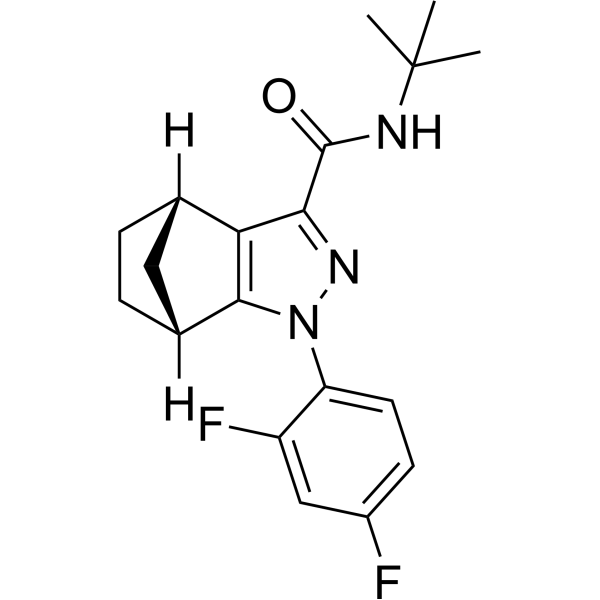
  • HY-14900
    Tedalinab
    1 Publications Verification

    GRC-10693

    Cannabinoid Receptor Inflammation/Immunology
    Tedalinab (GRC-10693) is a potent, orally active, and selective cannabinoid receptor 2 (CB2) agonist. Tedalinab has >4700-fold functional selectivity for CB2 over CB1. Tedalinab has potential for neuropathic pain and osteoarthritis treatment .
    Tedalinab
  • HY-109067

    VVZ-149

    GlyT 5-HT Receptor P2X Receptor Neurological Disease
    Opiranserin (VVZ-149), a non-opioid and non-NSAID analgesic candidate, is a dual antagonist of glycine transporter type 2 (GlyT2) and serotonin receptor 2A (5HT2A), with IC50s of 0.86 and 1.3 μM, respectively. Opiranserin shows antagonistic activity on rP2X3 (IC50=0.87 μM). Opiranserin is development as an injectable agent for the treatment of postoperative pain .
    Opiranserin
  • HY-U00325

    11β-HSD Neurological Disease
    11β-HSD1-IN-1 is an inhibitor of 11β-hydroxydehydrogenase 1 (11β-HSD1), with an IC50 of 52 nM, and used for the treatment of pain.
    11β-HSD1-IN-1
  • HY-126291

    Sodium Channel Neurological Disease
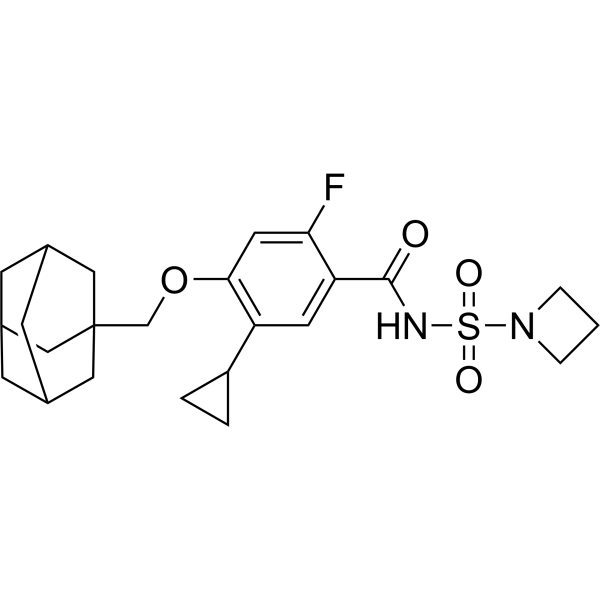
    GNE-616 is a highly potent, metabolically stable, orally bioavailable, and subtype selective Nav1.7 inhibitor (Ki of 0.79 nM and Kd of 0.38 nM for hNav1.7) for the treatment of chronic pain. GNE-616 shows >1000 nM Kd and >2500-fold selectivity over hNav1.1, hNav1.3, hNav1.4, and hNav1.5. Selectivity over hNav1.2 and hNav1.6 is more modest at 31- and 73-fold, respectively .
    GNE-616
  • HY-B0718

    DA-759

    Potassium Channel Neurological Disease
    Methoxyflurane disrupts neuronal transmission by interfering with the release and re-uptake of neurotransmitters at post-synaptic terminals, or altering ionic conductance following receptor activation . Methoxyflurane is an analgesic agent that provides rapid short-term analgesia. Methoxyflurane may shows a effective non-opioid treatment option for trauma pain .
    Methoxyflurane
  • HY-P1681A

    Sodium Channel Neurological Disease
    GpTx-1 TFA is a peptide-based NaV1.7 sodium channel antagonist isolated from the venom of the Chilean spider Grammostola porter. GpTx-1 TFA demonstrates potent inhibitory activity against the NaV1.7 channel with an IC50 value of 10 nM, while exhibiting excellent selectivity for NaV1.4 (IC50 = 0.301 μM) and NaV1.5 (IC50 = 4.20 μM), showing >20-fold and >950-fold selectivity respectively .
    GpTx-1 TFA
  • HY-N4030

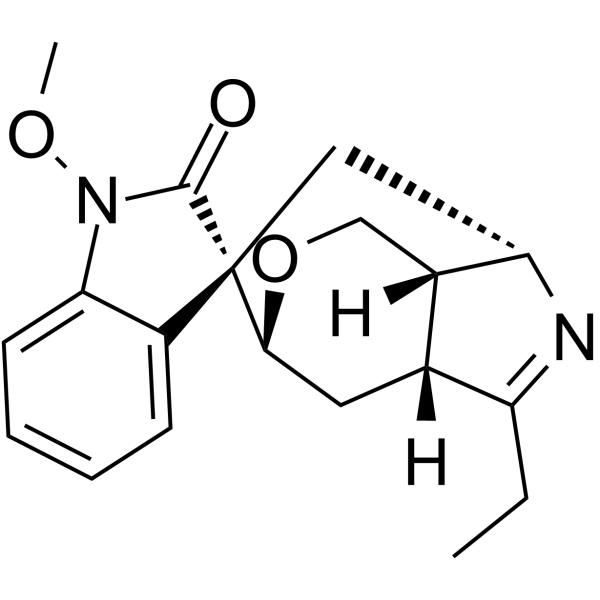
    Gelsenicine

    Others Inflammation/Immunology
    Humantenmine, a newalkaloid isolated from Gelsemium elegan Banth in China, has the potential for pain and rheumatic arthritis treatment .
    Humantenmine
  • HY-B1798

    Sodium Channel Cardiovascular Disease
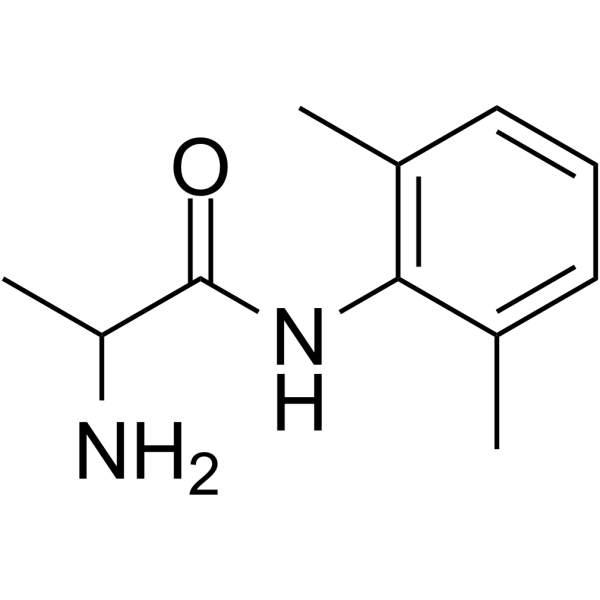
    Tocainide hydrochloride is an orally activesodium channel blocker, it blocks the sodium channels in the pain-producing foci in the nerve membranes. Tocainide hydrochloride is a primary amine analog of lidocaine, can be used for the treatment of tinnitus .
    Tocainide
  • HY-B1901S

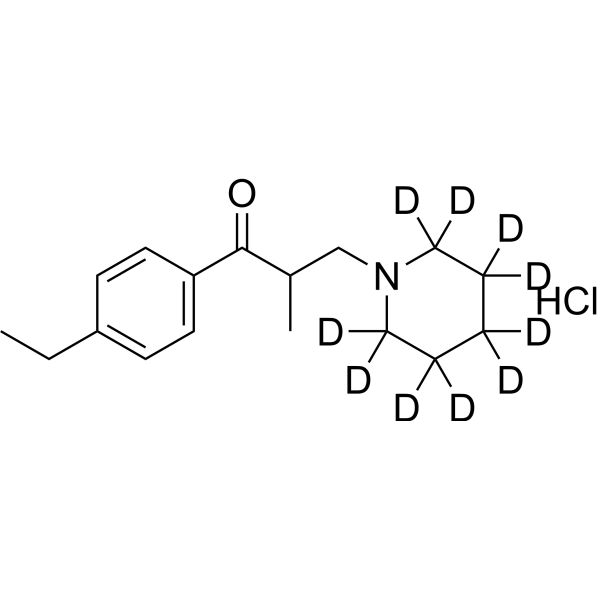
    Isotope-Labeled Compounds Neurological Disease
    Eperisone-d10 (hydrochloride) is the deuterium labeled Eperisone hydrochloride. Eperisone Hydrochloride ((±)-Eperisone hydrochloride) is an antispastic agent used for treatment of diseases characterized by muscle stiffness and pain. It works by relaxing both skeletal muscles and vascularsmooth muscles, thus demonstrating avariety of effects such as reduction ofmyotonia, improvement of circulationand suppression of the pain reflex. Eperisone Hydrochloride ((±)-Eperisone hydrochloride) is a centrally acting muscle relaxant inhibiting the pain reflex pathway, having a vasodilator effect [2 .
    Eperisone-d10 hydrochloride
  • HY-14777R

    RGH-896 (Standard)

    iGluR Reference Standards Neurological Disease
    Radiprodil (Standard) is the analytical standard of Radiprodil. This product is intended for research and analytical applications. Radiprodil (RGH-896) is an orally active and selective NMDA NR2B antagonist. A potential therapeutic agent in treatment of neuropathic pain and possibly other chronic pain conditions .
    Radiprodil (Standard)
  • HY-B1798A

    Sodium Channel Inflammation/Immunology
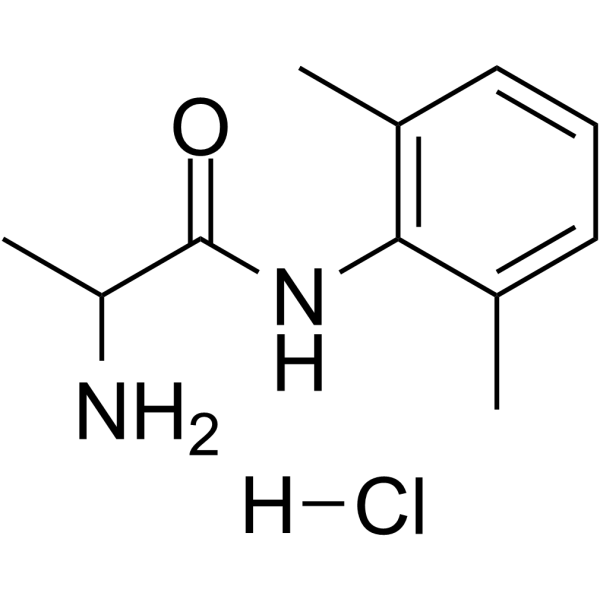
    Tocainide hydrochloride is a sodium channel blocker, it blocks the sodium channels in the pain-producing foci in the nerve membranes. Tocainide hydrochloride is a primary amine analog of lidocaine, can be used for the treatment of tinnitus .
    Tocainide hydrochloride
  • HY-138973

    iGluR Neurological Disease
    Neramexane is an oral N-methyl-D-aspartate (NMDA) receptor antagonist, as a potential neuroprotectant for various central nervous system disorders, including Alzheimer's disease, and for the potential treatment of drug and alcohol dependence, and pain.
    Neramexane
  • HY-167734

    AY-30715

    COX Inflammation/Immunology
    Pemedolac (AY-30715) is a potent analgesic with significant pain-relief efficacy against chemically induced and inflammatory pain in animal models. Pemedolac displays a notable separation between analgesic effects and anti-inflammatory activity, achieving effective pain relief at much lower doses than those required for anti-inflammatory or gastric irritant effects. Pemedolac also shows low ulcerogenic potential, indicating a safer profile compared to standard NSAIDs while being utilized for the treatment of neurological, skin, and musculoskeletal disorders.
    Pemedolac
  • HY-123637

    Phosphodiesterase (PDE) Inflammation/Immunology
    Autotaxin-IN-1 is a potent autotaxin inhibitor, which has favorable potency (IC50=2.2 nM), PK properties, and a robust PK/PD relationship. Autotaxin-IN-1 is used in treatment of osteoarthritis pain .
    Autotaxin-IN-1
  • HY-17569R

    Reference Standards Phospholipase Inflammation/Immunology
    Difluprednate (Standard) is the analytical standard of Difluprednate. This product is intended for research and analytical applications. Difluprednate is a topical corticosteroid, which is thought to act by the induction of phospholipase A2 inhibitory proteins (lipocortins). Difluprednate is used for the symptomatic treatment of inflammation and pain associated with ocular surgery.
    Difluprednate (Standard)
  • HY-128830

    Potassium Channel Inflammation/Immunology
    Kv3 modulator 3 (Compound 4) is a selective modulator of Kv3.1 and/or Kv3.2 and/or Kv3.3 channels extracted from patent WO2017098254A1, compound 4, has analgesic activity for use in the prophylaxis o or treatment of pain .
    Kv3 modulator 3
  • HY-131914B

    Sigma Receptor Inflammation/Immunology
    EST64454 maleate is a highly soluble σ1 receptor antagonist, demonstrating potent antinociceptive properties for pain treatment. EST64454 maleate exhibits excellent metabolic stability across various species and possesses an adequate pharmacokinetic profile in rodents. EST64454 maleate has been identified as a promising clinical candidate due to its favorable aqueous solubility and high permeability in Caco-2 cells.
    EST64454 maleate
  • HY-P5813

    β-TRTX-cd1a; β-Theraphotoxin-cd1a

    Calcium Channel Neurological Disease
    Cd1a is a β-toxin derived from the African spider Ceratogyrus darlingi. Cd1a can regulate calcium ion channels. Cd1a inhibits human calcium ion channels (Cav2.2)(IC502.6 μM) and mouse sodium ion channels (Nav1.7). Cd1a can be used in the development of peripheral pain treatment drugs .
    Cd1a
  • HY-16781R

    CJ-023423 (Standard); RQ-00000007 (Standard); AAT-007 (Standard)

    Prostaglandin Receptor Reference Standards Metabolic Disease Endocrinology Cancer
    Grapiprant (Standard) is the analytical standard of Grapiprant. This product is intended for research and analytical applications. Grapiprant (CJ-023423) is a selective EP4 receptor antagonist whose physiological ligand is prostaglandin E2 (PGE2). Grapiprant displaces [3H]-PGE2 (1 nM) binding to dog recombinant EP4 receptor with IC50 value of 35 nM and Ki value of 24 nM. Grapiprant has the potential for osteoarthritic pain and inflammation treatment .
    Grapiprant (Standard)
  • HY-182195

    Drug Derivative Sodium Channel Neurological Disease
    Suzetrigine N-oxide (the third compound in P57) is a derivative of Suzetrigine (HY-148800). Suzetrigine N-oxide is an inhibitor of voltage-gated sodium channels (Nav1.8) and can be used for research on the treatment of pain, especially neuropathic pain .
    Suzetrigine N-oxide
  • HY-167209

    AN-228 free base

    Drug Derivative Neurological Disease
    BL-1021 (free base) is GABA-Nortriptyline (HY-118620) conjugate. BL-1021 (free base) has a beneficial effect in the treatment of pain .
    BL-1021 free base
  • HY-B1798R

    Sodium Channel Reference Standards Cardiovascular Disease
    Tocainide (Standard) is the analytical standard of Tocainide. This product is intended for research and analytical applications. Tocainide hydrochloride is an orally activesodium channel blocker, it blocks the sodium channels in the pain-producing foci in the nerve membranes. Tocainide hydrochloride is a primary amine analog of lidocaine, can be used for the treatment of tinnitus .
    Tocainide (Standard)
  • HY-179445

    Sodium Channel Neurological Disease Inflammation/Immunology
    Nav1.7-IN-20 (Compound 3AG) is an orally active Nav1.7 channel inhibitor with an IC50 of 3.1 μM. Nav1.7-IN-20 demonstrates analgesic efficacy in a complete Freund's adjuvant (CFA) inflammatory pain model. Nav1.7-IN-20 can be used for pain research .
    Nav1.7-IN-20
  • HY-109067AR

    VVZ-149 hydrochloride (Standard)

    Reference Standards GlyT 5-HT Receptor P2X Receptor Neurological Disease
    Opiranserin hydrochloride (Standard) is the analytical standard of Opiranserin (hydrochloride) (HY-109067A). This product is intended for research and analytical applications. Opiranserin (VVZ-149) hydrochloride, a non-opioid and non-NSAID analgesic candidate, is a dual antagonist of glycine transporter type 2 (GlyT2) and serotonin receptor 2A (5HT2A), with IC50s of 0.86 and 1.3 μM, respectively. Opiranserin hydrochloride shows antagonistic activity on rP2X3 (IC50=0.87 μM). Opiranserin hydrochloride is development as an injectable agent for the treatment of postoperative pain .
    Opiranserin hydrochloride (Standard)
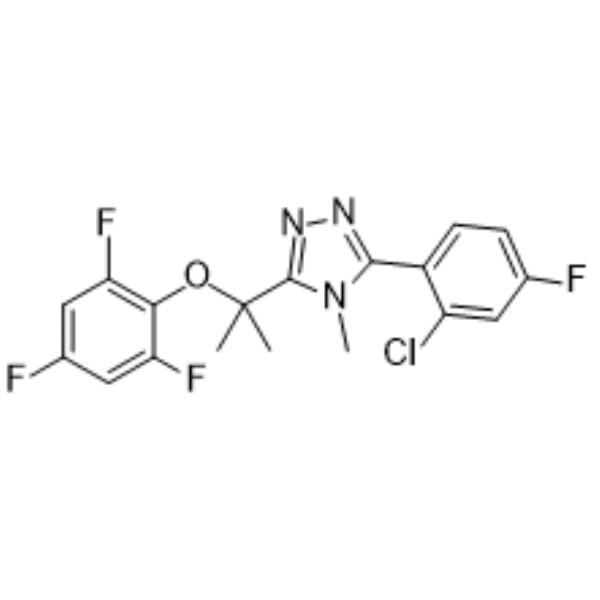
  • HY-185006

    TRP Channel Others
    TRPV4 antagonist 5 (Example 21) is a TRPV4 antagonist .
    TRPV4 antagonist 5
  • HY-179684

    CGRP Receptor 5-HT Receptor ERK Epigenetic Reader Domain Neurological Disease
    PCC0105005 is a dual-target CGRP Receptor antagonist (IC50 = 1.01 nM) and a partial agonist of 5-HT1F Receptor (EC50 = 77.91 nM). PCC0105005 shows significant efficacy in the rat model of migraine. PCC0105005 significantly reduces the expression of CGRP and c-Fos proteins, and inhibits the phosphorylation levels of ERK and CREB. PCC0105005 can be used for research on migraine .
    PCC0105005
  • HY-DY1081

    4',6-Diamidino-2-phenylindole dihydrochloride (solution)

    Sodium Channel DNA Stain Neurological Disease
    DAPI (4',6-Diamidino-2-phenylindole) dihydrochloride (solution) is a DAPI dye. DAPI is a fluorescent dye that binds strongly to DNA. It binds to the AT base pair of the double-stranded DNA minor groove, and one DAPI molecule can occupy three base pair positions. The fluorescence intensity of DAPI molecules bound to double-stranded DNA is increased by about 20 times, and it is commonly observed with fluorescence microscopy, and the amount of DNA can be determined based on the intensity of fluorescence. In addition, because DAPI can pass through intact cell membranes, it can be used to stain both live and fixed cells . DAPI (Compound 3) is an acid-sensing ion channel 3 (ASIC3) inhibitor. DAPI binds to ASIC3 and blocks the channel function. DAPI can be used in the study of chronic pain treatment (Ex/Em = 356/451 nm).
    Solvent and concentration: ddH2O: 5 mg/mL
    DAPI dihydrochloride (solution)

Inquiry Online

Your information is safe with us. * Required Fields.

Salutation


Country or Region *

Applicant Name *


Organization Name *

Department *


Email Address *


Product Name *

Cat. No.


Requested quantity *

Phone Number *


Remarks

Inquiry Online

Inquiry Information

Product Name:
Cat. No.:
Quantity:
MCE Japan Authorized Agent:

