Search Result
Results for "
Probe substrate
" in MedChemExpress (MCE) Product Catalog:
6
Biochemical Assay Reagents
1
Isotope-Labeled Compounds
| Cat. No. |
Product Name |
Target |
Research Areas |
Chemical Structure |
-
- HY-18743
-
|
|
Reactive Oxygen Species (ROS)
|
Cancer
|
|
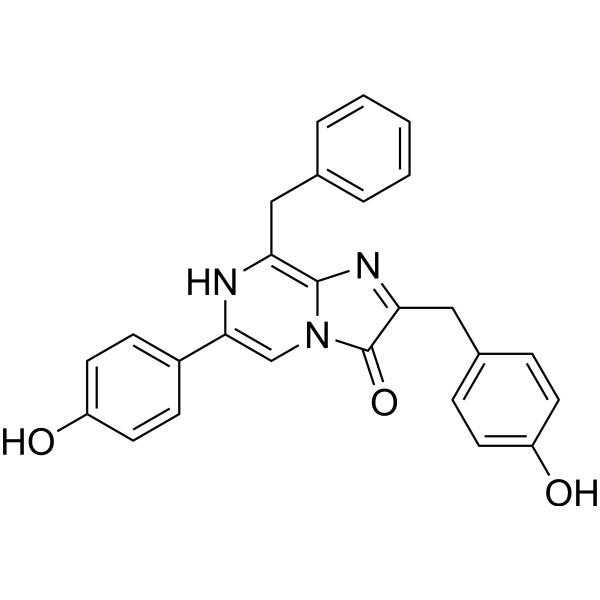
Coelenterazine is a luminescent enzyme substrate for apoaequorin and Renilla luciferase. Renilla luciferase and substrate coelenterazine has been used as the bioluminescence donor in bioluminescence resonance energy transfer (BRET) to detect protein-protein interactions. Coelenterazine is a superoxide anion-sensitive chemiluminescent probe and it can also be used in chemiluminescent detection of peroxynitrite (Ex/Em = 429/466 nm) .
|
-
-
- HY-D1027
-
|
Monodansyl cadaverine
|
Autophagy
|
Others
|
|
Dansylcadaverine (Monodansyl cadaverine) is an autofluorescent compound used for the labeling of autophagic vacuoles. Dansylcadaverine, a high affinity substrate of transglutaminases, can block the receptor-mediated endocytosis of many ligands .
|
-
-
- HY-110210
-
|
BODIPY FL,SE
|
Fluorescent Dye
|
Others
|
|
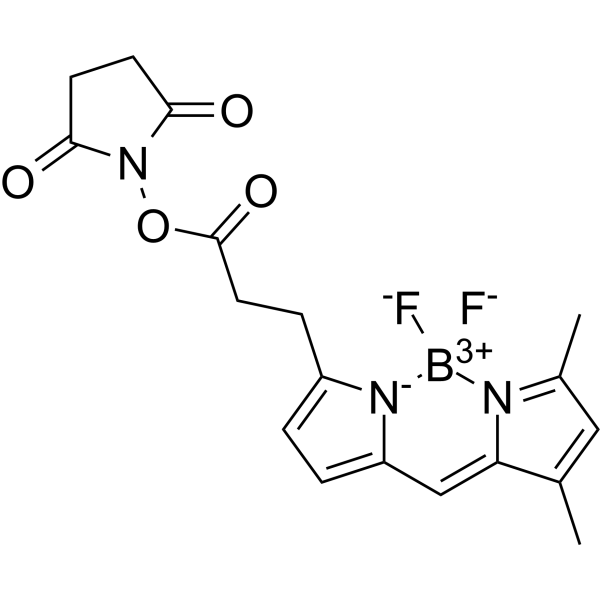
BODIPY FL NHS ester (BODIPY FL, SE) is a cell membranes-penatrable amine-reactive fluorescent probe. The maximum excitation/emission wavelength of the BODIPY-FL NHS ester are 502/511 nm, respectively. BODIPY-FL NHS ester has high stability and is insensitive to the polarity, pH and type of solvent, and can maintain stable fluorescence properties under different environmental conditions. BODIPY-FL NHS ester can be used for the synthesis of protease substrates, live cell imaging, protein labeling and immunoassay .
|
-
-
- HY-139912
-
|
|
DNA Stain
Biochemical Assay Reagents
|
Others
|
|
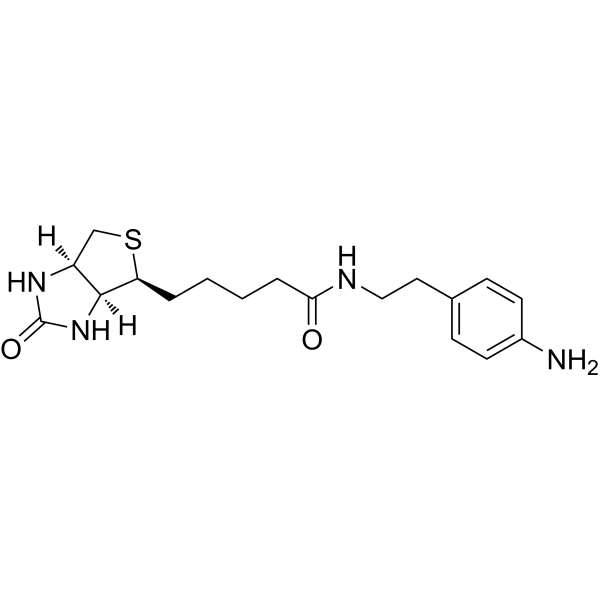
Biotin-aniline is a probe with substantially high reactivity towards RNA and DNA. Biotin-aniline is also a novel APEX2 substrate. Biotin-aniline can label proteins via miniSOG. Biotin-aniline emerges as more efficient probe for capturing subcellular transcriptome in living cells with high spatial specificity .
|
-
-
- HY-100201
-
|
|
Histone Methyltransferase
|
Cancer
|
|
A-196 is a potent and selective inhibitor of SUV420H1 and SUV420H2 with IC50 values of 25 nM and 144 nM, respectively. A-196 inhibits SUV4-20 biochemically in a substrate-competitive manner. A-196 represents a first-in-class chemical probe of SUV4-20 to investigate the role of histone methyltransferases in genomic integrity .
|
-
-
- HY-W010991
-
|
FAPGG
|
Angiotensin-converting Enzyme (ACE)
|
Others
|
|
N-[3-(2-Furyl)acryloyl]-Phe-Gly-Gly (FAPGG) is a specific substrate of angiotensin converting enzyme (ACE) with a Ki of 2.546×10 -4 M. It is used as a chromogenic probe for quantitative detection of ACE activity. N-[3-(2-Furyl)acryloyl]-Phe-Gly-Gly can be hydrolyzed by ACE to generate N-[3-(2-furyl)acryloyl]-Phe (FAP) and Gly-Gly, and the ACE inhibitory effect is monitored by photometry. FAPGG competitively binds to the active center of ACE and is a key tool for screening ACE inhibitors such as Captopril (HY-B0368) and Dioscorin. Its reversible mechanism of action supports hypertension research and drug development targeting the renin-angiotensin system .
|
-
-
- HY-105124A
-
|
Ro 3-4787 hydrochloride
|
Adrenergic Receptor
|
Cardiovascular Disease
Endocrinology
|
|
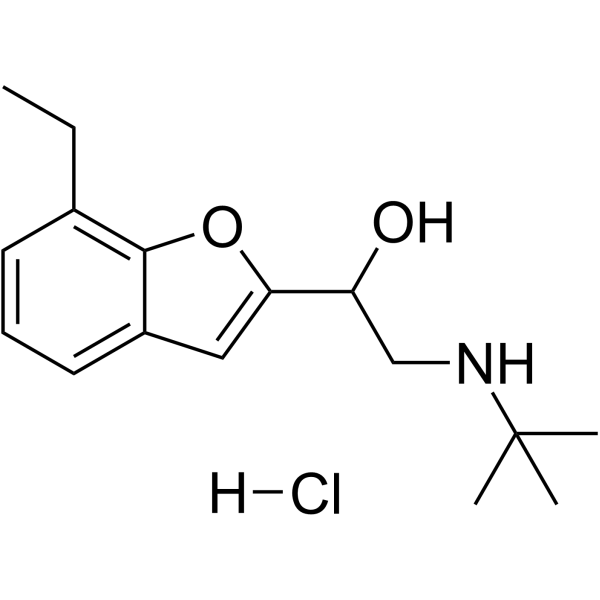
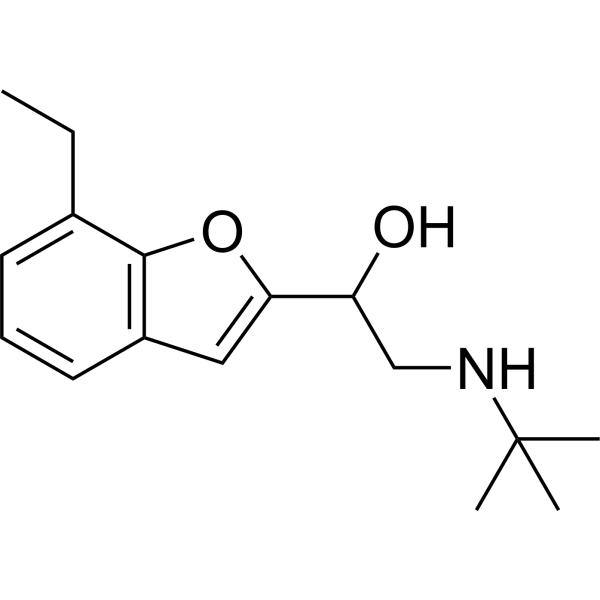
Bufuralol (Ro 3-4787) hydrochloride is a potent non-selective, orally active β-adrenoreceptor antagonist with partial agonist activity. Bufuralol hydrochloride is a CYP2D6 probe substrate .
|
-
-
- HY-105124
-
-
-
- HY-131442
-
|
Alkyne tyramide; Alk-Ph
|
Biochemical Assay Reagents
|
Others
|
|
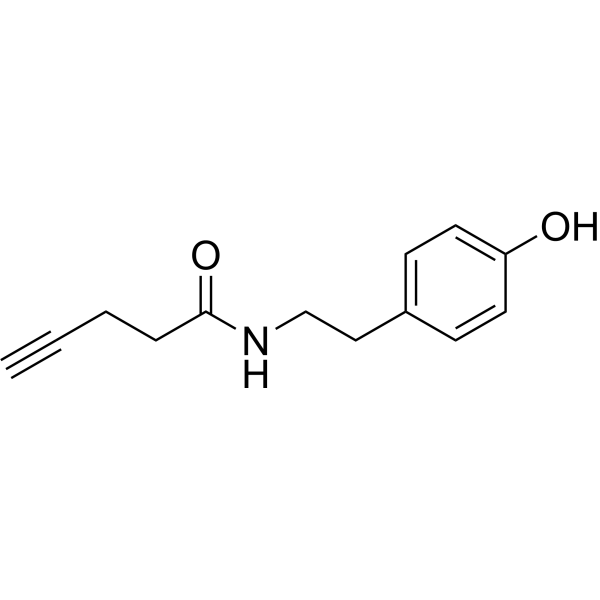
Alkyne-phenol (Alk-Ph) is a clickable ascorbate peroxidase 2 (APEX2) probe. Alkyne-phenol substantially improves APEX-labeling efficiency in intact yeast cells, as it is more cell wall-permeant than APEX2 substrate biotin-phenol (BP). Alkyne-phenol also facilitates the identification of APEX-labeling sites, allowing the unambiguous assignment of membrane topology of mitochondrial proteins . Alkyne-phenol is a click chemistry reagent, it contains an Alkyne group and can undergo copper-catalyzed azide-alkyne cycloaddition (CuAAc) with molecules containing Azide groups.
|
-
-
- HY-N2464
-
|
Amylotetraose; Fujioligo 450; α-1,4-Tetraglucose
|
TNF Receptor
Endogenous Metabolite
Bacterial
Integrin
NF-κB
|
Cardiovascular Disease
Inflammation/Immunology
|
|
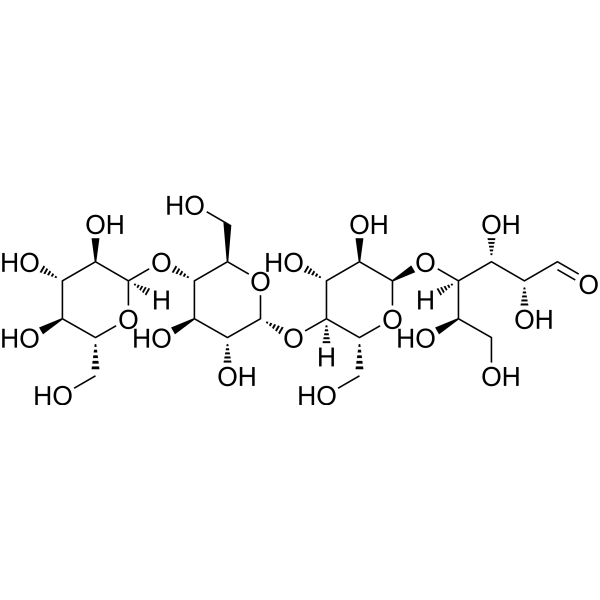
Maltotetraose can serve as a substrate for enzyme-linked assays to measure amylase activity in biological fluids. Maltotetraose has oral active, and reduces TNF-α-induced inflammatory responses by inhibiting NF-κB activity and decreasing ICAM-1 expression. Maltotetraose also inhibits PDGF-induced vascular smooth muscle cell migration and neovascularization. Additionally, Maltotetraose derivatives can function as probes for detecting bacterial infections by targeting the maltodextrin transporter. With good long-term safety, Maltotetraose holds promise for research in atherosclerosis-related diseases .
|
-
-
- HY-P1315
-
|
Glycylglycyl-L-tyrosyl-L-arginine
|
Cathepsin
|
Others
|
|
Papain inhibitor (Glycylglycyl-L-tyrosyl-L-arginine) is a competitive papain-targeting enzyme inhibitor with a Ki of 9 μM. Papain inhibitor binds directly to the substrate binding site of papain, inhibiting substrate hydrolysis by the enzyme. Papain inhibitor functions as a component of an electrochemical probe for the detection of papain .
|
-
-
- HY-150145A
-
|
|
Nucleoside Antimetabolite/Analog
Fluorescent Dye
|
Others
|
|
Cy5-UTP sodium (10 mM in water) is a fluorescently labeled ribonucleotide triphosphate that can be used as a substrate for terminal deoxynucleotide transferase (TdT). Cy5-UTP sodium can be used to label RNA probes generated in vitro (Ex/Em: 650/665 nm). Cy5-UTP sodium can be applied in FISH, multi-color fluorescence analysis, especially in dual-color expression arrays combined with Cy5-UTP .
|
-
-
- HY-164899
-
|
2-aminopyridine-3-carboxylic acid imidazolide
|
Transmembrane Glycoprotein
|
Cancer
|
|
2A3 (2-aminopyridine-3-carboxylic acid imidazolide) is a T cell activator that specifically binds to CEACAM6 and CEACAM5. 2A3 exhibits enzymatic activity that catalyzes the glucuronidation of specific substrates (e.g., 1-naphthol), and possesses significant cytotoxic activity. When integrated into CAR T cells or used alone, 2A3 acts by inducing cytokine release, degranulation, and direct cytotoxicity. 2A3 kills pancreatic and breast cancer cells with high target antigen expression in vitro, and significantly inhibits the growth of pancreatic cancer xenografts in vivo. 2A3 broadly targets malignant tumors with overexpressed CEACAM5, CEACAM6, or co-expressed both, and shows high expression mainly in tissues such as the liver and colon. 2A3 serves as an important research tool for the immunotherapy of pancreatic and breast cancer . 2A3 is a novel SHAPE reagent, which can be used for the analysis of RNA structure both in vitro and in vivo . 2A3 is an electrophilic chemical probe that acylates the 2'-OH in the RNA backbone. 2A3 can be used for RNA SHAPE-MaP experiments and is capable of analyzing the RNA secondary structures at single nucleotide resolution.
|
-
-
- HY-108286
-
|
Cordanum
|
Adrenergic Receptor
|
Cardiovascular Disease
|
|
Talinolol (Cordanum) is a long-acting, cardioselective β1-adrenergic receptor blocker. Talinolol exhibits cardioprotective and antihypertensive activities. Talinolol is also a well-known and frequently used probe substrate for P-glycoprotein (P-gp) activity .
|
-
-
- HY-W076543
-
|
|
Transglutaminase
|
Others
|
|
5-(Biotinamido)pentylamine is an amine donor substrate for transglutaminase. 5-(Biotinamido)pentylamine can be used as a biotin-labeled probe to specifically participate in the calcium-dependent reaction catalyzed by TG, bind to the γ-carboxamide group of the glutamine residue in the protein, introduce the biotin tag into the target protein, and form a biotinylated protein product. 5-(Biotinamido)pentylamine can be used for the labeling, separation, and detection of TG amine receptor protein substrates .
|
-
-
- HY-119323
-
|
|
Fluorescent Dye
|
Others
|
|
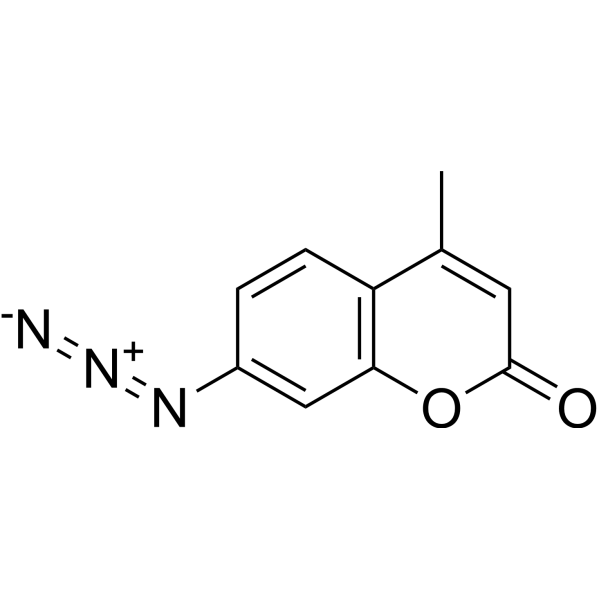
7-Azido-4-methylcoumarin is a selective coumarin-based fluorescent probe for hydrogen sulfide (H2S). In the presence of H2S, the aromatic azido group of 7-Azido-4-methylcoumarin is selectively reduced to produce the fluorescently active 7-amino-4-methylcoumarin (AMC). 7-Azido-4-methylcoumarin binds to the coumarin/phenol-binding site of BSA, the aglycone-binding site of UGT1A6, and the substrate-binding site of SULT1A1, respectively. 7-Azido-4-methylcoumarin retains its fluorescent properties after covalent binding, acts as a fluorescent H2S probe, and does not react with cysteine, homocysteine or glutathione (Ex/Em = 340/445 nm) .
|
-
-
- HY-125878
-
|
SGK3-PROTAC1
|
PROTACs
SGK
|
Cancer
|
|
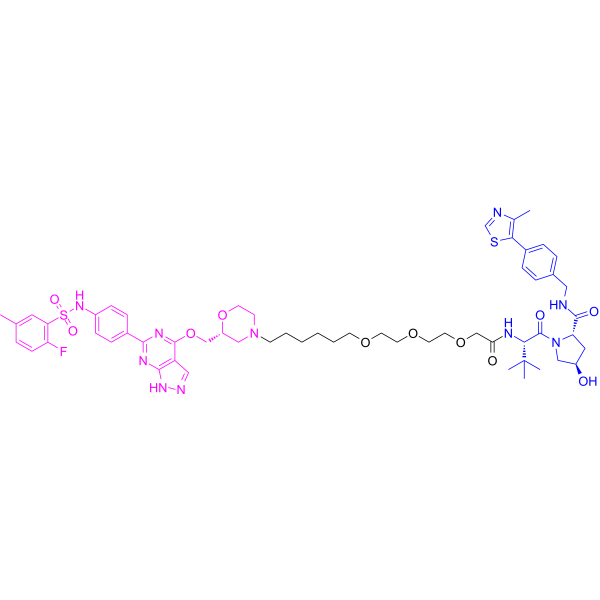
PROTAC SGK3 degrader-1 (SGK3-PROTAC1), a chemical probe, is a von Hippel-Lindau ligand-based SKG3 PROTAC composed of a PEG3-C4-OBn (HY-130620) alkyl linker, an SGK3 degrader (red structure), and a VHL ligand (HY-150803, blue structure). PROTAC SGK3 degrader-1 (0.3 μM) induced 50% endogenous SGK3 degradation within 2 hours, and 80% SGK3 degradation was observed at 8 hours, accompanied by loss of phosphorylation of NDRG1 (SGK3 substrate) .
|
-
-
- HY-118155
-
|
ACMA
|
Fluorescent Dye
|
Others
|
|
9-Amino-6-chloro-2-methoxyacridine is a pH sensitive fluorescent probe. 9-Amino-6-chloro-2-methoxyacridine has been frequently used to measure changes in vacuolar pH when a specific substrate crosses the tonoplast through a putative H +/solute antiport system .
|
-
-
- HY-D1078
-
|
|
Fluorescent Dye
Reactive Oxygen Species (ROS)
P-glycoprotein
|
Others
|
|
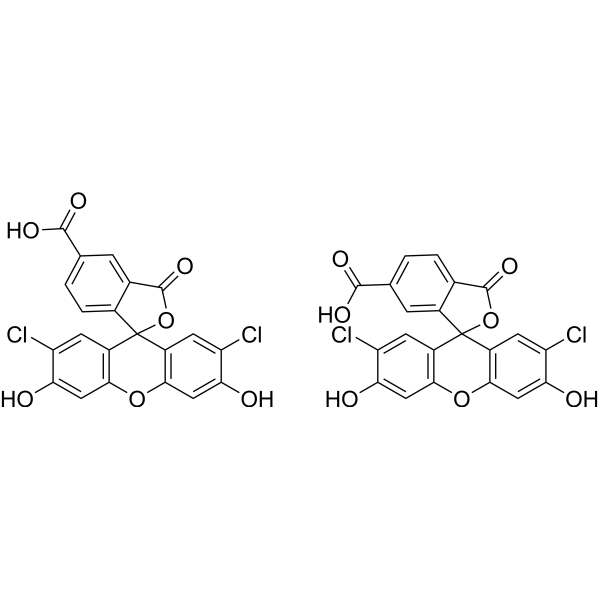
5 (6)-Carboxy-2',7'-dichlorofluorescein diacetate is a fluorescein-based reactive oxygen species (ROS) probe and also a MRP2 substrate. 5 (6)-Carboxy-2',7'-dichlorofluorescein diacetate serves as a substrate for intracellular esterases, which cleave its acetate groups to generate a fluorescent product capable of detecting intracellular ROS. 5 (6)-Carboxy-2',7'-dichlorofluorescein diacetate is ATP-dependent and is transported via a single MRP2 binding site; it competes with LTC4 for MRP2 binding sites and inhibits MRP2-mediated LTC4 transport (Ex/Em = 496/525 nm) .
|
-
-
- HY-139979
-
|
|
Deubiquitinase
|
Cancer
|
|
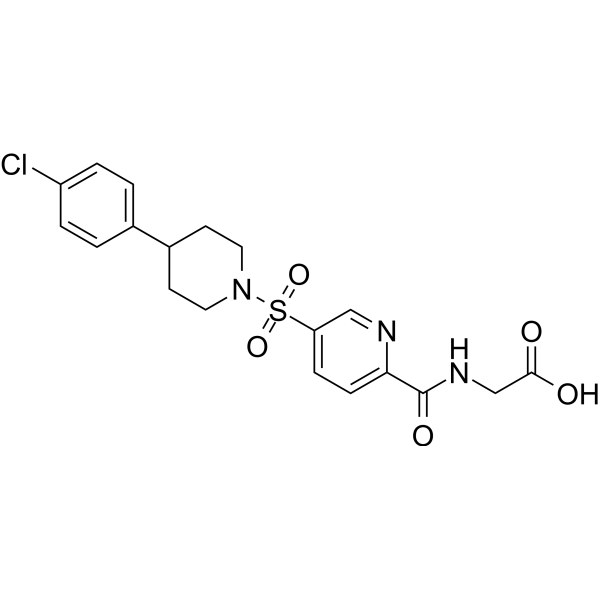
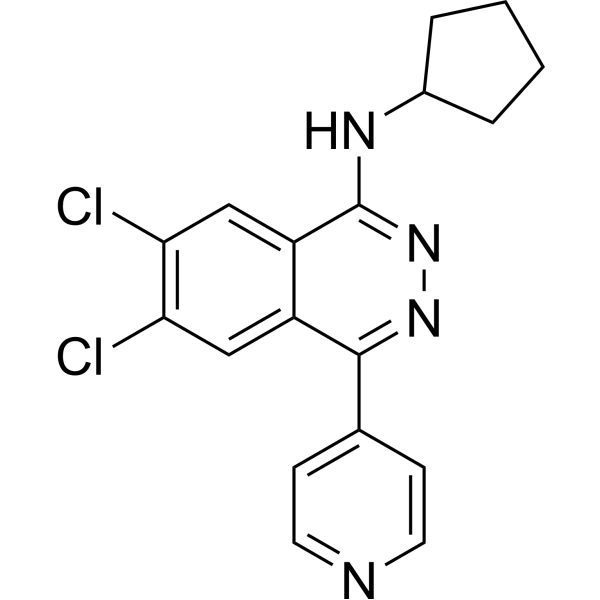
USP5-IN-1 (compound 64) is a selective competitive inhibitor of USP5 zinc finger ubiquitin binding domain (ZnF-UBD) (KD=2.8 μM). USP5-IN-1 competitively blocks the binding of ubiquitin to ZnF-UBD, inhibits the catalytic activity of USP5, and thus hinders the hydrolysis of ubiquitin chains. USP5-IN-1 can inhibit USP5 cleavage of Lys48-linked diubiquitin substrates in vitro and is a potential USP5 chemical probe and potential inhibitor of USP5-related cancers.
|
-
-
- HY-D1668
-
|
|
DNA Stain
Reverse Transcriptase
|
Infection
Neurological Disease
Cancer
|
|
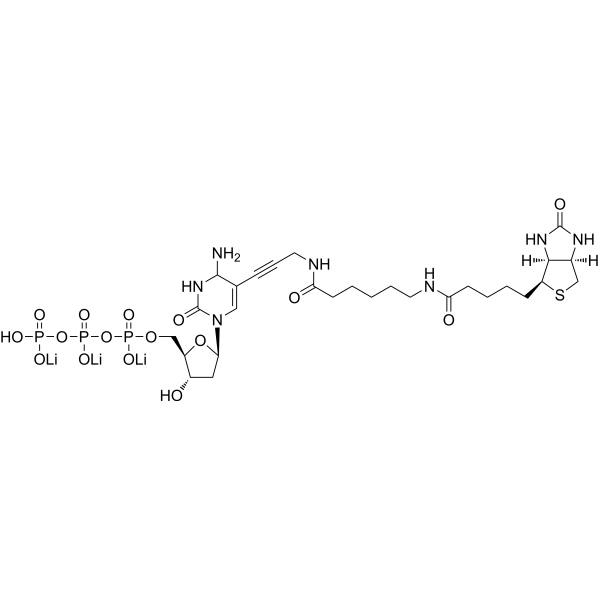
Biotin-11-dCTP is a biotinylated deoxynucleoside triphosphate and an important DNA labeling reagent. In random primer DNA labeling reactions, Biotin-11-dCTP incorporates into newly synthesized DNA strands to generate labeled DNA probes suitable for hybridization applications. In addition, Biotin-11-dCTP can serve as a substrate for terminal deoxynucleotidyl transferase to end-label oligonucleotides for telomere sequence detection, or to label the cut ends of linearized DNA molecules, thereby supporting streptavidin-based electron microscopy analysis. For example, Biotin-11-dCTP can label the cut ends of linearized DNA molecules under the action of dGTP and avian myeloblastosis virus reverse transcriptase .
|
-
-
- HY-N4194
-
|
|
PPAR
Influenza Virus
|
Infection
Metabolic Disease
|
|
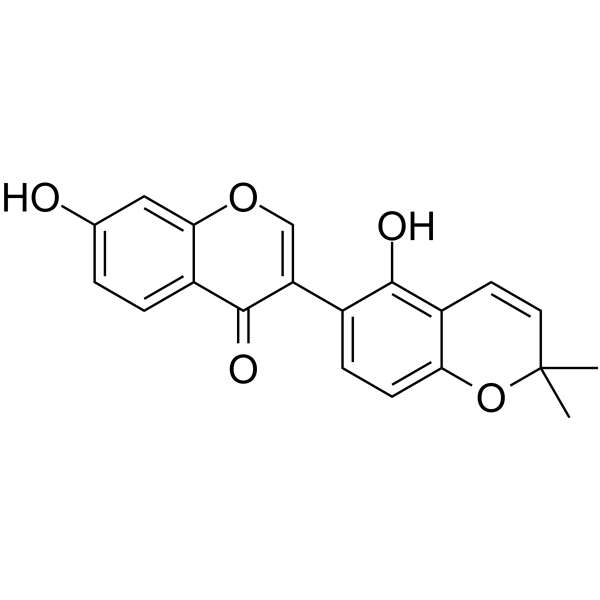
Glabrone is an isoflavone found in Glycyrrhiza glabra roots. Glabrone exhibits significant PPAR-γ ligand binding activity. Glabrone is a specific UGT1A9 probe substrate, and its metabolites can block influenza virus release by inhibiting neuraminidase (NA). Glabrone can be used to screen for herb-drug interactions and for anti-influenza virus activity .
|
-
-
- HY-116862
-
|
DBF
|
Cytochrome P450
Fluorescent Dye
|
Others
|
|
Dibenzylfluorescein (DBF) is a fluorogenic probe (Fluoresecent dye) that acts as a substrate for specific cytochrome P450 (CYP) isoforms, including CYP3A4, CYP2C8, CYP2C9, CYP2C19, and aromatase (CYP19). Dibenzylfluorescein is typically used near its Km value of 0.87-1.9 μM (Ex=485 nm,Em=535 nm). Dibenzylfluorescein is used to detect changes in CYP catalytic activity caused by drugs or disease .
|
-
-
- HY-D0149
-
|
|
Cytochrome P450
|
Others
|
|
4-(Trifluoromethyl)umbelliferone is fluorescent probe substrate for rat hepatic cytochrome P450 enzymes .
|
-
-
- HY-112080
-
|
|
Histone Methyltransferase
|
Cancer
|
|
BAY-6035, a chemical probe, is a potent, selective and substrate-competitive inhibitor of SMYD3. BAY-6035 inhibits methylation of MEKK2 peptide with an IC50 of 88 nM .
|
-
-
- HY-D1341
-
|
|
Fluorescent Dye
|
Cancer
|
|
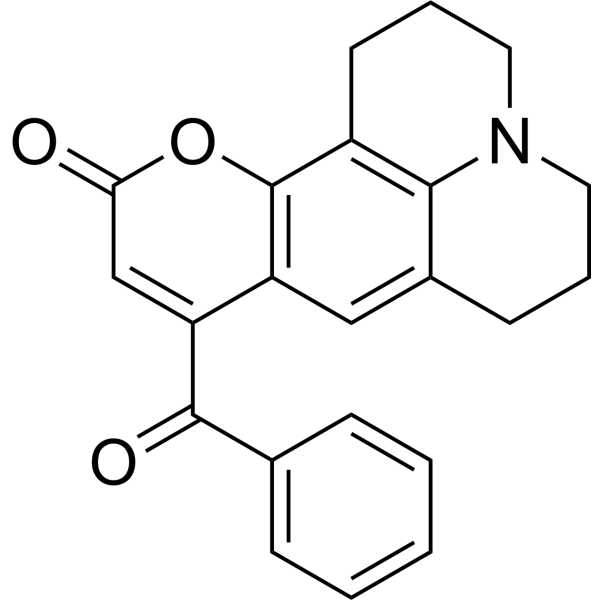
Coumberone is a metabolic fluorogenic probe, and isoform-selective substrate for all AKR1C isoforms. Coumberone can be reduced by all four members of the AKR1C family to its fluorescent alcohol coumberol. Coumberone can be used for the research of AKR1C .
|
-
-
- HY-149170
-
|
|
5-HT Receptor
Monoamine Transporter
|
Neurological Disease
|
|
FFN246 is a fluorescent, dual substrate of serotonin transporter (SERT) probe and vesicular monoamine transporter 2 (VMAT2) with excitation and emission spectra 392/427 nm. FFN246 can be used for labeling serotonergic neurons in mouse brain tissue through SERT-dependent accumulation .
|
-
-
- HY-131131
-
|
|
Fluorescent Dye
|
Others
|
|
5-CFDA-AM is a cell-permeable esterase substrate that can be used as an active probe to measure enzyme activity and cell membrane integrity. 5-CFDA-AM is electroneutral and can enter the cell at a lower concentration than CFDA, where it is hydrolysed by intracellular esterases to produce carboxyfluorescein, which contains an additional negative charge and can be better retained in the cell. 5-CFDA-AM can be used to detect cell viability .
|
-
-
- HY-160250
-
|
|
Fluorescent Dye
UGT
|
Metabolic Disease
|
|
UGT1A1-IN-1 is a UGT1A1 inhibitor and fluorescent probe (Ex=370 nm, Em=520 nm), with an IC50 of 1.33 μM and a Ki of 5.02 μM. UGT1A1-IN-1 is selectively glucuronidated by UGT1A1 at the bilirubin homologous binding site, and its PET effect is blocked along with this reaction, triggering fluorescence changes. UGT1A1-IN-1 can serve as a substitute for bilirubin to detect UGT1A1 activity and perform high-throughput screening of UGT1A1 modulators .
|
-
-
- HY-119395B
-
-
-
- HY-112081
-
|
|
DNA/RNA Synthesis
|
Cancer
|
|
BAY-707, a chemical probe, is a substrate-competitive, highly potent and selective inhibitor of MTH1(NUDT1) with an IC50 of 2.3 nM. BAY-707 has a good pharmacokinetic (PK) profile to other MTH1 compounds and is well-tolerated in mice, but shows a clear lack of in vitro or in vivo anticancer efficacy .
|
-
-
- HY-157486
-
|
|
Epigenetic Reader Domain
|
Cancer
|
|
KMI169 is a potent and selective inhibitor targeting lysine methyl-transferase (KMT9) (IC50 = 0.05 μM, Kd = 0.025 μM). KMI169 functions as a bi-substrate inhibitor targeting the cofactor S-5’-adenosyl-L-methionine (SAM) and substrate binding pockets of KMT9. KMI169 can downregulate target genes involved in cell cycle regulation and impair proliferation of tumor cells by inhibiting KMT9. KMI169 is a valuable tool to probe cellular KMT9 functions and can be research for combating diseases including prostate, lung, colon, and invasive bladder cancer .
|
-
-
- HY-114209
-
MRK-740
2 Publications Verification
|
Histone Methyltransferase
|
Cancer
|
|
MRK-740, a chemical probe, is a potent, selective and substrate-competitive PRDM9 histone methyltransferase inhibitor with an IC50 of 80?nM. MRK-740 is more selective for PRDM9 than other histone methyltransferases and other non-epigenetic targets. MRK-740 reduces PRDM9-dependent trimethylation of H3K4 (IC50?=?0.8?μM) .
|
-
-
- HY-150145
-
|
|
Nucleoside Antimetabolite/Analog
Fluorescent Dye
|
Others
|
|
Cy5-UTP is a fluorescently labeled ribonucleotide triphosphate that can be used as a substrate for terminal deoxynucleotidyl transferase (TdT). Cy5-UTP can be employed to label RNA probes generated in vitro (Ex/Em: 650/665 nm). Cy5-UTP can be applied in FISH, multi-color fluorescence analysis, especially in dual-color expression arrays that combine with Cy5-UTP .
|
-
-
- HY-D1685
-
|
|
Fluorescent Dye
|
Others
|
|
BZiPAR is a fluorescent probe. BZiPAR also is a substrate of trypsin that becomes fluorescent after cleavage by the protease .
|
-
-
- HY-W614753
-
|
|
Biochemical Assay Reagents
|
Others
|
|
Biotin-naphthylamine is a biotinylated biochemical assay reagent, which is a substrate for ascorbate peroxidase 2 (APEX2). Biotin-naphthylamine is utilized as a novel probe for labeling DNA and RNA .
|
-
-
- HY-D1021
-
|
Aminoallyl-dUTP sodium
|
DNA/RNA Synthesis
|
Others
|
|
AA-dUTP (Aminoallyl-dUTP) sodium salt is a reverse transcriptase and DNA polymerase I substrate with probe precursor activity. AA-dUTP sodium salt undergoes enzymatic incorporation into DNA during cDNA synthesis and nick translation. AA-dUTP sodium salt generates amine-modified DNA, which can be used for labeling with amine-reactive fluorescent dyes .
|
-
-
- HY-110334
-
|
|
Fluorescent Dye
|
Others
|
|
FFN 206 dihydrochloride, a fluorescent probe, is used as an excellent Vesicular Monoamine Transporter 2 (VMAT2) substrate with an apparent Km of 1.16 μM. FFN 206 dihydrochloride is capable of detecting VMAT2 activity in intact cells using fluorescence microscopy, with subcellular localization to VMAT2-expressing acidic compartments without apparent labeling of other organelles .
|
-
-
- HY-P10471A
-
|
MARCKS-ED TFA
|
MARCKS
PKC
|
Others
|
|
MPSD TFA (MARCKS-ED TFA) is the TFA salt form of MPSD (HY-P10471). MPSD TFA is a 25-amino acid peptide based on the effector domain sequence of the intracellular membrane protein myristoylated alanine-rich C-kinase substrate (MARCKS). MPSD TFA can sense membrane curvature and recognize phosphatidylserine. MPSD TFA can be utilized as biological probe to study membrane shape and lipid composition .
|
-
-
- HY-B1259
-
|
Acexamic acid; 6-Acetamidocaproic acid
|
Drug Metabolite
Drug Intermediate
|
Inflammation/Immunology
Cancer
|
|
6-Acetamidohexanoic acid (Acexamic acid; 6-Acetamidocaproic acid) is a metabolite of Hexamethylene bisacetamide (HMBA) (HY-124284) with anti-pulmonary fibrosis activity. 6-Acetamidohexanoic acid does not induce differentiation of human promyelocytic leukemia cells, but is taken up by such cells. 6-Acetamidohexanoic acid serves as a carboxylic acid substrate component for constructing carboxylesterase-responsive near-infrared phototheranostic probes. 6-Acetamidohexanoic acid is applicable to research related to pulmonary fibrosis, refractory hypoxemia and cervical cancer .
|
-
-
- HY-D1460
-
|
|
Bacterial
β-glucuronidase
|
Infection
|
|
Fluorescein Di-β-D-Glucuronide is an orally active fluorescent probe substrate and an indicator of β-glucuronidase (βG) activity in intestinal bacteria. Fluorescein Di-β-D-Glucuronide can be used for non-invasive time-lapse optical imaging of βG activity in intestinal bacteria in nude mice. Fluorescein Di-β-D-Glucuronide supports the quantitative analysis of bacterial βG enzyme activity and inhibition .
|
-
-
- HY-D0147
-
|
Pentoxyresorufin
|
Bacterial
|
Infection
|
|
Resorufin pentyl ether (Pentoxyresorufin) is a Resazurin (HY-111391) analogue. Resorufin pentyl ether can function as a substrate probe to characterize and differentiate between a variety of inducers of cytochromes P-450. Resorufin pentyl ether has bactericidal activity against N. gonorrhoeae .
|
-
-
- HY-160841
-
|
|
DNA Stain
DNA/RNA Synthesis
|
Others
|
|
Biotin-16-dCTP is a biotinylated deoxycytidine triphosphate that serves as an important DNA labeling substrate. Biotin-16-dCTP can be enzymatically incorporated into the 3' end of DNA probes via terminal deoxynucleotidyl transferase, forming a 1-3 nucleotide-long tail to achieve biotinylation of the probes. Biotin-16-dCTP enhances chemiluminescent detection of low-abundance targets such as specific tRNA isoacceptors through Northern blotting. Biotin-16-dCTP can also replace conventional dCTP to be integrated into single-stranded DNA generated by asymmetric polymerase chain reaction, which is applicable for bioconjugation or pull-down assays. Repeated freeze-thaw cycles of Biotin-16-dCTP should be avoided to prevent degradation of its function for probe biotinylation .
|
-
-
- HY-D1079
-
|
|
DNA Stain
|
Others
|
|
EDANS sodium is a potent fluorogenic substrates. EDANS sodium is a donor for FRET-based nucleic acid probes and protease substrates. EDANS sodium is often paired with DABCYL or DABSYL. The optimal absorbance and emission wavelengths of EDANS sodium are λabs = 336 nm and λem = 490 nm respectively .
|
-
-
- HY-P3791
-
|
|
Fluorescent Dye
|
Others
|
|
N-Succinyl-Ile-Ile-Trp-AMC is a peptide-based fluorescent substrate or probe for carboxypeptidase Y (CPY) .
|
-
-
- HY-W800701
-
|
|
Biochemical Assay Reagents
|
Others
|
|
BP Fluor 546 DBCO is an azide-reactive probe that can be used for imaging azide-tagged biomolecules via a copper-free click reaction. The DBCO moiety reacts with azides to form a stable triazole and does not require a Cu-catalyst or elevated temperatures. In applications where the presence of copper is a concern, BP Fluor 546 DBCO is an ideal alternative to copper-requiring fluorescent alkynes.
BP Fluor 546 is a water-soluble, pH-insensitive (from pH 4-10), orange-fluorescent dye with absorption and emission maxima at 554 and 570 nm, respectively. It can be used with the 488 nm and 532 nm laser lines. BP Fluor 546 dye conjugates to a variety of antibodies, peptides, proteins, tracers, and amplification substrates, which are often used for generating stable signals in imaging and flow cytometry.
|
-
-
- HY-119395
-
-
-
- HY-D1609
-
|
|
Fluorescent Dye
|
Others
|
|
BODIPY FL Verapamil hydrochloride is a fluorescent dye, it can be used as a molecular probe to label tissues and cells. BODIPY FL Verapamil hydrochloride is a substrate for both ABCB1 and ABCC1 .
|
-
-
- HY-D0092
-
|
|
Cytochrome P450
|
Others
|
|
7-Ethoxy-4-methylcoumarin is a coumarin derivative and can be used as a substrate probe of mammalian cytochromes P450 1A1, 2B4 and 2B6 .
|
-
-
- HY-P1230
-
|
|
Dipeptidyl Peptidase
GLP Receptor
|
Metabolic Disease
|
|
HAEGT is the first N-terminal 1-5 residues of glucagon like peptide-1 (GLP-1) peptide, and the sequence is His-Ala-Glu-Gly-Thr. HAEGT acts as a competitive substrate for probing prime substrate binding sites of human dipeptidyl peptidase-IV (DPP-IV) 1, in which the N-terminal His-Ala is catalyzed cleavage by DPP-IV. HAEGT can be used in the research of diabetes, obesity .
|
-
- HY-P10471
-
|
MARCKS-ED
|
MARCKS
PKC
|
Others
|
|
MPSD (MARCKS-ED) is a 25-amino acid peptide based on the effector domain sequence of the intracellular membrane protein myristoylated alanine-rich C-kinase substrate (MARCKS). MPSD can sense membrane curvature and recognize phosphatidylserine. MPSD can be utilized as biological probe to study membrane shape and lipid composition .
|
-
- HY-P10471D
-
|
MARCKS-ED control peptide
|
MARCKS
PKC
|
Others
|
|
MPSD control peptide (MARCKS-ED control peptide) is a control peptide for MPSD peptide (HY-P10471). MPSD (MARCKS-ED) is a 25-amino acid peptide based on the effector domain sequence of the intracellular membrane protein myristoylated alanine-rich C-kinase substrate (MARCKS). MPSD can sense membrane curvature and recognize phosphatidylserine. MPSD can be utilized as biological probe to study membrane shape and lipid composition .
|
-
- HY-W099563
-
|
|
Biochemical Assay Reagents
|
Others
|
|
4-Nitrophenyl stearate, which is an ester formed by the condensation of stearic acid and 4-nitrophenol, is commonly used as a substrate for enzymatic assays, where the hydrolysis of ester bonds by esterase and lipase can be measured by absorbance or ratio In addition, 4-Nitrophenyl stearate has been used as a model compound to study the enzymatic activity and selectivity of lipases and esterases from various sources. The long hydrophobic tail of the molecule makes it suitable for use in lipophilic Good solubility in the environment makes it a useful probe for studying lipid metabolism.
|
-
- HY-W354821
-
|
4-MUD
|
Fluorescent Dye
|
Metabolic Disease
|
|
4-Methyl-2-oxo-2H-1-benzopyran-7-yl decanoate is a fluorogenic substrate used to follow the hydrolytic activity of carboxylesterases .
|
-
- HY-105124AR
-
|
Ro 3-4787 hydrochloride (Standard)
|
Reference Standards
Adrenergic Receptor
|
Cardiovascular Disease
Endocrinology
|
|
Bufuralol (hydrochloride) (Standard) is the analytical standard of Bufuralol (hydrochloride). This product is intended for research and analytical applications. Bufuralol (Ro 3-4787) hydrochloride is a potent non-selective, orally active β-adrenoreceptor antagonist with partial agonist activity. Bufuralol hydrochloride is a CYP2D6 probe substrate .
|
-
- HY-138241
-
|
|
Fluorescent Dye
|
Others
|
|
PBD-BODIPY is a probe for the spectrophotometric measurement of autoxidation reactions. Co-autoxidation of the PBD-BODIPY signal carrier and a hydrocarbon co-substrate can be quantified by monitoring loss of absorbance at 591 nm. PBD-BODIPY has been used to measure the activity of radical-trapping antioxidants in cell-free assays. It has also been used as a fluorescent probe for the detection of epoxidation activity.
|
-
- HY-131838A
-
|
6-AB-ADP trisodium
|
Nucleoside Antimetabolite/Analog
DNA/RNA Synthesis
|
Others
|
|
N6-4-aminobutyl-ADP (6-AB-ADP) trisodium is an ADP derivative that can be used as a nucleotide mimetic or coupling agent for labeling enzyme substrates (such as kinases), constructing biological probes, or functionalizing nucleotide chains .
|
-
- HY-P2608
-
|
|
Fluorescent Dye
|
Others
|
|
DNP-Pro-Leu-Ala-Leu-Trp-Ala-Arg-OH is the substrate for matrix metalloproteinase MMP-1, with a Km of 26.61 μM. DNP-Pro-Leu-Ala-Leu-Trp-Ala-Arg-OH is utilized as fluorescence probe for detecting protein activity .
|
-
- HY-P10028
-
|
|
Fluorescent Dye
|
Cancer
|
|
HCT116 is a peptidomimetic inhibitor of N-terminal methyltransferase 1/2 (NTMT1/2) with an IC50 of 54 nM. HCT116 can inhibit the N-terminal methylation level of NTMT1/2 substrates in HCT116 cells, and is used for the study of NTMT1/2 probes.
|
-
- HY-108286S
-
|
|
Isotope-Labeled Compounds
Adrenergic Receptor
|
Cardiovascular Disease
|
|
(Rac)-Talinolol-d5 is the racemate of Talinolol. Talinolol (Cordanum) is a long-acting, cardioselective β1-adrenergic receptor blocker. Talinolol exhibits cardioprotective and antihypertensive activities. Talinolol is also a well-known and frequently used probe substrate for P-glycoprotein (P-gp) activity .
|
-
- HY-D0092R
-
|
|
Reference Standards
Cytochrome P450
|
Others
|
|
7-Ethoxy-4-methylcoumarin (Standard) is the analytical standard of 7-Ethoxy-4-methylcoumarin. This product is intended for research and analytical applications. 7-Ethoxy-4-methylcoumarin is a coumarin derivative and can be used as a substrate probe of mammalian cytochromes P450 1A1, 2B4 and 2B6 .
|
-
- HY-115692
-
|
|
Fluorescent Dye
|
Others
|
|
2-Coumaranone-1-L serves as a chemiluminescent probe. Under alkaline conditions and in the presence of oxygen, 2-Coumaranone-1-L is capable of undergoing chemiluminescence, which enables its application as a chemiluminescent substrate in biochemical assays. 2-Coumaranone-1-L exhibits its maximum emission wavelength at 442 nm. 2-Coumaranone-1-L is utilized in research within the realm of bioanalysis .
|
-
- HY-W205529
-
|
|
Fluorescent Dye
|
Neurological Disease
|
|
RO 16-6491 Free base is a selective, reversible inhibitor of monoamine oxidase type B (MAO-B), exhibiting high affinity and specificity for binding sites in human frontal cortex mitochondria and platelet membranes. RO 16-6491 demonstrates a fast dissociation of bound radioactivity at 20 degrees C, indicating its dynamic binding properties. RO 16-6491 also acts as a substrate for MAO-B, suggesting that its oxidation may produce a stable intermediate responsible for its potent inhibitory effects. RO 16-6491 serves as an excellent radioligand probe for investigating the regional tissue distribution of MAO-B in various physiological and pathological states.
|
-
- HY-W357142
-
-
- HY-D3239
-
|
AF405; Alexa Fluor 405 succinimidyl ester
|
Fluorescent Dye
OAT
|
Others
|
|
AF405 NHS Ester (AF405) is a Fluorescent probe substrate, as well as a substrate for OATP1B1, OATP1B3 and OATP2B1 .
|
-
- HY-105124R
-
|
Ro 3-4787 (Standard)
|
Reference Standards
Adrenergic Receptor
|
Cardiovascular Disease
Endocrinology
|
|
Bufuralol (Standard) is the analytical standard of Bufuralol (HY-105124). This product is intended for research and analytical applications. Bufuralol (Ro 3-4787) is a potent non-selective, orally active β-adrenoreceptor antagonist with partial agonist activity. Bufuralol hydrochloride is a CYP2D6 probe substrate .
|
-
- HY-DY1080
-
|
Monodansyl cadaverine (solution)
|
Autophagy
|
Others
|
Dansylcadaverine (solution) (Monodansyl cadaverine (solution)) is an autofluorescent compound used for the labeling of autophagic vacuoles. Dansylcadaverine, a high affinity substrate of transglutaminases, can block the receptor-mediated endocytosis of many ligands . Solvent and concentration: DMSO: 10 mM
|
-
- HY-D3141
-
|
|
|
Cancer
|
|
DR probe is a "dual-key-and-lock" fluorescent probe designed based on the Resorufin (HY-123533) scaffold (Ex/Em = 647 nm/663-738 nm). DR probe can be sequentially activated by hydrogen peroxide to form the intermediate SR, which acts as a tyrosinase substrate to trigger a fluorescence turn-on signal. DR probe can distinguish normal melanocytes from melanoma cells. DR probe supports cell imaging and can be applied to mouse melanoma models to achieve melanoma diagnosis with higher accuracy and lower false-positive rates. DR probe is applicable to relevant research on melanoma .
|
-
- HY-134392A
-
|
|
Nucleoside Antimetabolite/Analog
|
Others
|
|
6-Alkyne-NAD+ sodium is a nicotinamide adenine dinucleotide (NAD) analogue. 6-Alkyne-NAD+ sodium can be used as a fluorescent probe coupled with fluorescent labels for marking ADP-ribose polymerase substrate proteins .
|
-
- HY-180366
-
|
|
Nucleoside Antimetabolite/Analog
|
Others
|
|
5-Amino-2'-deoxyuridine is a thymidine analogue and substrate for chemical reaction. 5-Amino-2'-deoxyuridine can be use in the preparation of labeled probes for DNA microarray analysis .
|
-
- HY-185447
-
|
|
PD-1/PD-L1
|
Cancer
|
|
Biotin-itaconate is a biotin-labeled itaconic anhydride that targets PD-L1. Biotin-itaconate acts as a biotin probe for in vitro alkylation assays to identify itaconate-modified protein substrates. Biotin-itaconate is applicable to cancer research .
|
-
- HY-D3166
-
|
|
Fluorescent Dye
|
Others
|
|
CEMT is a carboxylesterase (CE) substrate and a ratiometric two-photon fluorescent reporter probe. CEMT can be hydrolyzed by CE to generate HMT, which is used for mitochondrial pH sensing. After activation by CE, CEMT exhibits ratiometric fluorescence changes in response to pH variations. CEMT targets and covalently binds to mitochondria, and can avoid leakage during acidification, thus enabling in situ imaging .
|
-
- HY-108286R
-
|
Cordanum (Standard)
|
Reference Standards
Adrenergic Receptor
|
Cardiovascular Disease
|
|
Talinolol (Standard) is the analytical standard of Talinolol (HY-108286). This product is intended for research and analytical applications. Talinolol (Cordanum) is a long-acting, cardioselective β1-adrenergic receptor blocker. Talinolol exhibits cardioprotective and antihypertensive activities. Talinolol is also a well-known and frequently used probe substrate for P-glycoprotein (P-gp) activity .
|
-
- HY-D3169
-
|
|
Fluorescent Dye
Caspase
|
Inflammation/Immunology
|
|
IETDC is a caspase 8 probe substrate. IETDC is cleaved by activated caspase 8 to release D-cysteine. The D-cysteine released by IETDC binds to HCBT to generate firefly luciferin in situ, accompanied by a bioluminescent signal produced by H2O2-mediated release of 6-hydroxy-2-cyanobenzothiazole. IETDC is applicable to studies related to acute inflammation .
|
-
- HY-203233
-
|
|
Fluorescent Dye
|
Others
|
|
Rhodamine-DHPE is a fluorescently labeled phosphatidylethanolamine lipid that labels phospholipid bilayers. Rhodamine-DHPE serves as a fluorescence quenching substrate and membrane stain. The fluorescence lifetime of Rhodamine-DHPE decreases significantly in the presence of Cu 2+-PS complexes. Rhodamine-DHPE effectively stains the membranes of human red blood cells and mouse fibroblasts, and supports lifetime-resolved imaging via pump-probe fluorescence microscopy .
|
-
- HY-100201R
-
|
|
Histone Methyltransferase
Reference Standards
|
Cancer
|
|
A-196 (Standard) is the analytical standard of A-196 (HY-100201). This product is intended for research and analytical applications. A-196 is a potent and selective inhibitor of SUV420H1 and SUV420H2 with IC50 values of 25 nM and 144 nM, respectively. A-196 inhibits SUV4-20 biochemically in a substrate-competitive manner. A-196 represents a first-in-class chemical probe of SUV4-20 to investigate the role of histone methyltransferases in genomic integrity .
|
-
- HY-B1259R
-
|
Acexamic acid (Standard); 6-Acetamidocaproic acid (Standard)
|
Reference Standards
Drug Metabolite
Drug Intermediate
|
Inflammation/Immunology
Cancer
|
|
6-Acetamidohexanoic acid (Acexamic acid; 6-Acetamidocaproic acid) (Standard) is the analytical standard of 6-Acetamidohexanoic acid. This product is intended for research and analytical applications. 6-Acetamidohexanoic acid (Acexamic acid; 6-Acetamidocaproic acid) is a metabolite of Hexamethylene bisacetamide (HMBA) (HY-124284) with anti-pulmonary fibrosis activity. 6-Acetamidohexanoic acid does not induce differentiation of human promyelocytic leukemia cells, but is taken up by such cells. 6-Acetamidohexanoic acid serves as a carboxylic acid substrate component for constructing carboxylesterase-responsive near-infrared phototheranostic probes. 6-Acetamidohexanoic acid is applicable to research related to pulmonary fibrosis, refractory hypoxemia and cervical cancer.
|
-
- HY-D3187
-
|
|
Fluorescent Dye
Glycosidase
|
Infection
Cancer
|
|
HMRef-αMan is a substrate-based green fluorescent probe (Ex/Em=465 nm/515 nm) targeting MAN2C1 (α-mannosidase). HMRef-αMan can be specifically cleaved by MAN2C1 to generate a highly fluorescent product, which thus gets activated to produce green fluorescence in malignant breast tissues, benign lesions and living cancer cells. The signal intensity of HMRef-αMan is directly correlated with MAN2C1 activity, and it can effectively detect tiny breast cancer lesions with a diameter of less than 1 mm. When used in combination with the red-emitting γ-glutamyl transpeptidase (GGT) probe gGlu-2OMe SiR600 (HY-D3188), HMRef-αMan enables precise optical differentiation of breast tissue types via a dual-color imaging strategy. HMRef-αMan has been widely used in the research of breast diseases such as breast cancer, fibroadenoma, phyllodes tumor and various types of papilloma .
|
-
- HY-D3186
-
|
|
Fluorescent Dye
Glycosidase
|
Cancer
|
|
HMRef-βGal is a fluorescent probe and a substrate responsive to β-galactosidase (β-galactosidase) (Ex/Em=498 nm/505-600 nm). After being cleaved by β-galactosidase, HMRef-βGal triggers significant fluorescence enhancement via intramolecular spirocyclic function regulation. HMRef-βGal generates bright fluorescence in cancer cells with elevated β-galactosidase activity, enabling visualization of tiny peritoneal metastases in mouse models. HMRef-βGal exhibits low in vitro cytotoxicity and low acute in vivo toxicity in mice. HMRef-βGal can be used for preclinical fluorescence-guided diagnosis and cytoreductive surgery of peritoneal metastases, including compatibility with real-time naked-eye detection and endoscopic imaging, as well as for studies related to peritoneal metastases of ovarian cancer .
|
-
| Cat. No. |
Product Name |
Type |
-
- HY-18743
-
|
|
Fluorescent Dyes
|
|
Coelenterazine is a luminescent enzyme substrate for apoaequorin and Renilla luciferase. Renilla luciferase and substrate coelenterazine has been used as the bioluminescence donor in bioluminescence resonance energy transfer (BRET) to detect protein-protein interactions. Coelenterazine is a superoxide anion-sensitive chemiluminescent probe and it can also be used in chemiluminescent detection of peroxynitrite (Ex/Em = 429/466 nm) .
|
-
- HY-D1027
-
|
Monodansyl cadaverine
|
Fluorescent Dyes
|
|
Dansylcadaverine (Monodansyl cadaverine) is an autofluorescent compound used for the labeling of autophagic vacuoles. Dansylcadaverine, a high affinity substrate of transglutaminases, can block the receptor-mediated endocytosis of many ligands .
|
-
- HY-110210
-
|
BODIPY FL,SE
|
Fluorescent Dyes
|
|
BODIPY FL NHS ester (BODIPY FL, SE) is a cell membranes-penatrable amine-reactive fluorescent probe. The maximum excitation/emission wavelength of the BODIPY-FL NHS ester are 502/511 nm, respectively. BODIPY-FL NHS ester has high stability and is insensitive to the polarity, pH and type of solvent, and can maintain stable fluorescence properties under different environmental conditions. BODIPY-FL NHS ester can be used for the synthesis of protease substrates, live cell imaging, protein labeling and immunoassay .
|
-
- HY-W010991
-
|
FAPGG
|
Fluorescent Dyes
|
|
N-[3-(2-Furyl)acryloyl]-Phe-Gly-Gly (FAPGG) is a specific substrate of angiotensin converting enzyme (ACE) with a Ki of 2.546×10 -4 M. It is used as a chromogenic probe for quantitative detection of ACE activity. N-[3-(2-Furyl)acryloyl]-Phe-Gly-Gly can be hydrolyzed by ACE to generate N-[3-(2-furyl)acryloyl]-Phe (FAP) and Gly-Gly, and the ACE inhibitory effect is monitored by photometry. FAPGG competitively binds to the active center of ACE and is a key tool for screening ACE inhibitors such as Captopril (HY-B0368) and Dioscorin. Its reversible mechanism of action supports hypertension research and drug development targeting the renin-angiotensin system .
|
-
- HY-118155
-
|
ACMA
|
Fluorescent Dyes
|
|
9-Amino-6-chloro-2-methoxyacridine is a pH sensitive fluorescent probe. 9-Amino-6-chloro-2-methoxyacridine has been frequently used to measure changes in vacuolar pH when a specific substrate crosses the tonoplast through a putative H +/solute antiport system .
|
-
- HY-D1078
-
|
|
Fluorescent Dyes
|
|
5 (6)-Carboxy-2',7'-dichlorofluorescein diacetate is a fluorescein-based reactive oxygen species (ROS) probe and also a MRP2 substrate. 5 (6)-Carboxy-2',7'-dichlorofluorescein diacetate serves as a substrate for intracellular esterases, which cleave its acetate groups to generate a fluorescent product capable of detecting intracellular ROS. 5 (6)-Carboxy-2',7'-dichlorofluorescein diacetate is ATP-dependent and is transported via a single MRP2 binding site; it competes with LTC4 for MRP2 binding sites and inhibits MRP2-mediated LTC4 transport (Ex/Em = 496/525 nm) .
|
-
- HY-D1668
-
|
|
Fluorescent Dyes
|
|
Biotin-11-dCTP is a biotinylated deoxynucleoside triphosphate and an important DNA labeling reagent. In random primer DNA labeling reactions, Biotin-11-dCTP incorporates into newly synthesized DNA strands to generate labeled DNA probes suitable for hybridization applications. In addition, Biotin-11-dCTP can serve as a substrate for terminal deoxynucleotidyl transferase to end-label oligonucleotides for telomere sequence detection, or to label the cut ends of linearized DNA molecules, thereby supporting streptavidin-based electron microscopy analysis. For example, Biotin-11-dCTP can label the cut ends of linearized DNA molecules under the action of dGTP and avian myeloblastosis virus reverse transcriptase .
|
-
- HY-116862
-
|
DBF
|
Fluorescent Dyes
|
|
Dibenzylfluorescein (DBF) is a fluorogenic probe (Fluoresecent dye) that acts as a substrate for specific cytochrome P450 (CYP) isoforms, including CYP3A4, CYP2C8, CYP2C9, CYP2C19, and aromatase (CYP19). Dibenzylfluorescein is typically used near its Km value of 0.87-1.9 μM (Ex=485 nm,Em=535 nm). Dibenzylfluorescein is used to detect changes in CYP catalytic activity caused by drugs or disease .
|
-
- HY-D0149
-
|
|
Fluorescent Dyes
|
|
4-(Trifluoromethyl)umbelliferone is fluorescent probe substrate for rat hepatic cytochrome P450 enzymes .
|
-
- HY-131131
-
|
|
Fluorescent Dyes
|
|
5-CFDA-AM is a cell-permeable esterase substrate that can be used as an active probe to measure enzyme activity and cell membrane integrity. 5-CFDA-AM is electroneutral and can enter the cell at a lower concentration than CFDA, where it is hydrolysed by intracellular esterases to produce carboxyfluorescein, which contains an additional negative charge and can be better retained in the cell. 5-CFDA-AM can be used to detect cell viability .
|
-
- HY-D1460
-
|
|
Fluorescent Dyes
|
|
Fluorescein Di-β-D-Glucuronide is an orally active fluorescent probe substrate and an indicator of β-glucuronidase (βG) activity in intestinal bacteria. Fluorescein Di-β-D-Glucuronide can be used for non-invasive time-lapse optical imaging of βG activity in intestinal bacteria in nude mice. Fluorescein Di-β-D-Glucuronide supports the quantitative analysis of bacterial βG enzyme activity and inhibition .
|
-
- HY-D0147
-
|
Pentoxyresorufin
|
Fluorescent Dyes
|
|
Resorufin pentyl ether (Pentoxyresorufin) is a Resazurin (HY-111391) analogue. Resorufin pentyl ether can function as a substrate probe to characterize and differentiate between a variety of inducers of cytochromes P-450. Resorufin pentyl ether has bactericidal activity against N. gonorrhoeae .
|
-
- HY-P3791
-
|
|
Fluorescent Dyes
|
|
N-Succinyl-Ile-Ile-Trp-AMC is a peptide-based fluorescent substrate or probe for carboxypeptidase Y (CPY) .
|
-
- HY-W800701
-
|
|
Fluorescent Dyes
|
|
BP Fluor 546 DBCO is an azide-reactive probe that can be used for imaging azide-tagged biomolecules via a copper-free click reaction. The DBCO moiety reacts with azides to form a stable triazole and does not require a Cu-catalyst or elevated temperatures. In applications where the presence of copper is a concern, BP Fluor 546 DBCO is an ideal alternative to copper-requiring fluorescent alkynes.
BP Fluor 546 is a water-soluble, pH-insensitive (from pH 4-10), orange-fluorescent dye with absorption and emission maxima at 554 and 570 nm, respectively. It can be used with the 488 nm and 532 nm laser lines. BP Fluor 546 dye conjugates to a variety of antibodies, peptides, proteins, tracers, and amplification substrates, which are often used for generating stable signals in imaging and flow cytometry.
|
-
- HY-D1609
-
|
|
Fluorescent Dyes
|
|
BODIPY FL Verapamil hydrochloride is a fluorescent dye, it can be used as a molecular probe to label tissues and cells. BODIPY FL Verapamil hydrochloride is a substrate for both ABCB1 and ABCC1 .
|
-
- HY-D0092
-
|
|
Fluorescent Dyes
|
|
7-Ethoxy-4-methylcoumarin is a coumarin derivative and can be used as a substrate probe of mammalian cytochromes P450 1A1, 2B4 and 2B6 .
|
-
- HY-W354821
-
|
4-MUD
|
Fluorescent Dyes
|
|
4-Methyl-2-oxo-2H-1-benzopyran-7-yl decanoate is a fluorogenic substrate used to follow the hydrolytic activity of carboxylesterases .
|
-
- HY-D0092R
-
|
|
Fluorescent Dyes
|
|
7-Ethoxy-4-methylcoumarin (Standard) is the analytical standard of 7-Ethoxy-4-methylcoumarin. This product is intended for research and analytical applications. 7-Ethoxy-4-methylcoumarin is a coumarin derivative and can be used as a substrate probe of mammalian cytochromes P450 1A1, 2B4 and 2B6 .
|
-
- HY-115692
-
|
|
Fluorescent Dyes
|
|
2-Coumaranone-1-L serves as a chemiluminescent probe. Under alkaline conditions and in the presence of oxygen, 2-Coumaranone-1-L is capable of undergoing chemiluminescence, which enables its application as a chemiluminescent substrate in biochemical assays. 2-Coumaranone-1-L exhibits its maximum emission wavelength at 442 nm. 2-Coumaranone-1-L is utilized in research within the realm of bioanalysis .
|
-
- HY-W357142
-
|
|
Fluorescent Dyes
|
|
3-Acetylumbelliferyl β-D-Glucopyranoside is a fluorogenic substrate for β-glucosidase and can be used as a positive control substrates for β-D-glucosidase .
|
-
- HY-D3239
-
|
AF405; Alexa Fluor 405 succinimidyl ester
|
Fluorescent Dyes
|
|
AF405 NHS Ester (AF405) is a Fluorescent probe substrate, as well as a substrate for OATP1B1, OATP1B3 and OATP2B1 .
|
-
- HY-DY1080
-
|
Monodansyl cadaverine (solution)
|
Fluorescent Dyes
|
Dansylcadaverine (solution) (Monodansyl cadaverine (solution)) is an autofluorescent compound used for the labeling of autophagic vacuoles. Dansylcadaverine, a high affinity substrate of transglutaminases, can block the receptor-mediated endocytosis of many ligands . Solvent and concentration: DMSO: 10 mM
|
-
- HY-D3141
-
|
|
Fluorescent Dyes
|
|
DR probe is a "dual-key-and-lock" fluorescent probe designed based on the Resorufin (HY-123533) scaffold (Ex/Em = 647 nm/663-738 nm). DR probe can be sequentially activated by hydrogen peroxide to form the intermediate SR, which acts as a tyrosinase substrate to trigger a fluorescence turn-on signal. DR probe can distinguish normal melanocytes from melanoma cells. DR probe supports cell imaging and can be applied to mouse melanoma models to achieve melanoma diagnosis with higher accuracy and lower false-positive rates. DR probe is applicable to relevant research on melanoma .
|
-
- HY-D3166
-
|
|
Fluorescent Dyes
|
|
CEMT is a carboxylesterase (CE) substrate and a ratiometric two-photon fluorescent reporter probe. CEMT can be hydrolyzed by CE to generate HMT, which is used for mitochondrial pH sensing. After activation by CE, CEMT exhibits ratiometric fluorescence changes in response to pH variations. CEMT targets and covalently binds to mitochondria, and can avoid leakage during acidification, thus enabling in situ imaging .
|
-
- HY-D3169
-
|
|
Fluorescent Dyes
|
|
IETDC is a caspase 8 probe substrate. IETDC is cleaved by activated caspase 8 to release D-cysteine. The D-cysteine released by IETDC binds to HCBT to generate firefly luciferin in situ, accompanied by a bioluminescent signal produced by H2O2-mediated release of 6-hydroxy-2-cyanobenzothiazole. IETDC is applicable to studies related to acute inflammation .
|
-
- HY-203233
-
|
|
Fluorescent Dyes
|
|
Rhodamine-DHPE is a fluorescently labeled phosphatidylethanolamine lipid that labels phospholipid bilayers. Rhodamine-DHPE serves as a fluorescence quenching substrate and membrane stain. The fluorescence lifetime of Rhodamine-DHPE decreases significantly in the presence of Cu 2+-PS complexes. Rhodamine-DHPE effectively stains the membranes of human red blood cells and mouse fibroblasts, and supports lifetime-resolved imaging via pump-probe fluorescence microscopy .
|
-
- HY-D3187
-
|
|
Fluorescent Dyes
|
|
HMRef-αMan is a substrate-based green fluorescent probe (Ex/Em=465 nm/515 nm) targeting MAN2C1 (α-mannosidase). HMRef-αMan can be specifically cleaved by MAN2C1 to generate a highly fluorescent product, which thus gets activated to produce green fluorescence in malignant breast tissues, benign lesions and living cancer cells. The signal intensity of HMRef-αMan is directly correlated with MAN2C1 activity, and it can effectively detect tiny breast cancer lesions with a diameter of less than 1 mm. When used in combination with the red-emitting γ-glutamyl transpeptidase (GGT) probe gGlu-2OMe SiR600 (HY-D3188), HMRef-αMan enables precise optical differentiation of breast tissue types via a dual-color imaging strategy. HMRef-αMan has been widely used in the research of breast diseases such as breast cancer, fibroadenoma, phyllodes tumor and various types of papilloma .
|
-
- HY-D3186
-
|
|
Fluorescent Dyes
|
|
HMRef-βGal is a fluorescent probe and a substrate responsive to β-galactosidase (β-galactosidase) (Ex/Em=498 nm/505-600 nm). After being cleaved by β-galactosidase, HMRef-βGal triggers significant fluorescence enhancement via intramolecular spirocyclic function regulation. HMRef-βGal generates bright fluorescence in cancer cells with elevated β-galactosidase activity, enabling visualization of tiny peritoneal metastases in mouse models. HMRef-βGal exhibits low in vitro cytotoxicity and low acute in vivo toxicity in mice. HMRef-βGal can be used for preclinical fluorescence-guided diagnosis and cytoreductive surgery of peritoneal metastases, including compatibility with real-time naked-eye detection and endoscopic imaging, as well as for studies related to peritoneal metastases of ovarian cancer .
|
| Cat. No. |
Product Name |
Type |
-
- HY-150145A
-
|
|
Biochemical Assay Reagents
|
|
Cy5-UTP sodium (10 mM in water) is a fluorescently labeled ribonucleotide triphosphate that can be used as a substrate for terminal deoxynucleotide transferase (TdT). Cy5-UTP sodium can be used to label RNA probes generated in vitro (Ex/Em: 650/665 nm). Cy5-UTP sodium can be applied in FISH, multi-color fluorescence analysis, especially in dual-color expression arrays combined with Cy5-UTP .
|
-
- HY-D1078
-
|
|
Biochemical Assay Reagents
|
|
5 (6)-Carboxy-2',7'-dichlorofluorescein diacetate is a fluorescein-based reactive oxygen species (ROS) probe and also a MRP2 substrate. 5 (6)-Carboxy-2',7'-dichlorofluorescein diacetate serves as a substrate for intracellular esterases, which cleave its acetate groups to generate a fluorescent product capable of detecting intracellular ROS. 5 (6)-Carboxy-2',7'-dichlorofluorescein diacetate is ATP-dependent and is transported via a single MRP2 binding site; it competes with LTC4 for MRP2 binding sites and inhibits MRP2-mediated LTC4 transport (Ex/Em = 496/525 nm) .
|
-
- HY-150145
-
|
|
Biochemical Assay Reagents
|
|
Cy5-UTP is a fluorescently labeled ribonucleotide triphosphate that can be used as a substrate for terminal deoxynucleotidyl transferase (TdT). Cy5-UTP can be employed to label RNA probes generated in vitro (Ex/Em: 650/665 nm). Cy5-UTP can be applied in FISH, multi-color fluorescence analysis, especially in dual-color expression arrays that combine with Cy5-UTP .
|
-
- HY-W614753
-
|
|
Biochemical Assay Reagents
|
|
Biotin-naphthylamine is a biotinylated biochemical assay reagent, which is a substrate for ascorbate peroxidase 2 (APEX2). Biotin-naphthylamine is utilized as a novel probe for labeling DNA and RNA .
|
-
- HY-D1021
-
|
Aminoallyl-dUTP sodium
|
Biochemical Assay Reagents
|
|
AA-dUTP (Aminoallyl-dUTP) sodium salt is a reverse transcriptase and DNA polymerase I substrate with probe precursor activity. AA-dUTP sodium salt undergoes enzymatic incorporation into DNA during cDNA synthesis and nick translation. AA-dUTP sodium salt generates amine-modified DNA, which can be used for labeling with amine-reactive fluorescent dyes .
|
-
- HY-W099563
-
|
|
Biochemical Assay Reagents
|
|
4-Nitrophenyl stearate, which is an ester formed by the condensation of stearic acid and 4-nitrophenol, is commonly used as a substrate for enzymatic assays, where the hydrolysis of ester bonds by esterase and lipase can be measured by absorbance or ratio In addition, 4-Nitrophenyl stearate has been used as a model compound to study the enzymatic activity and selectivity of lipases and esterases from various sources. The long hydrophobic tail of the molecule makes it suitable for use in lipophilic Good solubility in the environment makes it a useful probe for studying lipid metabolism.
|
| Cat. No. |
Product Name |
Target |
Research Area |
-
- HY-W010991
-
|
FAPGG
|
Angiotensin-converting Enzyme (ACE)
|
Others
|
|
N-[3-(2-Furyl)acryloyl]-Phe-Gly-Gly (FAPGG) is a specific substrate of angiotensin converting enzyme (ACE) with a Ki of 2.546×10 -4 M. It is used as a chromogenic probe for quantitative detection of ACE activity. N-[3-(2-Furyl)acryloyl]-Phe-Gly-Gly can be hydrolyzed by ACE to generate N-[3-(2-furyl)acryloyl]-Phe (FAP) and Gly-Gly, and the ACE inhibitory effect is monitored by photometry. FAPGG competitively binds to the active center of ACE and is a key tool for screening ACE inhibitors such as Captopril (HY-B0368) and Dioscorin. Its reversible mechanism of action supports hypertension research and drug development targeting the renin-angiotensin system .
|
-
- HY-P1315
-
|
Glycylglycyl-L-tyrosyl-L-arginine
|
Cathepsin
|
Others
|
|
Papain inhibitor (Glycylglycyl-L-tyrosyl-L-arginine) is a competitive papain-targeting enzyme inhibitor with a Ki of 9 μM. Papain inhibitor binds directly to the substrate binding site of papain, inhibiting substrate hydrolysis by the enzyme. Papain inhibitor functions as a component of an electrochemical probe for the detection of papain .
|
-
- HY-P10471A
-
|
MARCKS-ED TFA
|
MARCKS
PKC
|
Others
|
|
MPSD TFA (MARCKS-ED TFA) is the TFA salt form of MPSD (HY-P10471). MPSD TFA is a 25-amino acid peptide based on the effector domain sequence of the intracellular membrane protein myristoylated alanine-rich C-kinase substrate (MARCKS). MPSD TFA can sense membrane curvature and recognize phosphatidylserine. MPSD TFA can be utilized as biological probe to study membrane shape and lipid composition .
|
-
- HY-P3791
-
|
|
Fluorescent Dye
|
Others
|
|
N-Succinyl-Ile-Ile-Trp-AMC is a peptide-based fluorescent substrate or probe for carboxypeptidase Y (CPY) .
|
-
- HY-P1230
-
|
|
Dipeptidyl Peptidase
GLP Receptor
|
Metabolic Disease
|
|
HAEGT is the first N-terminal 1-5 residues of glucagon like peptide-1 (GLP-1) peptide, and the sequence is His-Ala-Glu-Gly-Thr. HAEGT acts as a competitive substrate for probing prime substrate binding sites of human dipeptidyl peptidase-IV (DPP-IV) 1, in which the N-terminal His-Ala is catalyzed cleavage by DPP-IV. HAEGT can be used in the research of diabetes, obesity .
|
-
- HY-P10471
-
|
MARCKS-ED
|
MARCKS
PKC
|
Others
|
|
MPSD (MARCKS-ED) is a 25-amino acid peptide based on the effector domain sequence of the intracellular membrane protein myristoylated alanine-rich C-kinase substrate (MARCKS). MPSD can sense membrane curvature and recognize phosphatidylserine. MPSD can be utilized as biological probe to study membrane shape and lipid composition .
|
-
- HY-P10471D
-
|
MARCKS-ED control peptide
|
MARCKS
PKC
|
Others
|
|
MPSD control peptide (MARCKS-ED control peptide) is a control peptide for MPSD peptide (HY-P10471). MPSD (MARCKS-ED) is a 25-amino acid peptide based on the effector domain sequence of the intracellular membrane protein myristoylated alanine-rich C-kinase substrate (MARCKS). MPSD can sense membrane curvature and recognize phosphatidylserine. MPSD can be utilized as biological probe to study membrane shape and lipid composition .
|
-
- HY-P2608
-
|
|
Fluorescent Dye
|
Others
|
|
DNP-Pro-Leu-Ala-Leu-Trp-Ala-Arg-OH is the substrate for matrix metalloproteinase MMP-1, with a Km of 26.61 μM. DNP-Pro-Leu-Ala-Leu-Trp-Ala-Arg-OH is utilized as fluorescence probe for detecting protein activity .
|
-
- HY-P10028
-
|
|
Fluorescent Dye
|
Cancer
|
|
HCT116 is a peptidomimetic inhibitor of N-terminal methyltransferase 1/2 (NTMT1/2) with an IC50 of 54 nM. HCT116 can inhibit the N-terminal methylation level of NTMT1/2 substrates in HCT116 cells, and is used for the study of NTMT1/2 probes.
|
-
- HY-D3169
-
|
|
Fluorescent Dye
Caspase
|
Inflammation/Immunology
|
|
IETDC is a caspase 8 probe substrate. IETDC is cleaved by activated caspase 8 to release D-cysteine. The D-cysteine released by IETDC binds to HCBT to generate firefly luciferin in situ, accompanied by a bioluminescent signal produced by H2O2-mediated release of 6-hydroxy-2-cyanobenzothiazole. IETDC is applicable to studies related to acute inflammation .
|
| Cat. No. |
Product Name |
Category |
Target |
Chemical Structure |
| Cat. No. |
Product Name |
Chemical Structure |
-
- HY-108286S
-
|
|
|
(Rac)-Talinolol-d5 is the racemate of Talinolol. Talinolol (Cordanum) is a long-acting, cardioselective β1-adrenergic receptor blocker. Talinolol exhibits cardioprotective and antihypertensive activities. Talinolol is also a well-known and frequently used probe substrate for P-glycoprotein (P-gp) activity .
|
-
| Cat. No. |
Product Name |
|
Classification |
-
- HY-131442
-
|
Alkyne tyramide; Alk-Ph
|
|
Alkynes
Labeling and Fluorescence Imaging
|
|
Alkyne-phenol (Alk-Ph) is a clickable ascorbate peroxidase 2 (APEX2) probe. Alkyne-phenol substantially improves APEX-labeling efficiency in intact yeast cells, as it is more cell wall-permeant than APEX2 substrate biotin-phenol (BP). Alkyne-phenol also facilitates the identification of APEX-labeling sites, allowing the unambiguous assignment of membrane topology of mitochondrial proteins . Alkyne-phenol is a click chemistry reagent, it contains an Alkyne group and can undergo copper-catalyzed azide-alkyne cycloaddition (CuAAc) with molecules containing Azide groups.
|
-
- HY-119323
-
|
|
|
Azide
Labeling and Fluorescence Imaging
|
|
7-Azido-4-methylcoumarin is a selective coumarin-based fluorescent probe for hydrogen sulfide (H2S). In the presence of H2S, the aromatic azido group of 7-Azido-4-methylcoumarin is selectively reduced to produce the fluorescently active 7-amino-4-methylcoumarin (AMC). 7-Azido-4-methylcoumarin binds to the coumarin/phenol-binding site of BSA, the aglycone-binding site of UGT1A6, and the substrate-binding site of SULT1A1, respectively. 7-Azido-4-methylcoumarin retains its fluorescent properties after covalent binding, acts as a fluorescent H2S probe, and does not react with cysteine, homocysteine or glutathione (Ex/Em = 340/445 nm) .
|
-
- HY-D1668
-
|
|
|
Labeling and Fluorescence Imaging
|
|
Biotin-11-dCTP is a biotinylated deoxynucleoside triphosphate and an important DNA labeling reagent. In random primer DNA labeling reactions, Biotin-11-dCTP incorporates into newly synthesized DNA strands to generate labeled DNA probes suitable for hybridization applications. In addition, Biotin-11-dCTP can serve as a substrate for terminal deoxynucleotidyl transferase to end-label oligonucleotides for telomere sequence detection, or to label the cut ends of linearized DNA molecules, thereby supporting streptavidin-based electron microscopy analysis. For example, Biotin-11-dCTP can label the cut ends of linearized DNA molecules under the action of dGTP and avian myeloblastosis virus reverse transcriptase .
|
| Cat. No. |
Product Name |
|
Classification |
-
- HY-177582
-
|
|
|
Nucleotide Analogs
|
|
N1-Methyl-GTP is a nucleotide analog of GTP. N1-Methyl-GTP shows a half-maximal inhibitory concentration of 8.1 μM and an inhibition constant of 1.5 μM against yeast RTPase. N1-Methyl-GTP can be used as a probe molecule to explore the structural flexibility of the active site of RNA triphosphatase and the mechanism of substrate recognition .
|
Your information is safe with us. * Required Fields.
Inquiry Information
- Product Name:
- Cat. No.:
- Quantity:
- MCE Japan Authorized Agent: