
1. Search Result
Search Result
Pathways Recommended: Protein Tyrosine Kinase/RTK
Results for "

Protein Tyrosine Kinases

" in MedChemExpress (MCE) Product Catalog:

188

Inhibitors & Agonists

4

Screening Libraries

1

Fluorescent Dyes

8

Peptides

1

Inhibitory Antibodies

19

Natural
Products

5

Isotope-Labeled Compounds

10

Oligonucleotides

Cat. No. Product Name Target Research Areas Chemical Structure
  • HY-14435
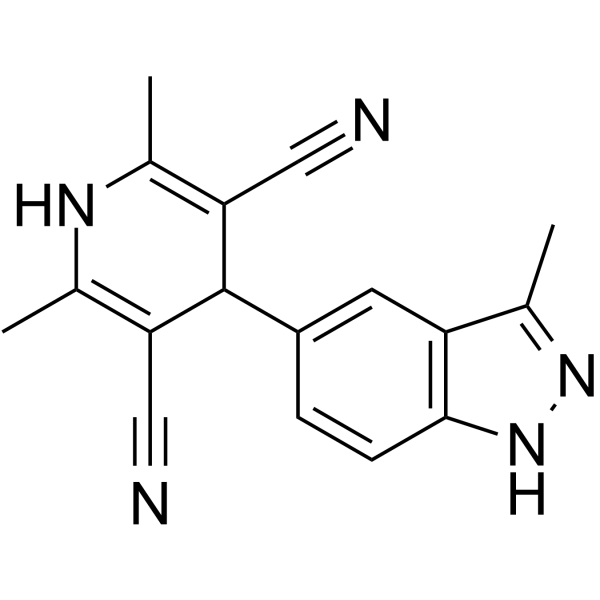
    Pyridone 6
    10+ Cited Publications

    JAK Cancer
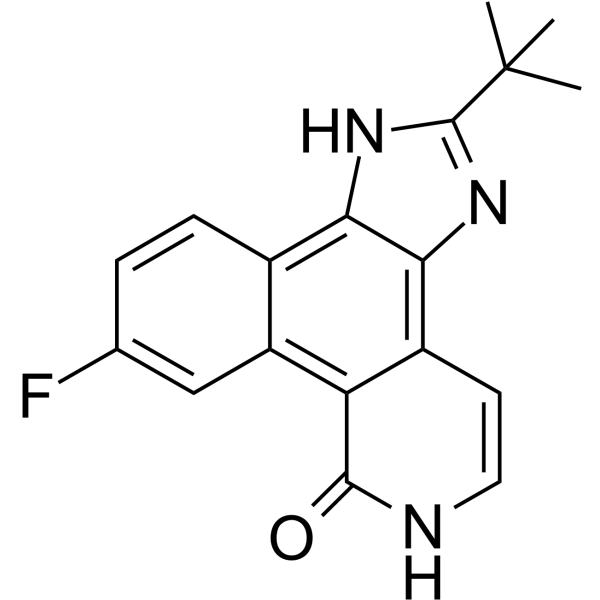
    Pyridone 6 is a pan-JAK inhibitor, which potently inhibits the JAK kinase family, with IC50s of 1 nM for JAK2 and TYK2, 5 nM for JAK3, and 15 nM for JAK1, while displaying significantly weaker affinities (130 nM to >10 mM) for other protein tyrosine kinases.
    Pyridone 6
  • HY-N6732
    K-252a
    Maximum Cited Publications
    27 Publications Verification

    SF2370; Antibiotic K 252a; Antibiotic SF 2370

    Autophagy PKA PKC Trk Receptor CaMK Infection Inflammation/Immunology
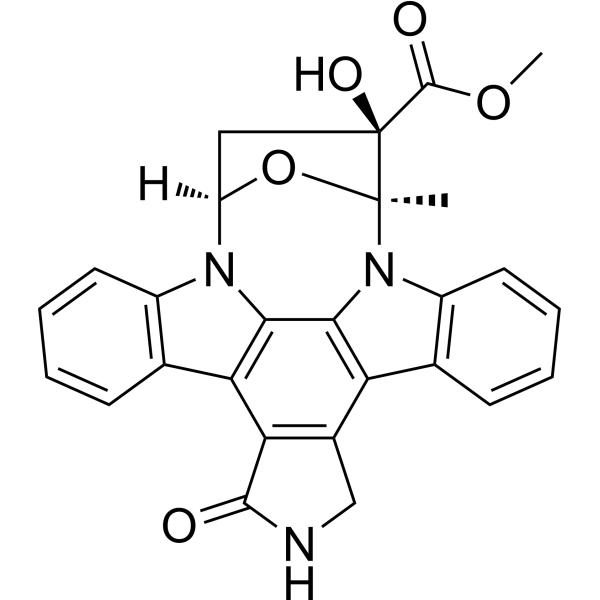
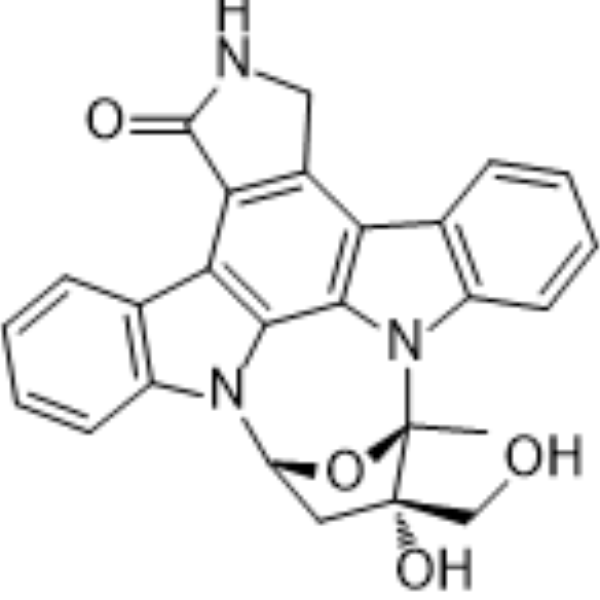
    K-252a, a staurosporine analog, inhibits protein kinase, with IC50 values of 470 nM, 140 nM, 270 nM, and 1.7 nM for PKC, PKA, Ca 2+/calmodulin-dependent kinase type II, and phosphorylase kinase, respectively . K-252a is a potent inhibitor (IC50 of 3 nM) of the tyrosine protein kinase (TRK) activity of the NGF receptor gp140trk, the product of the trk protooncogene .
    K-252a
  • HY-137677B

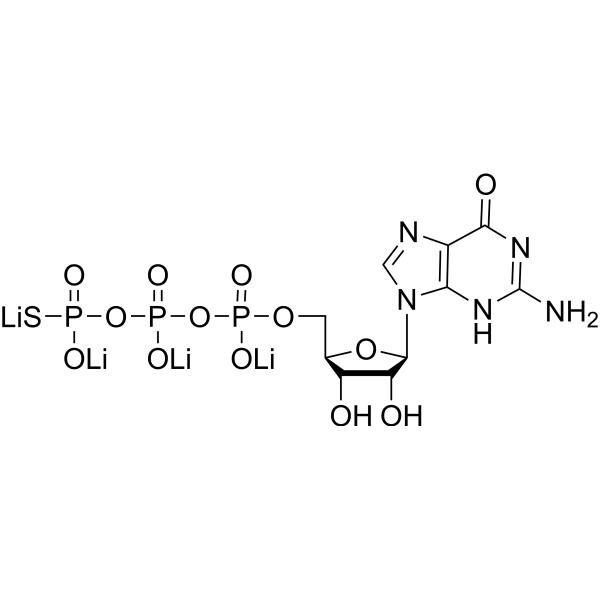
    Guanosine 5'-[γ-thio]triphosphate tetralithium

    GLUT Metabolic Disease
    GTPγS (Guanosine 5'-[γ-thio]triphosphate) tetralithium is a G-protein activator that protects proteins from proteolytic degradation, stimulates GLUT4 translocation in a tyrosine kinase-dependent manner, stimulate phospholipases and induce actin polymerization. GTPγS tetralithium to couple with G- protein α, to study its effect on kinase activity. GTPγS tetralithium acts as a component of lysis buffer .
    GTPγS tetralithium
  • HY-160144S

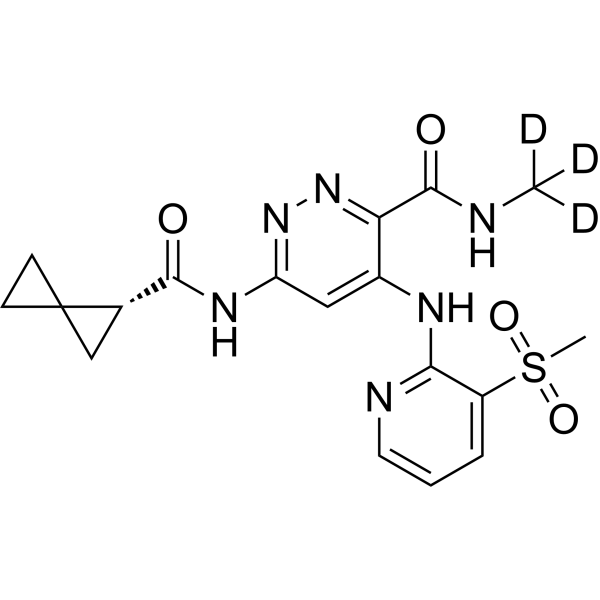
    BMS-986322

    Isotope-Labeled Compounds JAK Inflammation/Immunology
    Lomedeucitinib (BMS-986322) is a tyrosine protein kinase (TYK2) inhibitor .
    Lomedeucitinib
  • HY-P2503

    EGFR Cancer
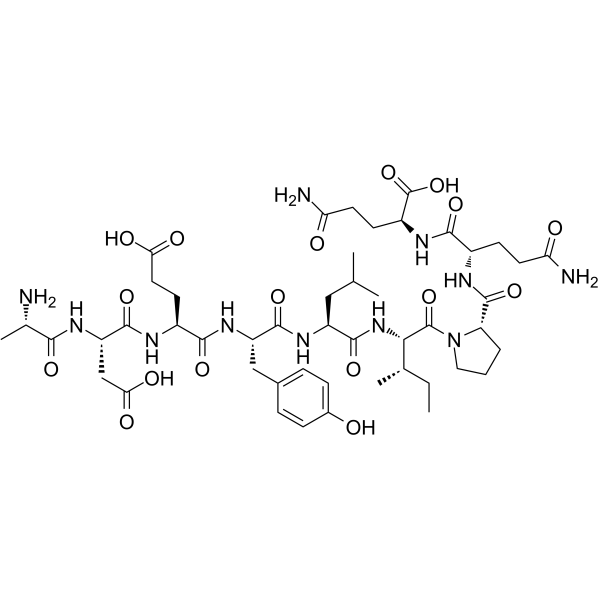
    EGFR Protein Tyrosine Kinase Substrate is a EGFR protein tyrosine kinase substrate.
    EGFR Protein Tyrosine Kinase Substrate
  • HY-N2506

    Others Cardiovascular Disease
    Ginsenoside Ra1 is a component from ginseng, inhibits protein tyrosine kinase (PTK) activation induced by hypoxia/reoxygenation .
    Ginsenoside Ra1
  • HY-18963
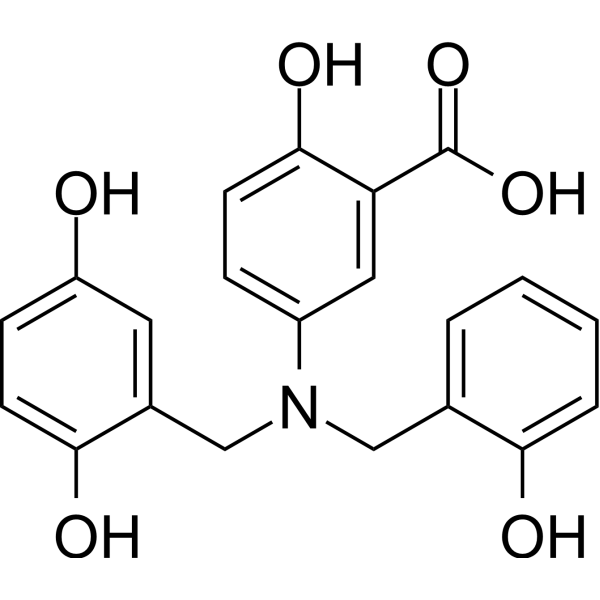
    Lavendustin A
    1 Publications Verification

    RG-14355

    EGFR Cancer
    Lavendustin A (RG-14355) is a potent, selective and ATP-competitive inhibitor of epidermal growth factor receptor (EGFR) tyrosine kinase, with an IC50 of 11 nM. Lavendustin A does not inhibit protein kinase A or C. Lavendustin A can suppress VEGF-induced angiogenesis .
    Lavendustin A
  • HY-21291

    PDGFR EGFR IGF-1R Cancer
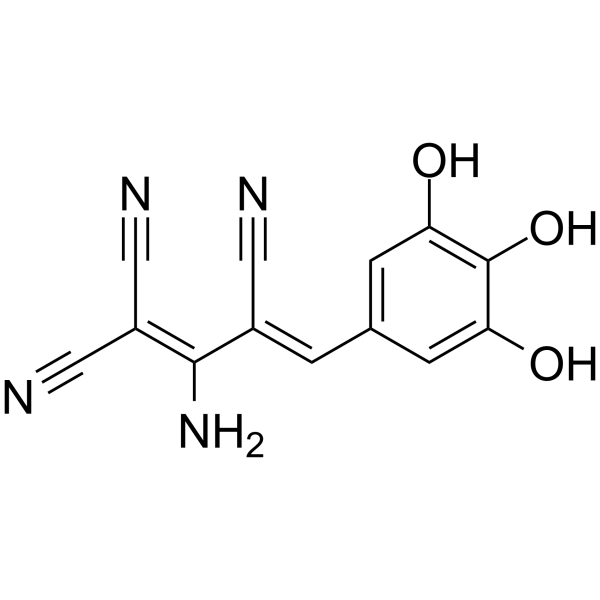
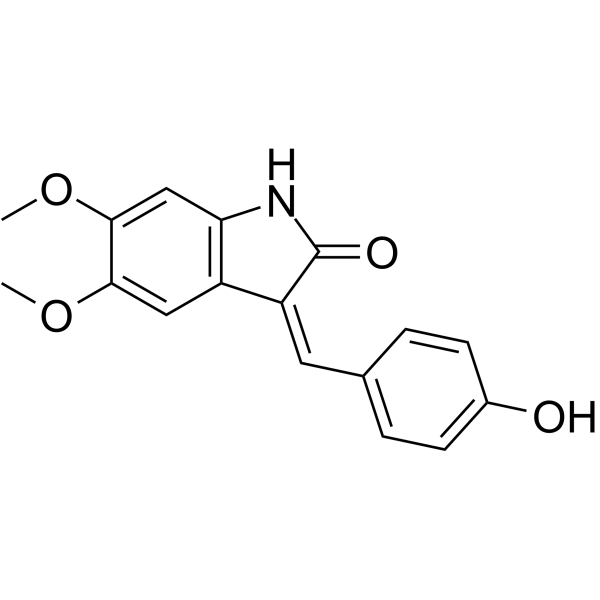
    SU-4313 is a potent protein tyrosine kinases (PTKs) modulator with IC50s of 14.5 μM, 18.8 μM, 11 μM, 16.9 μM, 8.0 μM for PDGFR, FLK-1, EGFR, HER2 Kinase and IGF-1R, respectively. SU-4313 has the potential for modulating tyrosine kinase signal transduction in order to regulate abnormal cell proliferation .
    SU-4313
  • HY-P1785

    Abltide

    Bcr-Abl Cancer
    Abl Cytosolic Substrate is a substrate for Abelson tyrosine kinase (Abl ). Abl Protein Tyrosine Kinase (AbI) is a truncated form of the v-AbI Protein Tyrosine Kinase, a partner in the Gag-Abl fusion protein of the Abelson murine leukemia virus .
    Abl Cytosolic Substrate
  • HY-101246

    RET Cancer
    RPI-1 is a specific, orally available 2-indolinone Ret tyrosine kinase inhibitor. RPI-1 inhibits proliferation, Ret tyrosine phosphorylation, Ret protein expression, and the activation of PLCgamma, ERKs and AKT in human medullary thyroid carcinoma TT cells. Antitumor activity .
    RPI-1
  • HY-N7160

    Src Apoptosis Cancer
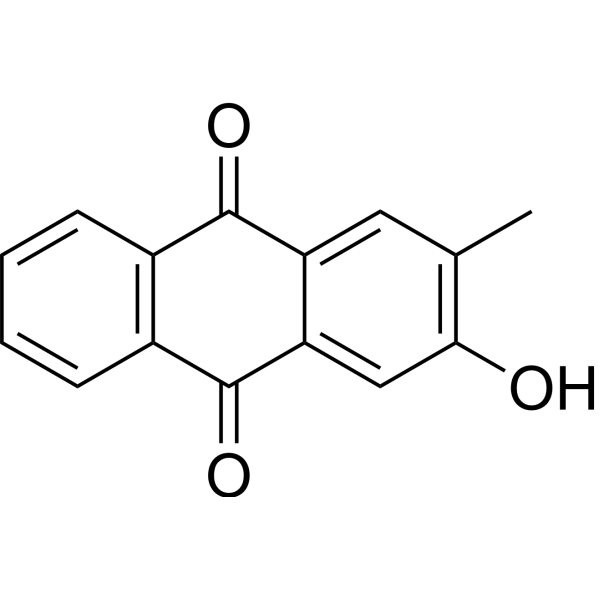
    2-Hydroxy-3-methylanthraquinone (compound 1) is a natural compound isolated from a water extract of Hedyotis diffusa WILLD. 2-Hydroxy-3-methylanthraquinone shows inhibitory activity against protein tyrosine kinases v-src and pp60src, and induces growth arrest and apoptosis in the HepG2 cancer cells .
    2-Hydroxy-3-methylanthraquinone
  • HY-P5426

    Bcr-Abl Others
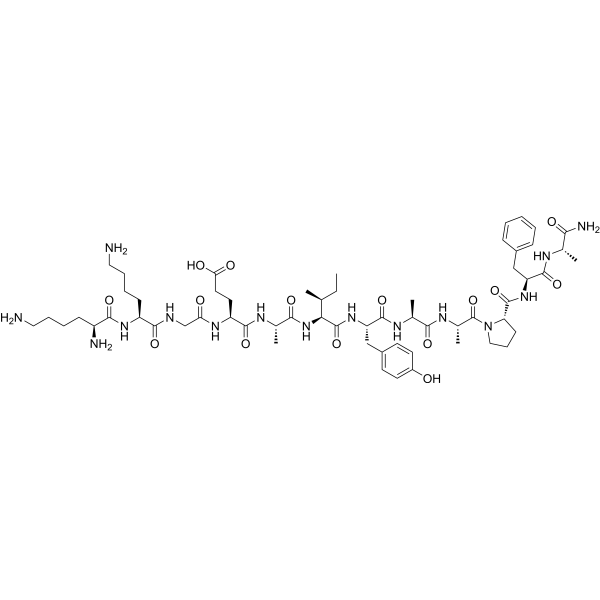
    Abl protein tyrosine kinase substrate is a biological active peptide. (Abltide is a peptide substrate for Abl Kinase (Abl protein tyrosine kinase), a partner in the gag-Abl fusion protein of the Abelson murine leukemia virus. Used in Western blot and kinase assay.)
    Abl protein tyrosine kinase substrate
  • HY-103097

    Phospholipase Others
    ST271 is a potent inhibitor of protein tyrosine kinase (PTK), inhibits phospholipase D activation stimulated by fMet-Leu-Phe and PAF, with IC50s of 6.7 and 9 μM, respectively.
    ST271
  • HY-P0200

    Src Inflammation/Immunology
    RR-SRC is a substrate for src-tyrosine-specific protein kinase .
    RR-SRC
  • HY-133083
    BAY-474
    1 Publications Verification

    c-Met/HGFR Cancer
    BAY-474 is a tyrosine-protein kinase c-Met inhibitor. BAY-474 acts as an epigenetics probe .
    BAY-474
  • HY-P1590

    JAK Inflammation/Immunology Cancer
    Tyrosine Protein Kinase JAK 2 (Phospho-Tyr8, 9) is a peptide corresponding to amino acids 475 to 491 of mouse JAK2.
    Tyrosine Protein Kinase JAK 2 (Phospho-Tyr8, 9)
  • HY-E70873

    JAK Cancer
    TYK2 is a member of the JAK family of non-receptor tyrosine kinases that act together with signal transducer and activator of transcription (STAT) factors in mediating intracellular signal transduction. JAKs are characterized by dual kinase domain: a tyrosine kinase domain (JH1) that is preceded by a pseudokinase domain (JH2). Tyk2(JH1/JH2) Recombinant Human Active Protein Kinase is a recombinant Tyk2(JH1/JH2) protein that can be used to study Tyk2(JH1/JH2)-related functions .
    Tyk2(JH1/JH2) Recombinant Human Active Protein Kinase
  • HY-180888

    Src CD3 Inflammation/Immunology
    Lck-IN-5 (example C10) is a potent and selective lymphocyte-specific protein tyrosine kinase (LCK) inhibitor. Lck-IN-5 selectively disrupts the interaction between the SH3 domain of LCK and the RK motif of CD3ε, thereby impairing LCK recruitment to the TCR. Lck-IN-5 modulates the activity of CD3ε-containing CAR and TRuC T cells, attenuating cytokine production and promoting a central-memory-like phenotype associated with enhanced persistence. Lck-IN-5 can be used for autoimmune diseases and graft-versus-host disease research .
    Lck-IN-5
  • HY-101962

    Insulin Receptor Metabolic Disease
    HNMPA is a membrane impermeable insulin receptor tyrosine kinase inhibitor. HNMPA inhibits serine and tyrosine autophosphorylation by the human insulin receptor. HNMPA has no effect on protein kinase C or cyclic AMP-dependent protein kinase activities
    HNMPA
  • HY-P1803

    PKCε; PRKCE ; Peptide Epsilon

    PKC Neurological Disease Inflammation/Immunology Endocrinology
    Protein Kinase C Peptide Substrate is targeted to a specific cellular compartment in a manner dependent on second messengers and on specific adapter proteins in response to extracellular signals that activate G-protein-coupled receptors, tyrosine kinase receptors, or tyrosine kinase-coupled receptors. Protein Kinase C Peptide Substrate then regulates various physiological functions including the activation of nervous, endocrine, exocrine, inflammatory, and immune systems .
    Protein Kinase C Peptide Substrate
  • HY-18316

    JAK Inflammation/Immunology
    RO495 is a potent inhibitor of non-receptor tyrosine-protein kinase 2 (TYK2 kinase) .
    RO495
  • HY-E70869

    Trk Receptor Neurological Disease
    TRKA (also named NTRK1) is a potential new member of the tyrosine kinase gene family. TRKA is a receptor tyrosine kinase that is phosphorylated in response to NGF. A single transmembrane domain divides TRKA into an extracellular domain, important for NGF binding, and an intracellular tyrosine kinase domain, important for signal transduction. TRKA(NTRK1) Recombinant Human Active Protein Kinase is a recombinant TRKA(NTRK1) protein that can be used to study TRKA(NTRK1)-related functions .
    TRKA(NTRK1) Recombinant Human Active Protein Kinase
  • HY-E70833

    Itk Cancer
    ITK is the Tec family tyrosine kinase that has been implicated in T cell receptor (TCR) signaling. ITK Recombinant Human Active Protein Kinase is a recombinant ITK protein that can be used to study ITK-related functions .
    ITK Recombinant Human Active Protein Kinase
  • HY-152830A

    Q702 TFA

    c-Fms TAM Receptor MHC Cancer
    Adrixetinib (Q702) TFA is an orally active triple inhibitor against CSF1R, Mer, and Axl, with Kd values of 8.7 nM, 0.8 nM, and 0.3 nM, respectively. Adrixetinib TFA acts as a potent immune modulator that remodels the tumor microenvironment. Adrixetinib TFA increases the abundance of M1 macrophages and CD8⁺ T cells, while decreasing the levels of M2 macrophages and myeloid-derived suppressor cells (MDSCs). Adrixetinib TFA upregulates the expression of MHC class I and E-cadherin in tumor cells. Adrixetinib TFA shows remarkable antitumor efficacy in syngeneic mouse tumor models. Adrixetinib TFA is suitable for the research of breast cancer, renal adenocarcinoma, colon carcinoma, and melanoma .
    Adrixetinib TFA
  • HY-W174279

    EGFR Ras Phosphatase Metabolic Disease
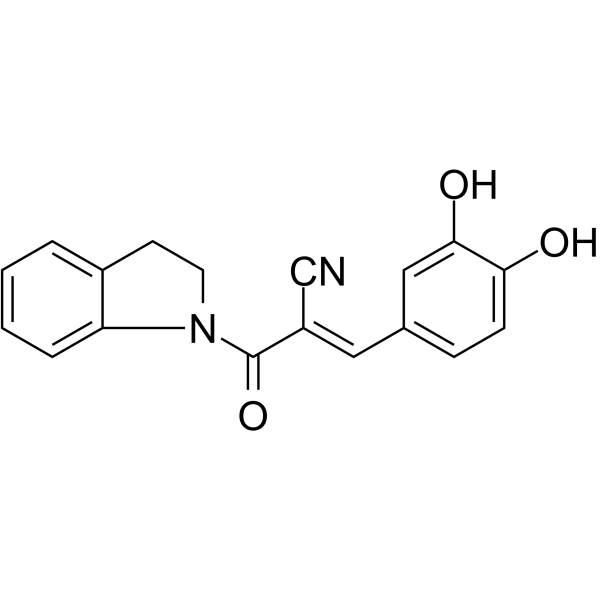
    Tyrphostin 8 is a tyrosine kinase, with an IC50 of 560 μM for EGFR kinase. Tyrphostin 8 is also a GTPase inhibitor. Tyrphostin 8 can inhibit the protein serine/threonine phosphatase calcineurin (IC50=21 μM) .
    Tyrphostin 8
  • HY-160689

    UNC10112731

    c-Myc c-Kit Discoidin Domain Receptor PDGFR Others
    GW694590A (UNC10112731) is a MYC protein stabilizer that increases endogenous MYC protein levels. GW694590A also targets receptor tyrosine kinases, inhibiting DDR2, KIT and PDGFRα by 81% at 1 μM. , 68% and 67%. GW694590A is a protein kinase inhibitor across ATP-dependent and -independent luciferases with potential effects on the Fluc reporter gene .
    GW694590A
  • HY-E70763

    PDGFR Cancer
    PDGFRalpha is a receptor tyrosine kinases that stimulate cell survival, proliferation and motility. Upon PDGF binding, the receptor dimerizes and undergoes a conformational change, which activates the kinase domain. PDGFRalpha T674I is a mutant of PDGFRalpha. PDGFRalpha T674I Recombinant Human Active Protein Kinase is a recombinant PDGFRalpha T674I protein that can be used to study PDGFRalpha T674I-related functions .
    PDGFRalpha T674I Recombinant Human Active Protein Kinase
  • HY-E70823

    FGFR Cancer
    FGFR2 is a receptor tyrosine kinase that is involved in many human cancers such as intrahepatic cholangiocarcinomas and hepatocellular carcinomas. FGFR2 N549K is a mutant of FGFR3. FGFR2 N549K Recombinant Human Active Protein Kinase is a recombinant FGFR4 N535K protein that can be used to study FGFR4 N535K-related functions .
    FGFR2 N549K Recombinant Human Active Protein Kinase
  • HY-E70870

    Trk Receptor Neurological Disease
    TRKB(NTRK2) is a member of tyrosine kinase gene family. TRKB is the primary receptor for brain-derived nerve growth factor (BDNF) and neurotrophin 4/5 (NT4/5). TRKB(NTRK2) Recombinant Human Active Protein Kinase is a recombinant TRKB(NTRK2) protein that can be used to study TRKB(NTRK2)-related functions .
    TRKB(NTRK2) Recombinant Human Active Protein Kinase
  • HY-163278

    Src Apoptosis Cancer
    Lck-IN-2 (compound 12a) is an inhibitor of Lymphocyte-specific protein tyrosine kinase (Lck) with IC50 of 10.6 nM. Lck-IN-2 reveals efficacy in colon cancer cells with GI50s of 0.24-1.26 μM. Lck-IN-2 exhibits an apoptotic effect in Colo201 cells .
    Lck-IN-2
  • HY-121828

    Src CaMK PKA EGFR PKC COX Cancer
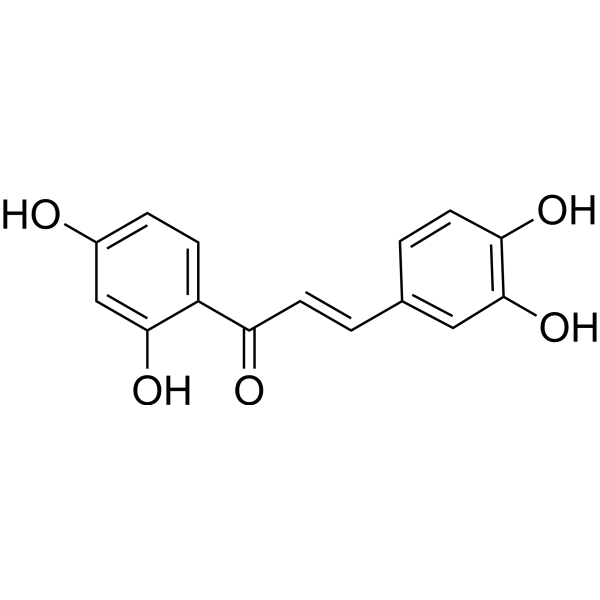
    TX-1123 is a potent protein tyrosine kinase (PTK) inhibitor for Src, eEF2-K, and PKA, and EGFR-K/PKC. TX-1123 is a cyclo-oxygenase (COX) inhibitor with IC50 values of 1.16 μM and 15.7 μM for COX2 and COX1, respectively. TX-1123 has low mitochondrial toxicity. TX-1123 can be used in research of cancer .
    TX-1123
  • HY-147612

    c-Met/HGFR Cancer
    Tyrosine kinase-IN-4 (EXAMPLE 107) is a protein tyrosine kinase inhibitor .
    Tyrosine kinase-IN-4
  • HY-N14635

    EGFR Infection
    Paeciloquinone A can inhibit EGFR protein tyrosine kinase. Paeciloquinone A inhibits the V-abl protein tyrosine kinase with an IC50 of 0.59 μM .
    Paeciloquinone A
  • HY-N14637

    EGFR Infection
    Paeciloquinone C can inhibit the EGFR protein tyrosine kinase. Paeciloquinone C inhibits the V-abl protein tyrosine Kinase with an IC50 of 0.56 μM .
    Paeciloquinone C
  • HY-N14638

    EGFR Infection
    Paeciloquinone D can inhibit the EGFR protein tyrosine kinase .
    Paeciloquinone D
  • HY-N14639

    EGFR Infection
    Paeciloquinone E can inhibit the EGFR protein tyrosine kinase .
    Paeciloquinone E
  • HY-N14640

    EGFR Infection
    Paeciloquinone F can inhibit the EGFR protein tyrosine kinase .
    Paeciloquinone F
  • HY-N14636

    EGFR Infection
    Paeciloquinone B can inhibit the EGFR protein tyrosine kinase .
    Paeciloquinone B
  • HY-171294

    Ser/Thr Kinase Inflammation/Immunology Cancer
    Protein kinase inhibitor 16 exhibits inhibitory activity against a variety of Ser/Thr kinase or receptor or non-receptor tyrosine kinase .
    Protein kinase inhibitor 16
  • HY-N14271

    Angelmicin B

    Src Bacterial Infection Cancer
    Hibarimicin B (Angelmicin B) is a tyrosine kinase inhibitor. It selectively inhibits the activity of src tyrosine kinase without affecting protein kinase A and C. It also has moderate anti-Gram-positive bacteria activity with a MIC of 0.8-12.56 μg/mL .
    Hibarimicin B
  • HY-171291

    Ser/Thr Kinase Inflammation/Immunology Cancer
    Protein kinase inhibitor 14 (Compound 13) exhibits inhibitory effects against a variety of serine/threonine kinase and receptor/non-receptor tyrosine kinase .
    Protein kinase inhibitor 14
  • HY-N14273

    Src Bacterial Infection Cancer
    Hibarimicin C is a tyrosine kinase inhibitor. Hibarimicin C selectively inhibits the activity of src tyrosine kinase without affecting protein kinase A and C. Hibarimicin C also has moderate anti-Gram-positive bacteria activity with a MIC of 0.8-12.56 μg/mL .
    Hibarimicin C
  • HY-N14689

    Src Infection Cancer
    Hibarimicin D is a tyrosine kinase inhibitor. Hibarimicin D selectively inhibits the activity of src tyrosine kinase without affecting protein kinase A and C. Hibarimicin D also has moderate anti-Gram-positive bacteria activity with a MIC of 0.8-12.56 μg/mL .
    Hibarimicin D
  • HY-111158

    c-Met/HGFR Cancer
    BMS-748730 is an oral tyrosine kinase inhibitor. BMS-748730 inhibits tyrosine kinase activity by competing with the ATP binding site of the tyrosine kinase, which prevents the kinase from phosphorylating the substrate protein, thereby inhibiting signaling pathways associated with cell proliferation and tumor growth. BMS-748730 can be used in the study of certain types of cancer, including chronic myeloid leukemia (CML) .
    BMS-748730
  • HY-E70725

    Src Cancer
    FRK Recombinant Human Active Protein Kinase, a non-receptor tyrosine kinase Fyn-related kinase, is a member of the BRK family kinases (BFKs). FRK may be involved in tumor progression .
    FRK Recombinant Human Active Protein Kinase
  • HY-N14267

    Src Bacterial Infection Cancer
    Hibarimicin A is a tyrosine kinase inhibitor found in Microbispora rosea subsp. hibaria. Hibarimicin A selectively inhibits the activity of src tyrosine kinase without affecting protein kinase A and C. Hibarimicin A also has moderate anti-Gram-positive bacteria activity with a MIC of 0.8-12.56 μg/mL .
    Hibarimicin A
  • HY-171293

    Ser/Thr Kinase Inflammation/Immunology Cancer
    Protein kinase inhibitor 15 (Compound A.35.3) exhibits inhibitory activity against a variety of Ser/Thr kinase or receptor or non-receptor tyrosine kinase .
    Protein kinase inhibitor 15
  • HY-401475

    PKC Cardiovascular Disease Inflammation/Immunology Cancer
    Protein kinase inhibitor 9 (Compound example 175) is an inhibitor of serine/threonine and tyrosine kinase activity. Protein kinase inhibitor 9 can be used for the research of cancer, hyper proliferative disorders, rheumatoid arthritis, disorders of the immune system, transplant rejections and imflammatory disorders .
    Protein kinase inhibitor 9
  • HY-124152

    Methyl-3,4-dephostatin

    MAP3K MAP4K Phosphatase Neurological Disease
    3,4-Dephostatin (Methyl-3,4-dephostatin) is an inhibitor of protein-tyrosine phosphatase (PTPase). 3,4-Dephostatin accelerates nerve growth factor (NGF)-induced neurite formation in PC12h cells. 3,4-Dephostatin sustains the NGF-induced tyrosine phosphorylation of proteins, most prominently that of mitogen-activated protein (MAP) kinase. 3,4-Dephostatin also prolongs epidermal growth factor (EGF)-induced tyrosine phosphorylation and activation of MAP kinase .
    3,4-Dephostatin
  • HY-125350

    Tyrphostin AG1290

    c-Met/HGFR Metabolic Disease
    Entacapone acid (Tyrphostin AG1290) is a tyrosine kinase inhibitor. Entacapone acid reduces hepatic protein synthesis rate (HPS) in vivo .
    Entacapone acid

Inquiry Online

Your information is safe with us. * Required Fields.

Salutation


Country or Region *

Applicant Name *


Organization Name *

Department *


Email Address *


Product Name *

Cat. No.


Requested quantity *

Phone Number *


Remarks

Inquiry Online

Inquiry Information

Product Name:
Cat. No.:
Quantity:
MCE Japan Authorized Agent:

