1. Search Result
Search Result
Results for "

Pyruvate Kinase

" in MedChemExpress (MCE) Product Catalog:

76

Inhibitors & Agonists

2

Screening Libraries

1

Fluorescent Dye

9

Natural
Products

14

Recombinant Proteins

2

Isotope-Labeled Compounds

8

Antibodies

1

Click Chemistry

Cat. No. Product Name Target Research Areas Chemical Structure
  • HY-Y0445A
    Sodium dichloroacetate
    25+ Cited Publications

    PDK-1 NKCC PDHK Reactive Oxygen Species (ROS) Apoptosis Cancer
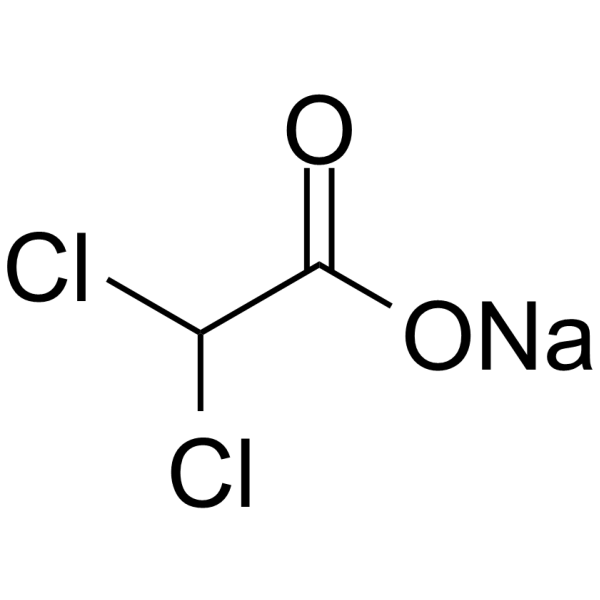
    Sodium dichloroacetate is an orally active pyruvate dehydrogenase kinase (PDK) inhibitor. Sodium dichloroacetate also stimulates pyruvate dehydrogenase (PDH) activity and works as a Na +-K +-2Cl cotransporter (NKCC) inhibitor. Sodium dichloroacetate prevents the phosphorylation of the E1α subunit of PDC, promoting the entry of pyruvate into the mitochondria for oxidative metabolism, reducing lactate production, and simultaneously increasing the production of reactive oxygen species (ROS). Sodium dichloroacetate inhibits tumor cell proliferation and induces apoptosis. Sodium dichloroacetate is promising for research of cancers .
    Sodium dichloroacetate
  • HY-18657
    TEPP-46
    50+ Cited Publications

    ML-265

    Pyruvate Kinase Cancer
    TEPP-46 (ML-265) is a potent and selective pyruvate kinase M2 (PKM2) activator with an AC50 of 92 nM, showing little or no effect on PKM1, PKL and PKR .
    TEPP-46
  • HY-N0822
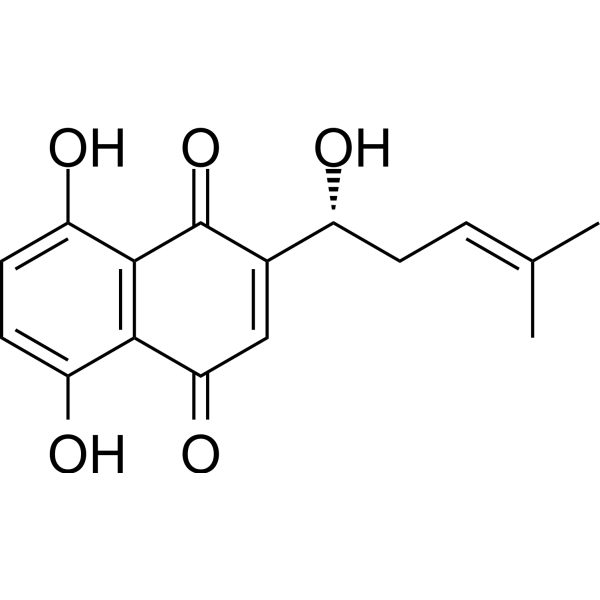
    Shikonin
    Maximum Cited Publications
    66 Publications Verification

    C.I. 75535; Isoarnebin 4

    Exosomes Chloride Channel Pyruvate Kinase NF-κB TNF Receptor HIV AIM2 Cancer
    Shikonin is a major component of a Chinese herbal medicine named zicao. Shikonin is a potent TMEM16A chloride channel inhibitor with an IC50 of 6.5 μM . Shikonin is a specific pyruvate kinase M2 (PKM2) inhibitor and can also inhibit TNF-α and NF-κB pathway . Shikonin decreases exosome secretion through the inhibition of glycolysis . Shikonin inhibits AIM2 inflammasome activation .
    Shikonin
  • HY-103617
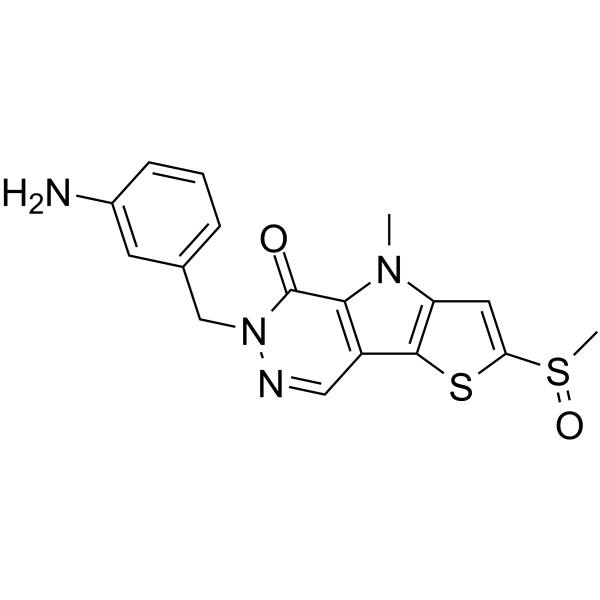
    PKM2-IN-1
    25+ Cited Publications

    Pyruvate Kinase Cancer
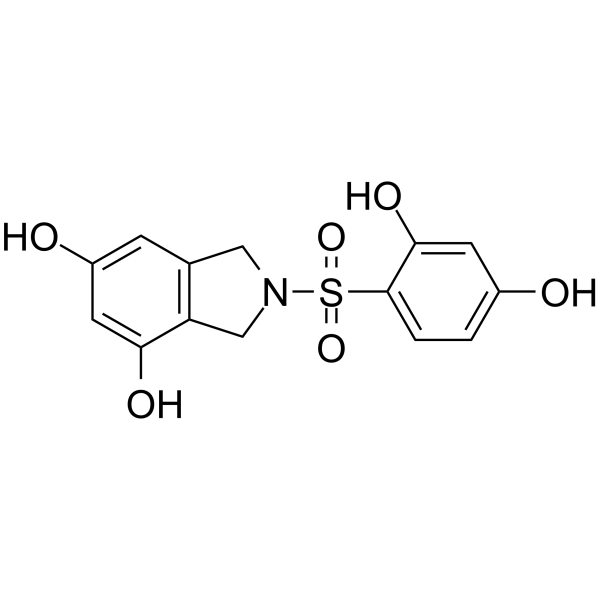
    PKM2-IN-1 (compound 3k) is a pyruvate kinase M2 (PKM2) inhibitor with an IC50 of 2.95 μM .
    PKM2-IN-1
  • HY-B1142
    Lipoamide
    5+ Cited Publications

    (±)-α-Lipoamide; DL-Lipoamide; DL-6,8-Thioctamide

    NO Synthase Others
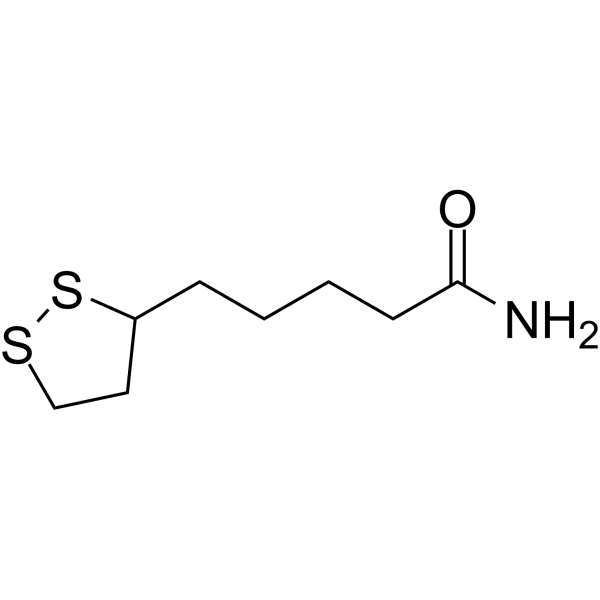
    Lipoamide ((±)-α-Lipoamide) is a monocarboxylic acid derivative of a neutral amide, formed by the condensation of the carboxyl group of lipoic acid and ammonia. Lipoamide protects against oxidative stress-mediated neuronal cell damage and also acts as a coenzyme to transfer acetyl groups and hydrogen during pyruvate deacylation. Lipoamide also stimulates mitochondrial biogenesis in adipocytes through the endothelial NO synthase-cGMP-protein kinase G signaling pathway .
    Lipoamide
  • HY-12689
    Mitapivat
    3 Publications Verification

    AG-348

    Pyruvate Kinase Metabolic Disease
    Mitapivat (AG-348) is an orally active pyruvate kinase allosteric activator. Mitapivat increases enzymatic activity, protein stability, and ATP levels over a broad range of PKLR genotypes, shows the potential to restore the activity of PK (pyruvate kinase)-deficient glycolytic pathways. Mitapivat can be used in study of PK deficiency .
    Mitapivat
  • HY-126585
    SAICAR
    4 Publications Verification

    Endogenous Metabolite Cancer
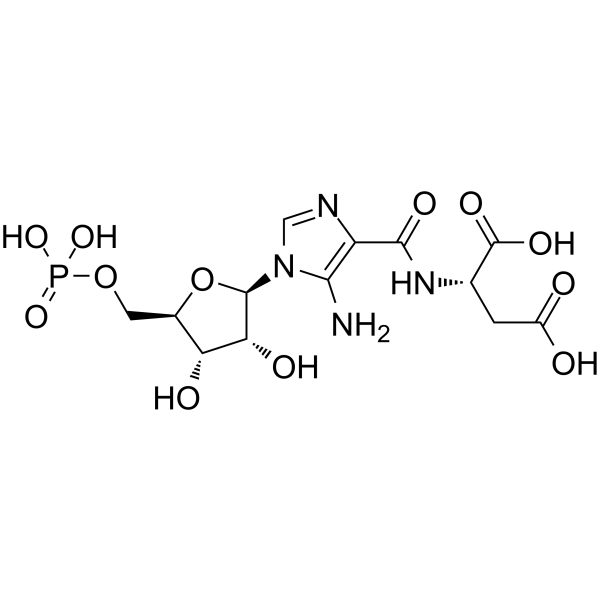
    SAICAR is an intermediate of de novo purine nucleotide biosynthesis, activates pyruvate kinase isoform M2 (PKM2) in an isozyme-selective manner, with an EC50 of 0.3 mM. SAICAR stimulates PKM2 and promotes cancer cell survival in glucose-limited conditions .
    SAICAR
  • HY-135954A
    PDK4-IN-1 hydrochloride
    3 Publications Verification

    PDHK Apoptosis Metabolic Disease Inflammation/Immunology Cancer
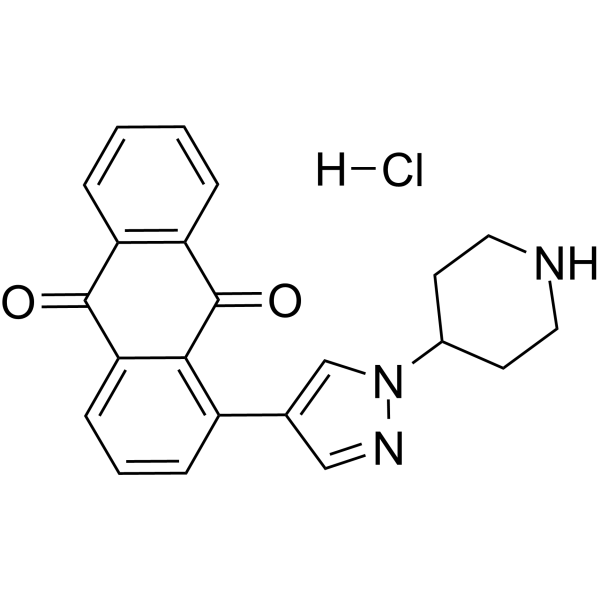
    PDK4-IN-1 hydrochloride is an anthraquinone derivative and a potent and orally active pyruvate dehydrogenase kinase 4 (PDK4) inhibitor with an IC50 value of 84 nM. PDK4-IN-1 hydrochloride potently represses cellular transformation and cellular proliferation and induces apoptosis. PDK4-IN-1 hydrochloride has antidiabetic, anticancer and anti-allergic activity .
    PDK4-IN-1 hydrochloride
  • HY-19330
    DASA-58
    15+ Cited Publications

    Pyruvate Kinase Metabolic Disease Cancer
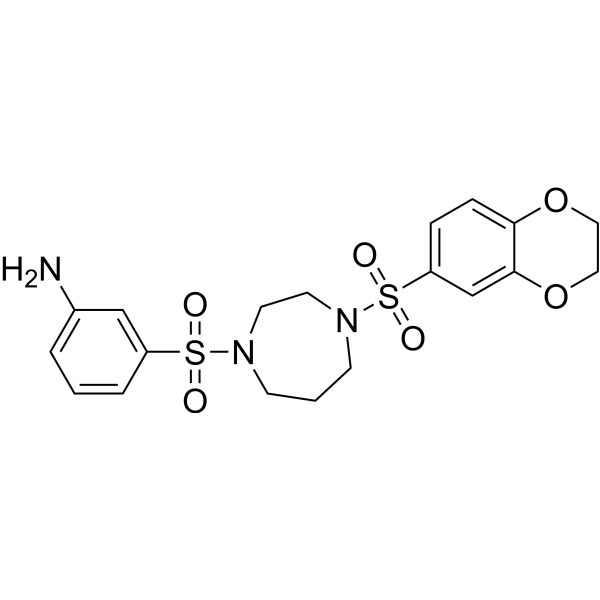
    DASA-58 is a potential pyruvate kinase isozyme (PKM2) allosteric activator. DASA-58 can be used for the research of metabolism and kinds of cancer .
    DASA-58
  • HY-16082
    AZD7545
    4 Publications Verification

    PDHK Metabolic Disease
    AZD7545 is a potent, competitive, selective PDHK2 (pyruvate dehydrogenase kinase 2) inhibitor with IC50s of 36.8 nM, 6.4 nM for PDHK1 and PDHK2, respectively .
    AZD7545
  • HY-12492
    VER-246608
    4 Publications Verification

    PDHK Cancer
    VER-246608 is a potent and ATP-competitive inhibitor of pyruvate dehydrogenase kinase (PDK) with IC50s of 35 nM, 40 nM, 84 nM, and 91 nM for PDK-1, PDK-3, PDK-2, and PDK-4, respectively.
    VER-246608
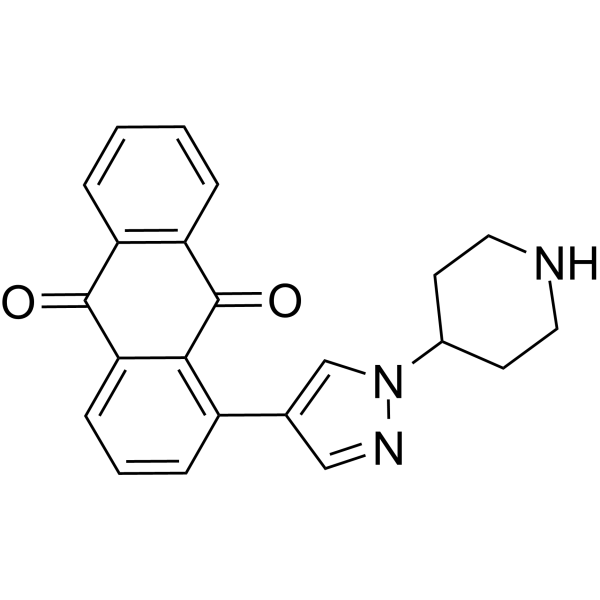
  • HY-135954
    PDK4-IN-1
    3 Publications Verification

    PDHK Apoptosis Metabolic Disease Inflammation/Immunology Cancer
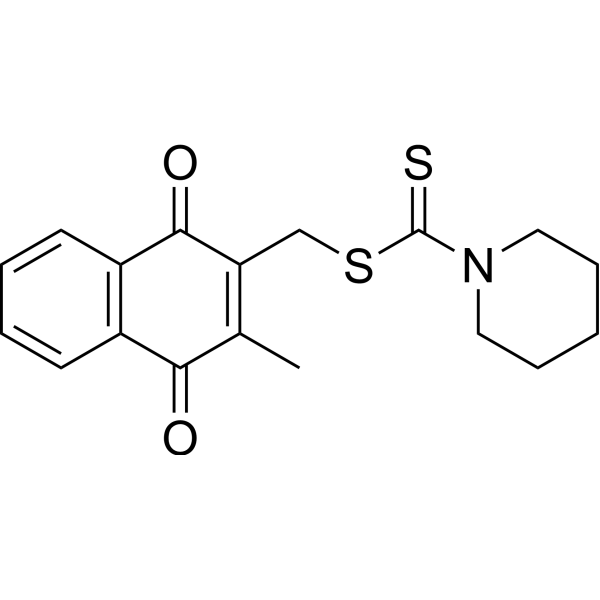
    PDK4-IN-1 is an anthraquinone derivative and a potent and orally active pyruvate dehydrogenase kinase 4 (PDK4) inhibitor with an IC50 value of 84 nM. PDK4-IN-1 potently represses cellular transformation and cellular proliferation and induces apoptosis. PDK4-IN-1 has antidiabetic, anticancer and anti-allergic activity .
    PDK4-IN-1
  • HY-W712327

    Biochemical Assay Reagents Others
    D-Xylulose 5-phosphate sodium is a pentose phosphate ester and an essential intermediate metabolite in the pentose phosphate pathway (PPP) and the non-oxidative phase of the pentose phosphate pathway. D-xylulose-5-phosphate sodium can be efficiently synthesized through the phosphorylation of D-xylulose catalyzed by D-xylulokinase (XKS1 from Saccharomyces cerevisiae), with ATP regeneration facilitated by the phosphoenolpyruvate (PEP)/pyruvate kinase (PK) system .
    D-Xylulose 5-phosphate sodium
  • HY-P2806

    PK; FluoroKinase

    Endogenous Metabolite Metabolic Disease Cancer
    Pyruvate Kinase, Microorganism (PK) is a glycolytic enzyme that catalyzes the conversion of phosphoenolpyruvate and ADP to pyruvate and ATP .
    Pyruvate Kinase, Microorganism
  • HY-121744
    PS10
    5+ Cited Publications

    PDHK Inflammation/Immunology
    PS10 is a novel, potent and ATP-competitive pan-PDK inhibitor, inhibits all PDK isoforms with IC50 of 0.8 μM, 0.76 μM, 2.1 μM and 21.3 μM for PDK2, PDK4, PDK1, and PDK3, respectively. PS10 shows high affinity for PDK2 (Kd= 239 nM) than for Hsp90 (Kd= 47 μM) . PS10 improves glucose tolerance, stimulates myocardial carbohydrate oxidation in diet-induced obesity. PS10 has the potential for the investigation of diabetic cardiomyopathy .PDK: pyruvate dehydrogenase kinase
    PS10
  • HY-136882

    PDHK Cancer
    TM-1 is a potent inhibitor of pyruvate dehydrogenase kinase (PDHK1). TM-1 inhibits PDHK1 and PDHK2 with IC50s of 2.97 μM and 5.2 μM, respectively. TM-1 blocks pyruvate dehydrogenase complex (PDHC) phosphorylation, and inhibits cell proliferation .
    TM-1
  • HY-P2806A

    ATP:Pyruvate 2-0-phosphotransferase,PK

    Pyruvate Kinase Metabolic Disease Cancer
    Pyruvate Kinase (PK),Rabbit Muscle (ATP:Pyruvate 2-0-phosphotransferase,PK) is a biological material or organic compound that can be used in life science research .
    Pyruvate Kinase (PK),Rabbit Muscle
  • HY-112253

    Endogenous Metabolite Metabolic Disease
    D-Fructose 1-phosphate is a key intermediate metabolite in the fructose metabolic pathway. As a key signaling molecule linking fructose metabolism and glucose metabolic regulation, D-Fructose 1-phosphate acts as an allosteric modulator to counteract the inhibitory effect of the glucokinase-regulatory protein complex, thereby finely regulating the direction of hepatic glucose metabolism at the substrate level .
    D-Fructose 1-phosphate
  • HY-138825

    Pyk2 Metabolic Disease
    NCGC00188636 is a novel covalent pyruvate kinase (PYK) inhibitor. NCGC00188636 blocks nucleotide binding to the active site of pyruvate kinase. NCGC00188636 can be used for the research of the metabolism of many organisms and cell types.
    NCGC00188636
  • HY-135884

    AG-946; PKR activator 2

    Pyruvate Kinase Cardiovascular Disease
    Tebapivat (PKR activator 2) is a potent pyruvate kinase-R (PKR) activator extracted from patent WO2019035863A1, compound 385 .
    Tebapivat
  • HY-139573

    FT-4202

    Pyruvate Kinase Cardiovascular Disease
    Etavopivat is a potent, selective, and orally active erythrocyte pyruvate kinase (PKR) activator. Etavopivat has potent antisickling effects that can be used in studies of sickle cell disease and other haemoglobinopathies .
    Etavopivat
  • HY-W005629

    Environmental Pollutants Cannabinoid Receptor PDK-1 Metabolic Disease Cancer
    Leelamine is an orally active pyruvate dehydrogenase kinase (PDK) inhibitor with an IC50 value of 9.5 μM, showing a blood glucose lowering effect in the diabetic mouse. Leelamine is also a weak agonist of cannabinoid receptors CB1 and CB2. Leelamine decreases mitotic activity, prostate-specific antigen expression and induces Apoptosis to cell death in cancer cells .
    Leelamine
  • HY-167832

    JNK SGK ROCK Tau Protein MMP DNA/RNA Synthesis Pyruvate Kinase NF-κB COX NO Synthase Reactive Oxygen Species (ROS) Neurological Disease Cancer
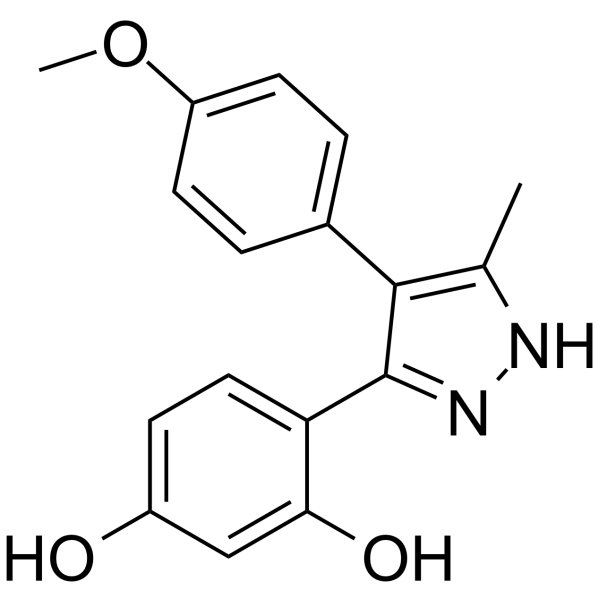
    PT109 is an orally active, blood-brain barrier permeable multi-kinase inhibitor. By inhibiting PTBP1, PT109 promotes the switch of pyruvate kinase isoform from PKM2 to PKM1, thereby effectively inhibiting the proliferation and migration of glioblastoma multiforme and inducing its reprogramming into oligodendrocytes. PT109 also targets and regulates key signaling molecules such as JNK, SGK1, GSK3β to exert neuroprotective effects including promoting neurogenesis, inducing synapse formation and alleviating neuroinflammation. In Alzheimer's disease models, PT109 exhibits significant efficacy in improving spatial learning ability, along with excellent in vivo pharmacokinetic properties. PT109 can be used to investigate metabolic reprogramming of glioblastoma multiforme and neuroprotective mechanisms of Alzheimer's disease .
    PT109
  • HY-128578
    KPLH1130
    2 Publications Verification

    PDHK NO Synthase Interleukin Related HIF/HIF Prolyl-Hydroxylase Metabolic Disease Inflammation/Immunology
    KPLH1130 is a pyruvate dehydrogenase kinase (PDK) inhibitor. KPLH1130 potently inhibits M1 macrophage polarization by reducing the expression of pro-inflammatory cytokines, decreasing the levels of M1 phenotype markers (HIF-1α, iNOS) and nitric oxide (NO) production. KPLH1130 prevents the reduction of mitochondrial oxygen consumption rate (OCR) induced by inflammatory stimuli (LPS ((HY-D1056) + IFN-γ) in various macrophage types. KPLH1130 improves glucose tolerance in HFD-fed mice. KPLH1130 can be used for the study of obesity-associated metabolic disorders and other inflammatory conditions .
    KPLH1130
  • HY-114702
    M77976
    2 Publications Verification

    PDHK Metabolic Disease
    M77976 is a specific ATP-competitive inhibitor of PDK4 (pyruvate dehydrogenase kinase isoforms 4), with an IC50 of 648 μM. M77976 is potential for the research of obesity and diabetes .
    M77976
  • HY-147368

    Pyruvate Kinase Cancer
    PKM2 activator 2 (compound 28) is a pyruvate kinase M2 (PKM2) activitor with an AC50 value of 66 nM. PKM2 activator 2 can restore normal glycolytic metabolism in cells .
    PKM2 activator 2
  • HY-19702

    Pyruvate Kinase Metabolic Disease
    PKR activator 3 (Compound 160) is a red blood cell pyruvate kinase (PKR) activator. PKR activator 3 can be used in the research of diseases related to PKR function, such as pyruvate kinase deficiency (PKD) .
    PKR activator 3
  • HY-148615

    Pyruvate Kinase Cancer
    NPD10084 is a pyruvate kinase PKM2 inhibitor that inhibits non-glycolytic signaling in cancer cells. NPD10084 disrupts the interaction between PKM2 and β-catenin or STAT3 and inhibits downstream signaling. NPD10084 has antiproliferative activity against colorectal cancer cells in vitro and in vivo .
    NPD10084
  • HY-149814

    PDHK HSP Cancer
    PDK-IN-1 (compound 7o) is a pyruvate dehydrogenase kinase (PDK) inhibitor. PDK-IN-1 shows IC50 values of 0.03 and 0.1 μM for PDK1 and HSP90, respectively. PDK-IN-1 targets PDH/PDK axis thus reducing efficiently the tumor mass .
    PDK-IN-1
  • HY-148062

    PROTACs CDK AAK1 Cyclin G-associated Kinase (GAK) Salt-inducible Kinase (SIK) LIM Kinase (LIMK) Wee1 SnRK Others
    RSS0680 is a small noncoding RNA (sRNA) targeting the mRNA ribosome binding site (RBS) and a PROTAC with protein kinase degradation activity (Pink: FLT3-IN-17 (HY-148070); Black: Linker (HY-W041970); Blue: E3 ligase Ligand (HY-112078)). RSS0680 competitively binds to RBS through the conserved CCUCCUCCC anti-Shine-Dalgarno (aSD) sequence and inhibits the translation initiation of target genes. RSS0680 can interact with the DUF1127 protein CcaF1, regulate its own stability and participate in bacterial oxidative stress defense, enhancing the host's resistance to heat shock and oxidative damage by affecting pathways such as C1 metabolism and pyruvate dehydrogenase complex. RSS0680 degrades AAK1, CDK1, CDK16, CDK2, CDK4, CDK6, EIF2AK4, GAK, LATSl, LIMK2, MAPK6, MAPKAPK5, MARK2, MARK4, MKNK2, NEK9, RPS6KB1, SIK2, SNRK, STK17A, STK17B, STK35, and WEEl. RSS0680 can be used to study diseases or disorders mediated by aberrant kinase activity and regulatory mechanisms of noncoding RNAs in α-proteobacteria[1][2].
    RSS0680
  • HY-161337

    Pyruvate Kinase Metabolic Disease
    PKL-IN-1 is a potent inhibitor of pyruvate kinase (PKL) with an IC50 of 0.07 μM. PKL-IN-1 can be used in the study of non-alcoholic fatty liver disease .
    PKL-IN-1
  • HY-157395
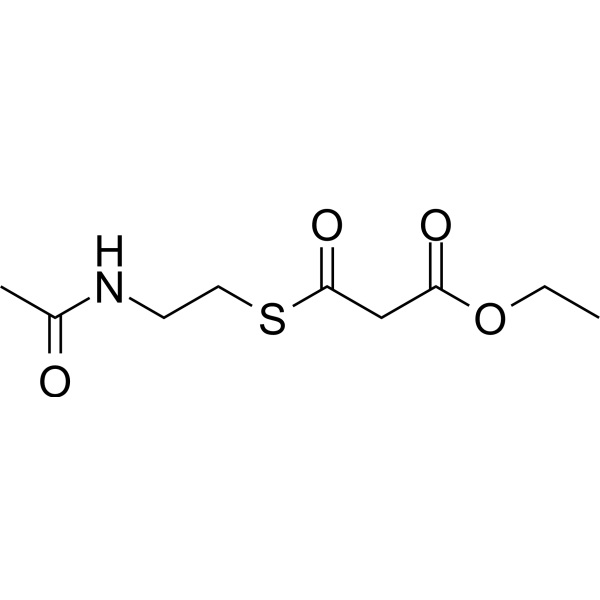
    malonyl-NAC
    2 Publications Verification

    Pyruvate Kinase Cancer
    malonyl-NAC increases cellular propylation, resulting in reduced endogenous GAPDH activity. malonyl-NAC increases GAPDH malonylation in cells and inhibits pyruvate kinase activity. In addition, malonyl-NAC limits the metabolism and proliferation of a highly glycolytic kidney cancer cell line harboring a tricarboxylic acid cycle mutation .
    malonyl-NAC
  • HY-N15451

    Pyruvate Kinase Infection
    Deoxytopsentin (compound 5) is a marine bisindole alkaloid and also a MRSA pyruvate kinase inhibitor. Deoxytopsentin exists in sponges. Deoxytopsentin exhibits antibacterial activity against methicillin-resistant Staphylococcus aureus strains in vitro .
    Deoxytopsentin
  • HY-157299

    PDHK Cancer
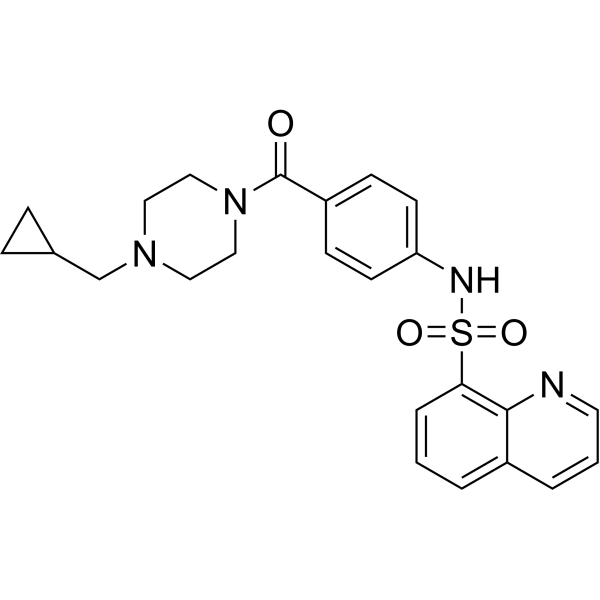
    PDK-IN-3 (compound 1) is a potent pan inhibitor of PDK with IC50s of 109.3, 135.8, 458.7 nM and 8.67 μM against PDK 1-4, respectively. PDK-IN-3 also induces proliferation and apoptosis in A549 cells .
    PDK-IN-3
  • HY-146552

    PDHK Metabolic Disease Cancer
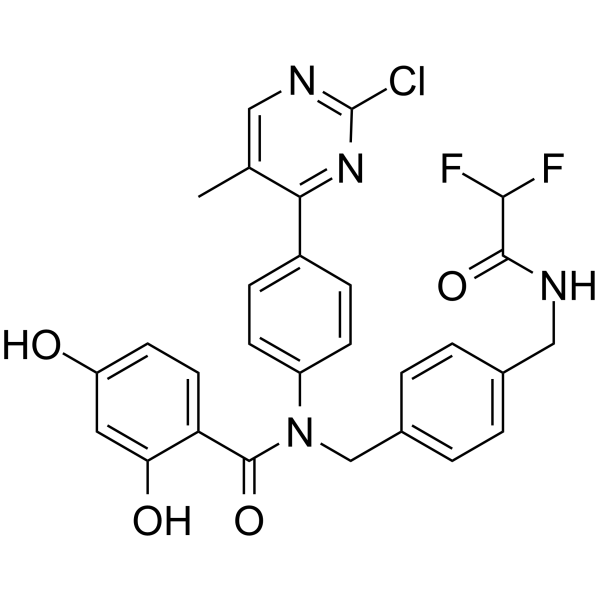
    PDHK-IN-4 (Compound 30) is a potent inhibitor of PDHK with IC50s of 0.0051 and 0.0122 μM for PDHK2 and PDHK4, repectively. Pyruvate dehydrogenase kinases (PDHKs) are fascinating agent targets for numerous diseases, including diabetes and cancers. PDHK-IN-4 has the potential for the research of cancer diseases .
    PDHK-IN-4
  • HY-N7064

    Pyruvate Kinase COX STAT TNF Receptor NO Synthase Interleukin Related HIF/HIF Prolyl-Hydroxylase Cardiovascular Disease Inflammation/Immunology
    Iminostilbene is a chemical precursor of carbamazepine. Additionally, Iminostilbene is an orally active inhibitor of PKM2 (Pyruvate Kinase M2) and COX2 (Cyclooxygenase-2). Iminostilbene exerts its effects by inhibiting PKM2 and its interaction with HIF-1α and STAT3, reducing COX2 and iNOS expression, and decreasing LPS-induced release of IL-1β, IL-6, TNF-α, and MCP-1, thereby suppressing macrophage-mediated inflammatory responses and improving myocardial ischemia/reperfusion (MI/R) injury. Iminostilbene holds promise for research in inflammation regulation, cardiovascular diseases (such as MI/R injury), and macrophage-mediated immune-related diseases .
    Iminostilbene
  • HY-119874

    Pyruvate Kinase Inflammation/Immunology Cancer
    Alkannin is a potent and specific inhibitor of tumor-specific pyruvate kinase-M2 (PKM2). Alkannin does not inhibit PKM1 and pyruvate kinase-L (PKL). Alkannin acts as a potential anticancer agent .
    Alkannin
  • HY-111936

    BML283

    Pyruvate Kinase Cancer
    ML083 is a member of a series of highly specific allosteric activators for the tumor-specific isoform of human pyruvate kinase (M2 isoform). ML083 affects the cooperativity of phosphoenolpyruvate (PEP) binding. ML083 can be used in the research of tumors .
    ML 083
  • HY-155850

    Pyruvate Kinase Neurological Disease
    CIAC001 is a Pyruvate Kinase PKM2 inhibitor with anti-neuroinflammatory activity. CIAC001 inhibits LPS-induced proinflammatory nitric oxide (NO) production and protects immunologically active BV-2 cells (IC50=2.5 μM). CIAC001 also has anti-neuroinflammation in mouse models and inhibits chronic morphine-induced addiction .
    CIAC001
  • HY-N0822R

    C.I. 75535 (Standard); Isoarnebin 4 (Standard)

    Reference Standards Exosomes Chloride Channel Pyruvate Kinase NF-κB TNF Receptor HIV AIM2 Cancer
    Shikonin (Standard) is the analytical standard of Shikonin. This product is intended for research and analytical applications. Shikonin is a major component of a Chinese herbal medicine named zicao. Shikonin is a potent TMEM16A chloride channel inhibitor with an IC50 of 6.5 μM . Shikonin is a specific pyruvate kinase M2 (PKM2) inhibitor and can also inhibit TNF-α and NF-κB pathway . Shikonin decreases exosome secretion through the inhibition of glycolysis . Shikonin inhibits AIM2 inflammasome activation .
    Shikonin (Standard)
  • HY-139573A

    (Rac)-FT-4202

    Pyruvate Kinase Cardiovascular Disease
    (Rac)-Etavopivat ((Rac)-FT-4202) is an isomer of Etavopivat (HY-139573). Etavopivat is an orally active erythrocyte pyruvate kinase-R (PKR) activator that can be used in studies of sickle cell disease and other haemoglobinopathies .
    (Rac)-Etavopivat
  • HY-134177

    Pyruvate Kinase Metabolic Disease
    2,5-Anhydro-D-glucitol-1,6-diphosphate is a limited stimulator of yeast Pyruvate Kinase. 2,5-Anhydro-D-glucitol-1,6-diphosphate is used as an analogue of the a-form, 2,5-anhydro-D-mannitol 1,6-bisphosphate, while is an excellent allosteric activator of Pyruvate Kinase .
    2,5-Anhydro-D-glucitol-1,6-diphosphate
  • HY-W134163

    trans-2-Octenal

    Fungal Reactive Oxygen Species (ROS) Mitochondrial Metabolism Phosphatase Pyruvate Kinase Infection
    (E)-2-Octenal is an Antifungal agent. (E)-2-Octenal disrupts cell membrane integrity and causes ROS accumulation. (E)-2-Octenal decreases the activities of phosphofructokinase and pyruvate kinase. (E)-2-Octenal inhibits Neofusicoccum parvum growth by disrupting mitochondrial energy metabolism. (E)-2-Octenal suppresses the growth of a Prochloraz (HY-B0845)-resistant Penicillium italicum strain. (E)-2-octenal exerts a broad-spectrum and potent inhibitory effect on various fungi, including Sclerotium rolfsii, Metarhizium anisopliae sensu lato, and Aspergillus flavus, etc. (E)-2-Octenal can be used for the research of citrus blue mold and mango stem-end rot .
    (E)-2-Octenal
  • HY-153354

    Pyruvate Kinase Metabolic Disease
    PKR activator 4 (example 7A) is a potent pyruvate kinase R (PKR) activator. PKR activator 4 has the potential for the research of blood disorders .
    PKR activator 4
  • HY-157538

    PDHK Cardiovascular Disease
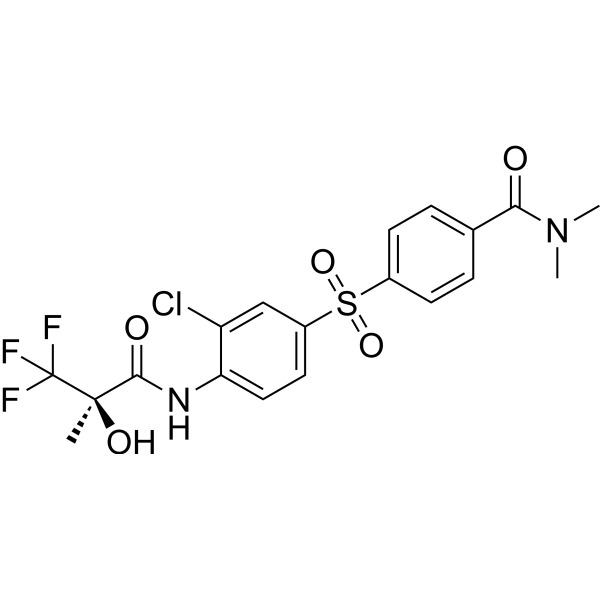
    PDK4-IN-2 (compound 8) is a pyruvate dehydrogenase kinase 4 (PDK4) inhibitor with an IC50 of 46 µM. PDK4-IN-2 improves ejection fraction of failing hearts by regulating bioenergetics via activation of the tricarboxylic acid cycle .
    PDK4-IN-2
  • HY-126585S

    Endogenous Metabolite Metabolic Disease
    SAICAR-d3 is the deuterium labeled SAICAR. SAICAR is an intermediate of de novo purine nucleotide biosynthesis, activates pyruvate kinase isoform M2 (PKM2) in an isozyme-selective manner, with an EC50 of 0.3 mM. SAICAR stimulates PKM2 and promotes cancer cell survival in glucose-limited conditions .
    SAICAR-d3
  • HY-178748

    Pyruvate Kinase Apoptosis Endogenous Metabolite Reactive Oxygen Species (ROS) Cancer
    PKM2-IN-12 is an orally active PKM2 inhibitor with an IC50 of 10 nM. PKM2-IN-12 inhibits COLO-205 cell proliferation and migration, arrests the cell cycle, and induces apoptosis. PKM2-IN-12 significantly reduces cellular levels of lactate, pyruvate, and ROS. PKM2-IN-12 directly kills cancer cells and restores disrupted gut microbiota balance in mice model. PKM2-IN-12 can be used to study colorectal cancer .
    PKM2-IN-12
  • HY-170577

    Pyruvate Kinase Apoptosis Cancer
    PKM2-IN-8 (Compound 9b) is a pyruvate kinase M2 (PKM2) inhibitor (IC50 = 0.31 μM). PKM2-IN-8 has potent antiproliferative activity against U87MG glioma cells. PKM2-IN-8 can induce early apoptosis and reduce lactate levels. PKM2-IN-8 can be used for the research of glioblastoma .
    PKM2-IN-8
  • HY-168446

    Pyruvate Kinase Fungal Infection
    PKR-IN-1 (Compound 5s) is a pyruvate kinase (PK) inhibitor that has antifungal activity, with an EC50 of 0.21 μg/mL for R. solani .
    PKR-IN-1
  • HY-173298

    PDHK Inflammation/Immunology Cancer
    PDHK1-IN-2 (Compound 24) is an ATP-competitive dual inhibitor of pyruvate dehydrogenase kinases 1/2 (PDHK1/2), with an IC50 of 0.007 μM for PDHK1 and an IC50 of 0.015 μM for PDHK2. PDHK1-IN-2 can regulate immune cell metabolism and correct mitochondrial dysfunction, and is expected to be used in the research of autoimmune diseases, inflammatory diseases, cancers, and other conditions .
    PDHK1-IN-2

Inquiry Online

Your information is safe with us. * Required Fields.

Salutation


Country or Region *

Applicant Name *


Organization Name *

Department *


Email Address *


Product Name *

Cat. No.


Requested quantity *

Phone Number *


Remarks

Inquiry Online

Inquiry Information

Product Name:
Cat. No.:
Quantity:
MCE Japan Authorized Agent:

